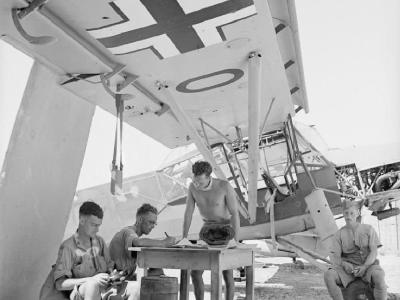
Fi 156
Click the thumbnails to enlarge them
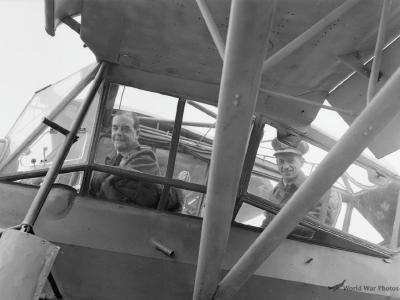
British Fi 156
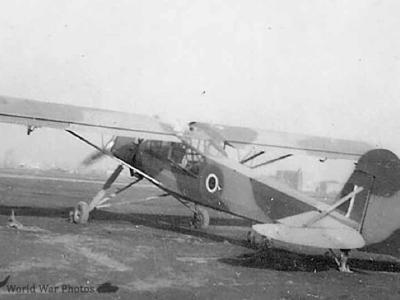
British Fi 156
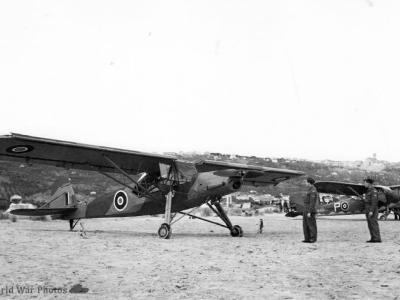
British Fi 156 RAF and Stinson Vigilant HK926
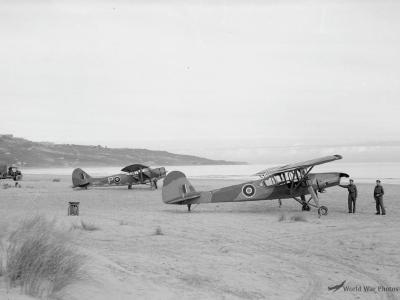
British Fi 156 RAF and Vigilant HK926
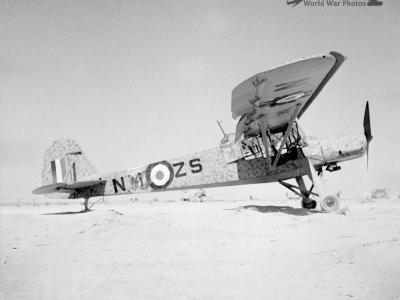
British Fi 156C-3/trop Africa
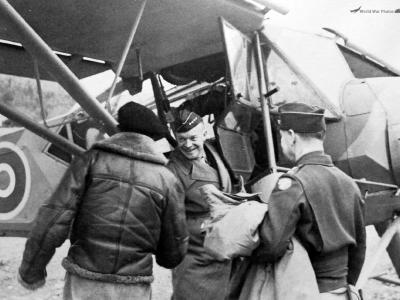
Eisenhower and Montgomery at Fi156 in Italy
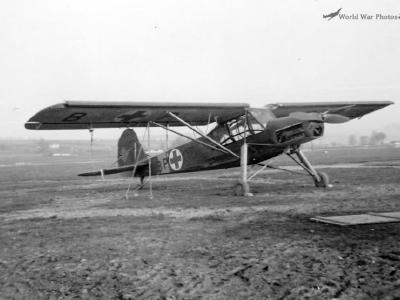
Fi 156
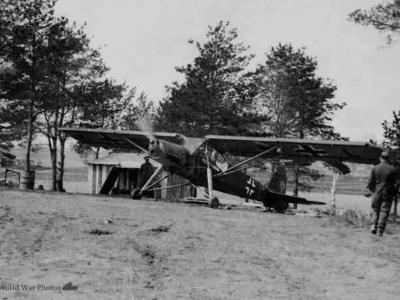
Fi 156
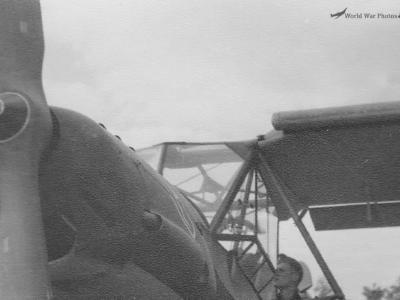
Fi 156
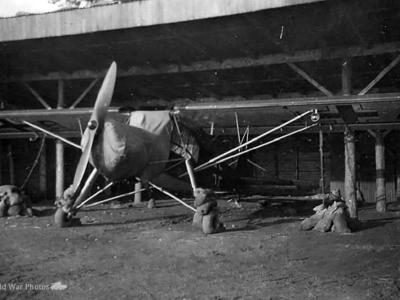
Fi 156
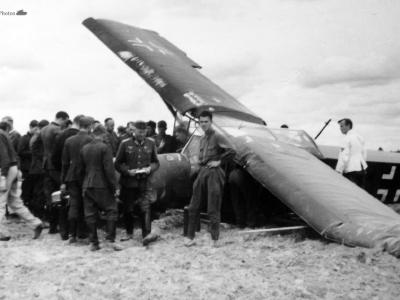
Fi 156
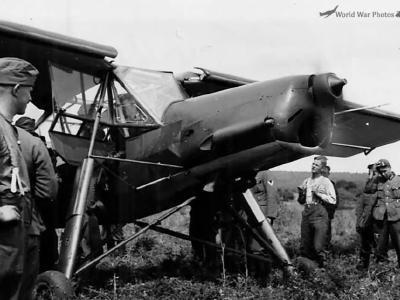
Fi 156
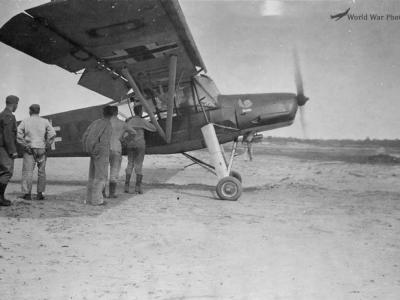
Fi 156
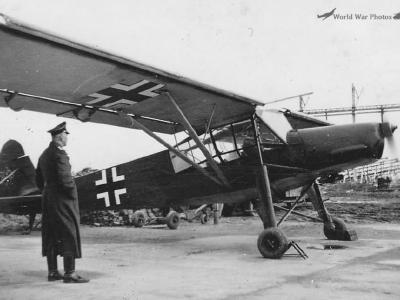
Fi 156 10
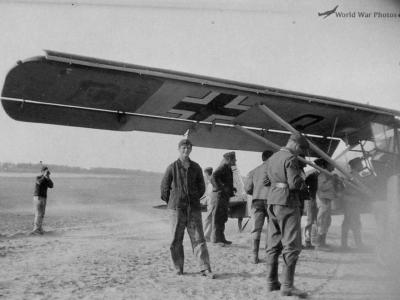
Fi 156 14
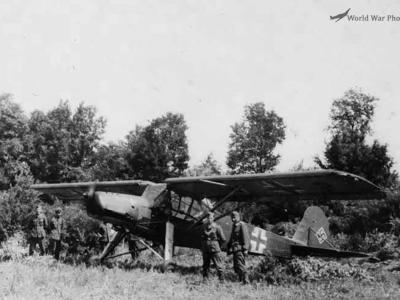
Fi 156 16
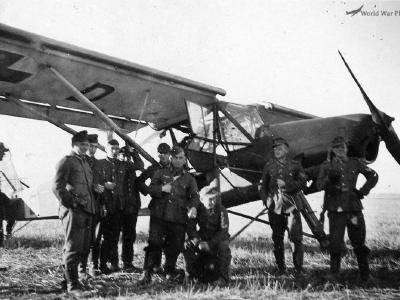
Fi 156 17
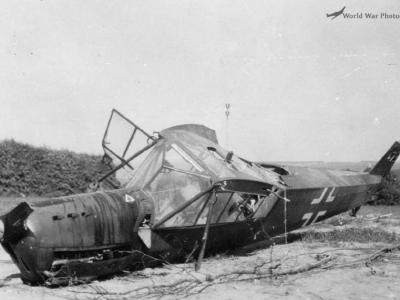
Fi 156 19
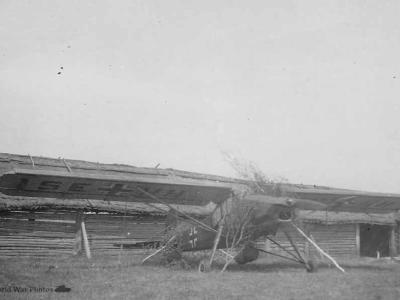
Fi 156 1941
Fi 156 22
Fi 156 6
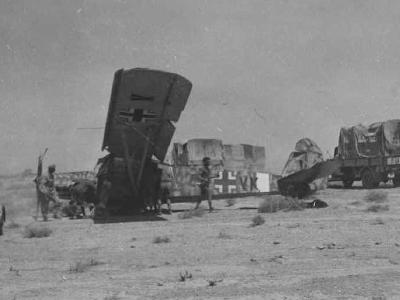
Fi 156 Africa
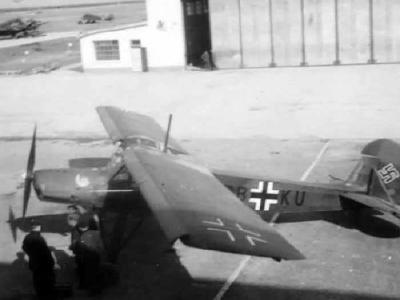
Fi 156 Bucharest 1941
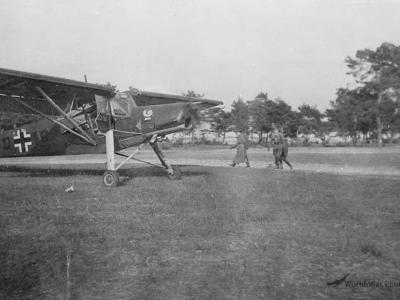
Fi 156 CQ+IG
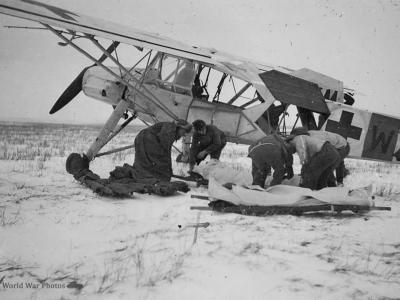
Fi 156 D winter
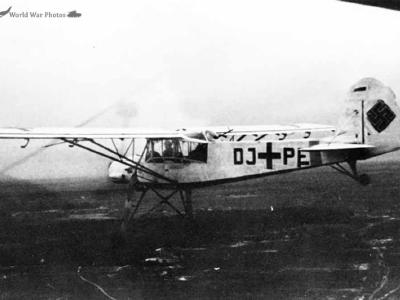
Fi 156 DJ+PE
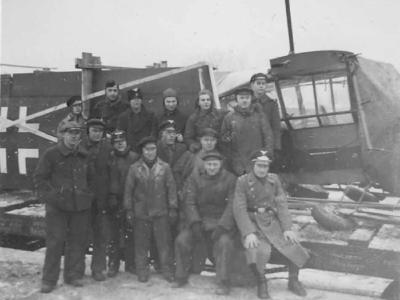
Fi 156 France 1940
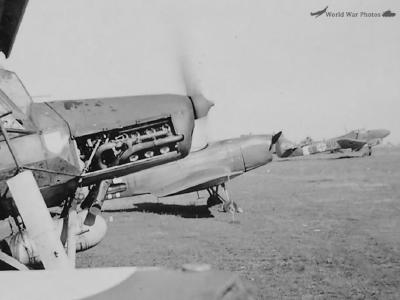
Fi 156 Fw58
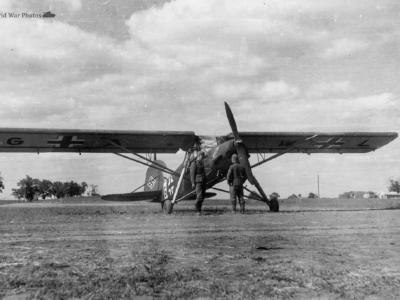
Fi 156 GA+WL
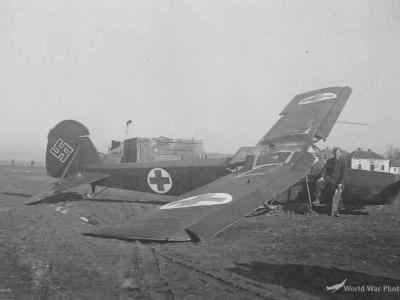
Fi 156 GF+KL ambulance
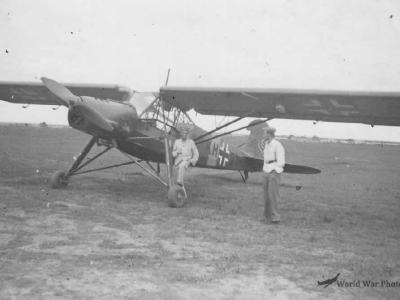
Fi 156 KH+QT June 1942
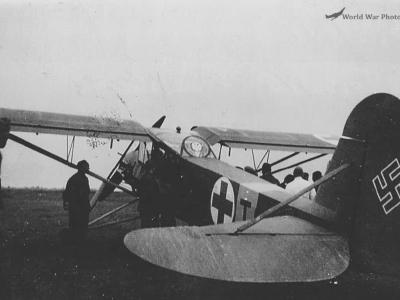
Fi 156 medical evacuation aircraft
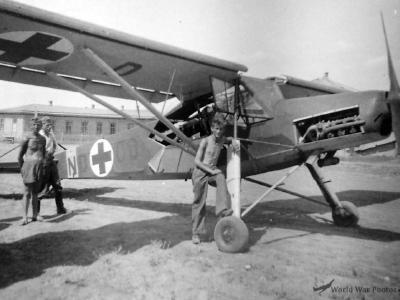
Fi 156 ND+OO ambulance
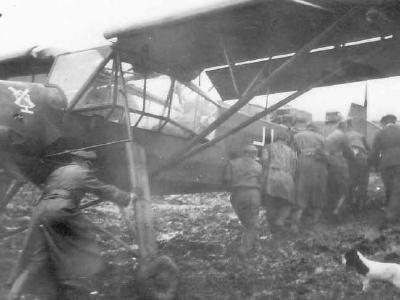
Fi 156 Norway
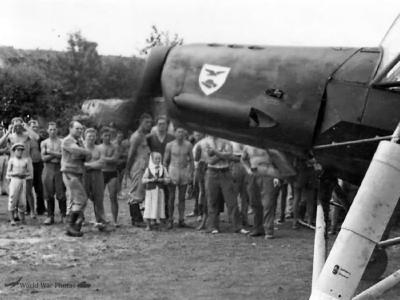
Fi 156 of the 11(H)/Pz.11 Dubno 1941
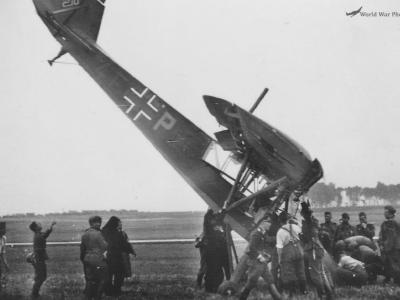
Fi 156 of the 4.Panzer Division September 1939

Fi 156 of the II/JG 2 Tunisia 1942
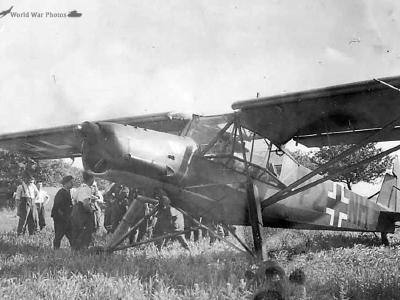
Fi 156 P2+NM
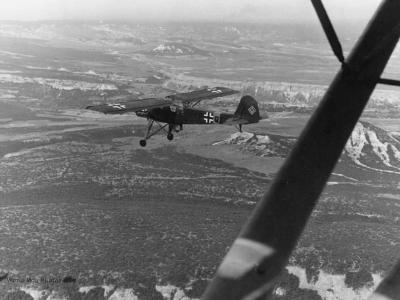
Fi 156 PP+QZ over Crimea June 1942
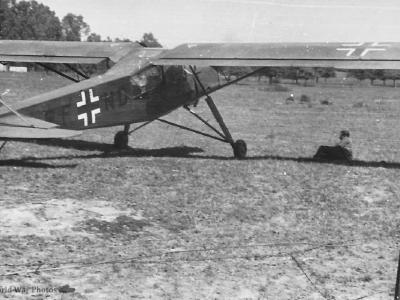
Fi 156 RF+ND
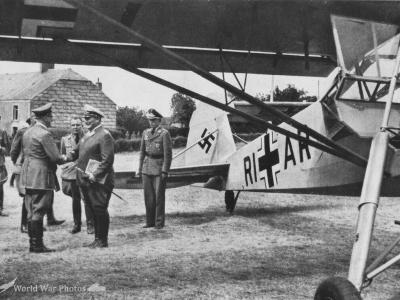
Fi 156 RI+AR
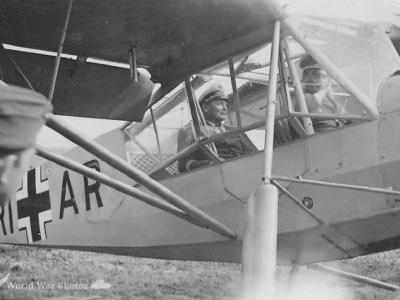
Fi 156 RI+AR 2
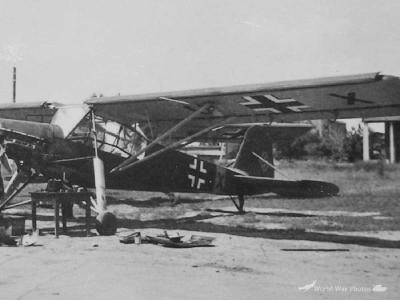
Fi 156 Russia
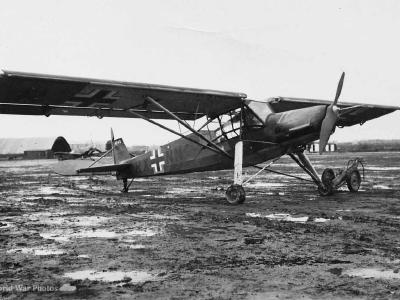
Fi 156 RX+NN Russia
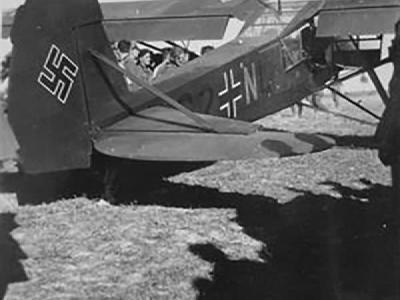
Fi 156 S2+NL
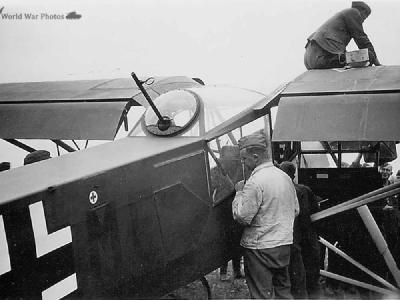
Fi 156 Storch

Fi 156 Storch Banak Norway 1940
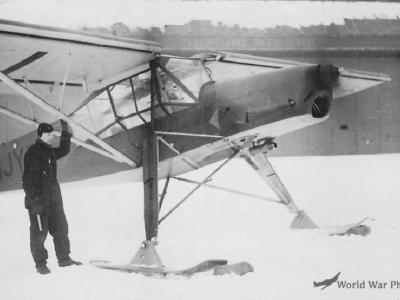
Fi 156 Storch WL+IJY with ski undercarriage
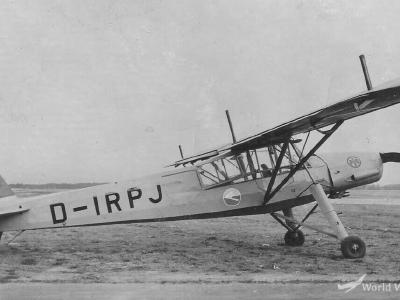
Fi 156A D-IRPJ
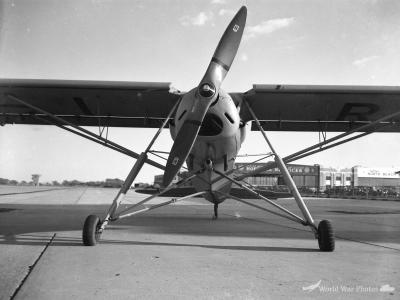
Fi 156A D-IRPJ 2
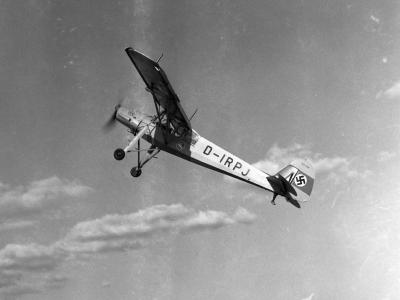
Fi 156A D-IRPJ 3
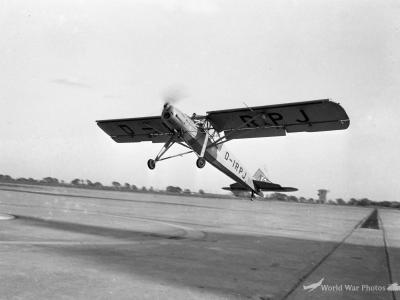
Fi 156A D-IRPJ 4
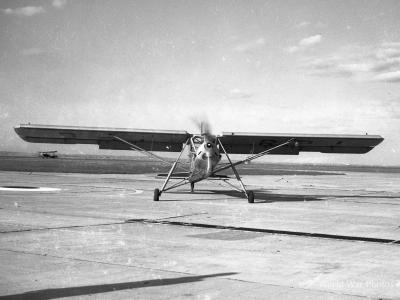
Fi 156A D-IRPJ 5
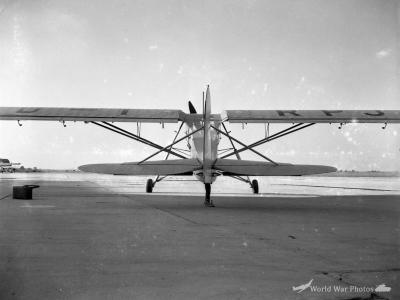
Fi 156A D-IRPJ 6
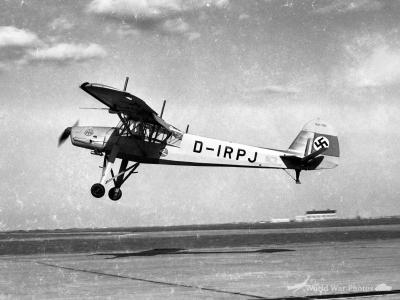
Fi 156A D-IRPJ 7
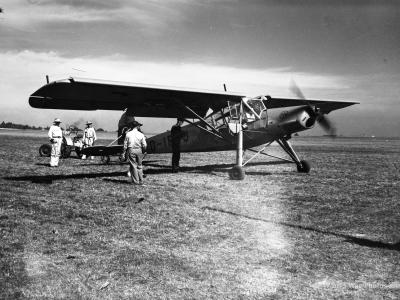
Fi 156A D-IRPJ Cleveland 1938
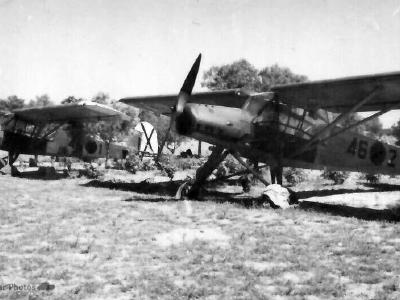
Fi 156A Legion Condor
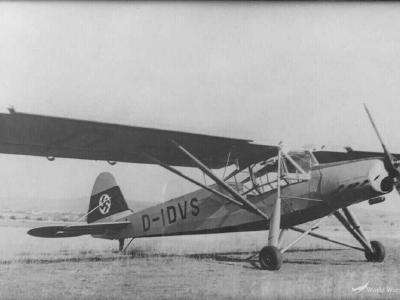
Fi 156A-0 D-IDVS
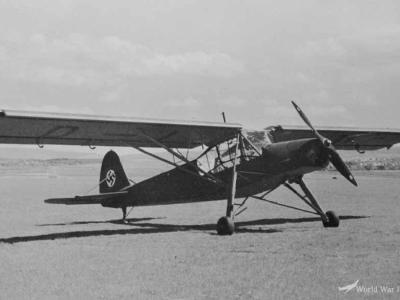
Fi 156A-1 D-INPC
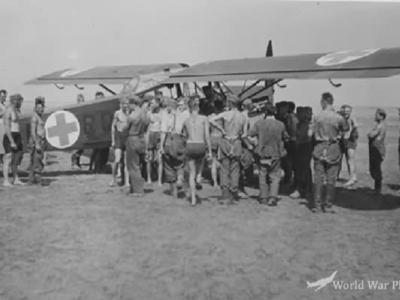
Fi 156C
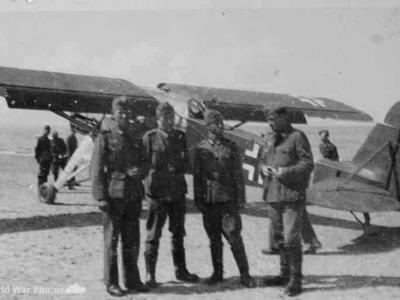
Fi 156C
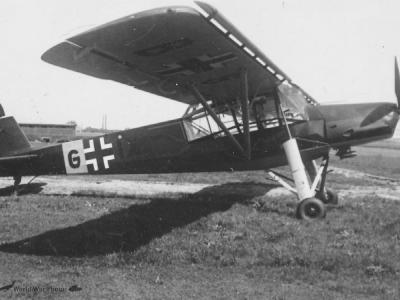
Fi 156C BG+IX
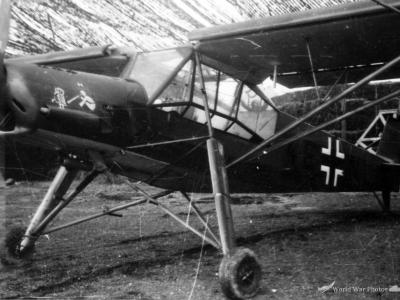
Fi 156C Holland
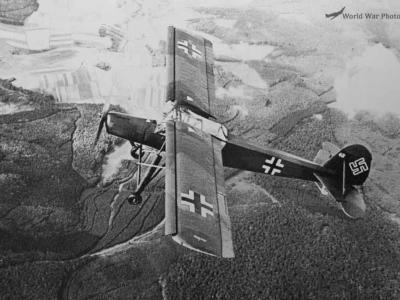
Fi 156C in flight
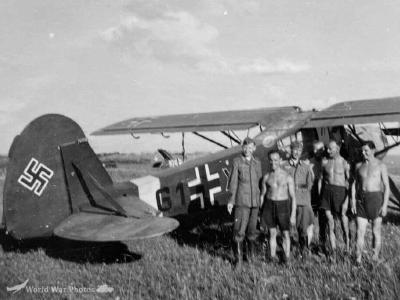
Fi 156C Storch
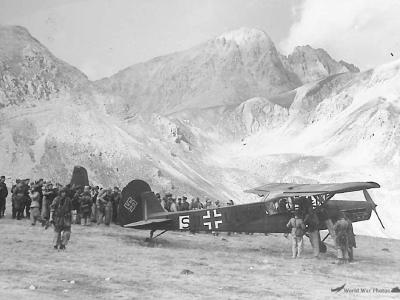
Fi 156C-3 SJ+LL Gran Sasso
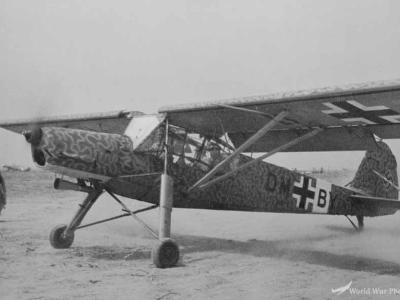
Fi 156C-3/trop DM+BY Africa
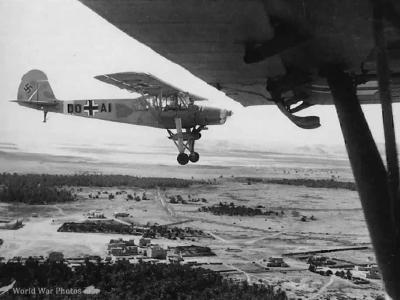
Fi 156C-5 DO+AI of the JG27
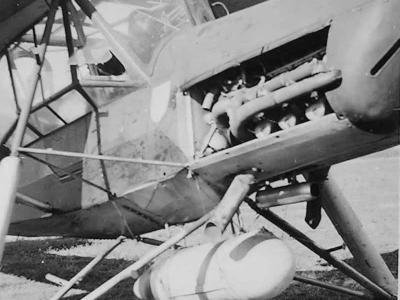
Fi 156C-5 with an external fuel tank
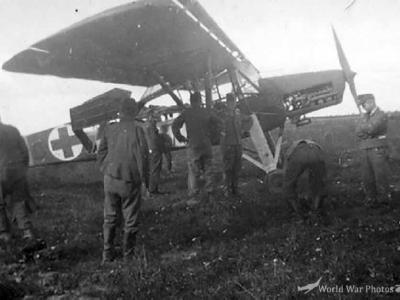
Fi 156D
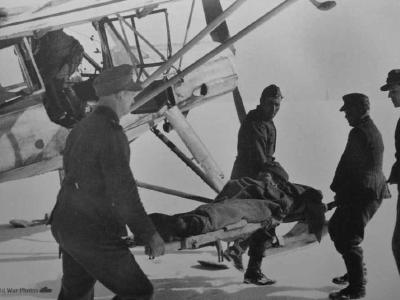
Fi 156D
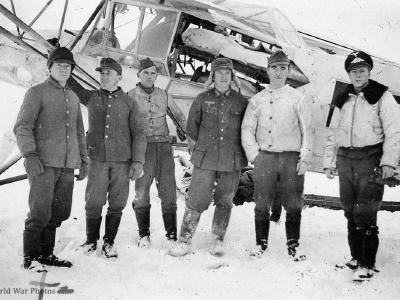
Fi 156D
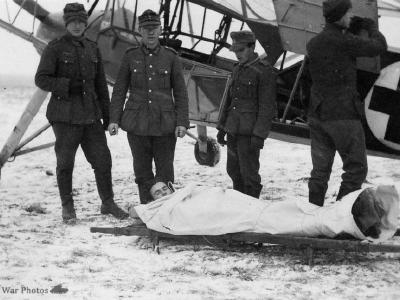
Fi 156D
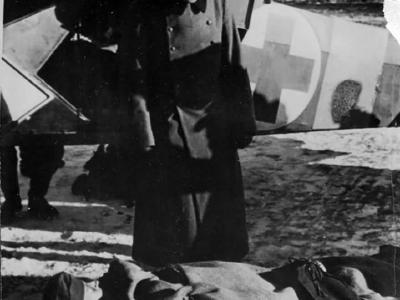
Fi 156D 2
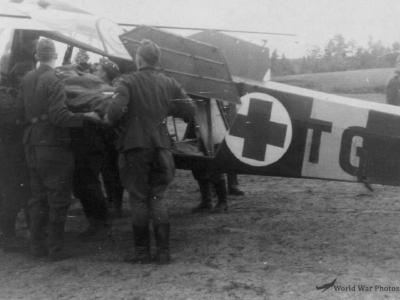
Fi 156D 9
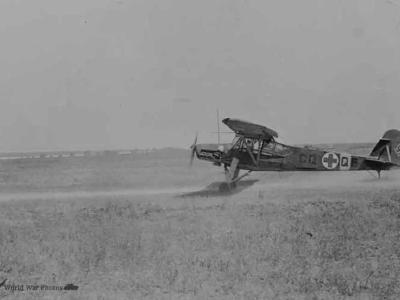
Fi 156D CQ+QE Sanitätsflugzeug
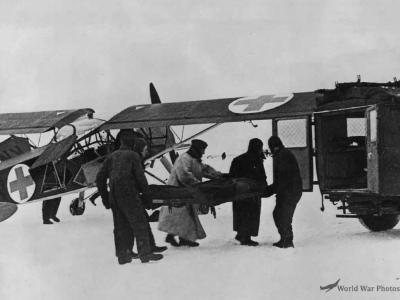
Fi 156D February 1942
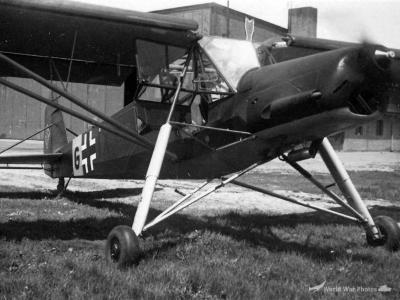
Fieseler Fi 156 IX
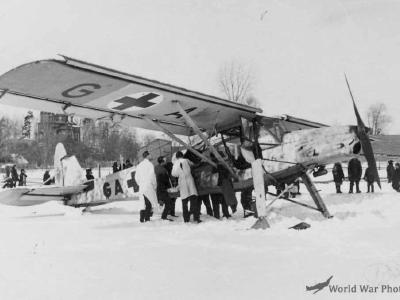
Fieseler Fi 156 Storch Russsia
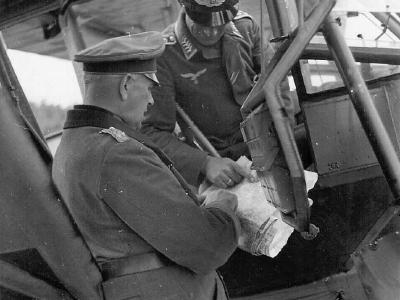
General Adolf Strauss by Luftwaffe Fi 156
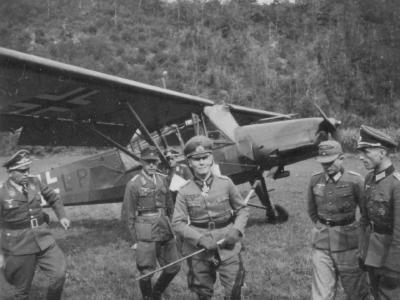
General Rommel with Fieseler Storch Fi 156
The Fieseler Fi 156, famously designated as the "Storch" (Stork), was a highly specialized German short take-off and landing (STOL) aircraft that served as a ubiquitous multi-role platform during the Second World War. Developed by the Gerhard Fieseler Werke in Kassel, the aircraft was the result of a 1935 requirement issued by the Technisches Amt of the Reichsluftfahrtministerium (RLM) for a liaison, observation, and medical evacuation plane. The design team, led by Professor Reinhold Mewes and Viktor Maugsch under the initiative of Professor Dr.-Ing. Hermann Winter, created a machine that prioritized low-speed stability and exceptional field performance over aerodynamic refinement or speed.
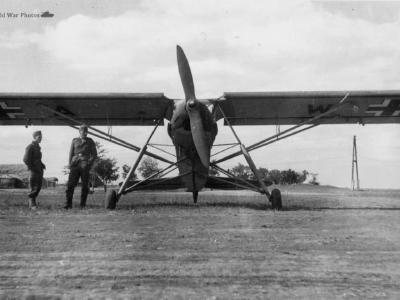
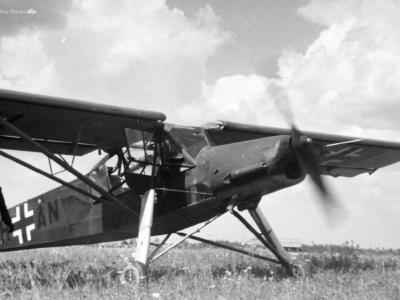
The physical appearance of the Fi 156 was defined by its high-wing braced configuration and a large, extensively glazed "greenhouse" cockpit that provided the crew with unparalleled visibility in nearly every direction. Its structure consisted of a fabric-covered, welded steel-tube fuselage, while the two-spar wooden wings were designed with a significant array of high-lift devices. These features included fixed Handley-Page slats extending across the entire leading edge and large Fowler flaps on the trailing edge, which allowed the aircraft to remain controllable at speeds as low as 50 km/h. One of the Storch’s most characteristic features was its long-stroke, stilt-like landing gear, which utilized VDM oil-damped shock absorbers to manage heavy landings on unprepared or rugged terrain. The aircraft was powered by an eight-cylinder, air-cooled Argus As 10 C engine producing approximately 240 horsepower, driving a fixed-pitch two-blade wooden propeller.
The Fi 156 was produced in several distinct series to meet various military and specialized roles. The A-series represented the initial pre-production and early military versions, while the B-series was intended for civilian use but saw very limited production. The C-series became the definitive military model, with variants such as the C-1 for staff liaison, the C-2 for short-range reconnaissance and rescue, and the C-3/C-5 as multi-purpose versions often equipped with a defensive 7.92 mm MG 15 machine gun in a rear "fisheye" mount. The D-series was a dedicated medical evacuation model featuring an enlarged cargo door on the starboard side to facilitate the loading of stretchers. More experimental iterations included the Fi 156 E-0, which utilized a tracked undercarriage for landing on extremely soft or marshy ground, and the Fi 156 P, a variant designed for anti-partisan operations equipped with underwing bomb racks.
Operationally, the Storch became an indispensable asset for the German Wehrmacht and Luftwaffe on every front of the conflict. It served as a "flying observation post" for high-ranking commanders, most notably Generalfeldmarschall Erwin Rommel in North Africa and Generalfeldmarschall Albert Kesselring in Italy. The aircraft's STOL performance was legendary, with the ability to take off in less than 50 meters and land in as little as 20 meters under favorable wind conditions. Perhaps the most famous single mission involving the Fi 156 was the September 1943 rescue of Benito Mussolini from the Gran Sasso massif, where Hauptmann Gerlach landed a C-5 model on a tiny, debris-strewn plateau to extract the Italian leader.
The impact of the Fi 156 design was such that it was manufactured under license outside of Germany and continued to see service long after 1945. During the war, production was expanded to Morane-Saulnier in occupied France and the Mráz factory in the Protectorate of Bohemia and Moravia. In Japan, the Nippon Kokusai company developed the Kawasaki Ki-76, an aircraft heavily inspired by the Storch's STOL philosophy. Following the collapse of the Third Reich, production continued in France as the MS 500 Criquet and in Czechoslovakia as the K-65 Čáp, with these versions serving in conflicts such as the First Indochina War and the Algerian War. Estimates of total production for the Fi 156 and its variants range between 2,564 and 2,900 units, securing its historical status as one of the most successful utility aircraft ever designed.