Fi 156C-5 Storch 1943
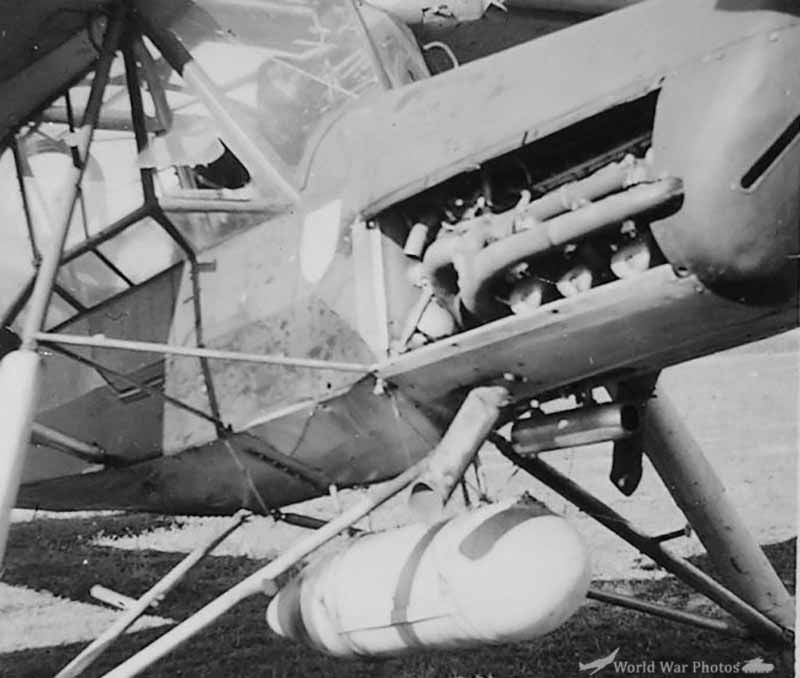
Fi 156C-5 with an external fuel tank
The Fieseler Fi 156 C-5 represented one of the final and most versatile production iterations of the Storch series, serving as a multi-purpose platform utilized by the Luftwaffe from 1941 through the conclusion of the Second World War. This variant was a direct technical evolution of the C-3 model, refined to enhance the aircraft's operational range and performance in diverse environmental conditions.
Powerplant and Performance
The primary technical distinction of the Fi 156 C-5 was its engine, the eight-cylinder, air-cooled Argus As 10 P. This engine provided approximately 240 horsepower, maintaining the aircraft's legendary short take-off and landing (STOL) capabilities even when operating at increased weights. To facilitate its various mission profiles, the C-5 was equipped with a fixed-pitch, two-blade wooden propeller, typically manufactured by Heine. The airframe’s design prioritized low-speed stability, allowing for a minimum flight speed of approximately 50 km/h.
Range and Payload Modifications
A defining characteristic of the C-5 variant was the systematic integration of auxiliary fuel capacity. While standard internal tanks provided a range of approximately 380 to 400 kilometers, the C-5 could be equipped with an external, jettisonable fuel tank mounted beneath the fuselage, a feature based on trials originally conducted with the Fi 156 V4 prototype. This modification significantly extended the aircraft's endurance for long-range reconnaissance and ferry missions. Additionally, the C-5 could be fitted with bomb racks, such as the ETC 50/VIII, enabling it to carry light ordnance or supply canisters for ground-support operations.
Defensive Armament
For self-defense, the Fi 156 C-5 was standardly equipped with a single 7.92 mm Rheinmetall-Borsig MG 15 machine gun. This weapon was housed in the B-Stand, located in the upper rear section of the extensively glazed cockpit roof. The mounting mechanism, known as the Linsenlafette LL-K or "fisheye" mount, provided a wide field of fire for the observer or rear passenger. Ammunition was supplied via 75-round double-drum magazines, typically allowing for a total of 150 rounds to be carried.
Specialized Variants: The C-5/Trop
A significant portion of C-5 production was dedicated to the C-5/Trop configuration, specifically modified for operations in the North African and Mediterranean theaters. These "tropicalized" aircraft featured specialized technical adaptations:
- Dust Protection: The installation of Delbag air filters to prevent sand ingestion into the Argus engine.
- Sun Protection: Internal cockpit curtains and specialized glass coatings were added to mitigate extreme solar heat.
- Survival Gear: The inclusion of an emergency survival kit (Notlandeausrüstung) containing tents, rations, and specialized weapons like a drilling or carbine for the crew in the event of a desert forced landing.
Production and Legacy
Production of the Fi 156 reached its zenith in 1943, with approximately 884 units of various models, including the C-5, manufactured that year alone. While the Gerhard Fieseler Werke in Kassel initially handled production, the manufacturing of C-series airframes was eventually distributed to licensed facilities such as Morane-Saulnier in France and Mraz in the Protectorate of Bohemia and Moravia to free up capacity for fighter aircraft. The C-5's versatile design ensured its continued service throughout the war on every major front, from the frozen Eastern Front to the arid deserts of North Africa.