British Fi 156C-3/trop NM+ZS
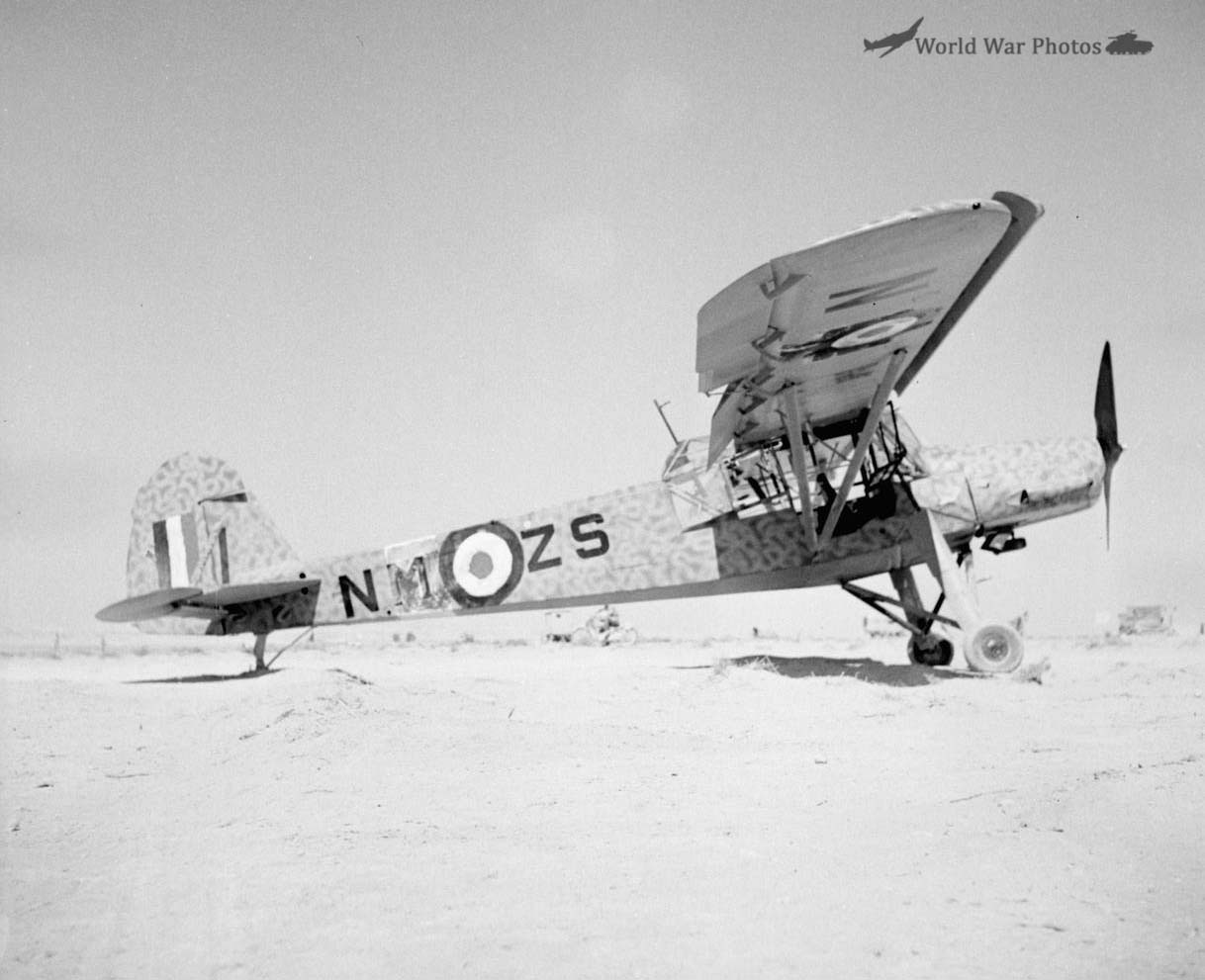
British Fi 156C-3/trop Africa
The Fieseler Fi 156 C-3/trop was a specialized "tropicalized" iteration of the definitive military C-series, engineered to maintain the Storch’s short take-off and landing (STOL) performance within the extreme environmental conditions of the North African and Mediterranean theaters. As a multi-purpose platform, this variant integrated specific technical enhancements and survival equipment designed to mitigate the effects of high temperatures and abrasive desert sand.
Technical Specifications and Powerplant
The Fi 156 C-3/trop was powered by the eight-cylinder, air-cooled Argus As 10 P-1 engine, which produced approximately 240 horsepower. This engine was standard for both the C-3 and subsequent C-5 models, providing the necessary power for reliable operations from unprepared, soft, or sandy landing strips. To protect the internal components from the ingress of desert dust and fine sand, the aircraft was equipped with specialized Delbag air filters. Additionally, some tropicalized airframes featured enlarged or modified oil coolers and supplementary engine venting to manage the intense heat of the African climate.
Tropical Modifications (Tropen-Ausrüstung)
The "Trop" designation signified a comprehensive suite of modifications intended to ensure crew comfort and survival in arid landscapes. These technical adaptations included:
- Sun Protection: Internal cockpit curtains (Sonnenschutzgardinen) were installed for both the pilot and the observer to reduce solar glare and cabin temperatures. Specialized heat-reflecting glass or coatings were also utilized in the extensively glazed "greenhouse" canopy.
- Emergency Survival Kits: The variant carried a dedicated emergency landing kit (Notlandeausrüstung), typically consisting of two backpacks containing concentrated rations, water, and lightweight tents.
- Survival Armament: For defense against ground threats following a forced landing, the kit included specialized hunting weapons, such as a "drilling" (a triple-barrel shotgun/rifle combination) or carbines, intended to facilitate survival and foraging in remote desert regions.
Defensive Armament
For aerial self-defense, the C-3/trop was standardly equipped with a single 7.92 mm Rheinmetall-Borsig MG 15 machine gun. This weapon was situated in the B-Stand, mounted within a specialized circular "fisheye" or lens mount (Linsenlafette LL-K) in the rear upper glazing. The observer utilized a Visiereinrichtung 65 sighting system to track pursuing fighters, and the weapon was supplied by double-drum magazines (Doppeltrommeln Dt 15) containing 75 rounds each.
Operational Deployment and Roles
The Fi 156 C-3/trop became an indispensable asset for the German Afrikakorps (DAK) and the Luftwaffe’s specialized desert units.
- Staff Liaison: It served as the primary transport for theater commanders, most famously Generalfeldmarschall Erwin Rommel, who utilized the aircraft to conduct rapid inspections of his mobile panzer divisions.
- Desert Rescue: The variant was the cornerstone of the Wüstennotstaffel (Desert Emergency Squadron), performing hazardous missions to locate and extract downed pilots from the deep desert before they could be captured or succumb to the elements.
- Camouflage: These aircraft typically wore a "tropical" camouflage scheme consisting of a sand-brown (sandbraun) base color, often overlaid with dark green or brown spots or wavy "snake" patterns (Schlangenmuster) to blend with the desert terrain.
While standard fuel capacity was approximately 150 liters, many C-3/trop aircraft were field-modified with internal wing tank extensions or auxiliary fuel systems to manage the vast distances of the African front. Despite the introduction of the C-5/trop, which standardized external fuel racks, the C-3/trop remained a vital multi-role workhorse throughout the Mediterranean campaign.