Fi 156A 46-1 and 46-2 Legion Condor
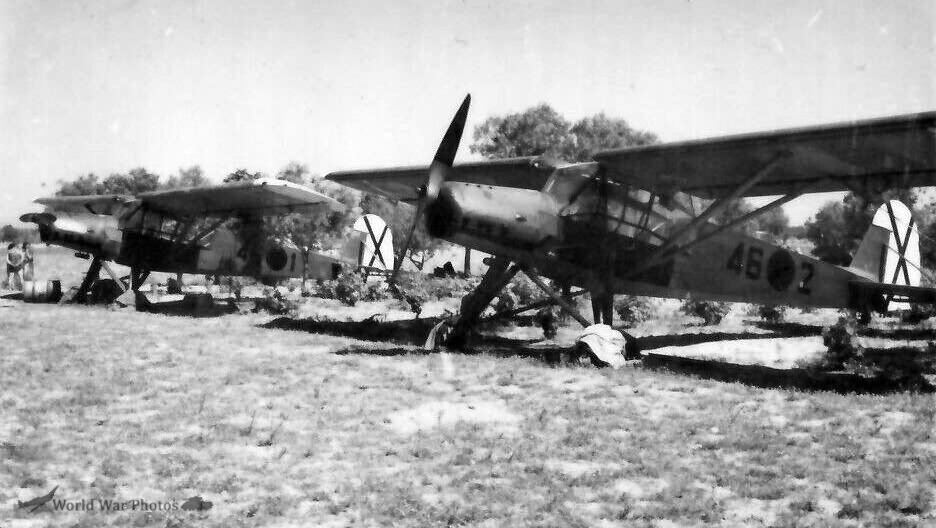
Fi 156A Legion Condor
The deployment of the Fieseler Fi 156 with the Legion Condor during the Spanish Civil War represented the aircraft's combat debut and a critical phase in codifying its operational utility. The specific features and history of these aircraft are characterized by the following technical and organizational details:
Technical Variant and Initial Deployment
The aircraft provided to the Legion Condor were among the first definitive military production airframes, specifically the Fi 156 A-1 variant, phonetically known as "Anton". These machines were shipped to Spain starting in the winter of 1937/38 following an initiative by Reichsmarschall Hermann Göring, who viewed the type as an essential asset for modern warfare.
Nomenclature and Identification
- Local Designation: In Spanish service, the aircraft was colloquially and officially named the "Cigüeña" (Spanish for Stork), maintaining the spirit of the original German name.
- Tactical Coding: The initial batch of four Storchs utilized by the Legion Condor were assigned the tactical codes 46-1, 46-2, 46-3, and 46-4.
- Markings: These aircraft were finished in typical Nationalist Spanish markings, often featuring the black "X" on a white background on the rudder and circular fuselage insignia.
Operational Role and Units
The Cigüeñas were primarily utilized for reconnaissance, courier duties, and staff liaison. They were systematically attached to reconnaissance units such as the Legion A/88. Additionally, units such as S/88 and P/88 were noted for operating these Storchs to maintain communications between mobile front-line positions and command headquarters.
Post-Conflict Legacy
Following the conclusion of the Spanish Civil War, the surviving Fi 156 A-1 airframes were incorporated into the Spanish Air Force (Aviación Militar), where they were eventually supplemented by 17 later-model Fi 156 C-1 variants. In Spanish service, the type received the designation L.16, which was later changed to L.6 in 1956. These aircraft proved exceptionally durable, remaining in both military and private use in Spain well into the 1950s.