SB
Click the thumbnails to enlarge them
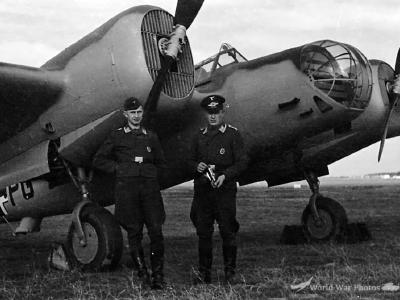
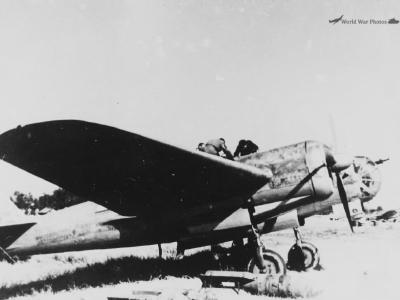
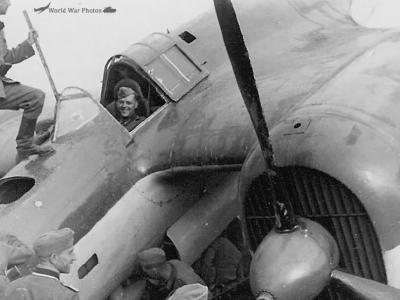
Avia B-71A 1 FG Luftwaffe Target Tug
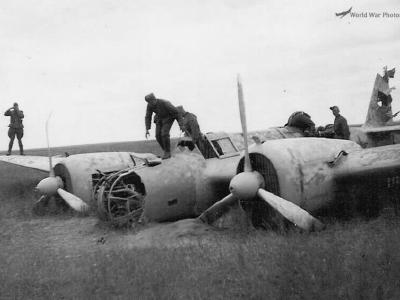
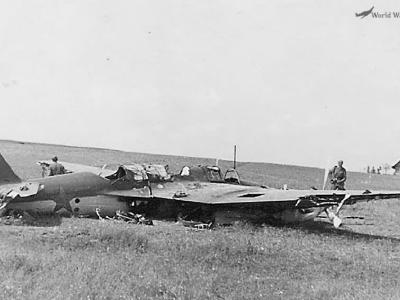
Crashed Tupolev SB
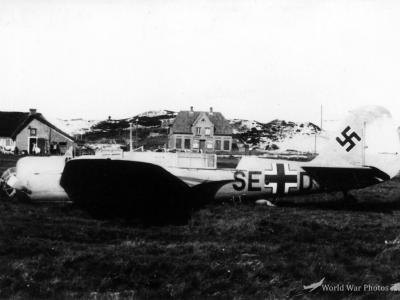
German Avia B-71
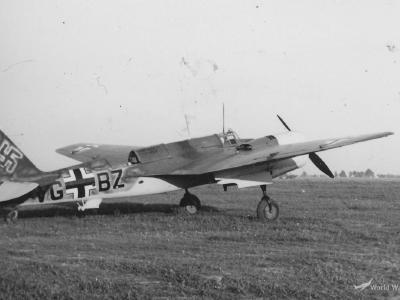
German AVIA B-71 VG+BZ
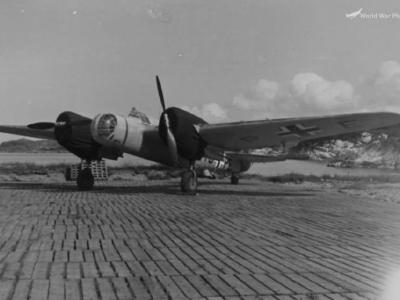
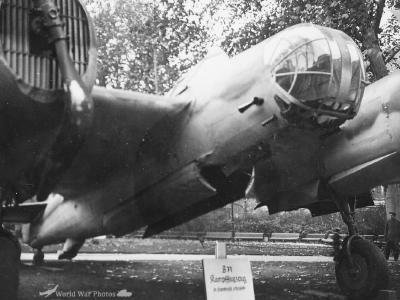
German AVIA B-71A
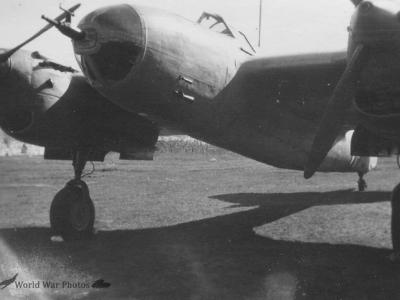
German SB-2 2
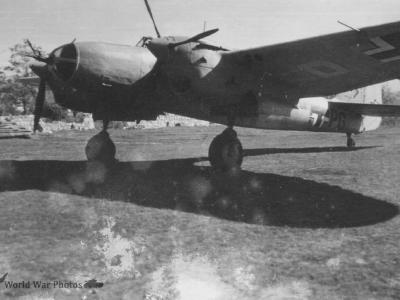
German SB-2 3
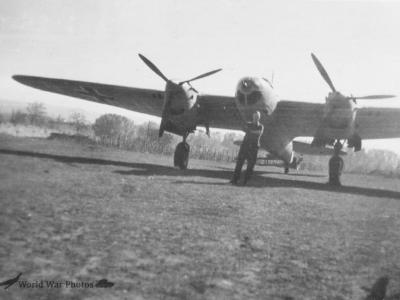
German SB-2 4
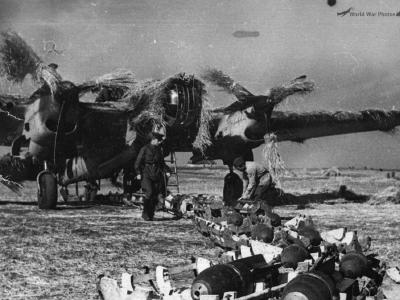
SB 2M-103
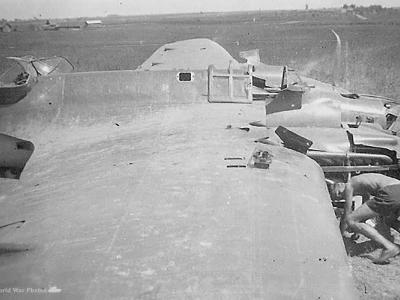
SB 2M-103
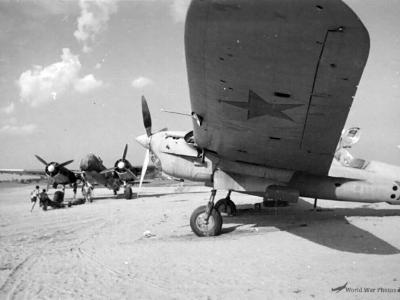
SB 2M-103
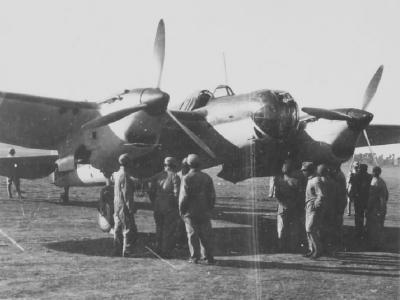
SB 2M-103
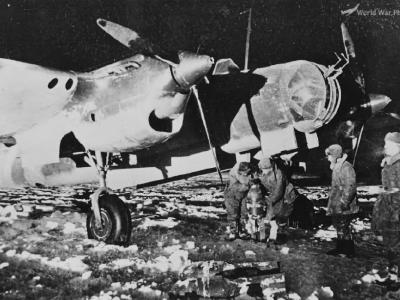
SB 2M-103
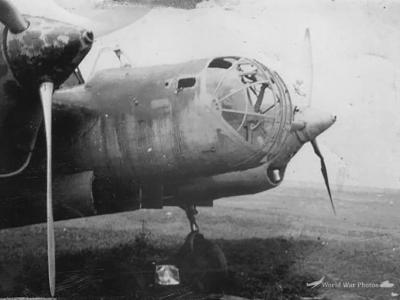
SB 2M-103 12
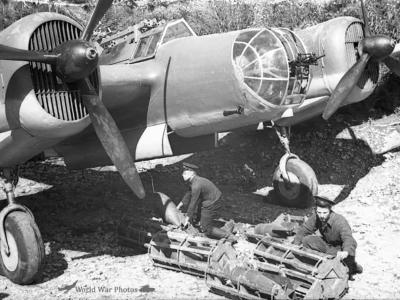
SB 2M-103 1941
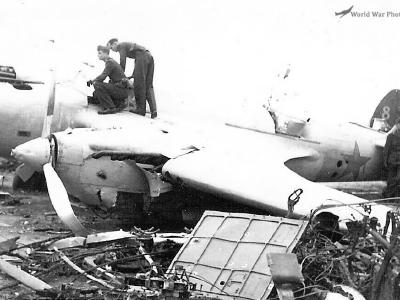
SB 2M-103 2
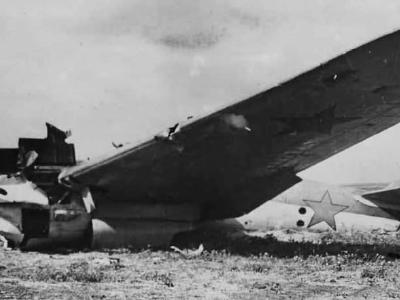
SB 2M-103 code 1
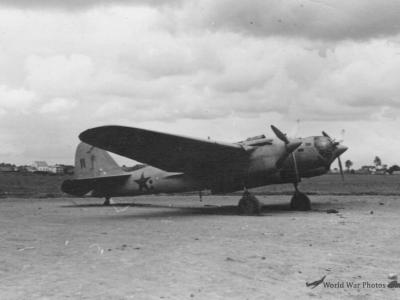
SB 2M-103 code 11
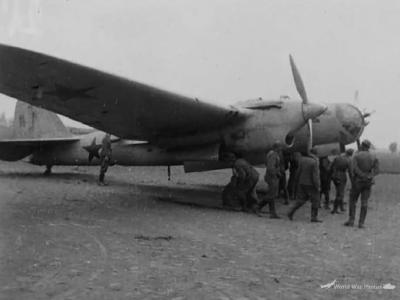
SB 2M-103 code 11
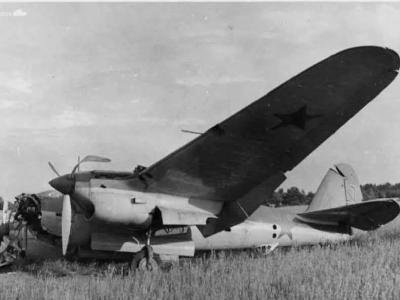
SB 2M-103 code 7
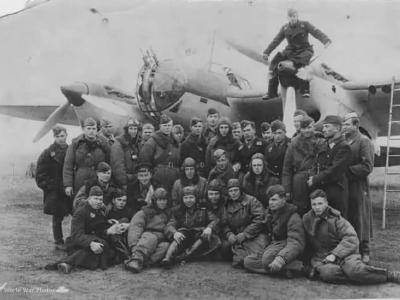
SB 2M-103 crew
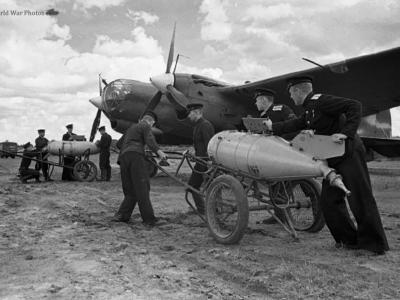
SB 2M-103 of the 1st GMTAP
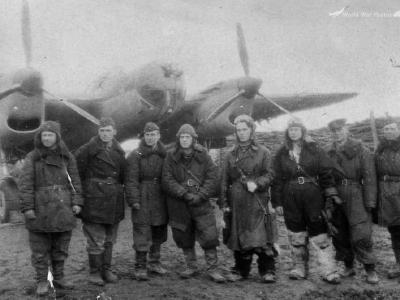
SB 2M-103 of the 367 SBAP
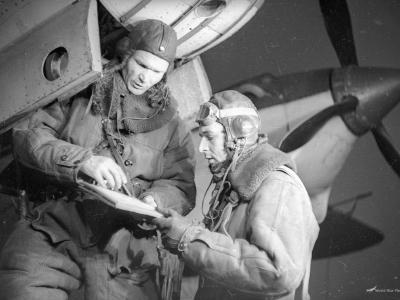
SB 2M-103 of the 459 SBAP 1942
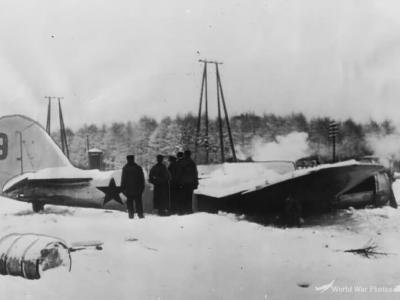
SB code 9 shot down Karelian Front Finland
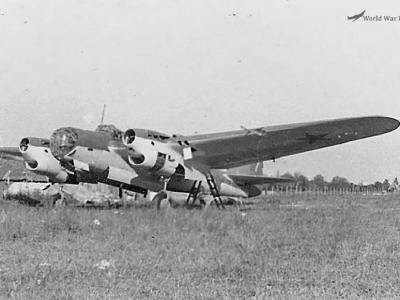
SB-2M-103 Bomber on Airfield
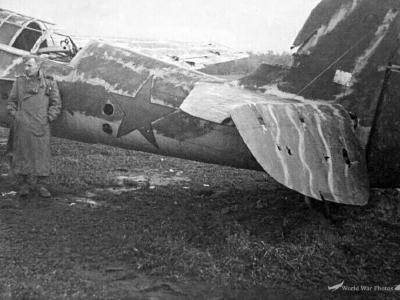
Tupolev SB
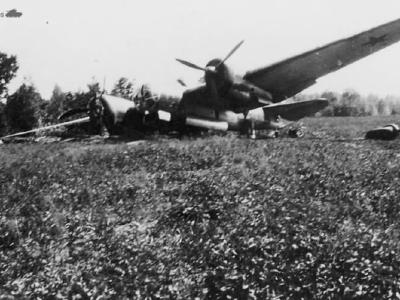
Tupolev SB
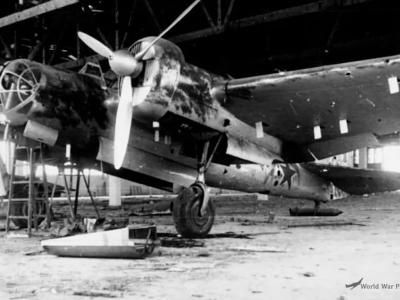
Tupolev SB
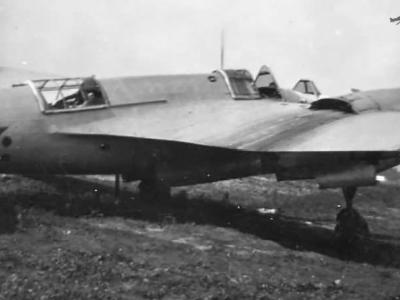
Tupolev SB
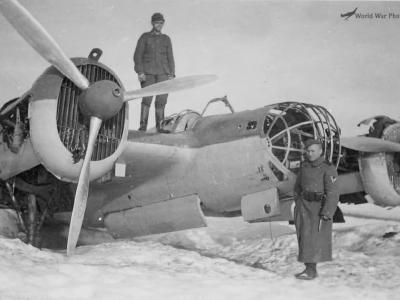
Tupolev SB
Tupolev SB
Tupolev SB
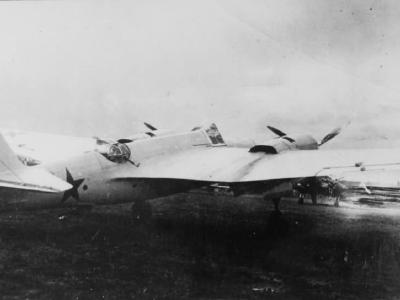
Tupolev SB
Tupolev SB
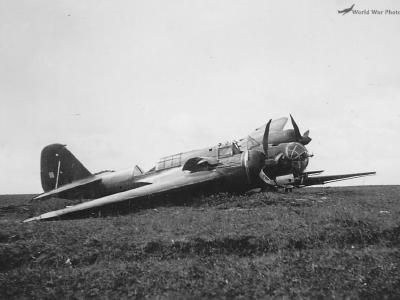
Tupolev SB
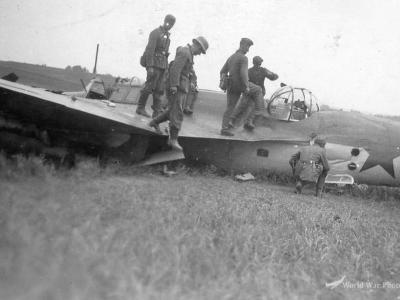
Tupolev SB
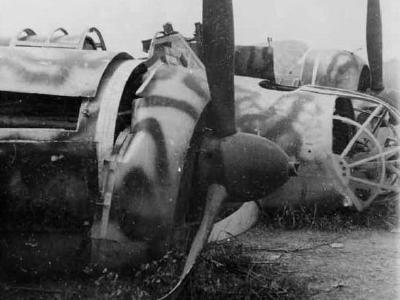
Tupolev SB
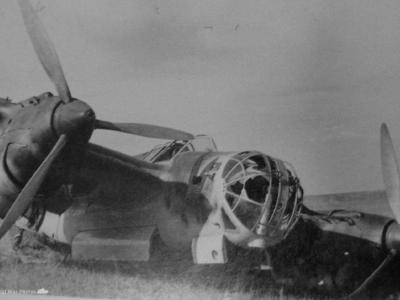
Tupolev SB
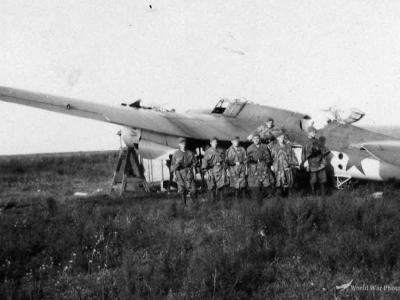
Tupolev SB
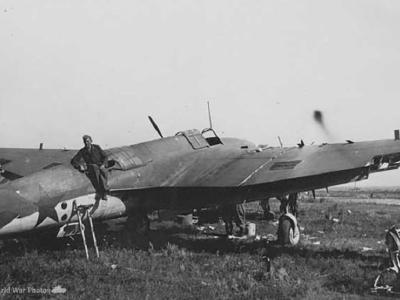
Tupolev SB
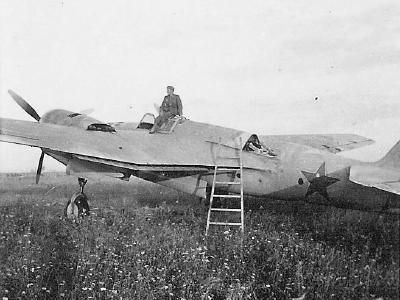
Tupolev SB
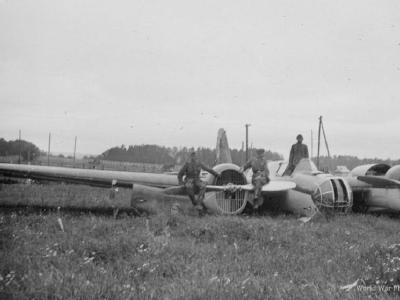
Tupolev SB
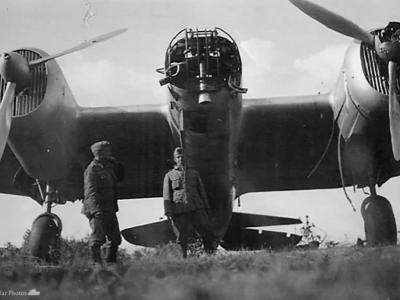
Tupolev SB
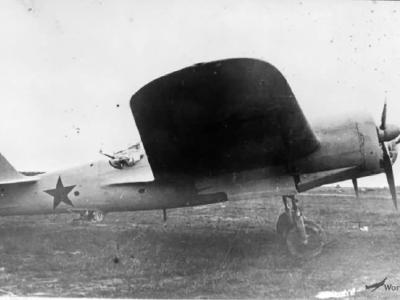
Tupolev SB
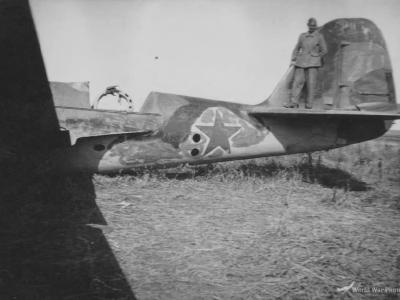
Tupolev SB
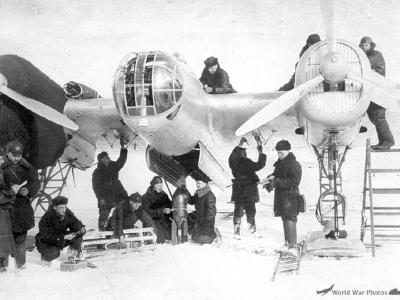
Tupolev SB 1940
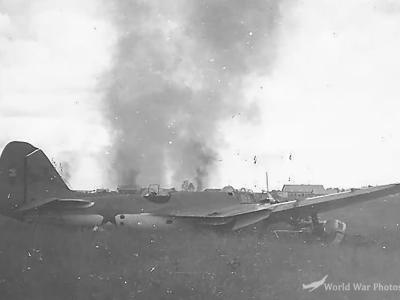
Tupolev SB 2 code 3 near Kiev 1941
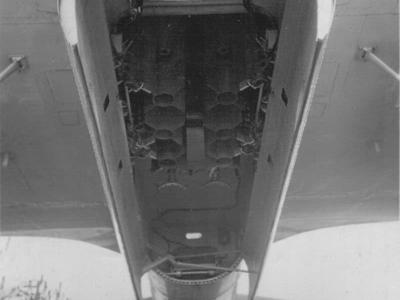
Tupolev SB bomb bay
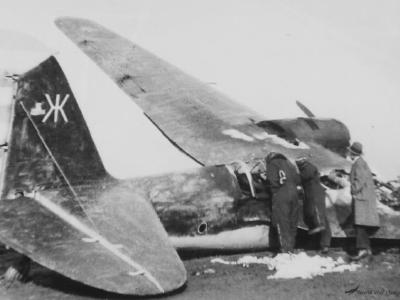
Tupolev SB China
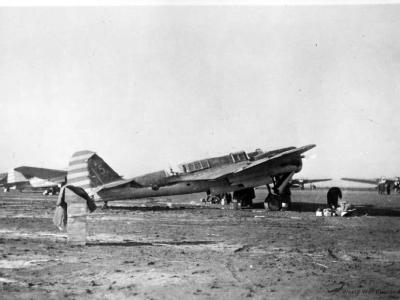
Tupolev SB China
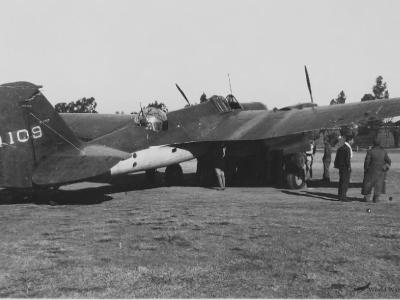
Tupolev SB China
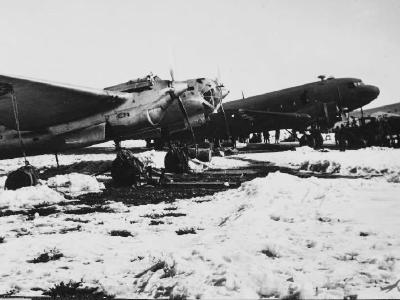
Tupolev SB China
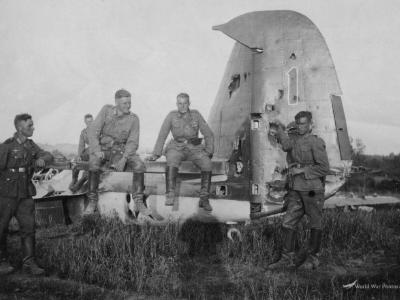
Tupolev SB code 1
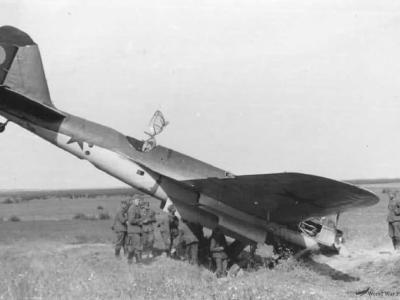
Tupolev SB code 1
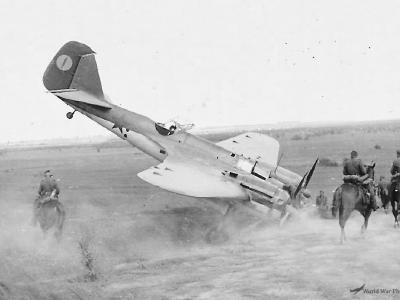
Tupolev SB code 1
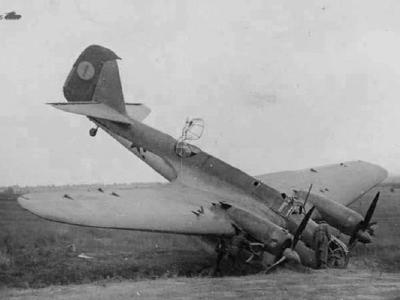
Tupolev SB code 1
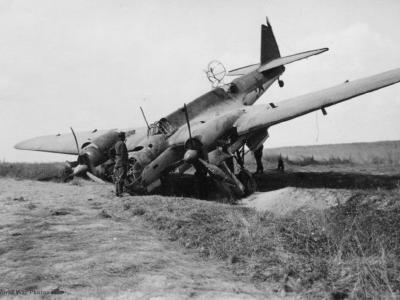
Tupolev SB code 1
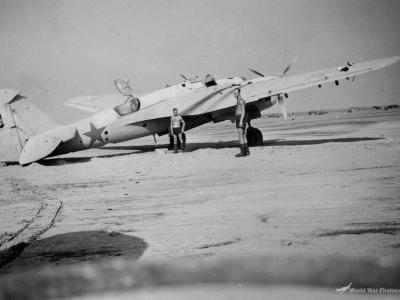
Tupolev SB code 10 1941
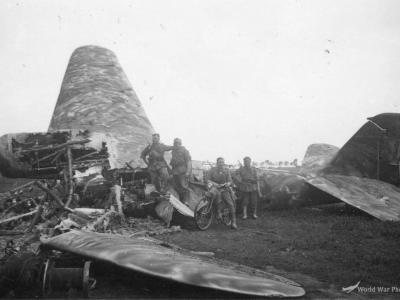
Tupolev SB code 13
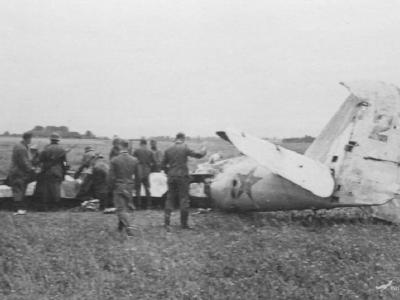
Tupolev SB code 2
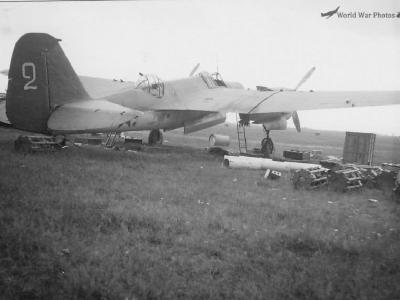
Tupolev SB code 2
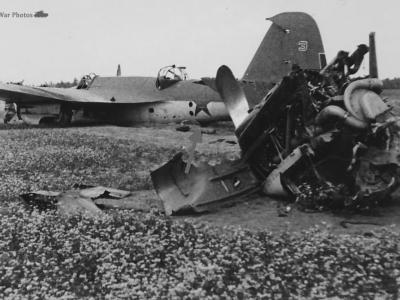
Tupolev SB code 3
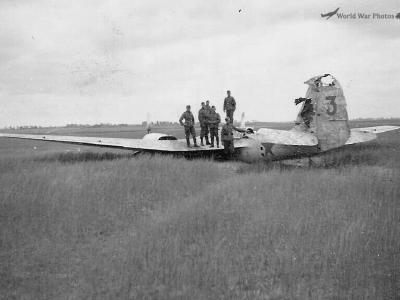
Tupolev SB code 3
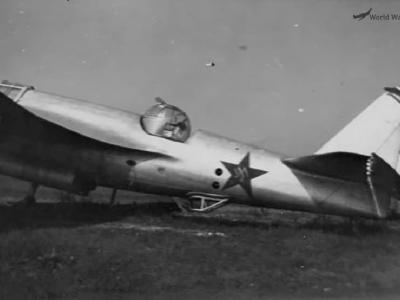
Tupolev SB code 4
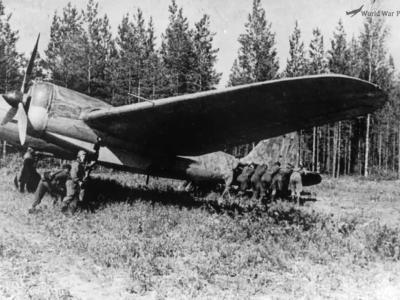
Tupolev SB code 4
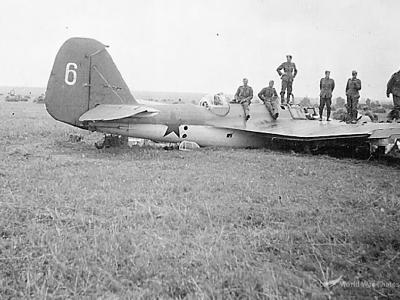
Tupolev SB code 6
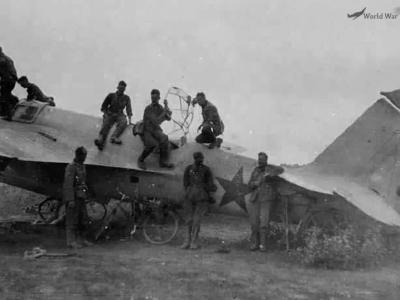
Tupolev SB code 7
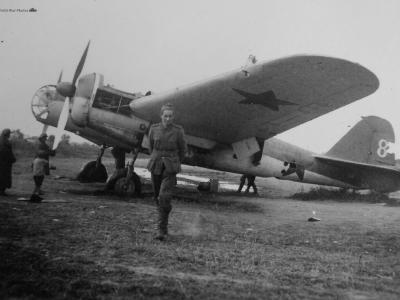
Tupolev SB code 8
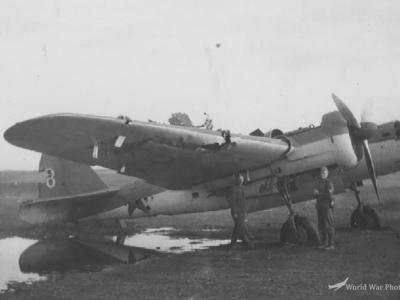
Tupolev SB code 8
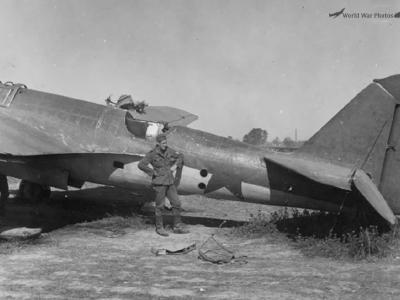
Tupolev SB code 8
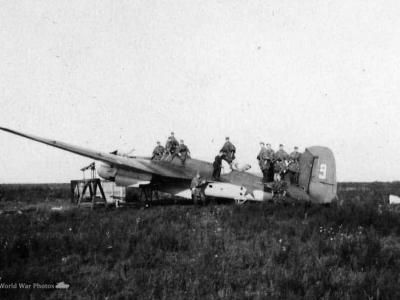
Tupolev SB code 9
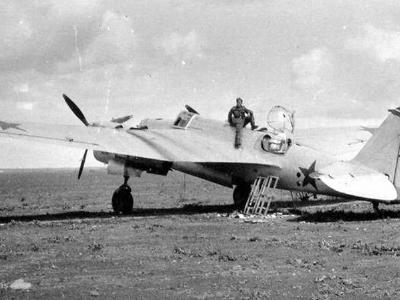
Tupolev SB code 9 of the 35 SBAP 1941
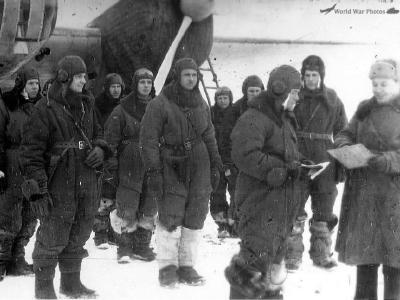
Tupolev SB crew
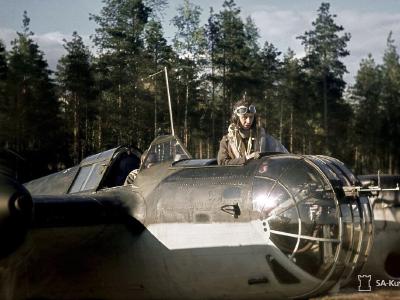
Tupolev SB Finland
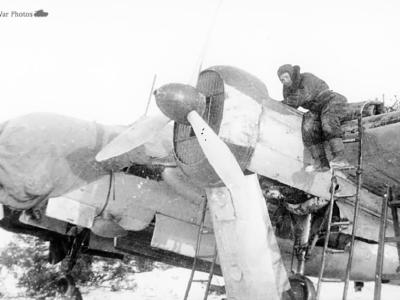
Tupolev SB M-100
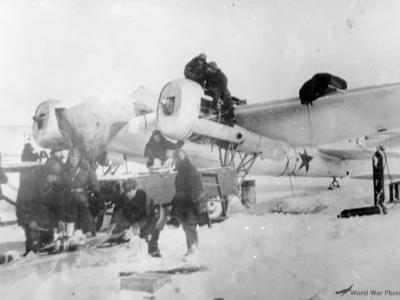
Tupolev SB M-100 1940
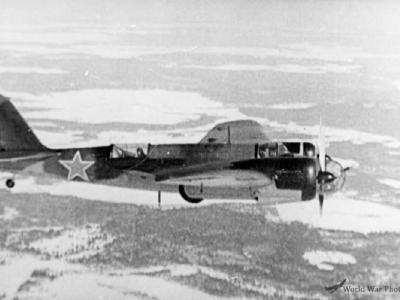
Tupolev SB M-100 1940
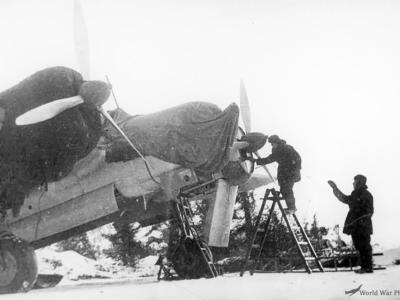
Tupolev SB M-100 1942
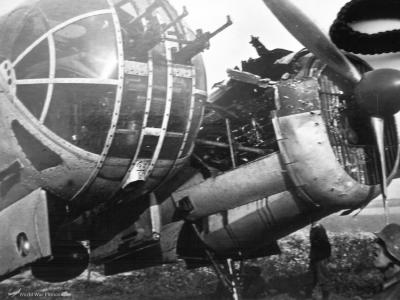
Tupolev SB nose
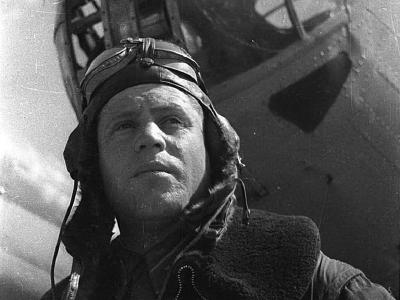
Tupolev SB of the 150 SBAP 17 August 1941
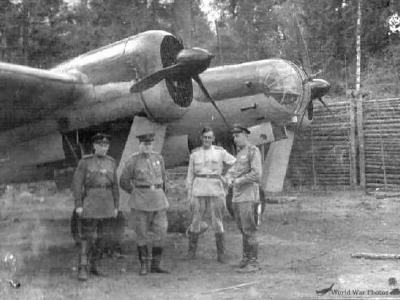
Tupolev SB of the 279 BAP
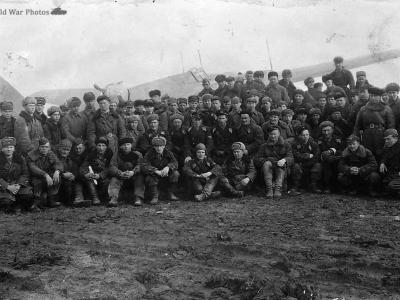
Tupolev SB of the 367 SBAP code 15
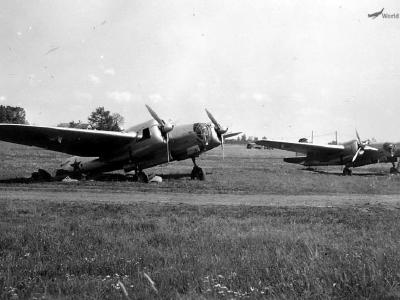
Tupolev SB of the 50th SBAP Mitava airfield
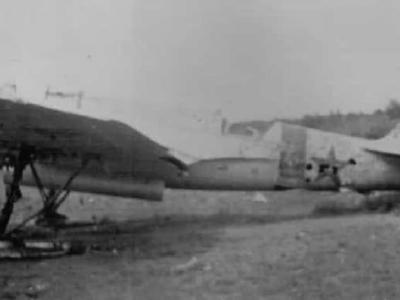
Tupolev SB ski undercarriage
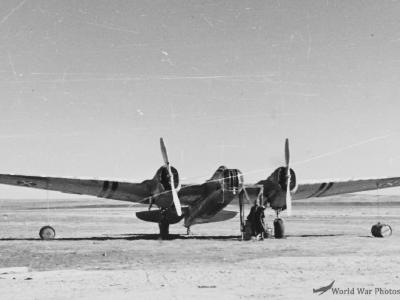
Tupolev SB Spain
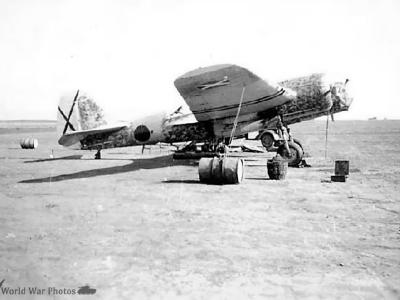
Tupolev SB Spain
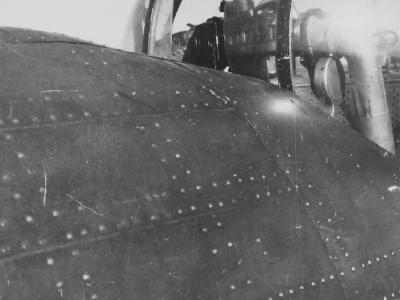
Tupolev SB turret
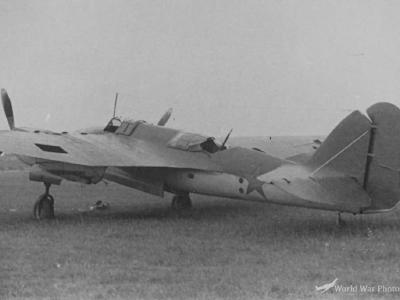
Tupolev SB-2 bis
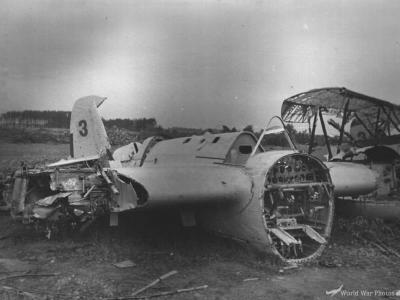
Tupolev SB-2 code 3
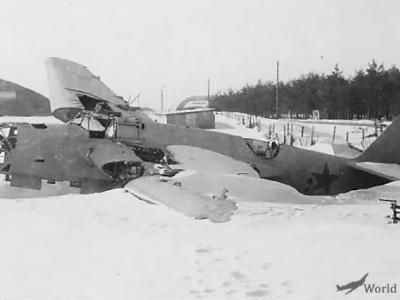
Tupolev SB-2 code 7 Bialystok
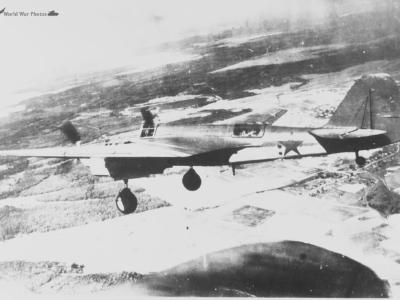
Tupolev SB-2 M-103
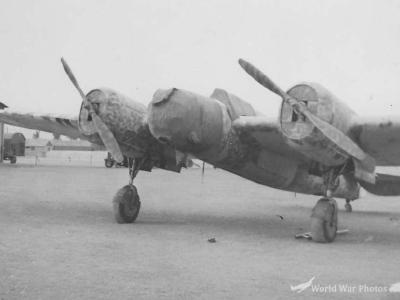
Tupolev SB-2 Spain
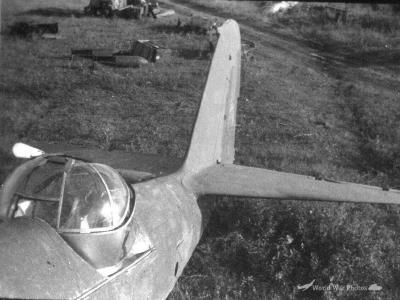
Tupolev SB-2 turret
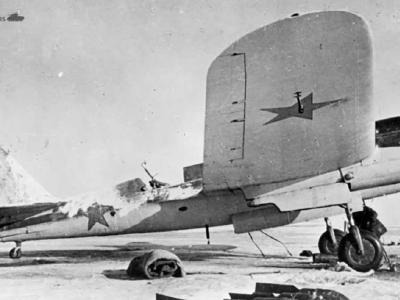
Tupolev SB-2M-100
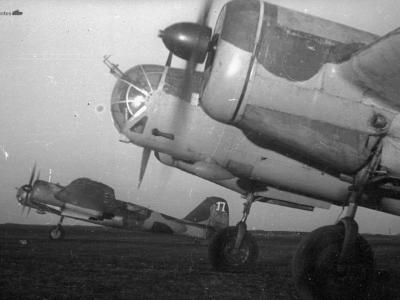
Tupolev SB-2M-100 code 17
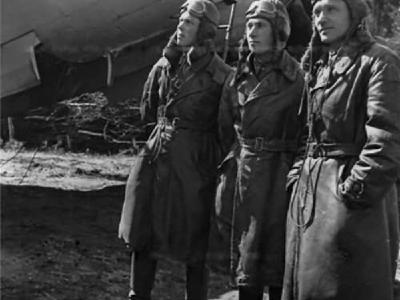
Tupolev SB-2M-103 of the 18 BAP May 1942
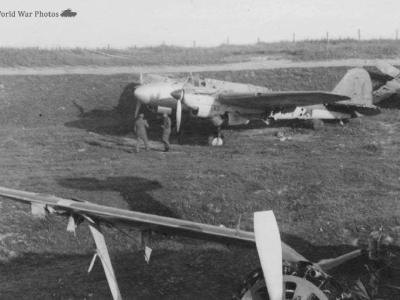
Tupolev USB
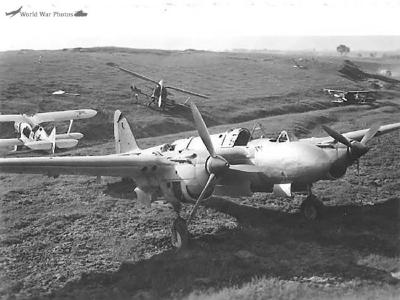
Tupolev USB Minsk 1941
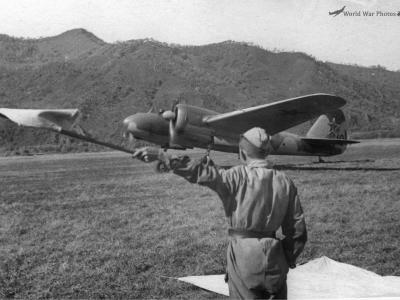
Tupolev USB of the 33rd BAP
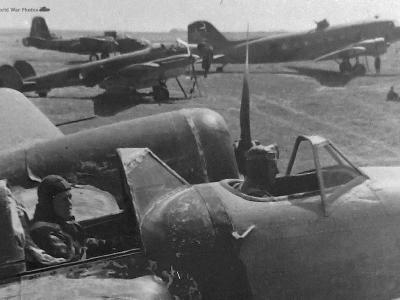
Tupolev USB Pe-2 Li-2WS and A-20
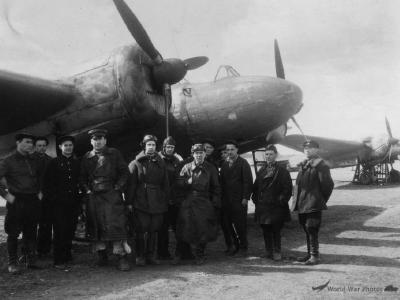
Tupolev USB with 100A engine
The Tupolev SB (Skorostnoy Bombardirovshchik; Fast Bomber) stands as a pivotal development in mid-1930s military aviation, representing a masterpiece of the Tupolev OKB (Experimental Design Bureau) under the direct leadership of Aleksandr Arkhangelskiy. At the time of its introduction, this two-engine aircraft achieved speeds that rendered it faster than any contemporary fighter, fundamentally altering tactical expectations for medium bombardment. Its production run was unprecedented for a Tupolev design, with 6,831 units completed at State Aviation Factories in Fili and Irkutsk between 1936 and 1941.
Developmental Genesis and Technical Innovation
The conceptual studies for a high-speed bomber began in the early 1930s, prioritizing aerodynamic cleanliness as the primary defense against enemy fighters. The first prototype, designated ANT-40-1 and powered by two 710 hp Wright Cyclone SGR-1820 F-3 radial engines, performed its maiden flight on October 7, 1934. A second prototype, the ANT-40-2, was assembled in July 1934 using 780 hp Hispano-Suiza 12 Ybrs liquid-cooled inline engines. This second prototype, which reached a top speed of 430 km/h at altitude during factory tests, served as the definitive basis for series production.
Architecturally, the SB was a cantilever midwing monoplane featuring an all-metal structure with a retractable landing gear system - a revolutionary feature for its era. The fuselage was constructed in three primary sections: the nose (F-1) housing the navigator’s cockpit, the center (F-2) containing the pilot’s cockpit and bomb bay, and the tail (F-3) for the rear gunner. The aircraft was typically operated by a three-man crew consisting of a pilot, a navigator/bombardier, and a radio operator/rear gunner.
Evolution of Variants
The SB underwent continuous refinement throughout its production life to maintain its performance edge:
- SB-2-M-100: The initial production model utilized Klimov M-100 engines (a Soviet copy of the Hispano-Suiza 12 Ybrs) and carried an internal bomb load of up to 600 kg.
- SB-2-M-100-A: Introduced in late 1936, this variant utilized the 860 hp M-100-A engine and three-blade VISh-2 propeller, increasing top speed to 423 km/h.
- SB-2-M-103: Beginning in 1937, the installation of the 960 hp M-103 engine allowed for a maximum bomb load of 1,500 kg, facilitated by the addition of external DER-19 bomb racks.
- SB-bis-3: This experimental series tested wing-mounted radiators and aerodynamically refined nacelles, which later influenced the design of the Ar-2.
- SB-2-M-105: The final major iteration of the standard SB, powered by 1,100 hp M-105 engines, entered production in late 1940.
- Ar-2: The ultimate evolution of the SB lineage, the Ar-2 was a specialized dive bomber featuring reduced wingspan and specialized dive brakes.
Operational History and Global Service
The SB first saw combat during the Spanish Civil War in the fall of 1936, where Spanish Republicans nicknamed the aircraft the Katiuska. Its speed initially allowed it to outpace Nationalist fighters like the Fiat CR-32, though the introduction of the Messerschmitt Bf 109 later challenged this superiority. The SB also saw extensive service with the Chinese Air Force against Japanese forces starting in 1937, where its speed made it the fastest bomber in that theater for several years.
During the Soviet-Finnish Winter War of 1939–1940, the SB served as the backbone of the Soviet bomber regiments, though it suffered losses to Finnish anti-aircraft fire and Fokker D-XXI fighters. By the onset of Operation Barbarossa on June 22, 1941, the SB was the most numerous medium bomber in the VVS (Voyenno-Vozdushniye Sily) inventory. Despite being technically obsolete by this time and an easy prey for the Luftwaffe, the SB remained in frontline service until 1943. It proved particularly effective in night operations and winter campaigns when equipped with ski undercarriages.
Foreign Operators and Civilian Applications
Beyond Soviet service, the SB was exported or captured by several nations:
- Czechoslovakia: Under the designation Avia B-71, the aircraft was produced under license and later used by the Luftwaffe as target tugs and trainers.
- Finland: The Ilmavoimat operated captured SBs for anti-submarine patrols and reconnaissance until late 1944.
- Civilian Variants: The aircraft was adapted for Aeroflot as the PS-40 and PS-41 high-speed transport planes, while the ANT-35 served as a dedicated airliner derivative.
Ultimately, the Tupolev SB served as a transitional platform that bridged the gap between the biplane era and the modern, high-speed tactical bombers of World War II, such as the Petlyakov Pe-2.