Tupolev SB 18
Tupolev SB
The initiation of Operation Barbarossa on June 22, 1941, catalyzed a catastrophic period of attrition for the Soviet Air Force (VVS), particularly for the units equipped with the Tupolev SB and the Arkhangelskiy Ar-2. At the commencement of the German invasion, the SB was the most numerous medium bomber in the VVS inventory. Approximately 1,500 SBs were distributed among 27 bomber and four reconnaissance regiments deployed along the western borders of the Soviet Union. Despite its numerical strength, the SB was technically obsolete by 1941 and proved to be an easy target for the modern fighters of the Luftwaffe.
The Initial Onslaught and Immediate Attrition
The first hours of the conflict were characterized by massive Luftwaffe strikes against 66 Soviet airfields that accommodated the primary strength of frontier aviation. By the afternoon of June 22, the Soviet Air Force had lost over 1,200 aircraft both on the ground and in aerial combat. The SB regiments were among the primary targets of these priority strikes.
Statistical records illustrate the rapid depletion of the SB fleet during the first week of hostilities:
- June 22–23: Within the first two days of combat, the Red Army lost approximately 400 SB aircraft.
- June 24–30: An additional 200 aircraft were lost in the following six days.
- June 30 Census: By the end of June, only 875 SBs remained on the strength of the Red Army Air Force, of which 155 were listed as unserviceable.
In one illustrative example of these early losses, a regiment of SBs took off on June 22 to bomb Konigsberg in East Prussia; none of the participating aircraft returned to their home base.
Case Studies of Regiment Destruction
The collapse of the frontier defenses led to the total annihilation of several specialized units. The 13th SBAP (High-Speed Bomber Aviation Regiment), stationed in the Western Special Military District, was equipped with 51 SBs and Ar-2s at the start of the invasion. Under constant bombardment and the rapid German advance, the regiment was entirely depleted of its aircraft by early July 1941. Its surviving personnel were subsequently withdrawn to Moscow for retraining on the newer Petlyakov Pe-2.
The 39th SBAP managed a more active defense; despite losing its airfield during initial strikes, 18 of its bombers successfully took off and conducted a counter-offensive against German tanks and motorized units crossing the Bug River on the morning of June 22.
Non-Combat Losses and Abandonment
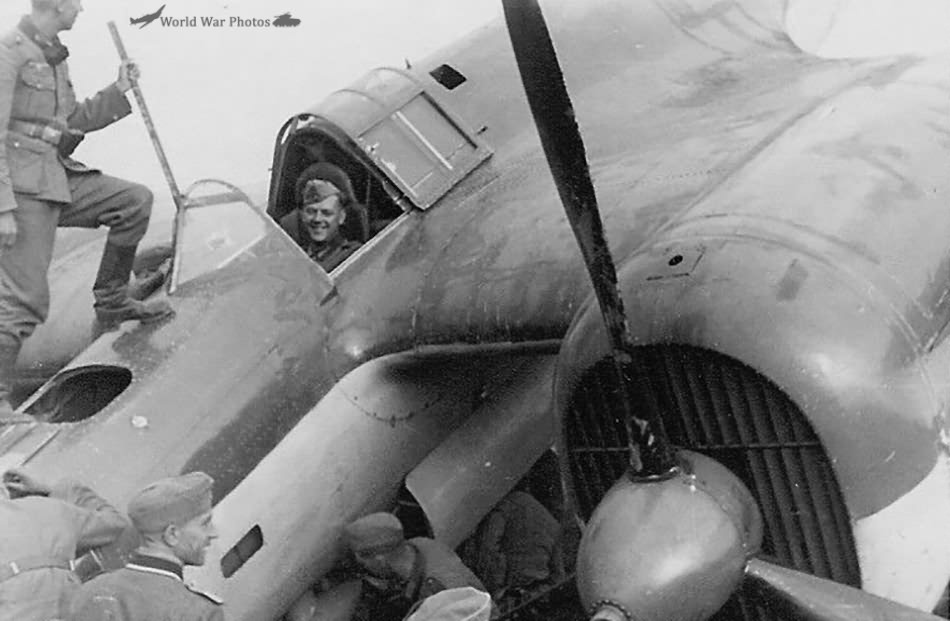
A significant portion of the 1941 losses resulted from the inability to evacuate serviceable aircraft during the rapid Soviet retreat. Many Ar-2s and SBs were abandoned at frontier airfields due to a lack of fuel, mechanical failures, or the destruction of supporting infrastructure. German troops captured numerous intact airframes. These captured assets were frequently photographed by German forces as war trophies.
Conclusion of 1941 Operations
By the end of 1941, the SB had been largely replaced in frontline roles by the Petlyakov Pe-2, though the SB remained the most important Soviet bomber during the Battle of Moscow and the early stages of the defense of Stalingrad. The implementation of retractable ski undercarriages in late 1941 provided a temporary tactical advantage, allowing SBs to operate from snow-covered airfields when wheeled German fighters were grounded, though this did not reverse the type's overall decline in combat effectiveness.