Tupolev SB of the Nationalist Air Force
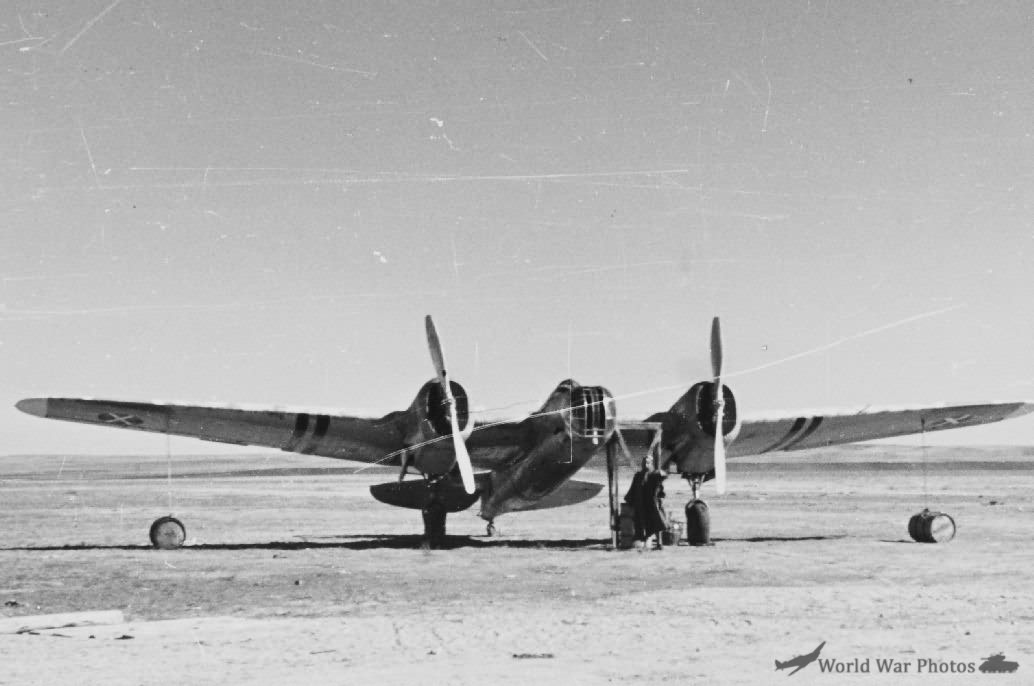
Tupolev SB Spain
The operational history of the Tupolev SB-2 in Spain marks the first combat deployment of this aircraft type and established its reputation as a formidable high-speed bomber during the mid-1930s. The aircraft was nicknamed "Katiuska" by the Spanish Republicans, a name derived from a character in a popular Russian operetta of the time.
Arrival and Initial Deployment
The Soviet Union initiated deliveries of the SB-2 to the Spanish Republican Air Force in the fall of 1936 to support the government against Nationalist forces. The freighter Stariy Bolshevik delivered the first consignment of 31 (some sources state 30) SB-2-M-100 aircraft to Cartagena on October 23, 1936. These aircraft were initially organized into Grupo 12, which was primarily manned by Soviet volunteer pilots and technicians, though some Spanish personnel were integrated into the units from the start. Later shipments in 1937 and 1938 brought more powerful SB-2-M-100-A variants, leading to the formation of additional units such as Grupo 24. In total, approximately 92 to 93 SB aircraft were delivered to the Republican side throughout the conflict.
Early Tactical Superiority
Upon its introduction, the SB-2 possessed a decisive speed advantage over contemporary Nationalist fighter aircraft. During the first combat mission on October 28, 1936, three SB-2s from the 1a Escuadrilla attacked the Tablada airbase near Seville. Nationalist pilots in Fiat CR.32 biplanes found that the Soviet bomber was fast enough to outrun them, rendering standard interception tactics ineffective. This speed allowed the SB-2 to conduct unescorted bombing raids against strategic targets such as airfields and railroad stations during the early stages of the war.
Technical Shortcomings and Local Modifications
As the war progressed, several critical design flaws were identified through combat experience. Soviet and Spanish crews reported that the aircraft lacked adequate armor protection and self-sealing fuel tanks, making it vulnerable to even light anti-aircraft fire and incendiary rounds. Furthermore, the navigator’s nose compartment was noted for being extremely drafty due to the large vertical slots for the machine guns, which allowed cold air to buffet the crew at high altitudes. To address these issues, several local modifications were implemented in Spain. Some aircraft were fitted with large windshields or fairings in front of the rear gunner's compartment to improve airflow and visibility, while others received rear-view mirrors mounted atop the pilot's canopy. Defensive armament on the earliest models sometimes utilized obsolete magazine-fed DA machine guns because the newer high-rate-of-fire ShKAS weapons were initially in short supply.
The Shift in Aerial Dominance
The SB-2’s era of untouchable speed ended with the arrival of the German Legion Condor and its modern Messerschmitt Bf 109 fighters. By mid-1937, the Bf 109B could successfully intercept and down the SB-2, forcing the Republicans to shift toward large-scale formation flying and providing fighter escorts whenever possible. One notable engagement occurred on May 29, 1937, when two SB-2s mistakenly attacked the German pocket battleship Deutschland near Ibiza, causing significant casualties and prompting a diplomatic crisis.
Nationalist Service and Legacy
During the course of the conflict, Nationalist forces captured approximately 19 SB-2s, many of which had been abandoned due to mechanical failure or fuel shortages. The Nationalists initially referred to the type as the "Martin Bomber" before correctly identifying it. These captured airframes were integrated into the 13a Regimiento de Bombardeo at Los Llanos and assigned registration numbers starting with "20W" (later changed to "B.5"). Following the Republican surrender in March 1939, the remaining SB fleet was taken over by the victors. Due to their robust all-metal construction, these aircraft remained in service with the Spanish Air Force as trainers and tactical bombers until at least 1948. Statistics from the Republican Air Force indicate that SB units carried out over 5,500 sorties during the war, though approximately 73 aircraft were lost to enemy action and accidents.