Tupolev SB turret
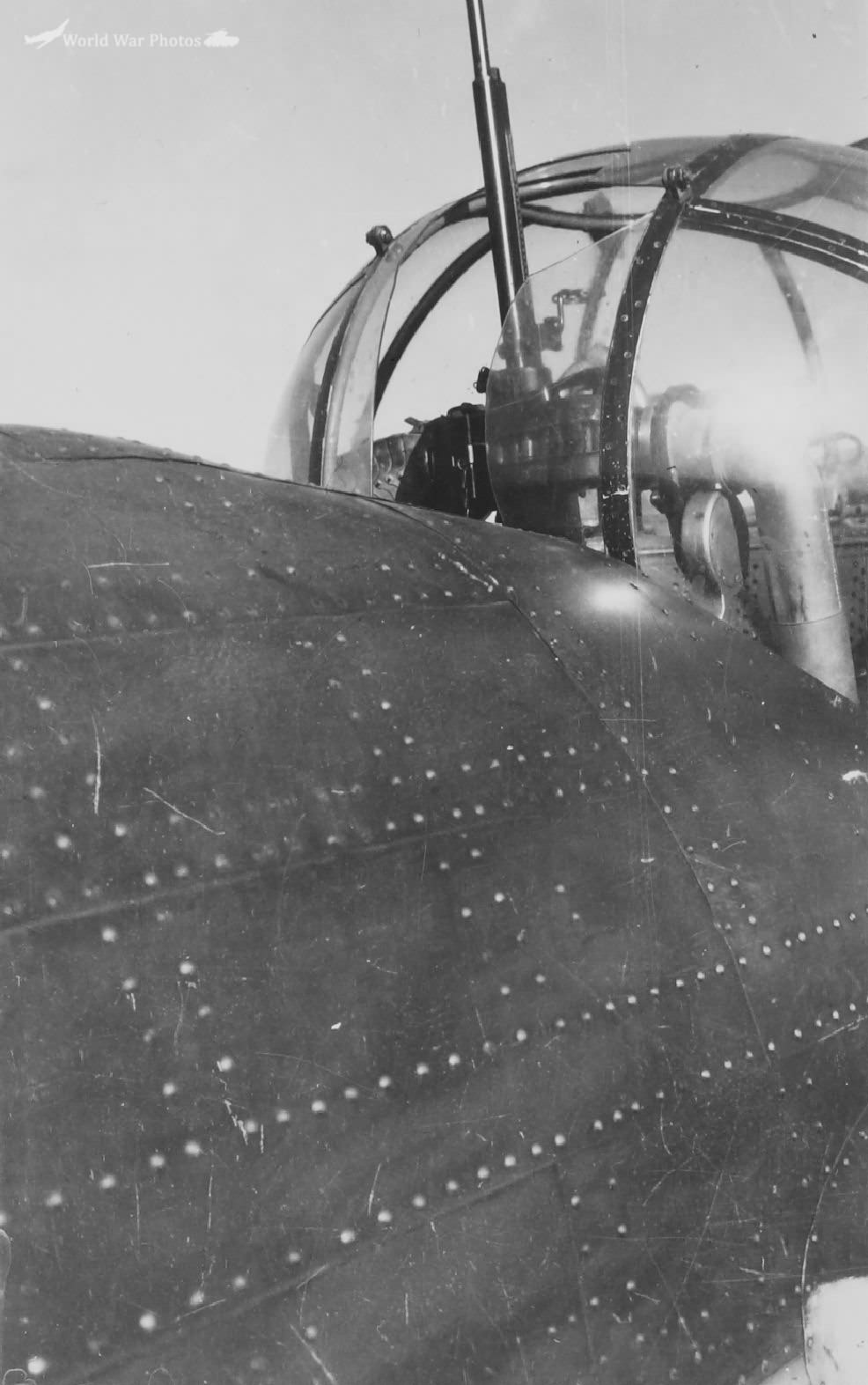
Tupolev SB turret
The rear defensive configuration of the Tupolev SB series underwent a complex technical evolution, transitioning from rudimentary open mounts to sophisticated glazed turrets designed to withstand high-speed aerodynamic stresses. The defensive suite was divided into dorsal (upper) and ventral (lower) stations, both of which were vital for protecting the aircraft's rear hemisphere from fighter interception.
Dorsal Turret Development
Standard early production models of the SB-2 featured the TUR-9 manually operated dorsal ring mount. This station was armed with a single 7.62mm ShKAS machine gun provided with 1,000 rounds of ammunition. In order to bring the weapon into action, the radio operator/gunner was required to slide the rear canopy section forward, exposing the position to the external airflow. While the ShKAS weapon itself possessed an exceptional rate of fire, the open nature of the TUR-9 mount caused significant discomfort for the crew and hindered operational efficiency at high altitudes.
Beginning in 1937, Soviet designers addressed these deficiencies by developing the MV-3 turret. The MV-3 featured a spherical glazed dome that moved with the machine gun, providing the gunner with protection from the wind. Most importantly, this turret offered a full 360° field of fire, which was a decisive tactical improvement over the limited traverse of earlier mounts. However, the interior of the MV-3 was notably cramped, a factor that constrained the gunner's physical movements and made emergency egress with a parachute difficult. By early 1940, the MV-3 was being retrofitted to existing SB-2M-103 units at field repair depots.
Ventral Rear Defense
The lower rear defense of the initial SB-2 variants was characterized by a "close-range" 7.62mm ShKAS machine gun fired through an open ventral hatch. Each gun in this position was typically supplied with 500 rounds of ammunition. Historians note that this station was particularly difficult to operate due to its extremely small dimensions and the buffeting air blast encountered when the hatch was opened during flight.
To modernize this station, the LU MV-2 (retractable hatch mount) was introduced. This system allowed the weapon to be lowered into a firing position where the gunner could utilize an OP-2 periscopic optical sight for increased accuracy. A glazed fairing was eventually retrofitted to this mount to improve visibility and streamline the installation. On later models and the Arkhangelskiy Ar-2, the ventral station consistently utilized variations of this MV-2 retractable system.