Su-2
Click the thumbnails to enlarge them
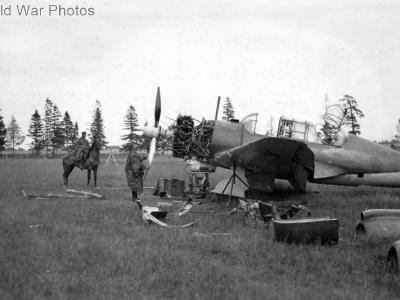
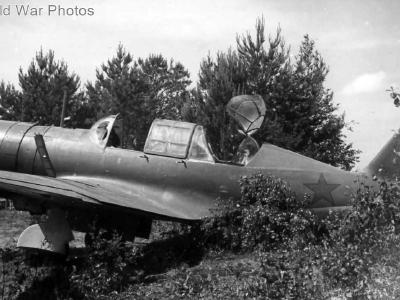
Abandoned Su-2 18
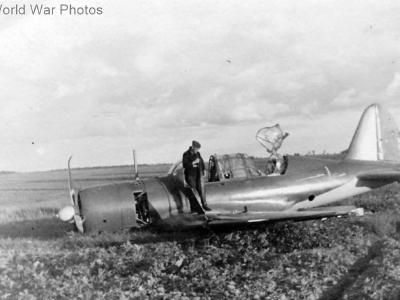
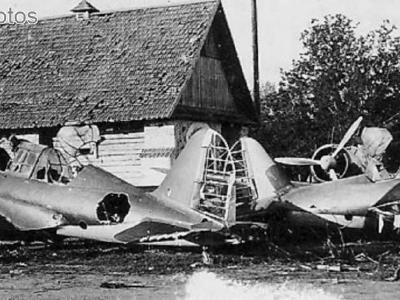
Crashed Su-2 11
Crashed Su-2 12
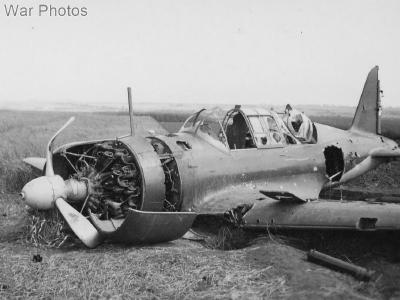
Crashed Su-2 3
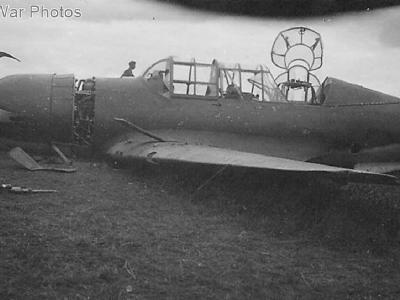
Crashed Su-2 9
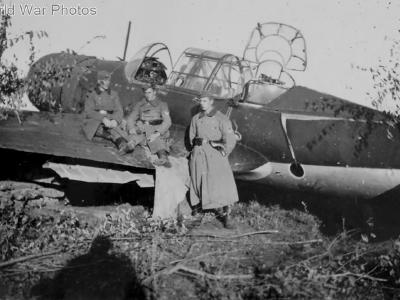
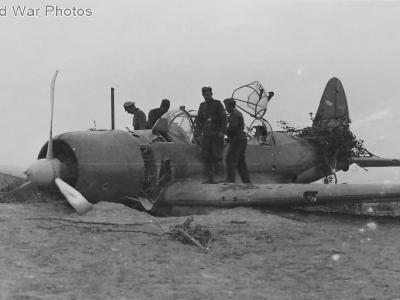
German soldiers posing beside a Su-2
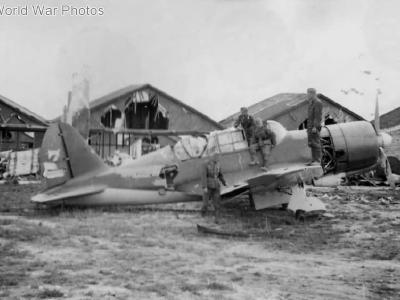
Light bomber Su-2 15
Light bombers Su-2 of the 43rd Regiment 2
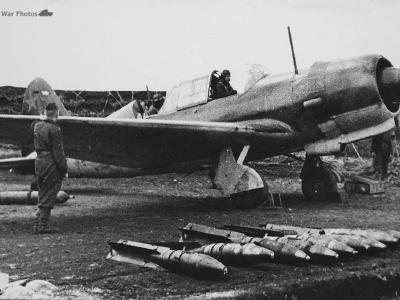
Su 2 bombs
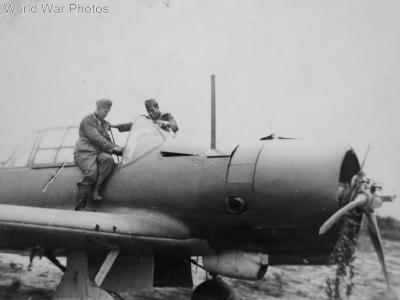
Su-2 10
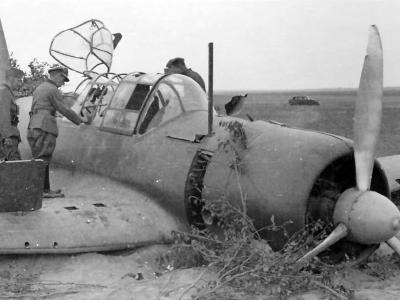
Su-2 14
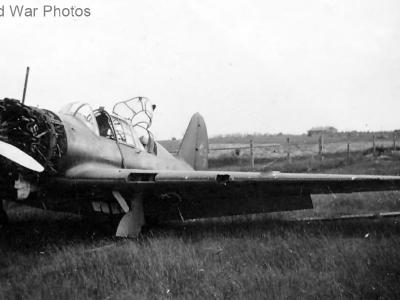
Su-2 4
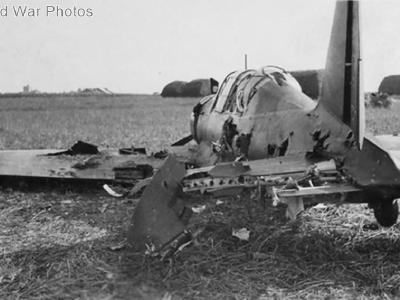
Su-2 7
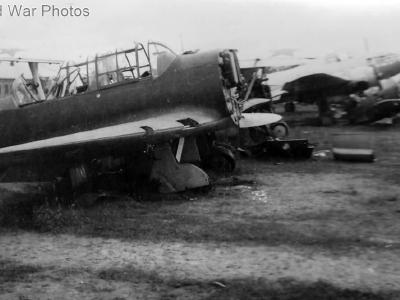
Su-2 and DB-3 1
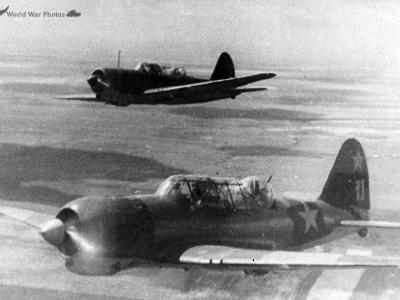
Su-2 code 11 in flight
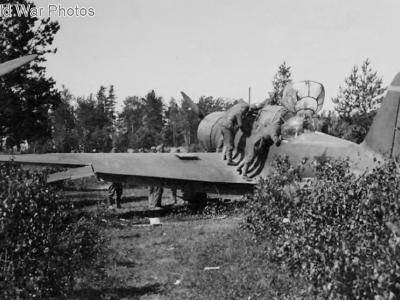
Su-2 code 3
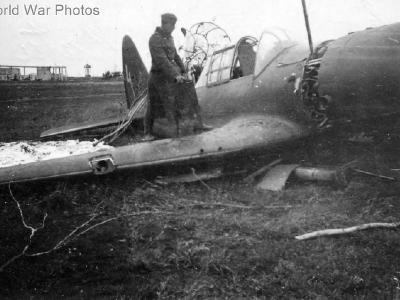
Su-2 code 4
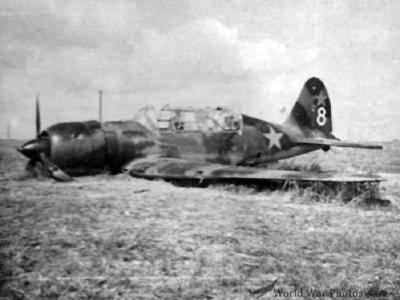
Su-2 code 8
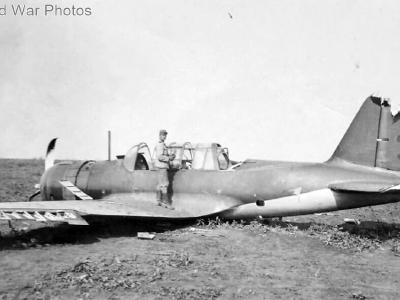
Su-2 coded 3
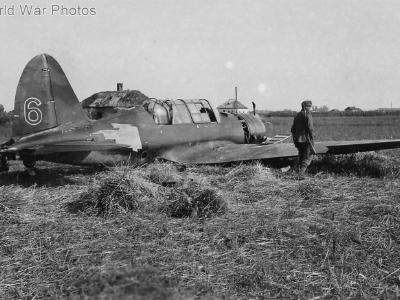
Su-2 coded 6 Ukraine 1941
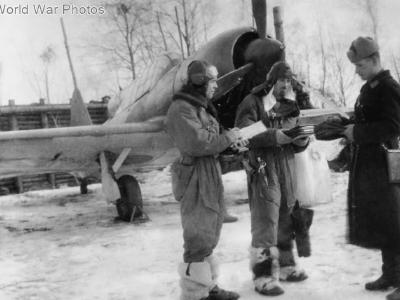
Su-2 crew
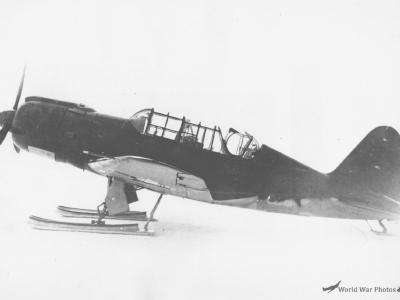
Su-2 M-82 March 1942 with ski undercarriage
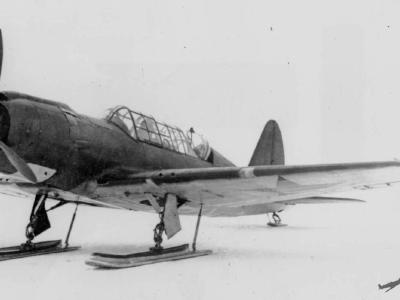
Su-2 M-82 with ski undercarriage
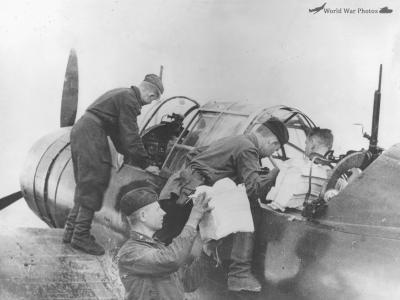
Su-2 of the 135 BBAP
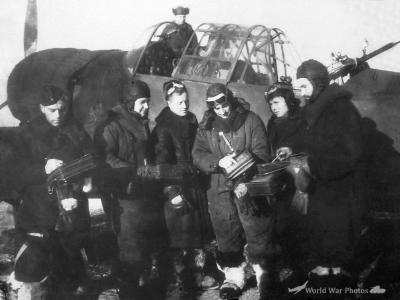
Su-2 of the 135 BBAP 2
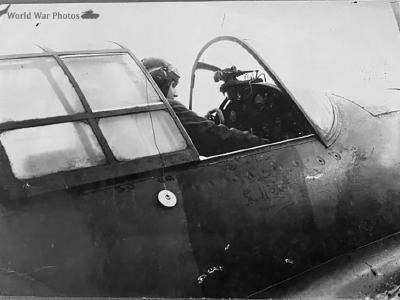
Su-2 of the 14 OKRAE 1943
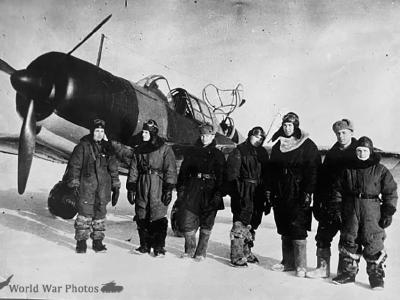
Su-2 of the 14 OKRAE 1943
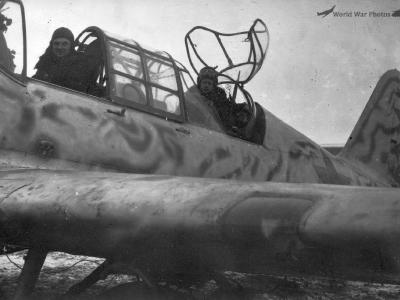
Su-2 of the 210 BBAP
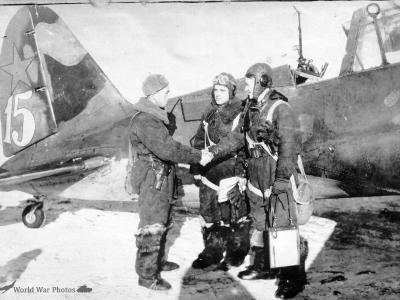
Su-2 of the 210 BBAP
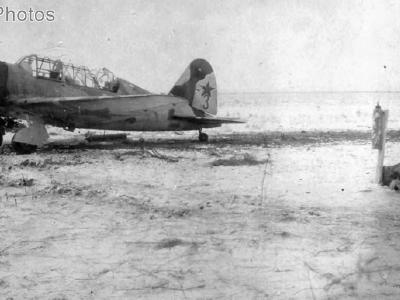
Su-2 of the 210 BBAP (210th Short-range Bomber Aviation Regiment)
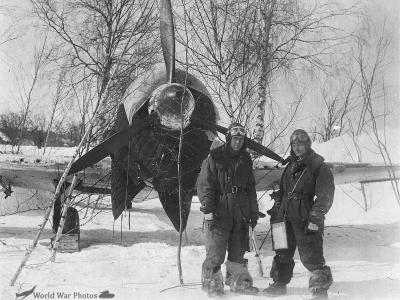
Su-2 of the 21st ORE February 1942
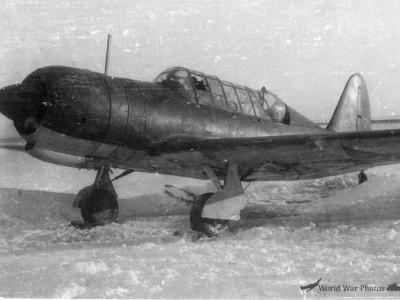
Su-2 of the 289th SHAP
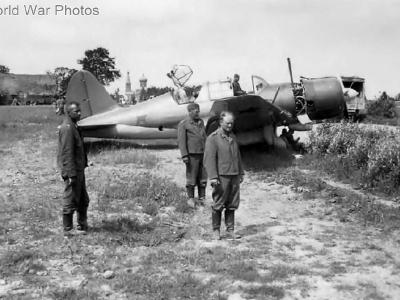
Su-2 of the 43rd Bomb Regiment, 1941
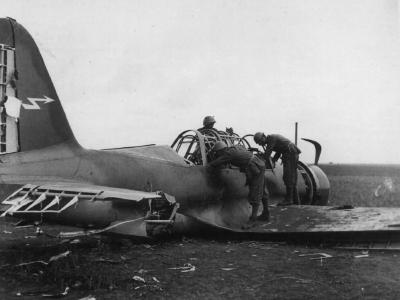
Su-2 of the 52nd Regiment
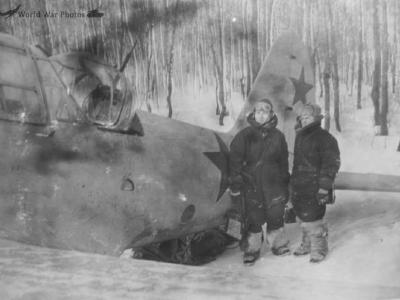
Su-2 of the 90O RAE
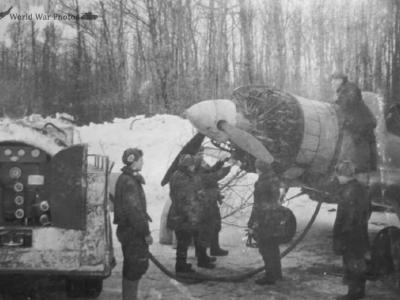
Su-2 of the 90O RAE
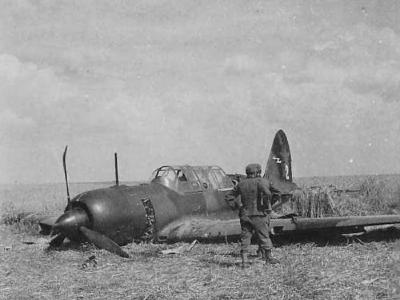
Su-2 white 2
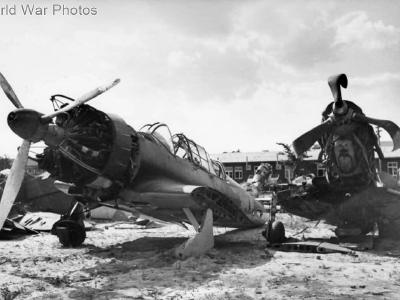
Su-2 wreck 5
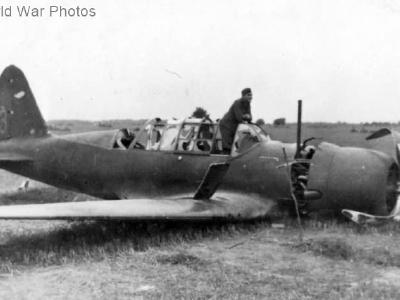
Su2 code 3 2
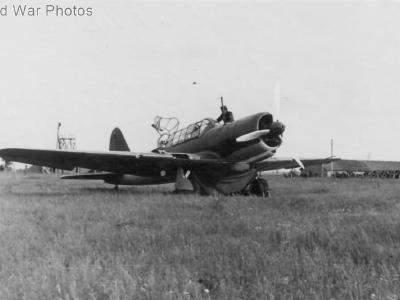
Su2 on the ground
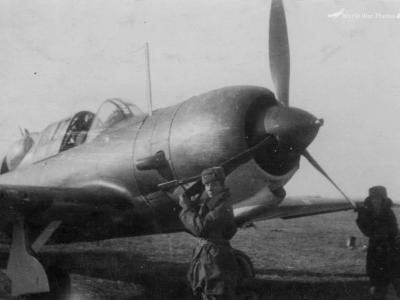
Sukhoi Su-2
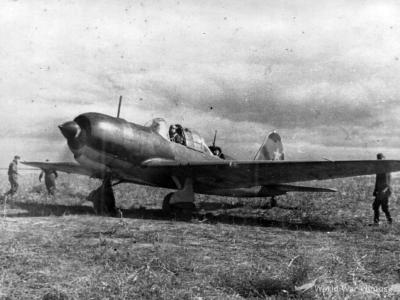
Sukhoi Su-2
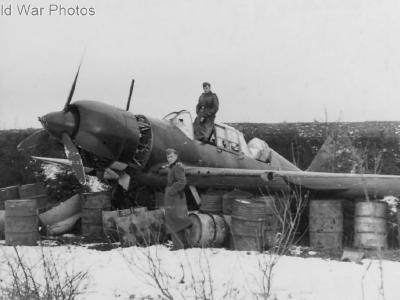
Sukhoi Su-2 16
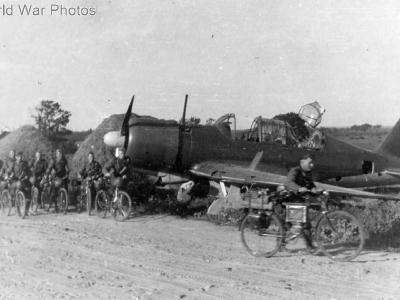
Sukhoi Su-2 17
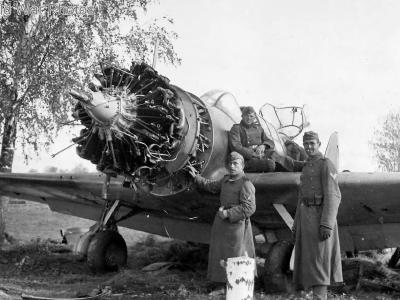
Sukhoi Su-2 8
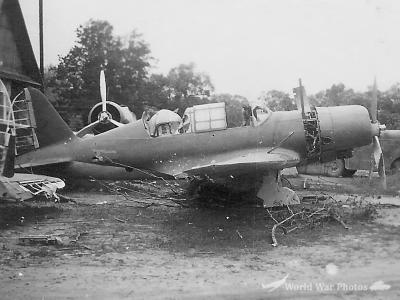
Sukhoi Su-2 wreck 1941
The development and operational deployment of the Su-2 (Sukhoi Su-2) represent a significant chapter in Soviet aviation history, originating from the mid-1930s requirement for a modern, multi-purpose military aircraft. This project was born from the "Ivanov" competition, a conceptual initiative personally backed by Joseph Stalin to create a high-performance single-engine machine capable of fulfilling the roles of a scout, light bomber, and ground-attack aircraft. The design competition included prominent figures such as Andrei Tupolev, Nikolai Polikarpov, and Sergei Ilyushin, but it was the project led by Pavel Sukhoi at the Central Aerohydrodynamic Institute (TsAGI) that eventually secured the primary focus. Sukhoi’s prototype, initially designated the ANT-51 or SZ-1 (standing for Stalinskoye Zadanye or "Stalin's Assignment"), first took to the air on August 25, 1937, piloted by the renowned aviator Mikhail Gromov.
The aircraft's design evolved through several experimental iterations, including the SZ-1, the SZ-2 "Dubler," and the SZ-3, which tested various engine configurations and equipment. A critical technical decision during this phase was the transition from liquid-cooled engines, such as the M-34, to the more promising air-cooled radial engines like the M-62 and eventually the M-88. These early trials demonstrated that the aircraft possessed good stability and was relatively easy to pilot, leading to its recommendation for mass production. In 1939, the Committee of Defense ordered the aircraft into series production under the designation BB-1 (Blishniy Bombardirovshchik or "Short-range Bomber") at several manufacturing sites, including Plant No. 135 in Kharkiv, Plant No. 31 in Taganrog, and Plant No. 207 in Dolgoprudny. In December 1940, the aircraft was officially renamed the Su-2 in honor of its chief designer.
The series-produced Su-2 utilized a mixed construction method, featuring a wooden monocoque fuselage made of birch veneer and duralumin wing structures. This approach was intended to simplify mass production and reduce the consumption of strategic metals, which were in short supply. The aircraft carried a crew of two—a pilot and an observer/navigator—and was equipped with defensive armament that typically included ShKAS machine guns in the wings and a flexible turret for the observer. Throughout its production life, various engines were utilized, primarily the M-88 and M-88B, though persistent reliability and cooling issues with these powerplants often hampered operations. Late-war efforts to modernize the airframe led to the installation of the more powerful M-82 engine, which significantly improved performance.
By the time of the German invasion on June 22, 1941, approximately 195 Su-2 aircraft were stationed in the western border districts. The Su-2 was immediately thrust into intense combat, often suffering heavy losses during the chaotic initial months of the war. Despite these losses, the aircraft earned a reputation among its crews for exceptional sturdiness and survivability, with many machines returning to base despite suffering extensive battle damage. While originally intended as a light bomber and scout, the desperate situation on the front often forced the Su-2 into the role of a ground-attack aircraft, a task for which it was not fully armored, leading to increased vulnerability. Its observer turret, particularly the later MV-5 model, was considered one of the most effective defensive installations in Soviet service at the time.
The production of the Su-2 was brought to an abrupt halt in November 1941. This decision, made by the State Defense Committee (GKO), was driven by the need to consolidate manufacturing resources for the Ilyushin Il-2 ground-attack aircraft and the lack of available engines for the Su-2. Plant No. 135 was evacuated from Kharkiv to Perm, where it was eventually disbanded as an independent production site. Despite the end of its manufacture, existing Su-2 units continued to serve with distinction through 1942 and 1943, playing a vital role in the Battle of Stalingrad and later as specialized artillery spotters and reconnaissance platforms. The aircraft was gradually phased out of frontline service as specialized machines like the Il-2 and the Pe-2 became more widely available, with the last Su-2 combat units transitioning to other types by early 1944. A total of 893 Su-2 aircraft were produced, and the bravery of those who flew them was recognized with 27 pilots and navigators receiving the title of Hero of the Soviet Union.