Su-2 of the 14 OKRAE 1943 2
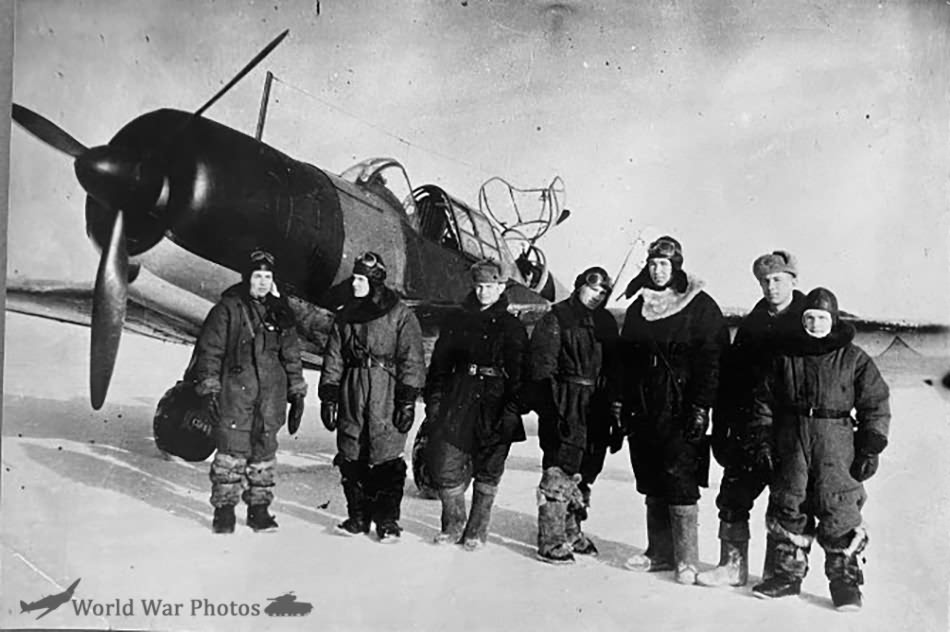
Su-2 of the 14 OKRAE 1943
The Sukhoi Su-2 demonstrated significant effectiveness in its later operational roles as a reconnaissance platform and artillery spotter, even as it was phased out of its primary light-bombing duties. Historical documentation and official evaluations from the Air Force Scientific Research Institute (NII VVS) suggest that while other aircraft like the Petlyakov Pe-2 were suitable for general reconnaissance, the Su-2 was considered "indispensable" for the specialized and demanding task of artillery spotting.
Several technical and operational factors contributed to its success in these secondary roles:
- Flight Characteristics and Speed Range: The Su-2 possessed a versatile speed range, capable of operating at speeds as low as 220 km/h for precise observation and as high as 450 km/h for rapid egress. This flexibility, combined with its renowned stability and ease of piloting, made it an excellent platform for mission-critical visual tasks.
- Superior Visibility and Ergonomics: The "cultural design" of the airframe prioritized crew workspace and field of vision. The large, glazed canopy provided the observer and pilot with an exceptional field of view, far superior to the heavily armored but visibility-restricted Ilyushin Il-2. The navigator's station functioned effectively as a mobile office, equipped with a dedicated desk and specialized reconnaissance equipment, including the AFA-13 camera.
- Crew Endurance and dual Controls: Every Su-2 was equipped with a full set of dual controls, allowing the navigator to assume flight duties if the pilot became incapacitated—a feature that enhanced the survivability of the aircraft on long-range missions. Additionally, the fully enclosed and heated cabin was highly valued by crews during the winter of 1941–1942, as it allowed them to work in comfort while pilots of open-cockpit machines suffered from extreme frostbite.
- Combat Longevity and Deep Reconnaissance: Throughout 1942 and 1943, Su-2 units operating in sectors such as Stalingrad and the Kursk Salient provided "very valuable information" through deep reconnaissance raids into the enemy rear, sometimes reaching depths of 200 to 250 kilometers. In specialized reconnaissance units, such as the 15th Independent Reconnaissance Aviation Regiment (later the 1st Guards), the Su-2 was regarded as being little inferior to the specialized German Focke-Wulf Fw 189 "Rama".
The Su-2 remained a vital asset for Soviet reconnaissance and artillery spotting units until early 1944. It was eventually phased out of frontline service not due to poor performance in these roles, but because specialized versions of newer aircraft, such as the Il-2KR artillery spotter, became available to replace the aging airframes. In its final assessment, the aircraft is remembered as a professionally engineered machine that proved its worth in conditions of Soviet air superiority during the middle period of the war.