Su-2 code 11 in flight
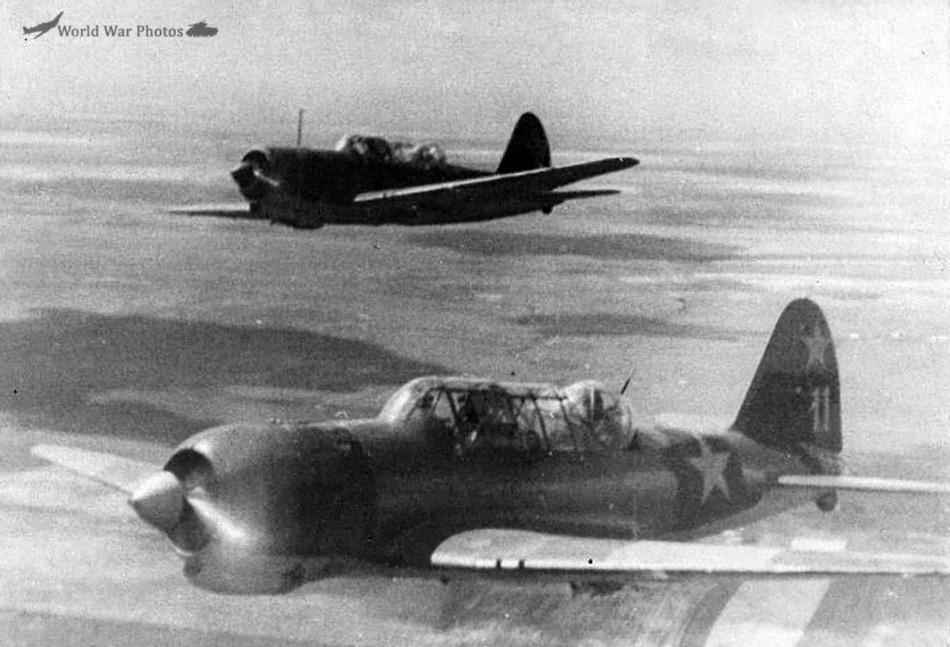
Su-2 code 11 in flight
The term "culturally designed aircraft" (kulturno vypolnennaya mashina) originated from the official conclusions of the Air Force Scientific Research Institute (NII VVS) following the state trials of the Sukhoi prototypes in 1938. To the Soviet military and technical experts of the late 1930s, this designation signified a shift away from primitive, improvised aviation construction toward a more sophisticated, modern, and industrialized engineering standard.
Technical and Structural Sophistication
The Su-2 represented a peak in Soviet design "culture" through its integration of advanced materials and streamlined manufacturing processes. Pavel Sukhoi utilized the experience he gained from a 1936 study trip to major American aviation plants to implement cutting-edge technologies into the "Ivanov" project.
- Modern Materials: The aircraft featured a mixed construction that utilized pressed duralumin profiles of an open type, high-strength aluminum alloys, and components manufactured through hot or cold stamping and casting—techniques that were only then being mastered by the Soviet industry.
- Aerodynamic Quality: Designers emphasized a smooth external finish, utilizing flush (countersunk) riveting and polished surfaces to reduce drag. This was a significant departure from the corrugated skin and exposed rivets common in earlier Soviet types like the Tupolev TB-3 or R-5.
- Industrial Efficiency: The airframe was designed for "aggregate assembly" (agregatnaya sborka), which allowed different sections of the aircraft to be completed independently before final union on a conveyor-style assembly line. This modular approach was specifically intended to facilitate rapid mass production.
Crew Ergonomics and Comfort
A hallmark of the Su-2's "cultural" approach was the unprecedented attention paid to the working conditions of the pilot and navigator. Unlike many of its contemporaries that featured open cockpits or cramped, drafty interiors, the Su-2 was lauded for its spaciousness and crew comfort.
- The Heated Cabin: Crews operating the aircraft during the harsh winter of 1941–1942 frequently noted the advantages of the fully enclosed, heated cabin. Pilots reported that the cockpit was so well-insulated and warm that they could fly in simple tunics even in freezing conditions, a stark contrast to the open-cockpit Polikarpov R-5 where frostbite was a constant threat.
- Visibility and Workspace: The large, glazed canopy provided the observer and pilot with an exceptional field of view, which was essential for its reconnaissance and artillery spotting roles. The navigator's station included a dedicated desk for maps and specialized equipment like the AFA-13 camera, making it a highly effective mobile office.
- Dual Controls: Every Su-2 was built with a complete set of dual controls as a standard feature. This was considered a "cultural" breakthrough as it eliminated the need for specialized trainer versions and allowed the navigator to take over flight duties in the event the pilot was incapacitated during combat.
Handling and Flight Characteristics
From a piloting perspective, the "culture" of the Su-2 was reflected in its exceptional stability and ease of operation. State testers and frontline pilots alike found the machine to be responsive and "forgiving," which allowed crews with limited flight hours or "below average" qualifications to master the aircraft after only 20 to 25 flights. Its structural sturdiness also contributed to this reputation; the aircraft was known for its ability to absorb significant battle damage—often returning to base with dozens of bullet and shrapnel holes—without suffering a catastrophic loss of control.
Context within Soviet Aviation
While the Su-2 was eventually phased out in 1942 in favor of the more specialized and heavily armored Ilyushin Il-2, the "cultural design" of Sukhoi's machine left a lasting impression on Soviet aviation development. It set a benchmark for crew protection and technical refinement that influenced later successful designs, including the Su-6 and eventually the Su-7 series. Despite the "motor crisis" involving the unreliable M-88 engines that plagued the aircraft throughout its service life, the airframe itself remained respected by those who flew it as one of the most professionally and "culturally" engineered machines of the early war period.