Sukhoi Su-2 bombs
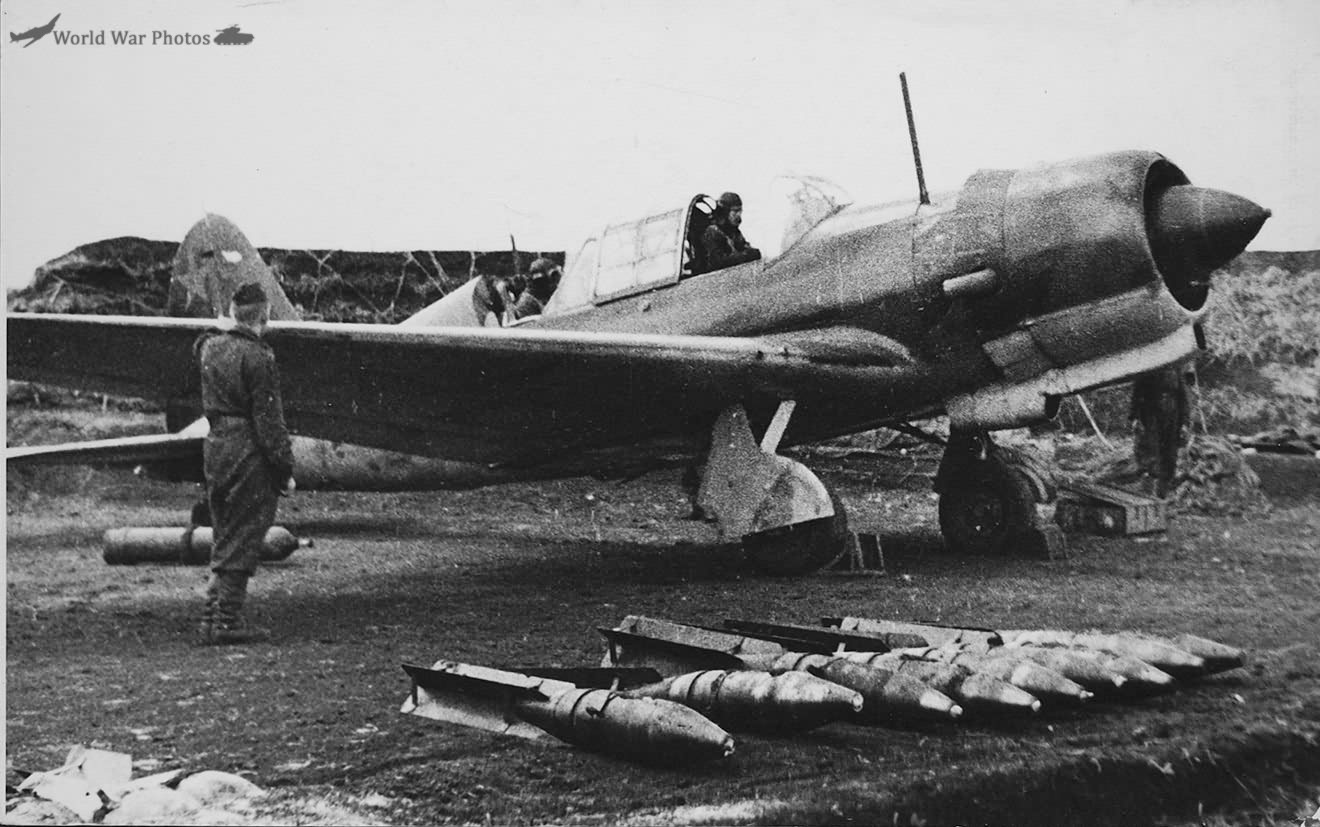
Su 2 bombs
The cessation of Su-2 production in favor of the Ilyushin Il-2 was a strategic decision finalized by the State Defense Committee (GKO) on November 19, 1941. This transition was driven by a combination of industrial necessity, operational priorities, and the systemic "motor crisis" facing Soviet aviation at the time.
The primary factors contributing to this shift included:
- Consolidation of Resources and Simplification of Production: By late 1941, the Soviet leadership sought to reduce the variety of combat aircraft types to simplify logistics and manufacturing. The Il-2 was increasingly viewed as a more vital asset for the immediate needs of the front. Consequently, the GKO ordered Plant No. 135—which had been the primary manufacturer of the Su-2—to cease its production and immediately deploy the manufacturing of the Il-2.
- The "Motor Crisis" and Engine Allocation: The Su-2 was plagued by the persistent unreliability of its primary powerplants, specifically the M-88 and M-88B engines, which suffered from frequent overheating and mechanical failures. While efforts were made to adapt the Su-2 for the more powerful M-82 engine, the GKO decided to prioritize that engine for other aircraft, including the Il-2 and the La-5. By November 1941, a critical shortage of available engines for the Su-2 made continuing its series production increasingly untenable.
- Perceived Operational Superiority of the Il-2: While the Su-2 was respected by its crews for its durability and "cultural design," it was a multi-purpose machine whose single-engine light bomber concept was reaching its limits. In contrast, the Il-2 was a specialized ground-attack aircraft that had earned a formidable reputation for effectiveness and survivability on the battlefield. Soviet commanders increasingly believed that specialized machines like the Il-2 and the Pe-2 dive bomber were more suitable for contemporary combat conditions.
- Industrial Disruption Following Evacuation: The evacuation of Plant No. 135 from Kharkiv to Molotov (Perm) caused significant delays in production. The factory struggled to integrate personnel and equipment from several disbanded sites, leading to a failure to meet revised production targets. When it became clear that restoring Su-2 production would take considerable time, the government opted to use the facility for the Il-2 instead.
- Personal and Political Factors: Some historical accounts suggest that Joseph Stalin’s personal dissatisfaction with Pavel Sukhoi also influenced the decision. Following the death of designer Vladimir Petlyakov in early 1942, Sukhoi reportedly hesitated when offered the opportunity to take over the refinement of the Pe-2, an indecision that may have further eroded his standing with the Soviet leadership.
Ultimately, the Su-2 was sacrificed to maximize the output of the Il-2, which became the most produced combat aircraft in history. Despite the halt in production, existing Su-2 units continued to serve through 1943, particularly in specialized reconnaissance and artillery spotting roles where they remained highly effective.