Manchester
Click the thumbnails to enlarge them
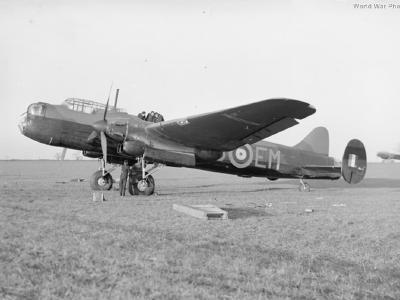
Avro Manchester Mk I L7279 EM-B
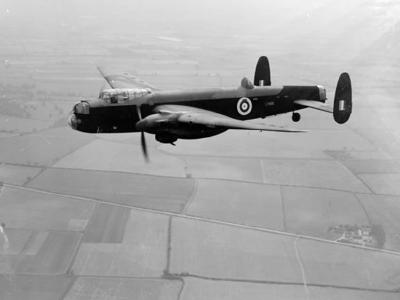
Avro Manchester Mk IA L7486
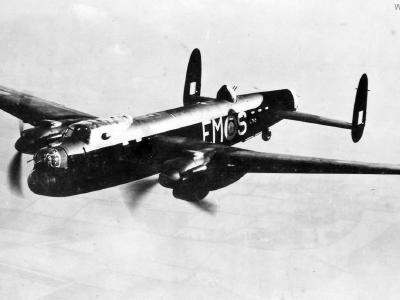
Avro Manchester Mk IA L7515 EM-S of No. 207 Squadron RAF
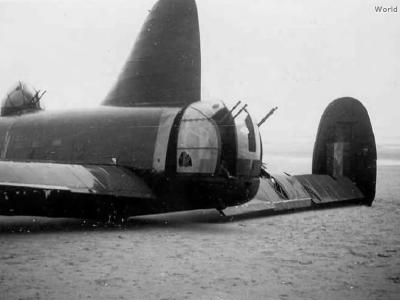
Avro Manchester rear turret
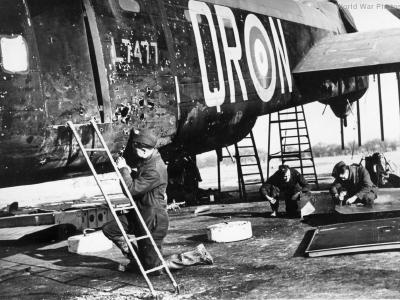
Battle-damaged Manchester L7477 of no. 67 Squadron RAF
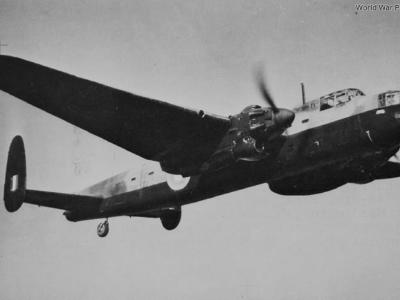
Early Manchester in flight
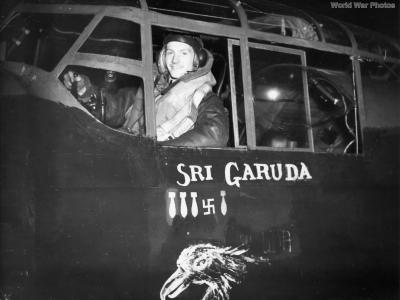
In the cockpit F/Sgt George Pendrill, No. 97 Squadron, November, 1941.

Manchester 1st Prototype L7246, August 1939
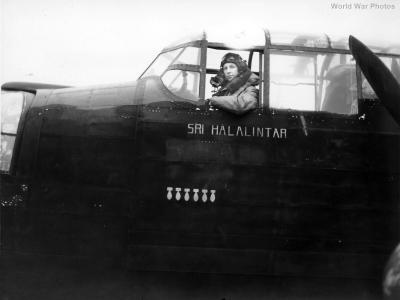
Manchester 97 Sqn named 'Sri Halalintar'
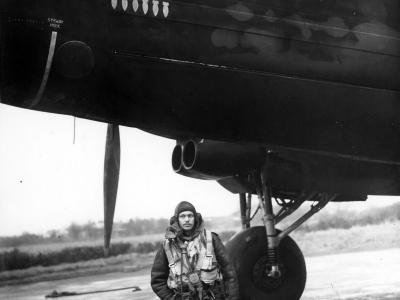
Manchester 97 Sqn named Sri Bulan, 1941
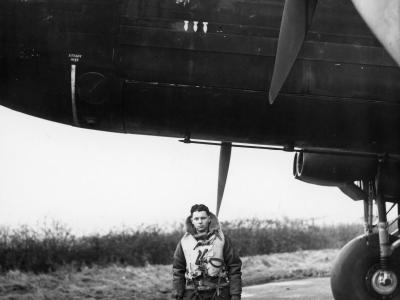
Manchester 97 Squadron Sri Harimau
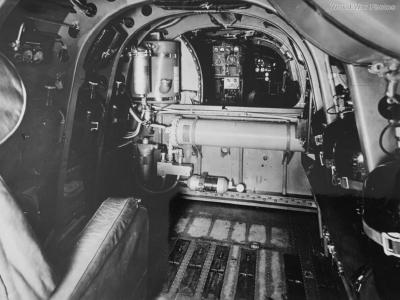
Manchester bomber interior
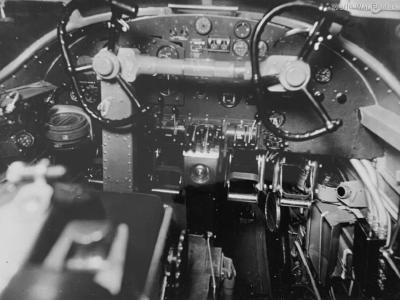
Manchester cockpit
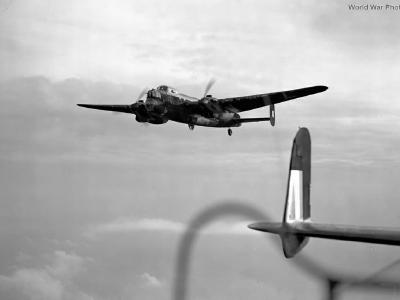
Manchester EM-S 'S-for-Sugar' in flight
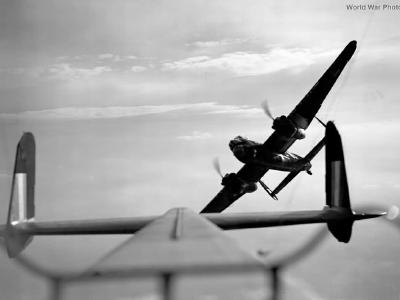
Manchester EM-S of No. 207 Squadron RAF
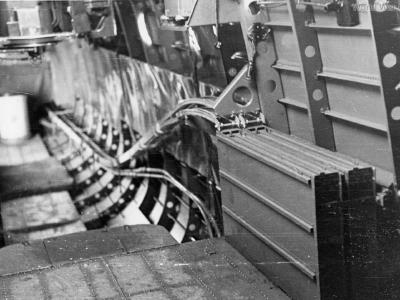
Manchester fuselage
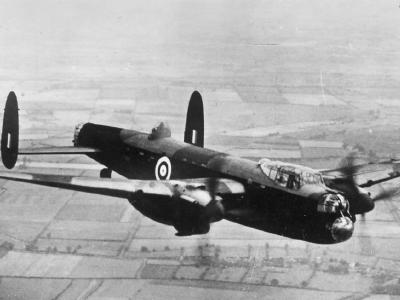
Manchester in flight
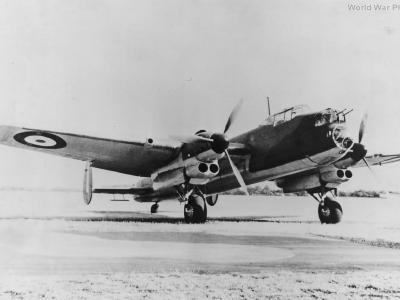
Manchester L7247
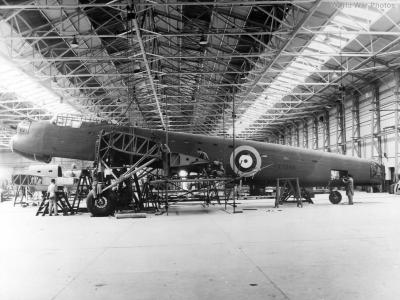
Manchester L7280 6th production aircraft on October 19,1940.
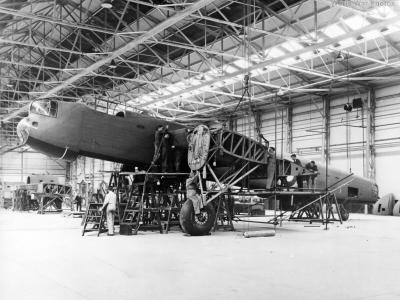
Manchester L7280 Woodford on October 19,1940
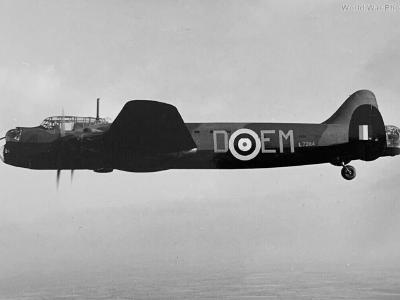
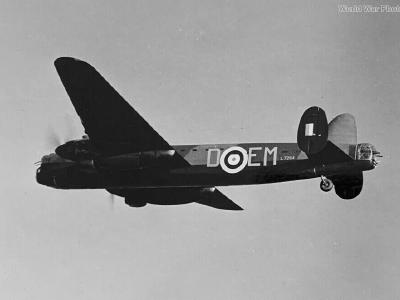
Manchester L7284 of No. 207 Squadron RAF
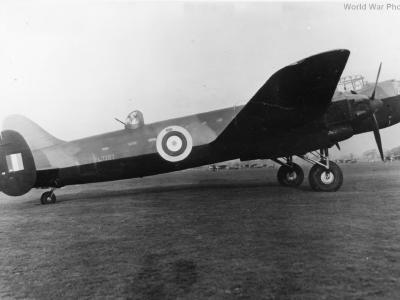
Manchester L7287 at Woodford
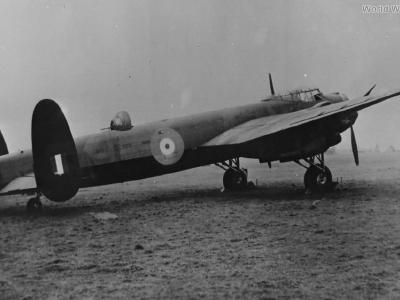
Manchester L7320 at Boscombe Down
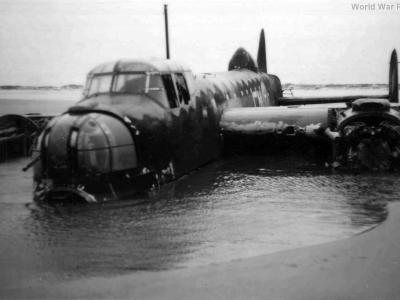
Manchester L7380
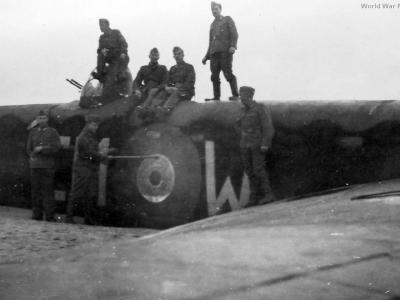
Manchester L7380 EM-W of 207 Squadron RAF Ameland, Holland September 1941
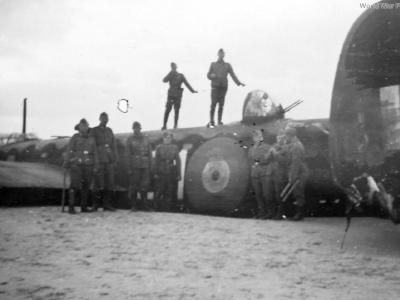
Manchester L7380 EM-W of 207 Squadron RAF force-landed 3
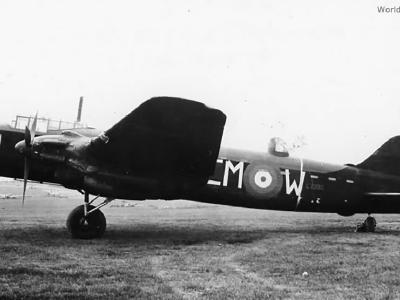
Manchester L7380 EM-W of No. 207 Squadron RAF
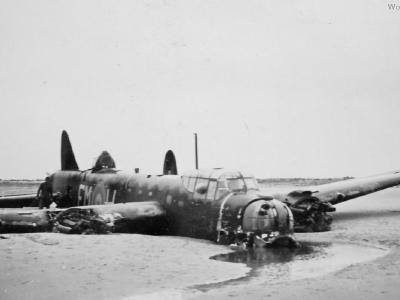
Manchester L7380 EM-W of No. 207 Squadron RAF force-landed
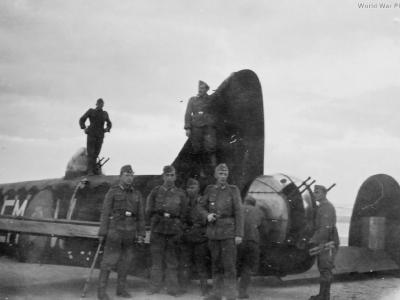
Manchester L7380 EM-W of No. 207 Squadron RAF force-landed 2
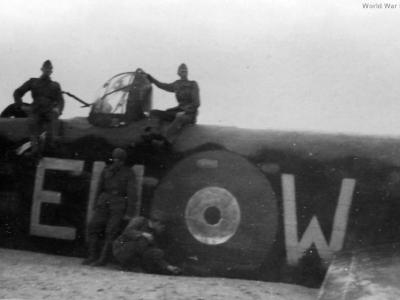
Manchester L7380 EM-W of No. 207 Squadron RAF force-landed 5
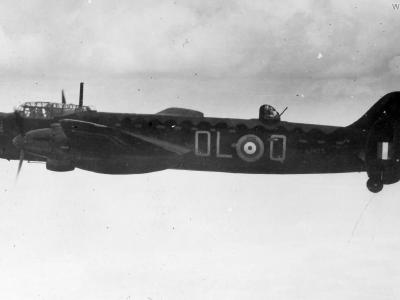
Manchester L7427 OL-Q of No 83 Squadron RAF in flight
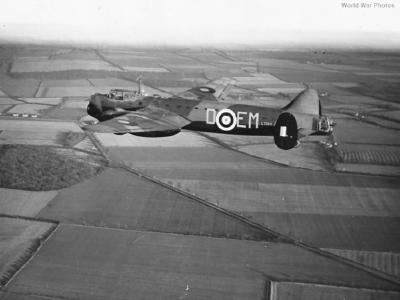
Manchester Mk I L7284 EM-F of No. 207 Squadron RAF Brest Raid 1941
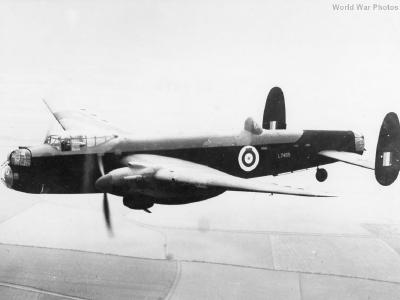
Manchester Mk IA L7486 September 1941. Test flight from Waddington soon after its delivery to No .207 Squadron RAF
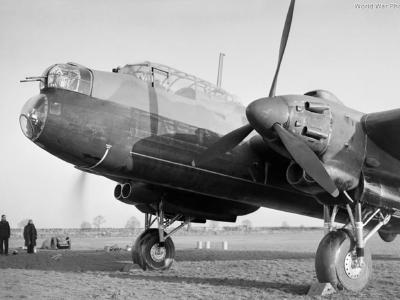
Manchester of No. 207 Squadron RAF September 1941
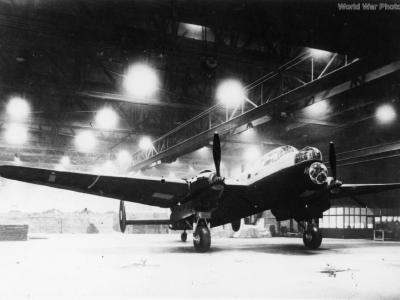
Manchester R5768 22 December 1940.
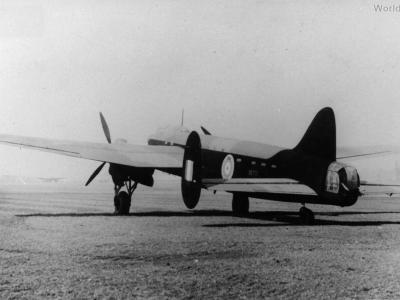
Manchester R5771
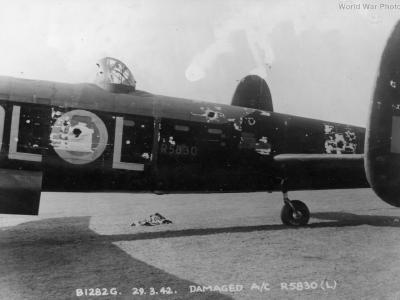
Manchester R5830 damaged by Flak 29 March 1942
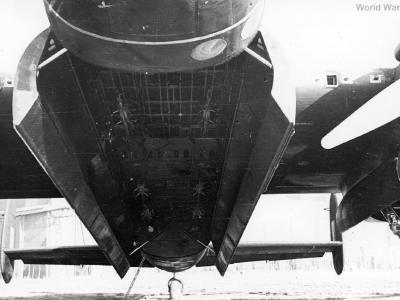
Photo showing massive bomb-bay of Manchester
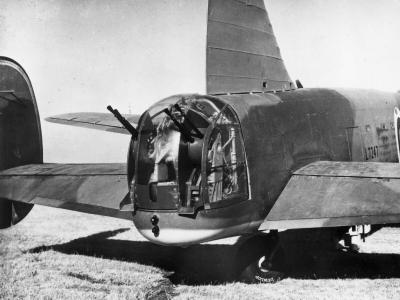
Prototype Manchester L7247 fitted with the final central fin configuration, 1940
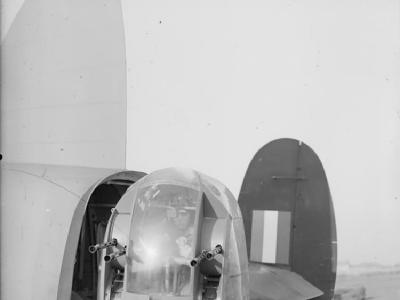
Rear gun turret of Manchester of No. 207 Squadron RAF
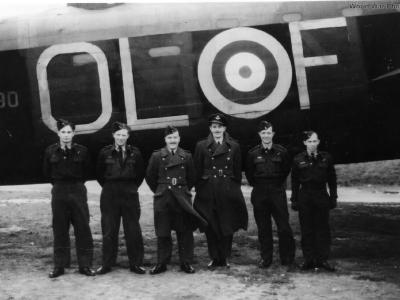
S/Ldr Cook and crew of Manchester R5790 83 Squadron RAF 1942
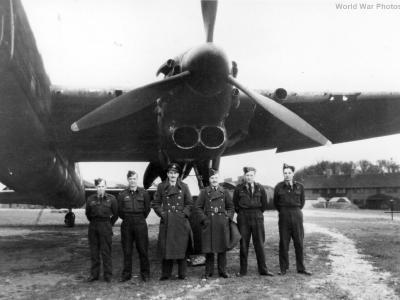
S/Ldr Ken Cook with crew
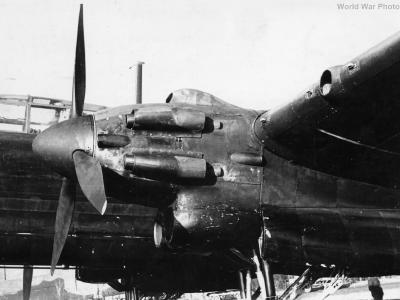
Vulture engine
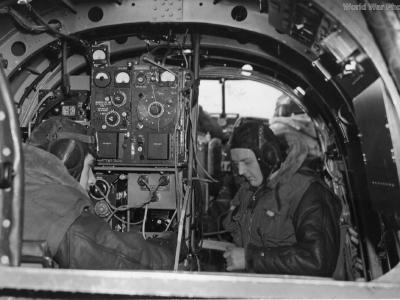
Wireless operator and navigator positions Forwardof them is the Skipper's 'office'.
Manchester was a twin-engined bomber developed during World War II by the Avro for RAF. The Manchester was a failure, being severely under-powered, but it was the forerunner to the famous Avro Lancaster bomber, one of the most successful bombers of the war. The Manchester was originally designed to the Air Ministry Specification P.13/36 which was the same specification that Handley Page followed in their design of the Halifax bomber. The specification called for a twin-engined heavy bomber using the powerful Rolls-Royce Vulture 24-cylinder X-type engine which was essentially two Rolls-Royce Peregrine Vee-type cylinder blocks on top of each other, the bottom one inverted to give the “X” shape. When developed in 1935, the engine had promise—it was rated at 1,760 hp—but it proved woefully unreliable and had to be derated to between 1,480 and 1,500 hp. Avro’s prototype Manchester first flew on July 25, 1939. Handley Page’s response to the engine’s faults was to switch the Halifax to four of the less powerful but more reliable Rolls-Royce Merlin X engines however Avro persisted with the Vulture and the Manchester went into production, entering service with RAF Bomber Command in November 1940. Eventually 209 Manchesters entered service, equipping eight bomber squadrons, serving with two others and also being used by Coastal Command. While the Manchester was designed with twin tail fins, the first production aircraft, designated the Mk I, had a central fin added. However, this was quickly replaced in the Mk IA which reverted to the twin-fin system and this configuration carried over to the Lancaster. The Mk III Manchester, which first flew on January 9, 1941, was essentially the first Lancaster, being powered by four Merlin engines and with increased wingspan. Manchester production continued until November of that year but some aircraft still in production were completed as Lancasters.