Lockheed XP-38A 40-762, prototype with pressurized cockpit
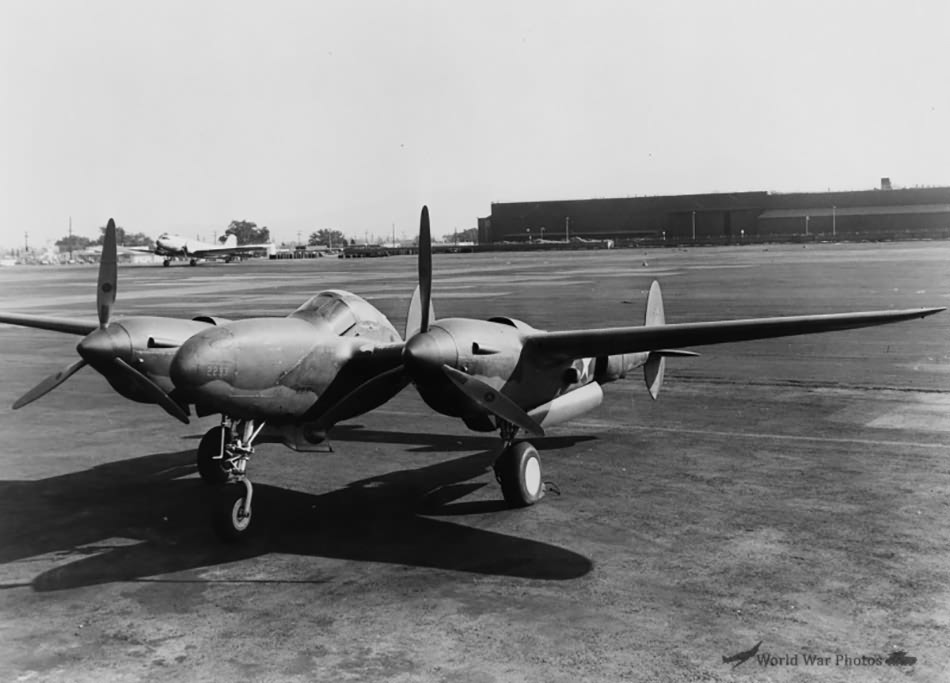
XP-38A 40-762
The Lockheed XP-38A was a unique experimental derivative of the Lightning series, specifically developed to evaluate the feasibility of high-altitude operations through the implementation of a pressurized cockpit. Designated as Model 622-62-10 by the manufacturer, it was not a new-build aircraft but a modification of the 19th production P-38-LO airframe, serial number 40-762.
Developmental Context and Objectives
The project emerged in response to the increasing recognition that future aerial combat would likely occur at much greater altitudes, necessitating protections against pilot fatigue and the physical physiological effects of high-altitude flight. Under the direction of project engineer M. Carl Haddon, the XP-38A was primarily intended as a flying testbed for technology intended for the subsequent XP-49 "heavy interceptor" project.
Technical Specifications and Modifications
To accommodate the weight and complexity of the pressurization equipment, significant structural alterations were performed on the base airframe:
- Pressurized Compartment: The cockpit was completely redesigned to ensure an airtight seal. It featured a frame-heavy windshield and a clamshell-type canopy for pilot entry and egress. The pressurization was provided by a "home-grown" cabin supercharger designed by Nathan Price, though its high-pitched operation was noted as being potentially annoying to the pilot on long-duration flights.
- Structural Geometry: To offset the added weight of the pressure equipment, the tail booms were lengthened, and the span of the horizontal tail was increased outboard of the booms to maintain aerodynamic stability.
- Aerodynamic Refinements: The XP-38A was fitted with large wing-fuselage fillets (X-15 version) to reduce tail buffeting, a feature that was added after the aircraft had been converted and painted.
- Powerplant and Performance: It utilized standard Allison V-1710-27 and -29 engines. While technical performance was adequate, no substantial combat performance advantage was found that would justify the complexity of retrofitting standard P-38s with pressure cabins.
- Armament: In a move to save weight for its testing role, all offensive armament was deleted from the nose.
Flight Testing and Evaluation
Flight trials were conducted out of the Lockheed Air Terminal (L.A.T.) between May and December 1942. The primary test pilot for the project was Joe Towle, who completed approximately 30 missions in the aircraft. During these tests, the aircraft reached altitudes as high as 36,500 feet, demonstrating the effectiveness of the pressurization system even when standard P-38 pilots were still relying on conventional oxygen equipment.
Historical Significance and Disposition
The XP-38A proved that cockpit pressurization was technically viable for the Lightning airframe, and the data gathered was directly applied to the development of the XP-49. However, the U.S. Army Air Forces (USAAF) ultimately determined that the considerable engineering changes required were too disruptive to the high-volume production of standard P-38 variants.
The aircraft was finished in standard wartime Olive Drab and Neutral Gray camouflage, though it notably retained polished Curtiss Electric propellers. Following the completion of the test program, the experiment was abandoned, and the sole prototype was presumably scrapped. No production P-38As were ever ordered.