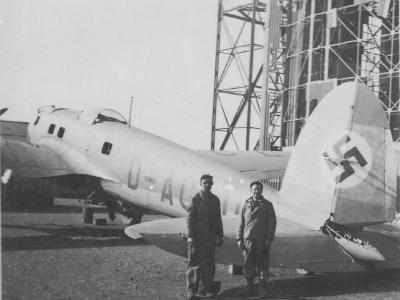
He 111 part 2
Click the thumbnails to enlarge them
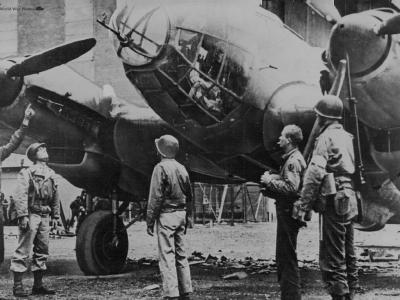
Captured He 111H
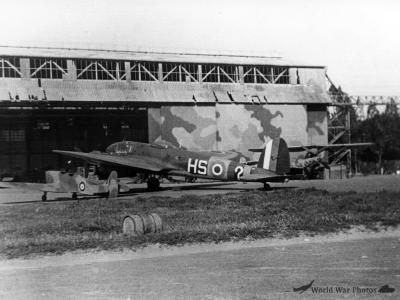
Captured He111 "Delta Lily" of No. 260 Sqn at Catania Sicily 1943
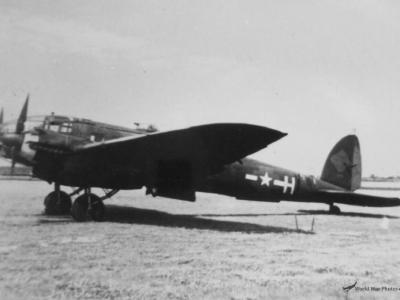
Captured US He 111H-20 701152
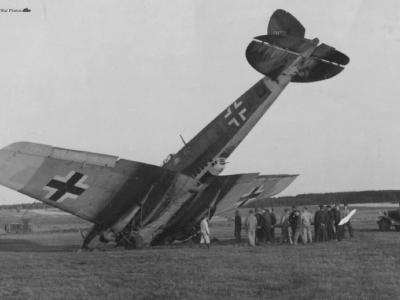
Crashed He 111
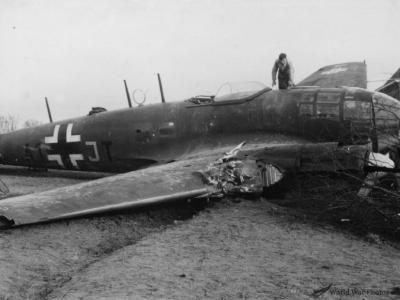
Crashed He 111 KG 53 France 1940
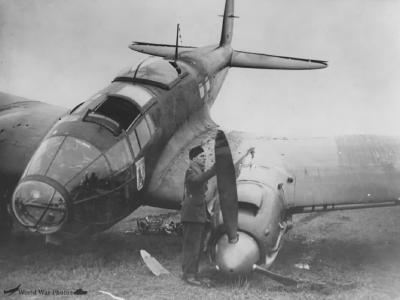
Crashed He 111H of 1/KG 26 Firth of Forth
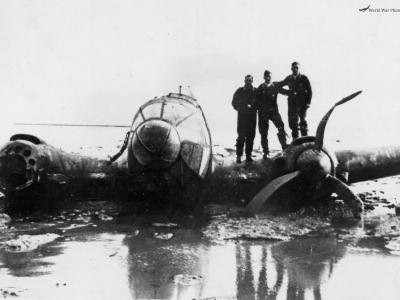
Crashed He111

Field Marshal Rommel by He111 Bomber on Airfield Greece

German Airmen Unload Crates of Bombs for Heinkels He111 during Maneuvers
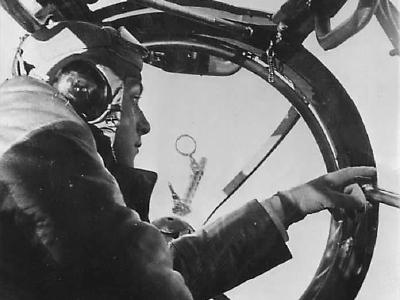
German Gunner Manning Machine Gun in Nose of He111

German Gunner Manning MG15 Machine Gun in Nose of He 111

German Pilot in Seat of Cockpit of He111
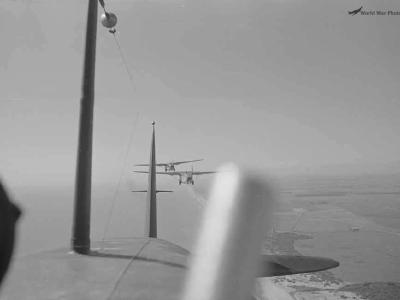
Go242 gliders

Hauptmann Klaus Noeske Gruppenkommandeur I/KG 4
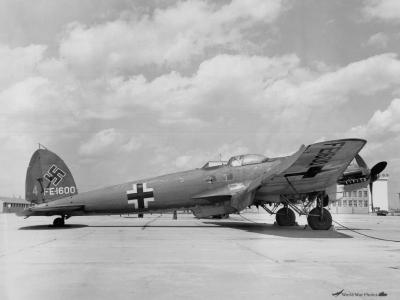
He 111 at Freeman Field
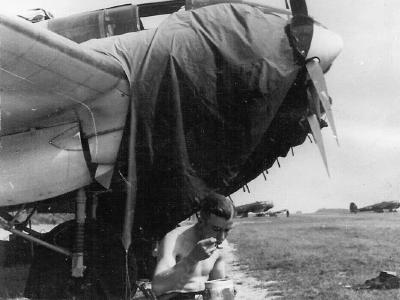
He 111 at the field airfield

He 111 B3-KP KG54 Lt Franz Gottschling
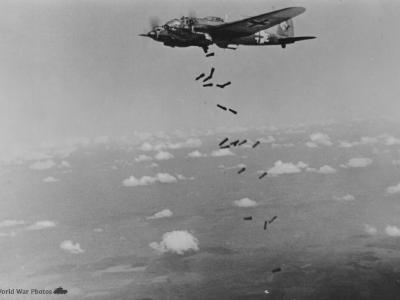
He 111 bomb run
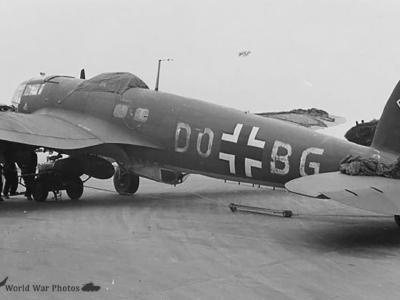
He 111 DO-BG
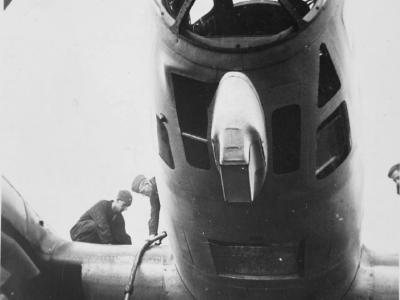
He 111 E
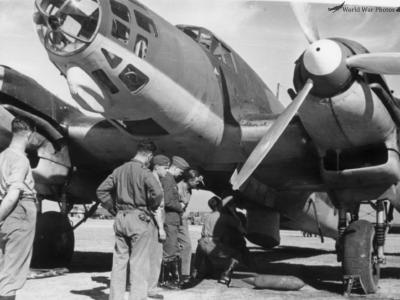
He 111 E-1 Legion Condor
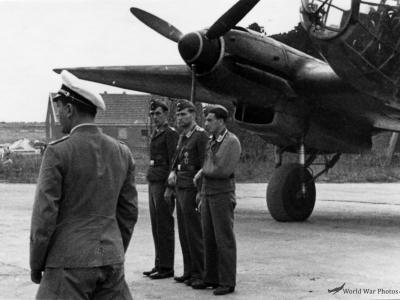
He 111 F6-GL
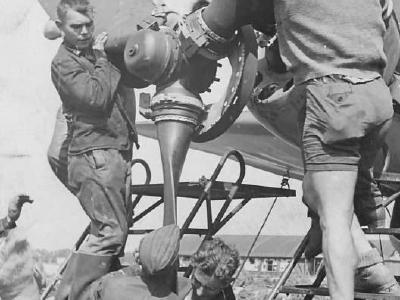
He 111 H KG55 1942-43
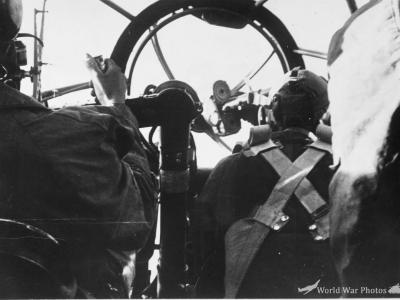
He 111 interior
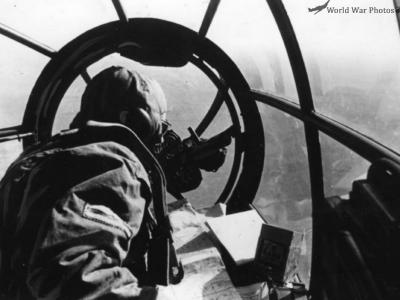
He 111 interior 1941
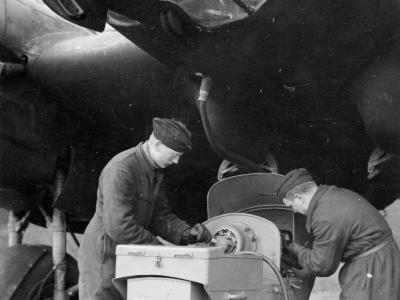
He 111 KG 4
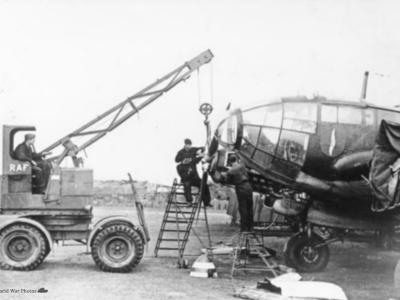
He 111 KG 4 1940
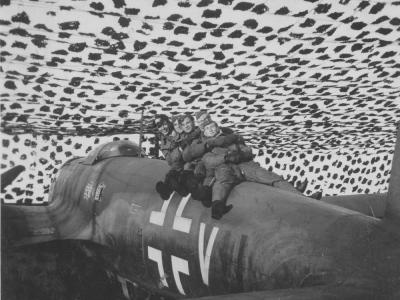
He 111 KG4 5J-VU 1943
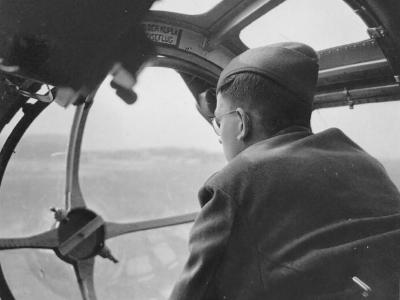
He 111 nose
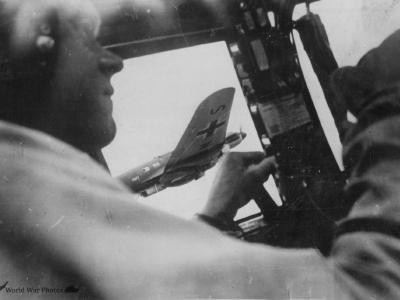
He 111 pilot
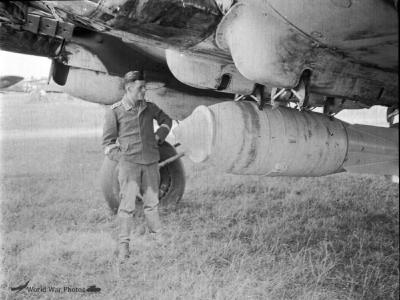
He 111 SC1000

He 111 Transport Variant CO-PH at Hamburg in 1945
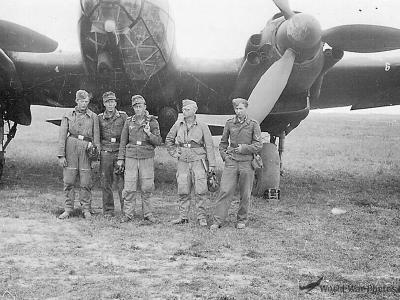
He 111 with exhaust flame dampers
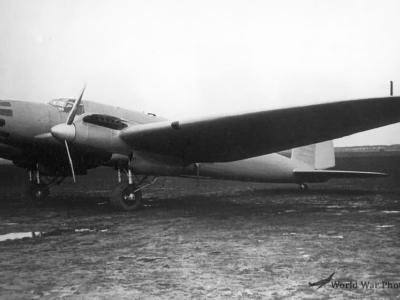
He 111A-0
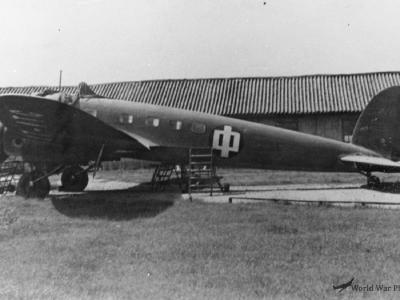
He 111A-0 China
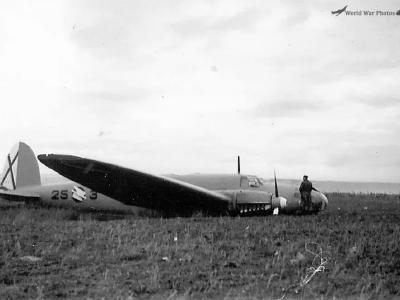
He 111B Legion Condor, Spain
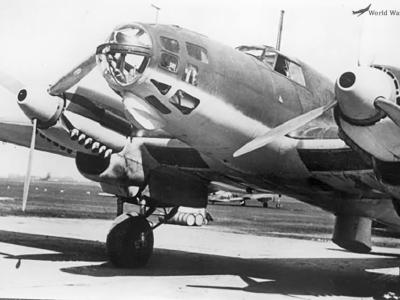
He 111B-0
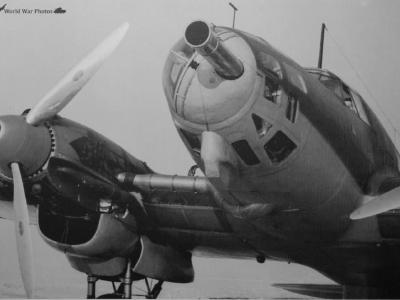
He 111B-1 supercharger
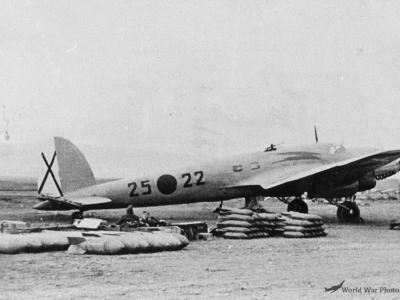
He 111B-2 Spain
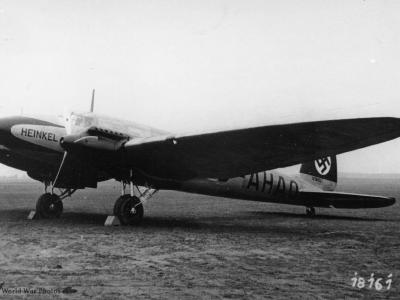
He 111C-0
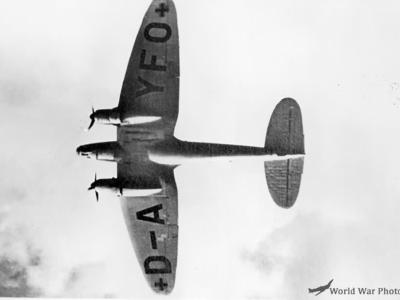
He 111D
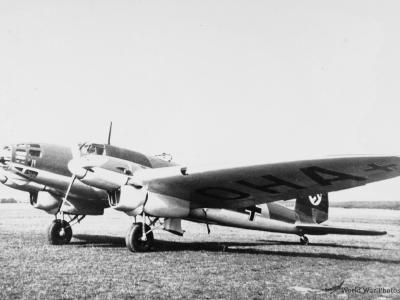
He 111D-0
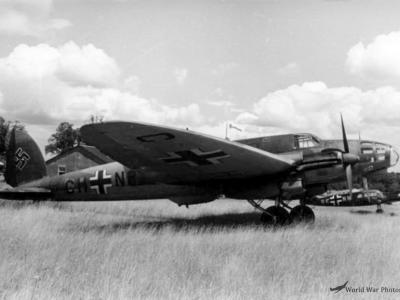
He 111E
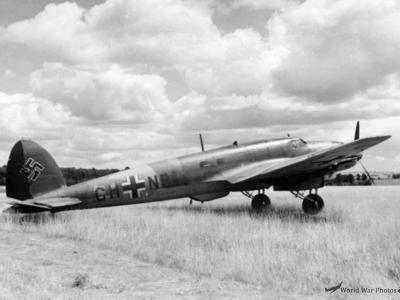
He 111E CH NR
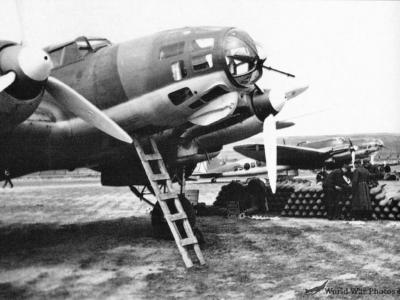
He 111E Spain 1937, Legion Condor
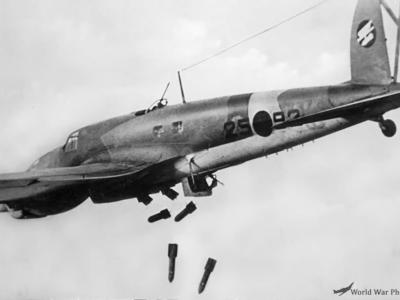
He 111E-1 Spain
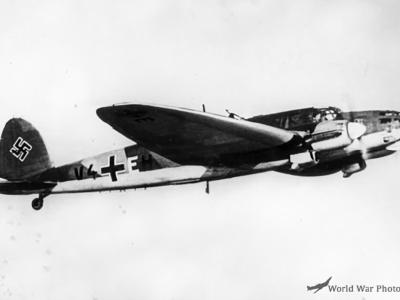
He 111E-3
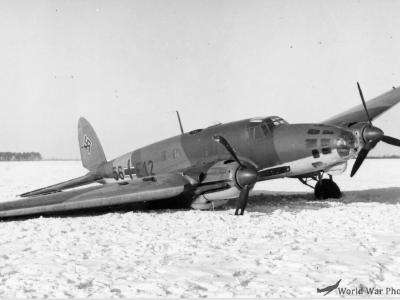
He 111E-3 KG 355
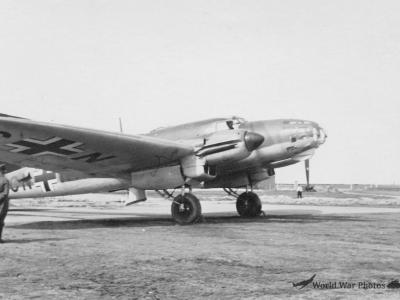
He 111F CN
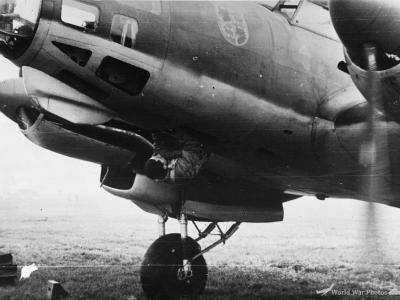
He 111F KG 1
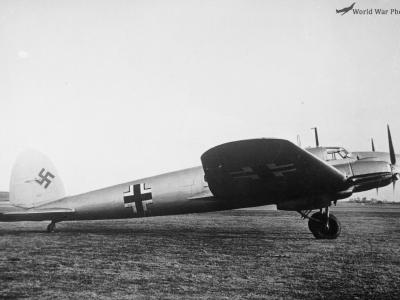
He 111G-5
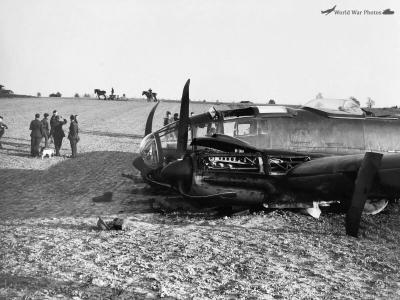
He 111H 1940
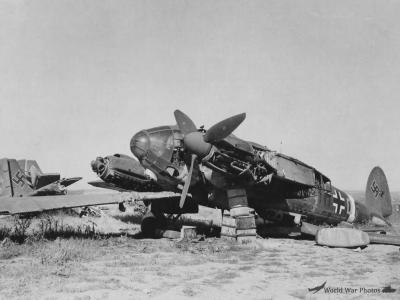
He 111H 1H-DF KG26

He 111H 1H-EN 5/KG 26 crash-landed on Rhodes farm near North Berwick in Scotland 2

He 111H 1H-EN 5/KG26 crash-landed on Rhodes farm near North Berwick in Scotland
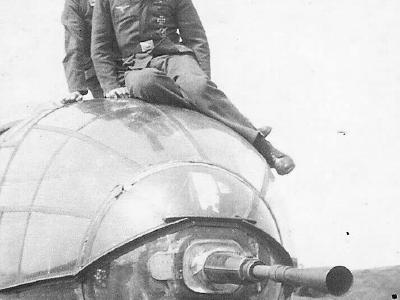
He 111H 20mm nose
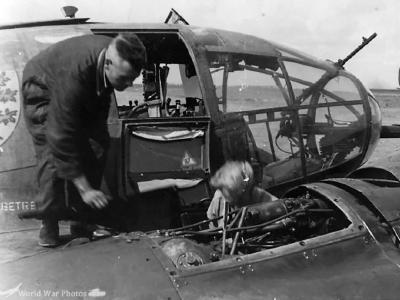
He 111H 4/KG 55 Eastern Front 1942-43
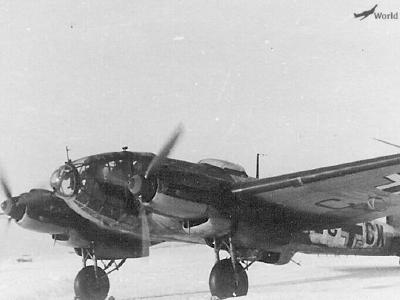
He 111H CK
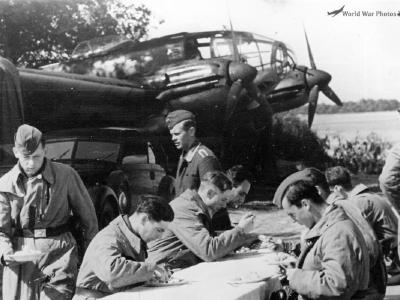
He 111H crew during the Battle of Britain
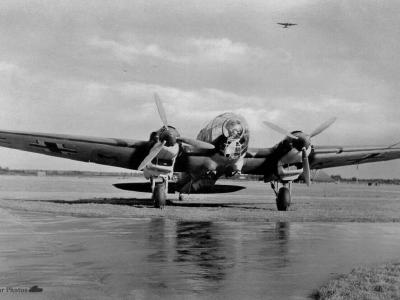
He 111H front
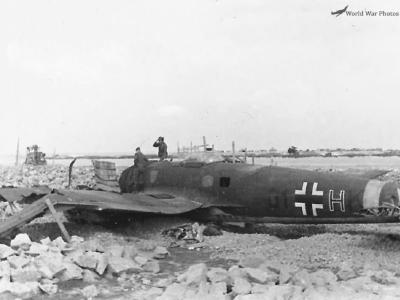
He 111H G1-HK KG 55 1942
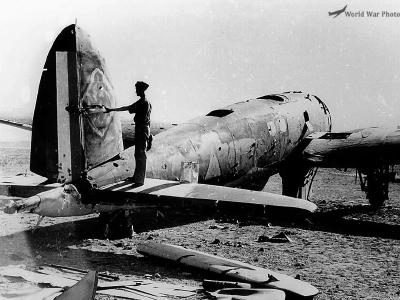
He 111H Iraq
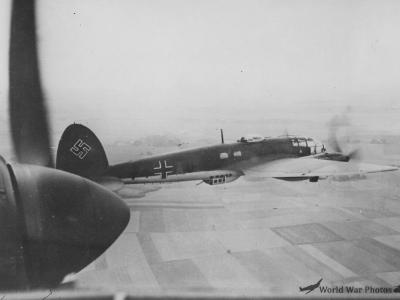
He 111H KG 1
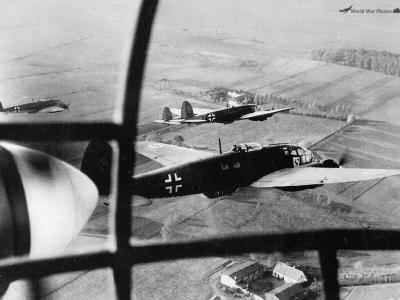
He 111H KG 26 1940
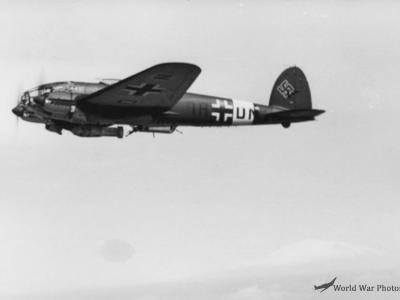
He 111H KG 26 with bomb
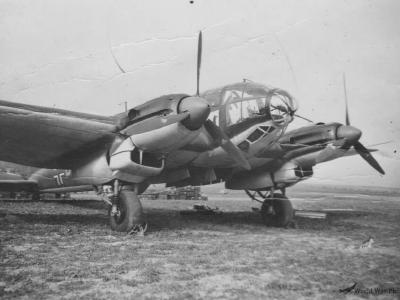
He 111H KG26
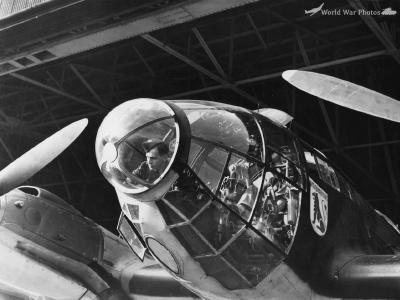
He 111H KG26 October 1940
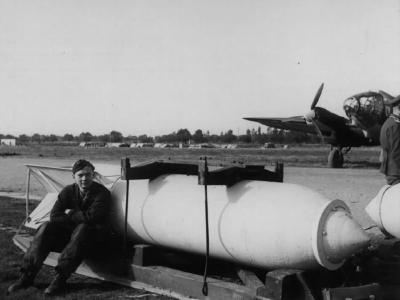
He 111H KG26 SC1800 Catania
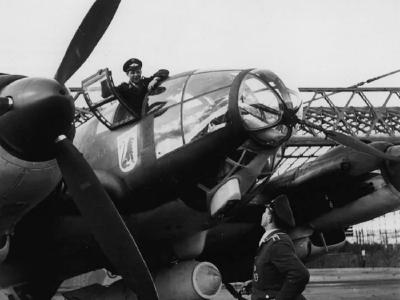
He 111H KG26 SC1800 Catania
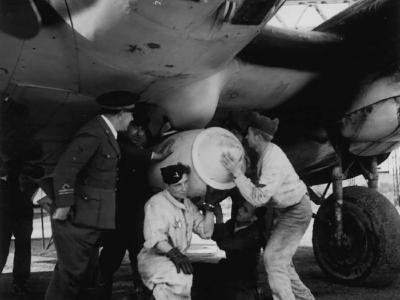
He 111H KG26 SC1800 Catania
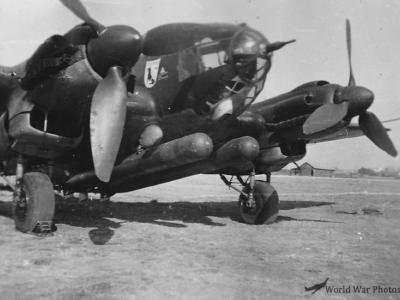
He 111H KG26 torp
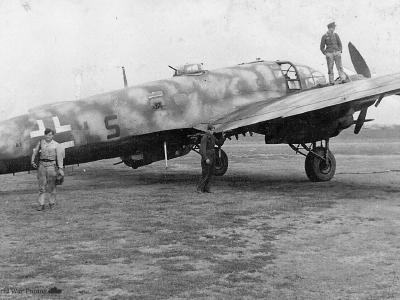
He 111H KG53 A1-LS
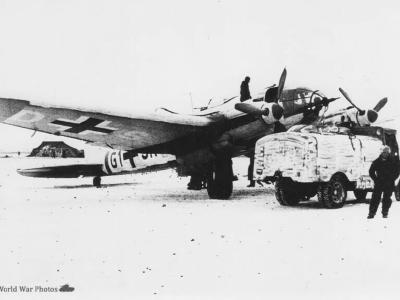
He 111H KG55
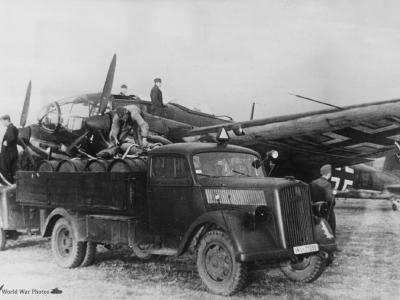
He 111H refueling
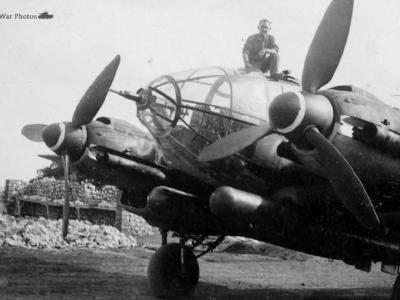
He 111H torp
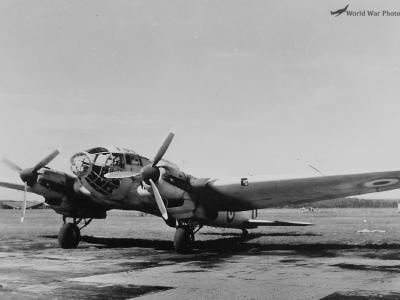
He 111H-1 5113 VIP transport
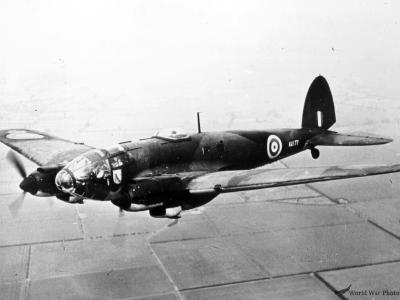
He 111H-1 AW177 6853
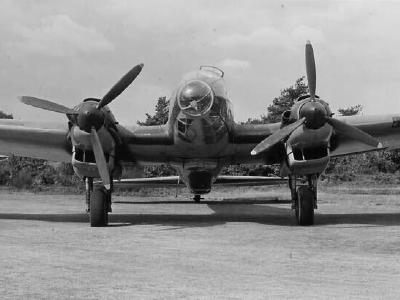
He 111H-1 AW177 6853
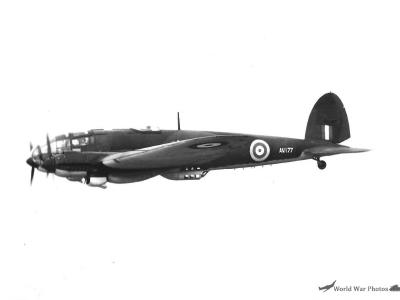
He 111H-1 AW177 6853
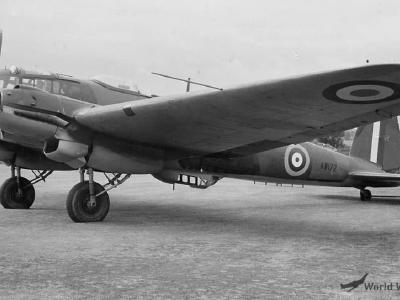
He 111H-1 AW177 6853
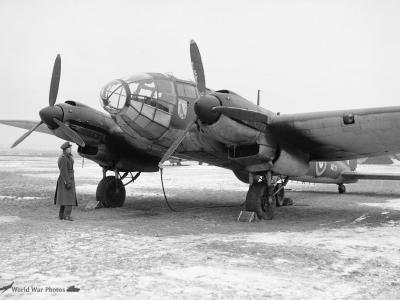
He 111H-1 AW177 at Farnborough
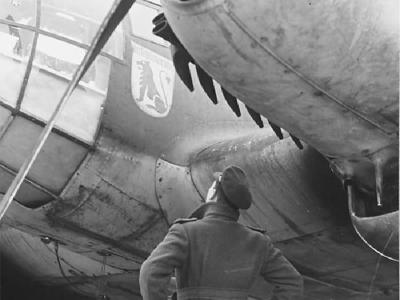
He 111H-1 AW177 at Farnborough
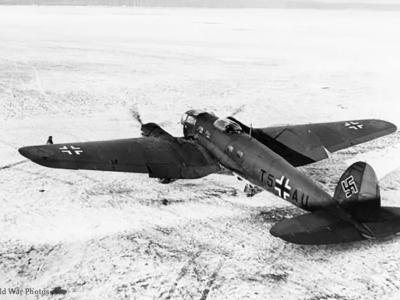
He 111H-10
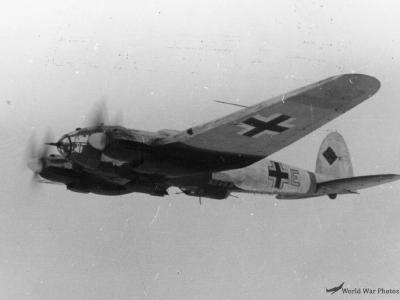
He 111H-11
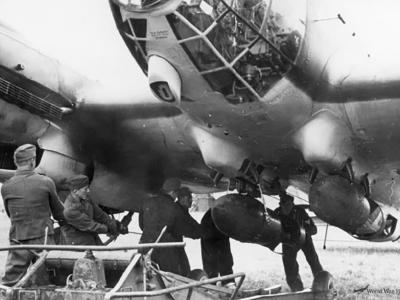
He 111H-15
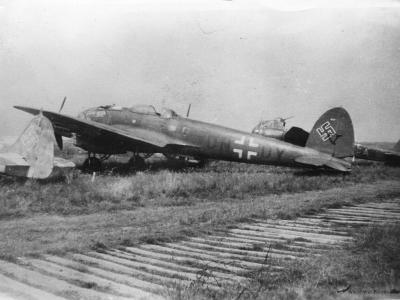
He 111H-16 DN-DY Hamburg 1945
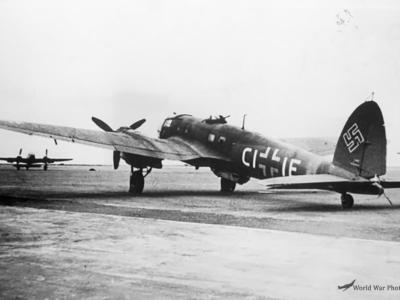
He 111H-16 R1
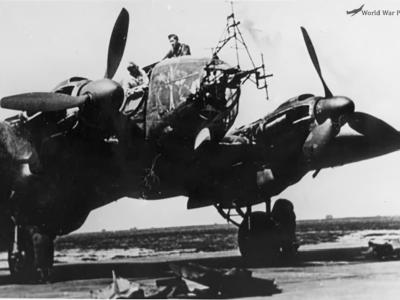
He 111H-16/R3
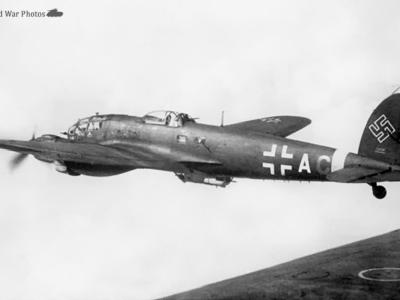
He 111H-16/U1
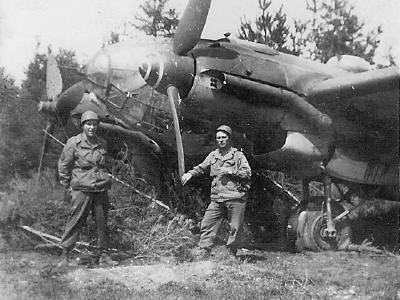
He 111H-20
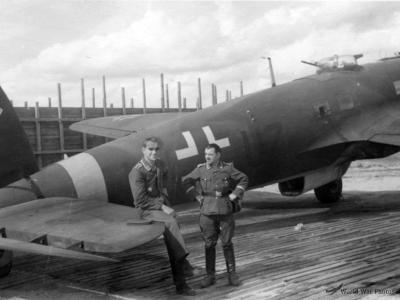
He 111H-20 NO-UZ
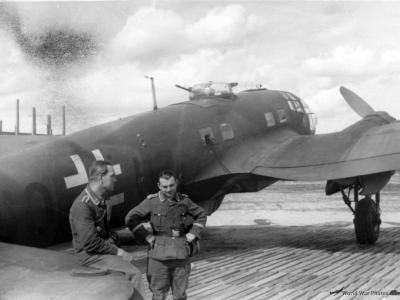
He 111H-20 NO-UZ
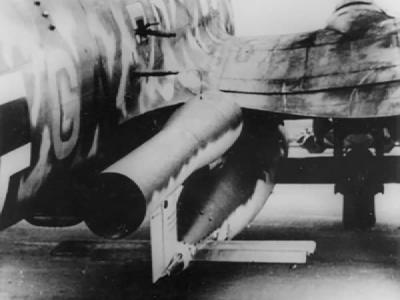
He 111H-22 and FZG76 V1
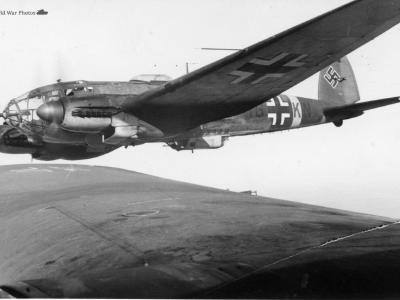
He 111H-3 5/KG 27 1G-KN
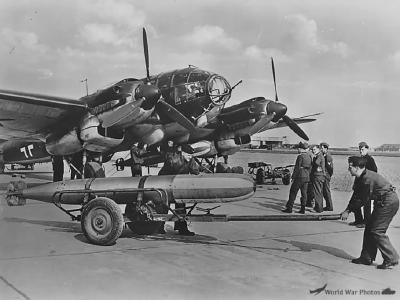
He 111H-4 I/KG26
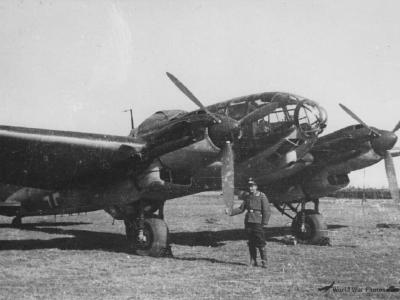
He 111H-5
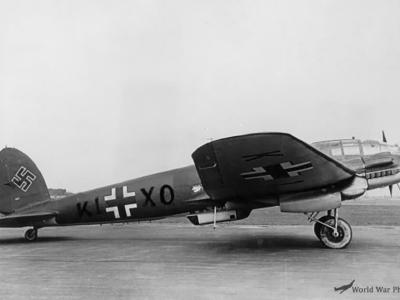
He 111H-6
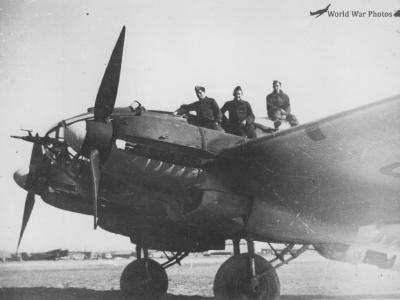
He 111H-6
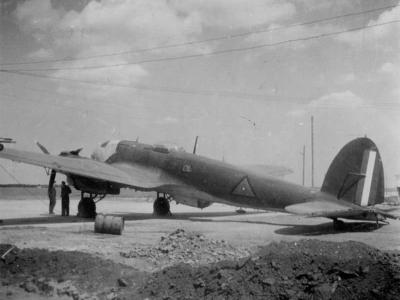
He 111H-6 Iraq
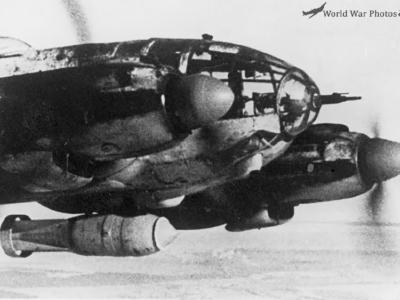
He 111H-6 with PC 1400 bomb
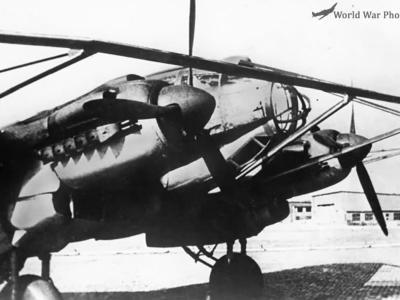
He 111H-8
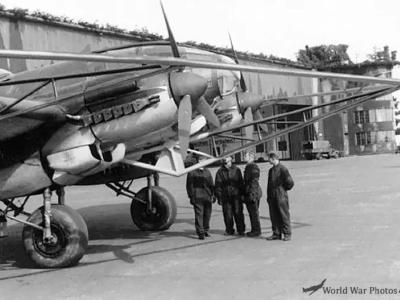
He 111H-8
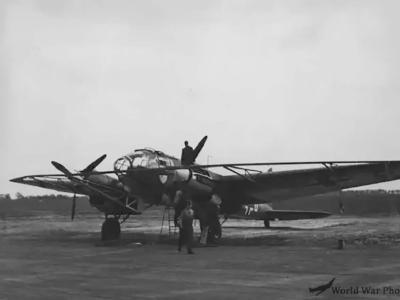
He 111H-8 2
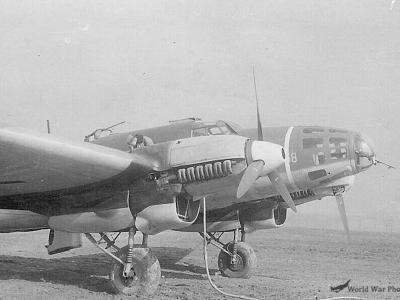
He 111J
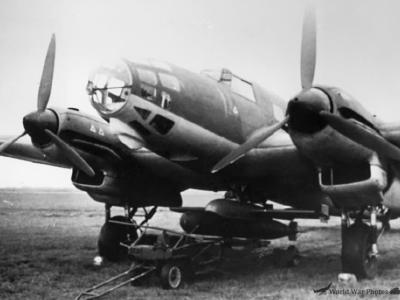
He 111J-0
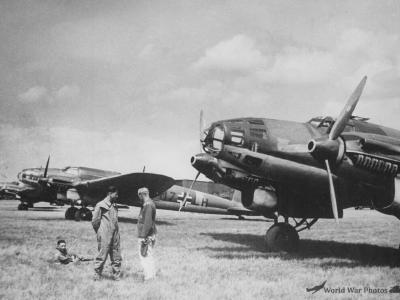
He 111J-1 KGr 806
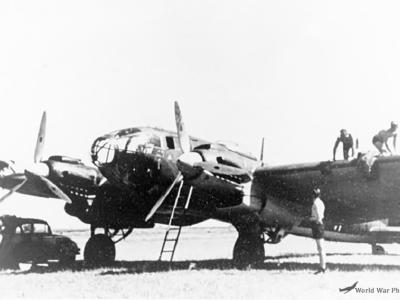
He 111P
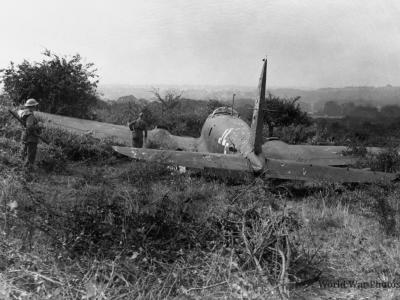
He 111P 1582 G1-FR 7/KG 55
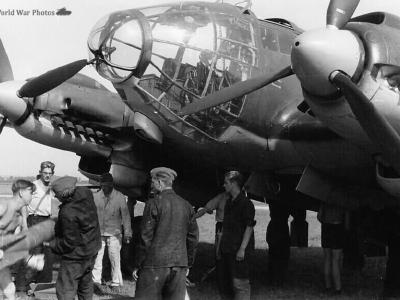
He 111P 3/KG 4 September 1939
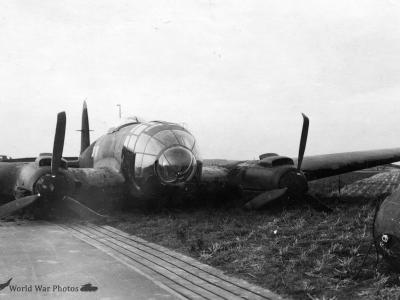
He 111P Eindhoven
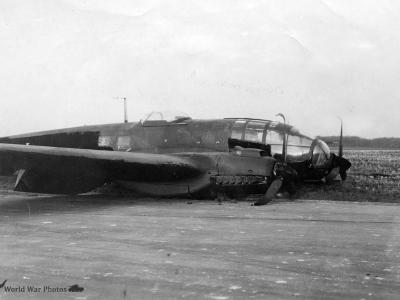
He 111P Eindhoven
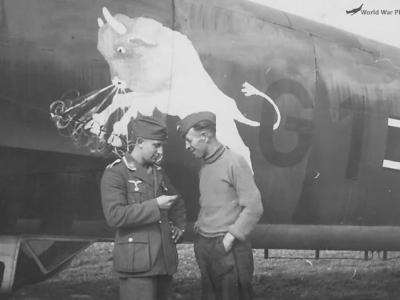
He 111P KG 55 Rosenborn 1939
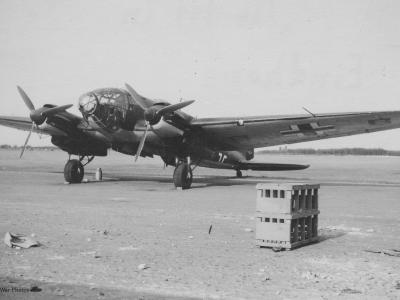
He 111P KG4 Eindhoven
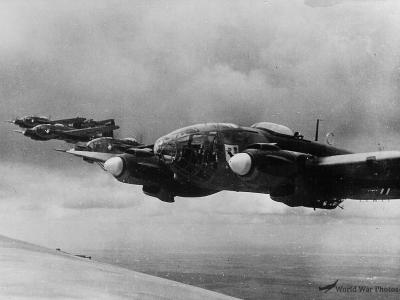
He 111P KG55 in flight

He 111P Stab/KG 55 crash-landed at Hipley in Hampshire 12 July 1940
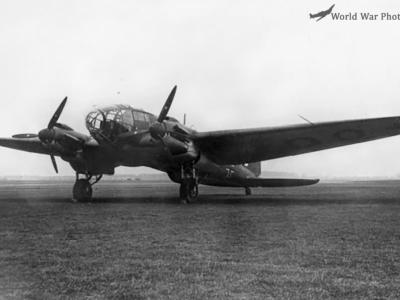
He 111P-1
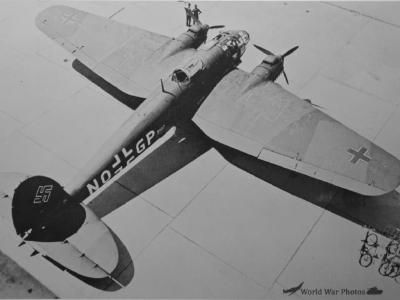
He 111P-2
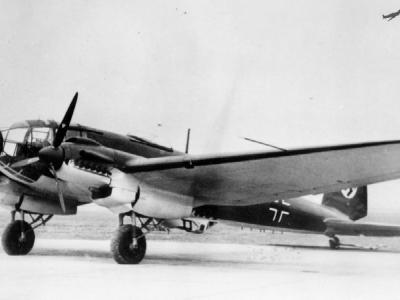
He 111P-2
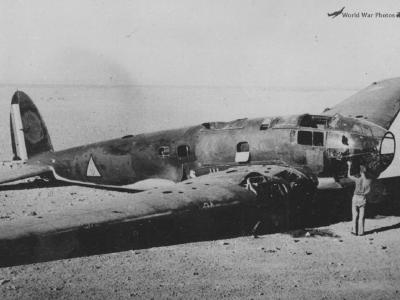
He 111P-4 5J-AC Palmyra 1941
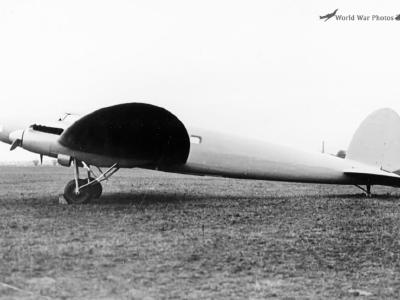
He 111V-1
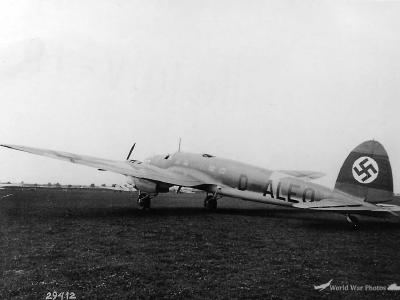
He 111V-10 2
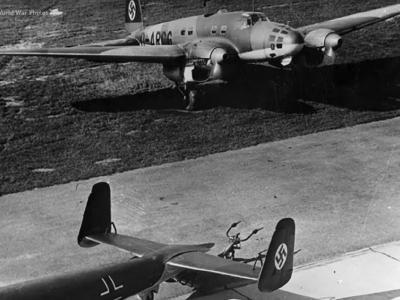
He 111V-11
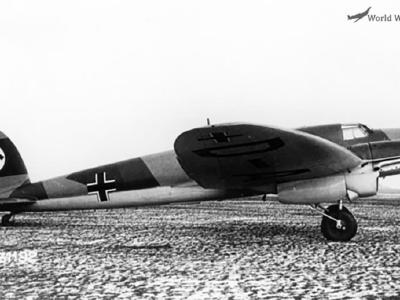
He 111V-17
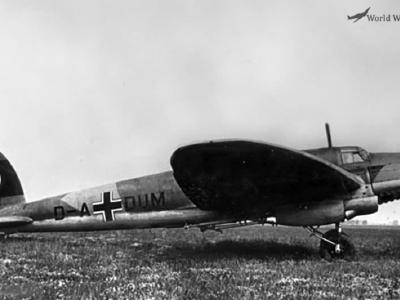
He 111V-18
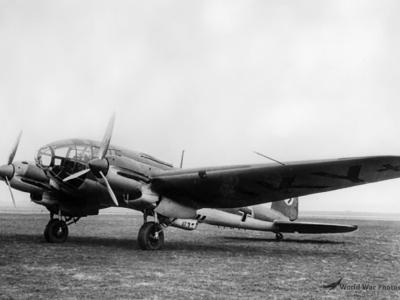
He 111V-19
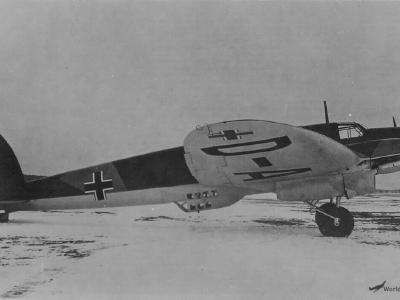
He 111V-23
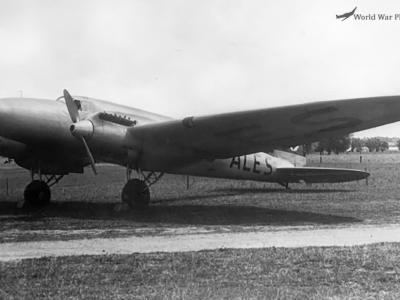
He 111V-3
He 111V-32
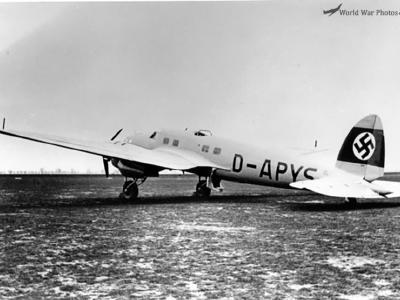
He 111V-5
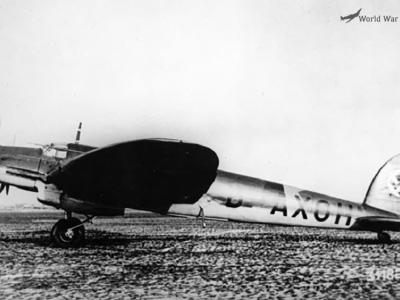
He 111V-6
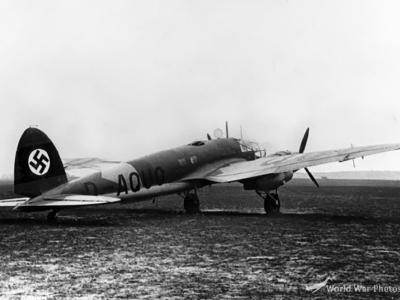
He 111V-8
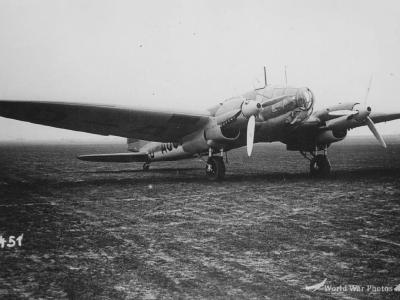
He 111V-8
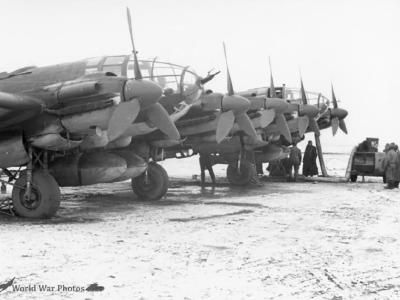
He 111Z
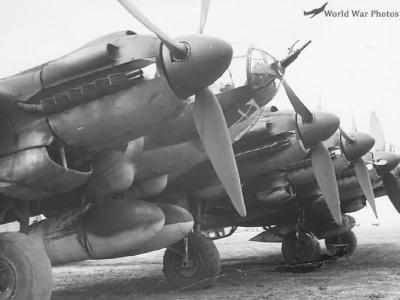
He 111Z
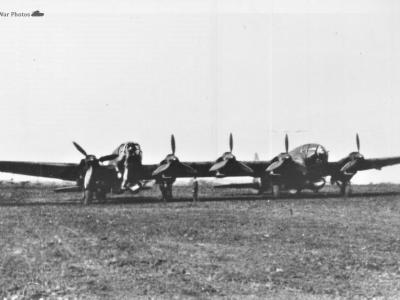
He 111Z
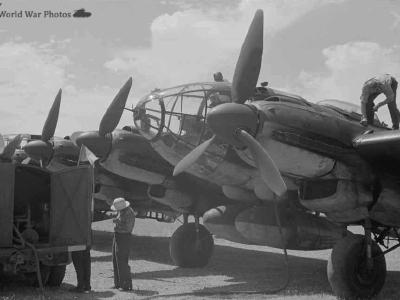
He 111Z
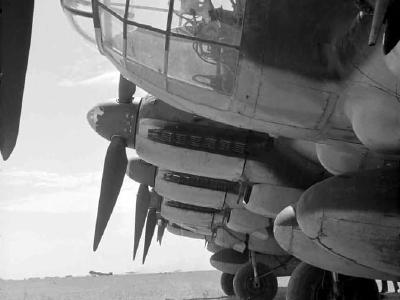
He 111Z
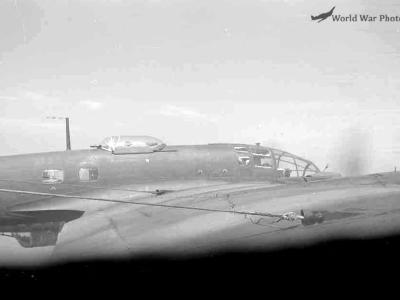
He 111Z
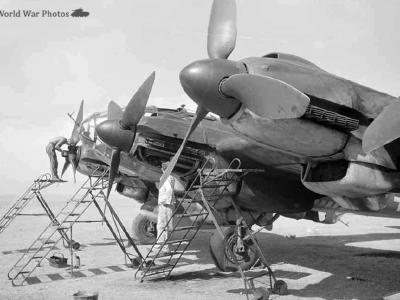
He 111Z
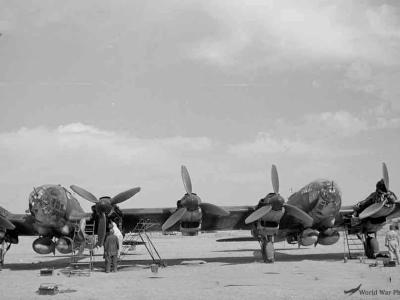
He 111Z
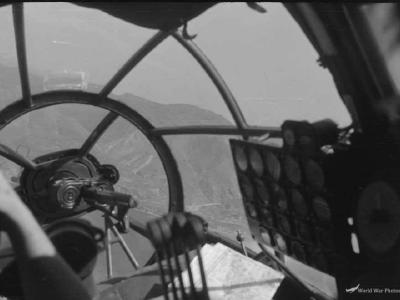
He 111Z
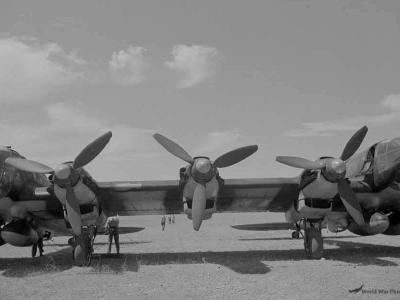
He 111Z
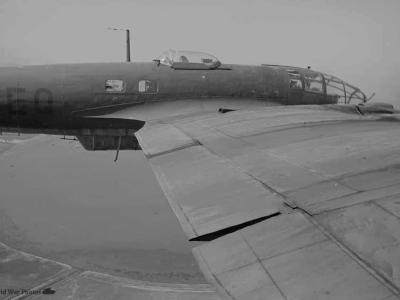
He 111Z
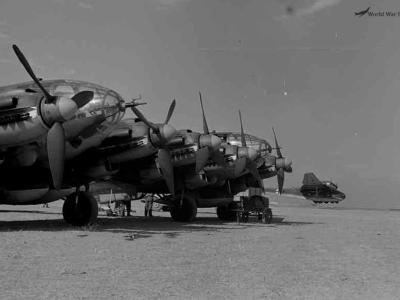
He 111Z
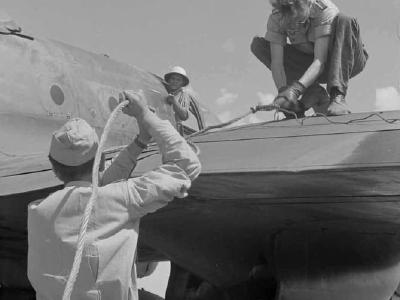
He 111Z
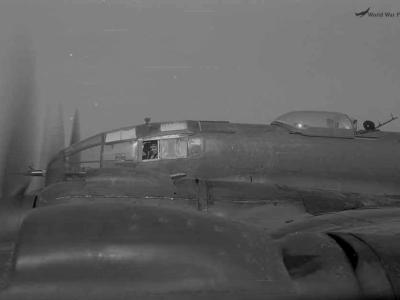
He 111Z 10
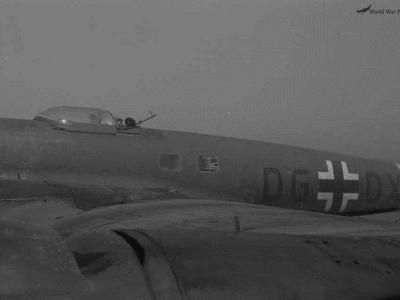
He 111Z 11
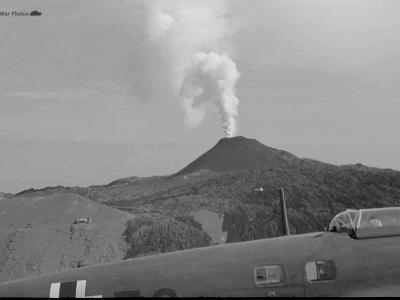
He 111Z 12
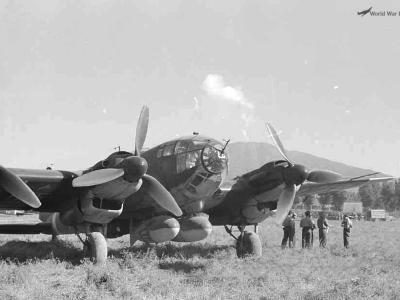
He 111Z 13
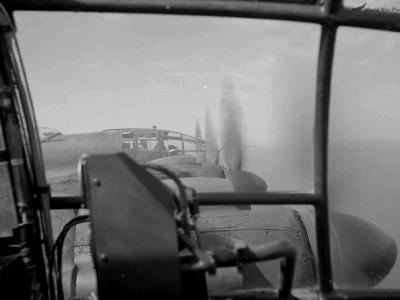
He 111Z 15
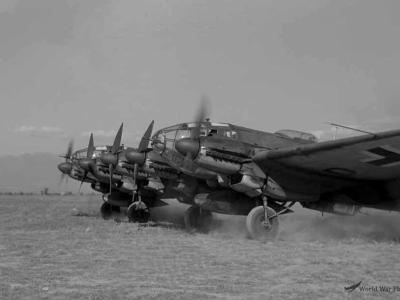
He 111Z 16
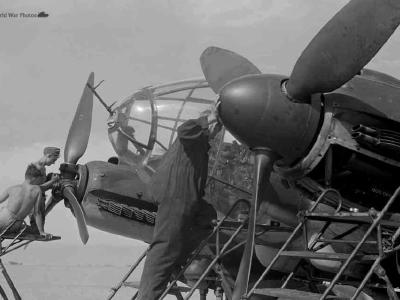
He 111Z 2
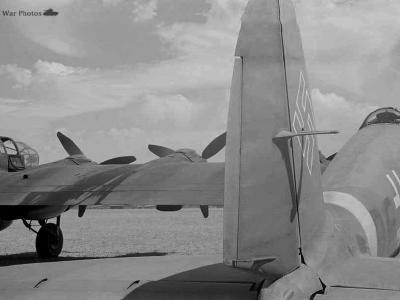
He 111Z 20
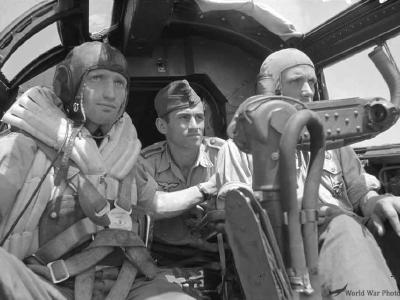
He 111Z 21
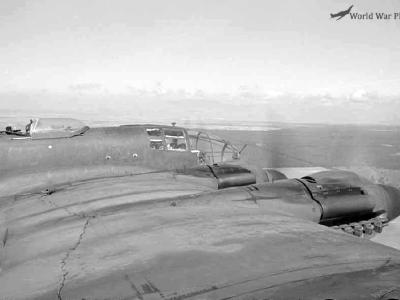
He 111Z 26
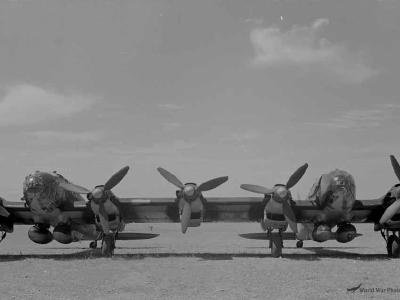
He 111Z 3
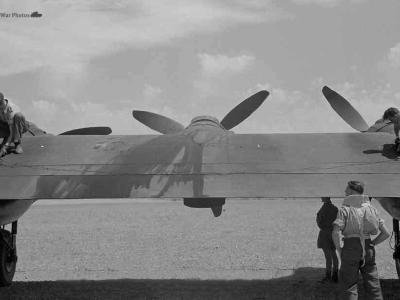
He 111Z 5
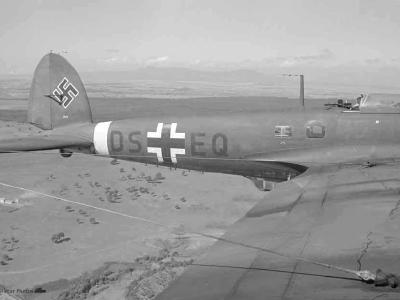
He 111Z 6
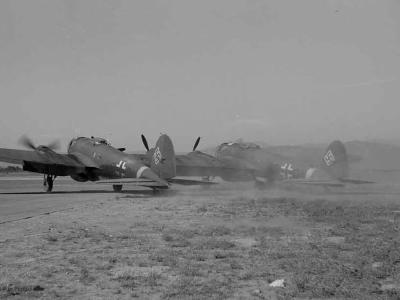
He 111Z 7
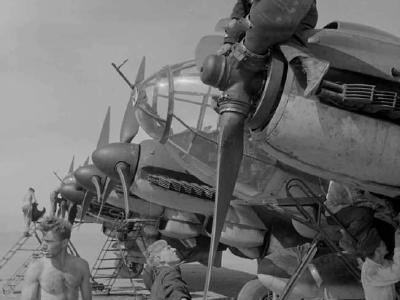
He 111Z I/LLG2 2
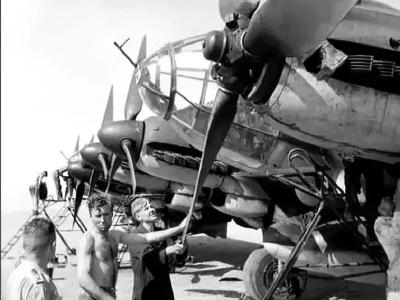
He 111Z of the I/LLG2
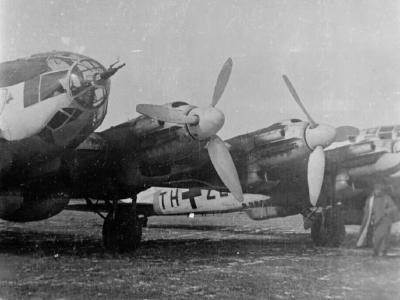
He 111Z TH
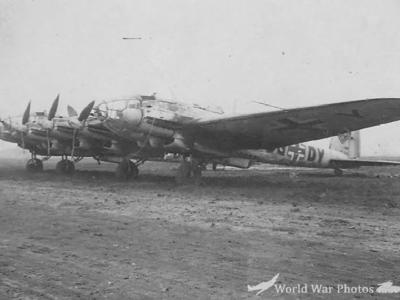
He 111Z-1
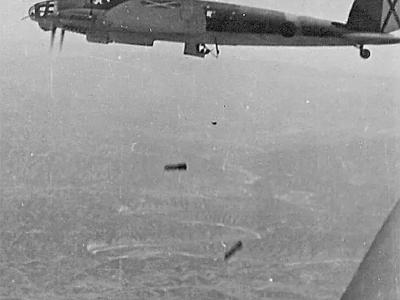
He111
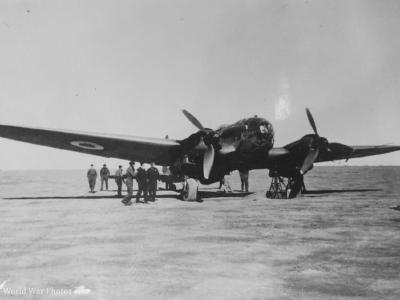
He111 1 Sqn RAAF 1942 Africa
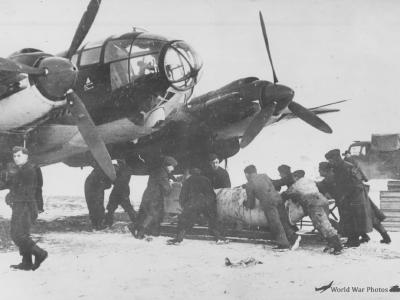
He111 1941
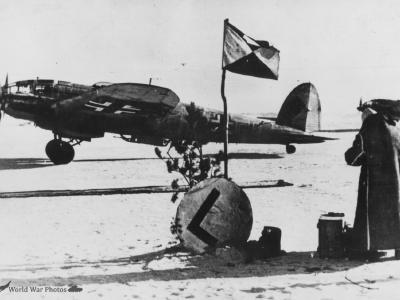
He111 1943
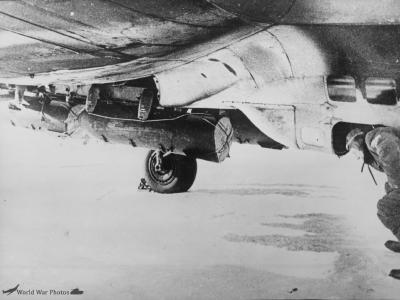
He111 1943
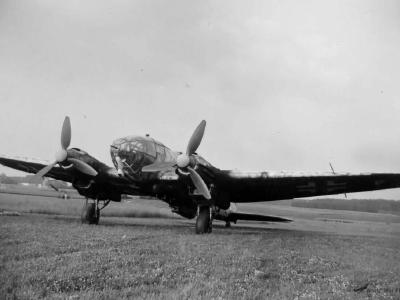
He111 1944
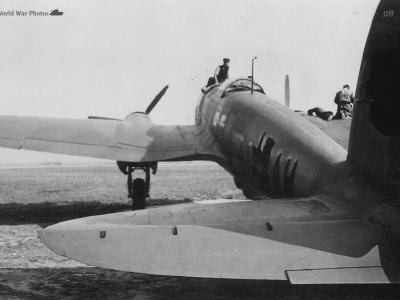
He111 5549
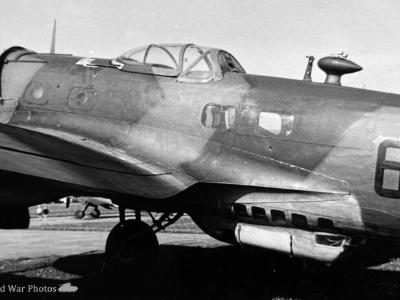
He111 6J
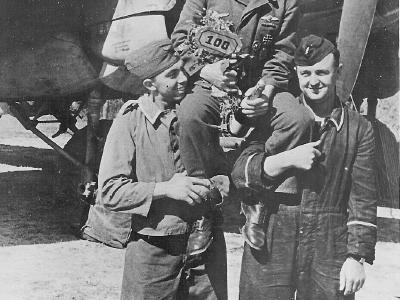
He111 Airman Celebrated on 100th Mission
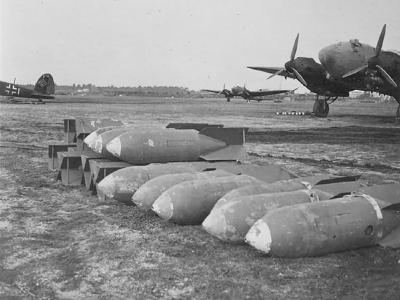
He111 bombs
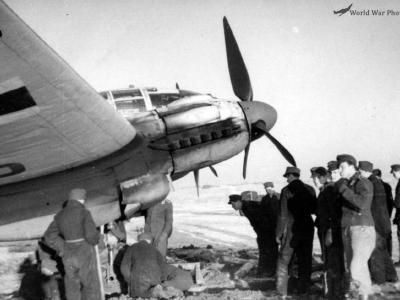
He111 Eastern Front
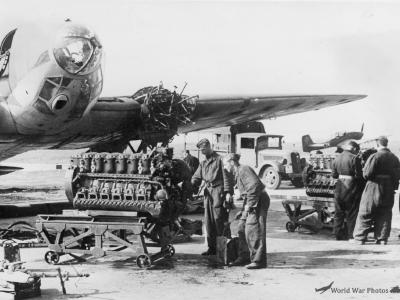
He111 engine
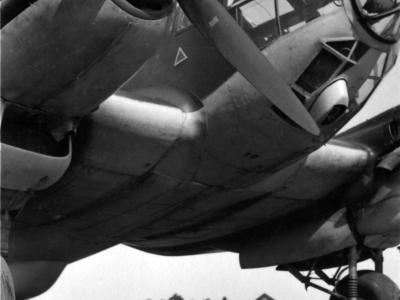
He111 Holland
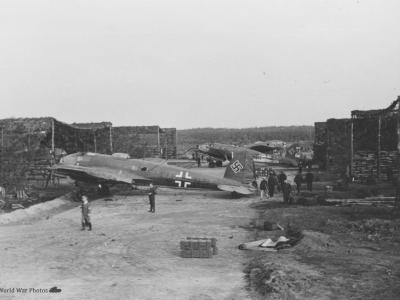
He111 Holland
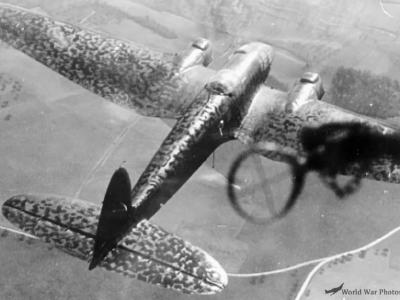
He111 in flight
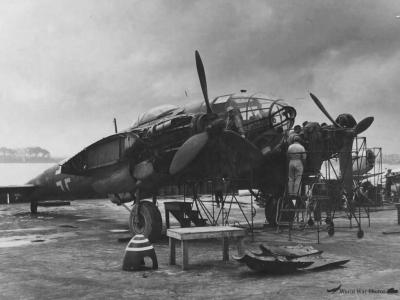
He111 Italy
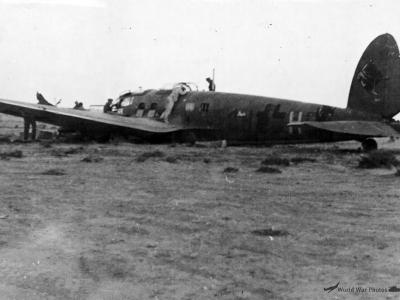
He111 KG26
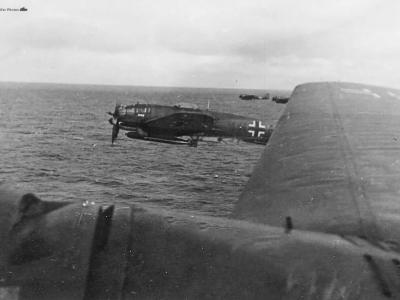
He111 KG26 with torpedo
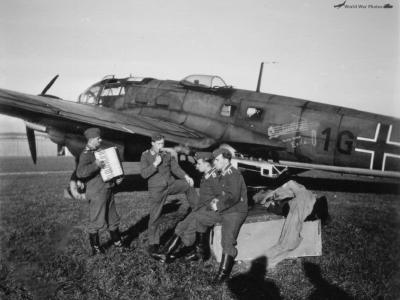
He111 KG27 Erika
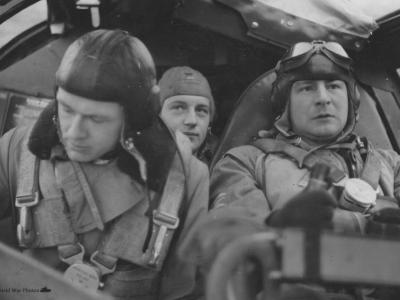
He111 KG4
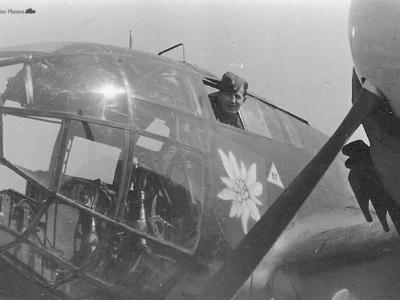
He111 KG51
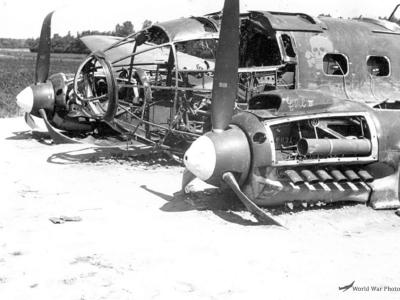
He111 KG54 wreck
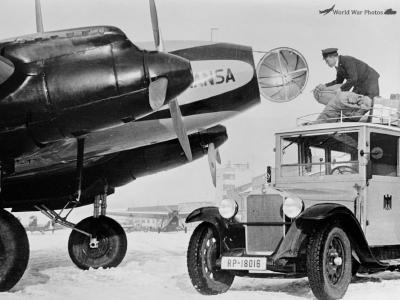
He111 Lufthansa
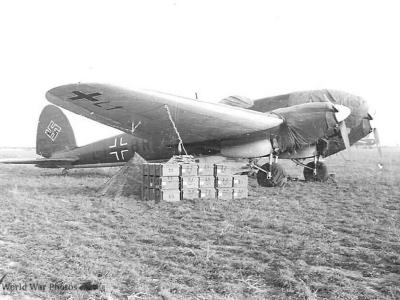
He111 of the Lehrgeschwader 1
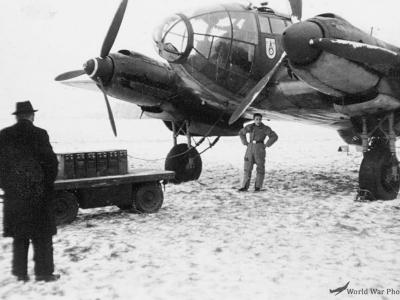
He111 SFF C10 Adv Flying Training School

He111 SFF C10 Adv Flying Training School
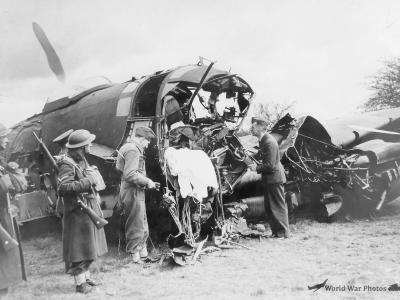
He111 shot down over Britain
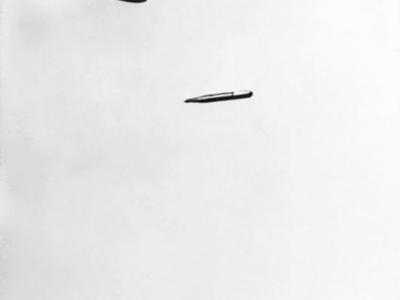
He111 Torpedo
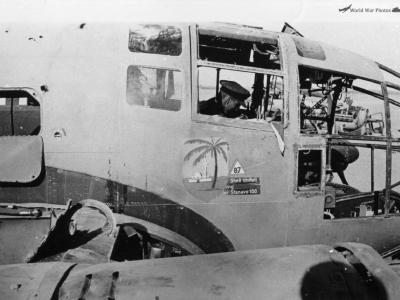
He111 wreck in North Africa

Heavy Bombs Being Towed by He 111 Bombers
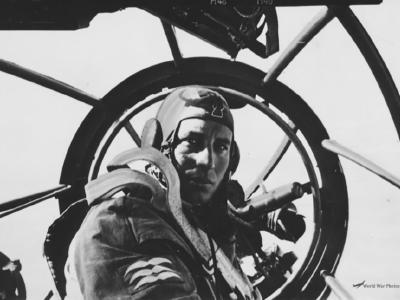
Heinkel He 111 of I/KG4 nose
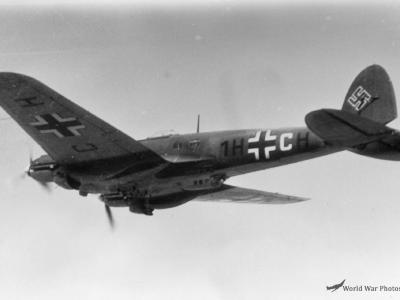
Heinkel He 111H KG 26 1H-CH

Luftwaffe Airman with Life Vest by He111
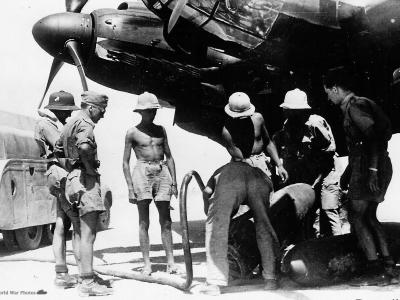
Luftwaffe Airmen Readying He111 North Africa 1942
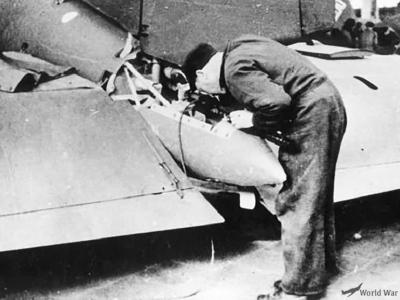
MG 17 installation in tail of He 111H-6
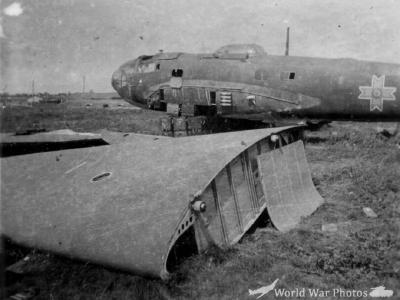
Romanian He 111H-3
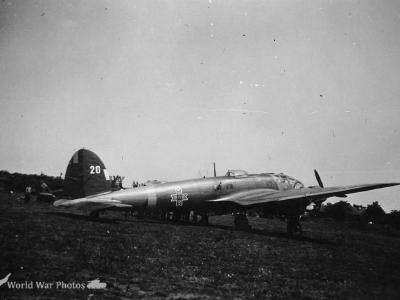
Romanian He 111H-3
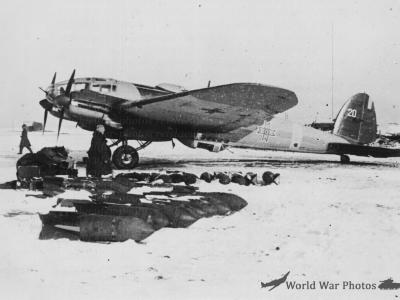
Romanian He 111H-3 1943
The Heinkel He 111’s history began with its secret development in July 1932 based on specifications from the German Army’s Ordnance Bureau, at a time when Germany was still nominally adhering to the Treaty of Versailles restrictions on rearmament. It was conceived by the Günter brothers, Walter Mertens, and Meyer-Cassel, with Karl Schwarzler handling detailed design, and initially disguised as a fast airliner. The first prototype, the He 111 V1, made its maiden flight on February 24, 1935, piloted by Gerhard Nitschke from the Rostock-Marienehe factory. Early civil prototypes, the He 111 V2 and V4, followed, leading to the He 111C airliners that began scheduled services with Deutsche Lufthansa in April 1936, named after cities like Rostock, Dresden, and Nürnberg. Some He 111 Gs were also directly supplied to the Luftwaffe as VIP transports, and four were exported to Turkey.
The initial bomber variant, the He 111A, was deemed underpowered and unresponsive with a full military load and was rejected for frontline service by the Reichsluftfahrtministerium (RLM), with ten units eventually exported to China. The He 111B, powered by more potent Daimler-Benz DB 600Aa engines, was the first He 111 variant to enter operational Luftwaffe service in late 1936. These early models, including the B, C, D, E, F, and J series, featured a distinctive “stepped-cockpit” design. The He 111B’s performance included a cruising speed of 345 km/hr (214 mph) and a range of 910 km (365 miles) with a 1,500 kg (3,307 lb) bomb load. A notable design change came with the F-series, which introduced a new wing with a straighter leading edge, departing from the earlier curved wing.
The He 111 first saw combat during the Spanish Civil War starting in 1937 with the Legion Condor, where it quickly became the standard bomber, proving superior to the Ju 86 and Do 17 in terms of speed and bomb-carrying capacity. However, early combat experience also hinted at its defensive armament’s vulnerability. The introduction of the He 111P and H variants in 1939 marked a significant visual change, with these types featuring the round, fully-glazed nose (often called the “fishbowl” or “Biedermann” nose), which improved visibility for the crew. By September 1939, over 700 He 111s, predominantly P/H variants, were in service and formed the backbone of the Luftwaffe’s bomber force, with older models relegated to training schools.
During the Polish Campaign in September 1939, the He 111 launched devastating attacks, and its operational debut was considered highly satisfactory despite some losses to Polish fighters and “friendly fire” from German flak. It saw widespread action in Holland, Belgium, and France during the Blitzkrieg in the West in May 1940, facing increased flak and fighter opposition.
The Battle of Britain (July-October 1940) was a turning point for the He 111. Despite extensive deployment (over 500 He 111Hs), it proved vulnerable to British fighters due to insufficient defensive armament and a lack of fighter escort, suffering significant losses (246 machines lost during the Battle of Britain alone). Following these daylight losses, the He 111 was increasingly transitioned to night bombing, becoming a vanguard of the “Blitz” against British cities. Specialized pathfinder units like KGr.100 used advanced radio-navigation devices such as “X-Gerät”.
On the Eastern Front, from 1941 to 1945, the He 111 remained in service until the very end of the war, adapting to diverse conditions including harsh winters. It played a critical role in air supply operations, notably during the Stalingrad airlift and the Demyansk pocket, flying in crucial supplies and evacuating wounded.
The He 111 demonstrated remarkable versatility throughout its service life. It was adapted for various specialized roles:
- Torpedo-bomber: Versions like the He 111J, F-4, H-4, and H-6 were configured to carry and launch torpedoes.
- Guided Missile/Flying Bomb Carrier: The He 111H-6 was used to carry glider bombs such as the BV 246 "Hagelkorn", and the He 111H-22 was specifically modified to air-launch Fi 103 (V1 "Doodlebug") flying bombs against London in 1944-1945.
- Paratroop Transport: The He 111H-20/R1 variant was designed to carry 16 paratroops.
- Glider Tug: A unique variant, the He 111Z ("Zwilling" or "Twin"), consisted of two He 111 fuselages joined by a new center wing with a fifth engine, specifically designed to tow heavy transport gliders like the Me 321 "Gigant".
- Reconnaissance and VIP Transport: Various He 111 variants were also used for reconnaissance, VIP transport, and communications. Some were fitted with specialized radio equipment and "Kutonase" for low-level attacks.