KV-1 part 1
Click the thumbnails to enlarge them
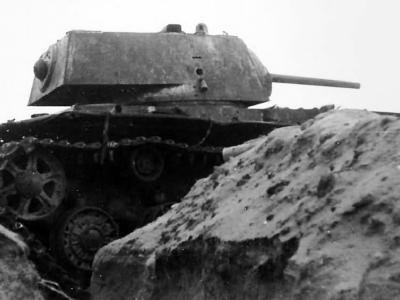
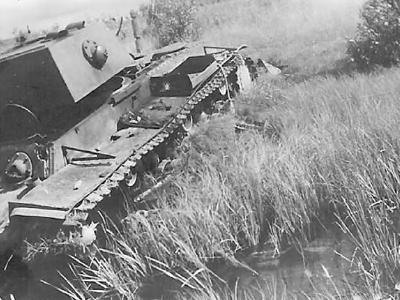
Abandoned heavy tank KV-1 model 1940
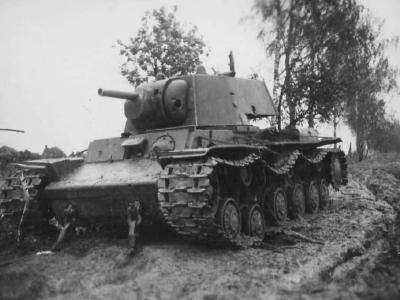
Abandoned KV1 tank with a bullet holes in its turret
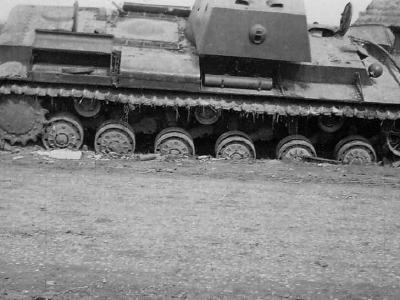
Abandoned soviet heavy tank KV-1
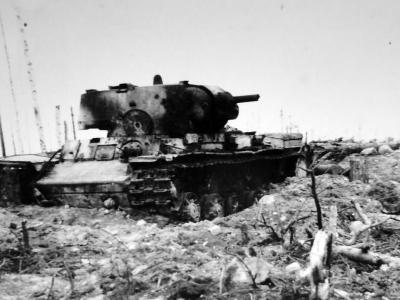
Burned out KV1 heavy tank
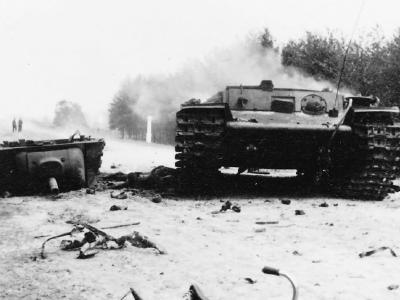
Burning KV1 heavy tank 1941
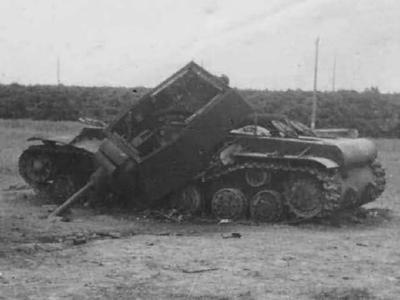
Destroyed heavy tank KV-1
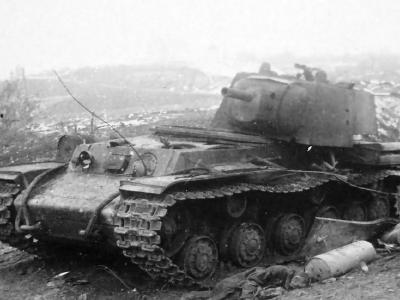
Destroyed heavy tank KV-1 (Kliment Voroshilov)
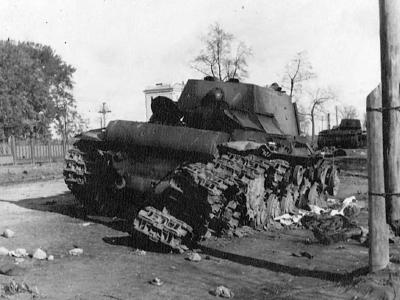
Destroyed KV-1 tanks
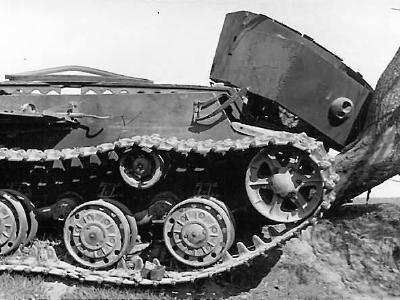
Destroyed KV1 heavy tank 21
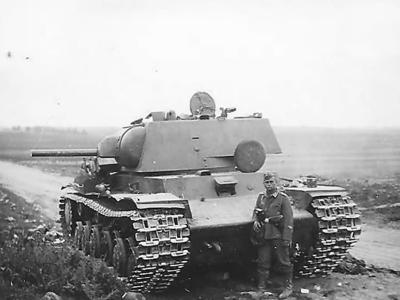
Early KV1 model 1939
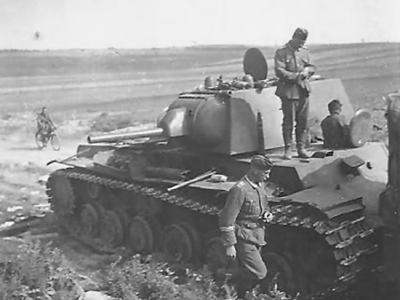
Early KV1 model 1940 Tank Witebsk Belarus
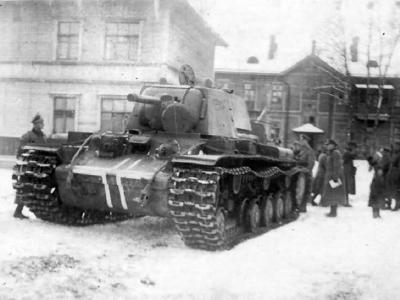
German KV flame thrower tank
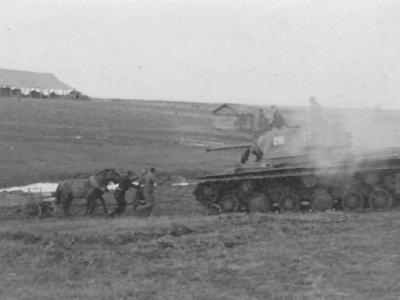
German KV1 number 216 October 1942
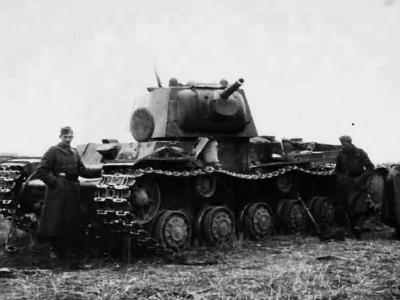
German soldiers examining knocked out KV-1 tank
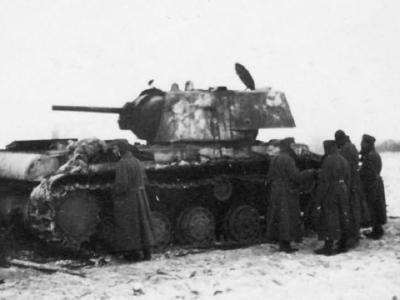
German soldiers examining KV1 tank
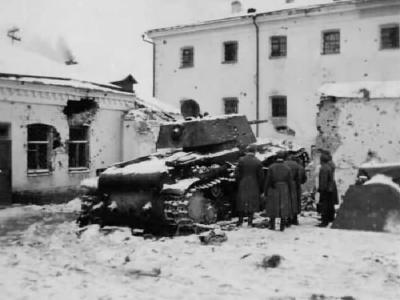
German troops inspect a KV1 tank winter
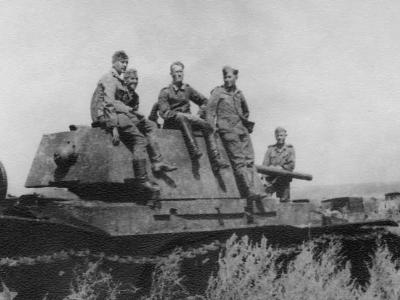
German troops inspect heavy tank KV-1
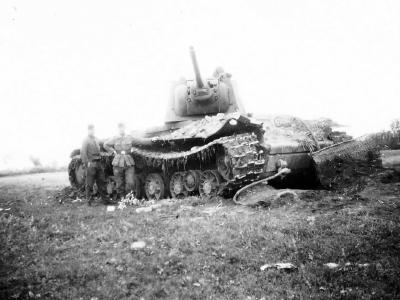
German troops inspect heavy tank KV-1
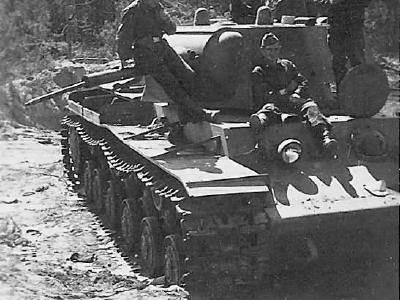
German troops inspect heavy tank KV-1
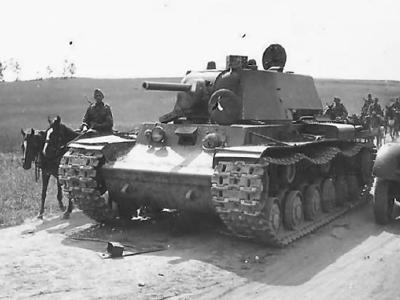
Heavy tank KV-1, 1941 - Operation Barbarossa
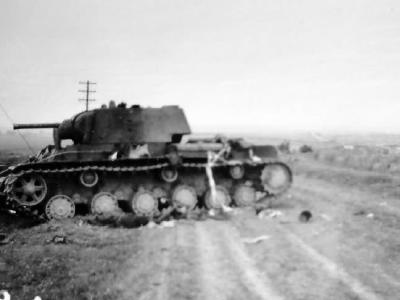
heavy tank KV1 model 1941
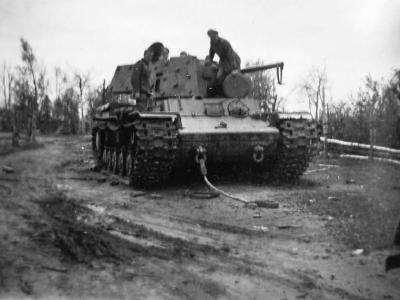
Immobilized KV-1E model 1941 with extra armor
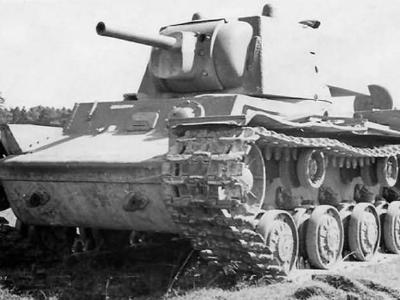
Kliment Voroshilov KV1 tank
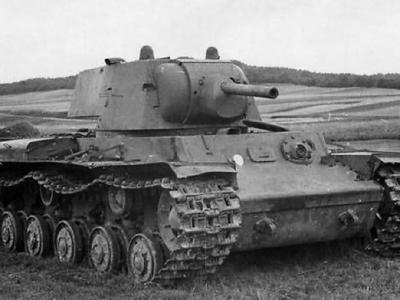
Kliment Voroshilov KV1 tank model 1940 with F-32 gun - front view
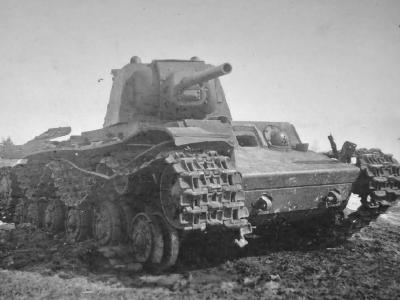
Knocked out KV-1 model 1942
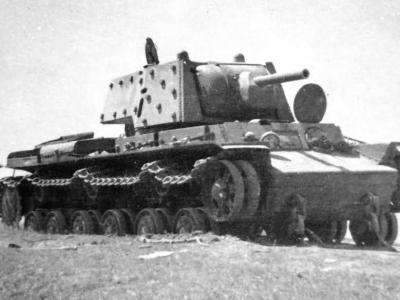
knocked out KV-1 with additional applique armour
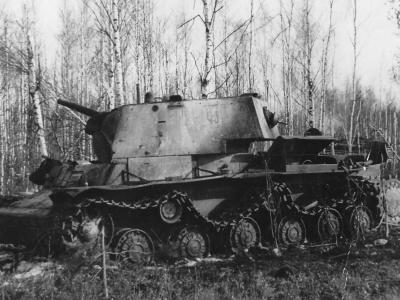
knocked out KV1 heavy tank
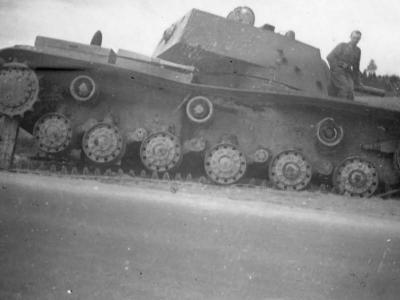
knocked out KV1 heavy tank with a bullet holes in its turret
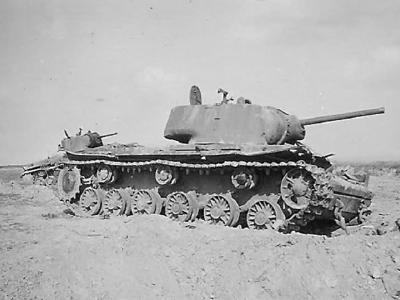
knocked out KV1 heavy tanks
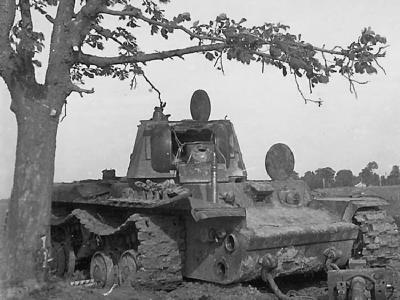
knocked out KV1 tank
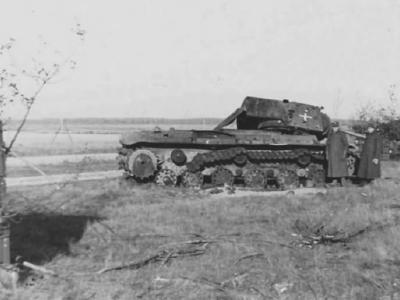
knocked out soviet heavy tank KV1
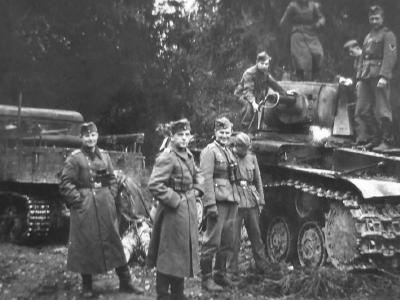
KV-1 and german troops
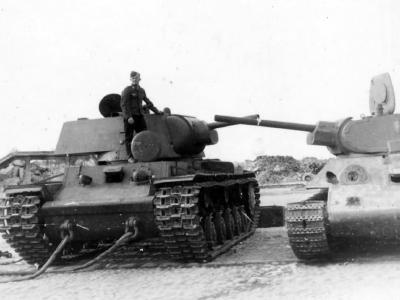
KV-1 and T-34 model 1941 in Bialystok Poland
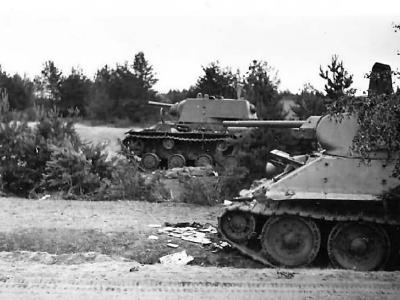
KV-1 and T-34 tanks
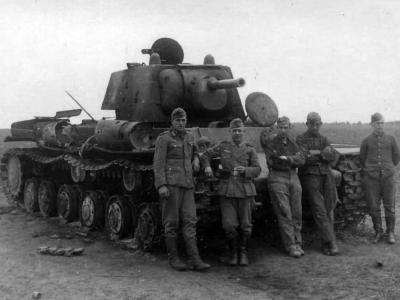
KV-1 and wehrmacht soldiers
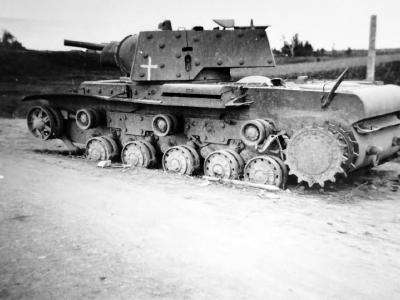
KV-1 heavy tank
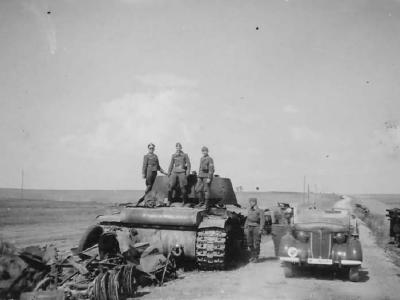
KV-1 heavy tank eastern front 1941
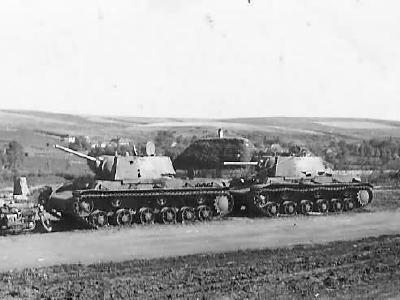
KV-1 heavy tank model 1941
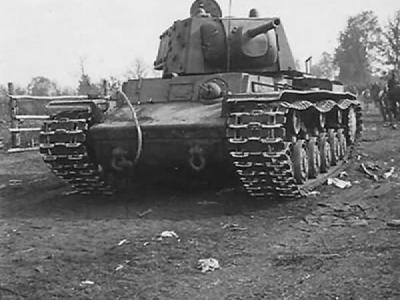
KV-1 heavy tank with extra armor
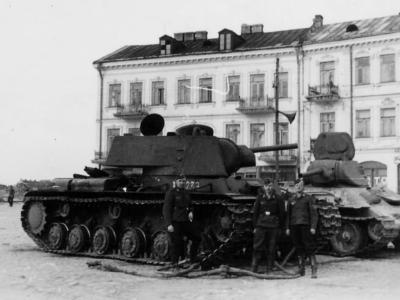
KV-1 model 1940 and T-34 model 1941 in Bialystok Poland
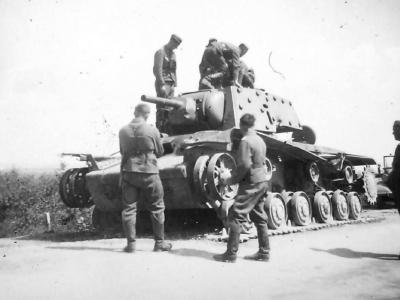
KV-1 model 1941 - tank with extra armor
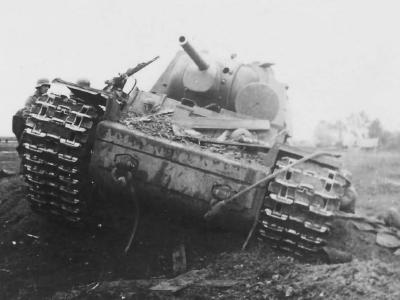
KV-1 model 1941 tank, front view
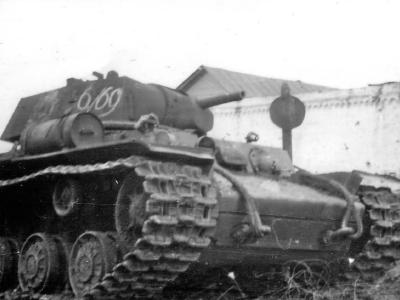
KV-1 model 1941, marking 6 69
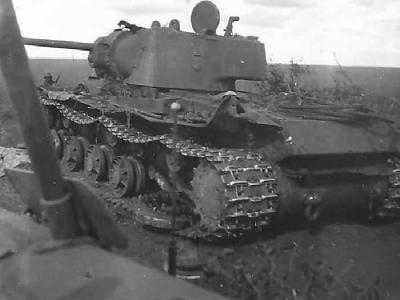
KV-1 model 1942
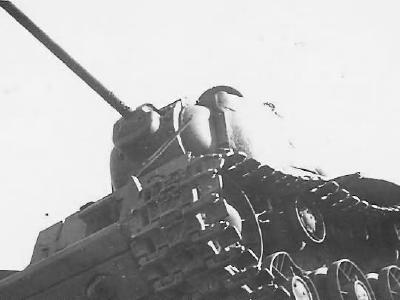
KV-1 tank
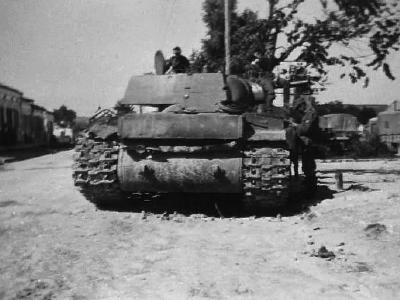
KV-1 tank captured by German forces during Operation Barbarossa 1941 2
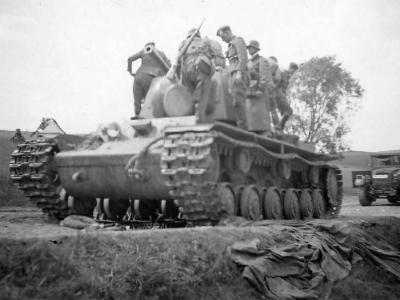
KV-1 tank captured by German forces during Operation Barbarossa, 1941
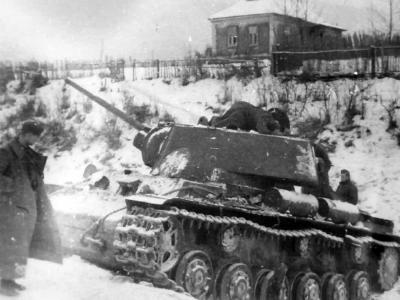
KV-1 tank in the Russian winter
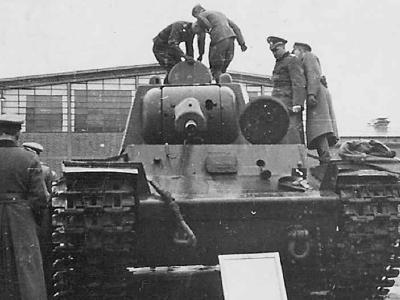
KV-1 tank model 1940 (early)
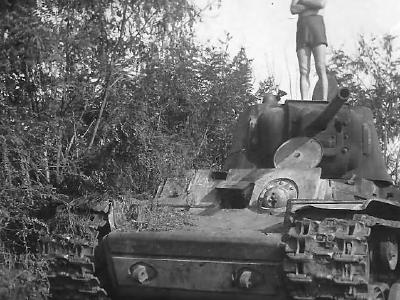
KV-1 tank Schaulen in Lithuania 1941
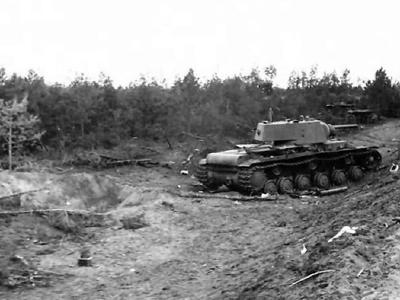
KV-1 tank slipped off the road - 1941 Operation Barbarossa
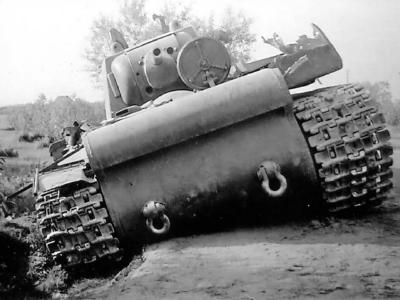
KV-1 tank slipped off the road, rear view photo
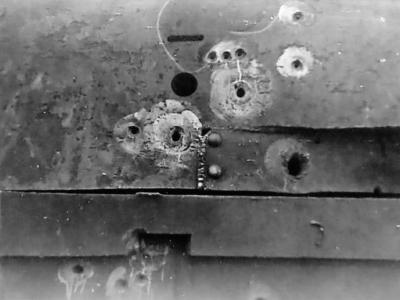
KV-1 tank, damaged turret
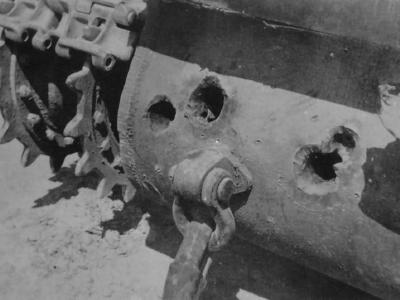
KV-1 tank, rear armor with holes
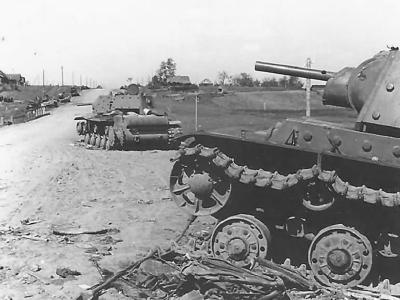
KV-1 tanks model 1941 - Pskov Pleskau Eastern Front 1941
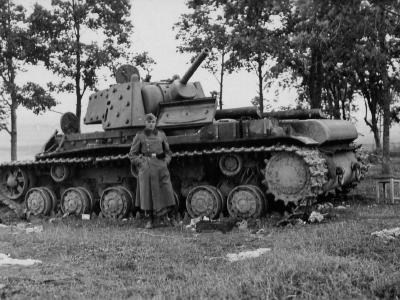
KV-1 with additional applique armour
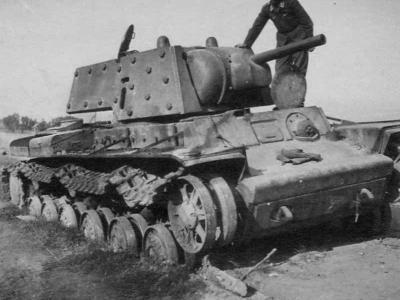
KV-1 with additional armour front view
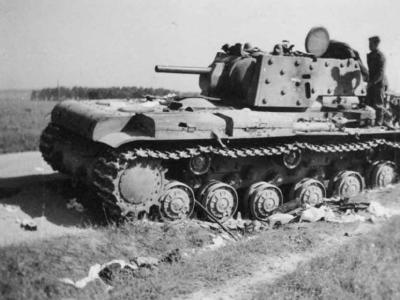
KV-1 with additional armour rear view
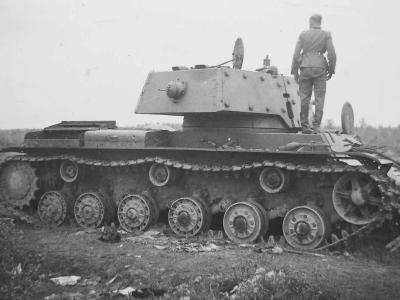
KV-1 with additional armour side view
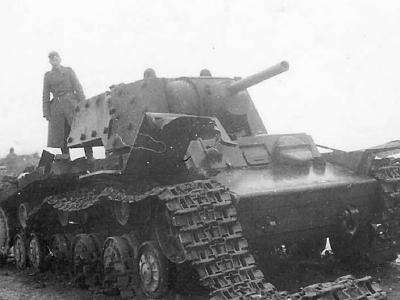
KV-1 with additional bolted on applique armour
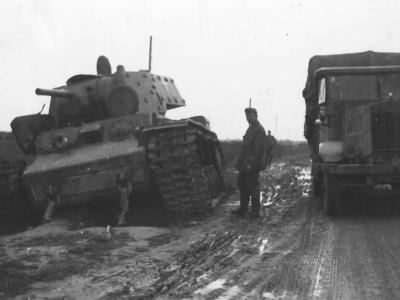
KV-1E with additional turret armor and german truck.
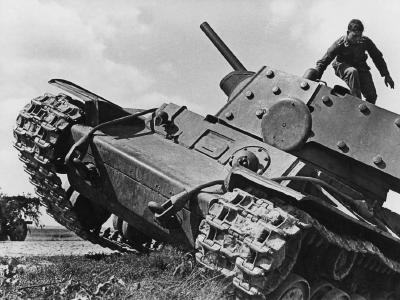
KV1 (KV-1E) of the 101st Tank Division near Smolensk, July 1941
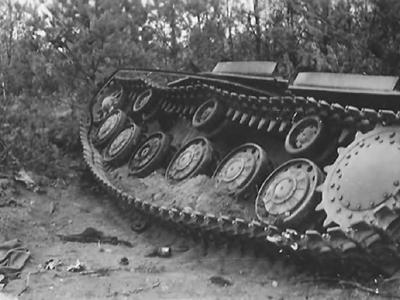
KV1 heavy soviet tank
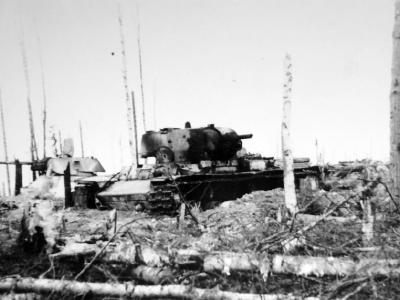
KV1 heavy tank
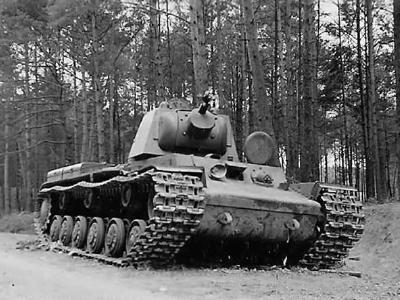
KV1 heavy tank eastern front
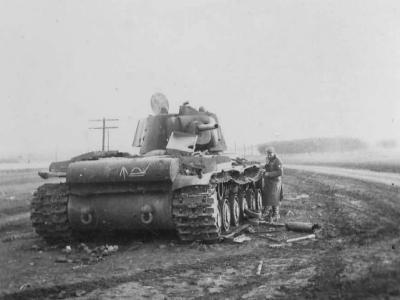
KV1 heavy tank eastern front 1
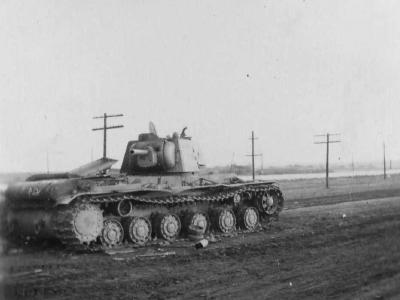
KV1 heavy tank eastern front 2
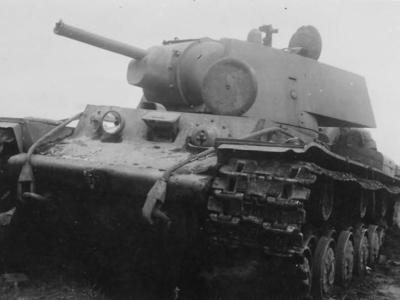
KV1 heavy tank eastern front 4
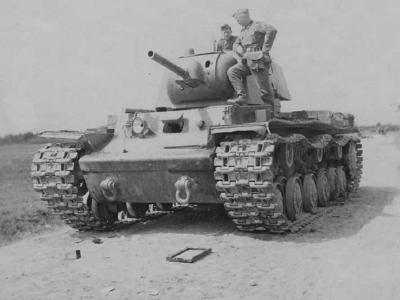
KV1 heavy tank eastern front 5
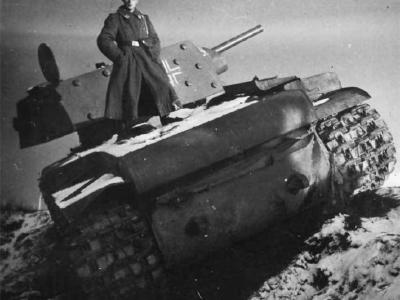
KV1 heavy tank eastern front 6
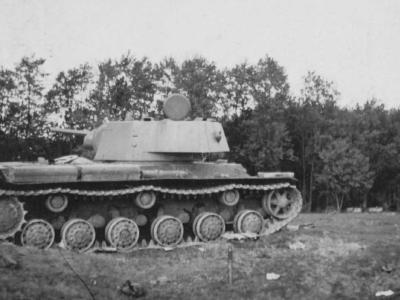
KV1 heavy tank eastern front 7
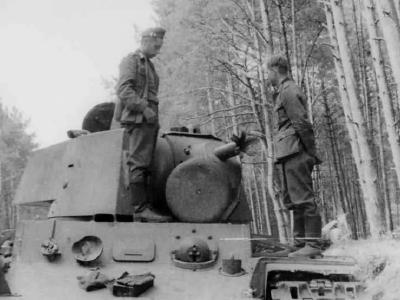
KV1 heavy tank eastern front photo
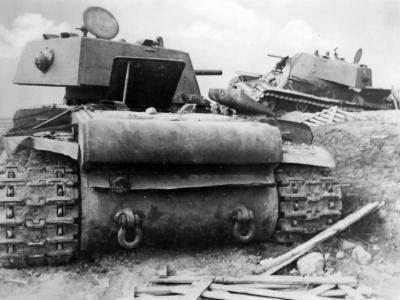
KV1 heavy tanks rear

KV1 holes in the turret and rear armor
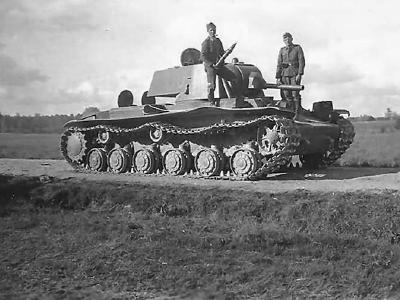
KV1 model 1939 Pskov Pleskau Russia 1941
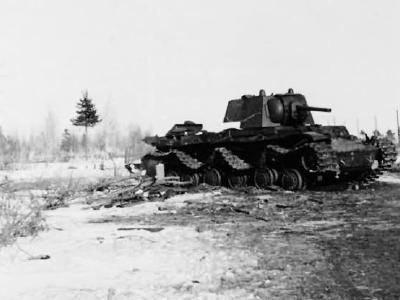
KV1 model 1940 - heavy tank
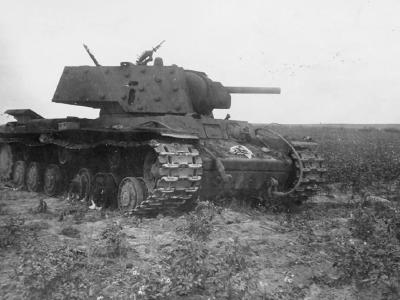
KV1 model 1941 with applique armour
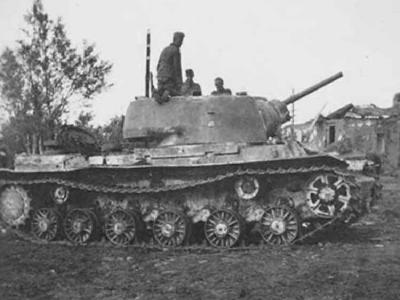
KV1 model 1942
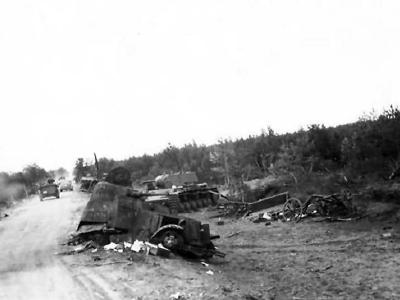
KV1 tank Bialystok Poland 1941
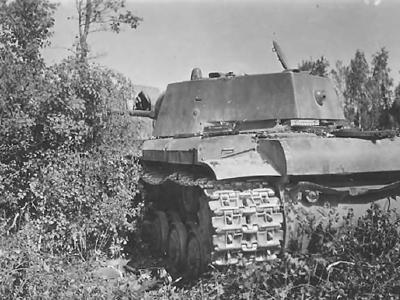
KV1 tank model 1941
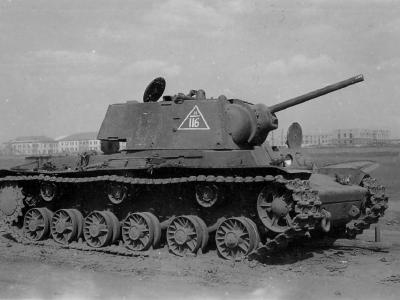
KV1 tank model 1941 with number 116
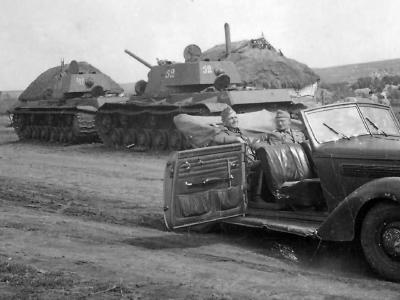
KV1 tank number 52
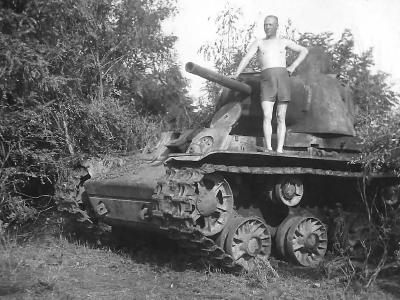
KV1 tank Schaulen in Lithuania 1941
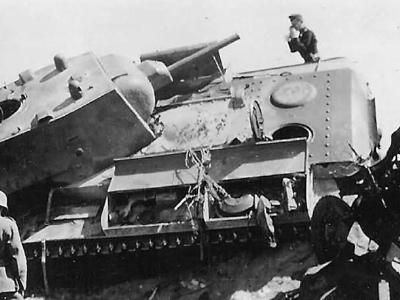
KV1 tank upper hull
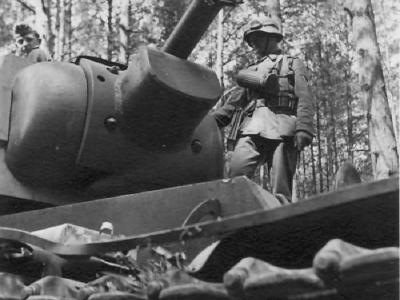
KV1 tank with destroyed gun.
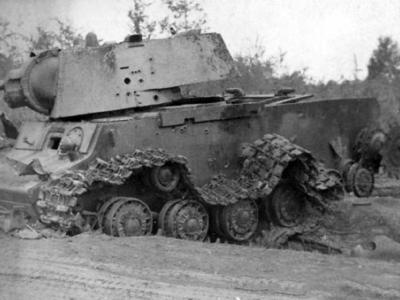
KV1 tank wreck

KV1 tanks and Russian Troops in Action near Stalingrad
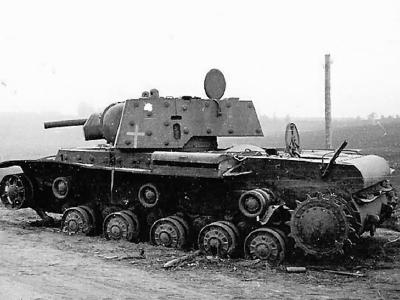
KV1 with applique armour 2
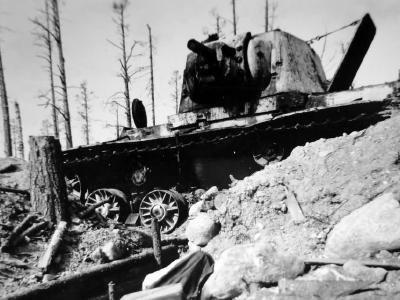
Soviet heavy tank Kliment Voroshilov (KV1) 17
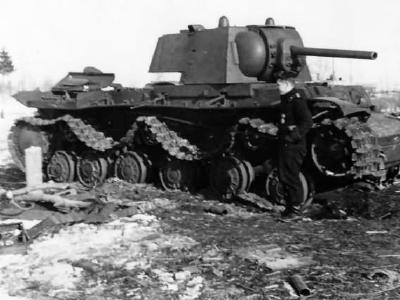
Soviet heavy tank Kliment Voroshilov KV-1
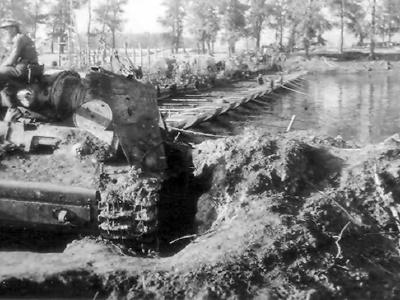
Soviet heavy tank Kliment Voroshilov KV-1
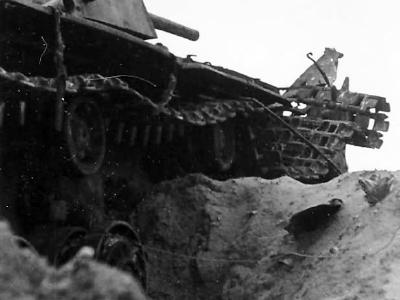
Soviet heavy tank Kliment Voroshilov KV-1
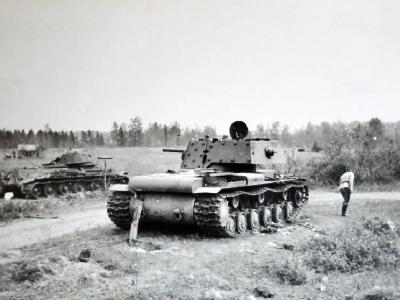
Soviet heavy tank Kliment Voroshilov KV-1 model 1941 with additional armor
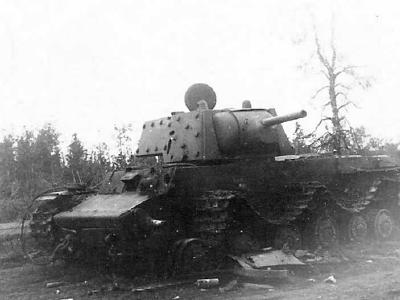
Soviet heavy tank Kliment Voroshilov KV-1 with additional armour
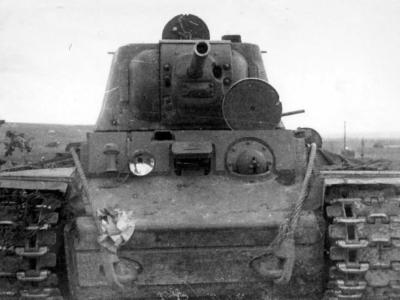
Soviet heavy tank Kliment Voroshilov KV-1, front view
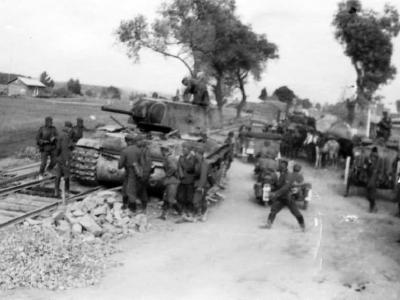
Soviet heavy tank KV-1 model 1939 - 1941 Operation Barbarossa
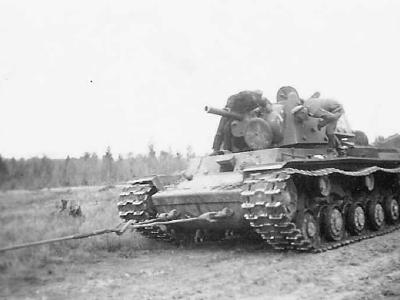
Soviet heavy tank KV-1E
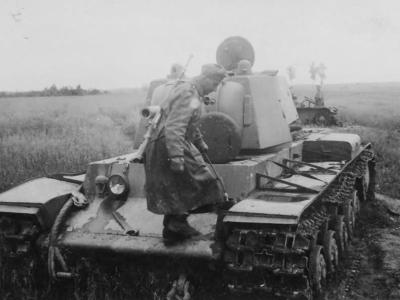
This KV-1 was abandoned by its crew without any visible damage during Operation Barbarossa.
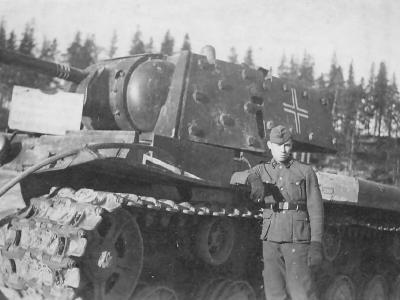
Waffen SS soldier and KV1 tank
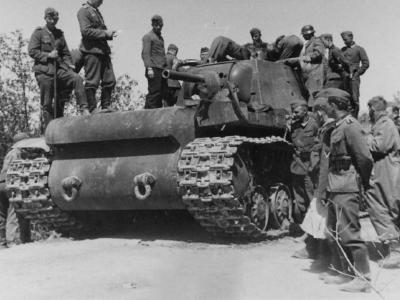
Wehrmacht soldiers examining KV1 tank
KV-1 (КВ-1 Клим Ворошилов) soviet heavy tank. After the disappointing results of the tests multi-turreted T-35 Soviet engineers began working on a machine having to replace it. T-35 alluded to the doctrine of the 20s of the twentieth century, which presupposed the existence of a tank to break the strong defense line. This tank was to have a very high firepower, but poor mobility and armor. Spanish Civil War showed the need to increase the armor of tanks and had a strong influence on Soviet designs during this period. There were several competing prototypes, and still more was in the design phase. All had strong armor, wide tracks, cast and welded structure. One of the major projects under consideration was SMK having three turreta, armed with the same combination of two types, 76.2 mm and 45 mm guns. However, after ordering two prototypes decided to order a third with one turret, but with heavier armor. This new tank was KV-1. The smaller size of the hull and single After the disappointing results of the tests multi-turreted T-35 Soviet engineers began working on a machine having to replace it. T-35 alluded to the doctrine of the 20s of the twentieth century, which presupposed the existence of a tank to break the strong defense line. This tank was to have a very high firepower, but poor mobility and armor. Spanish Civil War showed the need to increase the armor of tanks and had a strong influence on Soviet designs during this period. There were several competing prototypes, and still more was in the design phase. All had strong armor, wide tracks, cast and welded structure. One of the major projects under consideration was SMK having three turreta, armed with the same combination of two types, 76.2 mm and 45 mm guns. However, after ordering two prototypes decided to order a third with one turret, but with heavier armor. This new tank was KV-1. The smaller size of the hull and single turret allowed the designers to bold armor, while keeping the mass of the machinery within reasonable limits. After the start of the Winter War SMK, KV-1 and the third tank T-100, were sent for testing in combat conditions. KW armor has demonstrated high efficacy against the Finnish anti-tank weaponry., Which made it much better compared to the other two structures. Soon, he was sent into production in two versions: heavy tank KV-1 with cannon caliber 76 mm, self-propelled howitzer caliber 152 mm, which is heavy assault tank KV-2. Weighing 45 tons KV-1 was heavier than most tanks of the era. He was about twice heavier than the then German tanks. The strength of KV-1 contained in armor impenetrable for most weapons a tank (with the exception of a very small distance), good firepower and mobility satisfactory even on soft ground. However, despite its advantages also he had a fairly serious drawbacks. He was very slow and difficult to control, had unreliable engine, poor ergonomics. He had a limited viewing space around the tank. In 1942 the Germans began field tests of many new long barrel 50 mm and 75 mm guns, which made armor KV-1 was no longer impenetrable, also came to light other drawbacks. It has still to be effective, but the same was cheaper T-34/76. It was more difficult to manufacture, thus more expensive than T-34. During the attack the Third Reich against the Soviet Union in 1941, the Red Army had 639 tanks KV-1. Their armor was so strong that German soldiers were not able to destroy these tanks using its own anti tank weapons and had to rely on the support of the Luftwaffe and used unusually arming anti-aircraft guns(mainly on the Flak 18, which is the famous “eighty eight”). Due to the good performance of KV-1, one of the few tanks, was further produced after the Soviet reorganization of production. In order to standardize had the same engine, transmission system has and what the T-34. It was built in large quantities and was often modified. In the course of the war have been improved armor KV-1 to compensate for the increasing effectiveness of the German armaments. The end result was the KV-1C (model 1942), having very thick and heavy armor, but lacked adequate strength and motor. Tankers complained that although the armor served its purpose, the tank was not mobile and firepower was no more than T-34. The answer to this was the KV-1S, having thinner armor and a lower, less tower in order to gain more speed machine. More importantly, he had the turret commander of the observation slits around her, for the first time in the Soviet heavy tank. However, further slimming armor caused the questioning sense of future production, since the same tasks fulfilled much cheaper T-34. The appearance on the front of the Panzer V Panther spring of 1943 convinced the Soviet leadership, the need for further, extensive modifications to their tanks. The Red Army needed better weapons to keep up with the growing number of Panthers and Tigers. One result was the KW-85. It was a variation of KV-1S with a tower designed for KV-13, equipped with a gun D-5T caliber 85 mm, the same that was the armament operates self-propelled gun SU-85 and the early version of the T-34/85. Since this tank was treated as a transitional model, to put tanks IS-1, produced only 148 tanks KW-85, which then took part in the fighting. They were produced at the turn of 1943-1944. The KV series were known for their extremely heavy armour protection during the early part of World War II (90 mm front armour). Number built: 5219. German Designation: Panzerkampfwagen KV-IA 753(r) or Panzerkampfwagen KV-IB 755(r)