BA-20
Click the thumbnails to enlarge them
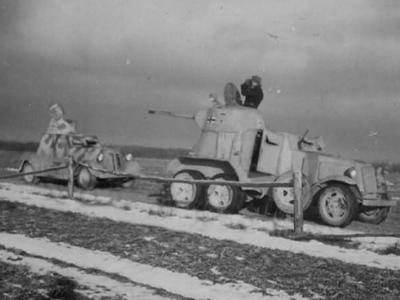
Armored cars BA-20 and BA-10
BA-20 (БА-20) armored car
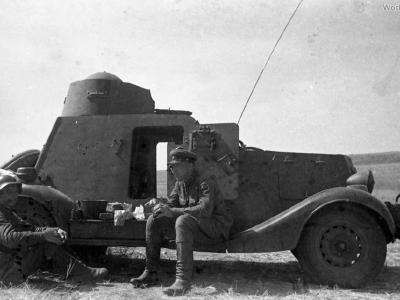
BA-20 3
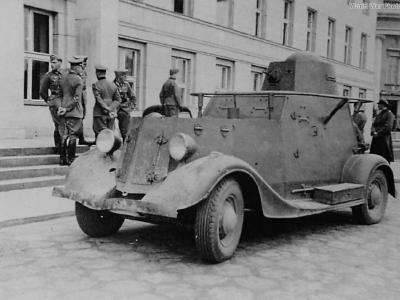
BA-20 command version, Poland 1939
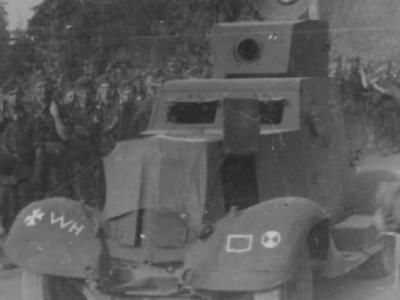
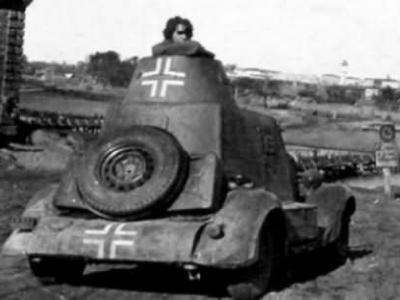
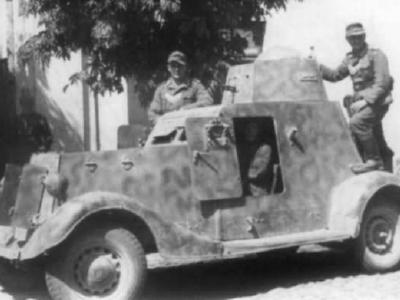
BA-20 in german service
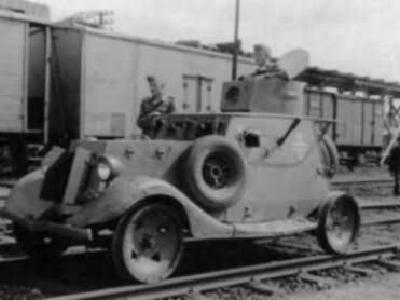
BA-20 with flanged metal rail-type wheels
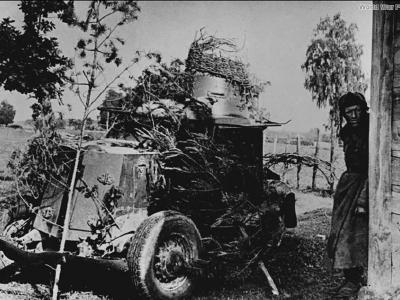
Camouflaged BA-20
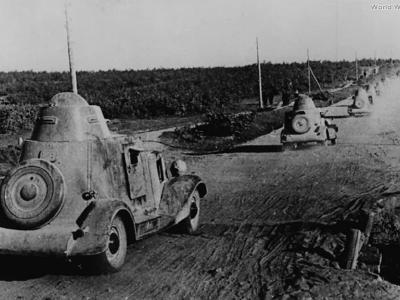
Column of BA-20M
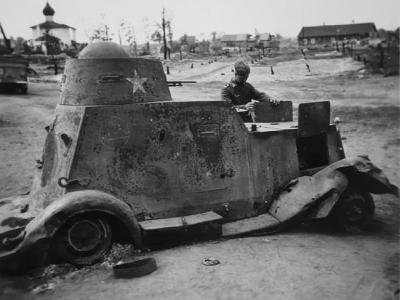
Destroyed armored car BA-20
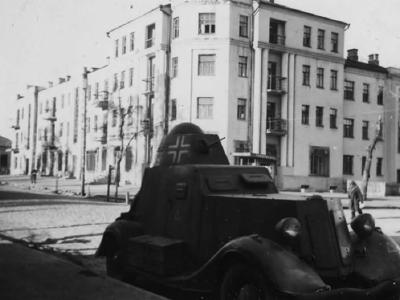
German armored car BA-20
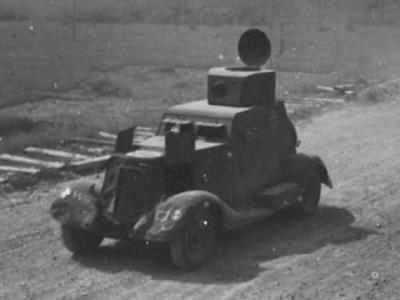
German BA-20
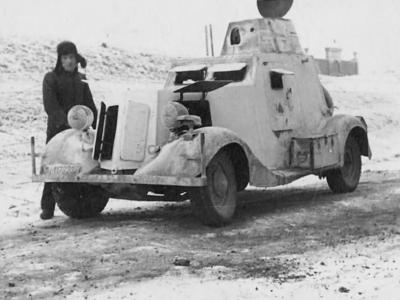
German BA-20 with winter camouflage
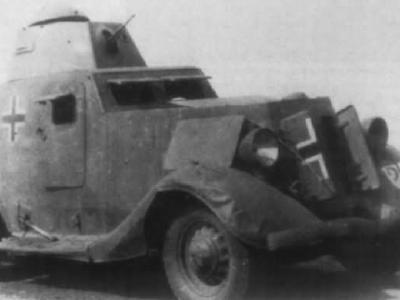
German light armored car BA-20
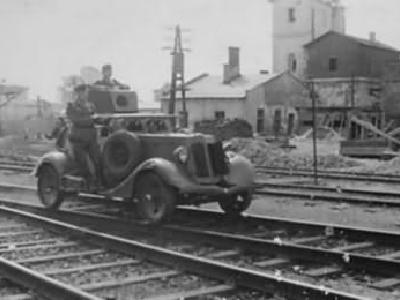
Light armored rail scout car BA-20
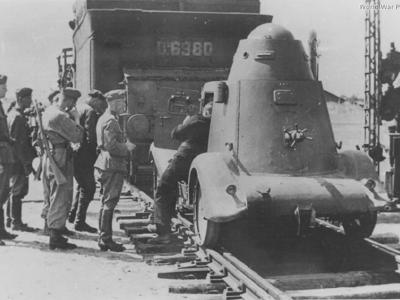
Rail scout car BA-20 ZhD
The BA-20 was armored car developed in 1934 for use by HQ staffs, reconnaissance and communications units. Total production: 2114 cars In the years 1934 - 1935, Soviet engineers developed the car GAZ-M1. Its design included many elements of other vehicles of this type: Ford A and GAZ-A. He had, however, a number of improvements. These included: a modified drivetrain, the new engine, a new braking system. Based on the chassis and other components of the car GAZ-M1 constructed, in Machinery Factory in Wyksa, a prototype of a light armored car BA-20. He had a slightly enlarged and modernized hull of the vehicle type FAI. Its production started in 1936. At the end of the same year, we developed a variant of a rail car BA-20ZD (Железнодорожный). In 1938 Soviet modernized the vehicle. BA-20 received a conical tower, a larger fuel tank. The crew was enlarged to 3 people. Production of armored cars BA-20 lasted until 1942. Armored cars BA-20 accounted for armament armored reconnaissance detachments, infantry and cavalry. They have been used in combat during the Spanish Civil War. They took part in battles against the Japanese on Lake Khasan (July 29, 1938 – August 11, 1938) and the river Khalkhin Gol (11 May 1939 – 15 September 1939). They were used also during the Winter War. They were used throughout the entire war with Germany until its end in 1945.