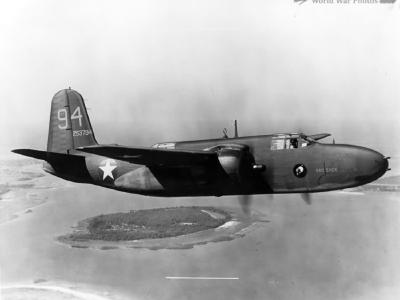
P-70
Click the thumbnails to enlarge them
Douglas P-70A-2 in flight
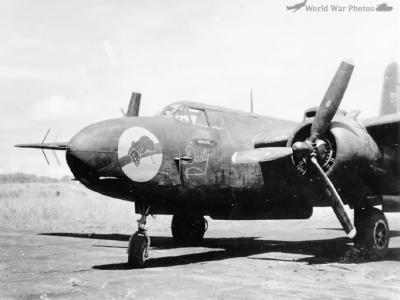
Night Fighter Dusty
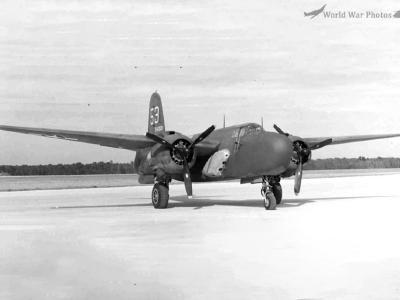
Night fighter P-70B-2
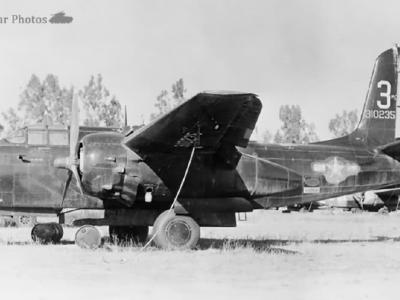
Night fighter retired from service
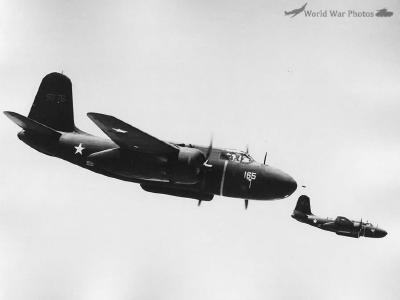
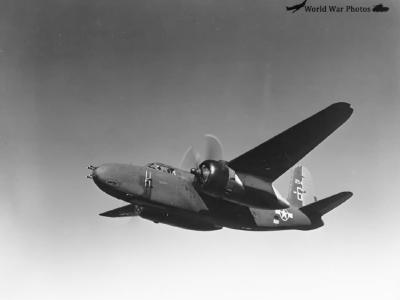
Night fighters in flight
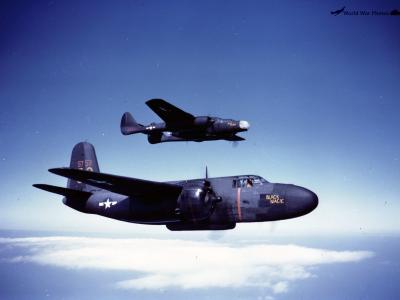
Night fighters of the 481st Night Fighter Operational Training Group
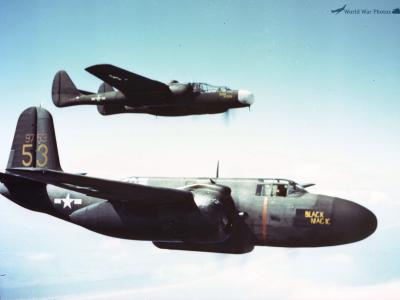
Night fighters of the 481st Night Fighter Operational Training Group
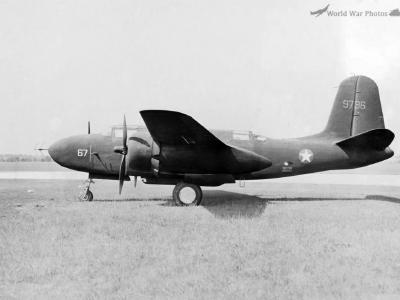
P-70 39-736
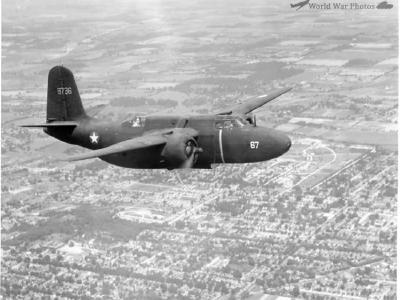
P-70 39-736
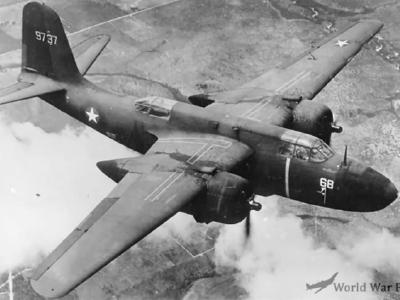
P-70 39-737
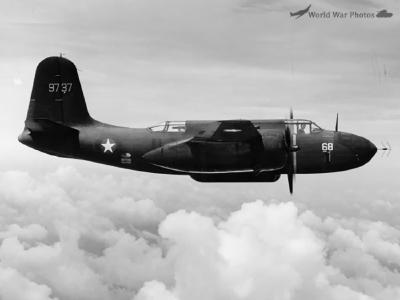
P-70 39-737
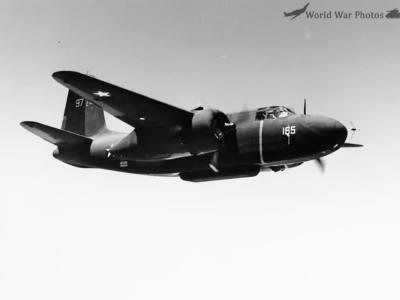
P-70 39-776
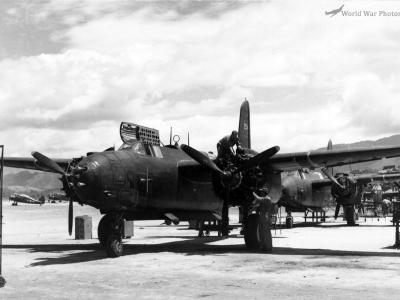
P-70 New Caledonia
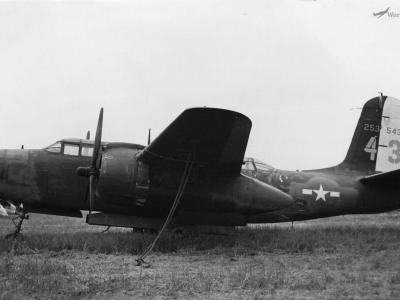
P-70A Nightfighter
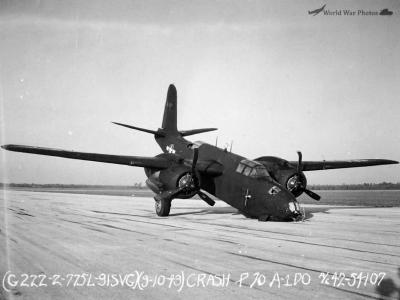
P-70A-1 42-54107
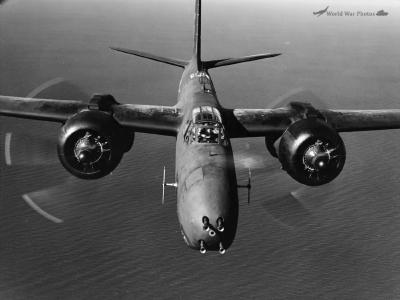
P-70A-2
Development of the P-70 Night Fighter
Background and Initiation
The success of the RAF's Havoc I as night interceptors prompted the US Army Air Forces (AAF) to develop its own version, designated the P-70. Initial development challenges of the standard A-20 halted in early 1941 due to issues with turbocharger installations. However, inspired by the RAF’s modifications of the DB-7s into night fighters starting in early 1941, the AAF quickly pursued a similar path.Key Features and Modifications
- Radar Installation: The P-70 and Havoc I both utilized the British AI Mark IV radar, the first practical airborne-intercept radar. Initially, American equivalents (AI-10) were used, followed by the SCR-540 built by General Electric.
- Airframe Conversion: The AAF tasked Douglas to convert sixty A-20 airframes into radar-equipped night fighters under the new specification DS-434.
- Engines: The P-70 used Wright R-2600-11 engines, replacing the earlier R-2600-7 to mitigate turbocharger issues and due to less emphasis on high-altitude capability.
Specific Modifications
- Radar and Armament Adjustments:
- The radar unit was mounted in a modified, unglazed nose section with a transmitting antenna extending forward and receiving dipole antennas on the sides.
- The nose crewmember position and nose armament were removed, and the rear gunner’s position was adapted for the radar operator.
- The bomb bay was reconfigured to house a 250-gallon fuel tank and a tray with four 20mm cannons (each with 120 rounds).
- The aircraft’s electrical system was upgraded from 12 volts to 24 volts.
- Camouflage and Delivery:
- P-70s were delivered in an overall matte black finish with standard Air Corps markings and red serial numbers.
- By September 1942, all sixty P-70s had been delivered, with early deliveries used for training at Orlando, Florida, and later deliveries deployed to operational units in the South Pacific.
Subsequent Variants
- P-70A:
- Included sub-variants P-70A-1 and P-70A-2 based on whether modifications were done at the factory or a modification center.
- Armament shifted to six .50-caliber guns in an A-20G gun nose, with additional flexible .50-caliber guns.
- The radar installation and antennae configuration followed the original P-70 setup.
- Thirteen A-20Cs and fifty-one A-20Gs were converted into P-70As, primarily used for stateside training.
- P-70B:
- Used the SCR-720B radar with a 10cm wavelength microwave beam and a higher-power transmitter, reducing ground clutter and extending range to about 6 miles.
- Advanced transmitting antenna behind a radome in the nose, necessitating the relocation of nose guns to fuselage blisters.
- Sixty-eight A-20Gs were converted into P-70B-1-DOs or P-70B-2-DOs at modification centers.
Known Serial Numbers
- P-70: 39-735 to 39-797.
- P-70A:
- A-20C: 42-33135, 42-33137, 42-33141 to 42-33221.
- A-20G: 42-53543, 42-54057 to 42-54274.
- P-70B: 42-54053, 42-86893 to 43-21551.
Source: Garry R. Pape: Queen of the Midnight Skies - The Story of America’s Air Force Night Fighters - Schiffer Military History American Nightfighter Aces of World War 2 - Osprey Aircraft of the Aces 84 Enzo Angelucci: The American Fighter: The Definitive Guide to American Fighter Aircraft from 1917 to the Present