Prototype Republic XP-47B 2
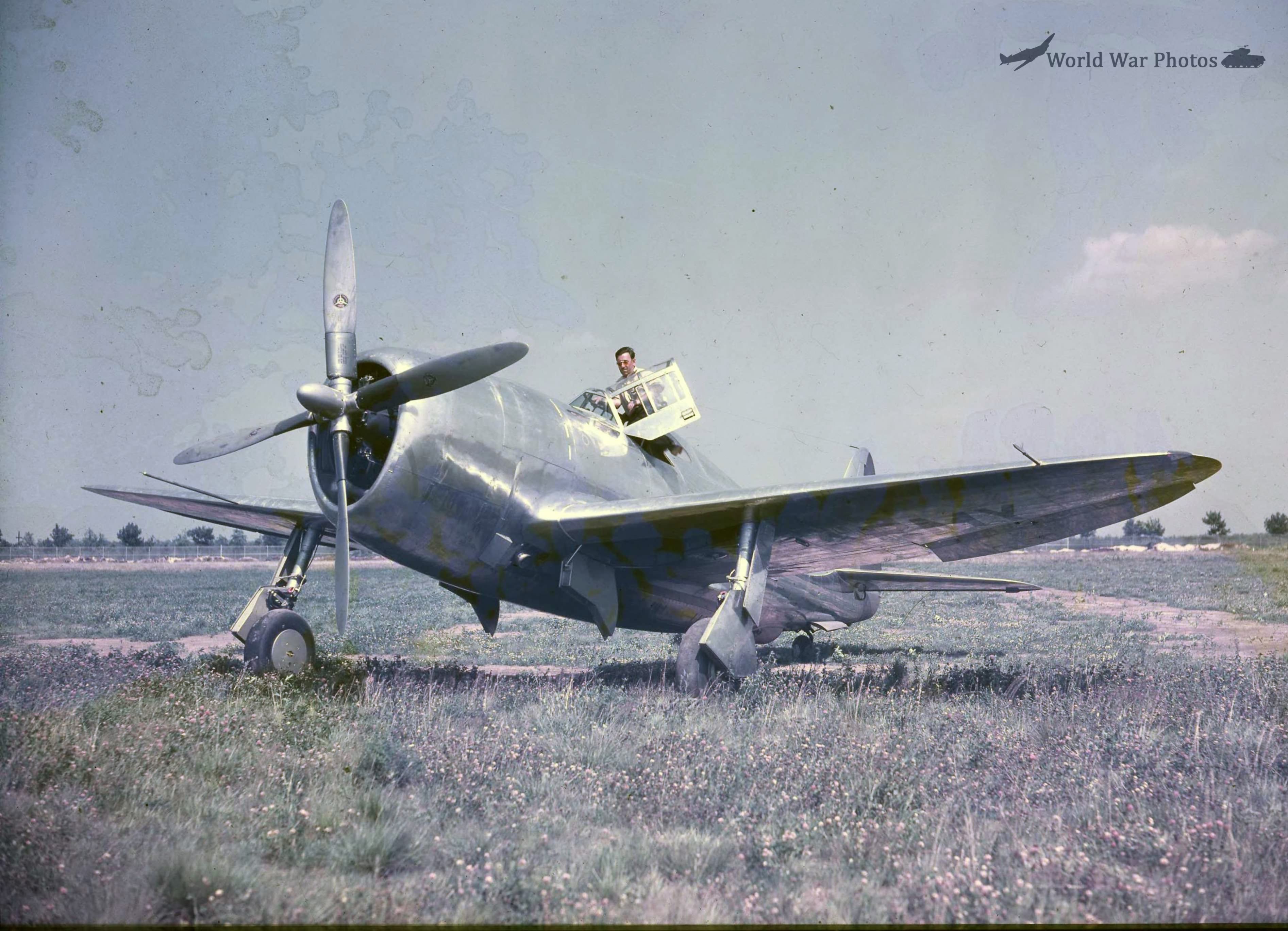
XP-47B
The prototype XP-47B was the first experimental Thunderbolt, emerging as a logical progression from the unsuccessful P-35 and P-43. It was a massive aircraft that made its test pilot look small in comparison. Early in World War II, American observers in Britain noted the impressive eight machine guns mounted on the wings of Spitfires and Hurricanes, but they were not impressed with their caliber. They believed that an equivalent number of Browning-built .50 caliber weapons would deliver a more formidable punch that few bombers or fighters could withstand, making heavy armament a key design feature for the Thunderbolt. The XP-47B took its maiden flight on May 6, 1941, with Lowery L. Brabham at the controls. Despite initial skepticism about its size and weight, which led some to doubt its efficacy as a combat aircraft, the Thunderbolt proved its worth.