
F4F Wildcat part 2
Click the thumbnails to enlarge them
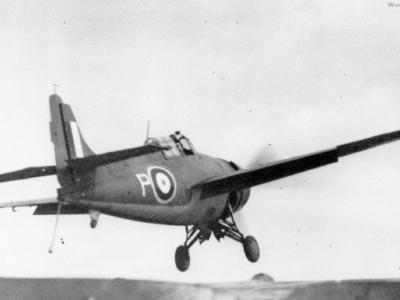
British Martlet Mk II AJ104

Crash of FM-1 BuNo 46789 code L12 on flight deck of USS Manila Bay (CVE-61), 16 December 1943
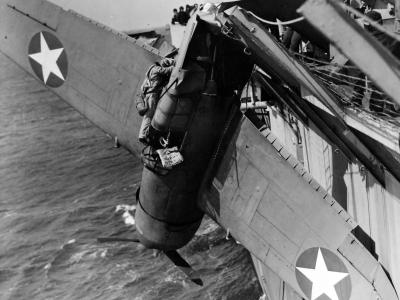
Crashed F4F-3 onboard USS Charger ACV-30, 28 March 1943
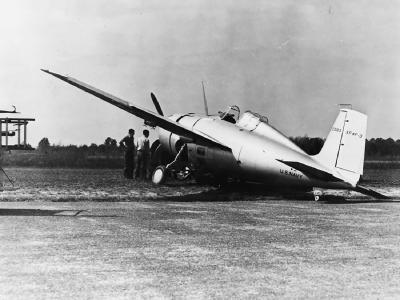
Crashed Grumman XF4F-3 9 March 1939

Crew starts F4F using boot and shock cord aboard USS Charger

Crewman inspects Japanese 20mm cannon shell hole in F4F August 1942

Crewmen on carrier knocked down by runaway Wildcat 1945 1
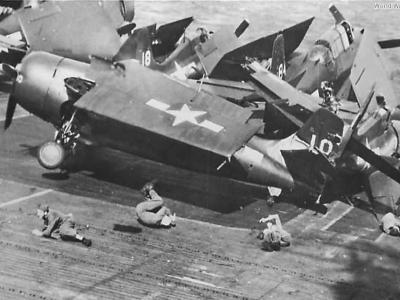
Crewmen on carrier knocked down by runaway Wildcat 1945 2

Crewmen on carrier knocked down by runaway Wildcat 1945 3

Deck crew refuel and rearm F4F-3 Wildcats 1 February 1942
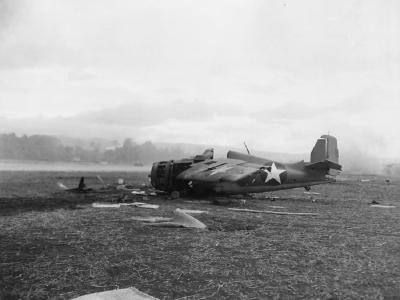
Destroyed F4F Guadalcanal 1942/43
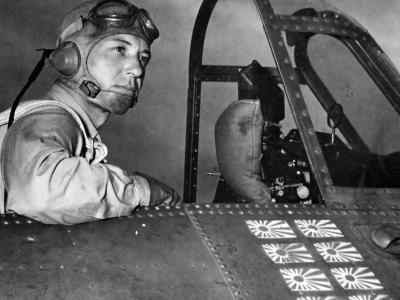
Donald E. Runyon in the cockpit of his Wildcat, 1942
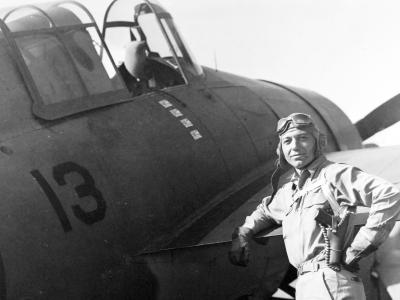
Donald E. Runyon posing with his Wildcat "Black 13", 1942 2
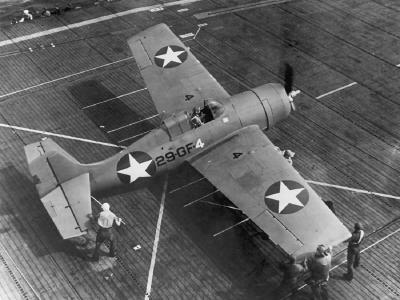
F4F 29-GF-4 of the VGF-29 furing Operation Torch, 1942
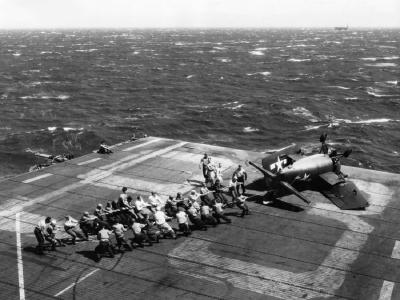
F4F aboard USS Makin Island (CVE-93) 2
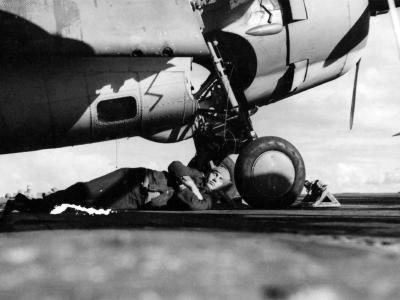
F4F aboard USS Ranger during Operation Torch, 1942
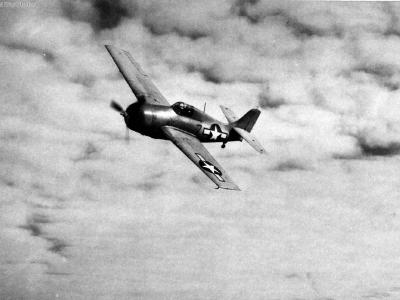
F4F in flight over NAS Norfolk December 1943
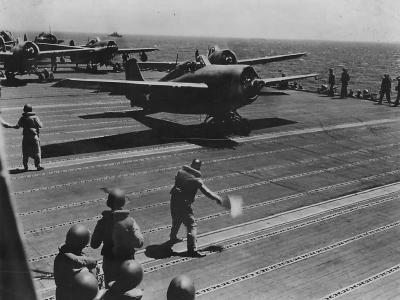
F4F of VF-71 takeoff from USS Wasp off Guadalcanal, 1942
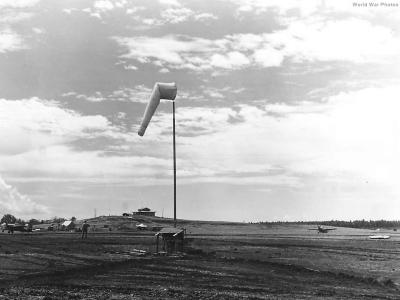
F4F on airstrip on Henderson Field on Guadalcanal 1942
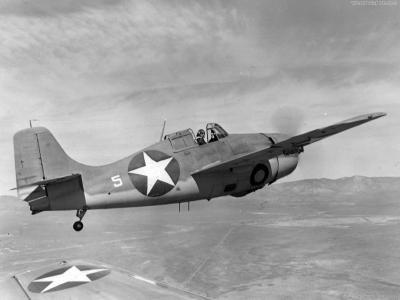
F4F over Mojave California

F4F taking off during first carrier takeoff using Jet Units 1943
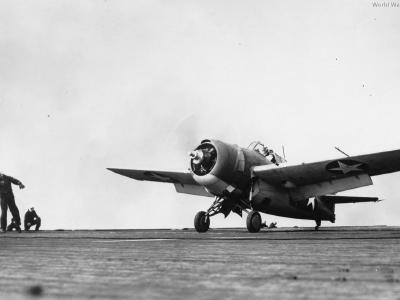
F4F taking off from USS Wolwerine 1942
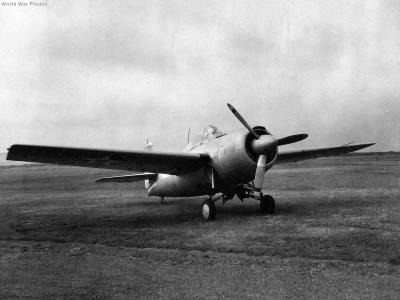
F4F-3 1940
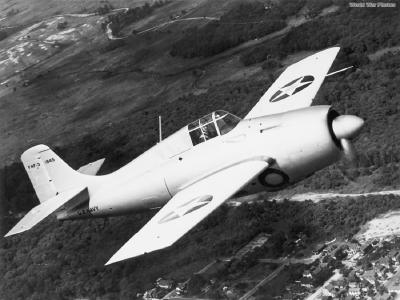
F4F-3 BuNo 1845
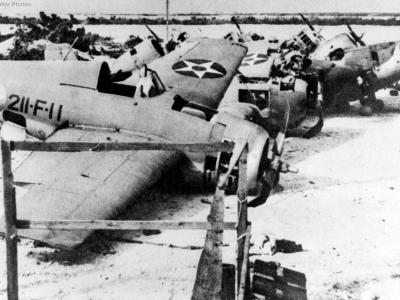
F4F-3 of VMF 211 wrecked on Wake Island
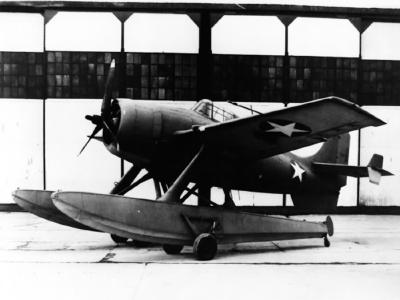
F4F-3S 4038
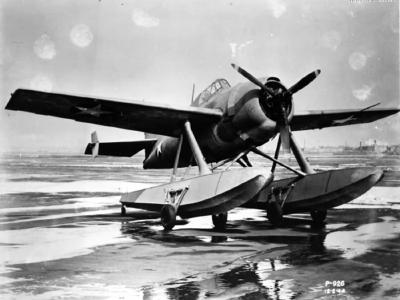
F4F-3S 4038
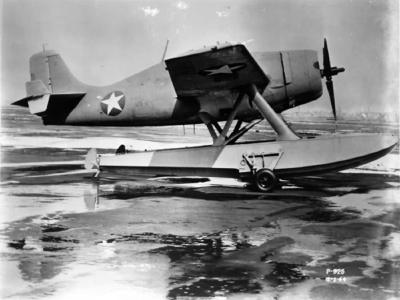
F4F-3S 4038
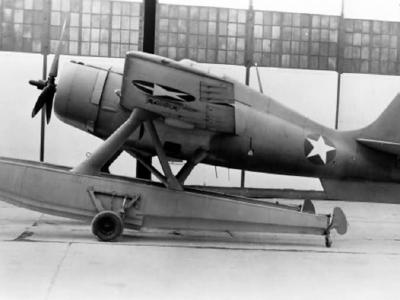
F4F-3S 4038 "Wildcatfish"
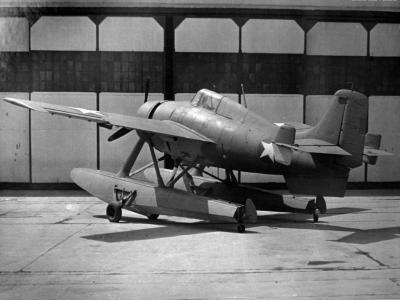
F4F-3S Wildcatfish
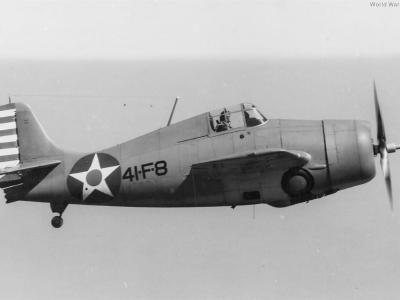
F4F-4 Wildcat 41-F-8 of the VF-41 early 1942
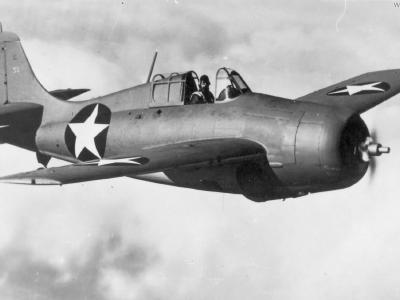
F4F-4 Wildcat in flight
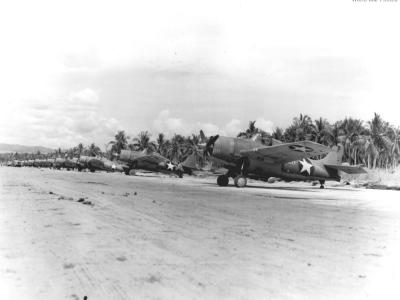
F4Fs of the USMC Guadalcanal
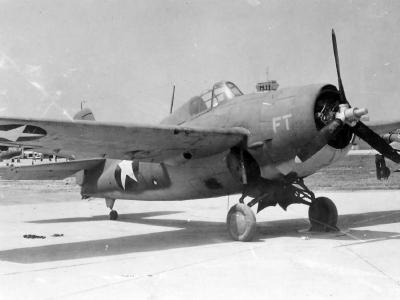
First General Motors FM-1 1942
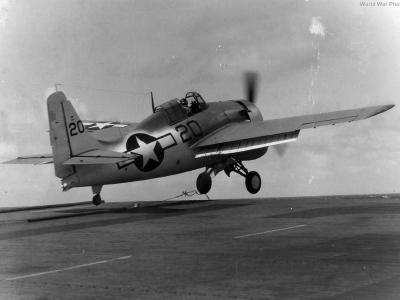
FM "black 20" of the VC-36, USS Core
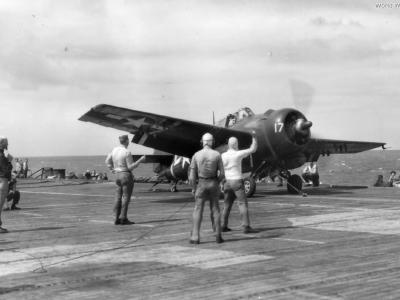
FM "White 17" of the CV-93
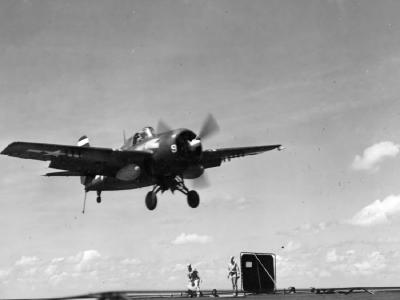
FM "White 9" of the CV-93
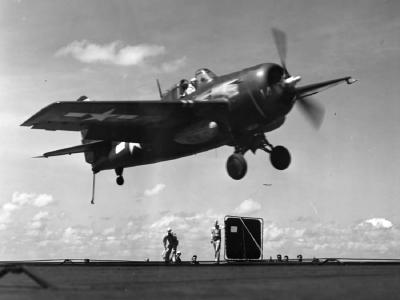
FM USS Makin Island
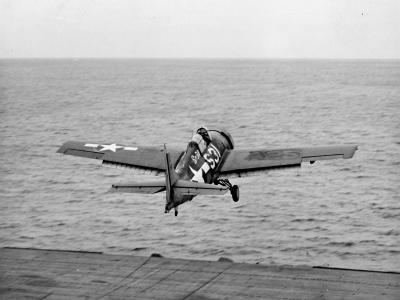
FM-1 launch from USS Nassau 6 September 1943
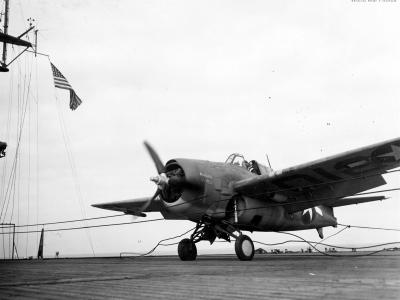
FM-1 trapping aboard USS Nassau 1943
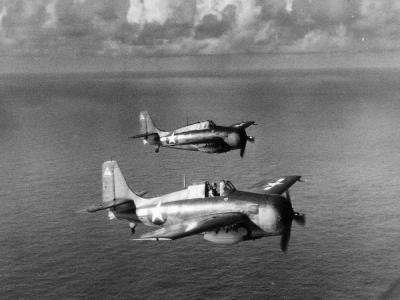
FM-2 from USS White Plains (CVE-66), June 24, 1944

FM-2 from USS White Plains (CVE-66), June 24, 1944 2
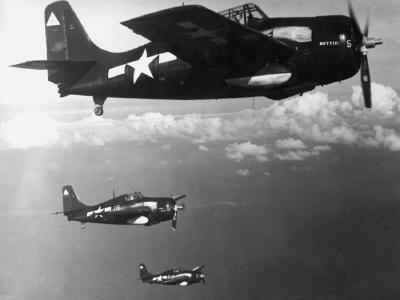
FM-2 from VC-4
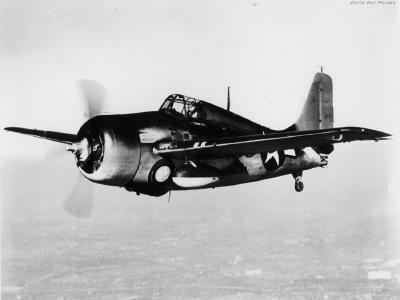
FM-2 in flight

FM-2 of the VC-79 aboard USS Sargent Bay CVE-83 Okinawa March 1945

FM-2 preparing for launch on board USS Matanikau 27 July 1944 2

FM-2 preparing for launch on board USS Matanikau CVE-101, 27 July 1944
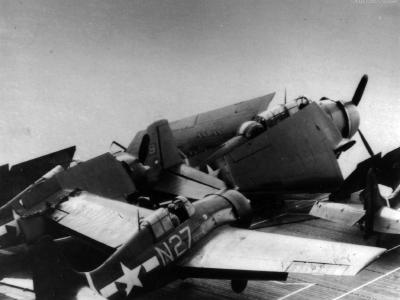
FM-2 Wildcat N27 crashing aboard USS Bismarck Sea 2
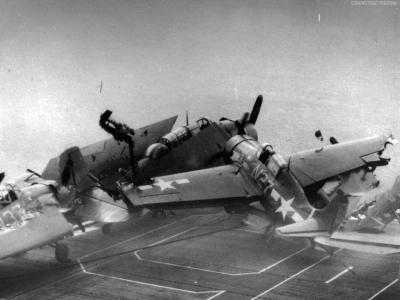
FM-2 Wildcat N27 crashing aboard USS Bismarck Sea 3
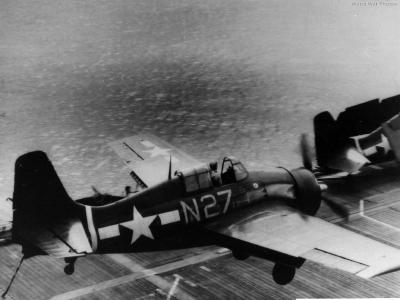
FM-2 Wildcat N27 USS Bismarck Sea

Formation of Escort Carriers loaded with Wildcats and Avengers 1945
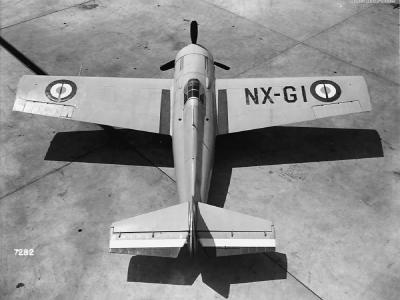
French G-36A NX-G1
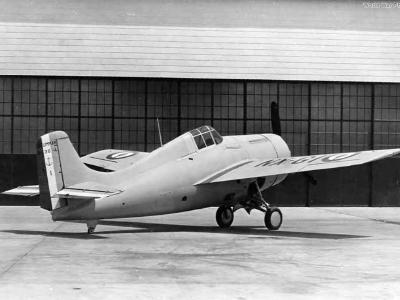
French Grumman G-36A
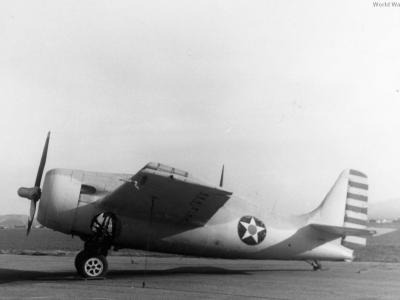
General Motors FM-2
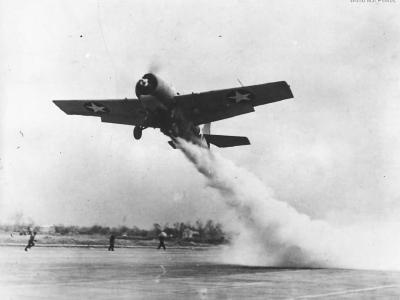
Grumman F4F during testing of JATO Jacksonville 1944
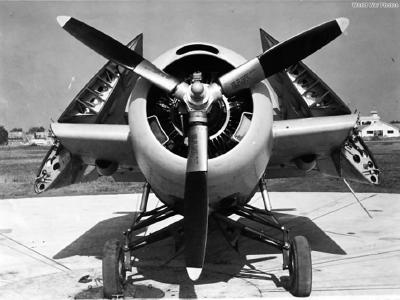
Grumman XF4F-4 BuNo 1897 30 August 1941
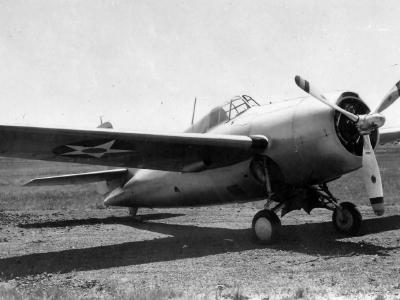
Grumman XF4F-5

Hebard A14 tug haul F4F 9-F-16 into position on carrier USS Ranger 1942
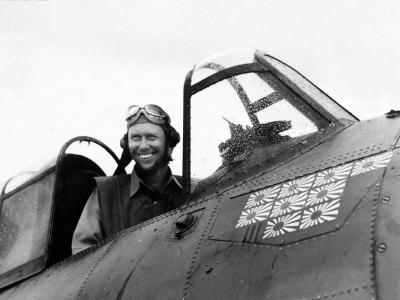
Lieutenant "Swede" Vejtasa smiles from the cockpit of his Wildcat June 22, 1943

Lieutenant Commander "Butch" O'Hare and F4F-4 at Norfolk May 1, 1942
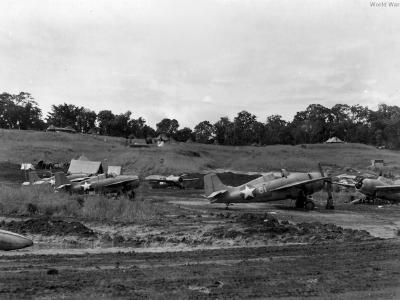
Marine Wildcats at Henderson Field Guadalcanal January 1943
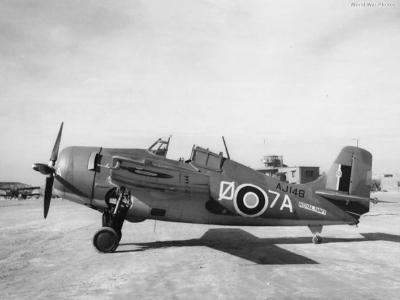
Martlet Mk II AJ148 of No. 888 Squadron FAA Oran
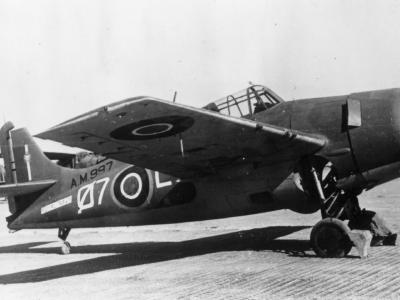
Martlet Mk II AM997

RN Reserve Pilot by F4F after cutting top off tree 1944

Servicing Wildcats for dawn patrol at Territory of Hawaii May 1942

U-Boat sinking pilots of VC-13 by General Motors FM aboard USS Core (CVE-13)
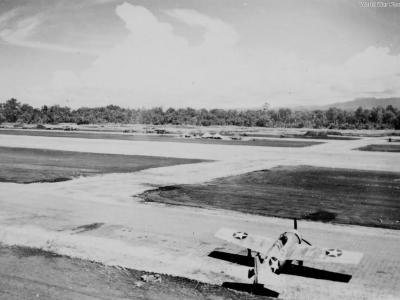
USMC F4F at Henderson Field 2
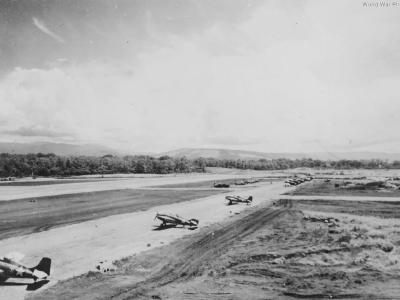
USMC F4Fs Henderson Field

USMC Lt. Winfield and F4F damaged in combat Guadalcanal 1943
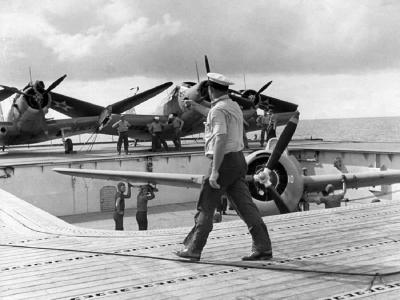
USS Enterprise with F4F on elevator

USS South Dakota viewed from hanger deck of aircraft carrier
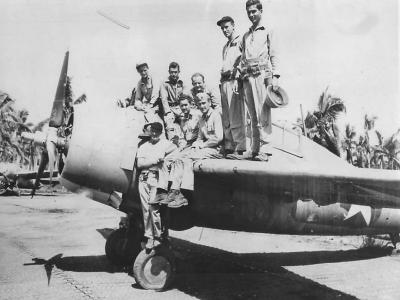
VMF-121 Ace Joe Foss and Joe's Flying Circus pilots on Guadalcanal

VMF-221 Ace Lt H.K. Winfield by F4F Wildcat "RINGER" 1943

VMF-224 Ace and MOH recipient Robert Galer and F4F named Barbara Jane 1942
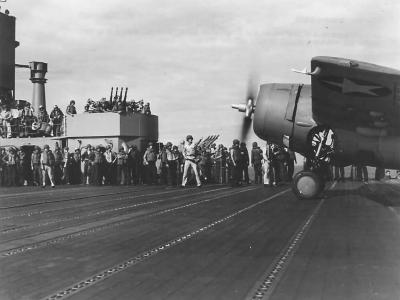
Wildcat awaits starters signal to take off from USS Lexington 1942

Wildcat goes off carrier deck after missing barrier
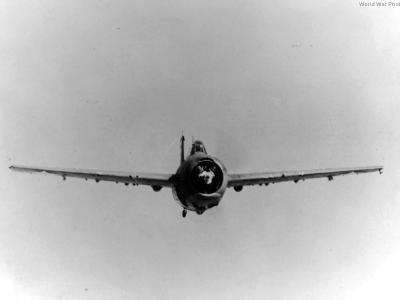
Wildcat of VF-41
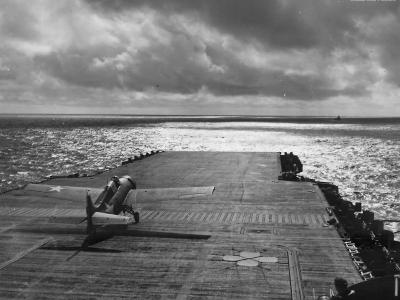
Wildcat taking off from USS Ranger
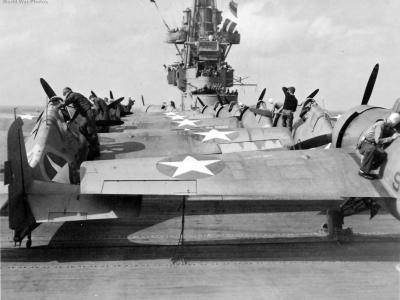
Wildcats avoard USS Ranger, Operation Torch
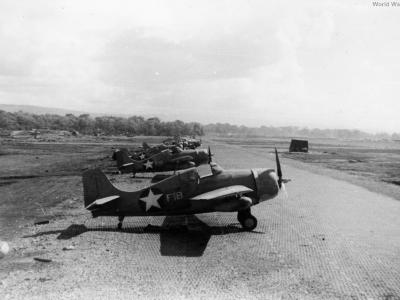
Wildcats of the VF-11 Guadalcanal
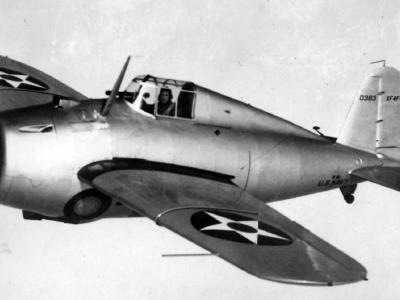
XF4F-2 0383 2
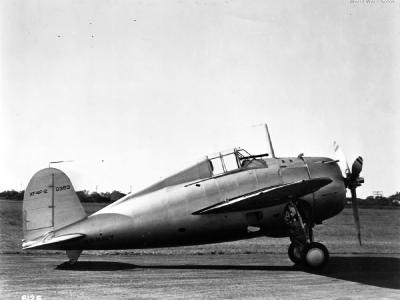
XF4F-2 BuNo 0383
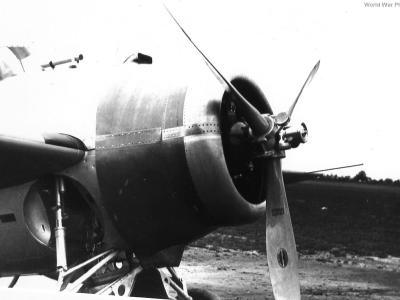
XF4F-2 engine cover
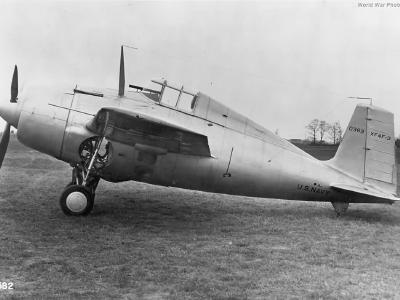
XF4F-3 BuNo 0383 2
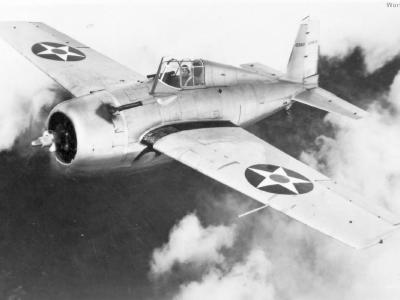
XF4F-3 Wildcat
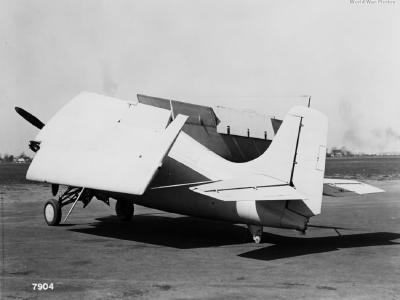
XF4F-4 BuNo 1897
Wildcat was an American carrier-based fighter that began service with both the U.S. Navy and the Fleet Air Arm in 1940. Although first used in combat by the British in Europe, the Wildcat would become the primary carrier fighter for the first year and a half of the United States Navy’s involvement in World War II in the Pacific Theater. The FM, an improved version built by General Motors, remained in service throughout the remainder of the war on escort carriers, where larger and heavier fighters could not be used.