Whitley
Click the thumbnails to enlarge them
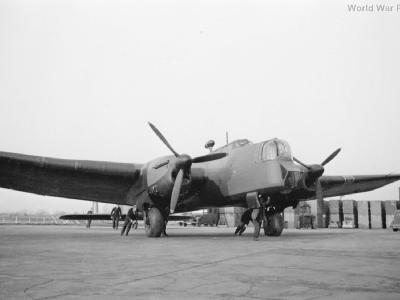
brand new Whitley V Z6462
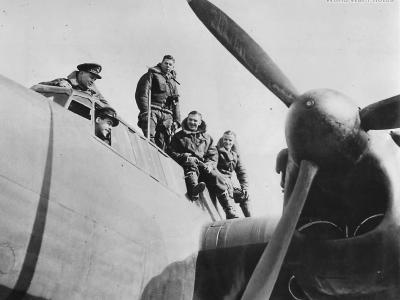
F/Lt B.Tomlin in a Whitley V. Crew upon safe arrival back in France 15th March 1940

Interior of the rear gun turret Whitley IV
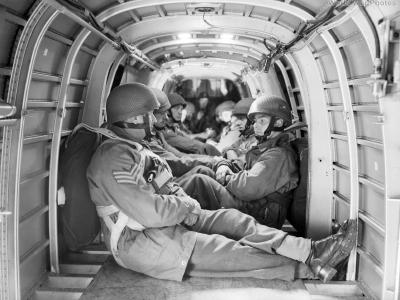
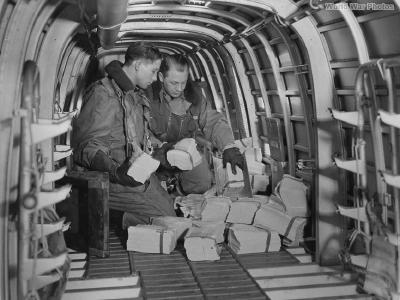
Paratroopers inside the fuselage of a Whitley
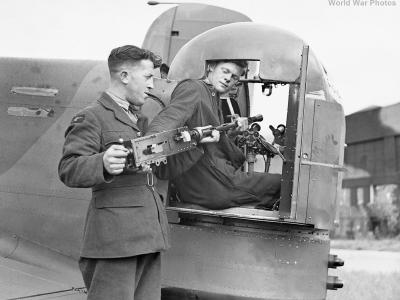
rear turret Whitley V 58 Squadron RAF
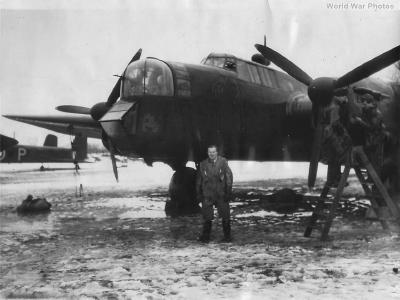
US Pilot Charles Whitehead 71 Eagle Squadron Whitley 1941
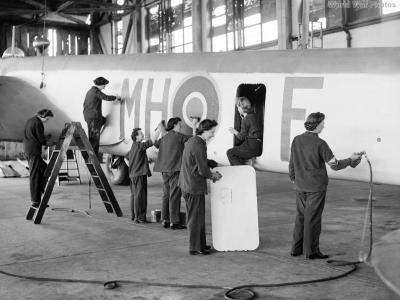
WAAFs painting Whitley MH-F of 51 Sqn 1942
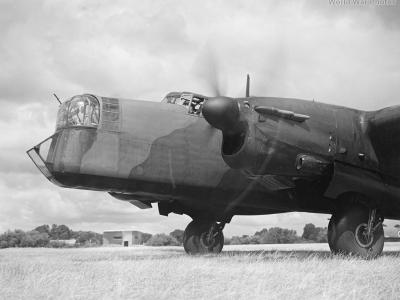
Whitley 10 Operational Training Unit
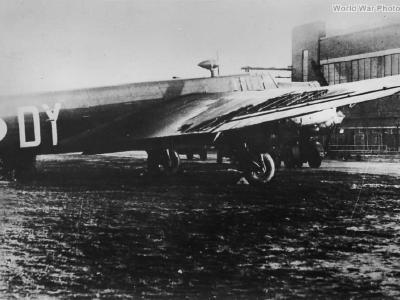
Whitley 102 Sqn

Whitley 1st Prototype K4586 1936
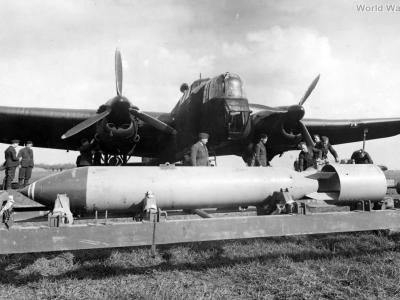
Whitley 2000lb Bomb Ready for Loading
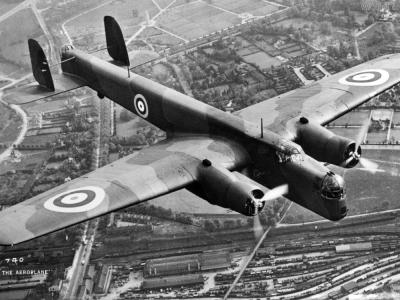
Whitley 3
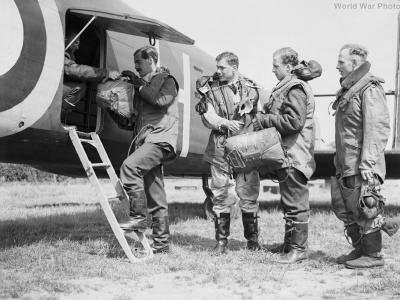
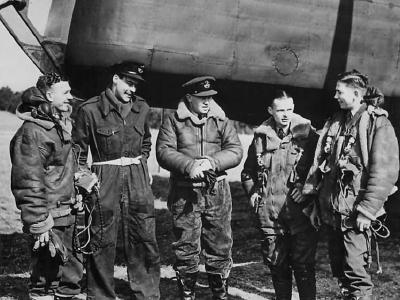
Whitley aircrew 58 Squadron RAF
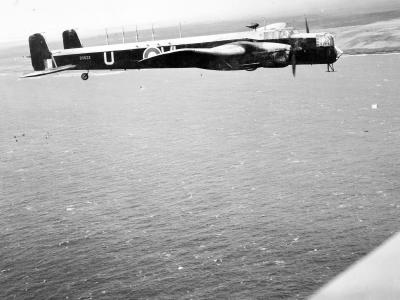
Whitley BD622 WL-U 612 1942

Whitley BD661 '25' of the Glider Training Unit
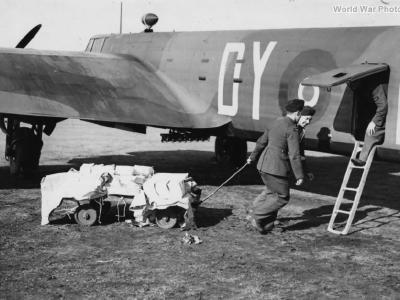
Whitley Being Loaded
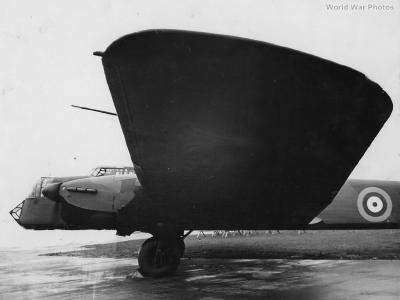
Whitley Bomber 1940
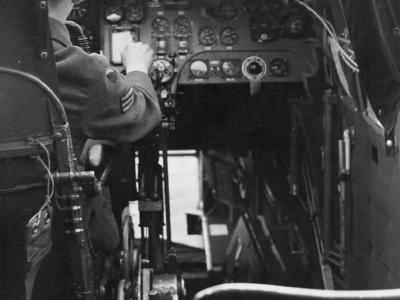
Whitley cockpit interior
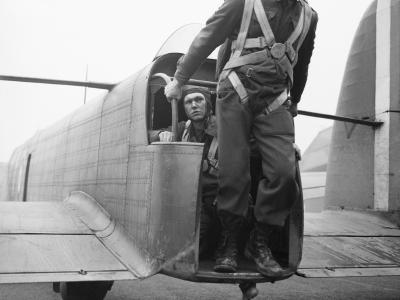
Whitley converted to parachute-dropping
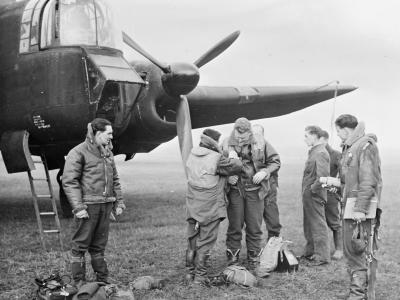
Whitley crew
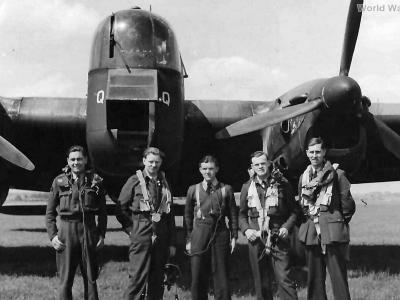
Whitley crew 2
Whitley crew before leaflet (‘Nickel’) raids over Germany’shomeland,
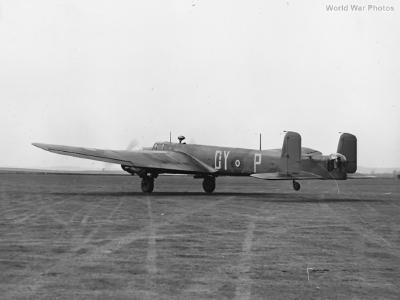
Whitley DY-P 102 Squadron 1940
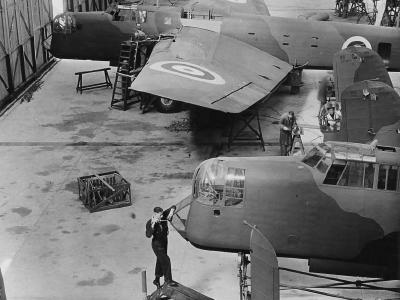
Whitley Final Assembly incl K9025 K9028
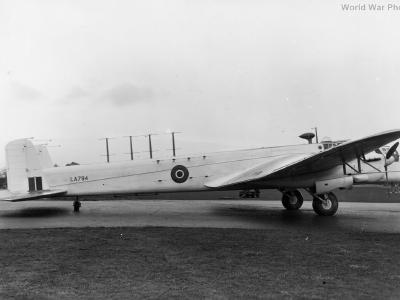
Whitley GR Mk VII LA794 with long-range ASV Mk.II air-to-sur-face radar
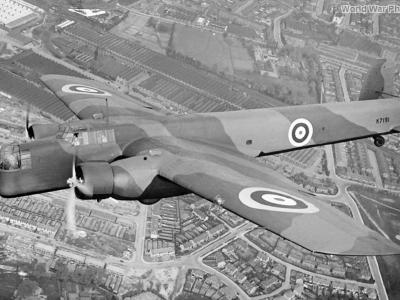
Whitley I K7191
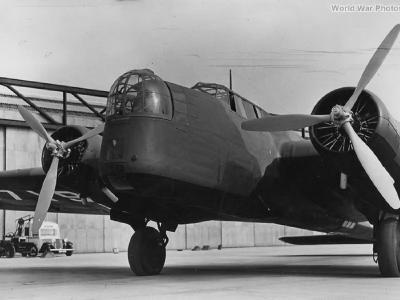
Whitley I K7191 2
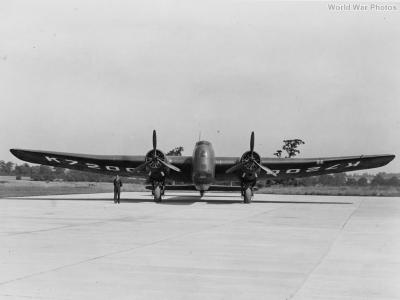
Whitley I K7200
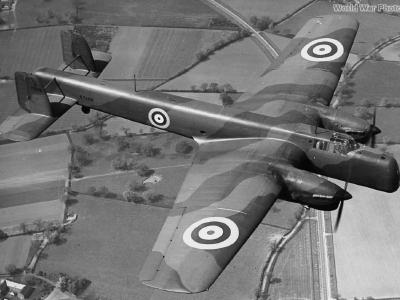
Whitley I K7208 testbed Rolls-Royce Merlin Engines 1938
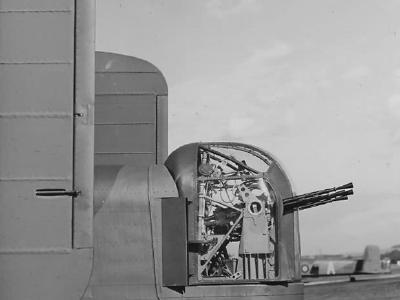
Whitley I Rear Gun Turret
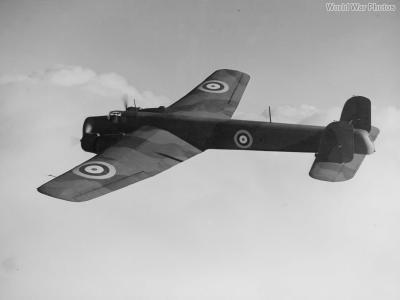
Whitley II K7222 in flight
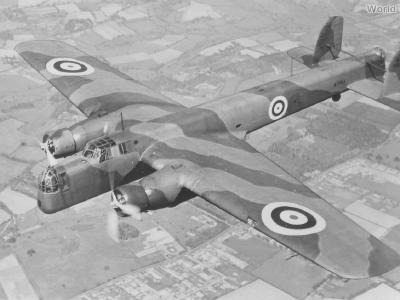
Whitley III
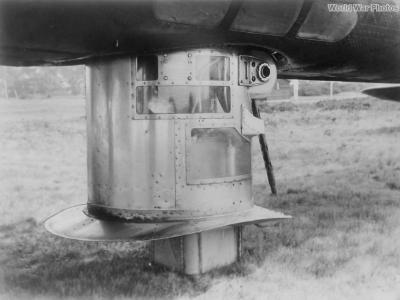
Whitley III K7183 Retractable Dustbin Turret
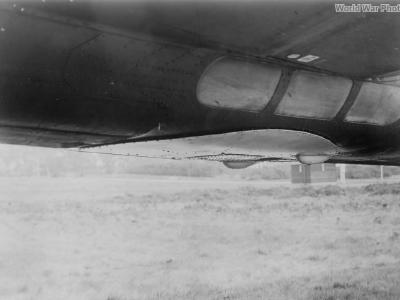
Whitley III K7183 Retractable Dustbin Turret 2
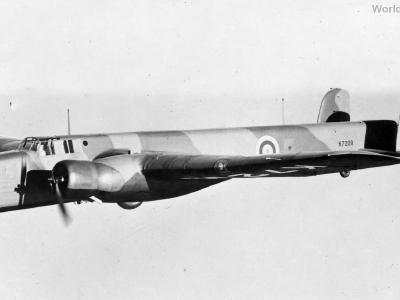
Whitley III K7209
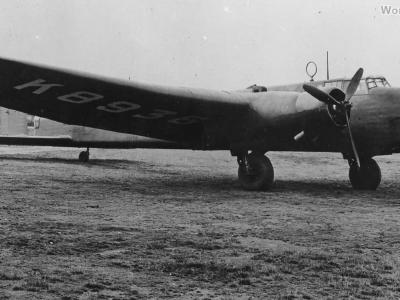
Whitley III K8936
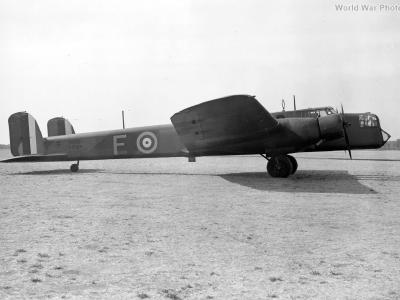
Whitley III K8994 10 Operational Training Unit

Whitley IV K7208 prototype
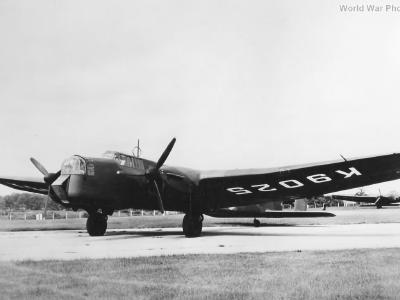
Whitley IV K9025 1938
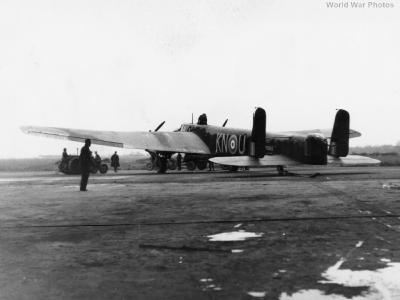
Whitley IV P5004 77 Sqn 1940
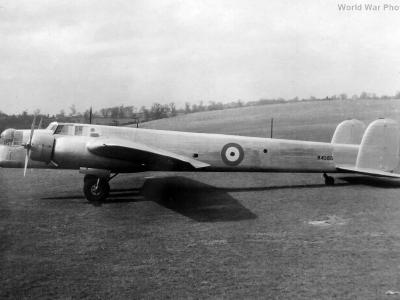
Whitley K4586
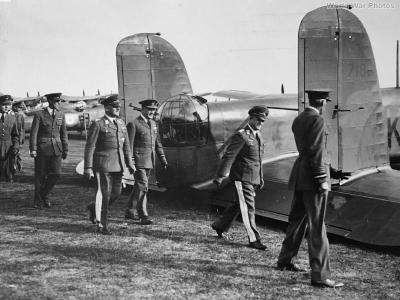
Whitley K7186
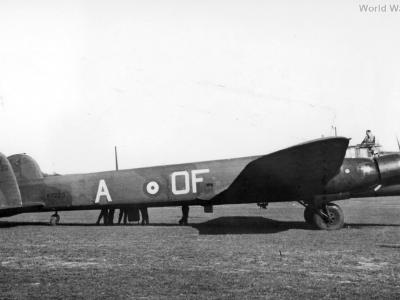
Whitley K7229 97 Sqn
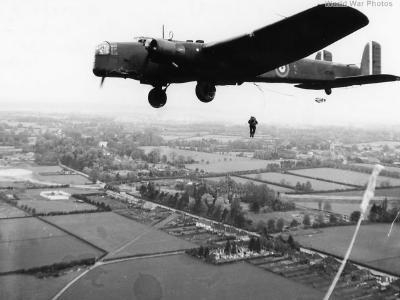
Whitley K7252 Para Dropping Demo 1941
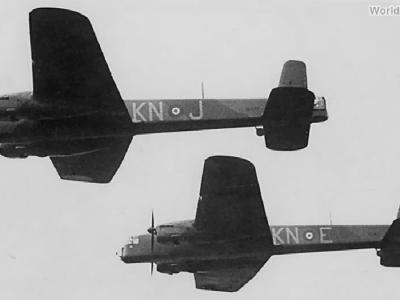
Whitley KN-J KN-E 1939
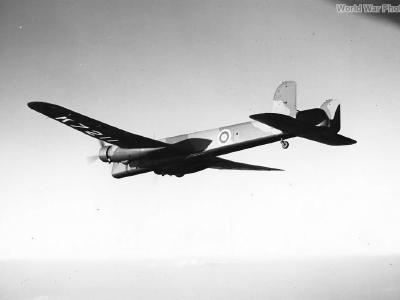
Whitley Mk I K7211 in flight
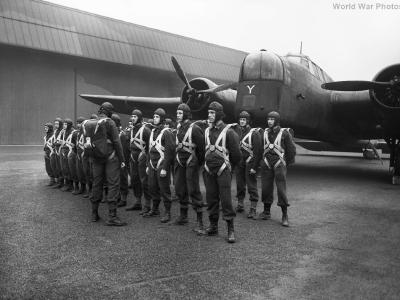
Whitley Mk III
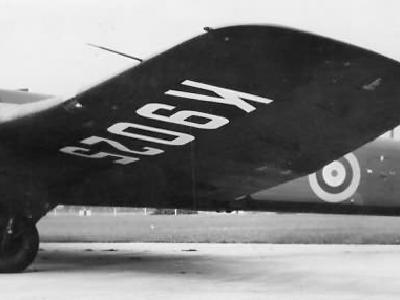
Whitley Mk IV K9025
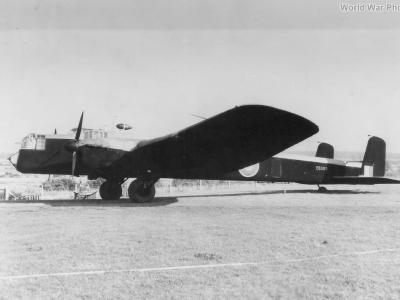
Whitley Mk V EB305
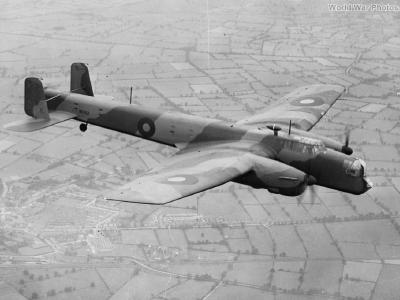
Whitley Mk V N1352 1939
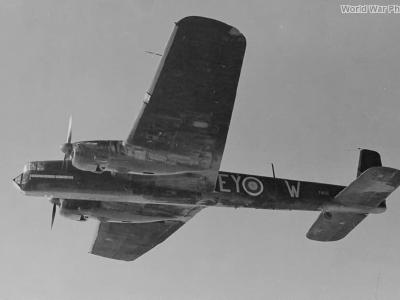
Whitley Mk V T4131 EY-W 1943
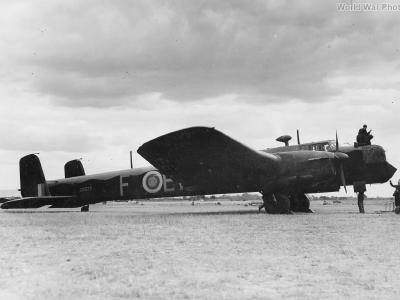
Whitley Mk V Z6577 78 Sqn 1941
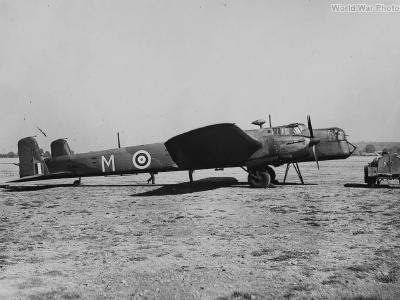
Whitley Mk.V N1503 Abingdon 1940 19 OTU
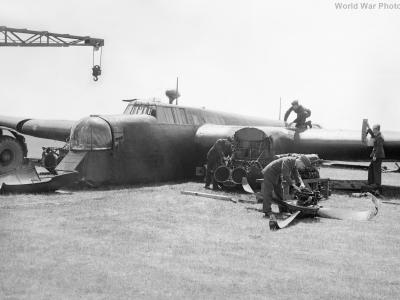
Whitley N1375 DY-N 102 Squadron
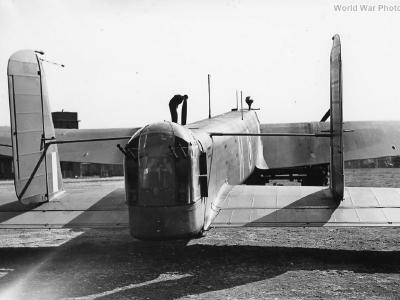
Whitley N1503
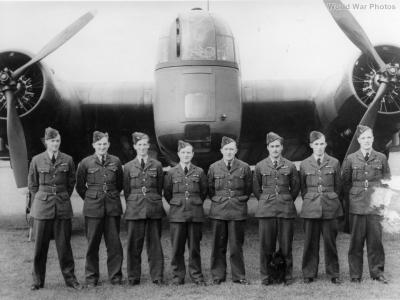
Whitley pilots 77 Sqn
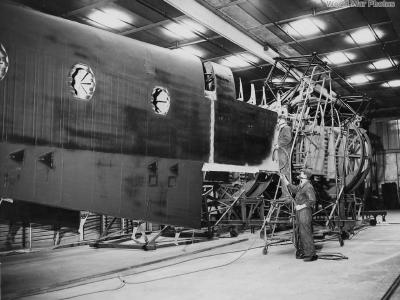
Whitley Production at Coventry
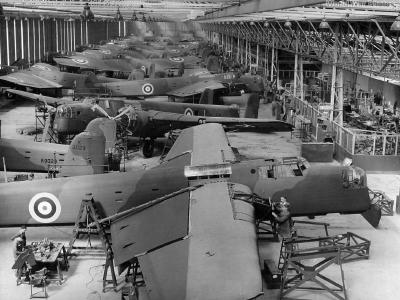
Whitley Production K9029, K7189

Whitley Prototype K4586

Whitley Prototype K4586 Hatfield 1937
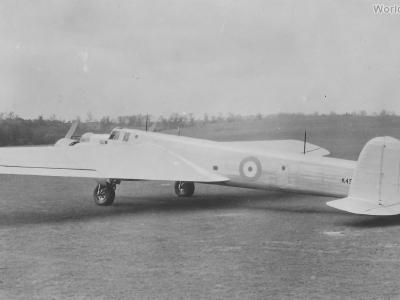
Whitley prototype K4586, in overall natural metal finish
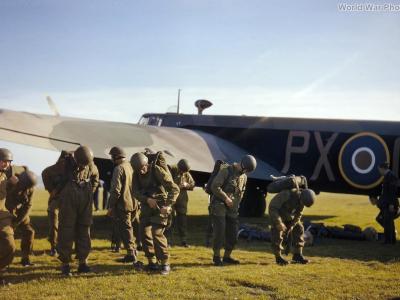
Whitley PX-G 295 Squadron
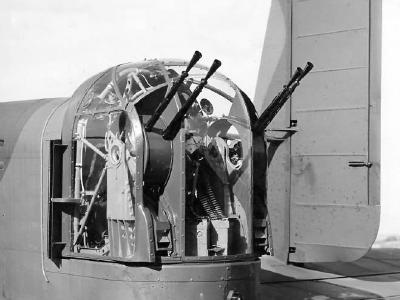
Whitley Rear Turret
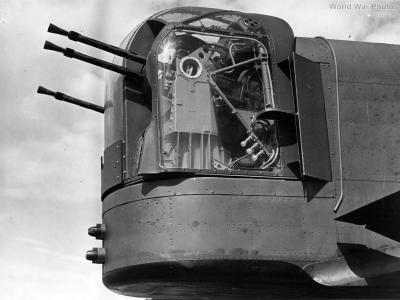
Whitley rear turret 2
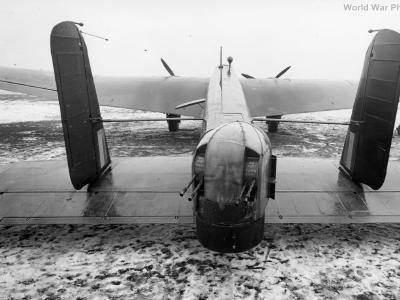
Whitley Rear Turret 3
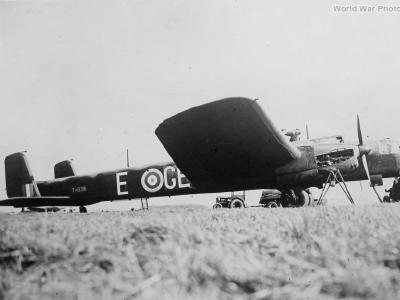
Whitley T4336 GE-E of 58 Sqn
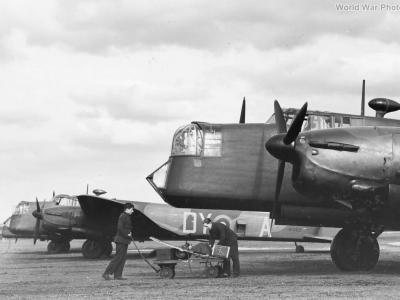
Whitley V 102 Squadron
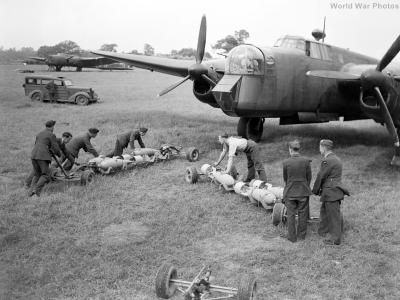
Whitley V 58 Squadron RAF
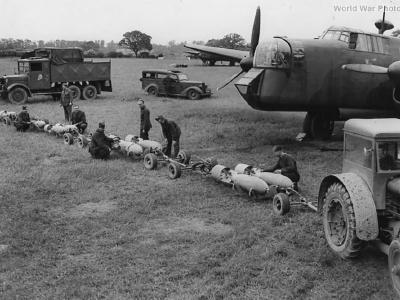
Whitley V 58 Squadron RAF Being Prepared for Bombing
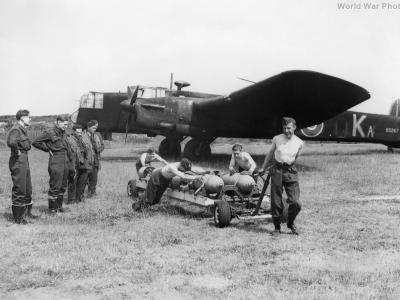
Whitley V BD267 UO-KA 19 OTU
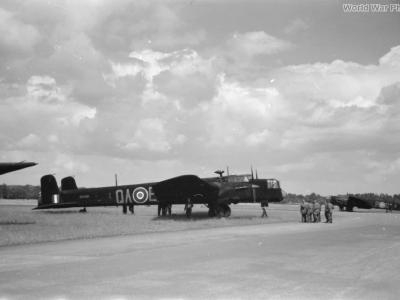
Whitley V BD496 297 Squadron RAF troop transport at Ringway
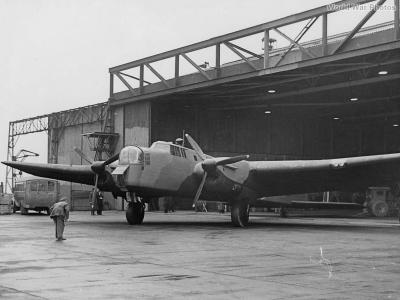
Whitley V before naiden flight 1940
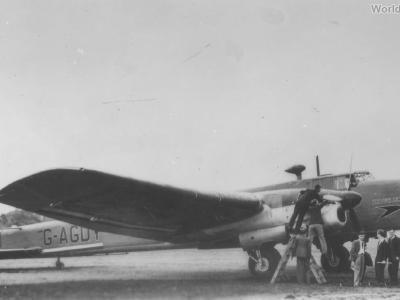
Whitley V BOAC, 1942
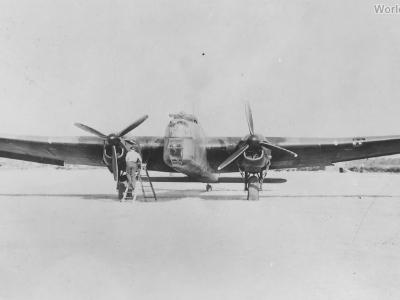
Whitley V bomber
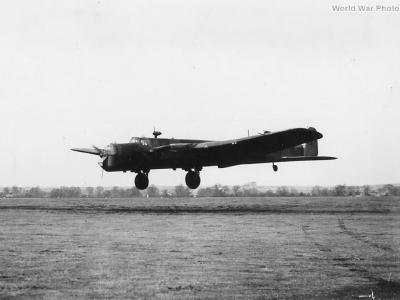
Whitley V Landing
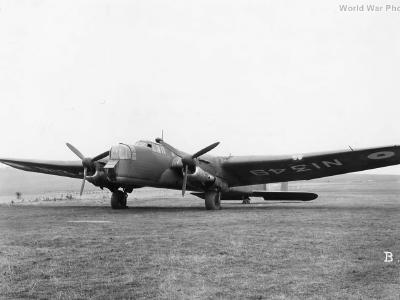
Whitley V N1349 AAEE Boscombe Down 1939
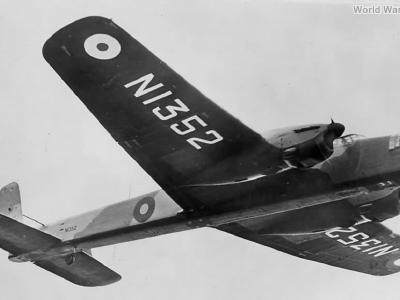
Whitley V N1352 77 Sqn
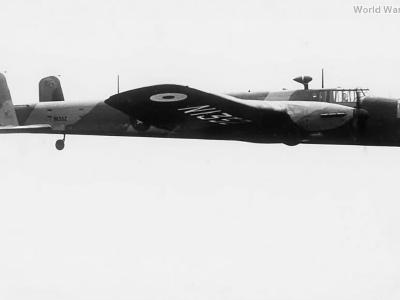
Whitley V N1352 77 Sqn 2
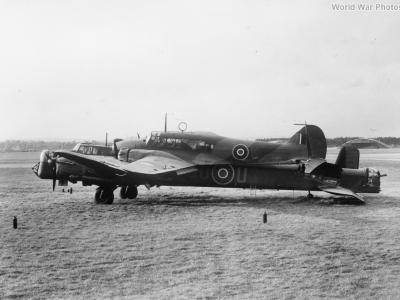
Whitley V N1369 19 Operational Training Unit
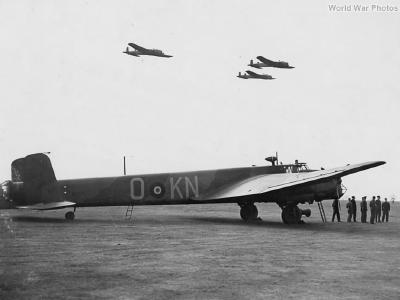
Whitley V N1372 77 Sqn, 1939
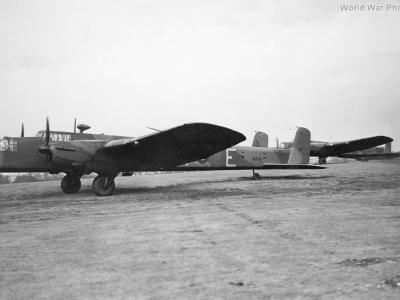
Whitley V N1379 DY-E 1940
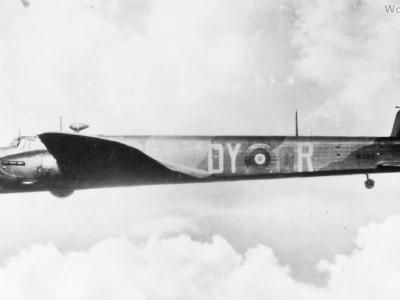
Whitley V N1380, 1940
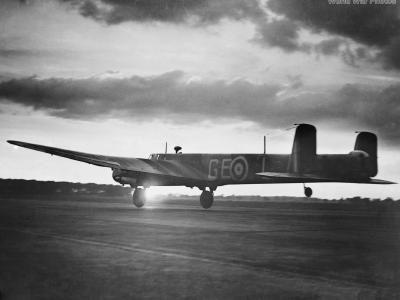
Whitley V N1463 GE-L 58 Squadron
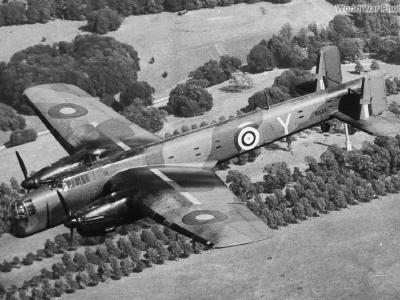
Whitley V N1526 'Y'
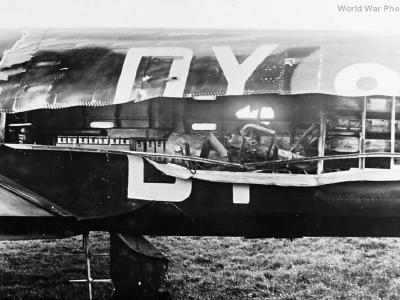
Whitley V P5005 DY-N

Whitley V P5028 GE-R and N1469 GE-H 58 Squadron
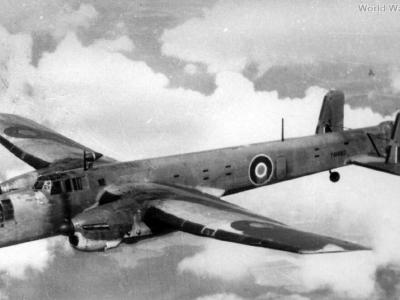
Whitley V T4149
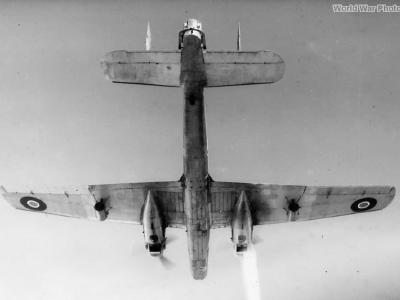
Whitley V T4149 during rocket assisted take-off trials (RATOG)
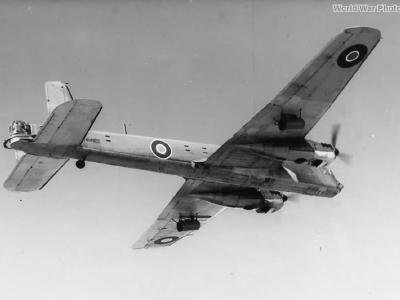
Whitley V T4149 with RATOG 1943
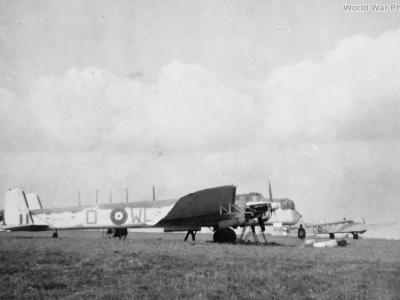
Whitley V Z6475 612 Squadron with ASV radar
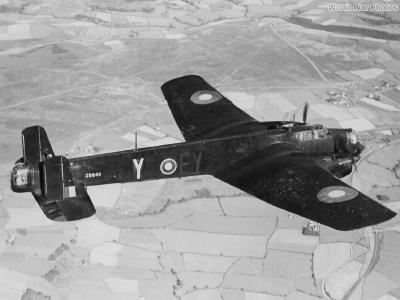
Whitley V Z6640 EY-Y 1484
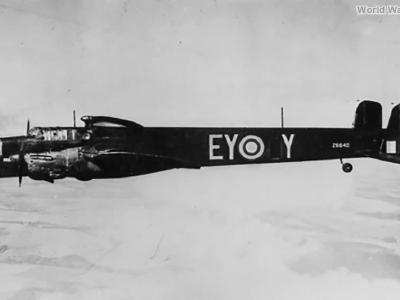
Whitley V Z6640 EY-Y 78 Sqn 1940
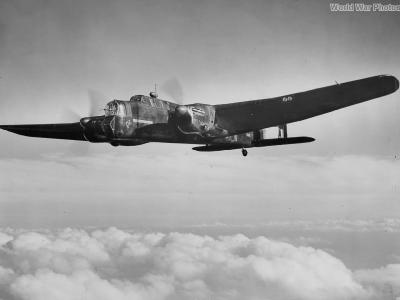
Whitley V Z6640 in Flight 1942
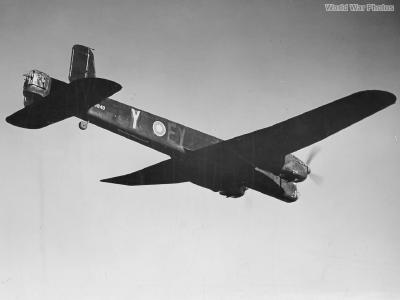
Whitley V Z6640 of No. 1484 (Bomber) Gunnery Flight RAF
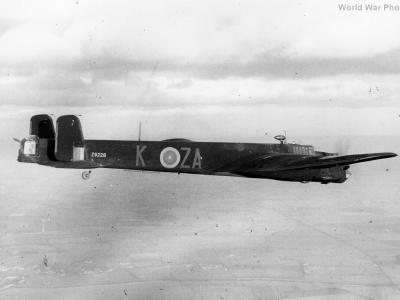
Whitley V Z9226 10 Sqn, painted black overall
Whitley VII 502 Squadron
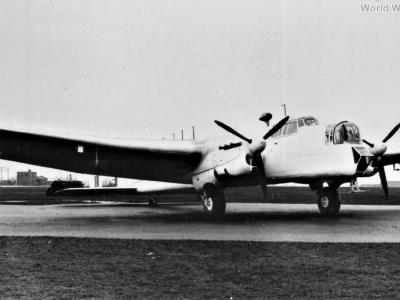
Whitley VII at Gosforth
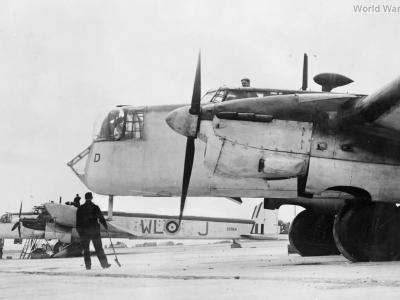
Whitley VII Z6968 612 Sqn Coastal Command. ASV antennas removed by censor.
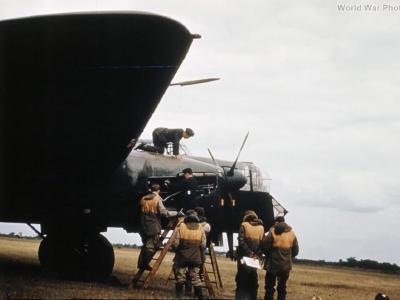
Whitley Z6743 77 Sqn Middleton St George
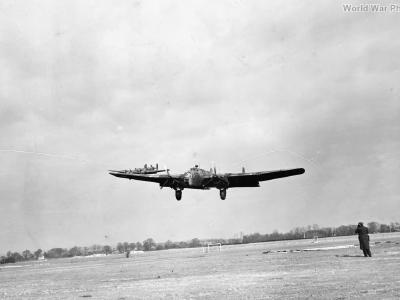
Whitleys 102 Squadron 1940
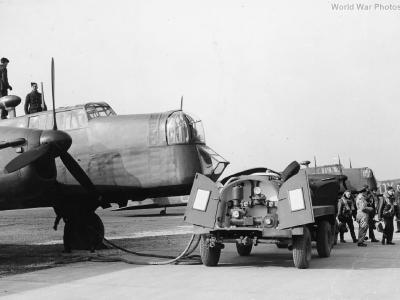
Whitleys 102 Squadron refuelling
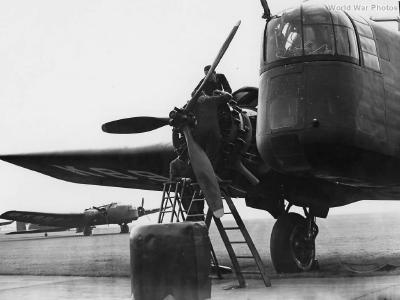
Whitleys K8987 9 Air Observer School and Advanced Flying Unit
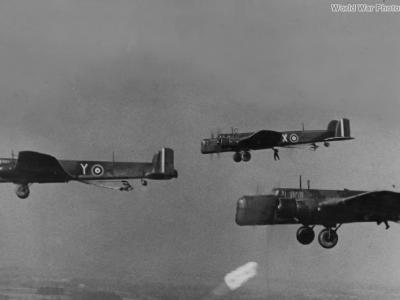
Whitleys Mk III
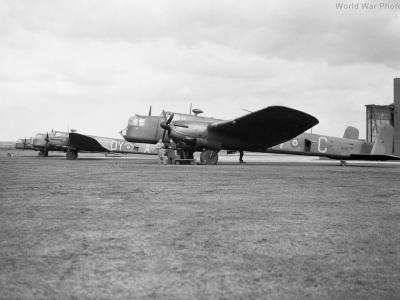
Whitleys Mk V N1421 DY-C and DY-A, 102 Squadron RAF
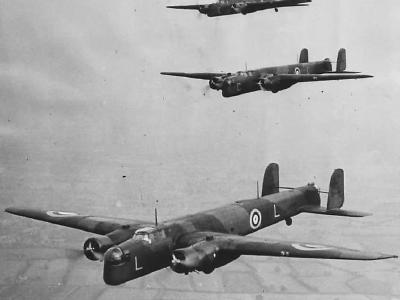
Whitleys Squadron 1937
In July 1934, Air Ministry approached Vickers, Fairey, Handley Page and Armstrong Whitworth with requirements B.3/34 for a monoplane, twin-engine, night heavy bomber that could also serve as a transport aircraft. However, it turned out that the price offered by AM for the prototypes developed from scratch did not suit any of the companies. In this situation, the Ministry took advantage of the fact that Vickers and Armstrong Whitworth were already working on interesting aircraft designs and in August proposed modifying them accordingly. Vickers developed an enlarged version of its design for B.9/32 (later ‘Wellington’). In turn, the W. G. Armstrong Whitworth Aircraft Co. developed the following designs: A.W.23 - transport plane for C.26/31 and, by order of the Czech government, a bomber plane A.W.30. The latter project interested AM. The chief designer of the factory, John Lloyd, proposed the project A.W.38, which was a combination of parts of both projects: the fuselage of A.W.30 and the wings of A.W.23. On 14.09.1934 AM ordered 2 prototypes, demanding a very fast progress of works, as well as the maximum technological simplification of the construction, allowing to shorten the production process. The project used the construction solutions that were innovative for those times: caisson structure of the airframes and monocoque fuselage. It was also the first British heavy bomber with a retractable undercarriage. To simplify the production the airframe components were reduced to a minimum and standardized to the maximum. The engines of the type Armstrong Siddeley Tiger IX were chosen for the propulsion units. The work on prototypes A.W.38 proceeded very fast. Already in December 1934 a mock-up of the plane was ready. On 23.08.1935, long before the first flight of the prototype, the contract for the delivery of 80 copies of the new plane was signed. The prototype A.W.38 was flown on 17.03.1936. The airplane, although it had higher performance than the heavy bombers RAF at that time, it did not meet the requirements. However, due to the great needs of the RAF, in May 1936 RAF ordered 240 more examples. The second prototype was flown on 11.02.1937. It received Armstrong Siddeley Tiger XI engines, in accordance with the new B.21/35. On 30.08.1937. it crashed on the airfield of the research center in Farnborough. The first serial Mk I was flown on 23.12.1936. The first planes were delivered to No. 10 Squadron RAF. At the end of June 1937, the squadron was fully rearmed and became part of the 4th Bomb Group. It later became a formation armed exclusively with the Whitleys, and all versions of the aircraft passed through its squadrons. In 1937. Whitleys received the 58 and 78 Squadrons. The planes of the Mk I version were delivered between 03.1937 and 01.1938. It soon became obvious that the new aircraft required improvements, especially in maximum speed and range. Therefore new engines with higher power and two-stage supercharger were used. The prototype, the world’s first military aircraft with engines with such superchargers, was flown on 8.12.1937, thus creating the Mk II, which entered service with RAF Squadrons (7, 51 and 58) in January 1938. Aircrafts of the Mk II version were delivered between 01. and 06.1938. Four aircrafts of this version were the first to be used for training British paratroopers in the center, later known as the Parachute School, established in Ringway in 1940.
For the requirements B.20/36, issued in August 1936, Mk III version was developed, which differed from the Mk II in armament. The manually rotated nose turret was replaced by a hydraulically driven turret, and an additional retractable dustbin turret. The prototype took off for the first time on 14.03.1938. The first serial Mk III flew on 7.09.1938 and shortly afterwards they started service in 51, 77 and 102 Bomber Squadrons. Planes of the Mk III version were delivered between 08.1938 and 02.1939. Since 1936, work began on another version of bomber powered by Rolls Royce Merlin II engines. The prototype of the new version was flown on February 11, 1938. The successful course of trials led to the decision to produce aircraft Mk IV equipped with Merlin. The first serial plane made its first flight on 18.04.1938. Merlin brought significant improvement of performance of the plane. Seven last planes of this version were equipped with ‘Merlin X’ engines with higher horsepower. They were designated Mk IVA. The defensive armament was also seriously strengthened by installing a hydraulically driven turret with four 7.7 mm machine guns in the tail. At the time this was an armament of fantastic parameters Whitley Mk IV became the first aircraft in the world with such a powerful armament. Mk IV entered service with the RAF in May 1939, with 10 Squadron. Later it was also transferred to 78 Squadron (4th Group). Mk IV version aircraft were delivered between May and August 1939. On 4.08.1939 a prototype of improved version Mk V with fuselage lengthened by 15 inches behind the tail, the extension resulting in an increase in the field of fire for the rear guns, was flown. RAF began receiving new aircraft a month before the outbreak of war. First examples were delivered to 78 Squadron in August 1939. 78 Squadron. The planes of Mk V version were delivered from August 1939. 1466 of them were produced. The last one, took off for the first time on 8.06.1943 and remained in the company, which it served as a glider tug in the flying wing configuration, AW 52G. This aircraft was withdrawn from service in December 1948. Aircrafts of this version were mainly used as glider tugs (since 1941). The glider being towed was usually a Horsa. The Mk VI version remained only in the design stage. It was to be powered Pratt & Whitney G.R.1830 Twin Wasp, which were intended to be used in the event of possible restrictions on the supply of Merlins. It never happened, and the assurance turned out to be unnecessary. The demonstrated usefulness of the Whitley in 1939-40 as a maritime patrol aircraft resulted in the creation of the GR Mk VII version. Designated by the factory as the Type 217 version, it was ordered in late 1940. Its prototype was the result of an adaptation of one of the Mk V version aircraft, which involved fitting it with ASY Mark II long-range radar (as the first RAF aircraft) and increasing its fuel reserve. The crew was increased by the radar operator, to six members. A number of older Mk V aircraft were converted to GR Mk VII. Some of the GR Mk VII were used as training aircraft for radar operators. Mk VII planes were delivered from July 1941, in small series as part of Mk V production. The last one was delivered on 9.12.1942. Some Mk VII’s were converted into aircraft for on-board mechanics training.
In April-May 1942 15 planes of Mk V version were converted into transporters for BOAC airlines, removing armament from planes and adapting fuselage interior for cargo carrying. They were used for flights from Great Britain to West Africa, from Gibraltar to Malta and on the Scotland-Stockholm route. They returned to the RAF in 1943. Several aircraft were used for various trials and tests. In late 1938, newly developed Armstrong Siddeley Deerhound engines were installed on one of the Mk II version aircraft. The plane was flown on 6.01.1939. Unfortunately on 6.03.1940 it crashed, burying all on board. It resulted in the abandonment of further development of the project.
In total, Armstrong Whitworth produced 2 prototypes, 34 Mk I, 46 Mk II, 80 Mk III, 40 Mk IV, 1466 Mk V and 146 Mk VII. Deliveries to the RAF were discontinued on 6 June 1943.
At the time of Britain’s declaration of war on Germany, 3.09.1939, the British Bomber Air Force had 196 Whitleys. During the odd war the Whitleys dropped leaflets, on 1/10/1939 three Mk IV’s dropped leaflets over Berlin as the first British aircraft to appear over the capital of the Third Reich. Propaganda purposes were also served by flights over Prague and Warsaw. It was not until the night of 19/20.03.1940 that the planes dropped their first bombs on German territory, attacking the seaplane base on the Sylt Island. On the night of 10/11.05.1940. Whitleys bombed for the first time the continental territory of Germany. On the night of 11/12.06.1940. they made the first air raid on the targets in Italy. On the night of 25/26.08.1940. Whitleys were in a formation of RAF bombers, which bombed Berlin for the first time. After that, they bombed almost all important targets in Germany, carried out raids over Austria, Poland and Czech Republic. The last raid with their participation was the attack on Ostend on 29.04.1942. After that date, they were withdrawn from Bomber Command, although planes from OTU still participated in some of the first raids of the „Thousand-bomber raids”.