
Typhoon
Click the thumbnails to enlarge them
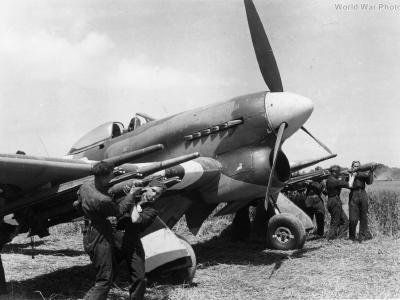
Armourers finish loading a rockets

Canadian Ace Bob Davidson of No 143 Wing in his Typhoon 1943

Cleaning guns on a Typhoon IB JR311 MR-G No. 245 Squadron RAF Westhampnett
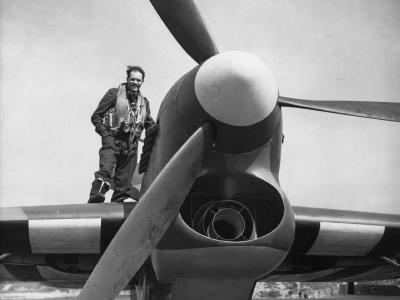
Close up front view of Typhoon Mk IB
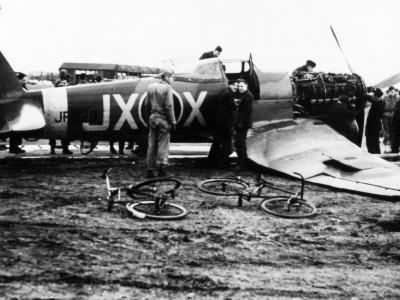
Crashed Typhoon JR328 JX-X No. 1 Squadron RAF 1944
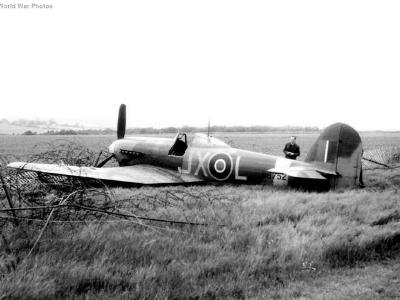
Crashed Typhoon Mk IB R8752 JX-L of 1 Sqn RAF June 1943
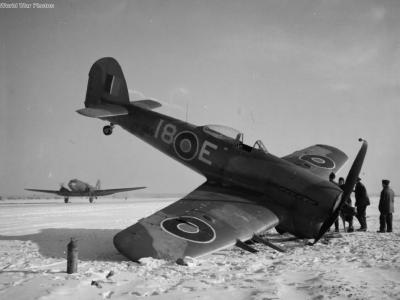
Crashed Typhoon MN659 I8-E of No. 440 Squadron RCAF, Eindhoven January 1945
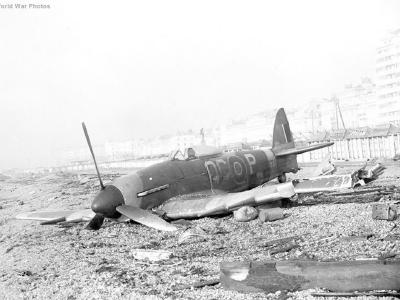
Crashed Typhoon QC-P of No. 168 Squadron RAF at Brighton 1944
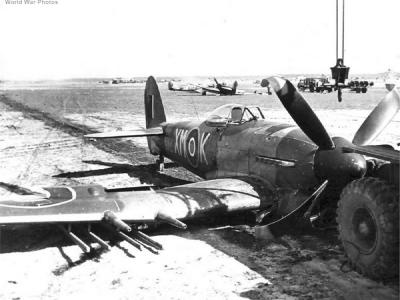
Crashed Typhoon XM-K of No. 182 Squadron RAF 1945

Damaged wing of Typhoon IB JR427 XM-S of No. 182 Squadron RAF, Normandy Coulombs
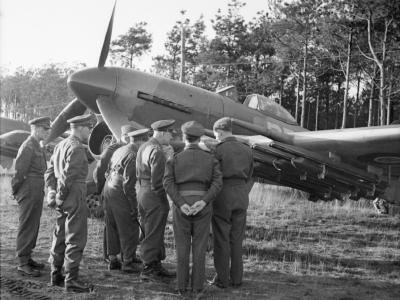
Dwight D. Eisenhower inspect Typhoon of 609 Sqn at Gilze-Rijen

F/O W. G. Eagle 198 Squadron RAF
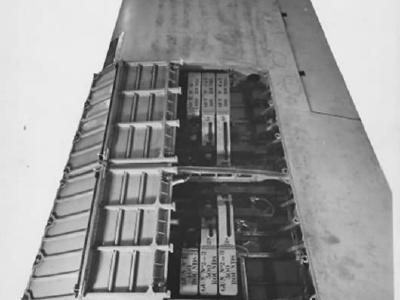
F18-37 Typhoon Gun Bay September 1942

FO Frank Murphy in the cockpit of his Typhoon

FO Frank Murphy in the cockpit of Typhoon 4
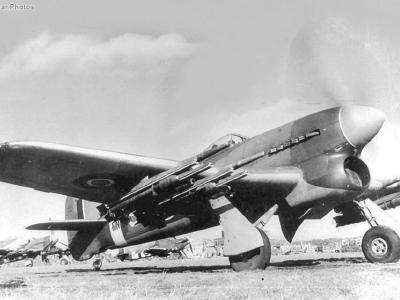
Fully armed and ready for take-off MN234 SF-T of No. 137 Squadron RAF Eindhoven

G/C Scott Merville, 123 Wing and his Typhoon , France 1944

Group Captain Desmond James Scott
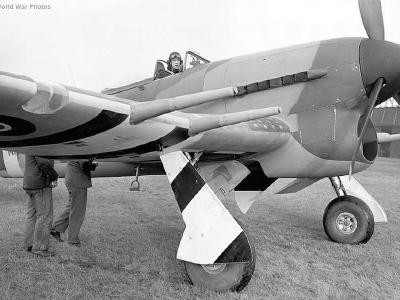
Hawker Typhoon 1943/44
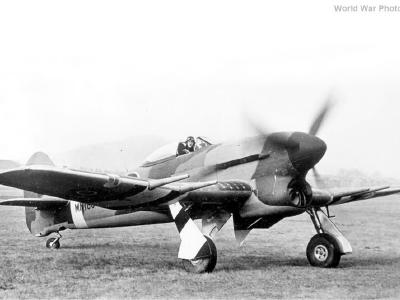
Hawker Typhoon IB

Hawker Typhoon IB R8762 with 44 gal drop tanks January 1943
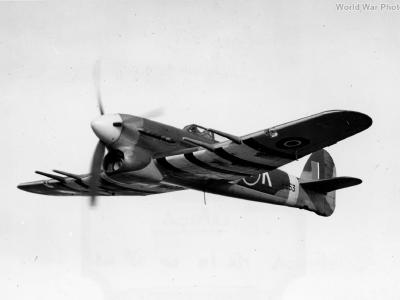
Hawker Typhoon JP853 SA-K
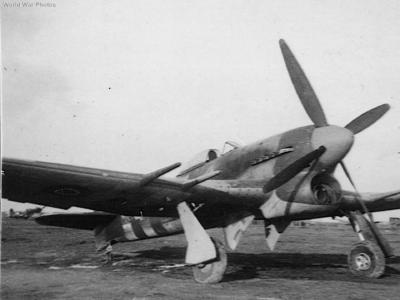
Hawker Typhoon Mk IB 1944
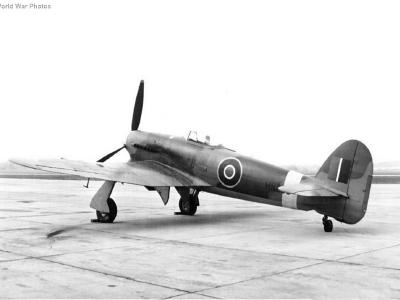
Hawker Typhoon Mk IB 5

Hawker Typhoon MK IB with Sabre II November 1942 3

Hawker Typhoon R8836 EL-U of 181 Sqn 500lb bomb tests
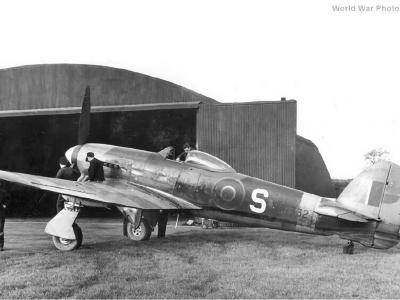
Hawker Typhoon S
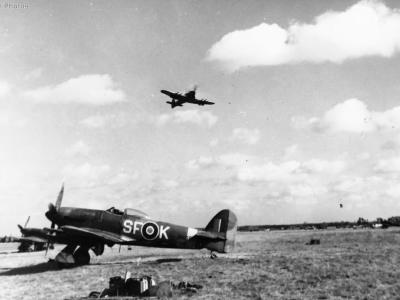
Hawker Typhoon SF-K No. 137 Squadron RAF Eindhoven
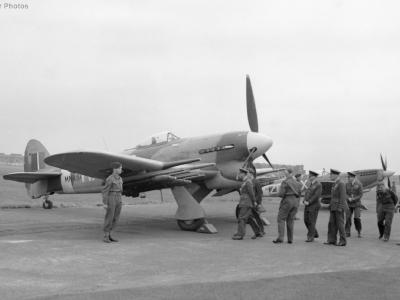
King George VI and Typhoon MN454 HF-S of 183 Sqn
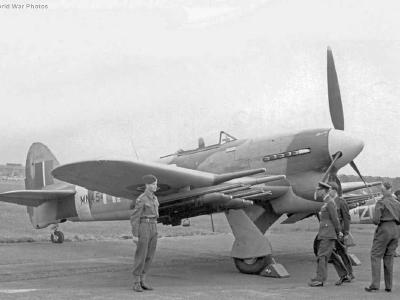
King George VI inspecting Typhoon MN454 HF-S of No. 183 Squadron RAF

Napier's prototype Hawker Typhoon R8694
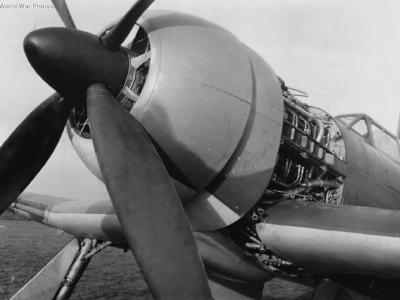
Napier's Prototype Typhoon IB R8694 annular radiator
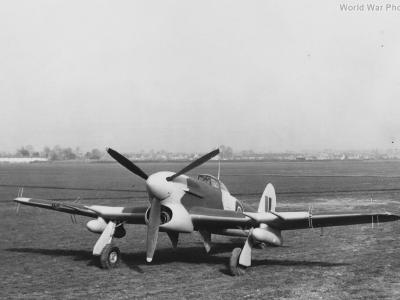
Night-fighter Typhoon R7881

Pilots of 198 Squadron at Manston 11 March 1944
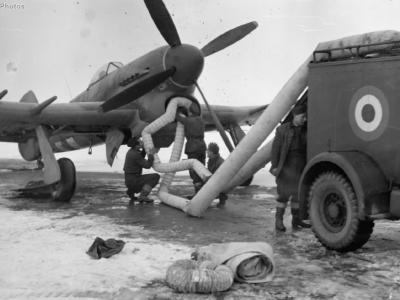
Pre-heating of Typhoon Mk IB at Melsbroek

Prototype Typhoon P5212 in initial configuration
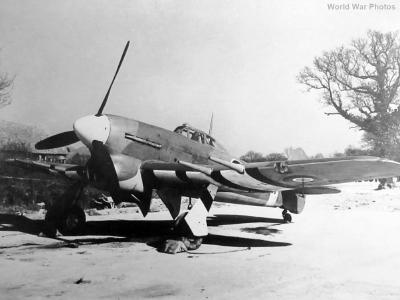
RCAF Hawker Typhoon
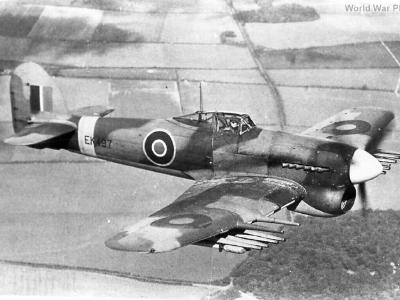
RP trials on Typhoon IB EK497 July 1943

S/Ld D.J. Scott 486 Squadron Typhoon Tangmere

second prototype Typhoon P5216
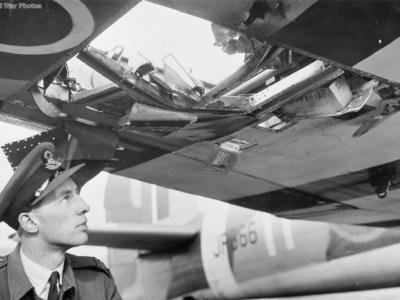
Squadron Leader J. M. Bryan inspects hole made in the wing of his Typhoon JR366 by German AA fire
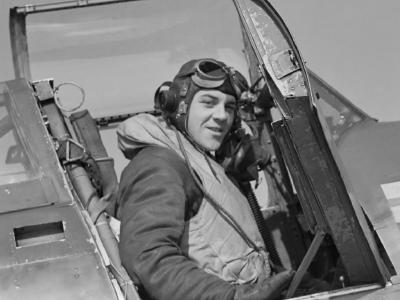
Squadron Leader R. P. Beamont in his Typhoon R7752 PR-G, Manston

Tested at the A&AEE at Boscombe Down in August 1944
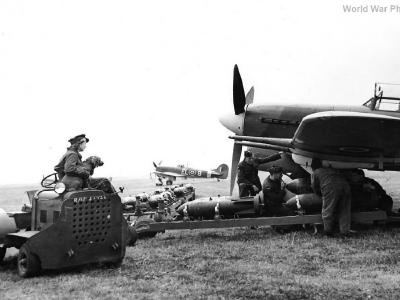
Typhoon 181 Squadron
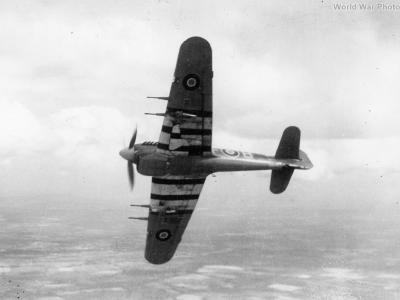
Typhoon 183 Sqn in flight
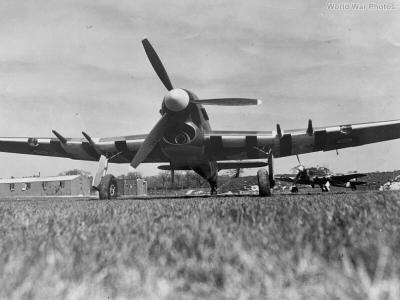
Typhoon 1943
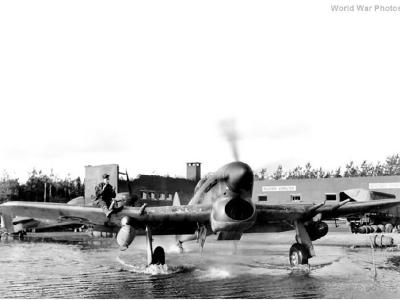
Typhoon 438Sqn RCAF 45
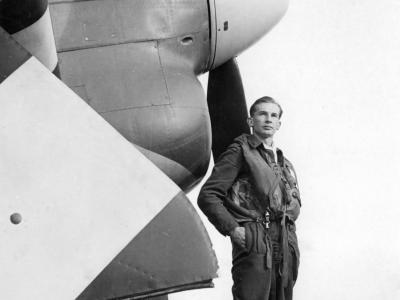
Typhoon 486 Squadron 1943
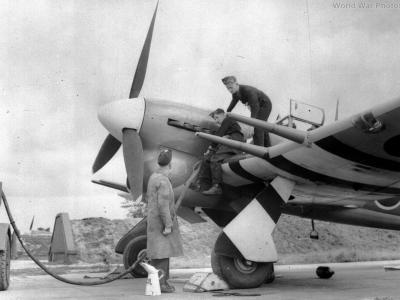
Typhoon 486 Squadron Tangmere
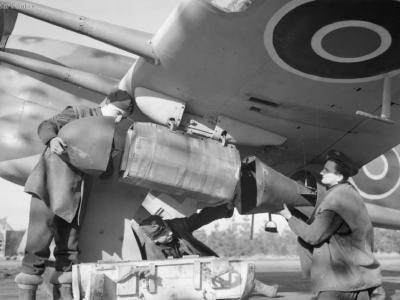
Typhoon 5V-B of 439 Sqn with anti-personnel bomb, Eindhoven

Typhoon 5V-S of 439 Sqn after attack on Eindhoven Airfield 1 January 1945
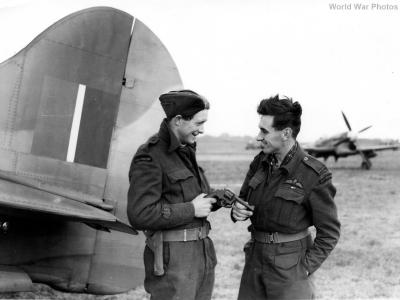
Typhoon and pilots 486 Sqn
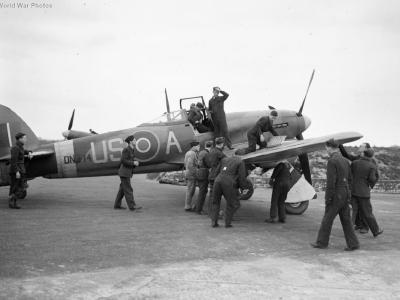
Typhoon DN374 US-A of 56 Sqn Matlaske
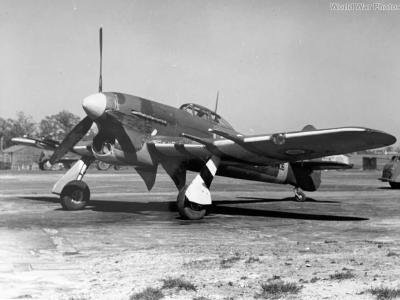
Typhoon DN406 PR-F Manston

Typhoon DN406 PR-F of No. 609 Squadron RAF Manston, May 1943

Typhoon EK139 HH-N "Dirty Dora" of 175 Squadron RAF at Colerne

Typhoon EK183 US-A 56 Sqn

Typhoon EK183 US-A 56 Sqn
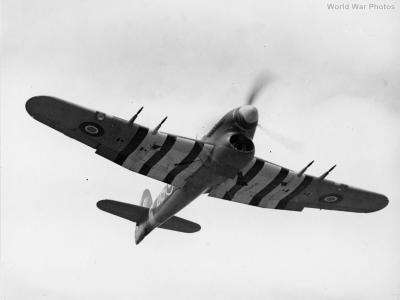
Typhoon EK183 US-A 56 Sqn

Typhoon FR Mk IB EK427 268 Sqn March 1945
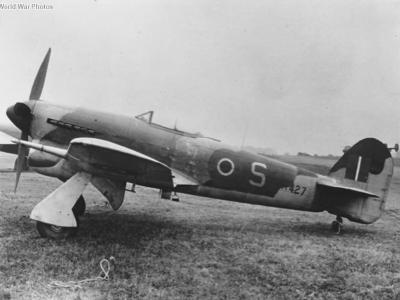
Typhoon FR Mk IB EK427 of 268 Sqn

Typhoon HH-G of No. 175 Squadron RAF Le Fresne-Camilly 1 August 1944
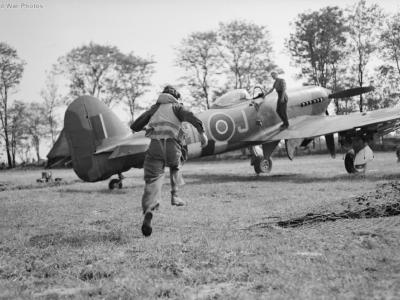
Typhoon HH-J of No. 175 Sqn. at Le Fresne-Camilly 1944

Typhoon IA P5212 with original small rudder, February 1940

Typhoon Ib 168 Sqn Eindhoven 1945
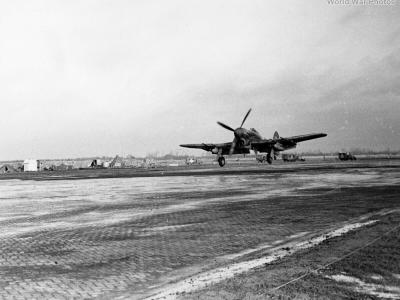
Typhoon Ib 168 Sqn landing at Eindhoven 1945
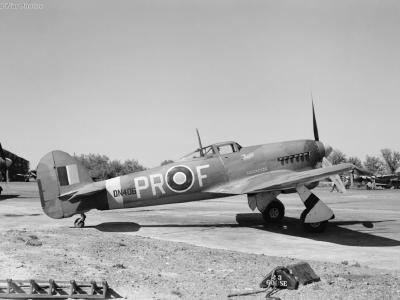
Typhoon IB DN406 PR-F of No. 609 Squadron RAF at Manston
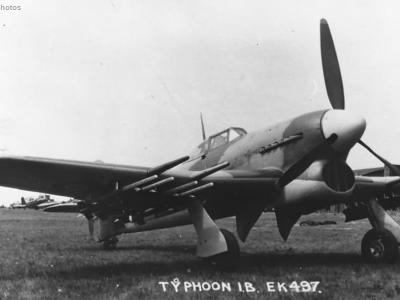
Typhoon IB EK497 with rocket installation at Boscombe Down 1943
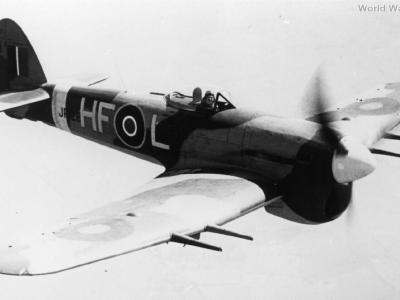
Typhoon IB JP128 183

Typhoon IB JP802 MR-M of No. 245 Squadron RAF at Westhampnett
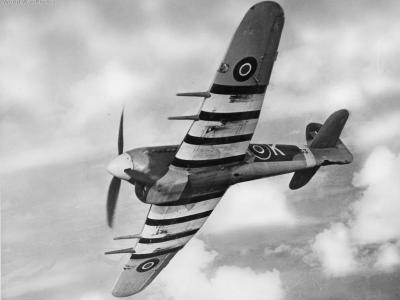
Typhoon IB JP853 SA-K of No. 486 Squadron RNZAF in flight
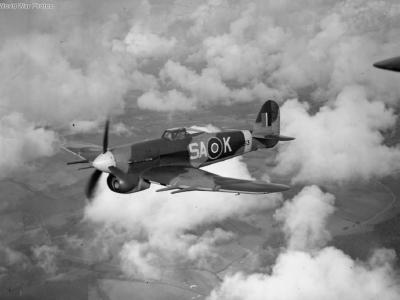
Typhoon IB JP853 SA-K of No. 486 Squadron RNZAF in flight

Typhoon IB JP963 TP-T of No. 198 Squadron RAF Plumetot, Normandy 1944

Typhoon IB JR128 HF-L of No. 183 Squadron RAF in flight

Typhoon IB MN178 PR-V of No. 609 Squadron RAF with 12 rockets at Gilze-Rijen

Typhoon Ib MN424 F3-G of No. 438 Squadron RCAF
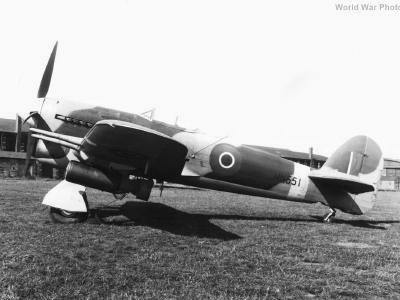
Typhoon IB MN551
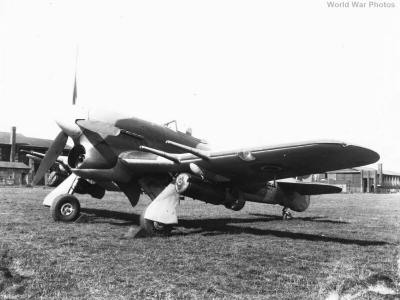
Typhoon IB MN551 with bombs under the wings
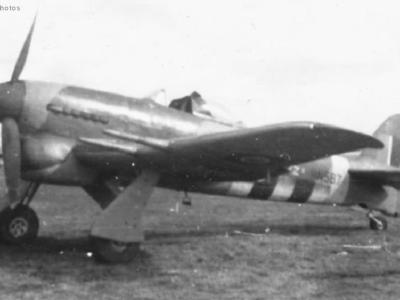
Typhoon IB MN587 as flown by Grp Capt Denys Gillam
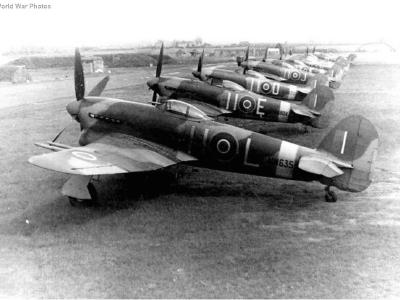
Typhoon IB MN635 II-L of No, 59 Operational Training Unit
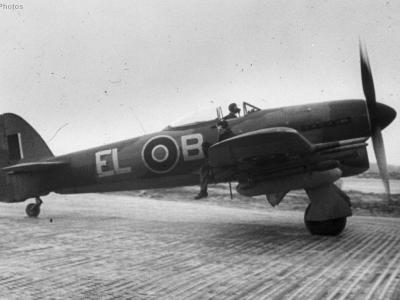
Typhoon IB MN875 EL-B of 181 Sqn at Helmond
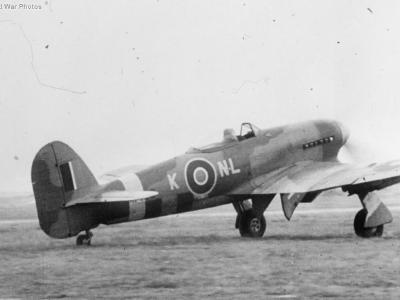
Typhoon IB MP189 NL-K. Personal plane of Wing Commander North-Lewis., 124 Wing, September 1944
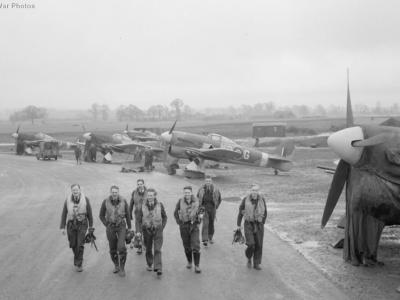
Typhoon IB No. 245 Squadron RAF Westhampnett, 1943
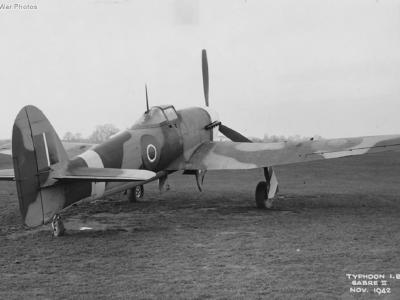
Typhoon IB November 1942
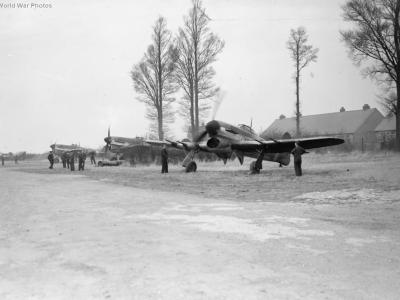
Typhoon IB of No. 183 Squadron RAF during exercise Spartan, March 1943
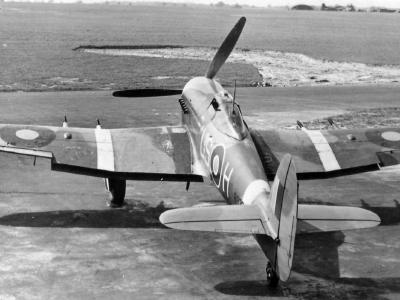
Typhoon IB R8224 US-H "Land Girl" of No. 56 Squadron RAF
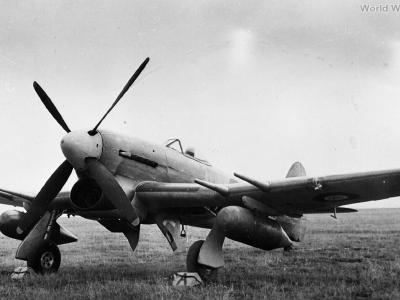
Typhoon IB with large drop tanks

Typhoon IBs at school of technical training
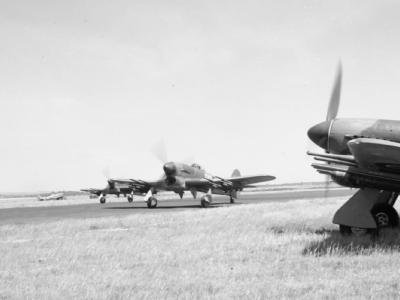
Typhoon IBs of No. 609 Squadron RAF at Thorney Island
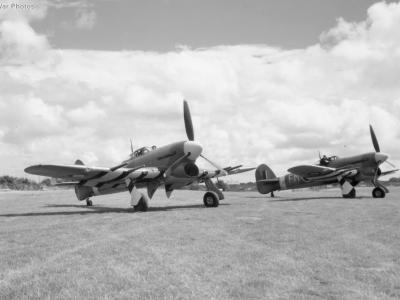
Typhoon JP494 FM-D No. 257 Squadron RAF at Warmwell
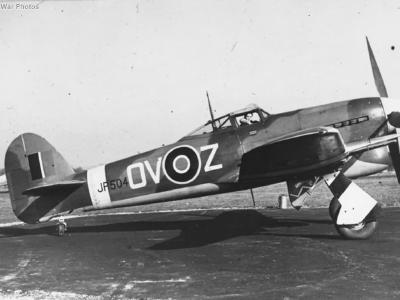
Typhoon JP504 OV-Z of No. 197 Squadron RAF at Tangmere, September 1943. Sqn Ldr Holmes in the cockpit.
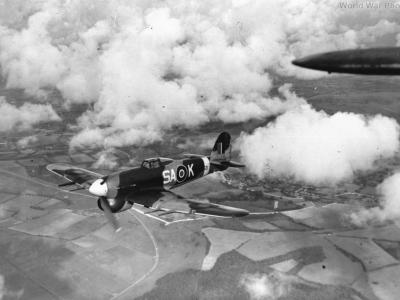
Typhoon JP853 486 Squadron 1943
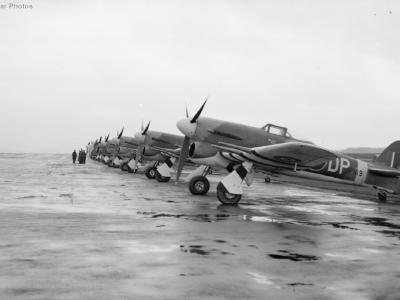
Typhoon JP919 of No. 193 Squadron RAF Harrowbeer 1943
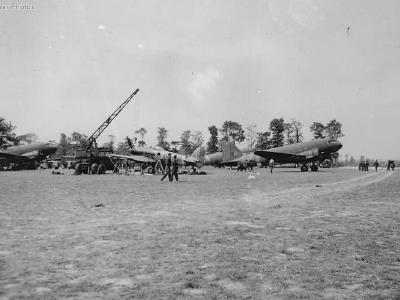
Typhoon Maintenance in the Field
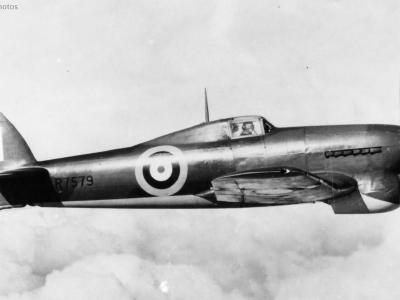
Typhoon Mk IA R7579 in flight 2
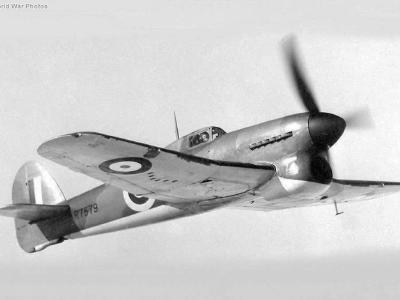
Typhoon Mk IA R7579 with original opaque canopy fairing
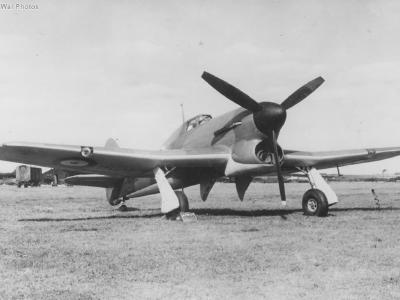
Typhoon Mk IA R7580 at Air Fighting Development Unit
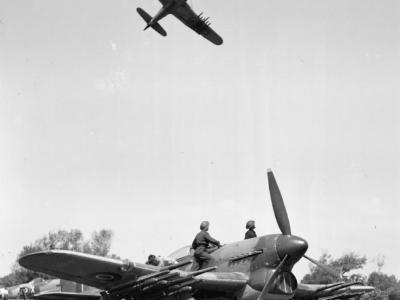
Typhoon Mk IB at Thorney Island 1943
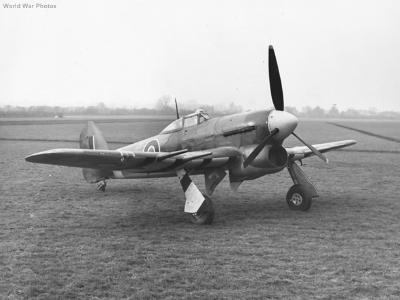
Typhoon Mk IB EK122 at Langley with scheme B canopy, 1942
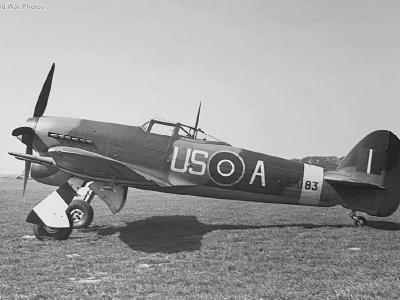
Typhoon Mk Ib EK183, code US-A of 56 Sqn 1943
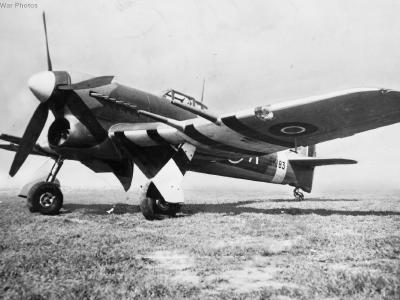
Typhoon Mk Ib EK183, code US-A of 56 Sqn 1943 2

Typhoon Mk Ib EK183, code US-A of 56 Sqn RAF, Matlaske in April 1943
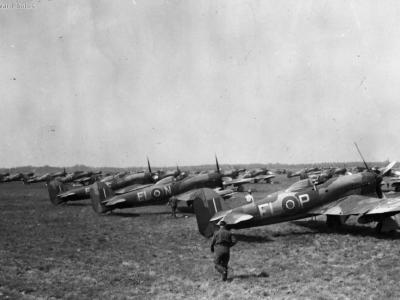
Typhoon Mk IB EL-P No. 181 Squadron RAF at Twente Holland
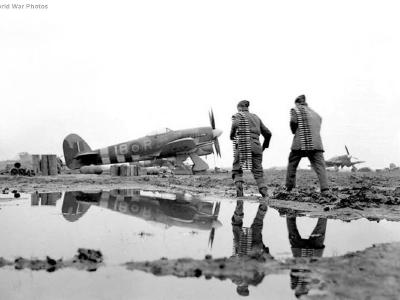
Typhoon Mk IB I8-R of No. 440 Squadron RCAF, 1944
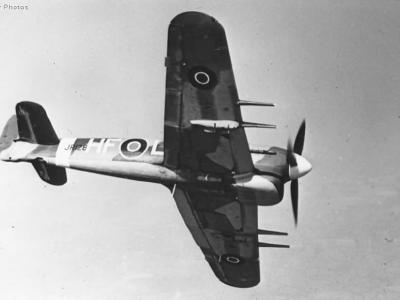
Typhoon Mk IB JR128 HF-L of 183 Sqn RAF

Typhoon Mk IB No. 245 Squadron RAF at Le Fresne Camilly

Typhoon MK Ib R7698 Z-Z flown by W/C D. E. Gilliam . Duxford Wing September 1942

Typhoon Mk IB R8809 trial installation of single-piece sliding hood
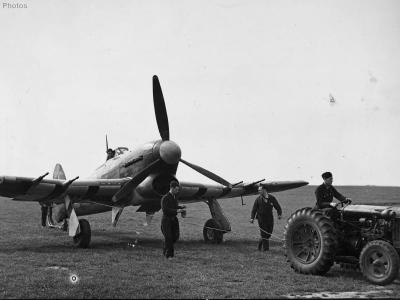
Typhoon Mk IB towed by a tractor 1943
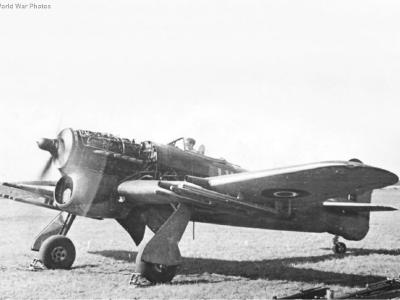
Typhoon Mk IB without the engine cowling
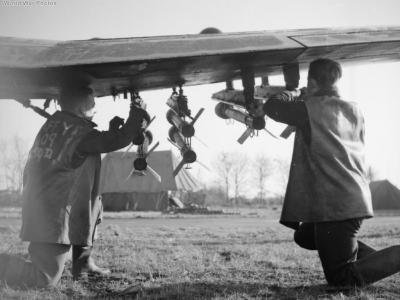
Typhoon MN178 No. 609 Squadron RAF with 12 rockets, Gilze-Rijen
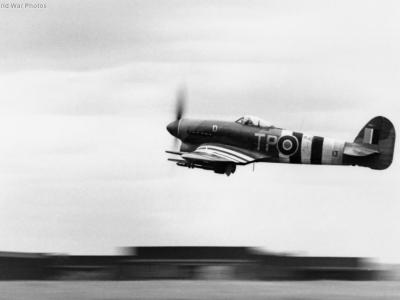
Typhoon MN293 TP-D No. 198 Squadron RAF Thorney Island 1944
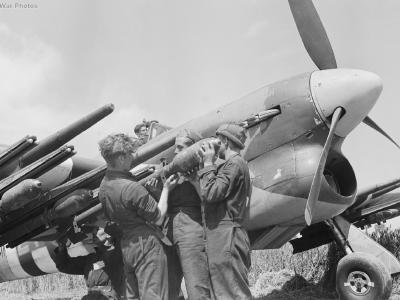
Typhoon MN317 ZY-B "China British" of No. 247 Squadron RAF, Bazenville June 1944
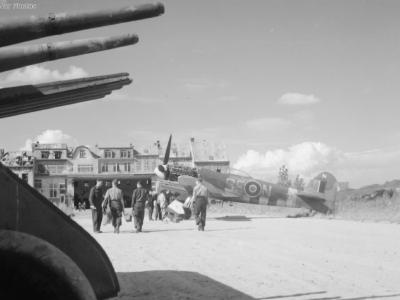
Typhoon MN627 SF-N of No. 137 Squadron RAF Melsbroek, 1944
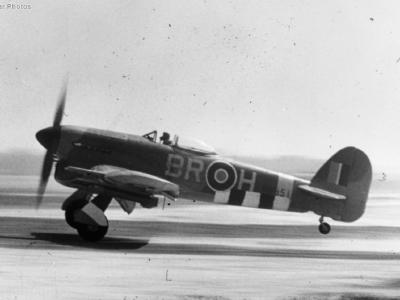
Typhoon MN851 BR-H 184 Squadron RAF take-off at Camilly
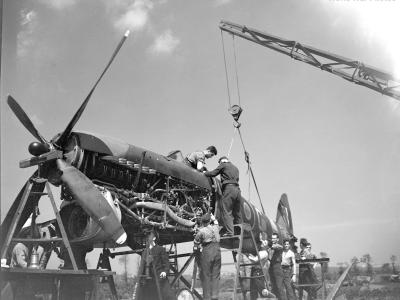
Typhoon MN860 197 Sqn 1944
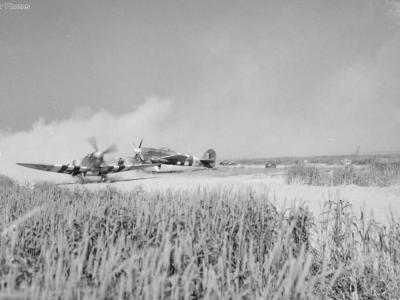
Typhoon of 181 Sqn and Spitfire at Bazenville, Normandy
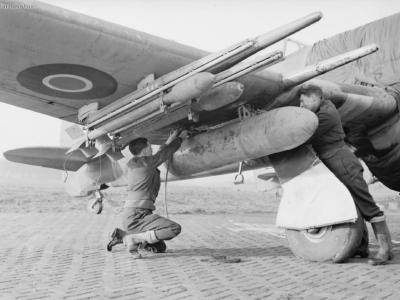
Typhoon of No. 137 Squadron RAF with drop tank at Eindhoven
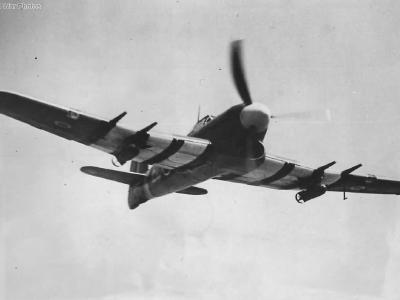
Typhoon of No. 181 RAF Squadron
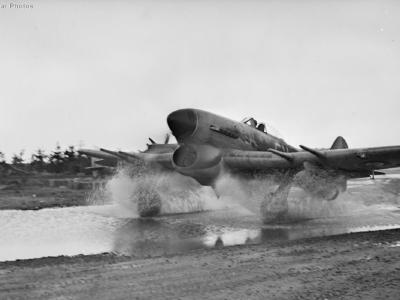
Typhoon of No. 439 Sqn with 1000lb bombs Eindhoven
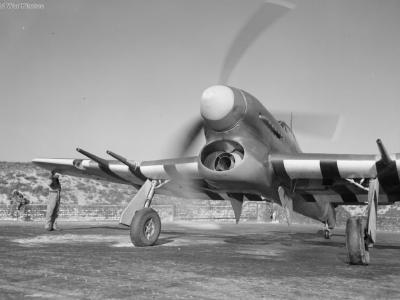
Typhoon of No. 56 Squadron RAF Matlaske
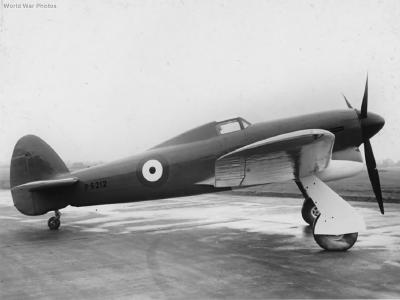
Typhoon P5212
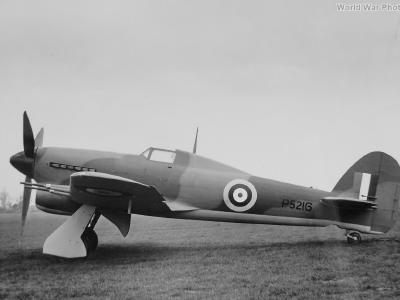
Typhoon P5216
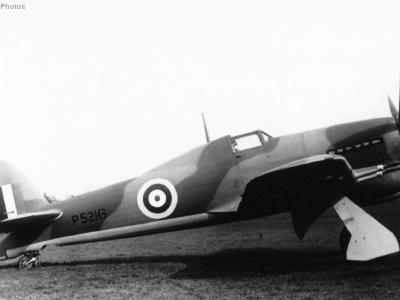
Typhoon P5216 2nd prototype
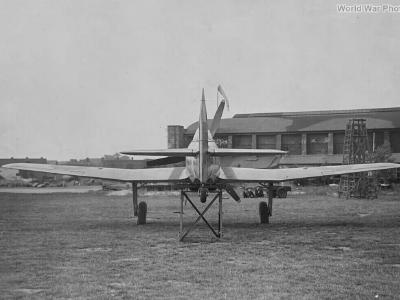
Typhoon R7647 rear view
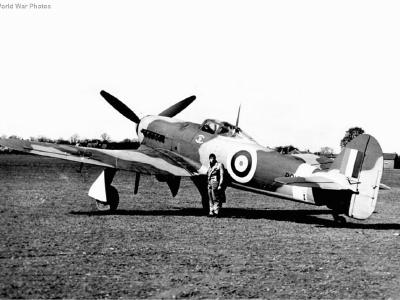
Typhoon R8199
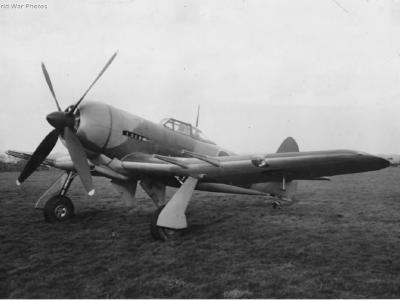
Typhoon R8694 - Napier modified annular radiator with front fan
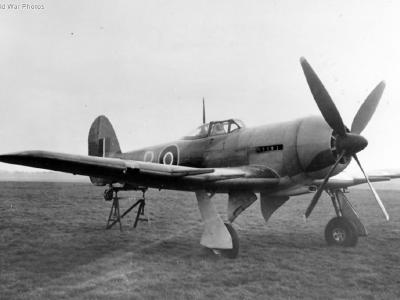
Typhoon R8694 modified by Napier to incorporate annular radiator

Typhoon R8884 HF-L of 183 Sqn RAF, F/Lt Walter Dring
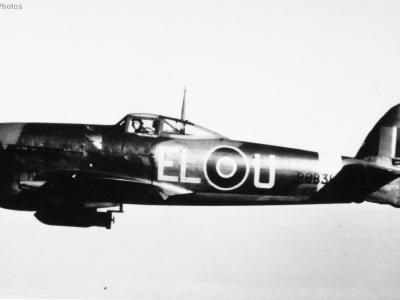
Typhoon R9831 EL-U of No. 181 Squadron RAF in flight
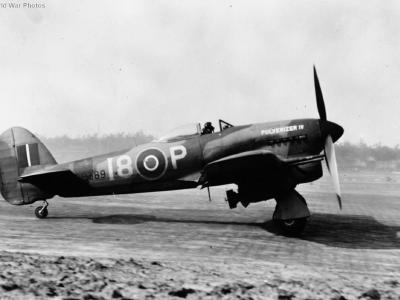
Typhoon RB389 I8-P "Pulverizer IV" of No. 440 Squadron RCAF, Goch Germany
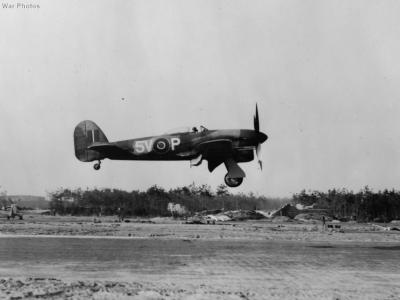
Typhoon RB402 5V-P No. 439 Squadron RCAF, Goch 1945
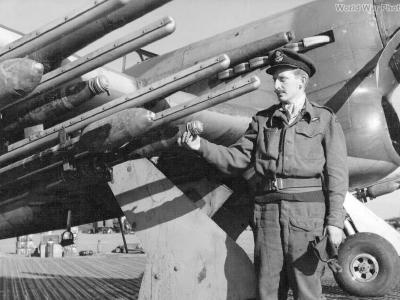
Typhoon rockets
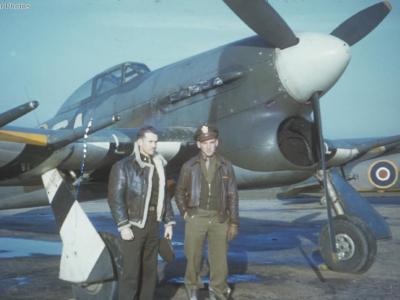
Typhoon SA-L of No. 486 Squadron RNZAF - color photo
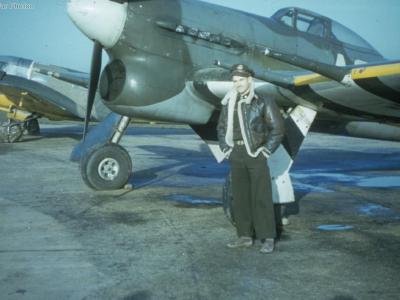
Typhoon SA-L of No. 486 Squadron RNZAF - color photo 2
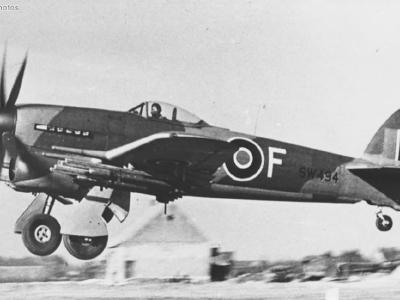
Typhoon SW494 Helmond on 26 March 1945
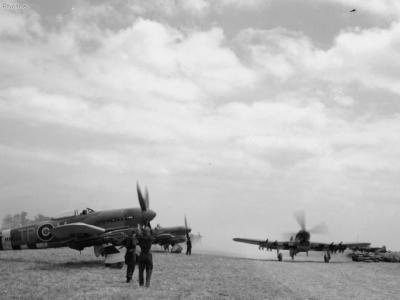
Typhoon TP-V of 198 Sqn at Plumetot
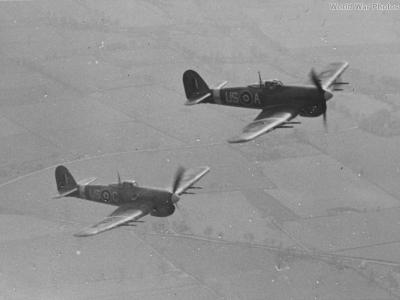
Typhoons 56 Sqn
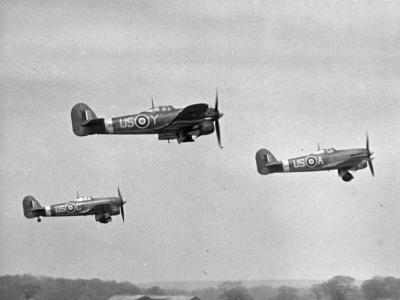
Typhoons 56 Sqn 1943

Typhoons of 164 Sqn take off from Thorney Island 1943

W/C Baldwin, 146 Wing with his Typhoon at Sainte Croix-sur-Mer

W/C Davidson 143 Wing by his Typhoon MN518, code R-D

White-nosed Typhoon IB November 1942
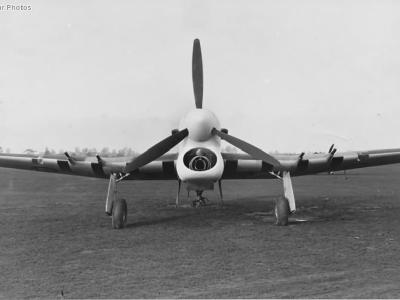
White-nosed Typhoon IB R8224
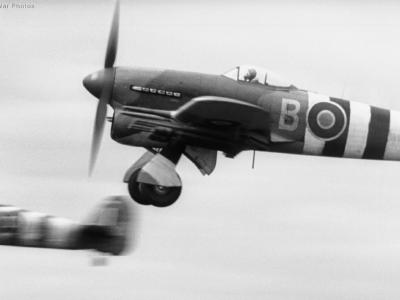
Wing Commander Brooker, 123 Wing in his Typhoon MN570

Wing Commander Crossley Typhoon at Gravesend
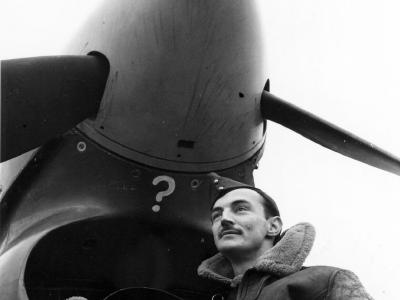
Wing Commander Michael Nicholson Crossley
The Typhoon was a British single-seat fighter-bomber aircraft, produced by Hawker Aviation starting in 1941. Intended as a replacement for the Hawker Hurricane in the interceptor role, it suffered from performance problems, and it instead evolved into one of World War II’s most successful strike fighters.
Even before the new Hurricane was rolling off the production lines in March 1937, Sidney Camm had moved on to designing its future replacement as a private project. This was to be a massive plane designed around the equally massive Napier Sabre engine. The work proved useful when Hawker received specification F.18/37 in January 1938 from the Air Ministry, which asked for a fighter based around either the Napier Sabre or the Rolls-Royce Vulture engine. The engines were similar in that they were both 24 cylinder designs that were designed to deliver over 2,000 hp (1.5 MW), and different primarily in the arrangement of the cylinders - an H-block in the Sabre and an X-block in the Vulture.
The two resulting models became known as the ‘R’ and ‘N’ (based on the engine manufacturer) and were very similar – the Vulture powered R plane had a rounder nose profile and a ventral radiator, whereas the Sabre powered N had a flatter deck and a chin mounted radiator. The basic design of both continued the Hawker tradition of using ‘older’ construction techniques; the front fuselage was welded steel just like the Hurricane, and the design used a massive 40 foot (12 m) wing that was much thicker than those on designs like the Spitfire. Camm did give in to the times for much of the rest of the plane though, it was semi-monocoque from the cockpit rearward, flush riveted, and had wide set gear. The R version first flew in October 1939, and the RAF was so impressed they ordered 1,000 as the Tornado. Various problems, notably compression effects which were previously unknown to Hawker, slowed the acceptance down. In addition the plane had rather disappointing climb performance, which meant it wouldn’t be the Spitfire-replacing interceptor they were looking for. In February 1940 the first N model, now known as the Typhoon, was delivered. The RAF placed a large order for it as well, but moved production to Gloster Aircraft who otherwise had no designs to produce. Like the Tornado, the Typhoon was soon demonstrating its own problems, including vibrations from the engine causing the wing skinning to peel.
Eventually the RAF cancelled all work on both models in May 1940 so that Hawker could concentrate solely on the Hurricane during the Battle of Britain. This was the design’s first brush with death. Some small scale work continued, changes to streamline the fuselage and supply a much thinner wing were looked at, as well as alternate engines in the form of large radials. In October pressure on the RAF eased and work was allowed to continue on the two original designs. The first full production version Tornado was delivered in early 1941 and demonstrated the then unheard of speed of 425mph fully armed. This was also the last Tornado. While production lines were being drawn up, the Vulture project was suddenly terminated by Rolls-Royce and the Tornado was left without an engine.
Luckily, the Typhoon had ‘good enough’ performance to warrant production. The first production Mk.IA was delivered in May 1941 with twelve Browning .303 guns, but this was followed quickly with the Mk.IB with four Hispano 20mm cannons. By this time the Spitfire V’s were meeting Focke-Wulf Fw 190’s in combat and getting rather beat up, so the Typhoon was rushed into squadron service to counter the new German plane. Sadly this proved to be a disaster. An apparent structural weakness in the tail meant that it tended to break off when pulling out of dives, the Fw’s favourite escape. Once again there was talk of killing the design. The cause of these tail-failures (in which only one of the pilots survived to give any clue to the reason) was found to be fatigue failure of the elevator mass-balance, allowing elevator-flutter to occur which was at it’s greatest when pulling-out of a dive. As a “temporary” measure, rectangular strengthening “fishplates” were riveted around the fuselage/empennage joint - the site of the failures. These fishplates remained a feature on all subsequent Typhoons.
It wasn’t until 1943 that the various problems with the airframe and engine had finally started to be worked out of the system. But by this time the need for a pure fighter was no longer important and the design found itself being converted into a fighter-bomber – much like the Hurricane had before it. The powerful engine allowed the plane to carry a massive load of up to two 1,000 lb (450 kg) bombs, with which the aircraft were nick-named “Bombphoon’s”, although it would become much more famous with four 60 lb (27 kg) rockets under each wing - the so-called “Rocketphoon’s”.
The Mk.IB, now widely known as the Tiffy, distinguished itself particularly in the Battle of Normandy. In one famous case Tiffies of the 2nd TAF decimated a large concentration of armor ahead of Avranches, disposing of no fewer than 137 tanks, and opening the way for the liberation of France and Belgium. For use in the tactical reconnaissance role, the Typhoon FR.IB was developed early in 1945. In this version the two inboard cannon were removed and three F.24 cameras were carried in their place. One Typhoon was also converted as a prototype night fighter, with A.I. (Airborne Interception - ie., radar) equipment, special night-flying cockpit and other modifications. Production of the Typhoon, entirely by Gloster, was 3,330 machines. Hawker developed an improved version of the Typhoon, the Typhoon II but the differences between it and the Mark I were so great that it was later re-named Tempest.
Type
Single-seat fighter and fighter-bomber aircraft.Wings
- Type: Low-wing cantilever monoplane with a straight taper to semi-circular tips.
- Attachment: Attached to the center fuselage by four pins (two per spar), without a center-section.
- Structure:
- Two-spar all-metal construction with six main ribs and several light ribs.
- Inner spars feature extruded section booms with N-girder webs; outer spars have extruded T-section booms with single plate webs.
- D-section member in the gun bay provides torsion resistance and stiffness.
- Stressed-skin construction outboard of the gun bay, reinforced by stringers.
- Control Surfaces: Frise ailerons and metal-covered split flaps, which are mechanically interconnected.
Fuselage
- Forward and Center Sections:
- Rigidly-braced rectangular structure made of steel tubes, assembled with flat plate fittings and machined stampings, covered with detachable metal panels.
- Rear Fuselage:
- Monocoque structure with stressed skin, flush-riveted to oval-shaped formers and straight longitudinal stringers.
- The tail unit is a separate integral unit with an integral fin, attached by a circumferential riveted joint and longitudinal finger plates.
- Quick-detach connection between the front and rear sections.
Tail Unit
- Type: Cantilever monoplane type.
- Structure: All-metal with metal stressed-skin covering the fin and tailplane; metal-covered elevators and fabric-covered rudder. Adjustable trimming-tabs are present.
Landing Gear
- Type: Retractable with Vickers oleo-pneumatic shock absorber legs and Dunlop wheels and brakes.
- Tail Wheel: Dowty oleo-pneumatic unit.
- Operation: Main wheels retract inward into wells in the wing's underside; tail-wheel retracts forward into the fuselage. Wheel wells are sealed by doors when retracted.
Power Plant
- Engine: One 2,200 h.p. Napier Sabre IIA, a twenty-four-cylinder H-type liquid-cooled sleeve-valve engine.
- Mounting: Engine mounted on the front wing spar and supported by a braced tube structure.
- Cooling: Low-velocity duct under the engine houses radiator and oil cooler.
- Propeller: Three or four-bladed de Havilland constant-speed airscrew.
- Fuel Tanks: Four self-sealing tanks in the wings, with additional auxiliary tanks optional under wings. Oil tank located aft of the fireproof bulkhead in the fuselage.
Accommodation
- Cockpit: Enclosed, located over the wing's trailing edge.
- Protection: Bulletproof windscreen, armor forward and aft of the pilot.
- Canopy: Single-piece "blister" type sliding hood.
- Equipment: Adjustable seat, rudder-bar, full electrical equipment, oxygen, radio, etc.
Armament
- Options:
- Mk. IA: Twelve 0.303 in. Browning machine-guns.
- Mk. IB: Four 20 mm cannons, all wing-mounted and firing outside the propeller arc.
- Ordnance: One 1,000 lb. or 500 lb. bomb under each wing, or eight rocket projectiles (four under each wing).
Dimensions
- Span: 41 ft. 7 in. (12.67 m)
- Length: 31 ft. 11 in. (9.73 m)
- Height: 15 ft. 3.5 in. (4.66 m)
- Wing Area: 279 sq. ft. (25.92 sq. m)
Weight
- Loaded Weight (Fighter version): 11,500 lbs. (5,220 kg)
Performance
- Maximum Speed: Exceeds 400 mph (640 km/h) in level flight.