
Singapore
Click the thumbnails to enlarge them
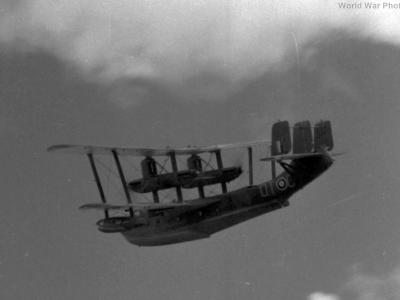
Singapore 5 Squadron 1942
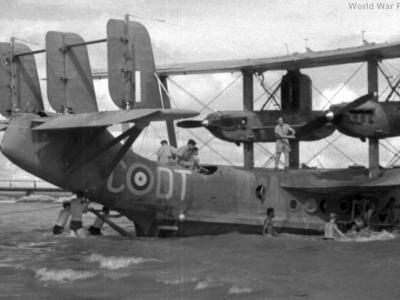
Singapore 5 Squadron Fiji 1942
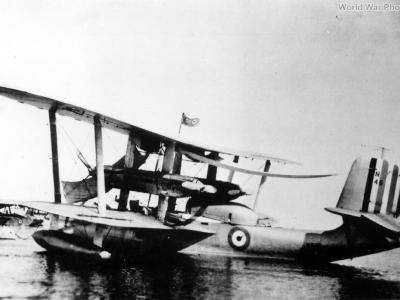
Singapore II N246
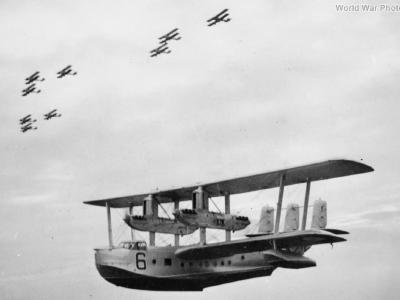
Singapore III 205 Sqn
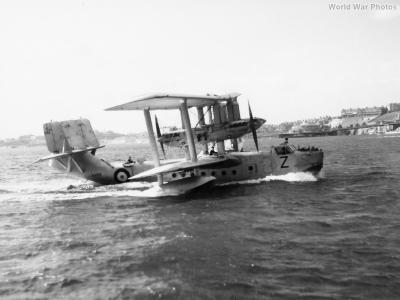
Singapore III 209 Squadron
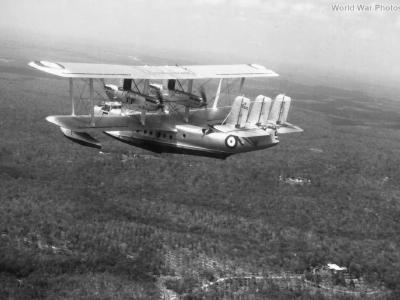
Singapore III 230 Squadron RAF
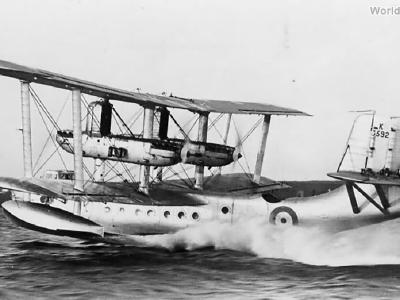
Singapore III K3592
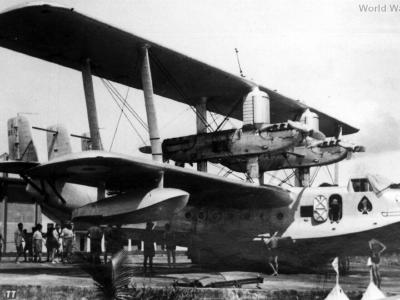
Singapore III K3593
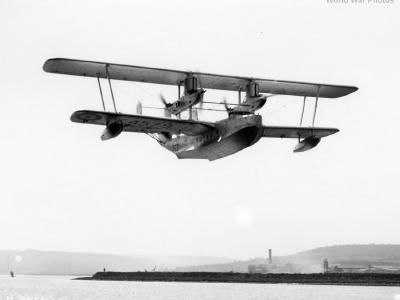
Singapore III K4579

Singapore III K8856 Plymouth May 1937
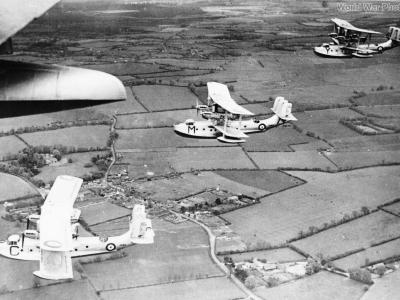
Singapore III over the Suffolk coast
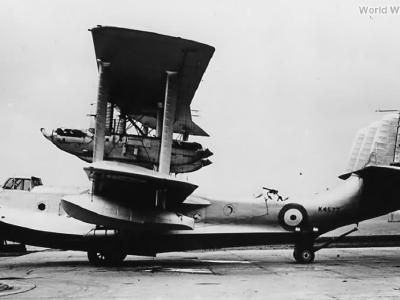
Singapore K4577 Felixstowe
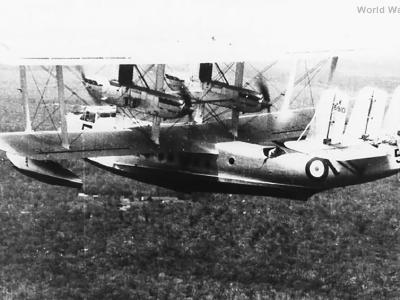
Singapore K6910 in flight
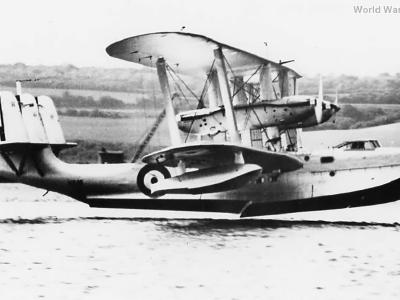
Singapore Mk II N246
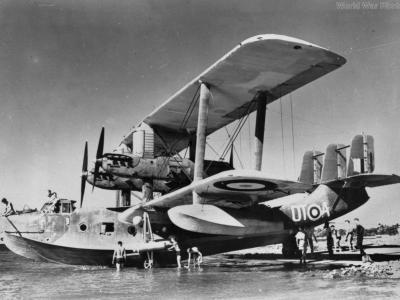
Singapore Mk III 5 Squadron RNZAF Fiji 1942
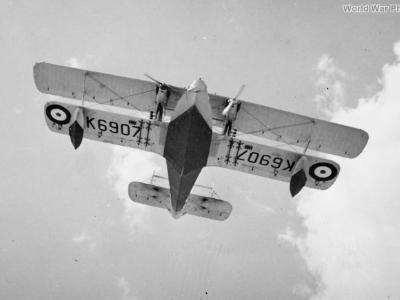
Singapore Mk III K6907
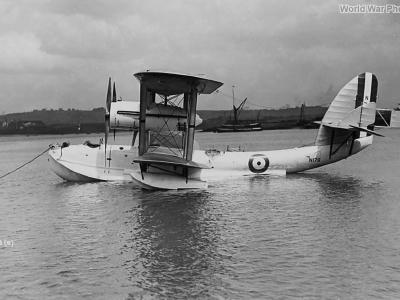
Singapore Prototype N179 Rochester
In 1926, RAF placed an order at Short Brothers for a new type of long-range reconnaissance flying boat for operational reconnaissance in support of naval forces. The result was a prototype of a twin-engine flying boat of mixed construction. The aircraft was designated Singapore I, and was equipped with two Rolls-Royce H10 inline engines, each producing 800 hp, driving two tractor propellers. The aircraft was tested a number of times and met RAF requirements, but it was found that the power output of the engine combination was too low. Consequently, a second prototype was built in 1930, designated Singapore II, which was fitted with two additional engines, located in tandem and driving the pusher propellers. Based on this aircraft, another prototype designated Singapore III was developed under specification R.3/33 and was flown on 15 June 1934. This version entered series production, which lasted until 1937. A total of 37 series Short Singapore aircraft and three prototypes were built. The five production batches were K3592-K3595, K4577-K4585, K6907-K6922, K8565-K8568 and K8856-K8859. Their production was stopped when a new Short Sunderland seaplane with better parameters was built. Singapores first entered service with No 210 Squadron at Pembroke Dock, replacing Southamptons in November 1934. The first Singapores sent overseas went to No 205 Squadron at Singapore in April 1935. In September 1937 Singapores of Nos 209 and 210 Squadrons were sent to Malta and Algeria to institute the special antipiracy patrols as protection for British shipping during the Spanish Civil War. Temporarily based at Azeu, they returned to England again in December 1937. 19 Mk Ills, by then in full camouflage warpaint, remained in service at the outbreak of war in 1939. Those in the UK (8) were assembled at the Flying Boat Training School at Calshot, the remainder being overseas at Aden and Singapore. No 205 Squadron, based at Singapore, retained four Singapores on its strength until as late as October 1941, when it handed them over to the RNZAF.