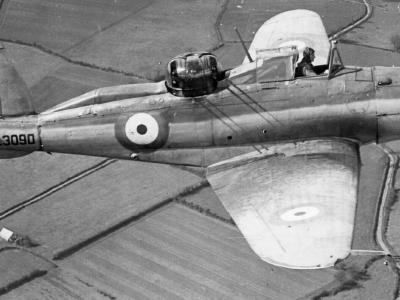
Roc
Click the thumbnails to enlarge them
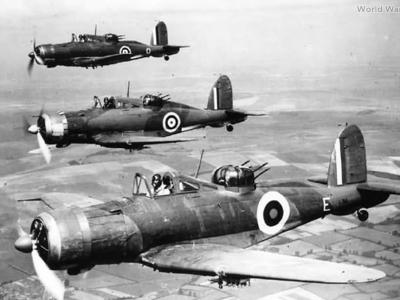
Blackburn Roc L3114 from RNAS Donibristle inNovember 1939

Blackburn Roc Prototype L3057
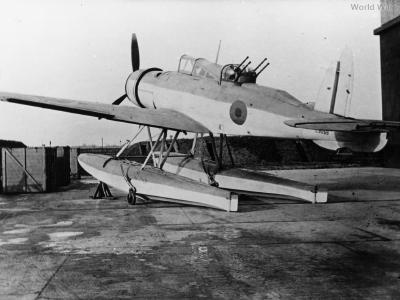
Roc Floatplane L3059 1939
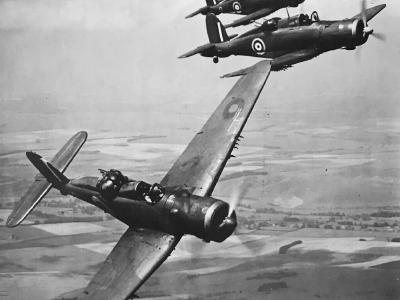
Roc formation
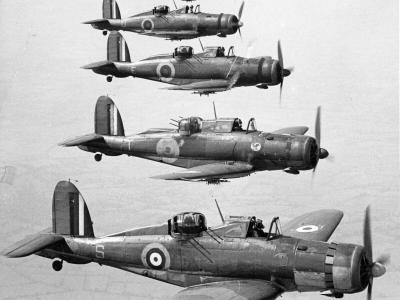
Roc formation
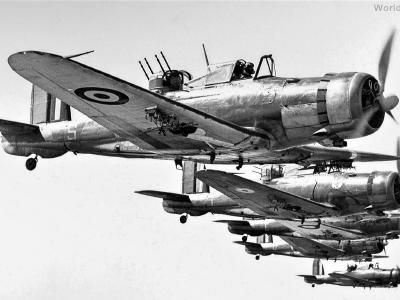
Roc in flight
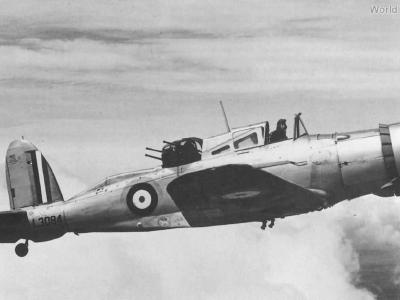
Roc L3084
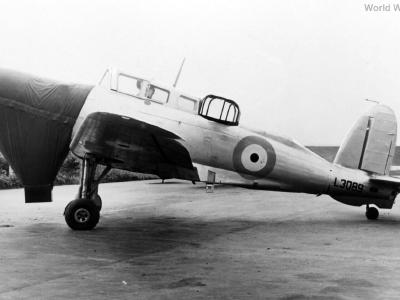
Roc L3089 with special light-weight cupola for camera operator
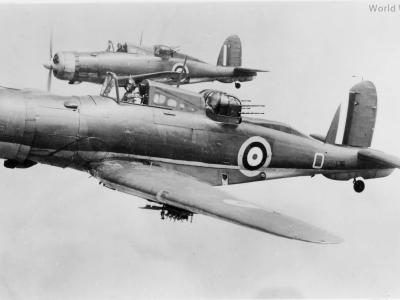
Roc L3118, August 1940
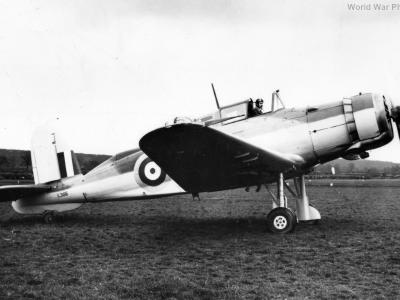
Roc L3186 trainer
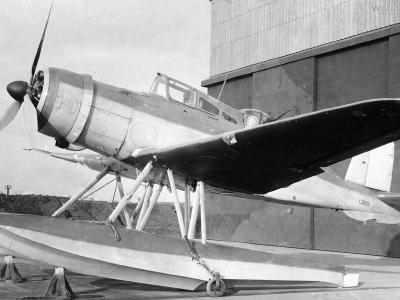
Roc seaplane L3059 Helensburgh 1939
In April 1937, the Air Ministry issued requirements O.15/37, under which the Blackburn works was to develop a fighter version to serve as an escort. The aircraft was to be fitted with a Boulton Paul Mk II turret armed with four Browning machine guns. The aircraft was not to have a wing armament. This was not a new idea. Two years earlier, the Boulton Paul Defiant had been developed for the RAF with identical armament. The Air Ministry, not waiting for the results of the trials, ordered 136 aircraft of this type. To fulfil the Admiralty’s order, Blackburn signed a contract with Boulton Paul to jointly build a prototype. The Blackburn Roc prototype was flown at Boulton Paul on 23.12.1938. In March 1939, three of the aircraft were delivered to the Air and Arm Experimental Station at Martlesham Heath. Skua and Roc did not differ much from each other externally, except for the turret. The serial production was finished in August 1940, after the building of 136 machines.
Almost at the same time with the airplane version of the fighter Roc, the Ministry of Aviation ordered the development of the float variant. Initially, conversion to the Blackburn “Skua” float variant was considered. Requirements 20/37 stipulated that the serial “Roc” be fitted with two floats and adapted for operations from shore waters. The conversion was contracted to Blackburn Works, who fitted three airframes with floats from Blackburn Shark aircraft. The total plan was to convert 18 aircraft to the floatplane variant and equip the FAA’s 805 Squadron with them. The unit is supposed to have been sent to Norway. However, extended trials and the rapid collapse of Norway derailed these plans. Further development of the floatplane version was discontinued. The significant reduction of the maximum speed by 48 km/h and the problems with the horizontal stability had a great influence on the abandonment of further works.