Hudson rear gunner
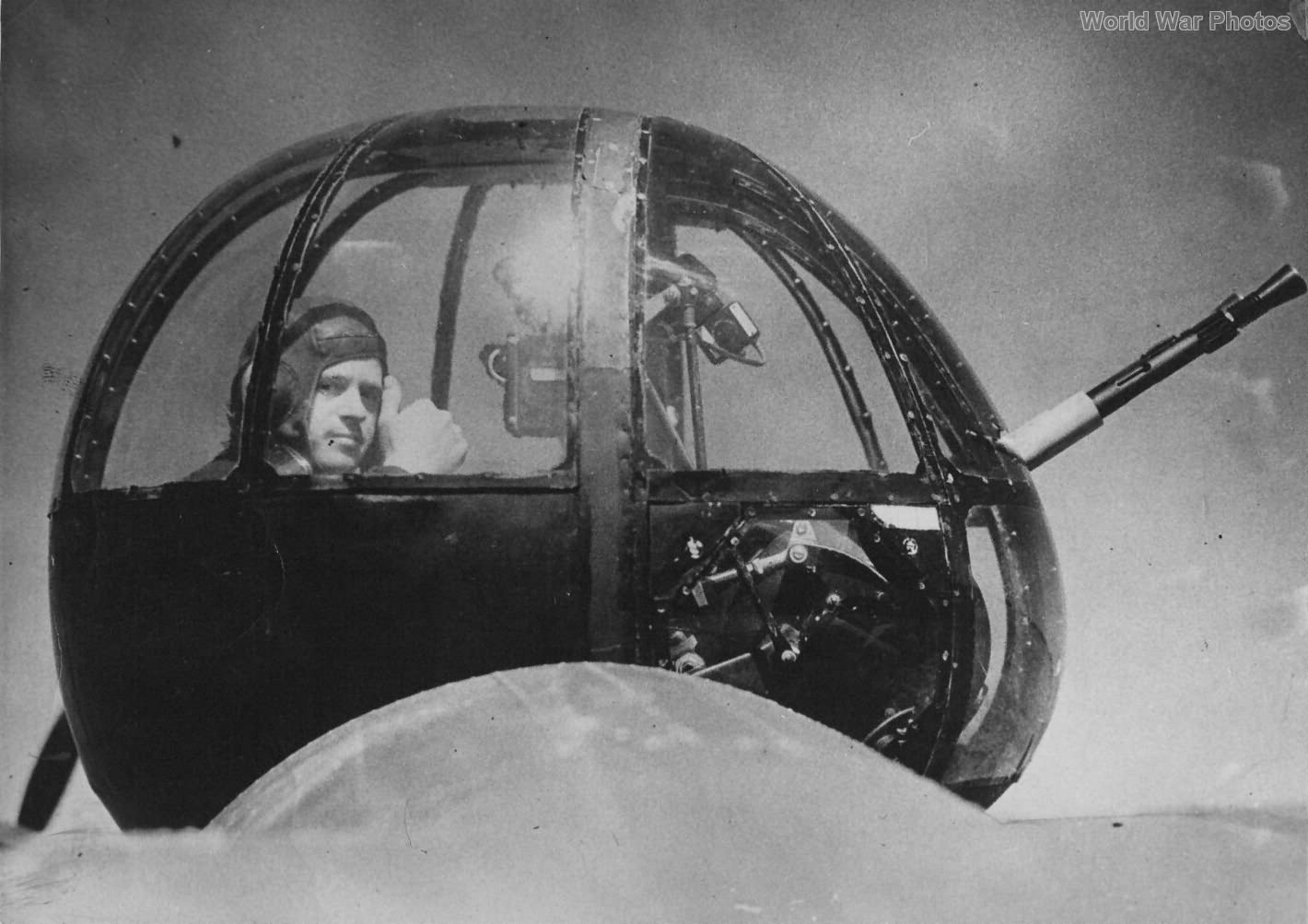
Hudson Rear Gunner
The rear turret of the Lockheed Hudson, specifically the Boulton & Paul dorsal turret, was a critical military modification that transformed the civilian airliner into a capable combat aircraft.
Design and Armament
The turret was a British-designed and produced power-operated unit, which was considered technologically advanced at the time. Its standard armament consisted of two belt-fed .303 Browning machine-guns. Later American variants used different configurations:
- The US Navy’s PBO-1 utilized the Boulton Paul turret but with American .30-caliber Brownings.
- The USAAF AT-18 trainer was equipped with a Martin electrically-operated turret housing two 0.50-inch Brownings.
Operational Challenges for the Gunner
Operating the turret was a physically demanding and lonely task. The gunner was positioned in "uncomfortable isolation" from the rest of the crew, who were grouped together in the forward section of the aircraft.
- Entry: To reach the turret, a crew member had to enter through the main door and step over the chemical toilet (the Elsan).
- Cramped Space: The turret was so small that an average-sized man found it nearly impossible to sit in while wearing a full Irvin jacket, Mae West lifejacket, and parachute harness.
- Hazards: There was a known risk that the gunner's movement or lowering the turret "table" could accidentally activate the aircraft's CO2 bottle, inflating their lifejacket and making it difficult to exit the turret in an emergency.
Fire Control and Arc of Fire
A sophisticated feature of the turret was the gun interrupter gear. This mechanism automatically cut off the fire as the guns swung toward the Hudson’s own twin rudders and tailplane, preventing the gunner from accidentally shooting off the aircraft's tail.
Despite being limited by the tail assembly, the turret provided a wide arc of fire. In aerial combat, gunners were known to fire over the wings and propellers during tight maneuvers to fend off attackers, such as the German Me 110 or Fw 200. To address the "blind spot" directly beneath the aircraft, later marks (starting with the Hudson Mk III) introduced a retractable ventral gun position.