Harrow
Click the thumbnails to enlarge them
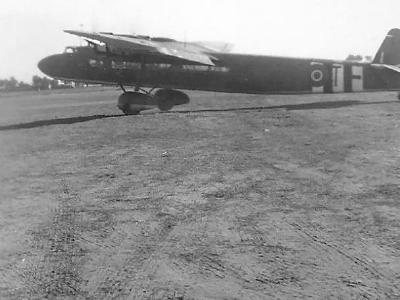
Harrow 271 Sqn with D-Day stripes
Harrow ambulance K6984 271 Sqn
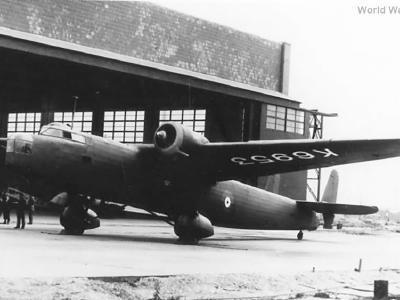
Harrow II K6953 75 Sqn RAF
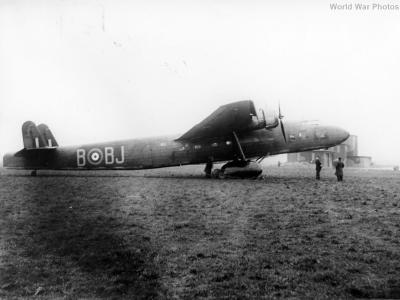
Harrow II K7011 271 Sqn 1942
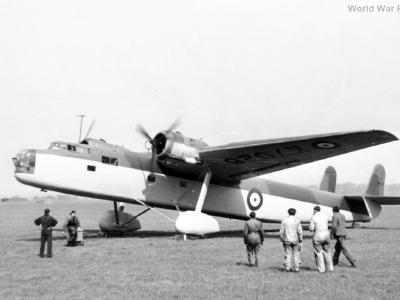
Harrow II K7026
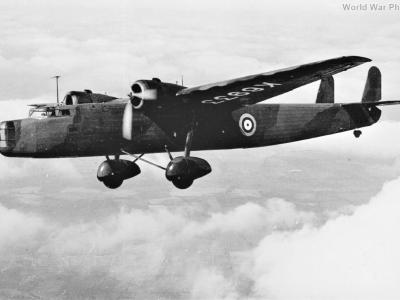
Harrow K6933
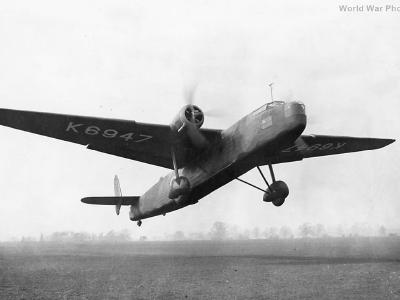
Harrow K6947 Radlett March 1937
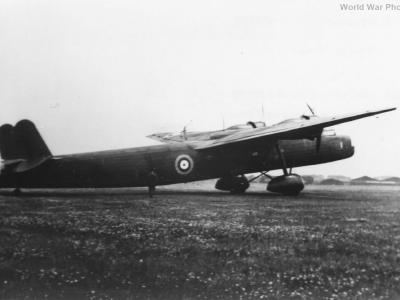
Harrow K6959 FJ-B Biggin Hill
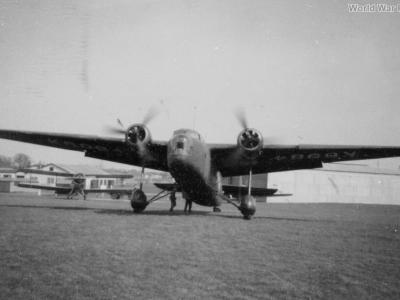
Harrow K6984 214 Sqn Feltwell February 1938
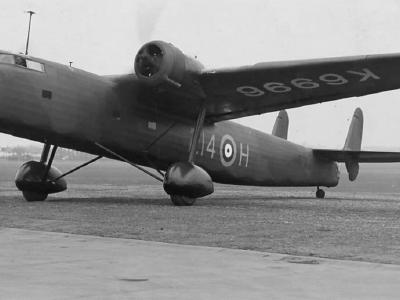
Harrow K6996 214 Sqn Feltwell 1937
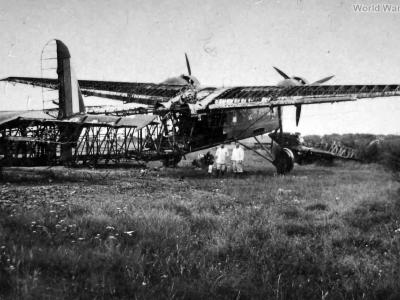
Harrow K6996 France
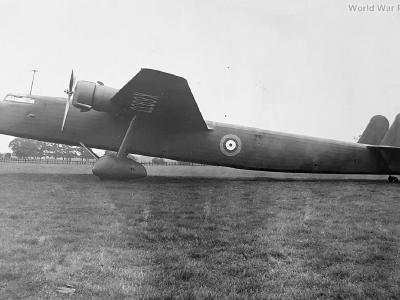
Harrow Mk I K6933
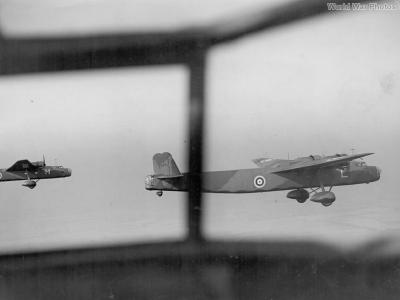
Harrow Mk II in flight
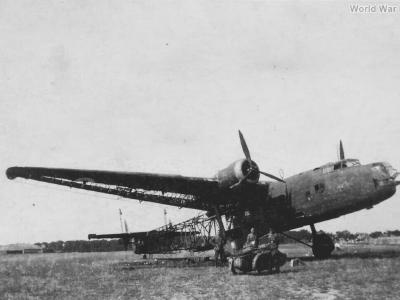
Harrow wreck
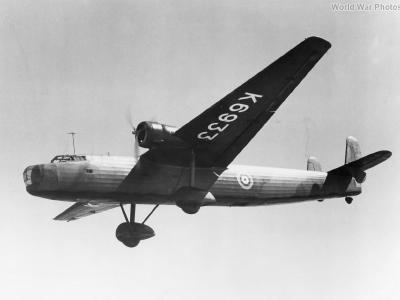
Prototype K6933 in Flight
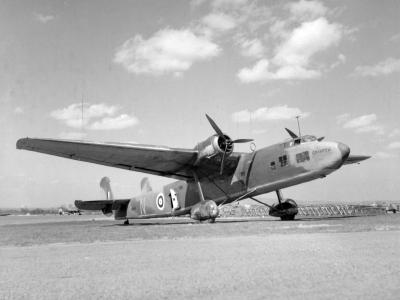
Sparrow transport of No.271 Squadron in 1940
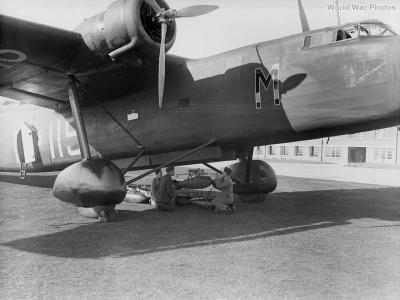
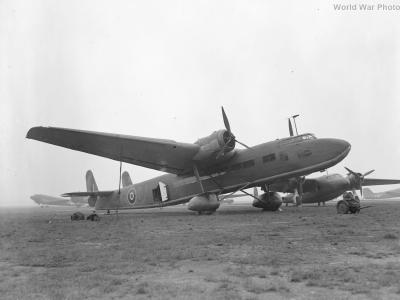
The H.P.54 was a direct derivative of the single H.P.51 high-wing bomber transport, itself a monoplane conversion of the H.P.43 three-engine biplane. Both monoplane designs were developed by Dr. G.V. Lachmann. Handley Page initially intended the HP51 to meet the demand offered by the Air Ministry specification C.26/31 for a transport bomber, then considered the HP54 a better candidate. In the end, neither was a candidate for the C.26/31, as in June 1935, the Air Ministry, anxious to expand and modernize the RAF issued the B.29/35 specification around the Harrow, supporting its bomber role while retaining its transport capability. On August 14, months before the Harrow’s maiden flight, the Ministry placed an order for 100 aircraft. Powered by 830 hp (620 kW) Bristol Pegasus X engines, the Harrow made its first flight on October 10, 1936 at Radlett. The Harrow was designed with turrets on the nose and tail, plus a manually operated dorsal turret. The nose and tail turrets were armed with a single Lewis gun, while the tail turret had two. (These weapons were later replaced by Vickers K machine guns. A cargo of bombs up to 3000 pounds (1400 kg) could be carried under the cabin floor, the aircraft being able to carry a single 2000 pound (910 kg) bomb. Deliveries to No.214 Squadron at RAF Scampton in Lincolnshire began on January 13, 1937, and production ended in December that year! During the course of 1937, the Harrows equipped Nos.214 and 37 Squadrons at Feltwell, Norfolk (214 moving there in April); 115 Squadron at Marham, Norfolk; and 75 and 215 Squadrons at Driffield in the East Riding of Yorkshire. The Harrow was phased out as a frontline bomber by the end of 1939, but continued in service as a transport. The Harrow’s second career as a transport began in 1940 in North Africa, Britain and West Europe and from September 1944 as ambulances in Europe. Often called the ‘Sparrow’ in the transport role and despite being slow, noisy, draughty and uncomfortable, it was extensively used on long range operations between Britain and Gibraltar. Harrows also performed some conventional minelaying sorties as well as the extraordinary Operation Mutton flights in which long aerial mines (LAM “Pandora”) were towed into the path of enemy bombers at night, guided by controllers on the ground. Remarkably, this tactic claimed six German bombers in 1941. By the end of 1944 only 12 Harrows remained serviceable of which seven were destroyed on Brussels-Evere airfield on New Year’s Day 1945 during Bodenplatte operation by JG 26 and JG 54 fighters. The remaining five Harrows were struck off RAF charge in May 1945.