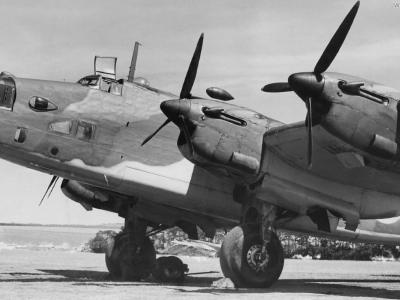
Halifax
Click the thumbnails to enlarge them
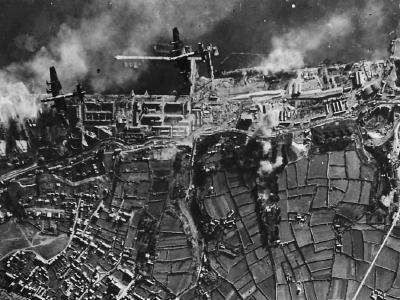
35 Squadron Halifax bombers over Brest 18 December 1941

4 Group bomb dump with incendiary containers, Winter 1944-1945
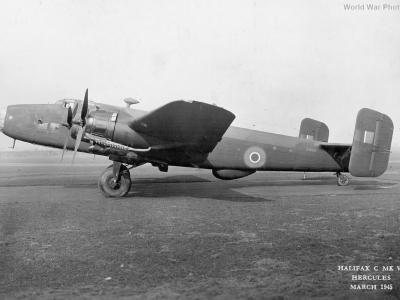
Bomber converted into military transport aircraft

bombs being prepared for loading into a Halifax
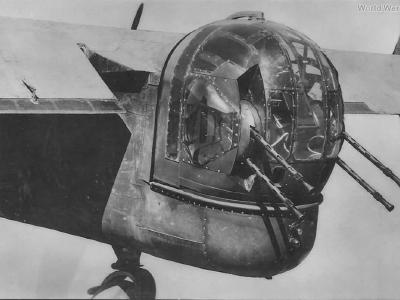
Boulton Paul Type E tailgun turret with four .303 (7.62 mm) machine guns
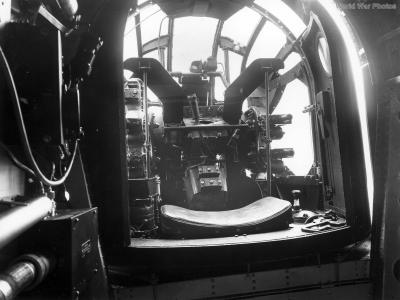
Boulton-Paul Type E rear turret
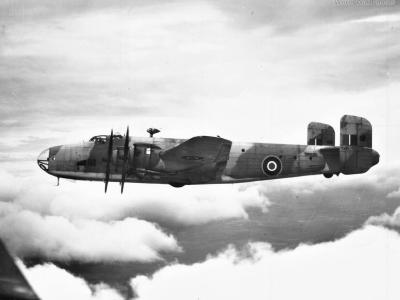
Cargo and passenger transport aircraft

Crashed Halifax K of No. 462 Squadron RAAF El Daba

Crew loading bombs onto Halifax of No. 76 Squadron RAF 1941

Damaged Halifax HR948 of 51 Squadron RAF after attack on Berlin 23-24 Aug 1943
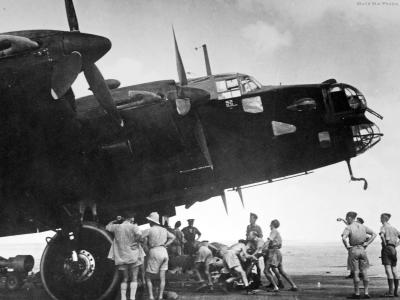
Early Halifax II North Africa
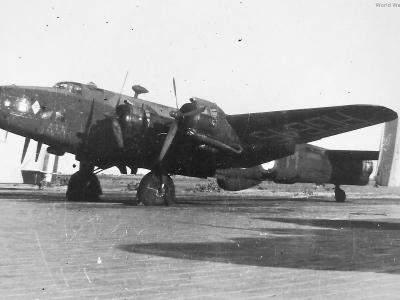
French Halifax B Mk VI RG645
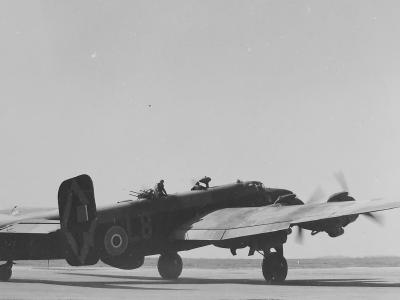
French Halifax VI L8-N of No. 347 Squadron RAF
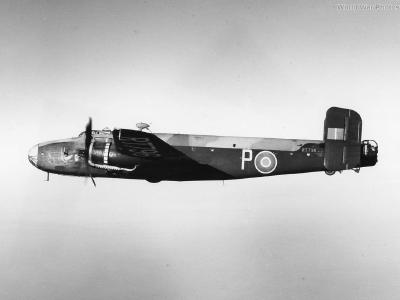
Glider tug Halifax A.IX RT796
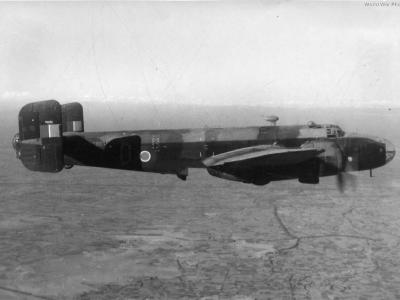
Glider tug Halifax VII PN292 of No. 298 Squadron RAF
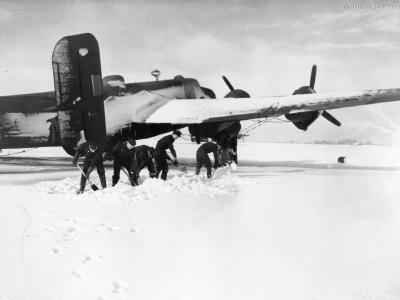
Halifax 1944 2
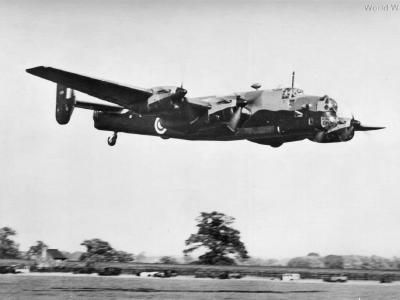
Halifax 2
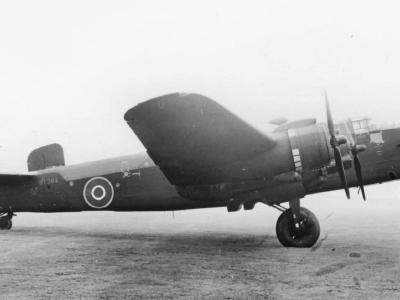
Halifax A IX RT764
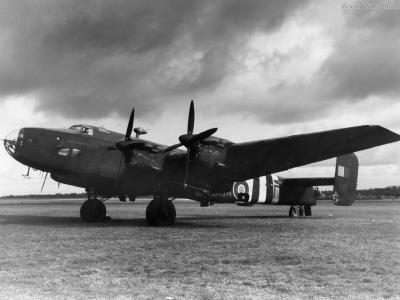
Halifax A.V LL312 9U-T with D-Day stripes at Tarrant Rushton 1944
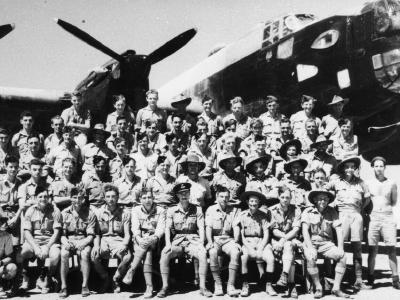
Halifax and crews of of No. 462 Squadron RAAF Middle East, August 1943
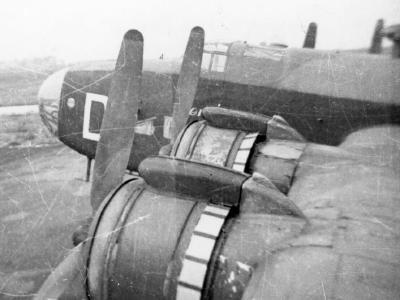
Halifax at Evere Belgium
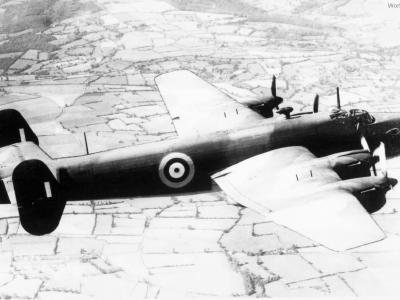
Halifax B I bomber in flight
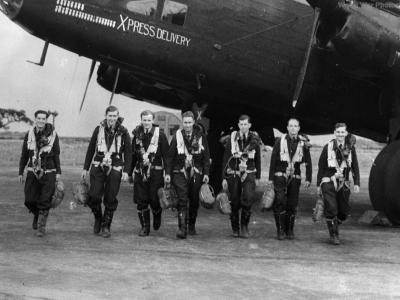
Halifax B II "Xpress Delivery" of No. 158 Squadron RAF
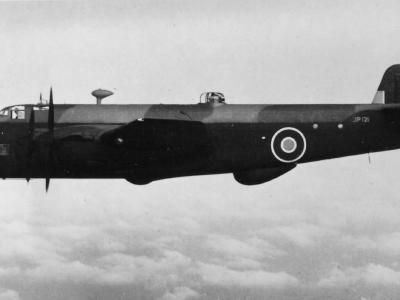
Halifax B II srs 1a JP121 with H2S radar
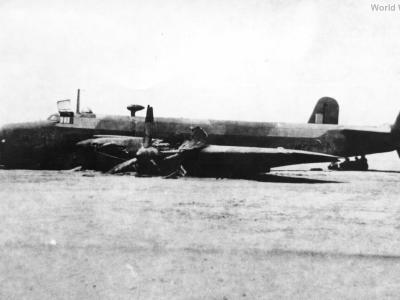
Halifax B II Srs1 Special
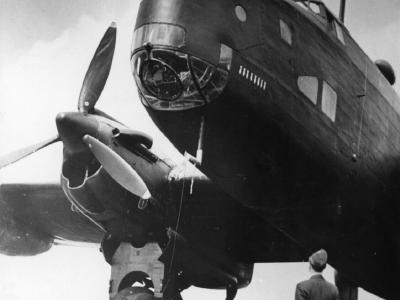
Halifax B II Srs1 Special DT792 of No. 10 Squadron RAF

Halifax B Mk II Series 1A LW263 EY-E of No. 78 Squadron RAF in flight
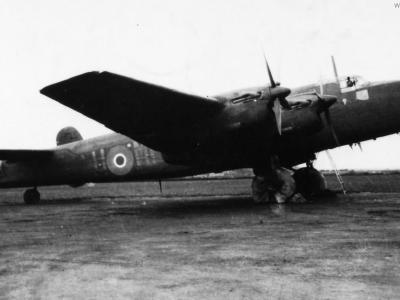
Halifax B Mk II Series I Special
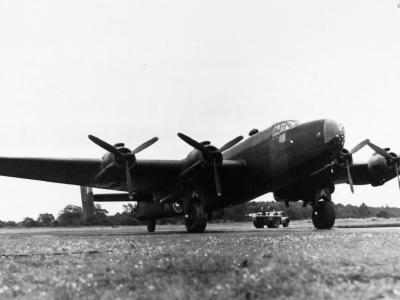
Halifax B Mk III
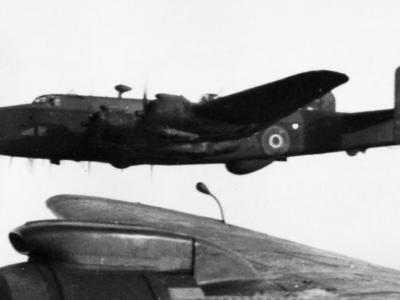
Halifax B VI in flight
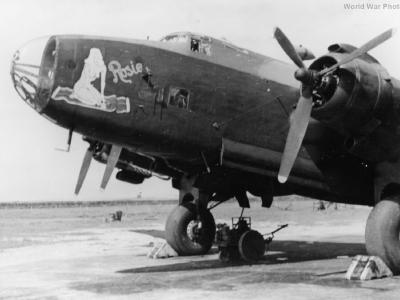
Halifax B VI of No. 466 Squadron RAF 1945
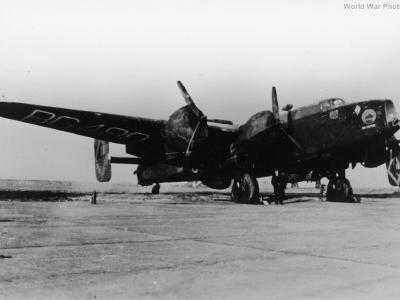
Halifax B VI RG490 of No. 347 "Tunisie" Squadron
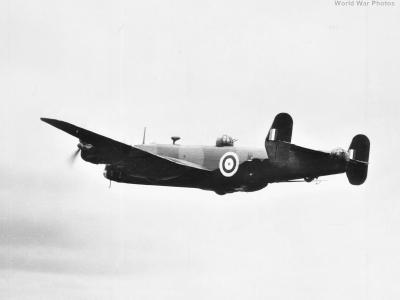
Halifax B.II Series IA
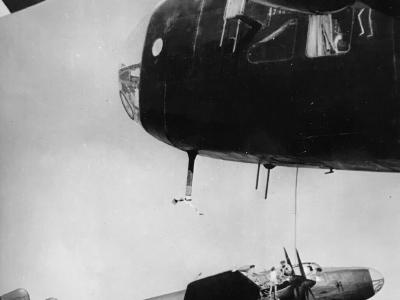
Halifax B.V JP246 FS-B of No. 148 (Special Duties) Squadron RAF, July 1944
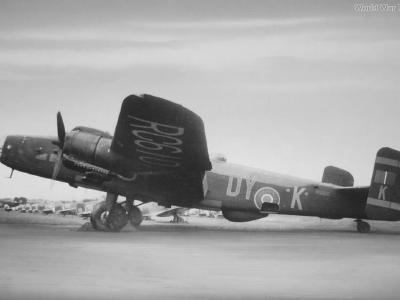
Halifax B.VI RG610 DY-K of No. 102 Squadron RAF
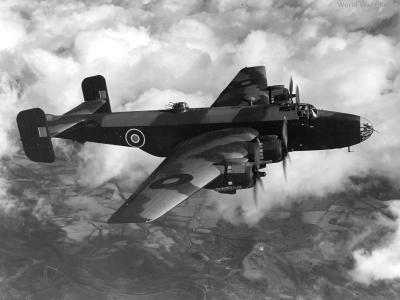
Halifax B.VII LV857
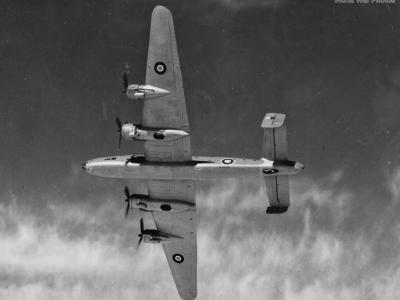
Halifax C.VIII PP310
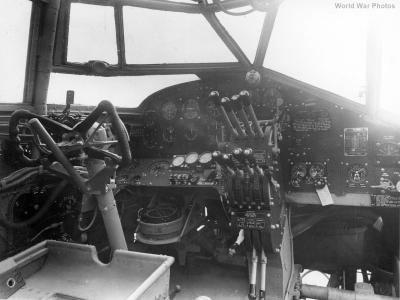
Halifax cockpit with control column and instrument panel
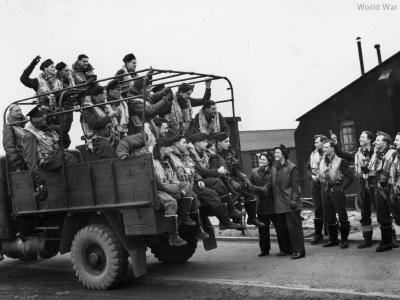
Halifax crews of 77 Squadron Elvington 1943
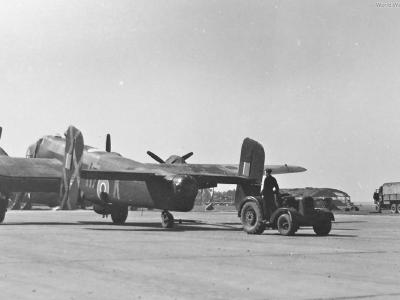
Halifax H7-K of No. 346 (French) Squadron RAF

Halifax HR837 NP-F hit by 1000 lb bomb, 29 June 1943
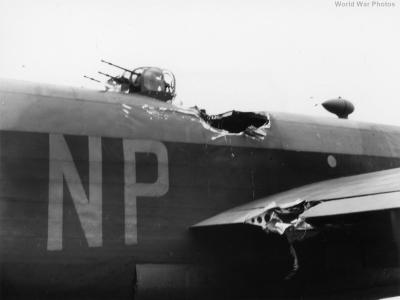
Halifax HR837 NP-F of No. 158 Squadron hit by 1000 lb bomb, 29 June 1943

Halifax HR837 NP-F of No. 158 Squadron RAF hit by 1000 lb bomb, 29 June 1943
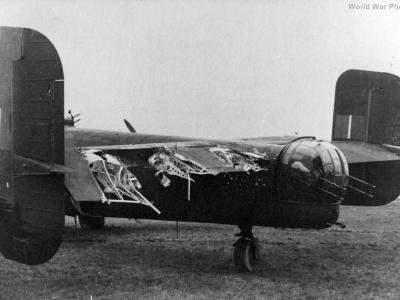
Halifax HR868 MH-B of No. 51 Squadron RAF damaged 20-21 December 1944 over Frankfurt
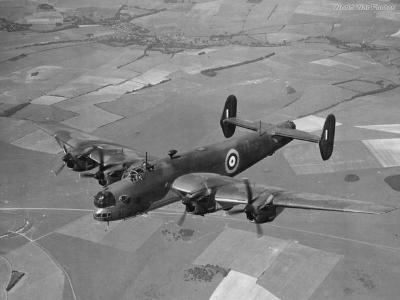
Halifax I L7245
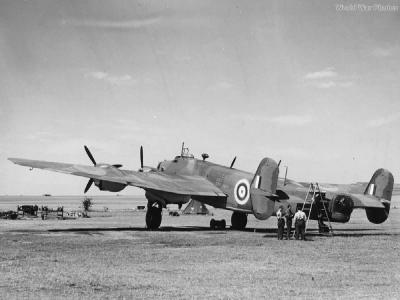
Halifax I L7245
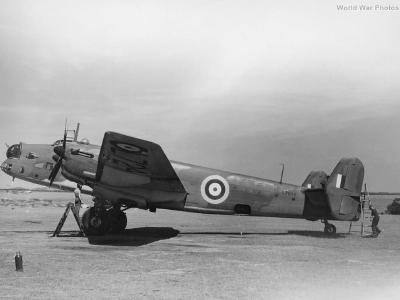
Halifax I L7245 in day bomber camouflage with yellow undersides

Halifax IA of No. 1577 Heavy Bomber (Special Duties) Flight RAF at Dhamial Rawalpindi 1945
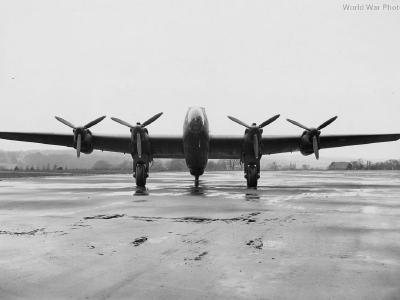
Halifax II 1944

Halifax II DK168 MP-H of No. 76 Squadron RAF 22 October 1943
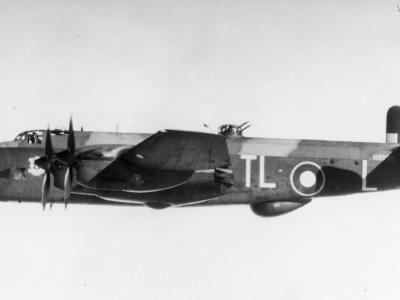
Halifax II HR926 TL-L of No. 35 Squadron RAF
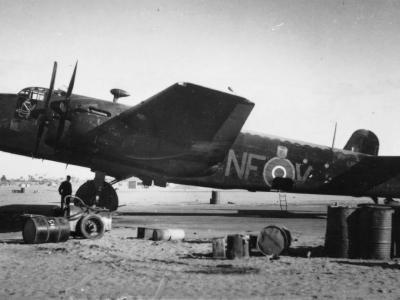
Halifax II L9613 NF-V of No. 138 Squadron RAF (Special Duties) Egypt 1942
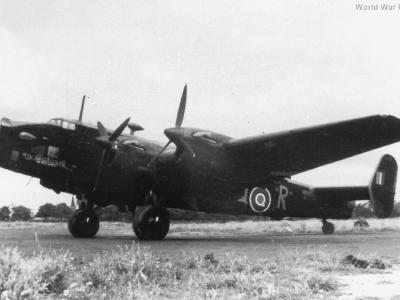
Halifax II LQ-R of No. 405 Squadron RCAF
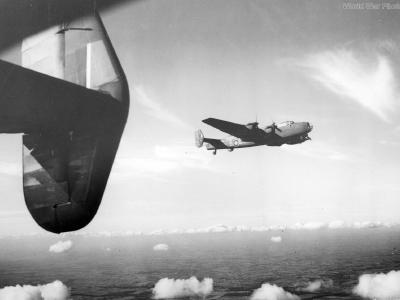
Halifax II October 1944
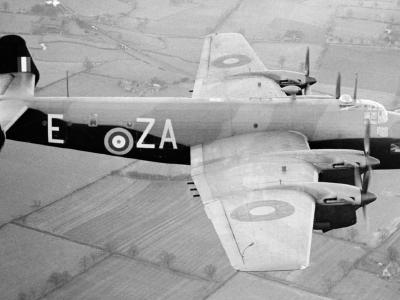
Halifax II Series 1 L9619 ZA-E of No. 10 Squadron RAF 1941
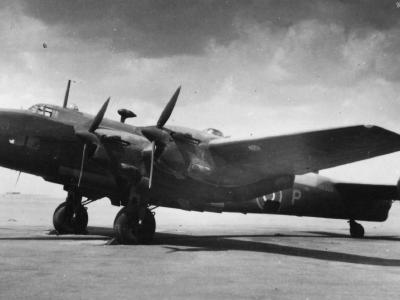
Halifax II series 1 Special BB325
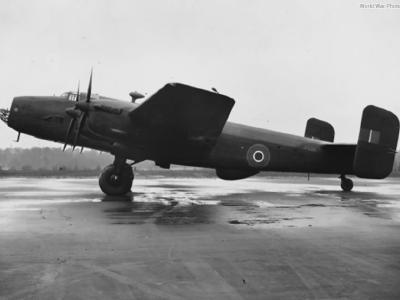
Halifax II Series IA JP228 with H2S radar
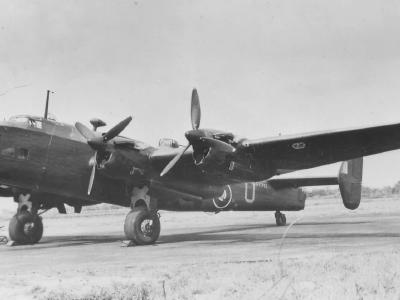
Halifax II Special DT792
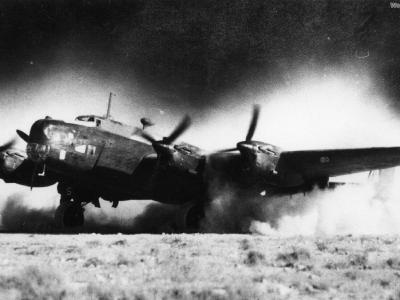
Halifax II Srs 1 Special W1169 S of No. 462 Squadron RAAF

Halifax II Srs I Special "Maid of the Mountains" 1944
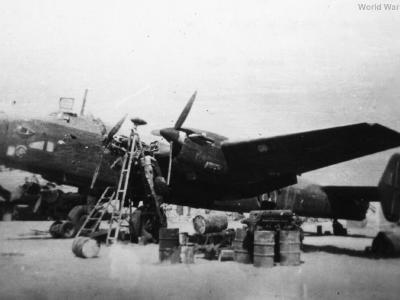
Halifax II Srs I W7871 at Luqa Malta 1943
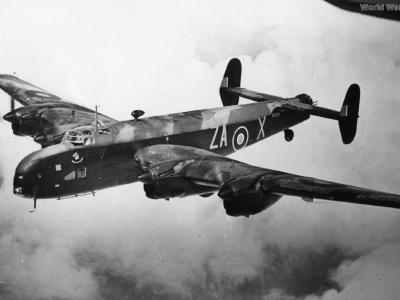
Halifax II Srs1 Special BB324 ZA-X of of No. 77 Squadron RAF
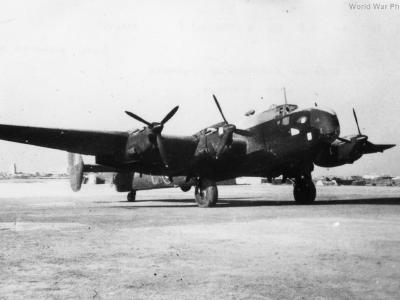
Halifax II Srs1 Special Malta
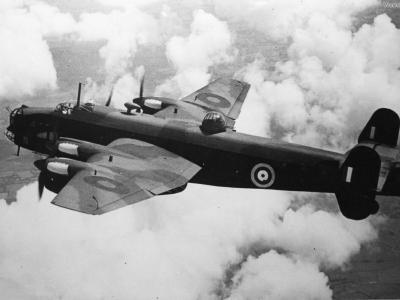
Halifax II Srs1 W7773 in flight
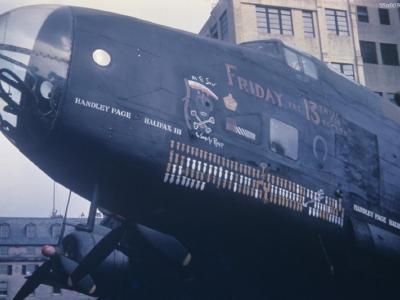
Halifax III LV907 NP-F "Friday the 13th" of No. 158 Squadron RAF London 1945
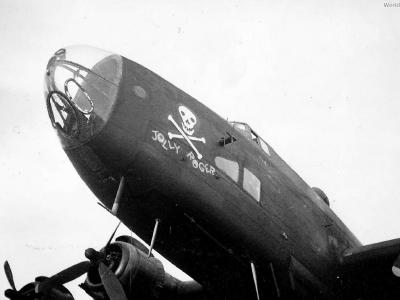
Halifax III named Joly Roger
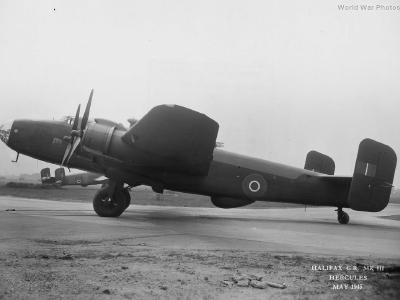
Halifax III NR187 May 1945

Halifax III QB-O MZ986 named Oscar of No. 424 Squadron RCAF at Skipton on Swale
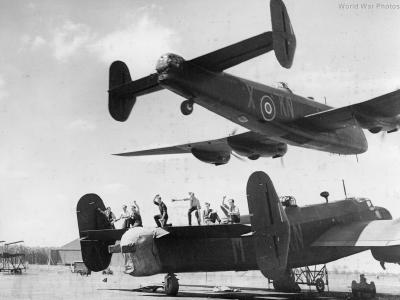
Halifax JB911 KN-X and KN-M of No. 77 Squadron RAF July 1943
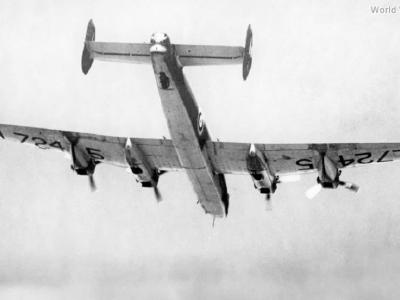
Halifax L7245
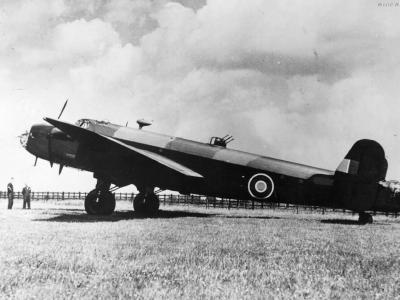
Halifax left side
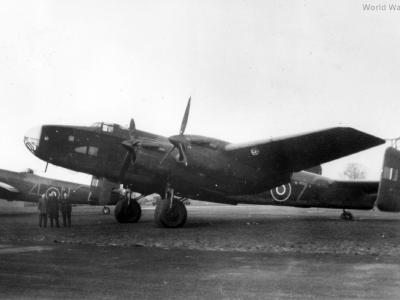
Halifax LK735 ZL-Z and EB248 ZL-U of No. 427 Squadron RAF
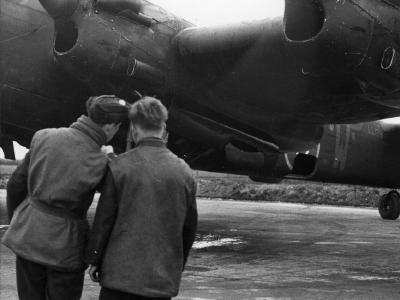
Halifax LL126 KN-W of No. 77 Squadron RAF March 1944
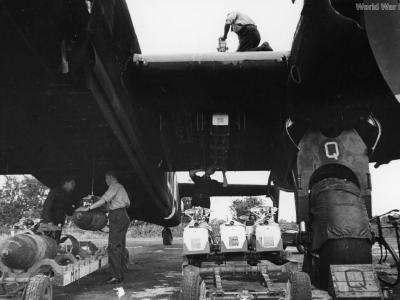
Halifax LQ-Q of 405 Squadron RCAF bombing up with 1000 pounders
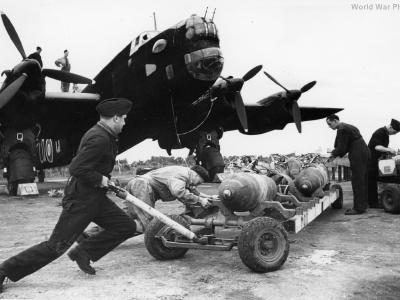
Halifax LQ-Q of No. 405 Squadron RCAF bombing up with 1000 pounders, August 1942
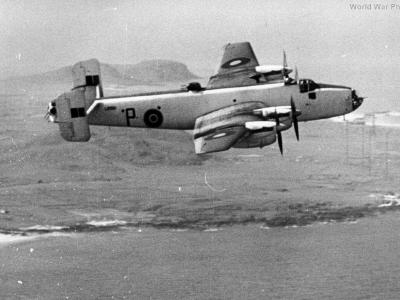
Halifax Met Mk V LK966 of No. 518 Squadron RAF over Tiree
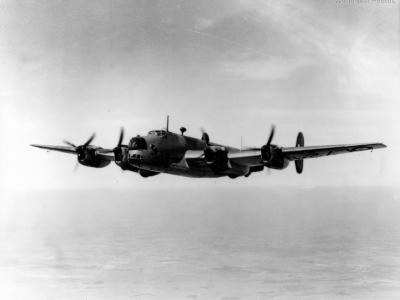
Halifax Mk I L7245

Halifax Mk I L7245 second prototype

Halifax Mk I Series 1 L9530 MP-L of No. 76 Squadron RAF

Halifax Mk I Series 1 L9530 MP-L of No. 76 Squadron RAF 2
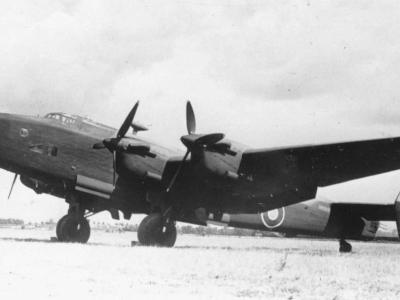
Halifax Mk II HR918
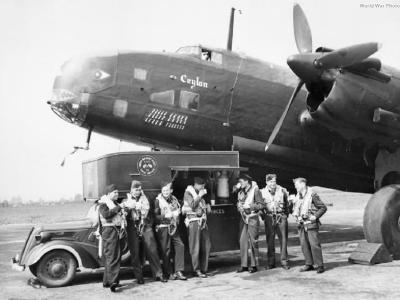
Halifax Mk II Special named Ceylon
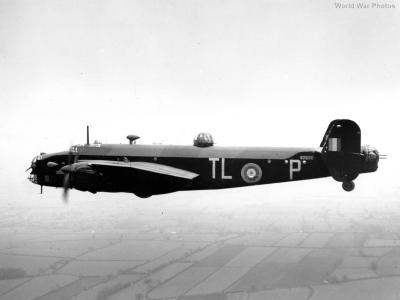
Halifax Mk II Srs I W7676 TL-P of No. 35 Squadron RAF
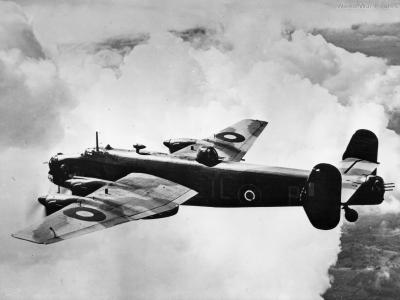
Halifax Mk II Srs I W7676 TL-P of No. 35 Squadron RAF
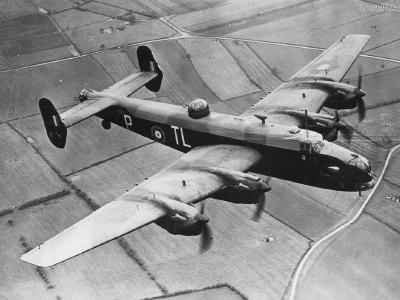
Halifax Mk II Srs I W7676 TL-P of No. 35 Squadron RAF
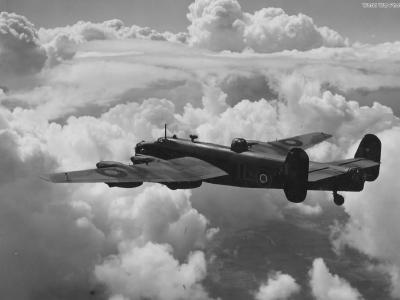
Halifax Mk II Srs I W7676 TL-P of No. 35 Squadron RAF in flight
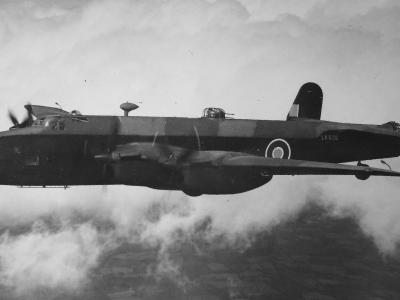
Halifax Mk V sr 1a LK630 in flight
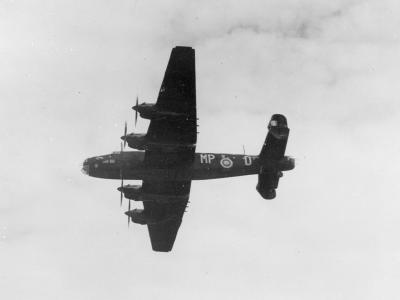
Halifax MP-D of No. 76 Squadron RAF
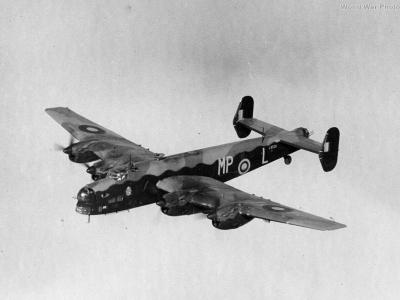
Halifax MP-L of No. 76 Squadron RAF
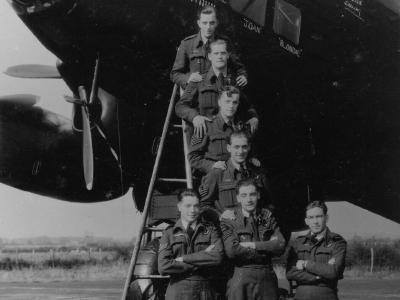
Halifax named OttAzzEll
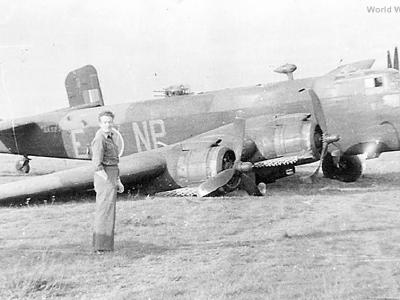
Halifax NP-E of No. 158 Squadron RAF

Halifax of No. 76 Squadron RAF with Bristol B12 Mk 1 turret
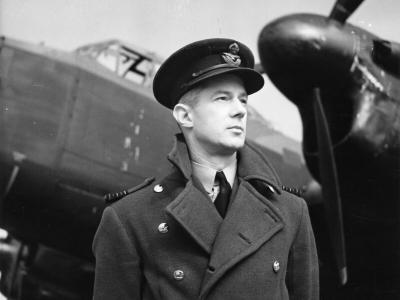
Halifax pilot Group Captain L.C. Slee DSO DFC, 49 Sqyadron
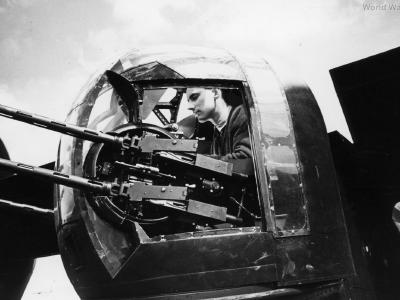
Halifax rear turret

Halifax RG414 of No. 518 Squadron RAF at Tiree May 1945
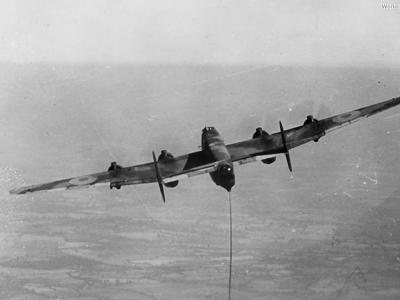
Halifax towing Horsa glider
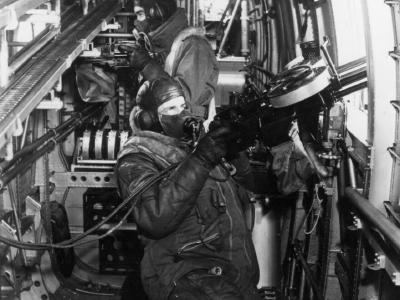
Halifax twin waist position
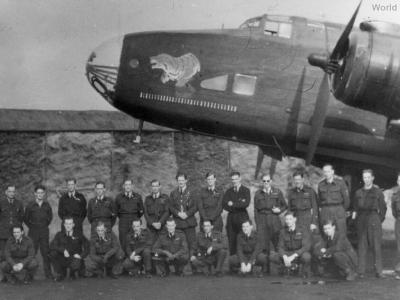
Halifax VI C Flight 51 Squadron RAF at Snaith 1944
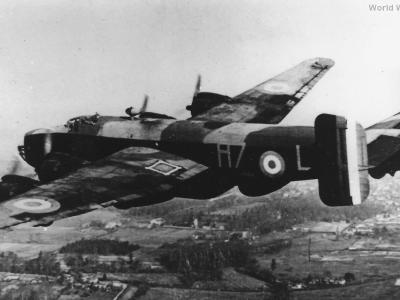
Halifax VI H7-L of No. 346 "Guyenne" Squadron
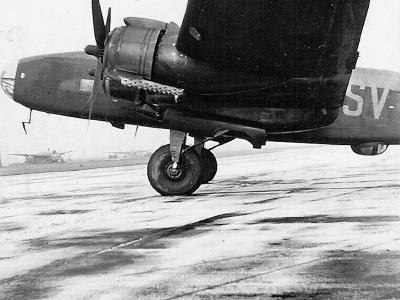
Halifax VI of 1663 Heavy Conversion Unit
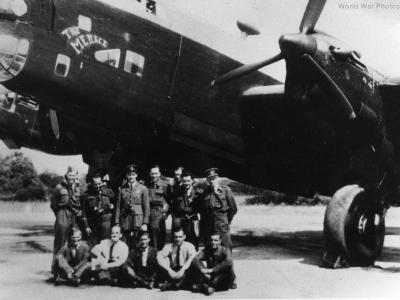
Halifax W1108 NP-E of No. 158 Squadron RAF at East Moor July 42

Halifax W7710 LQ-R of No. 405 Squadron RCAF
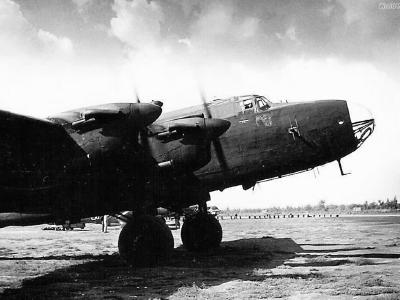
Halifax warming up engines 1944
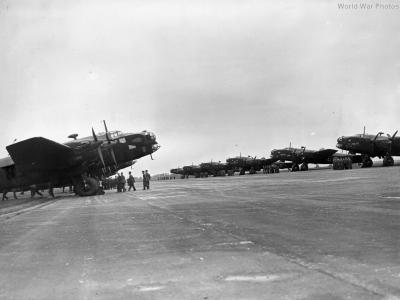
Halifaxes of No. 35 Squadron PFF at Graveley October 1942
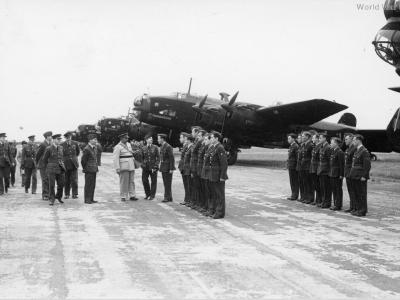
Halifaxes of No. 35 Squadron RAF at Wyton 22 October 1942
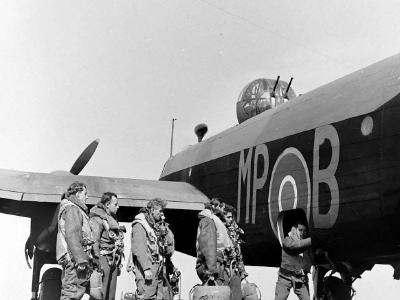
Handley Page Halifax II series 1 MP-B of No. 76 Squadron RAF
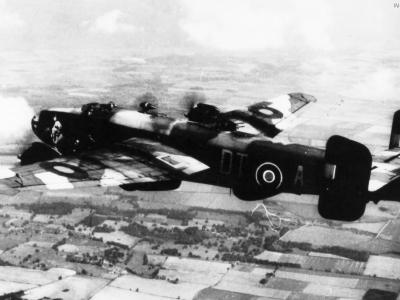
Handley Page Halifax Mk.III "Angel" DT-A of 192 (Special) Sqn
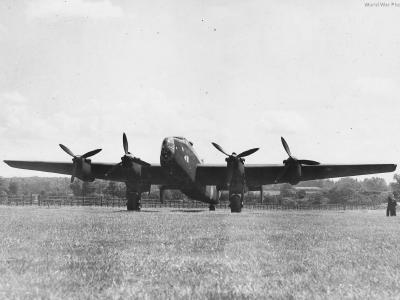
Handley Page Halifax on grass airfield 1943
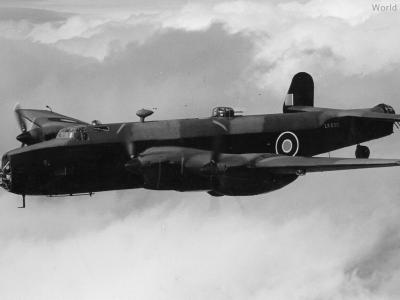
Handley Page Halifax V LK630

Hit by Flak Halifax B III MZ759 NP-Q of No. 158 Squadron RAF
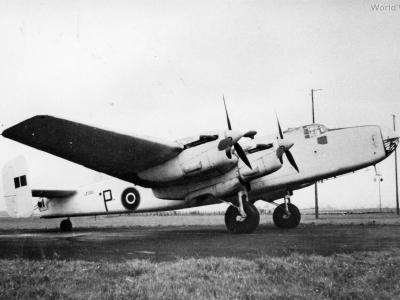
Meteorological Halifax V LK966 of No. 518 Squadron RAF in Ireland
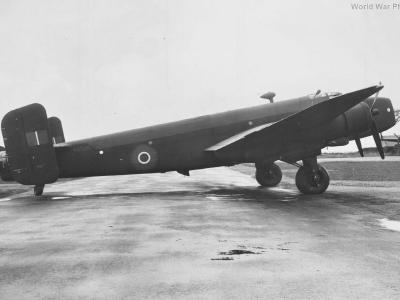
Mk VII converted into paratroop transport and glider tug aircraft
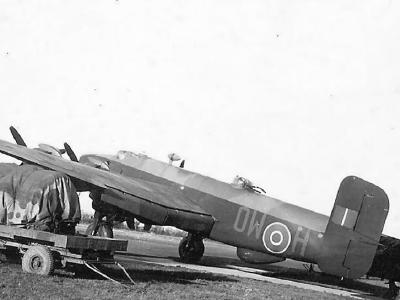
No. 426 Squadron RCAF Halifax OW-H with H2S radome under the rear fuselage
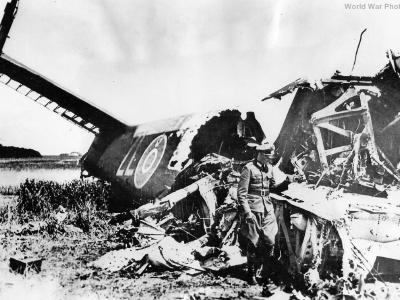
Shot Down Halifax Mk V DK183 ZL-S, June 1941
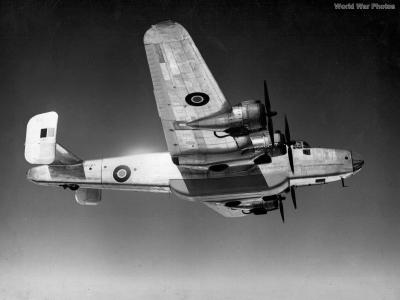
Silver-finished Halifax C VIII, 1945
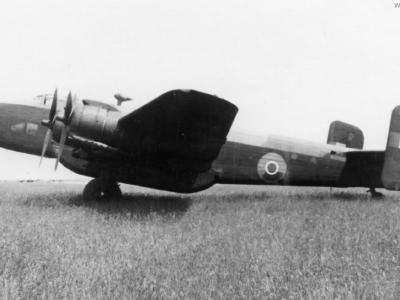
Transport aircraft Halifax C VIII
The Handley Page Halifax was one of the front-line, four-engine heavy bombers of the Royal Air Force during World War II. A contemporary of the famous Avro Lancaster, the Halifax remained in service until the end of the war, performing a variety of duties in addition to bombing.
Handley Page produced the H.P.56 twin-Vulture engined design to meet Air Ministry Specification P.13/36 but performance was found to be lacking. Modifications resulted in the definitive H.P.57 Halifax design; the aircraft was enlarged and powered by four 1,280 hp Rolls-Royce Merlin X engines. Such was the promise of the new model that the RAF had placed their first order for 100 Mk I Halifaxes before the first prototype even flew on September 24, 1939, shortly after the start of the war. The Halifax entered service with No. 35 Squadron RAF at Linton on Ouse in November 1940 and its first operational raid was against Le Havre on the night of March 11-12, 1941. The Mk I had a 22 ft bomb bay as well as six bomb cells in the wings, enabling it to carry 13,000 lb (5,897 kg) of bombs. Defensive armament consisted of two .303-in Browning machine guns in the nose, four in a tail turret and in some aircraft, two waist guns. Subtle modifications distinguished the Mk I aircraft. The first batch of Mk I Halifaxes were designated Mk I Series I. The Mk I Series II increased the aircraft’s gross weight (from 58,000 lb to 60,000 lb) and the Mk I Series III increased fuel capacity.
Introduction of 1,390 hp Merlin XX engines and a twin .303-in dorsal turret instead of waist guns resulted in the Mk II Series I Halifax. The Mk I Series I (Special) achieved improved performance by removing the nose and dorsal turrets. The Mk II Series IA had a moulded Perspex nose (the standard for future Halifax variants), a four-gun Defiant-type dorsal turret, Merlin 22 engines and larger tail surfaces which solved control deficiencies in the early Marks. The installation of Dowty landing gear and hydraulics (in place of the standard Messier equipment) on the Mk II Series I (Special) and IA produced the Mk V Series I (Special) and Mk V Series IA. A total of 1,966 Mk II and 915 Mk V Halifaxes were built.
The most numerous Halifax variant was the Mk III of which 2,091 were built. First appearing in 1943, the Mk III featured the Perspex nose and modified tail of the Mk II Series IA but replaced the Merlin with the more powerful 1,650 hp Bristol Hercules XVI radial engine. Other changes included DH Hydromatic propellers and rounded wing-tips. The Mk IV was a non-production design using a turbocharged Hercules powerplant. The definitive version of the Halifax was the Mk VI, powered by the 1,800 hp Hercules 100. The final bomber version, the Mk VII, reverted to the less powerful Hercules XVI. However, these variants were produced in relatively small quantities.
The remaining variants were the Mk C.VIII unarmed transport (8,000 lb cargo pannier instead of a bomb bay, space for 11 passengers) and the Mk A.IX paratroop transport (space for 16 paratroopers and gear). In addition to bombing missions, the Halifax served as a glider tug, ECM aircraft for RAF 100 Group and special operations such as parachuting agents and arms into occupied Europe. Halifaxes were also operated by Coastal Command for ASW, reconnaissance and meteorological roles. Total Halifax production was 6,176 with the last aircraft delivered in November 1946. In addition to Handley Page, Halifaxes were built by English Electric, Fairey Aviation, Rootes Motors and the London Aircraft Production Group. Peak production resulted in one Halifax being completed every hour.
Post-WWII, Halifaxes remained in service with the RAF Coastal and Transport commands and the Armée de l’Air until early 1952. The Halifax was also operated by squadrons of the Royal Australian Air Force, Royal Canadian Air Force and Royal New Zealand Air Force.
Type
Four-engine heavy bomber aircraft.Wings
- Type: Mid-wing cantilever monoplane.
- Structure:
- Composed of five main sections: a centre-section with inboard engine mountings, two intermediate sections, and two outer sections with outboard engine mountings.
- Centre-section has two spars: a girder structure front spar and a rear spar with T-section booms.
- Intermediate and outer sections have T-section and L-section spars respectively.
- Detachable trailing-edge sections behind rear spars; leading-edge of outer sections is armored and equipped with balloon cable cutters.
- Constructed with former ribs, spanwise stringers, and a smooth light alloy skin.
- Ailerons: Aluminium-alloy frames covered with fabric.
- Flaps: Handley Page slotted trailing-edge flaps between ailerons and fuselage.
Fuselage
- Type: Oval-section light alloy monocoque structure in four main sections.
- Structure:
- Constructed with L-section and U-section frames, L-section stringers, and stressed-metal skin.
- Two channel-section longerons run the length of the fuselage along the sides, supporting the floor.
Tail Unit
- Type: Cantilever monoplane with twin fins and rudders.
- Structure: Two-spar tailplane with balanced elevators and rudders. Trimming tabs are present in all control surfaces.
Landing Gear
- Type: Retractable, with Messier hydraulic units and auxiliary hand pumps.
- Structure:
- Wheels retract backward into the inner engine nacelles, partially protruding but covered by doors.
- Retractable tail-wheel.
Power Plant
- Engines: Four Bristol Hercules fourteen-cylinder radial air-cooled sleeve-valve engines.
- Propellers: Three-blade Rotol constant-speed full-feathering airscrews.
- Fuel: Twelve self-sealing fuel tanks (four in each intermediate wing section, two in each outer wing's inner end). Total capacity: 1,998 gallons.
- Oil Tanks: Located in the outer engine nacelles and the centre-section's leading edge for inboard engines.
Accommodation
- Crew: Seven members, including two pilots, navigator, radio operator, and three gunners.
- Layout:
- Bomb-aimer's position in the extreme nose, followed by the navigator's compartment and pilots' compartment.
- Radio operator situated below pilots; engineer's station behind pilots.
- Upper midships gun-turret and tail-turret are located behind the wings.
- Bunks for crew rest in the centre-section; walkway throughout the fuselage for access.
Armament, Bombs, Armour, and Equipment
- Machine Guns: Nine Browning 0.303 in. machine-guns.
- Eight in two hydraulically-operated turrets (midships and tail), one manually-operated in the nose.
- Ammunition tracks feed the tail turret from magazines aft of the midships turret.
- Bomb Compartments:
- Main compartment in the lower fuselage (22 ft. long) with eight hydraulically-operated doors.
- Six compartments in the centre-section, three on each side of the fuselage.
- Handley Page loading winches for bomb loading.
- Maximum bomb capacity: 14,500 lbs. (6,580 kg).
- Other Equipment: Full electrical and radio equipment, flares, oxygen, cabin heating, and emergency dinghies located in the trailing-edge of the port wing.
Dimensions
- Span: 104 ft. (31.7 m)
- Length: 71 ft. 7 in. (21.8 m)
- Height: 21 ft. 7 in. (6.6 m)
- Gross Wing Area: 1,275 sq. ft. (118.4 sq. m.)
Weights and Loadings
- Empty Weight: 38,239 lbs. (17,360 kg)
- Maximum Overloaded Weight: 65,000 lbs. (29,510 kg)
- Normal Wing Loading: 51 lbs./sq. ft. (248.8 kg./sq. m.)
- Power Loading: 12.7 lbs./h.p. (5.76 kg./h.p.)
Performance
- Maximum Speed: Over 270 mph (432 km/h)
- Maximum Range: Approximately 3,000 miles (4,800 km)