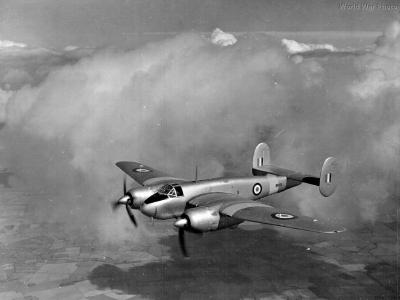
Buckmaster

Click the thumbnails to enlarge them
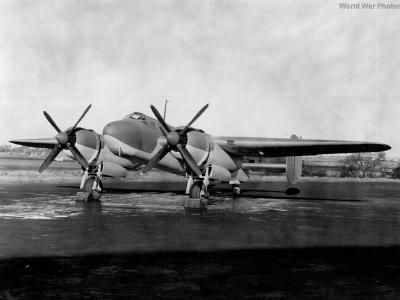
Bristol Buckmaster 5

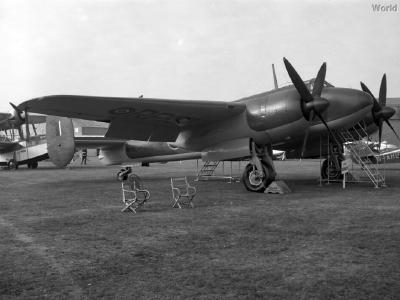
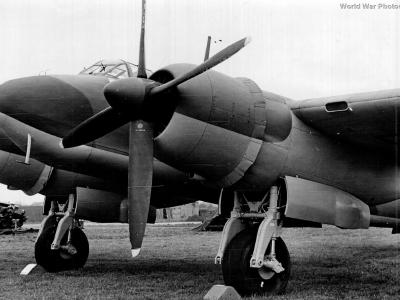
A detailed view of one of the propellers and nacelle

Bristol Buckmaster

Advanced trainer aircraft Bristol Buckmaster at Filton in late October 1944
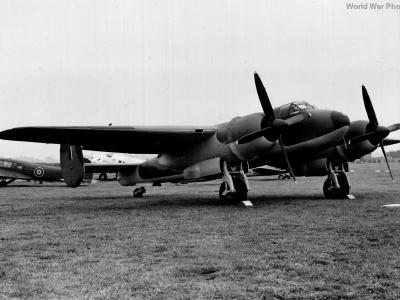
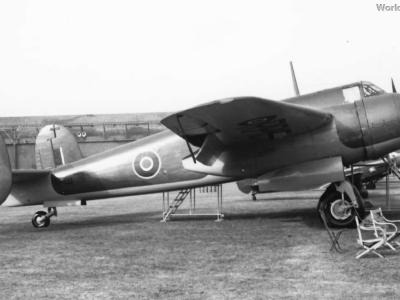
Bristol Buckmaster on the ground

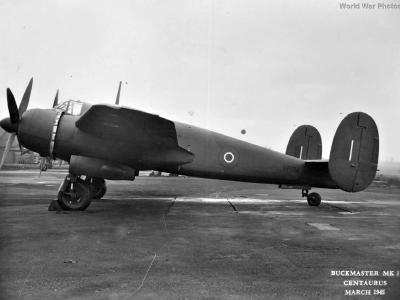
An overall view of Buckmaster

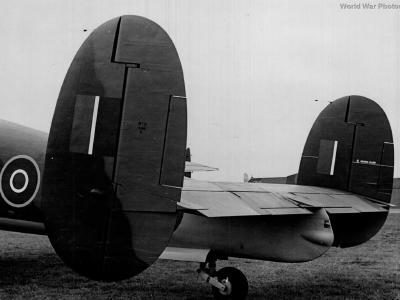
Buckmaster tail view

Buckmaster 2

Buckmaster 3

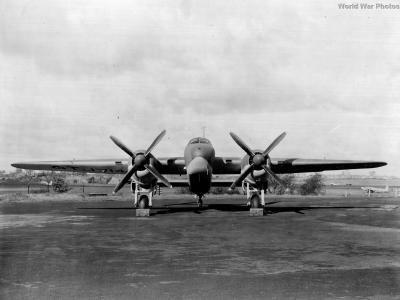
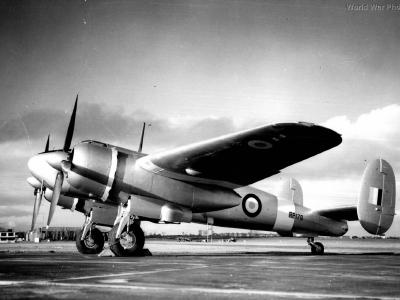
Buckmaster frontal view

Buckmaster Mk I

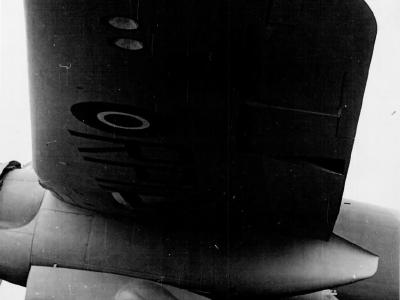
Buckmaster Mk I left wing view

Bristol Buckmaster RP132

Buckmaster RP132 March 1945

Buckmaster RP151 at Radlett 1947

Buckmaster RP151 at Radlett 1947 2

Buckmaster RP151 on the ground

Buckmaster RP151 on display at Radlett 1947
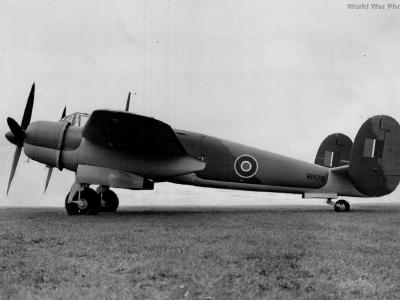
Advanced training aircraft Buckmaster RP176

Buckmaster RP176

Buckmaster T Mk 1 RP179

Buckmaster RP179 at Filton in 1949

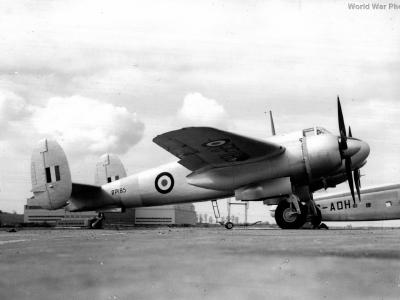
Buckmaster RP185

Buckmaster RP185 of 228 OCU

Buckmaster RP185 in flight

Buckmaster RP185 of 228 OCU with yellow bands around rear fuselage and wings.
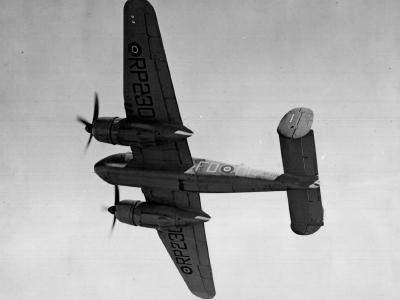
Buckmaster RP230 in flight

Buckmaster RP230 FD-OG of Central Flying School
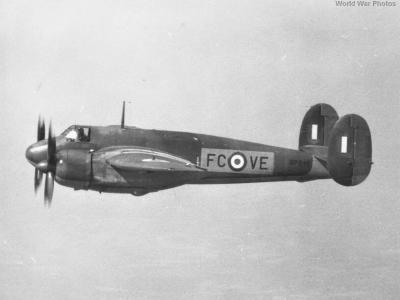
Buckmaster RP246 in service with the ECFS based at Hullavington

Buckmaster RP246 FC-VE of the Empire Central Flying School
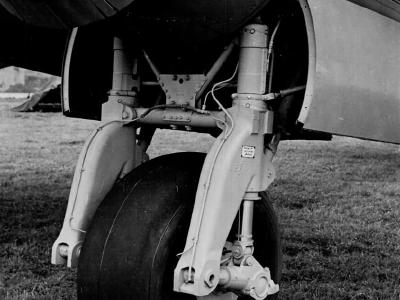
Buckmaster T Mk I

Buckmaster T Mk I, landing gear detail view

Prototype Buckmaster TJ714

Prototype Buckmaster TJ714 with Yellow prototype markings on rear fuselage

To meet a need for a dual-control trainer, the type 166 Buckmaster was evolved which was a Buckingham having a wider front fuselage to seat a crew of two side-by-side. Two Buckingham airframes were converted to become Buckmaster prototypes and the first was flown in October 1944. These were followed by 100 Buckmasters built from Buckingham components; a final order for ten being cancelled. Buckmasters were mainly used by Operational Conversion Units training Brigand pilots, although a few were employed on communications duties at Aden by No.8 Squadron. The last four in RAF Training Command service were still flying at No. 238 OCD, Colerne, in 1956, while two were retained at Filton for experimental work. One ofthese was modified to test the Burney recoilless gun and the other, RP164, carried out flight tests with combustion heaters for the Brabazon wing de-icing system, later becoming an instructional airframe at Halton, where it was scrapped in 1958.

Technical description

The crew of 3 consists of instructor, trainee-pilot and radio operator. The pilot’s cockpit is fitted with complete dual controls, the pupil being seated on the port side. Duplicated controls include those for landing-gear, flaps, airscrews, throttles and brakes. There is an overriding brake control for the instructor’a use in an emergency. The radio operator's position is between the main spars with thee equipment grouped mainly on the port side. Night und blind flying equipment, firextinguishers, emergency signalling and dinghy are fitted. Oval fuselage section semi-monocoque structure in three portions comprising front and rear sections and stern frame. Structure consists of channel-section frames, angle-section stringers and stressed light-alloy skin. Cantilever tail monoplane type with twin fins and rudders. Fixed surfaces of stressed-skin construction. Elevators and rudders have tubular spurs, Alclad ribs and are fabric-covered. Elevators and rudders fitted with controllable trim-tabs. Landing gear similar lo that filled to the Buckingham. Main and tail wheel units of levered-suspention type. Electrically-fired cartridge operated emergency lowering system. Powerd by 2,585 hp Bristol Centaurus 67 18-cylinder two-row, sleeve-valve radial air-cooled engines, each driving a Rotol four-blade constant-speed airscrew. Close fitting low-drag cowlings with Rotol cooling fans and electrically-operated trailing edge gills. Self-sealing fuel tanks in wings.

Serials

Prototypes: TJ714, TJ717, RP122-RP156, RP170-RP215, RP228-RP246, VA359-VA368

Source

C.H. Barnes: Bristol aircraft since 1910, Putnam Martyn Chorlton: Company Profile 1910-1959 Bristol Geoff Green: Bristol Aerospace Since 1910 Bill Gunston: Jane's Fighting Aircraft of World War II