Buckingham
Click the thumbnails to enlarge them

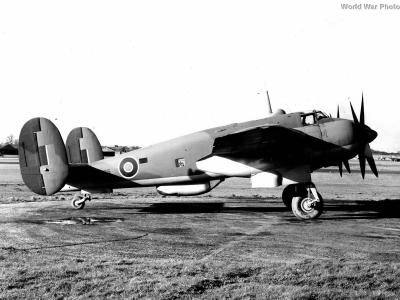
2nd Prototype Buckingham DX255 at Filton on 6 November 1943
Buckingham
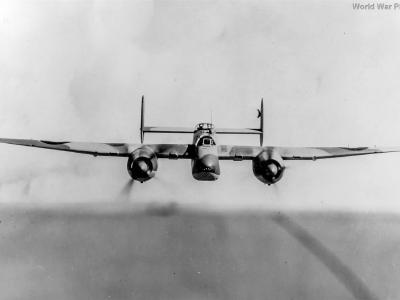
Buckingham 1945
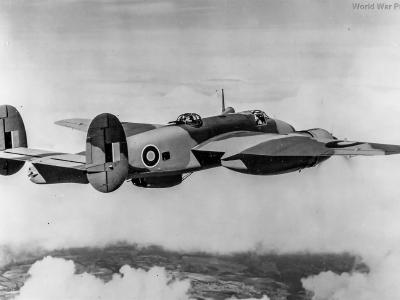
Buckingham 1945
Buckingham 3
Buckingham 4
Buckingham 6
Buckingham 7
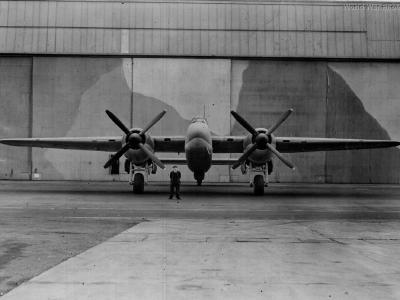
Buckingham 8
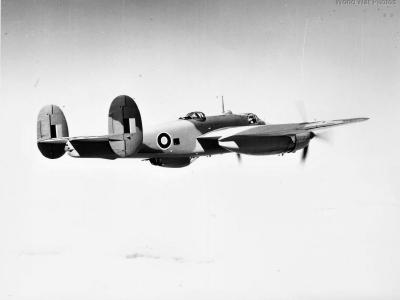
Buckingham B.I KV310 1944-45
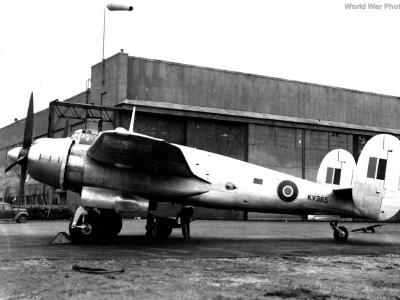
Buckingham C.2 KV365 one of two conversions by TCDU in March 1946
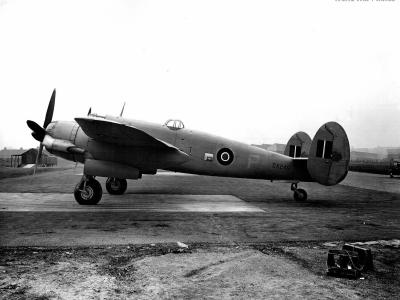
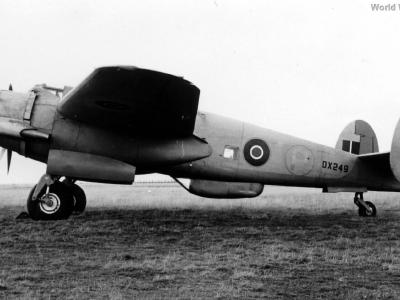
Buckingham DX249 with dummy dorsal turret
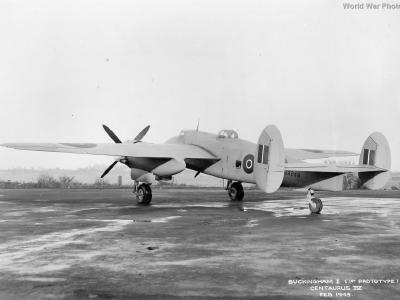
Buckingham DX249, February 1943
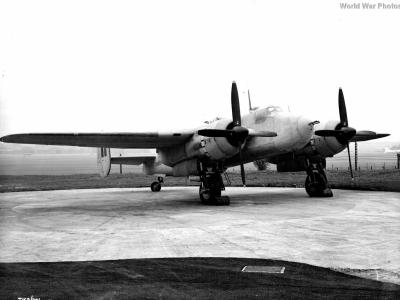
Buckingham DX255, 1943
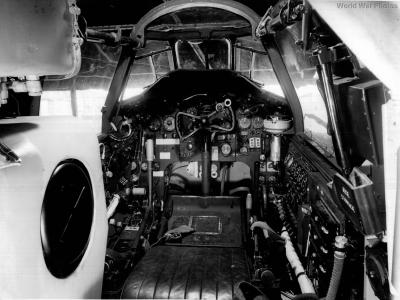
Buckingham interior
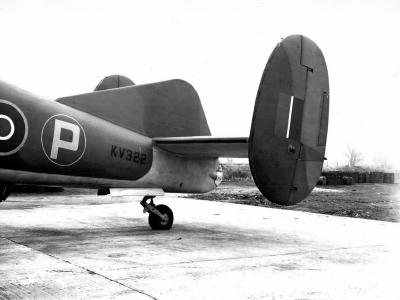
Buckingham KV322 fitted with a central dorsal fin for stability tests
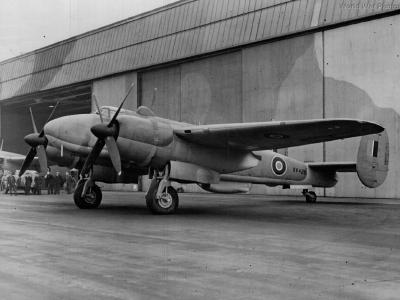
Fast courier transport Buckingham KV428
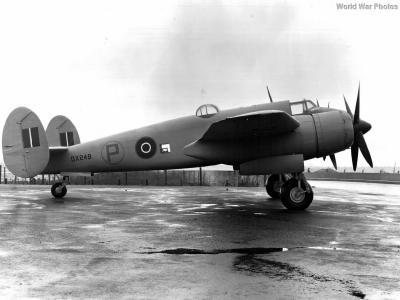
First prototype Buckingham DX249 left side view
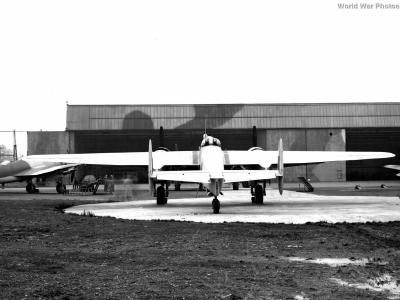
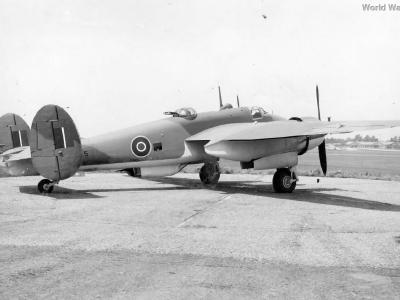
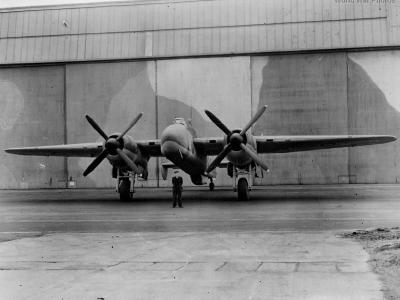
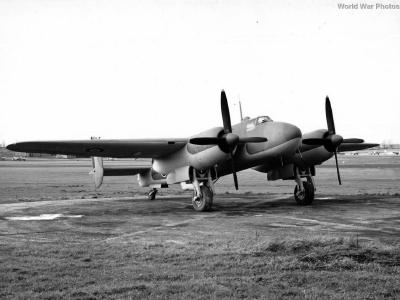
The type 163 Buckingham was a mid wing medium bomber with two Bristol Centaurus 18-cylinder sleeve valve radial engines each developing 2,400hp. DX249 the first of four prototypes flew in February 1943 and, after a few problems, about fifty production machines had been delivered by the end of 1944. Buckingham was originally planned as a replacement, for the Blenheim in the tactical day bomber role. The Buckingham was designed on a unit system and was a very quick aeroplane to build from complete subassemblies built at various locations. Unfortunately the needs of the RAF changed due to improved bombing techniques and the support of the USAAF with the consequence that the Buckingham was not needed. Only 119 production Buckinghams were actually built due to cancellations and at least half of these were built or delivered as Buckingham C.l fast courier transports. These were unarmed and had seats for four passengers with oxygen supply and had windows inserted into the sides.