Beaufort
Click the thumbnails to enlarge them

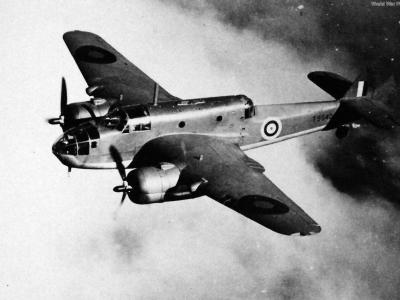
42 Squadron Beaufort W6476 AW-G "Ghoul" 1941
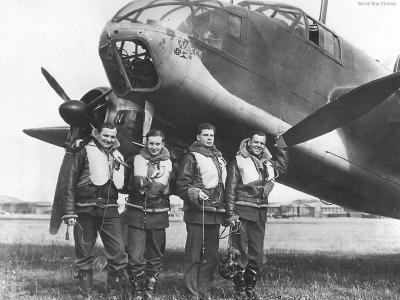
42 Squadron RAF Crew by Beaufort L9939 AW-W "Wreck" 1941
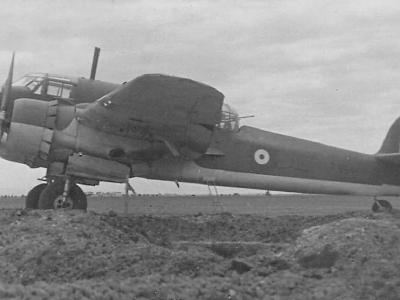
Australian Beaufort

Australian Beaufort Mk VIII A9-700 over Sydney Harbour 944
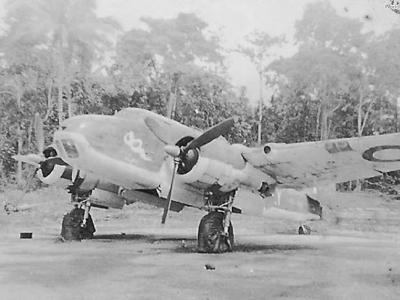
Australian Beaufort of No. 7 Squadron RAAF
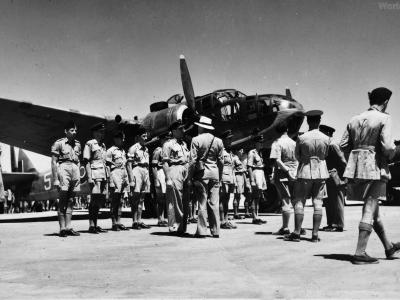
Beaufort 5 METS Egypt
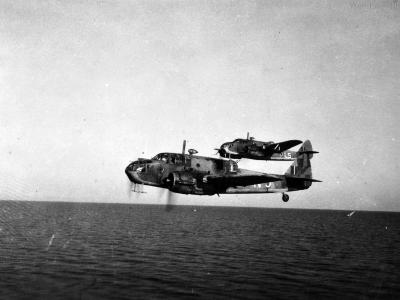
Beaufort 5 Middle East Training School
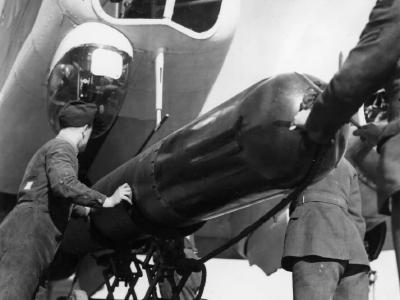
Beaufort at Leuchars
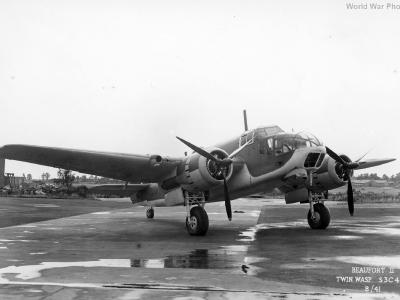
Beaufort AW245 August 1941

Beaufort BX-E AW251 of No. 86 Squadron RAF, Ionian Sea 1942
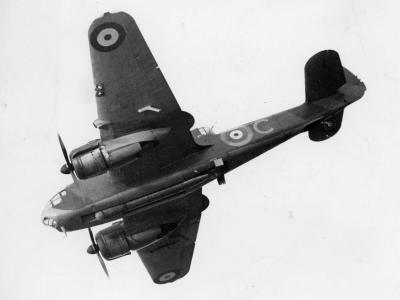
Beaufort C of Torpedo Development Unit at Calshot
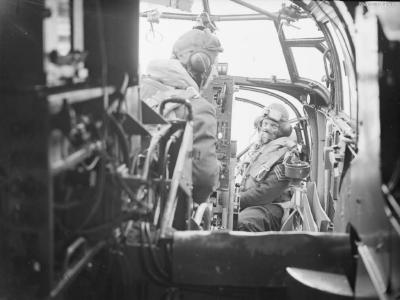
Beaufort cockpit 22 Squadron RAF 2
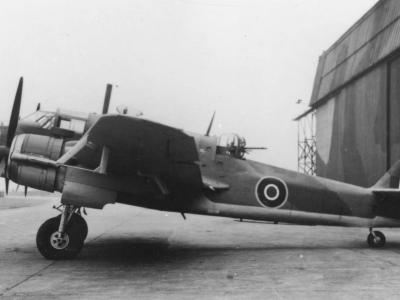
Beaufort EK982 at Filton
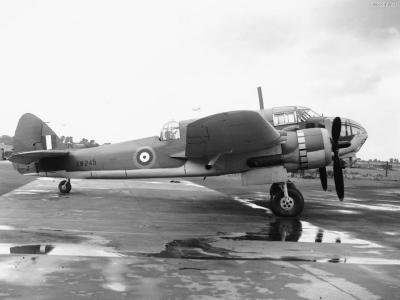
Beaufort II AW245 pre-delivery to 217 Squadron RAF at Filton 41
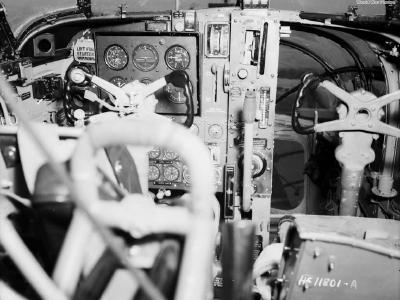
Beaufort interior
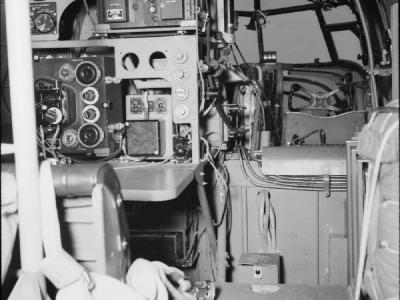
Beaufort interior
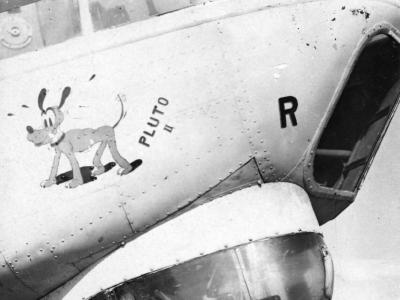
Beaufort July 1941
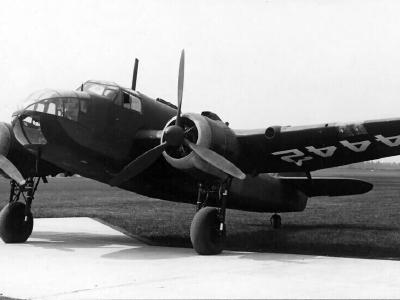
Beaufort L4442 front view
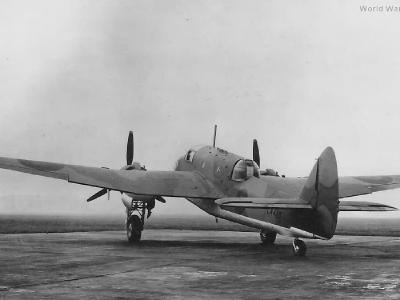
Beaufort L4449
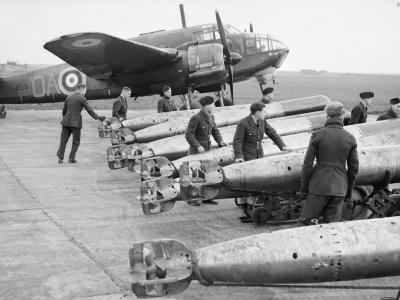
Beaufort L4516 of No. 22 Squadron RAF 1940
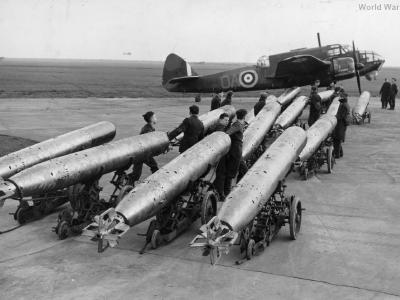
Beaufort L4516 of No. 22 Squadron RAF North Coates
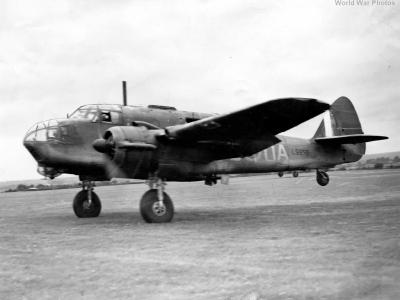
Beaufort L9959 of No. 22 Squadron RAF
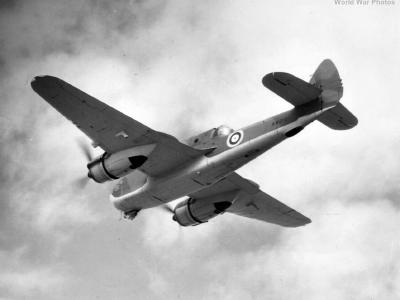
Beaufort Mk I AW219
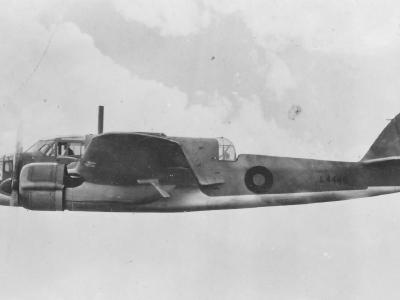
Beaufort Mk I L4449 in flight

Beaufort Mk I L9878 MW-R of No. 217 Squadron RAF, color photo
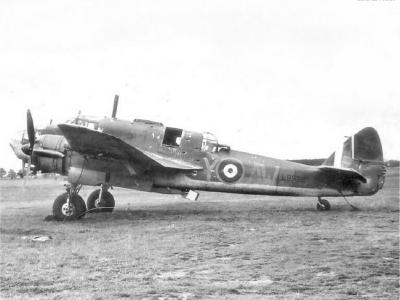
Beaufort Mk I L9938 AW-Y of No. 42 Squadron RAF
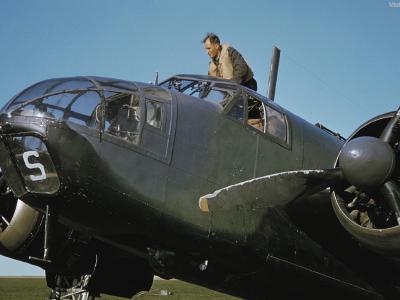
Beaufort Mk I MW-S of No. 217 Squadron RAF
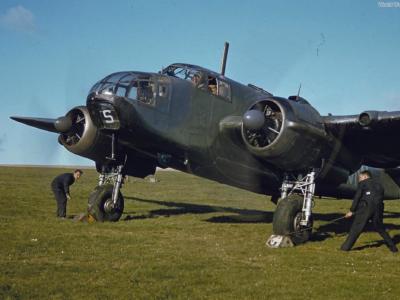
Beaufort Mk I MW-S of No. 217 Squadron RAF 2
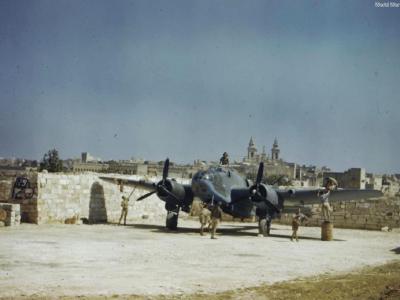
Beaufort Mk II of No 39 Squadron RAF Malta June 1943
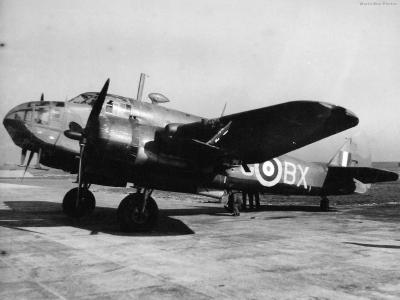
Beaufort Mk II of No. 86 Squadron RAF with ASV yagi aerials under the nose and wings

Beaufort Mk VIII QH-N of No. 100 Squadron RAAF
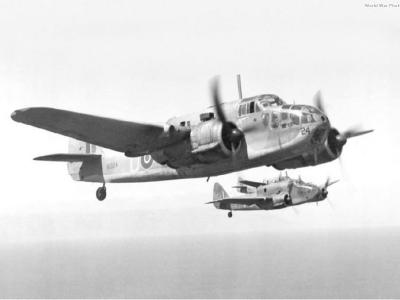
Beaufort N1024 No. 39 Squadron RAF MTO
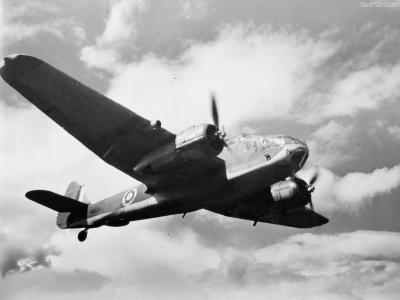
Beaufort N1030 of No. 149 Squadron RCAF over Patricia Bay June 1943
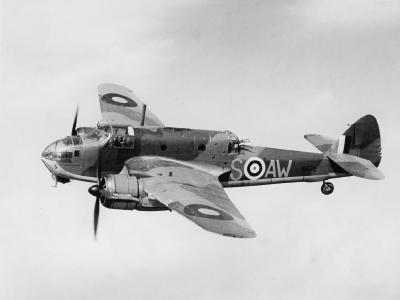
Beaufort N1172 of No. 42 Squadron RAF in flight
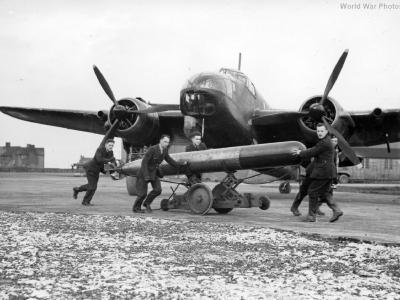
Beaufort No. 22 Squadron RAF
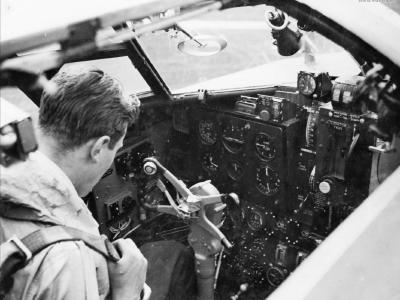
Beaufort of No. 217 Squadron RAF 1940, pilot cockpit

Beaufort of No. 5 Middle East Training School 2

Beaufort prototype L4441

Beaufort Prototype L4441
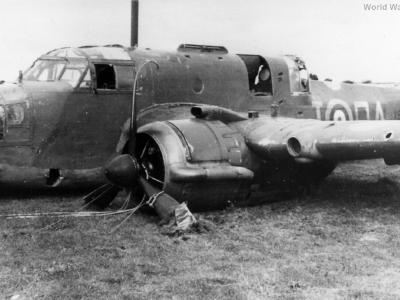
Beaufort X8935 got back to Leuchars on 10 September 1941 after being attacked by Me109
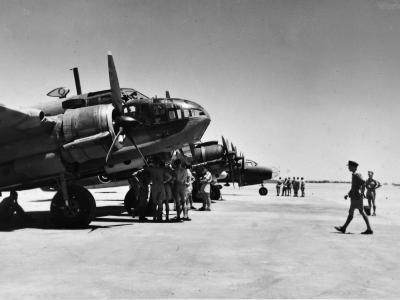
Beaufort, Beaufighter and Marauder of No. 5 METS Egypt 2
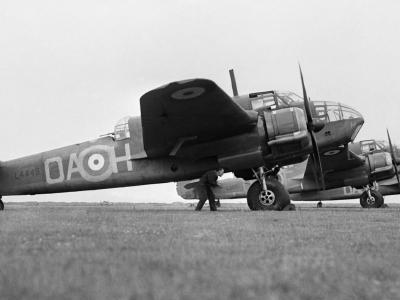
Beauforts L4449 OA-H, L9891 OA-F and L4461 OA-J, of No. 22 Squadron RAF, at North Coates
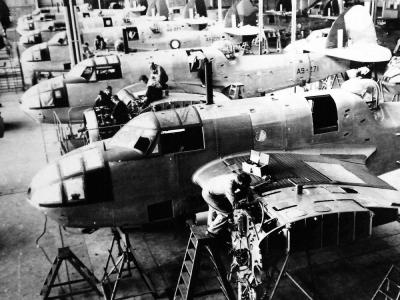
Beauforts Mk VIII at DAP assembly line Melbourne Australia 1942
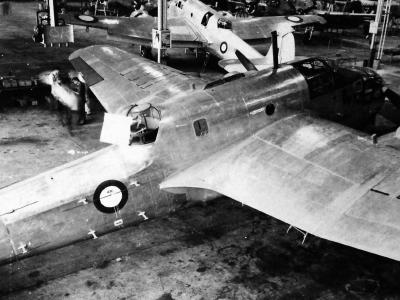
Beauforts Mk VIII at DAP assembly line Melbourne Australia 1942
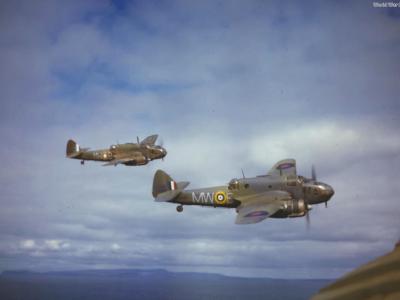
Beauforts N1173 MW-E and AW242 MW-B in flight
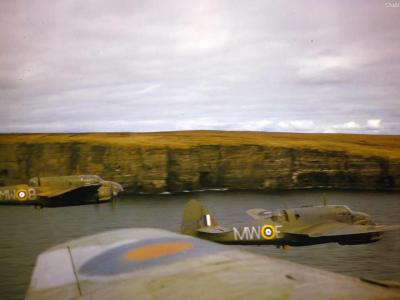
Beauforts N1173 MW-E and AW242 MW-B of 217 Squadron RAF 1942

Beauforts of No. 86 Squadron RAF, 15 October 1942

Black/white photo of two Beaufort Mk.Is of No. 42 Squadron RAF
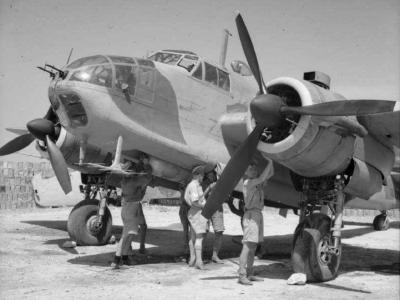
Bristol Beaufort Mk IA DD959 of No. 217 Squadron RAF, Luqa Malta, 1942
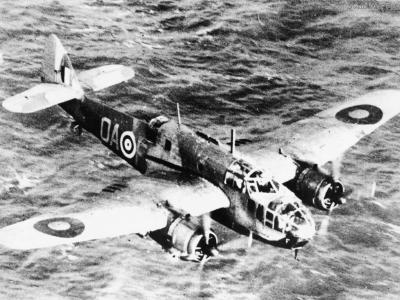
Bristol Beaufort OA-F over English Channel

Crew load torpedo onto 42 Sqn Beaufort AW-F "Frankie" 1941
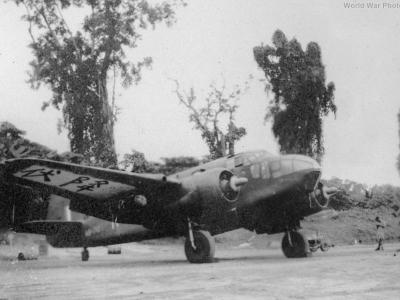
Plane with "Japan has surrendered" painted on wings. Torokina August 1945
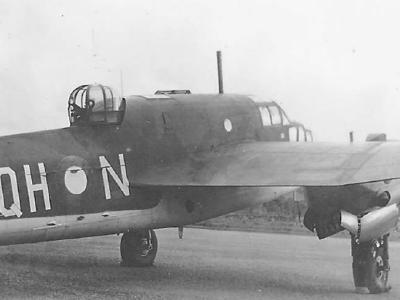
RAAF Beaufort Mk VIII A9-321 QH-N of 100 Squadron PTO
Beaufort (Bristol Type 152) was a heavier torpedo bomber development of the Bristol Aeroplane Company’s earlier Blenheim light bomber. It saw service with the RAF’s Coastal Command and then the Fleet Air Arm from 1940 until it was withdrawn in 1944. It also saw wide service with the Australians in the Pacific theatre until the end of the war. Although the new design looked similar in most ways to the Blenheim, it was in fact somewhat larger, added another crewmember (to four), and was considerably heavier. The later proved too much for the Blenheim’s Mercury engines, and so a switch to the larger Taurus engine was made. The Taurus proved to be a problem on the Beaufort, and overheating was a constant problem. This introduced delays into the production, so while the plane had first flown in October 1938 and should have been available almost immediately, it wasn’t until December 1939 the production started in earnest, with service entry in August 1940.
A number of changes were introduced into the line, and after the 1014th had been delivered, all of these were collected into the new Mk.II. The Mk.II was different visibly primarily in the use of a flat bomb-aiming window under the nose. However it also included a second forward firing 0.303 in (7.7 mm) gun in the wing, a blister under the nose with a rearward firing gun, an improved dorsal turret with a newer Vickers K gun, an installation of the ASV Mk.II air-to-surface radar, removal of the Youngman trailing edges, retractable tailwheel, and improved airflow on some points of the aircraft. Performance, sadly, was not improved. Oddly the first 165 of the Mk.II’s were delivered with the Pratt and Whitney Twin Wasp engines instead of the Taurus. The 166th on reverted to the Taurus, although the better performing and more common Twin Wasp seems like a much better fit for the aircraft. The Taurus engine was otherwise unused, and that production line could surely be put to better use.
The Beaufort was a slow aircraft, with a top speed of only 265 mph (430 km/h), which dropped to a mere 225 mph (360 km/h) when carrying a torpedo. Although it did see some use in the torpedo bomber role, notably in attacks on the Scharnhorst and Gneisenau while in port in Brest, the Beaufort was more often used as a mine-laying aircraft while in European service. It saw considerable action in the Mediterranean theatre, where it helped put an end to Axis shipping supplying Rommel. Coastal Command regarded the Beaufort as a dissapointment, but it turned out to make an excellent basis for a heavy fighter in the form of the Bristol Beaufighter. The Beaufighter was so superior to the Beaufort that a number were specially modified to carry a torpedo, and it replaced the Beaufort in service.
In the Pacific War, however, the Beaufort was vital. With Britain’s domestic aircraft industry working at capacity already in early 1939, the Air Ministry instigated negotiations to set up parallel production lines in Australia, to supply both the RAF and the RAAF with Beauforts and Twin Wasp engines. Australia’s tiny industrial base was barely up to the task of making a modern aircraft, but frantic efforts saw the first of an eventual 700 roll off the line in August 1941. Japan entered the war soon after, swiftly removing the RAF from the Pacific theatre, and the need for modern aircraft in the South Pacific was desperate. With the United States unable to spare more than a few Kittyhawks, P-39s and Bostons, and the United Kingdom in yet worse position, the locally-produced Beaufort became the primary strike weapon of the RAAF in the first two years of the Pacific War. Production continued to increase, reaching almost one a day in 1943, and though inexperience and hurry combined to produce a horrendous accident rate early on, the Beaufort served with 19 squadrons and played a vital role in stemming the Japanese advance: as a maritime patrol aircraft, bomber, fighter-bomber, and most of all on maritime strike duties, where Beauforts sunk an impressive tonnage of merchant and naval shipping. After roughly 50 each of the Mk V, VI and VII and 520 Mk VIIIs, production ceased in favour of more modern types in 1944, and handful of Mk.VIII’s were later modified as transports, known as the Mk.IX or ‘Beaufreighter’.