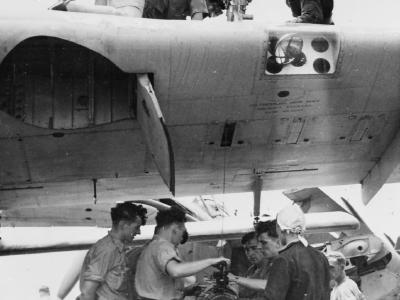
Barracuda
Click the thumbnails to enlarge them
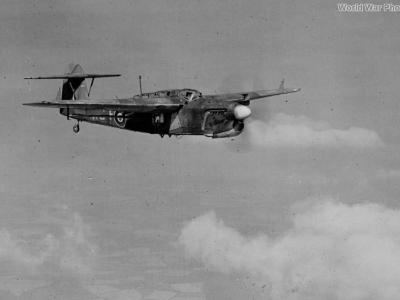
Barracuda 2
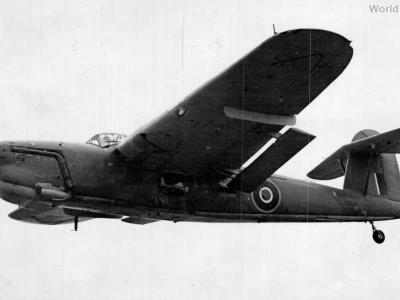
Barracuda 3
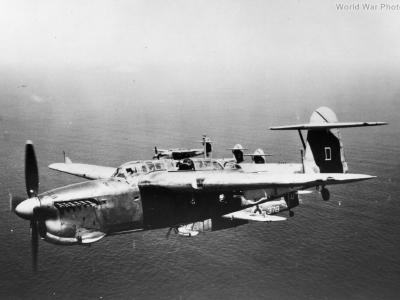
Barracuda 812 Sqn HMS Indomitable Far East
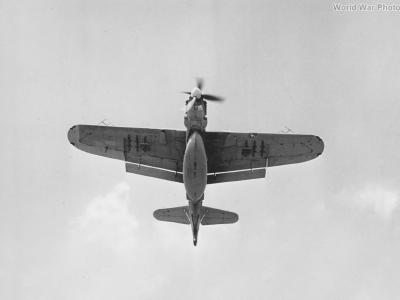
Barracuda ASR with airborne lifeboat
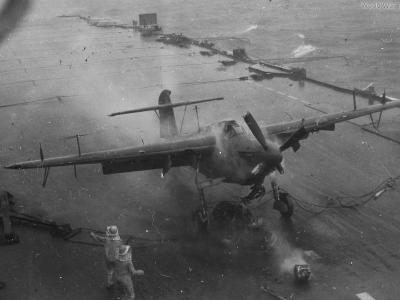
Barracuda crashes on HMS Victorious 19 September 1944
Barracuda folded
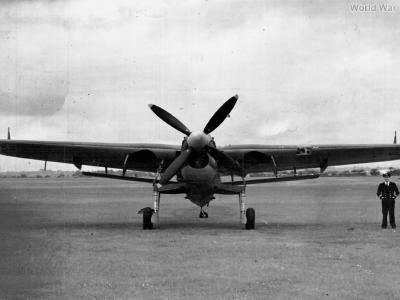
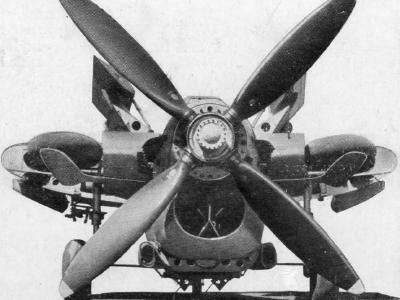
Barracuda front
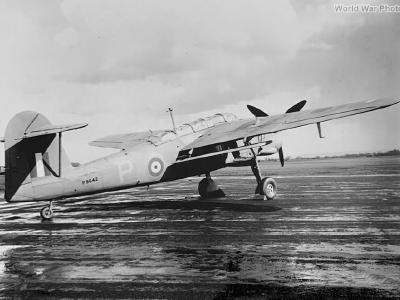
Barracuda I P9642
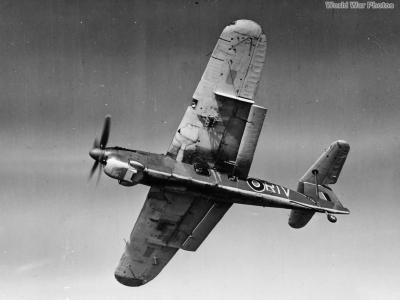
Barracuda II 814 Squadron
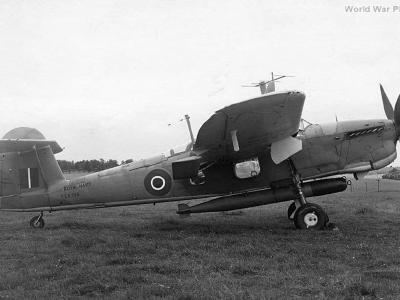
Barracuda II LS789
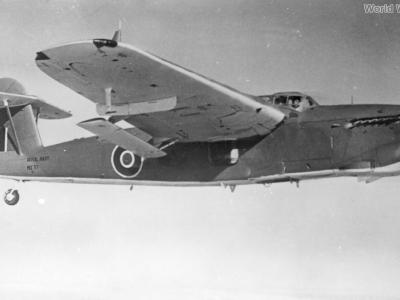
Barracuda II MD717
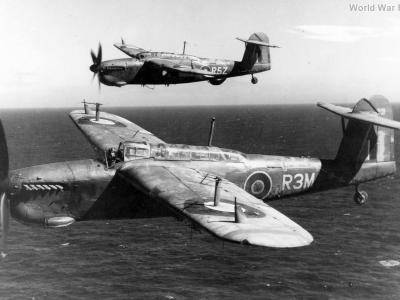
Barracuda II MD892 R3M and R5Z
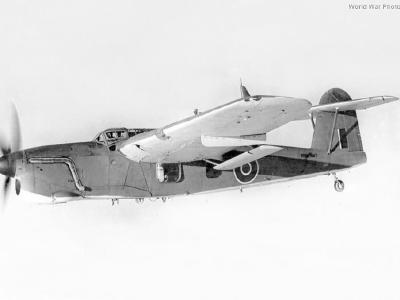
Barracuda in flight
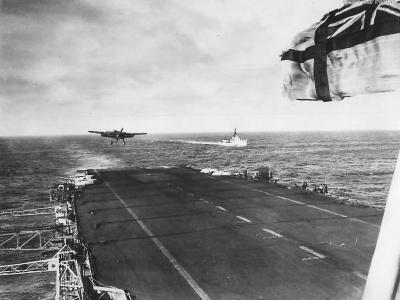
Barracuda land on HMS Illustrious 1948
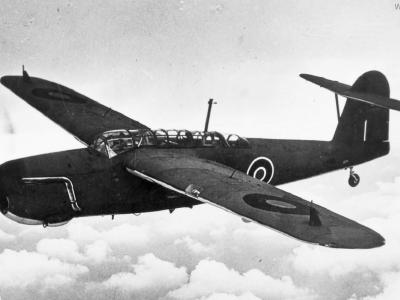
Barracuda Mk I in flight
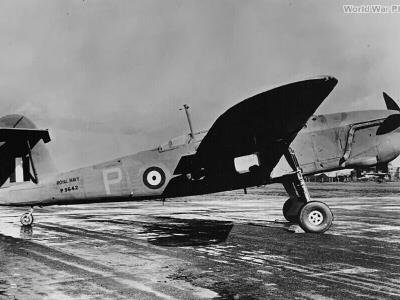
Barracuda Mk I P9642, RAE Farnborough
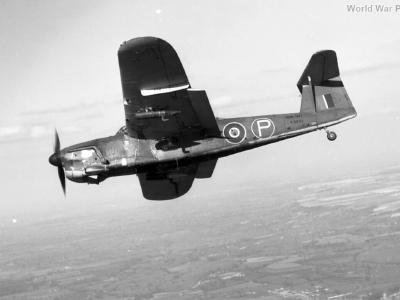
Barracuda Mk I P9652
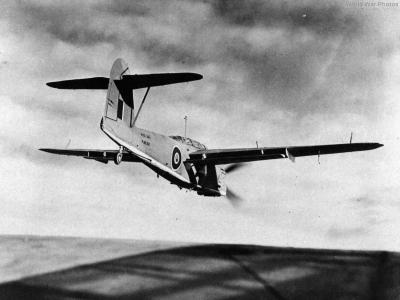
Barracuda Mk I P9659
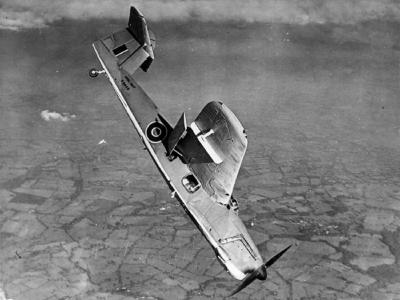
Barracuda Mk I P9659 in dive
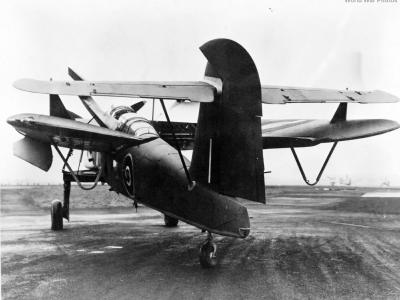
Barracuda Mk I with folded wings
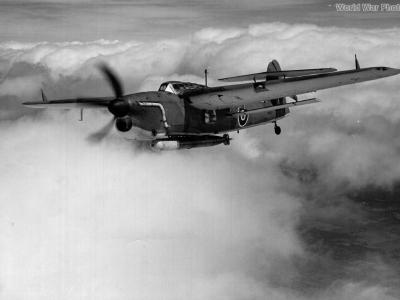
Barracuda Mk I with torpedo
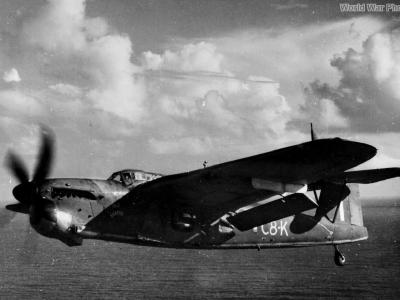
Barracuda Mk II
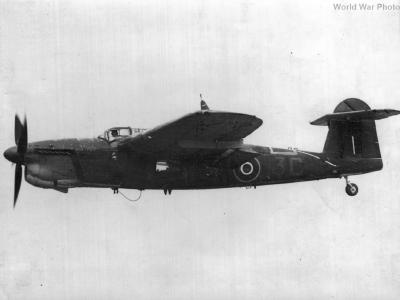
Barracuda Mk II 3C
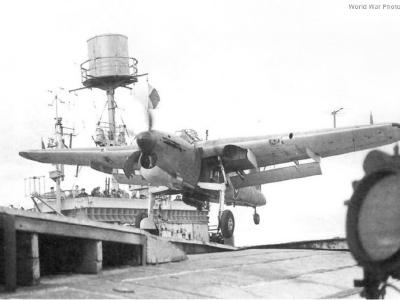
Barracuda Mk II 6M of No 810 Squadron FAA 1943
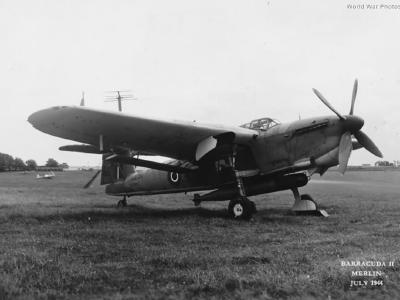
Barracuda Mk II July 1944
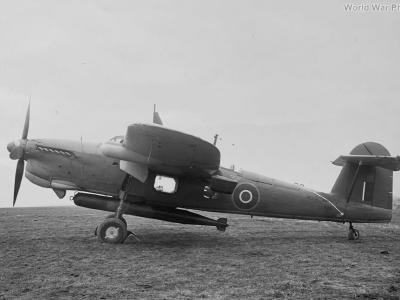
Barracuda Mk II LS789
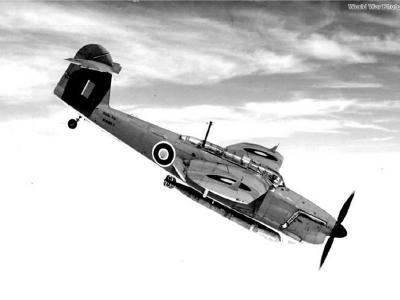
Barracuda Mk II P9667 carrying torpedo
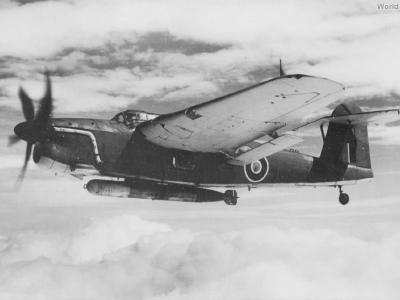
Barracuda Mk II P9682 with torpedo
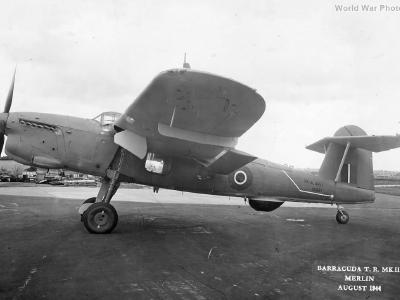
Barracuda Mk III MD837 with radar under the rear fuselage
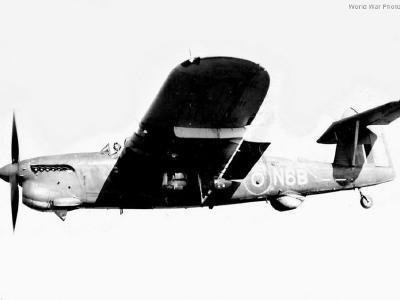
Barracuda Mk III N6B
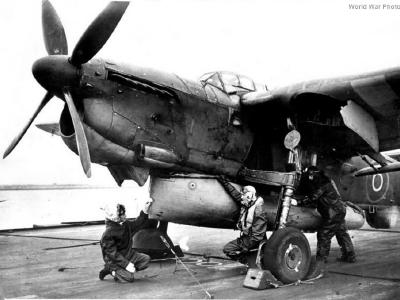
Barracuda Mk III with lifeboat
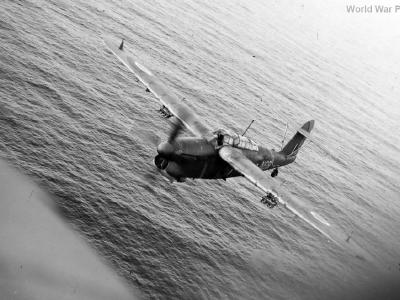
Barracuda N6B
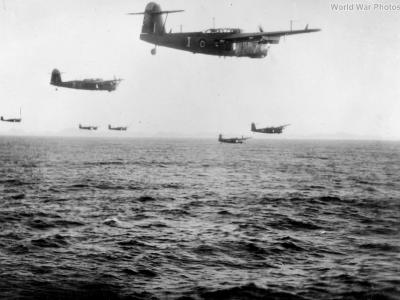
Barracuda near Bodo, Norway 27 October 1944
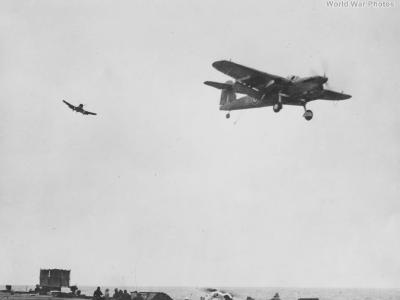
Barracuda over carrier 1945
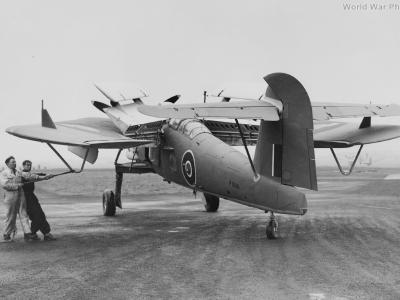
Barracuda P9661

Barracuda prototype P1767
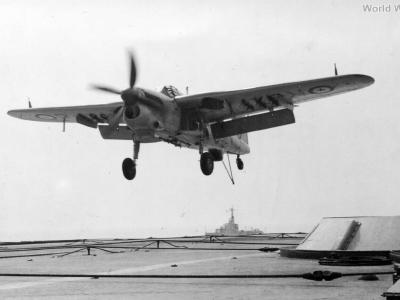
Barracuda RJ772 landing
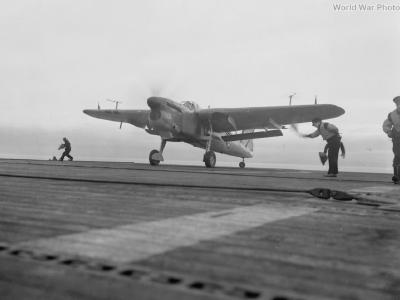
Barracuda Take Off from Hms Ravager
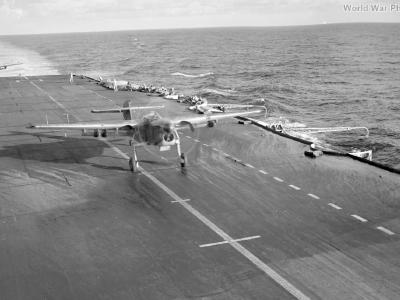
Barracuda taking off Padang
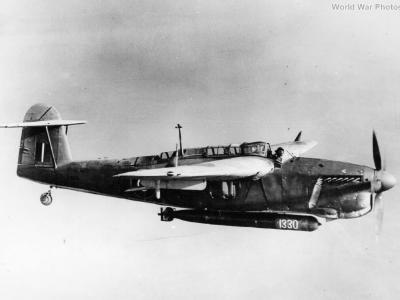
Barracuda torpedo
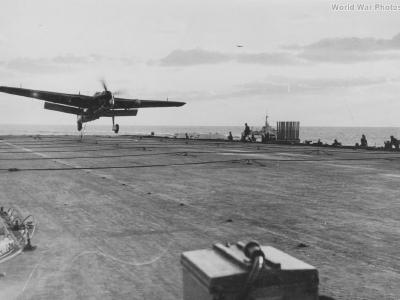
Barracuda TR Mk 5
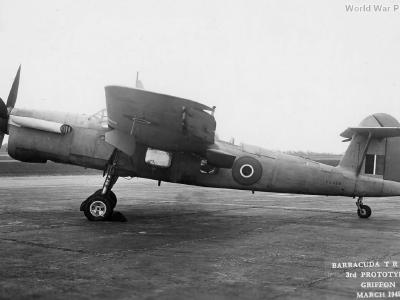
Barracuda TR Mk V LS479, March 1945
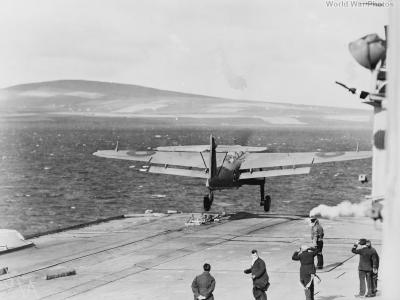
Barracuda Trials Victorious September 1942
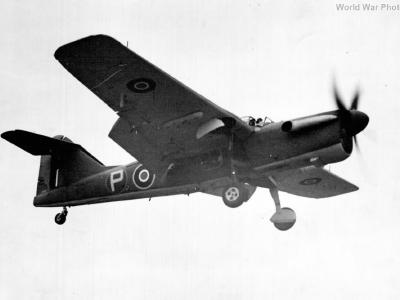
Barracuda V 1945
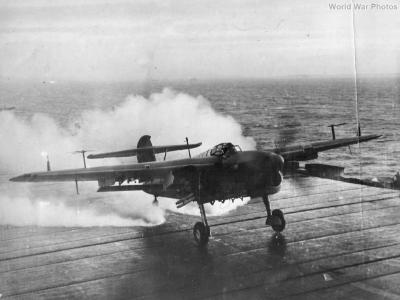
Barracuda with Rocket-Assisted Take-Off Gear
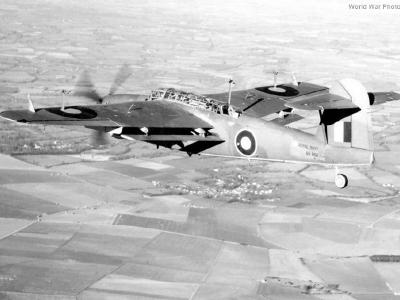
Blackburn-built Barracuda Mk II BV858
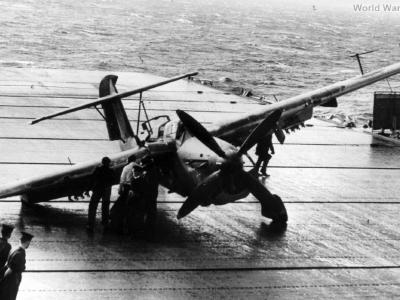
Bomber after heavy landing which collapsed right undercarriage
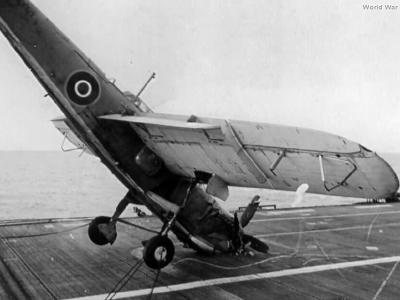
Crashed Barracuda Mk II
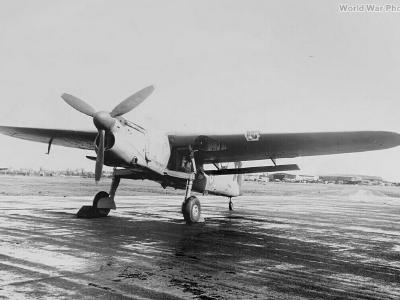
Fairey Barracuda I P9642
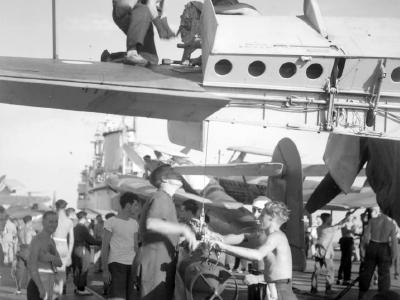
HMS Indomitable
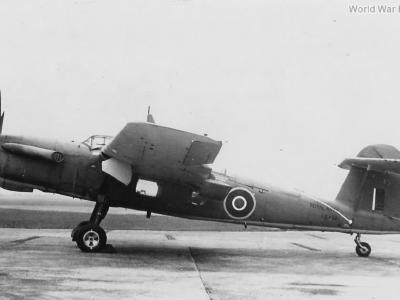
Mk V prototype LS479 converted from Mk II
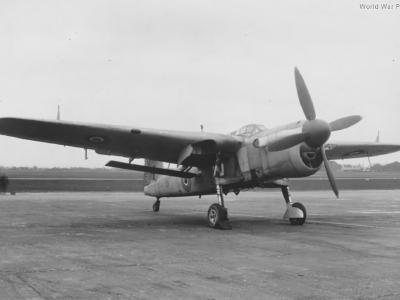
Prototype Barracuda Mk V LS479
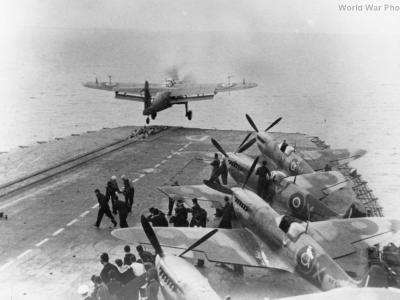
Seafires Mk III in the foreground
Barracuda was a British carrier-borne torpedo- and dive-bomber used during World War II. It was introduced to the Fleet Air Arm as a replacement for the biplanes Fairey Swordfish and Albacore. It is famous for its role in attacking the German battleship Tirpitz, and widely regarded as one of the ugliest aircraft to enter production.
Type
- Role: Three-seat naval torpedo-bomber.
Wings
- Design: Shoulder-wing cantilever monoplane with a center-section integrated with the fuselage and outer sections having a constant taper and rounded tips.
- Structure: Two-spar all-metal with diaphragm ribs, intercostal stringers, and stressed-skin covering.
- Flaps: Hydraulically-operated Youngman flaps below and staggered back from the trailing-edge. These flaps can be adjusted for take-off, landing, and retarding speed in a dive. They have metal frames and Alclad sheet covering.
- Ailerons: Metal-framed and fabric-covered.
- Folding Mechanism: Wings fold vertically at the rear spars, with the trailing edges folding up onto the upper surfaces for compact storage. Retractable wing holds under the wing tips.
Fuselage
- Structure: Oval all-metal with smooth metal skin and flush-riveting. The engine mounting, pilot’s cockpit framework, and rear bay are of steel tube, with the remainder being metal monocoque.
Tail Unit
- Design: Braced monoplane type with the tailplane mounted near the top of the fin, supported by single struts on each side. The framework is all-metal, with the fin and rudder covered with Alclad sheet and the elevators and rudder with fabric. Trim-tabs are present in both elevators and rudder.
Landing Gear
- Type: Retractable. The main gear consists of cantilever oleo legs with horizontal members that hinge up into the fuselage sides when retracted. The oleo shock absorber-legs and wheels stow in the wing's leading-edge ahead of the front spars. Hydraulic wheel-brakes are provided, along with a non-retracting tail-wheel. Additional features include a deck-arrester hook and catapult spools.
Power Plant
- Engine: One Rolls-Royce Merlin 32 twelve-cylinder Vee liquid-cooled engine with a Rotol four-blade constant-speed airscrew.
- Fuel System: Self-sealing tanks located in the center-section between spars.
Accommodation
- Crew: Three members in tandem arrangement under a continuous transparent canopy. The pilot's cockpit is ahead of the wing's leading-edge with a sliding canopy, while the observer/navigator and rear gunner/radio operator are positioned over the wing's center and trailing-edge, respectively. The observer/navigator and radio operator also have alternative positions within the fuselage, with the navigator having bay windows for downward vision.
Armament and Equipment
- Guns: Two .303 in. Vickers K gas-operated machine-guns on a Fairey flexible mounting in the rear position.
- Torpedo: Can carry an 18 in. torpedo externally under the fuselage.
- Bombs: Provision for bombs under the wings, or alternatively, depth-charges or sea mines. Bomb racks are designed to allow complete assemblies to be hoisted and clipped into position.
- Additional Equipment: Includes a dinghy and rescue equipment carried in the fuselage.
Dimensions
- Wingspan: 49 ft. 2 in. (15 m)
- Width folded: 18 ft. 3 in. (5.56 m)
- Length: 40 ft. 6 in. (12.35 m)
- Height: 15 ft. 5 in. (4.7 m)
- Wing area: 367 sq. ft. (34.1 sq. m)