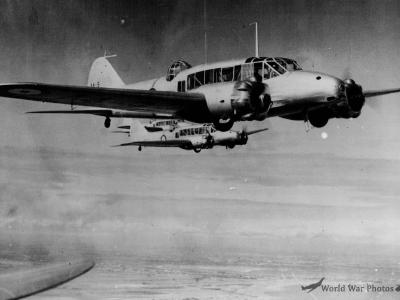
Anson
Click the thumbnails to enlarge them
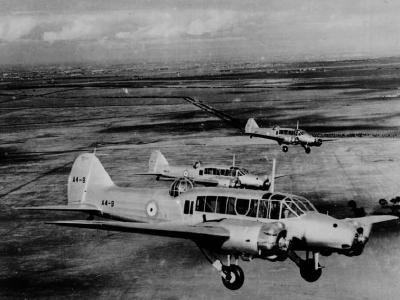
Anson 1938 RAAF
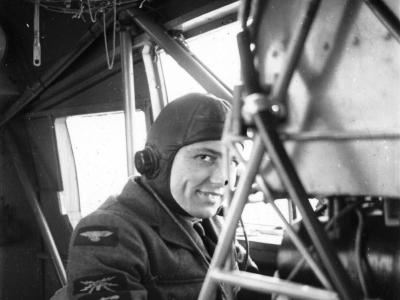
Anson 217 Squadron Wireless Operator
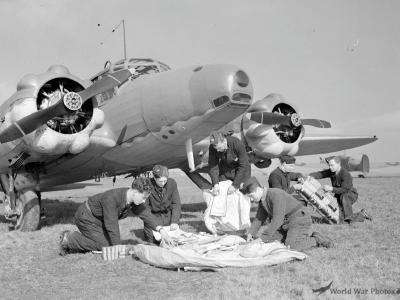
Anson 276 Squadron RAF
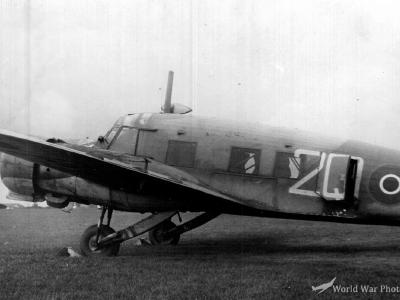
Anson 2Q-J 88 Gp Comm Flt
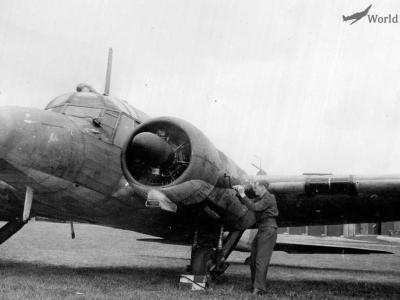
Anson 45
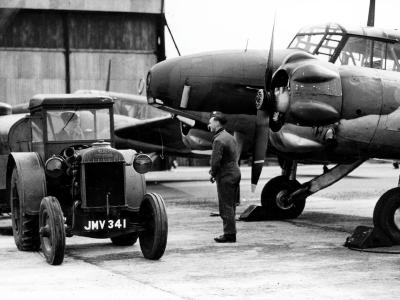
Anson 502 Sqn 1940
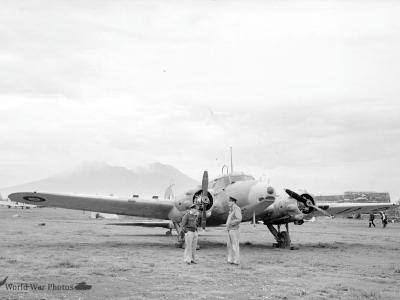
Anson Capodichino 1944
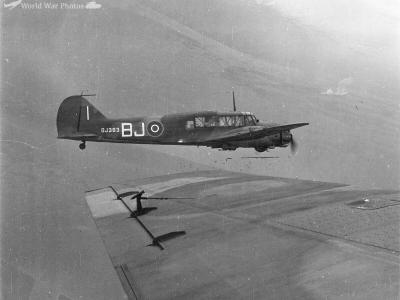
Anson DJ383
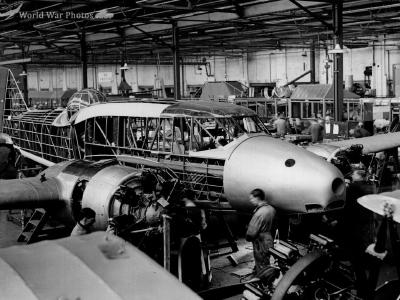
Anson factory
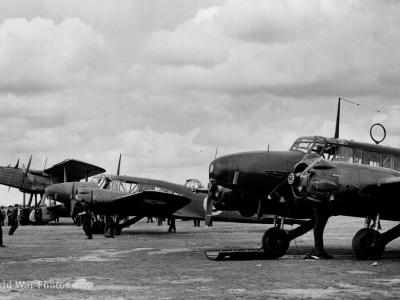
Anson Heyford
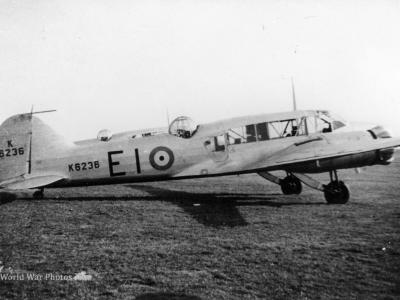
Anson I K6236 1 SGR
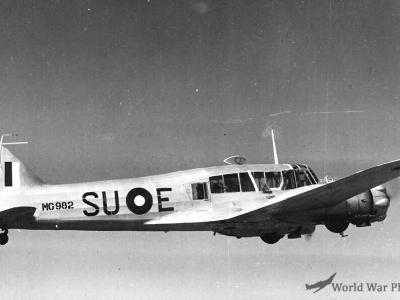
Anson I MG982 1944
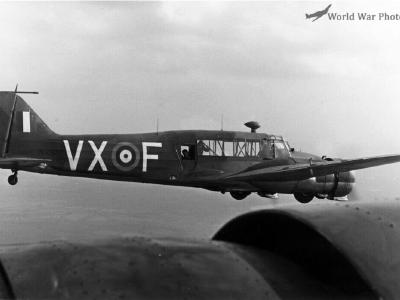
Anson I N4877 206 Sqn
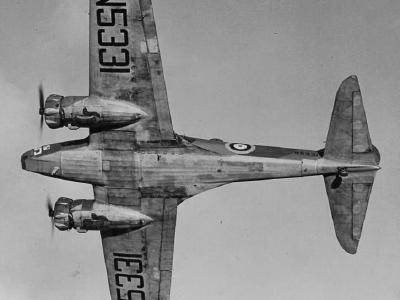
Anson I N5331 in Flight 6 OAFU 1940
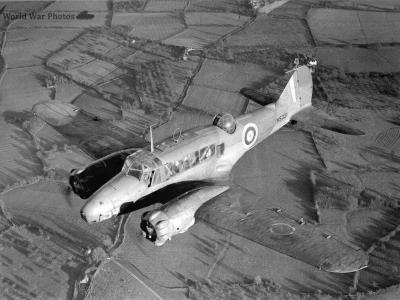
Anson I N5331 in Flight 6 OAFU 1940
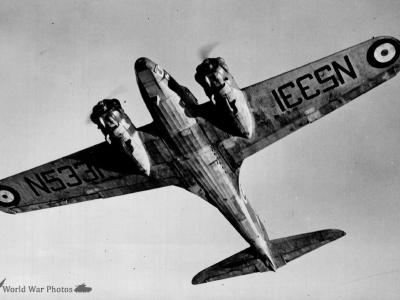
Anson I N5331 in Flight 6 OAFU 1940
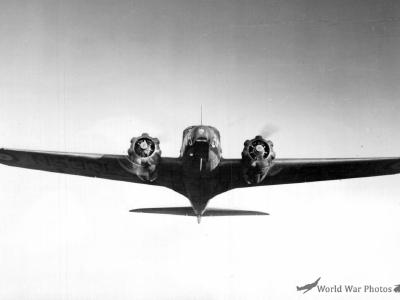
Anson I N5331 in Flight 6 OAFU 1940

Anson I N5331 in Flight 6 OAFU 1940
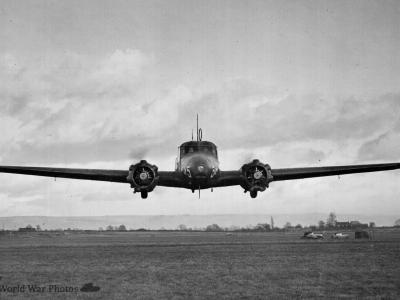
Anson I N5331 in Flight 6 OAFU 1940

Anson I N5331 in Flight 6 OAFU 1940 5

Anson I N5331 in Flight 6 OAFU 1940 6
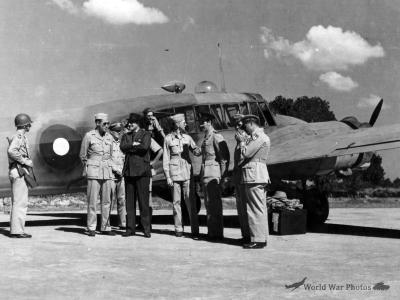
Anson India 44

Anson IV Prototype R9816 AAE&E

Anson IV Prototype R9816 AAE&E
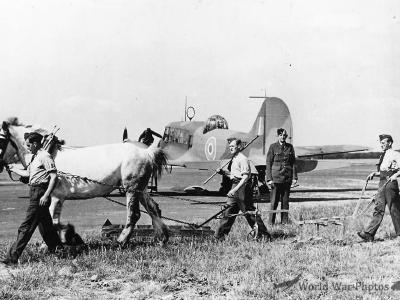
Anson june42
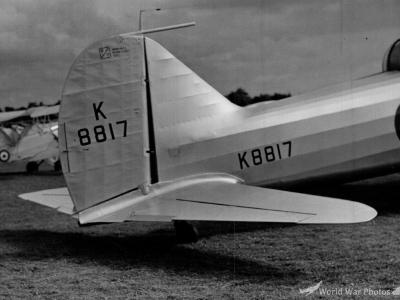
Anson K 8817 tail
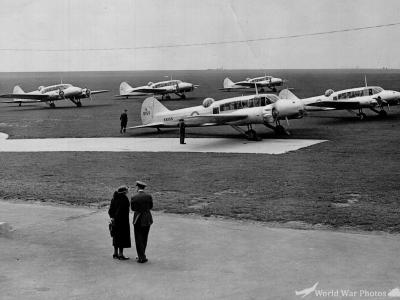
Anson K6155 48 Sqn Manston
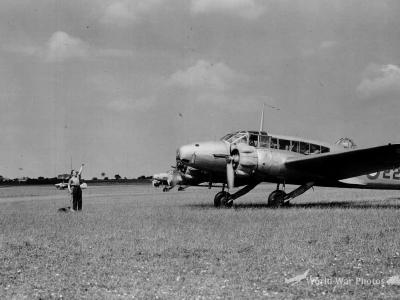
Anson K6211 220 1838
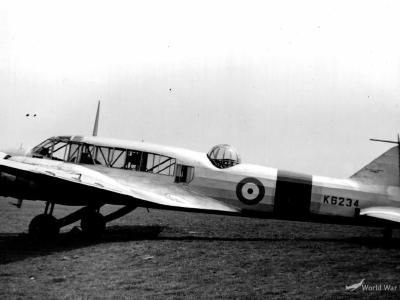
Anson K6234
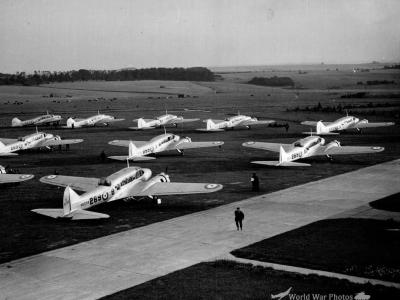
Anson K6258 269 Sqn
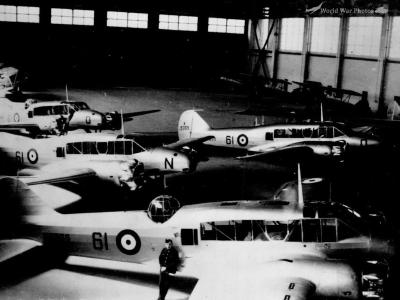
Anson K6305 61 Sqn
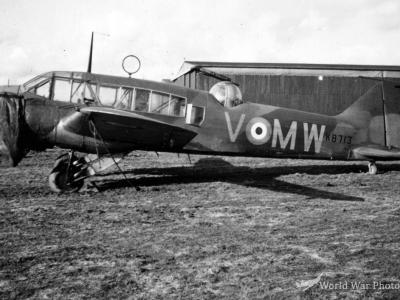
Anson K8713 217 Sqn
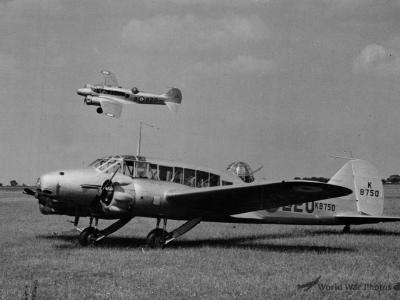
Anson K8750 220 Sqn
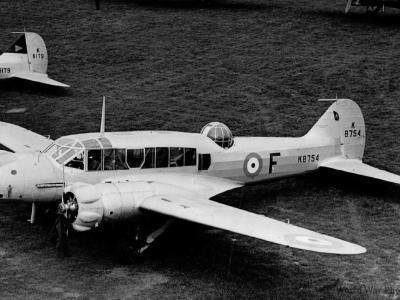
Anson K8754
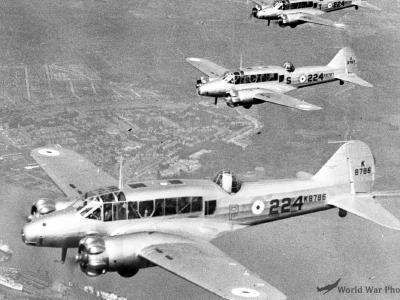
Anson K8786 1937
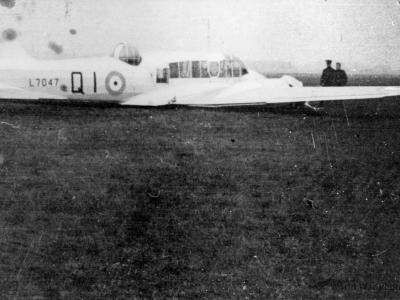
Anson L7047 48 Sqn
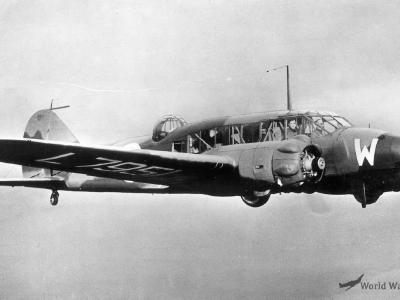
Anson L7951
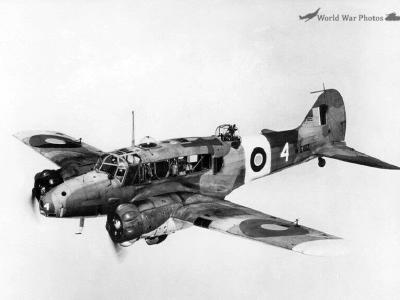
Anson MG182
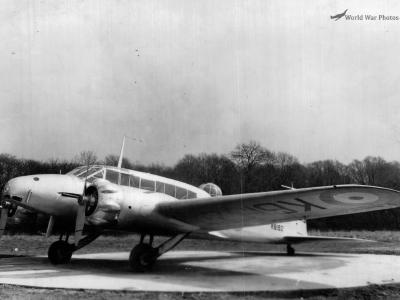
Anson Mk I K6152
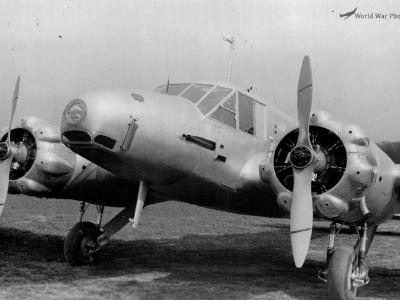
Anson Mk I K6152
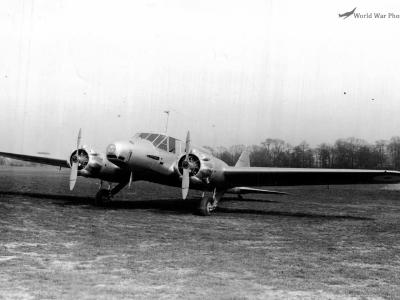
Anson Mk I K6152
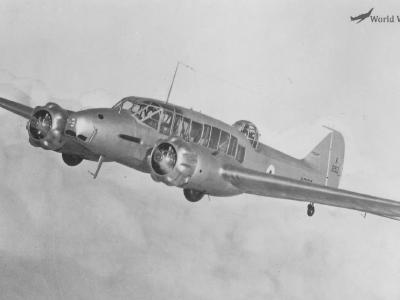
Anson Mk I K6152
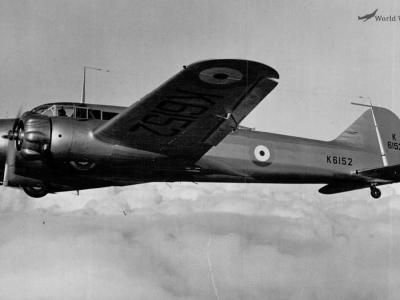
Anson Mk I K6152
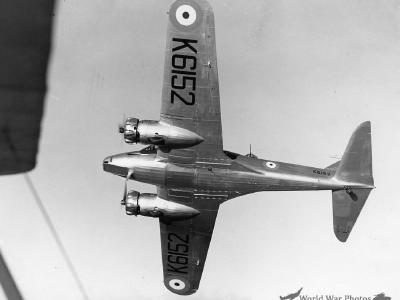
Anson Mk I K6152 1st Prod Trials 1935

Anson Mk I K6152 1st Production Aircraft

Anson Mk I K6152 1st Production Aircraft
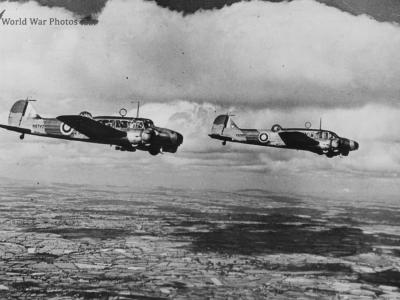
Anson Mk I N9742 of No 321 Dutch Squadron
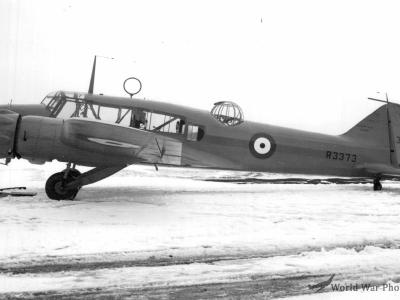
Anson Mk I R3373
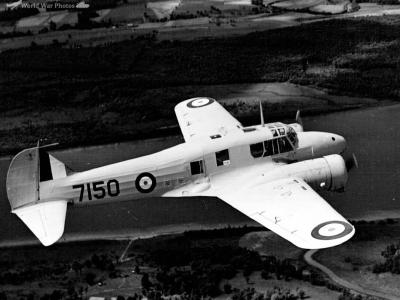
Anson Mk II 7150 1942
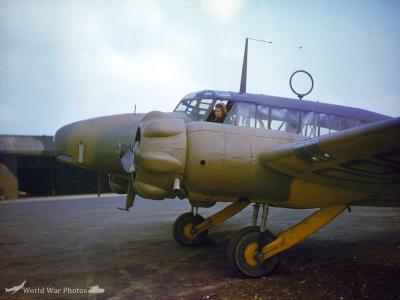
Anson N5060
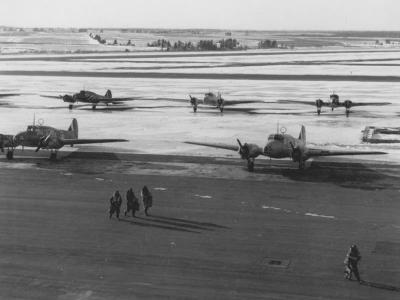
Anson No 1 General Reconnaissance School Summerside Prince Edward Island
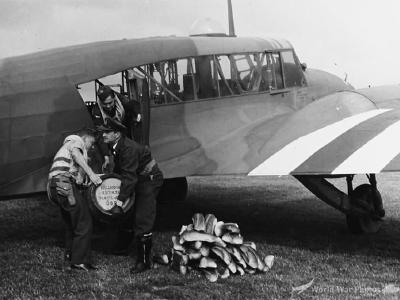
Anson Normandy 1944
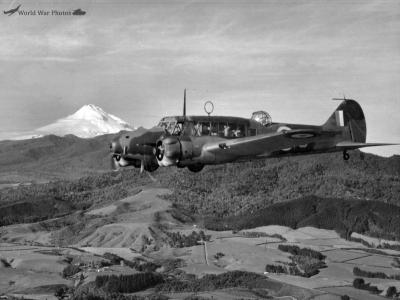
Anson NZ413 RNZAF
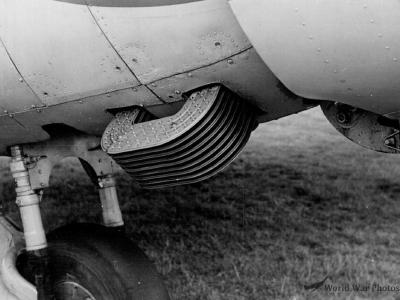
Anson oil cooler
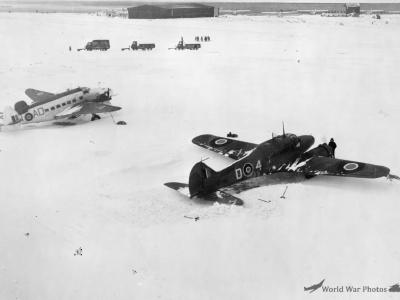
Anson Reykjavik 1945
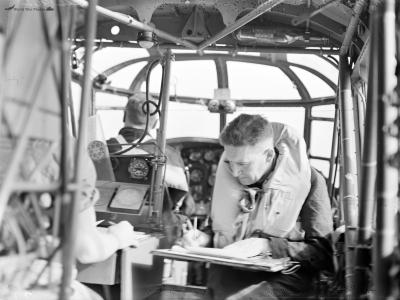
Anson RNZAF Navigation School
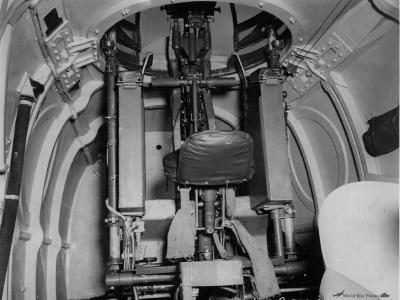
Anson rurret interior RCAF
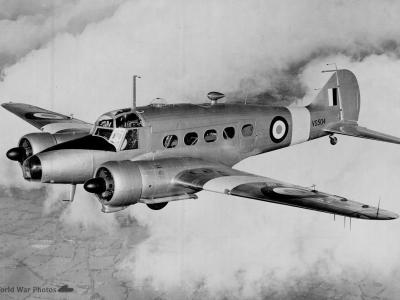
Anson T20 VS504
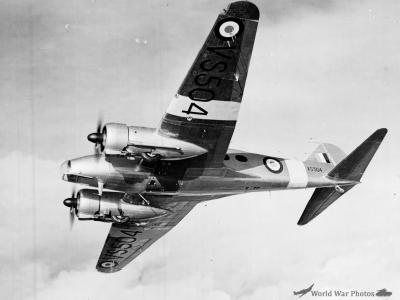
Anson T20 VS504
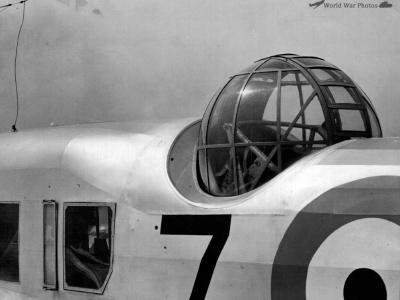
Anson turret
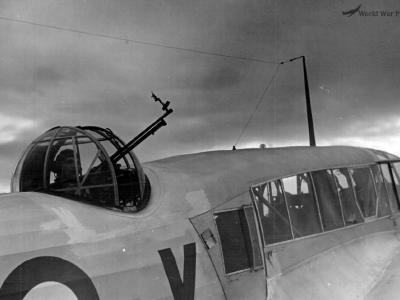
Anson turret
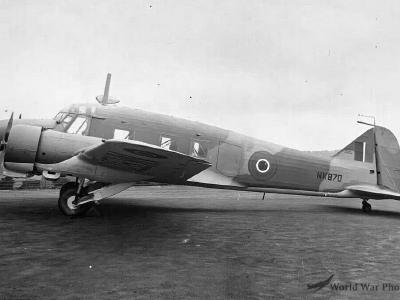
Anson XI NK870 1944
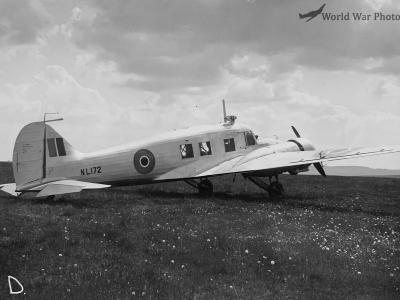
Anson XII NL172
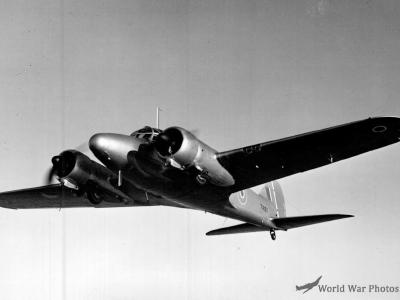
Anson XIX TX157
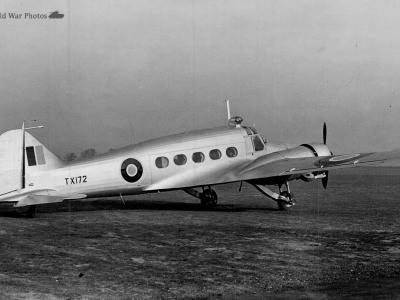
Anson XIX TX172
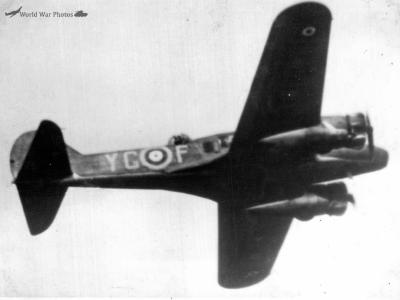
Anson YG-F 502 Sqn
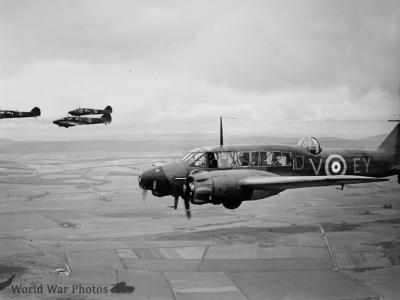
Ansons 233 Sqn 1938

Ansons at the Navigation and Reconnaissance School RNZAF New Plymouth

Ansons Being Refulled Kidlington N5285 6 SFTS 1940
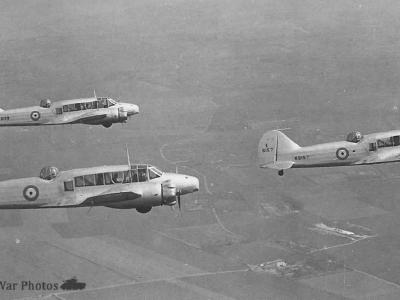
Ansons K6156 K6157 and K615
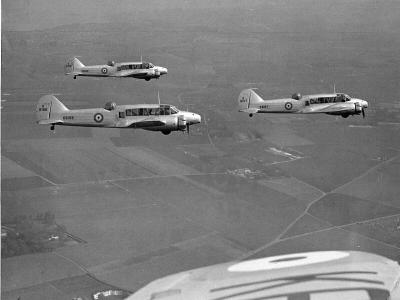
Ansons K6159 K6157 K6156 12 May 1937
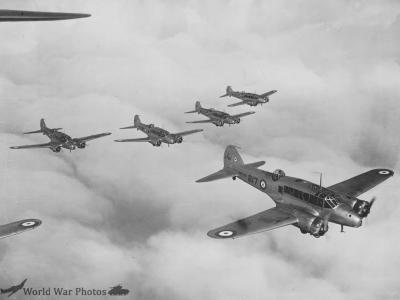
Ansons K8785 217 Sqn 1938

Ansons K8785 of 217 Sqn with Admiralty yacht 19 July 1938
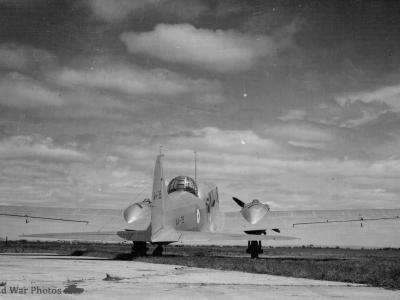
Australian Anson A4-35 1938
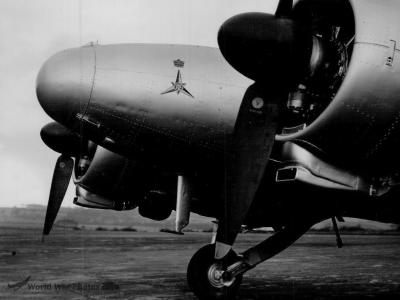
Avro Anson
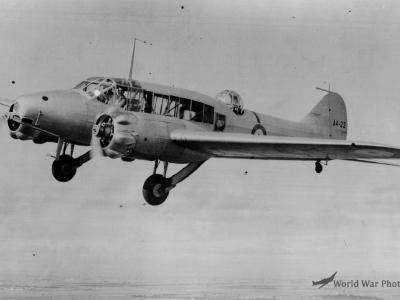
Avro Anson 1938 RAAF
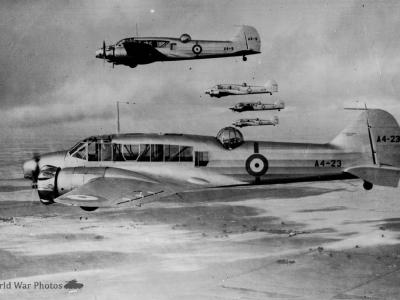
Avro Anson 1938 RAAF
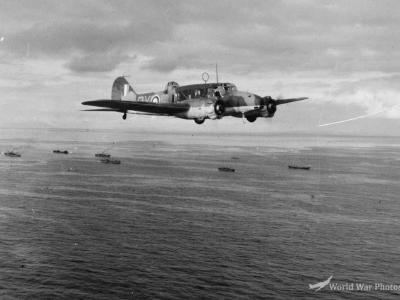
Avro Anson 48 Sqn 1940
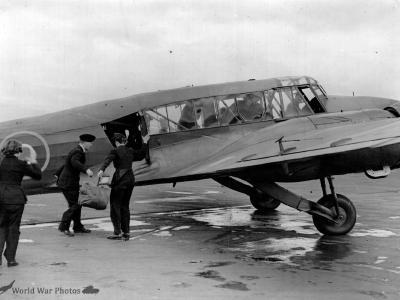
Avro Anson as light transport
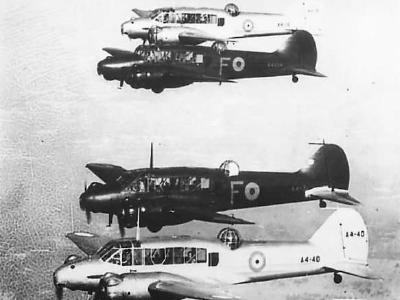
Avro Anson Bombers in Formation during Training Flight, Australia 1940
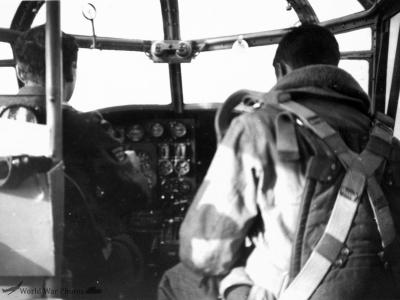
Avro Anson cockpit
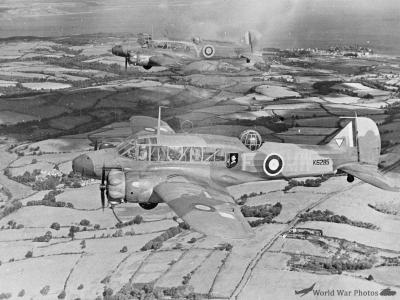
Avro Anson K6285 MW-F

Avro Anson Mk Is of No 220 Squadron RAF Coastal Command 1939

Avro Anson on Convoy Escort Duty over Ships
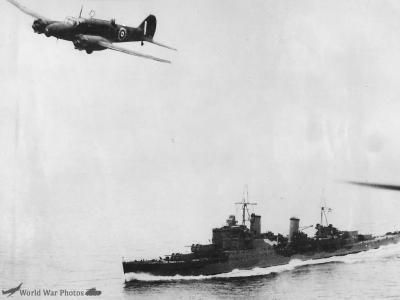
Avro Anson on Convoy Escort Duty over Ships in North Atlantic 1940
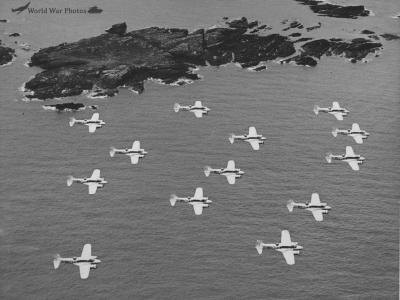
Avro Ansons 217 1938 Flying Over Casquets
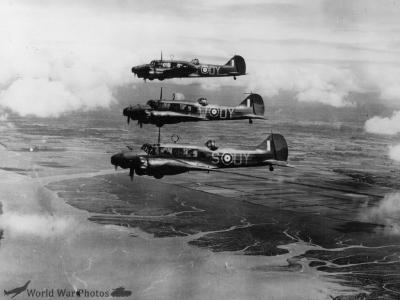
Avro Ansons 48 Sqn Coastal Command 1940
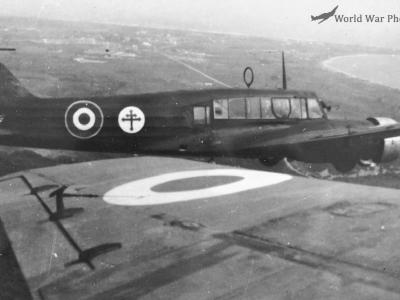
French Anson
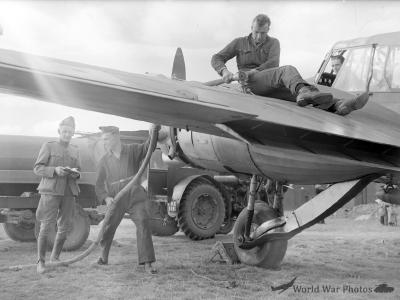
No. 321 (Netherlands) Squadron RAF
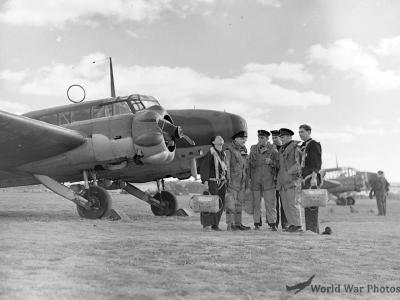
No. 321 (Netherlands) Squadron RAF
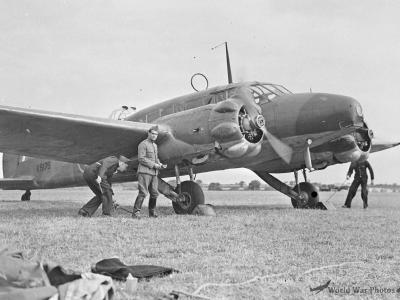
No. 321 (Netherlands) Squadron RAF
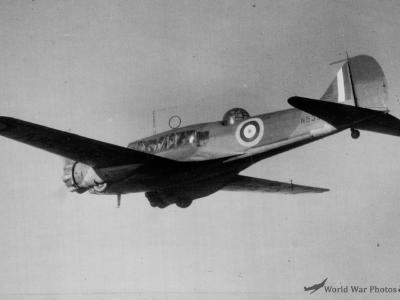
Polish Anson I N5331 in Flight 6 OAFU 1940

Prototype Anson K4771

Prototype Anson K4771

Prototype Anson K4771 2
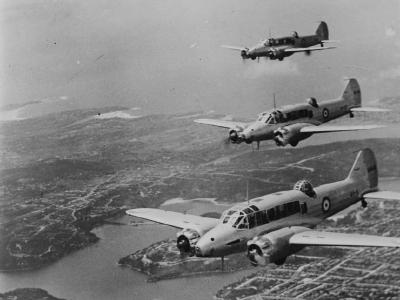
RAAF Anson Formation A4-5 3 Sqn
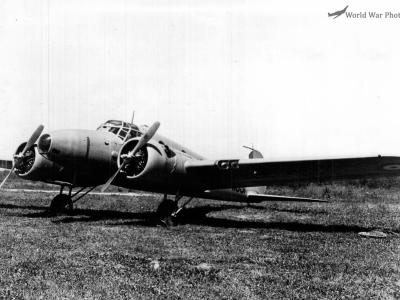
RCAF Anson
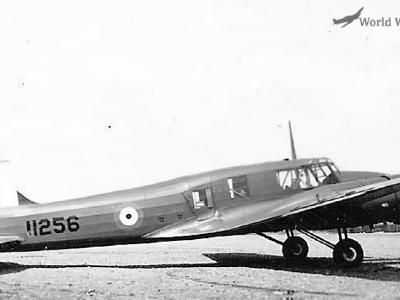
RCAF Anson 11256
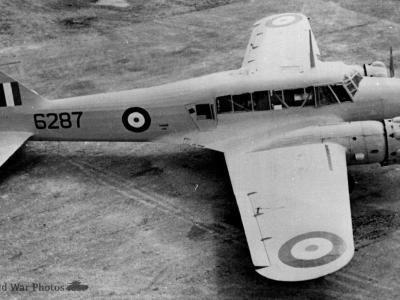
RCAF Anson 6287
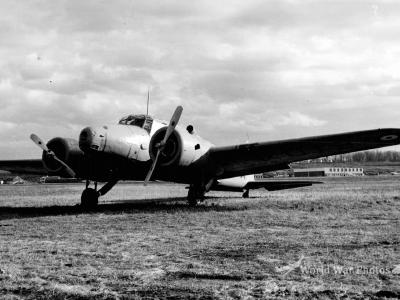
RCAF Anson IV 1943
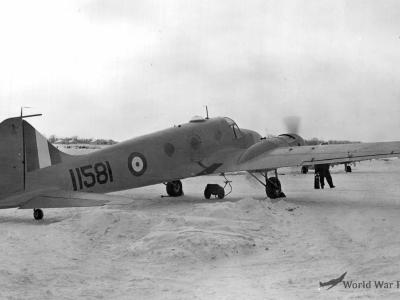
RCAF Anson V 11581
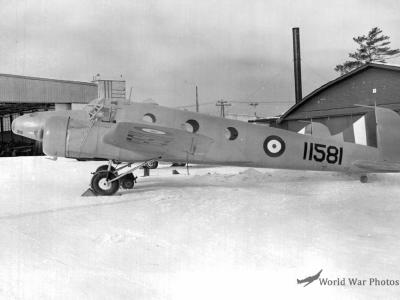
RCAF Anson V 11581
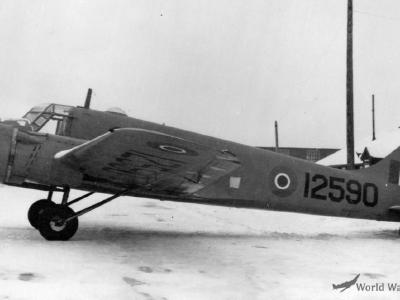
RCAF Anson V 12590
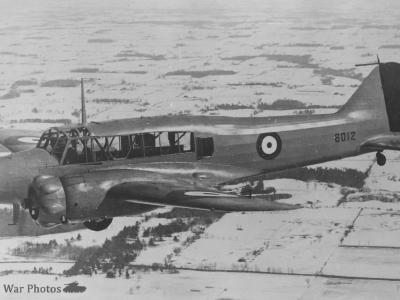
RCAF Avro Anson 6012
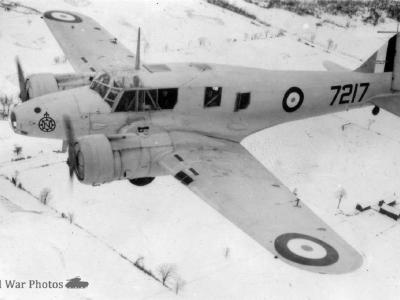
RCAF Avro Anson II 7217
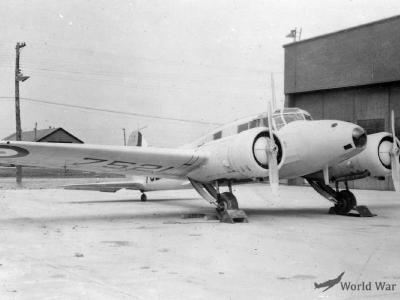
RCAF Avro Anson II 7521
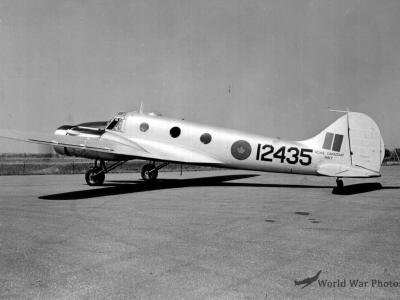
RCN Anson V 12435
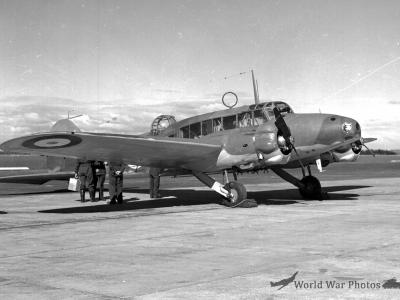
RNZAF Anson C 1943
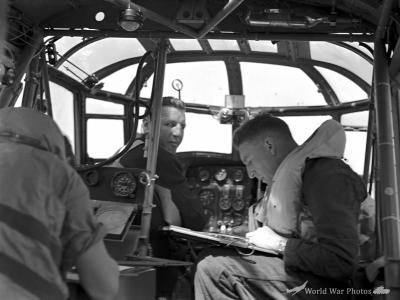
RNZAF Anson cockpit
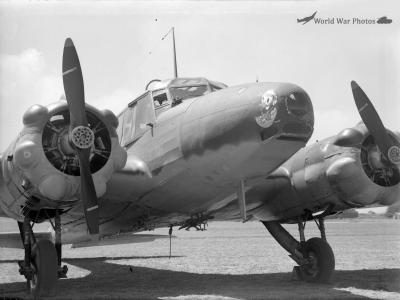
RNZAF Anson D
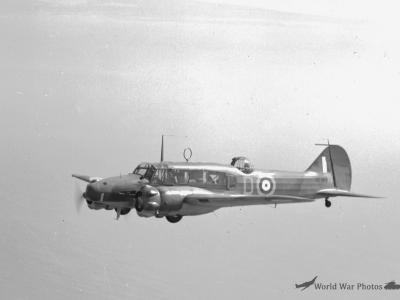
RNZAF Anson NZ404 D
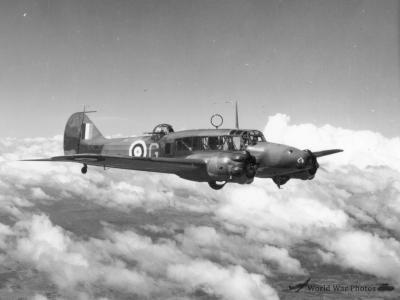
RNZAF Anson NZ406
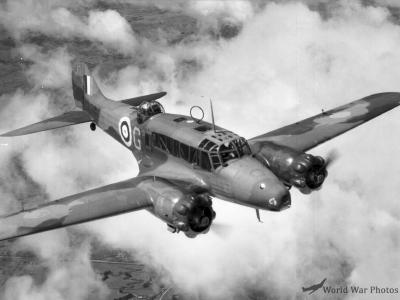
RNZAF Anson NZ406 G
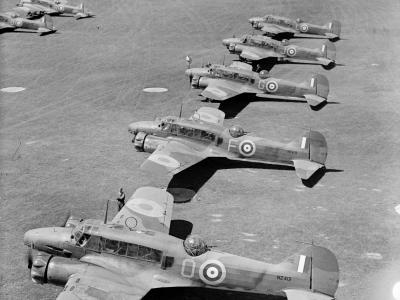
RNZAF Ansons Station New Plymouth NZ413 NZ405 NZ406
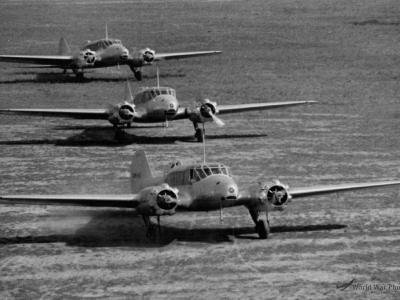
Royal Australian Air Force Avro Anson 1937
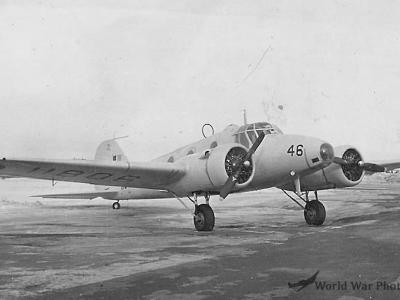
Royal Canadian Air Force Avro Anson 11806

Royal Canadian Air Force Avro Anson 11835
The Avro Anson, affectionately known as “Faithful Annie”, originated from the Avro 652 commercial monoplane, designed for Imperial Airways in 1933. This initial design, led by Avro designer Roy Chadwick, was a four-passenger charter aircraft powered by two Armstrong Siddeley Cheetah radial engines, intended for a cruising speed of 150 mph and a range of 600 miles. The Avro 652 featured a one-piece wooden mainplane moved from a high-wing to a low-wing position, a welded steel tube fuselage rounded out by fabric over wooden formers, and an innovative retractable undercarriage housed in streamlined engine nacelles. The landing gear was manually operated, requiring 140 turns of a chain-driven screw gear for retraction. The civil 652s, “Avalon” and “Avatar,” entered service with Imperial Airways in March 1935, flying the Croydon-Brindisi route.
Transition to Military Service and Design Evolution: Before the first Avro 652 was completed, the Air Ministry requested Avro propose a twin-engine landplane for coastal reconnaissance. The 652’s design was easily adapted, leading to the Avro 652A military version. This prototype, K4771, first flew on March 24, 1935. It differed from the civil 652 by having a door on the starboard side, square cabin windows, and initially a gunner’s position or a hand-operated turret. The 652A was also offered with a bomb load of 360 lb. in the center section and a single Vickers gun for the pilot on the port side. After competition and trials, the Avro 652A was adopted as standard equipment, and a contract for 174 aircraft was placed in May 1935, leading to its designation as the Anson Mk. I. The Anson name honored Admiral of the Fleet George Anson.
Key Design and Construction Features: The Anson was a conventional low-wing, twin-engine, cantilever monoplane.
- Wings: The single-piece cantilever monoplane wing consisted of two box-spars of spruce and plywood construction with plywood and spruce ribs and plywood covering. Bakelite plywood, known for being stronger and impervious to water, was used throughout. Portions aft of the rear spar, carrying flaps and ailerons, were detachable for transport. Later versions, like the Anson C19, introduced an all-metal wing.
- Fuselage: It featured a rectangular welded steel-tube structure with rigid bracing, covered with fabric over wooden fairings. Canadian-built versions (Anson II, V) introduced a moulded plastic-plywood nose and, in the Anson V, a new fuselage primarily of plastic-plywood construction to conserve steel.
- Tail Unit: The fixed tailplane and rudder were constructed of spruce frames with plywood covering, similar to the wing. Elevators and the integral fin were of welded steel-tube construction with fabric covering. Trimming tabs were included in the rudder and elevators.
- Landing Gear: It was a retractable type, consisting of two separate units mounted under each engine nacelle, into which they retracted. The Anson I featured manual retraction, requiring 140 turns. Canadian models and later British versions incorporated hydraulically-operated landing gear and flaps. A non-retractable castoring tailwheel was standard.
- Accommodation: The pilot's seat was in the extreme nose on the left side, with provisions for removable dual controls. Behind the pilot was the navigator/bomb-aimer's seat with a table and instrument panel. The bomb-aimer's position in the nose on the right side included a sliding floor door for using a Wimperis course-setting bomb-sight and bomb release controls. A wireless-operator/gunner's seat was located further aft. Crew access was through a door on the right (starboard) side of the fuselage.
- Armament: The Anson I was initially armed with one fixed forward-firing Vickers .303 in. machinegun in the port side of the nose and one Lewis or Vickers K .303 in. gun in an Armstrong Whitworth manually-operated turret amidships. Internal stowage was provided for two 100 lb. bombs, with external racks for eight 20 lb. bombs, flares, or smoke-floats. Maximum bomb load was 360 lb., though it could carry two 250 lb. bombs externally. Later armament trainers were fitted with a Bristol Mk. VI hydraulically-operated turret.
Dimensions, Weights, and Performance (Anson I): The Anson I had a span of 56 ft. 6 in. (17.20 m.), a length of 42 ft. 3 in. (12.90 m.), and a height of 13 ft. 1 in. (4 m.). Its normal loaded weight was 7,665 lbs. (3,476 kg.), with a maximum permissible loaded weight of 8,000 lbs. (3,627 kg.). Over its service life, the all-up weight steadily increased from 7,342 lb. for the prototype to 9,850 lb. by 1943. The Anson I had a maximum speed of 188 m.p.h. (303 km.h.) at 7,000 ft. (2,130 m.) and a cruising speed of 158 m.p.h. (252.8 km.h.) at 6,000 ft. (1,830 m.). Its service ceiling was 19,500 ft. (5,948 m.), and it had an initial rate of climb of 750 ft./min. (229 m./min.).
Roles and Service History: The Anson I entered service with the R.A.F. in 1936 as a General Reconnaissance monoplane for Coastal Command. Despite being considered obsolescent for front-line combat by the outbreak of WWII, Ansons participated in early engagements, including anti-submarine patrols and even shooting down enemy aircraft. They were eventually replaced in front-line duties by more capable aircraft like the Lockheed Hudson and Armstrong Whitworth Whitley by late 1941.
The Anson gained its most prominent role as the standard twin-engined trainer for the Commonwealth Air Training Plan (BCATP), primarily organized in Canada, Australia, South Africa, Southern Rhodesia, and New Zealand. It was used to train pilots, observers, wireless operators, and bomb aimers. Canada undertook large-scale production of the Anson II, III, V, and VI, setting up Federal Aircraft, Ltd. for this purpose. British production continued for domestic needs, covering Marks I, X, XI, and XII.
The Anson also served in various specialized roles:
- Light Transport and Communications: Ansons were converted for these duties, particularly the Anson X, XI, and XII, with the Anson X specifically designed for freight. They were crucial for the Air Transport Auxiliary (ATA) for ferrying pilots and light loads.
- Air Sea Rescue: Some were fitted with early ASV radar and served with Air Sea Rescue Squadrons until 1942.
- Special Duties: Including agent recovery and radio counter-measures.
- Civilian Use: Post-war, many surplus Ansons were converted for civil use as charter aircraft, freight carriers, survey planes, and ambulances. They served for decades in various capacities, including agricultural work and communications for oil companies.