Nakajima Ki-43
Click the thumbnails to enlarge them
Captured Hayabusa of 84th Airdrome Squadron Hollandia 1944
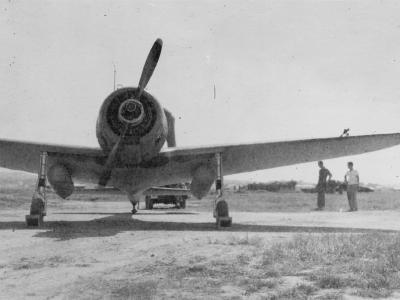
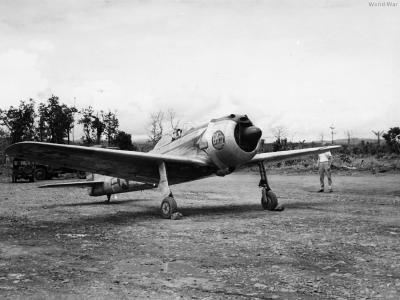
Captured Ki-43 Hayabusa at Eagle Farm 1944 3
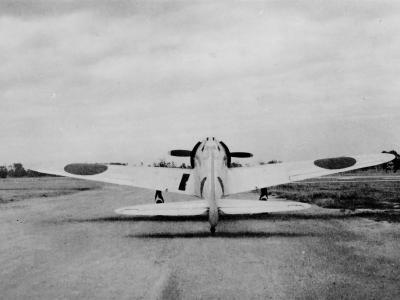
Captured Ki-43 Hayabusa at Eagle Farm 1944 4
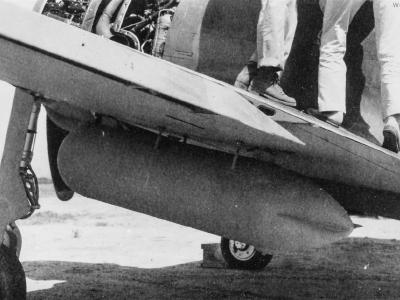
Captured Ki-43 Hayabusa at Eagle Farm, Australia 1944 5
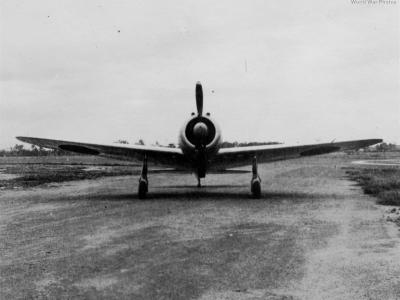
Captured Ki-43 Hayabusa at Eagle Farm, March 1944 6
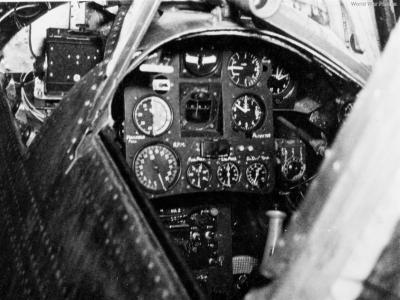
Captured Ki-43 Hayabusa cockpit 1944 1
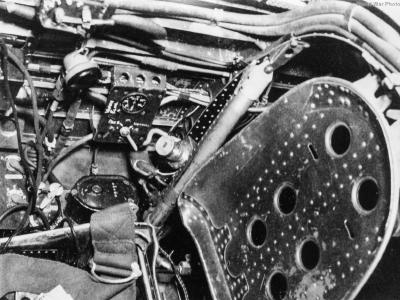
Captured Ki-43 Hayabusa cockpit 1944 2
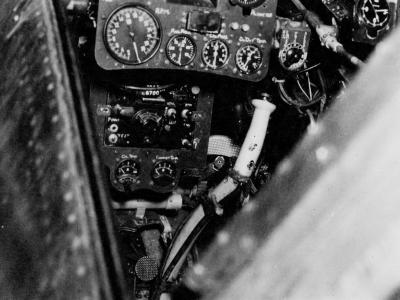
Captured Ki-43 Hayabusa cockpit 1944 3
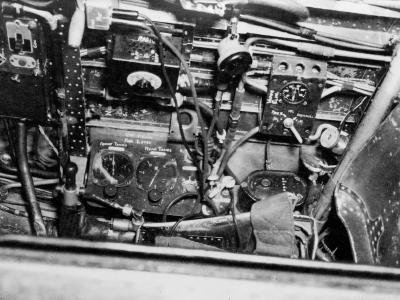
Captured Ki-43 Hayabusa Cockpit 1944 4
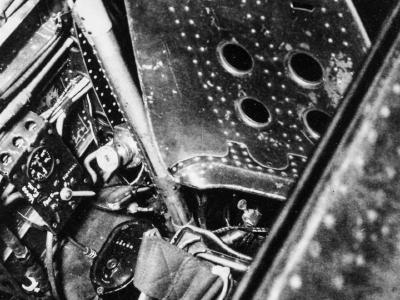
Captured Ki-43 Hayabusa cockpit 1944 5
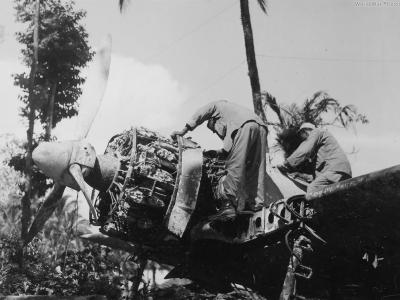
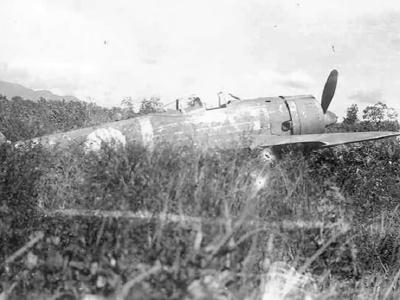
Captured Ki-43 Hayabusa on Munda Field 14 June 1944
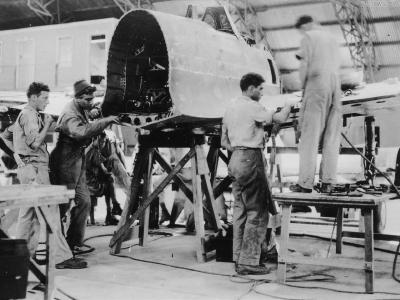
Captured Ki-43 Hayabusa Restoration at Eagle Farm 1
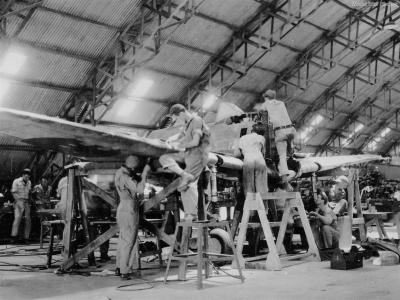
Captured Ki-43 Hayabusa Restoration at Eagle Farm 2

Captured Ki-43 Hayabusa restoration at Eagle Farm 3
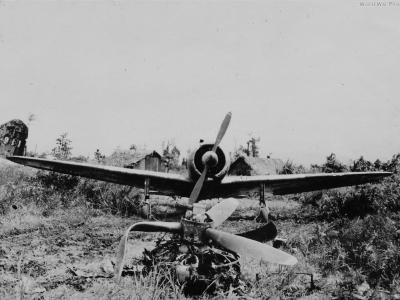
Captured Ki-43 I at Lae New Guinea 15 September 1943 3
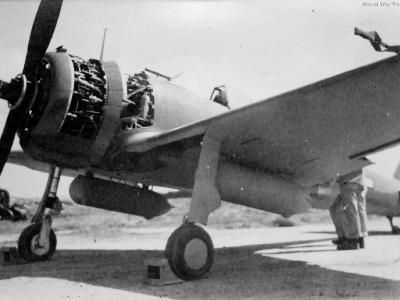
Captured Ki-43-I XJ002 Hayabusa at Eagle Farm, Australia 1944 2
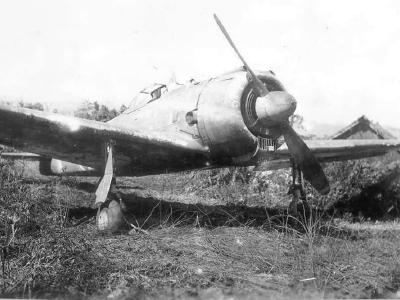
Captured Ki-43-I at Lae, New Guinea
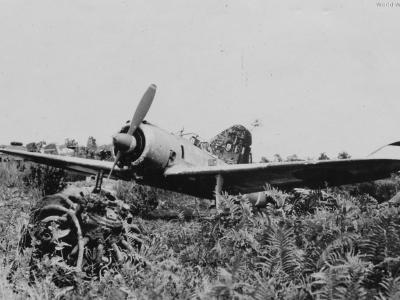
Captured Ki-43-I at Lae, New Guinea 15 September 1943
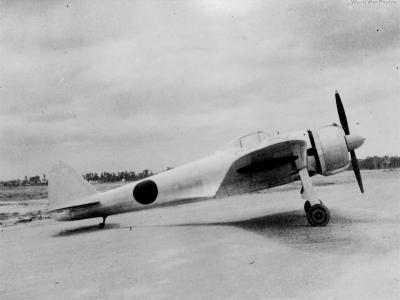
Captured Ki-43-I Hayabusa at Eagle Farm 1944 1
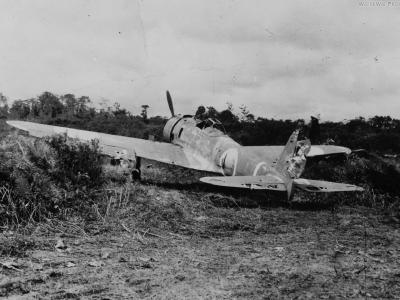
Captured Ki-43-I of the 11 Sentai at Lae, New Guinea 15 September 1943
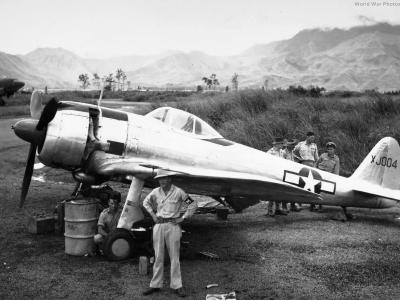
Captured Ki-43-II ex-59 Sentai, code XJ004 Hollandia 1944
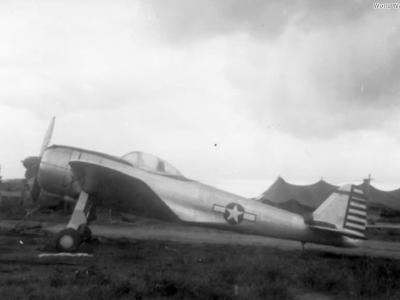
Captured Ki-43-II Oscar
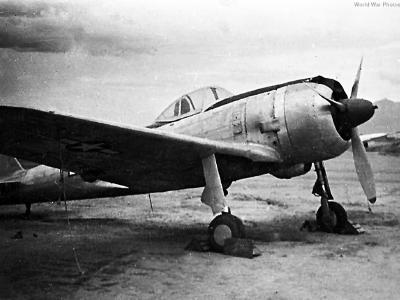
Captured Ki-43-II Otsu Clark Field 1945
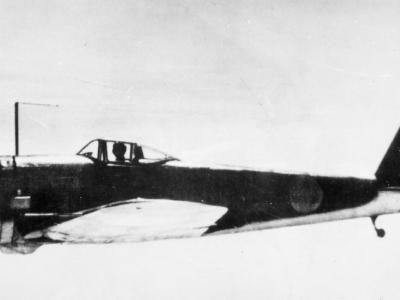
Captured Nakajima Ki-43-IIb "Otsu" in flight
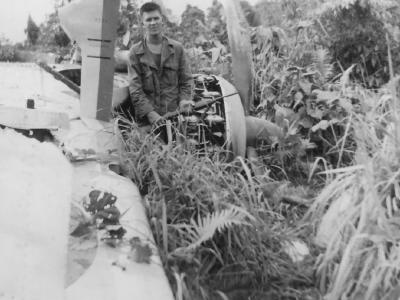
Crashed Ki-43 4332 Biak
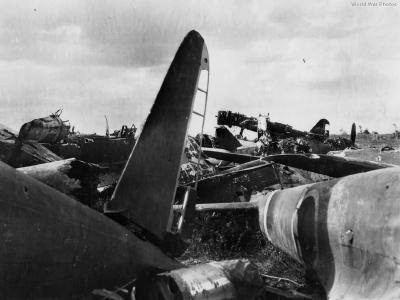
Japanese plane graveyard Ki-43 and Betty wreckage
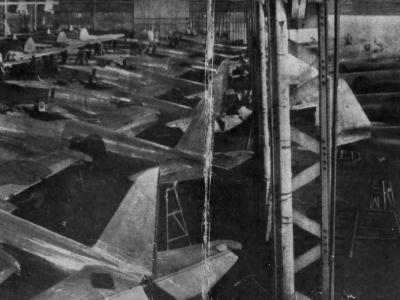
Ki-43 Hayabusa "Oscar" assembly line
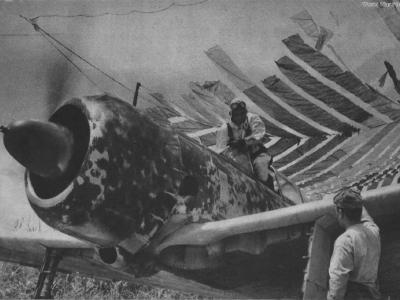
Ki-43 Hayabusa "Oscar" warming up its engine
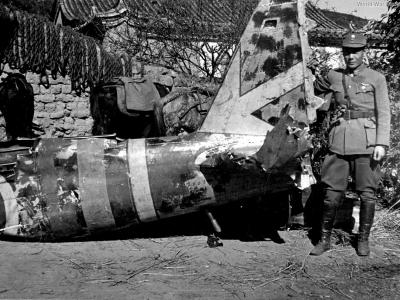
Ki-43 of the 64th Sentai wreck in China, tail markings 1942
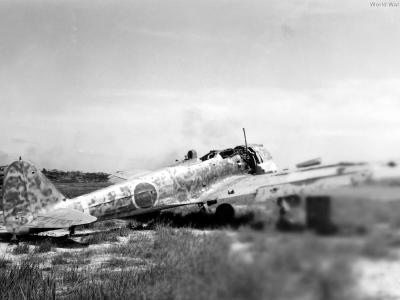
Ki-43 Oscar on Okinawa April 1945
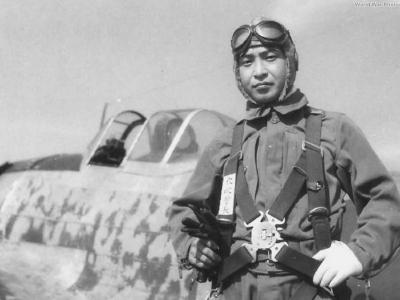
Ki-43 pilot Satoru Anabuki
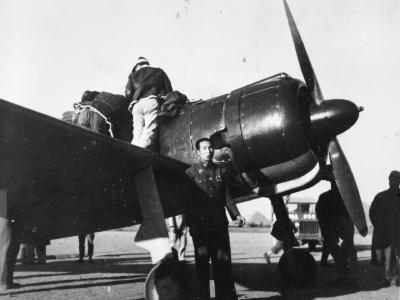
Ki-43-I of Chinese Nationalist Air Force 2
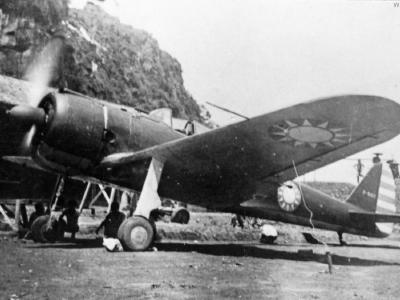
Ki-43-I P-5017 of Chinese Nationalist Air Force
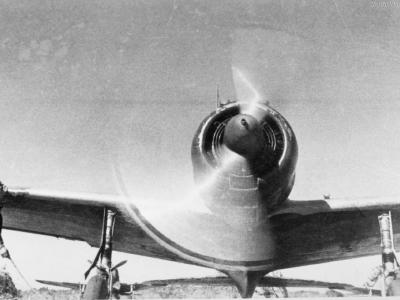
Ki-43-I warming up its engine
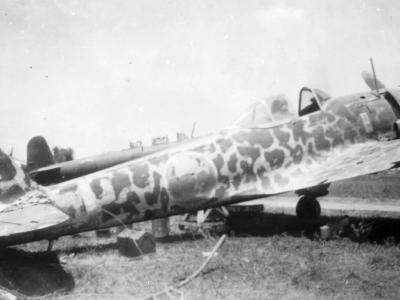
Ki-43-II
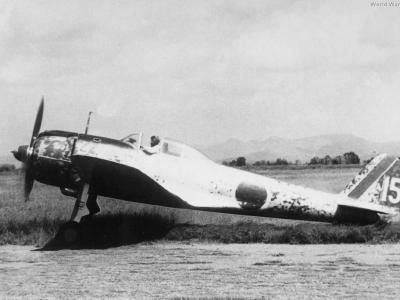
Ki-43-II Ko "15" of the 2 Chutai, 25 Sentai China 1943. Pilot: Sgt Kyushiro Otake.
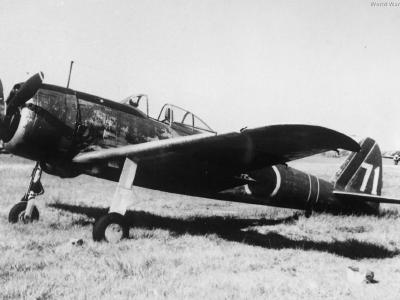
Ki-43-II Ko "71" of the 2 Chutai, 25 Sentai Nankin 1943. Pilot Cpt Nakakazu Ozaki.
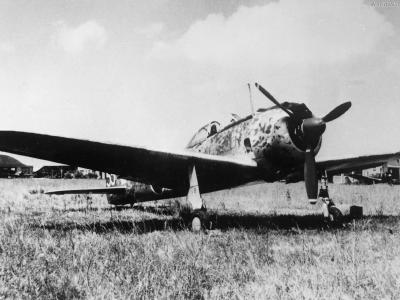
Ki-43-II Ko Hayabusa "Oscar" of the 25 Sentai China 1943
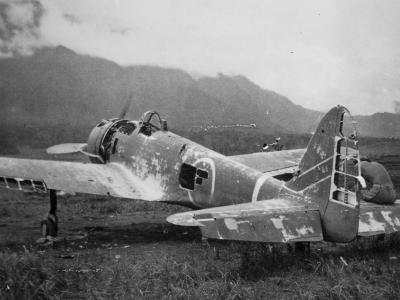
Ki-43-II Ko Hayabusa "Oscar" of the 59 Sentai Hollandia 1944
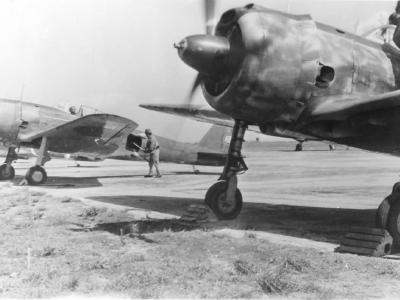
Ki-43-II Ko of Akeno Flying School
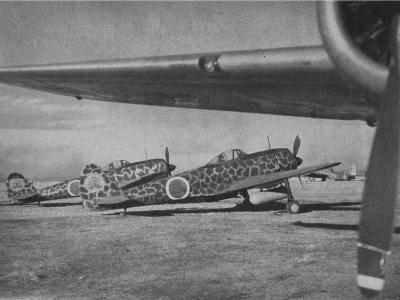
Ki-43-II Otsu Hayabusa "Oscar" fighters from 3.Chutai, 64. Sentai Burma 1944
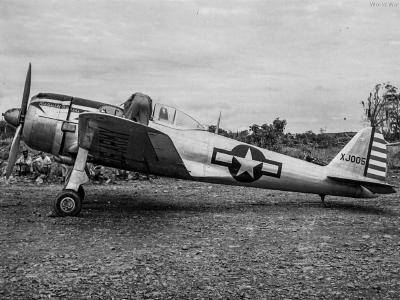
Ki-43-II Otsu Hayabusa code XJ005 Hollandia 1944
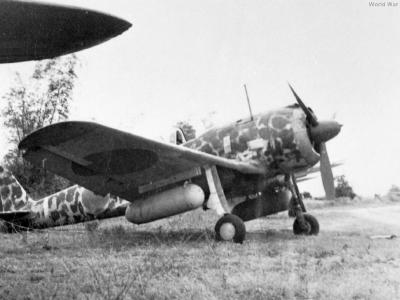
Ki-43-II Otsu with drop tanks
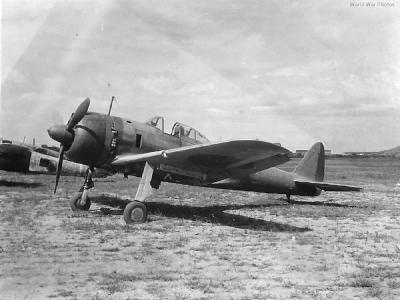
Ki-43-III Ko
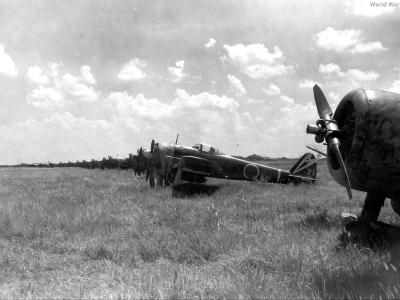
Ki-43-III Ko "21" of the 48 Sentai seen after the war at Shanghai September 1945
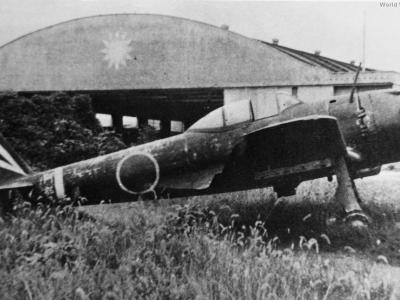
Ki-43-III Ko "35" of the 1 Chutai, 48 Sentai, Kiangwan, China September 1945
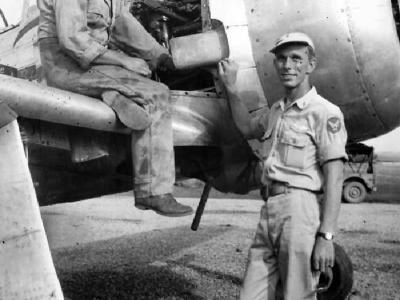
Nakajima Ki-43-II Otsu code XJ005 Hollandia 1944
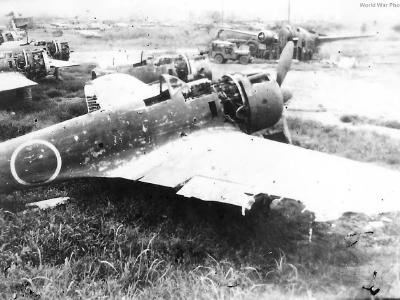
Nakajima Ki-43-II wreck
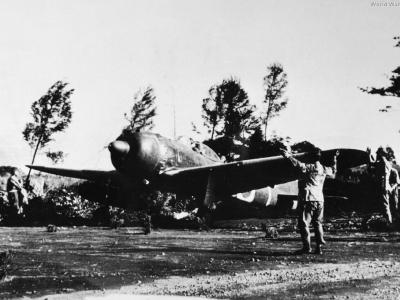
Nakajima Ki-43-III 1945
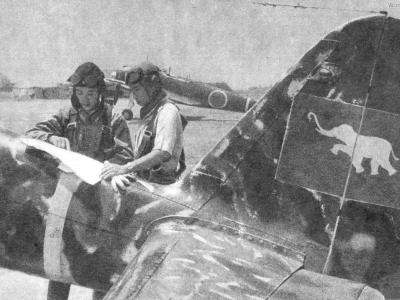
Thai Air Force Ki-43-II Otsu
Hayabusa (隼, “Peregrine Falcon”) was a single-engined land-based fighter used by the Imperial Japanese Army Air Force in World War II. The army designation was “Type 1 Fighter” (一式戦闘機); the Allied codename was Oscar. The Oscar was designed to be like the Mitsubishi Zero, but it was more lightweight and was even less rugged than its Navy counterpart. It was known for its nimble handling and legendary for its performance in East Asia in the early years of the war. It was designed by Hideo Itokawa, who would later become famous as a pioneer of Japanese rocketry. The Ki-43 was the most widely-used Army fighter, and equipped 30 sentai (groups) and 12 chutais (squadrons). The first version, Mark I, entered service in 1941, the Mark II in December 1942, the II-Kai in June 1943, and the Mark IIIa in the summer of 1944. Like the Zero, the Ki-43 initially enjoyed air superiority in the skies of Malaya, Netherlands East Indies, Burma and New Guinea. This was partly to do with the better performance of the Japanese fighters and the small numbers of Allied fighters in Asia and the Pacfiic when war began. The Ki-43 also served in an air defense role over Formosa, Okinawa and the Japanese home islands. Some examples were supplied to the pro-Japanese countries of Thailand, Manchukuo and Wang Jingwei Government as well. The Thai units sometimes fought against the USAAF in southern China. After the war some examples served in limited numbers in the French Air Force in Indochina against communist rebels.