Mitsubishi Ki-21
Click the thumbnails to enlarge them

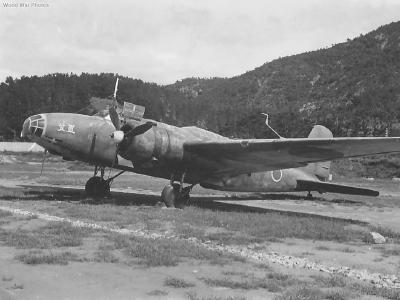
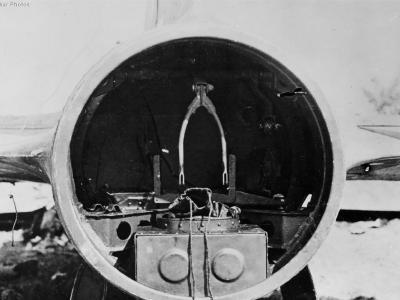
Close up of nose section of Ki-21 at Shanghai 1945
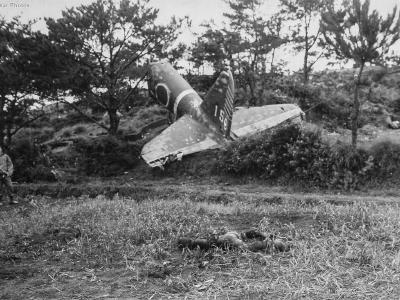
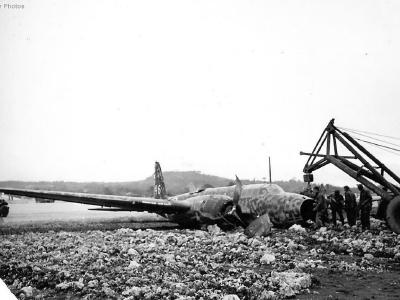
Crashed Ki-21-II Sally 156 Okinawa May 1945

J1N1 of the 251st Kokutai and Ki-21 bombers Rabaul 2 November 1943
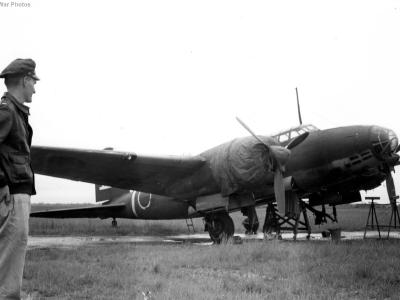
Ki-21 "Sally" at Hanoi, Vietnam on September 7, 1945
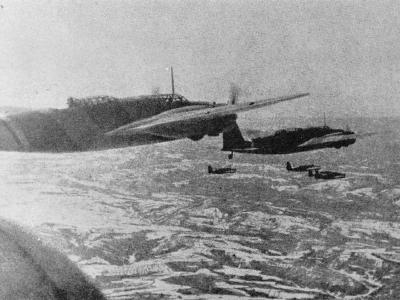
Ki-21 "Sally" of the 60 Sentai China 1939
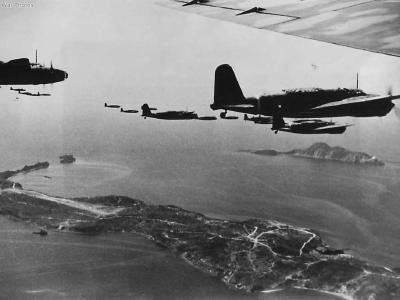
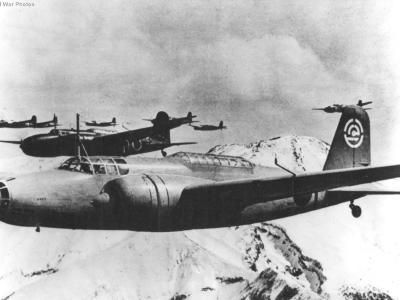
Ki-21 "Type 97 Heavy Bomber" bombers over Corregidor for attack on US positions
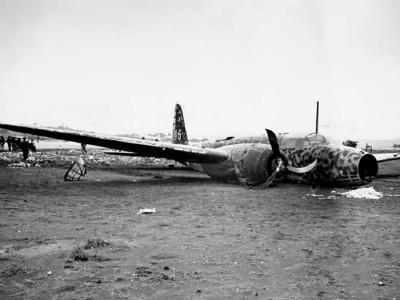
Ki-21 at Yontan, Okinawa 25 May 1945
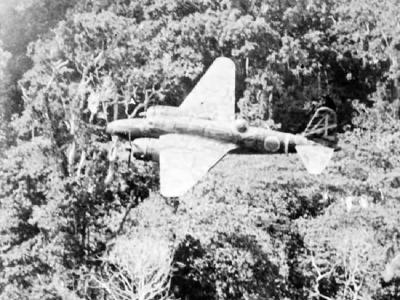
Ki-21 of the 14 Sentai in flight over jungle
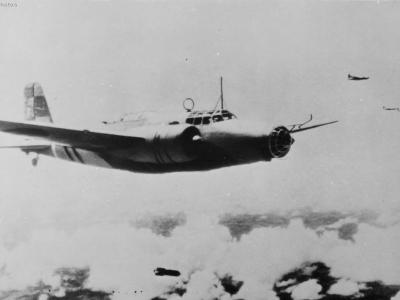
Ki-21-I "Sally" from 60 Sentai over China
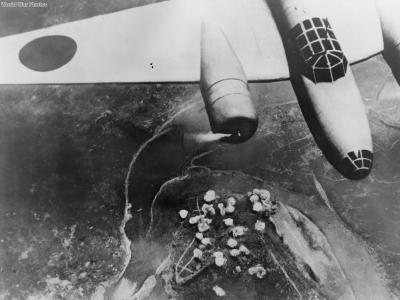
Ki-21-I "Sally" over Chongqing 14 September 1940
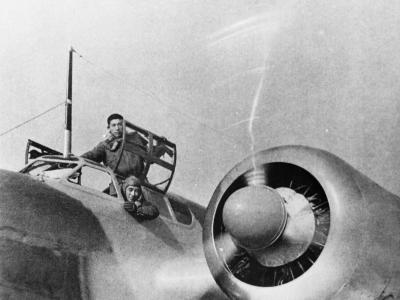
Ki-21-I crew
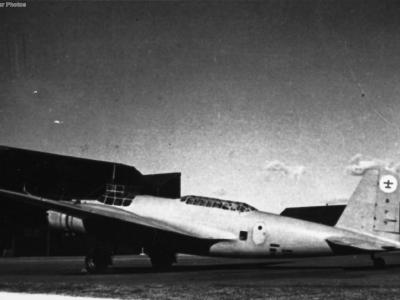
Ki-21-I from Air Academy
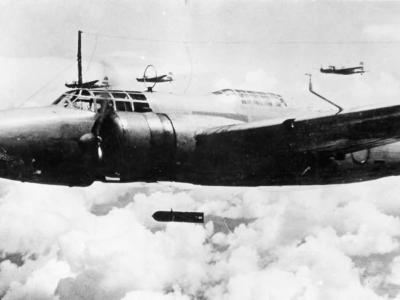
Ki-21-I of the 60 Sentai over China
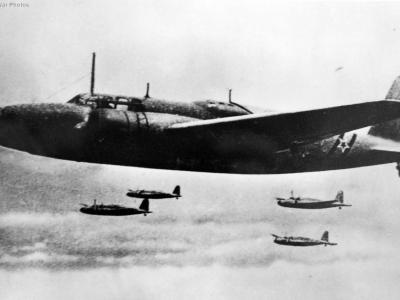
Ki-21-I of the 60th Sentai over China
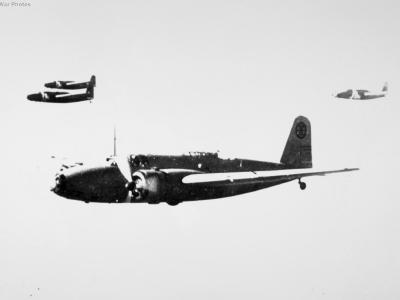
Ki-21-I of the Japanese army flying school
Ki-21-II 546 at Yontan Okinawa
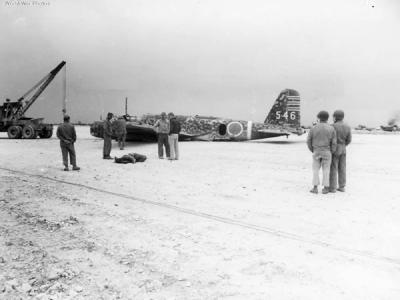
Ki-21-II 546 at Yontan Okinawa 2
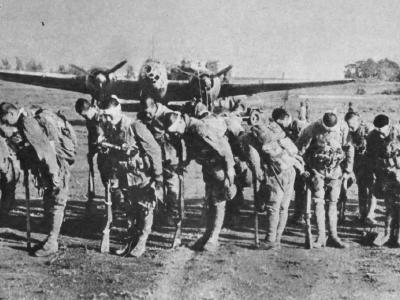
Ki-21-II and Giretsu Special Attack Unit 24 May 1945
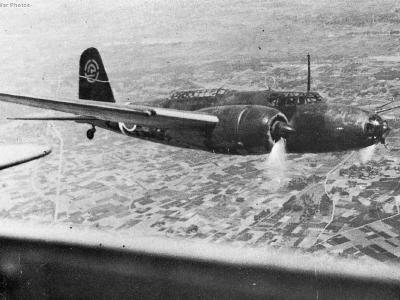
Ki-21-II from Hamamatsu flying school
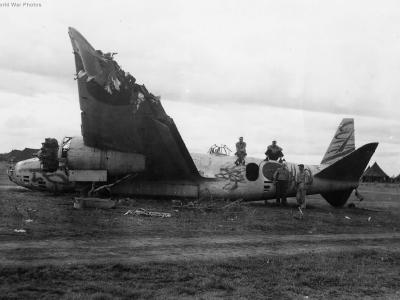
Ki-21-II of the 14 Sentai
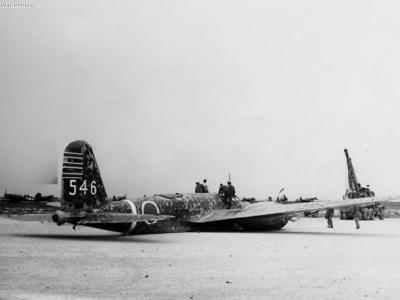
Ki-21-II Otsu of 3rd Independent hikotai at Yontan Okinawa 25 May 1945
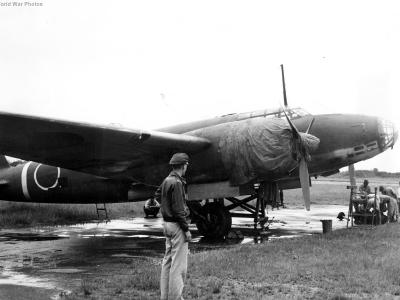
Ki-21-II Sally at Hanoi Airfield September 1945
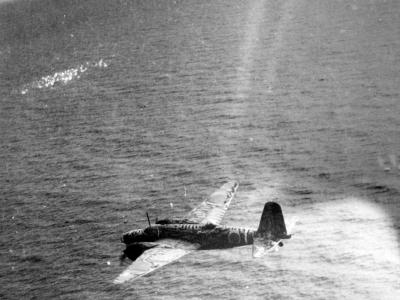
Ki-21-II under attack

Ki-21, Ki-61 and Ki-43 under attack at Wewak 1943
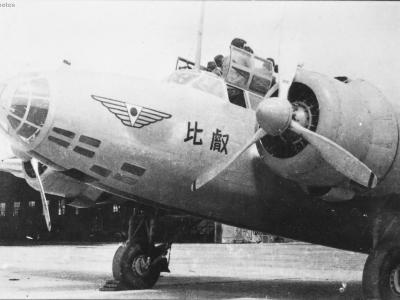
MC-21 - unarmed civilian transport version
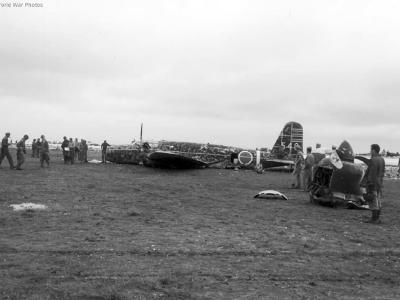
Mitsubishi Ki-21 546 at Yontan Okinawa, 25 May 1945
Mitsubishi Ki-21 Sally wreck in India 1943
Mitsubishi Ki-21-II "Sally" of the Hamamatsu flying school
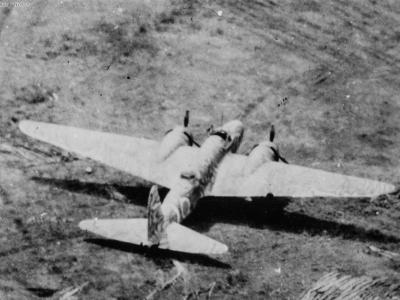
Mitsubishi Ki-21-II Sally SWPA
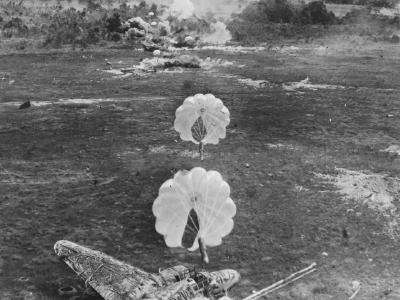
Parachute bombs fall on Ki-21-II of the 14 Sentai September 1944
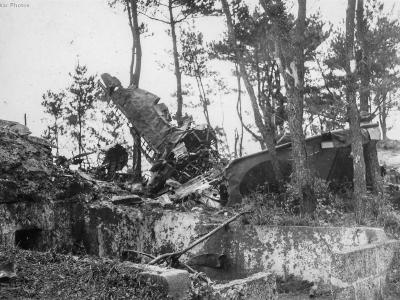
Wreck of Ki-21 Sally Okinawa May 1945
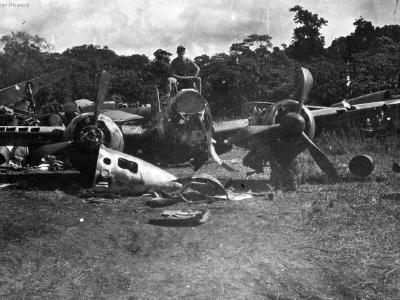
Wreckage of Ki-21
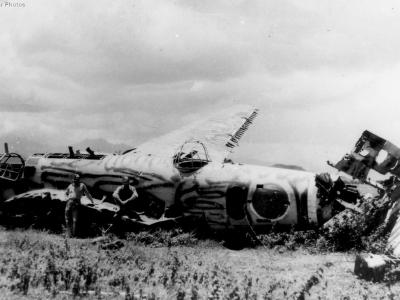
Wreckage of Ki-21-II Philippines in the spring of 1945
The Mitsubishi Ki-21 Sally beside G4M is possibly the best-known World War 2 Japanese bomber. It began operations during the Second Sino-Japanese War participating in the Nomonhan Incident, and in the first stages of the Pacific War participating in the British Malaya-, Burma-, Dutch Indies- and New Guinea campaigns, and also attacking objectives as far away as West China, India and Northern Australia. Its initial success diminished with stiffening Allied aerial opposition, a trend not reversed by the introduction of a new variant, the Ki-21 IIb with the upper turret rotated by pedals. In spite of its failures, it was maintained in service until the end of the war, being utilized as transport (along with the civil transport version MC-21), bomber crew and paratrooper trainer, for liaison and communications, special commando and secret agents missions, and suicide operations. Nine Ki-21 Ia/b (under the name Nagoya) were sent by Japan to Thailand, and were used by the Thai Air force against Vichy French forces in Indochina. By the end of the war, the Ki-21 was used by Giretsu Special Forces in strikes against American Forces in Okinawa, Iwo Jima, and the Marianas. This was part of a last-ditch attempt, which also made use of Army Kamikaze forces, to delay or stop the USAAF air strikes from Okinawa against Japan proper.