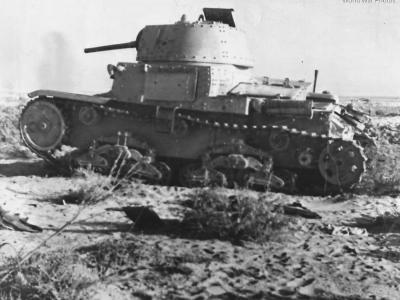
M13/40
Click the thumbnails to enlarge them
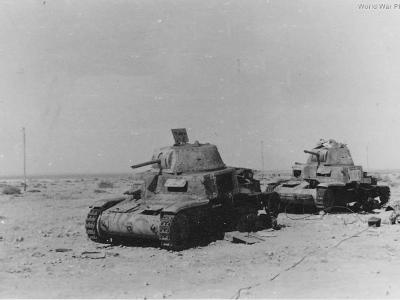
Abandoned M13/40 North Africa
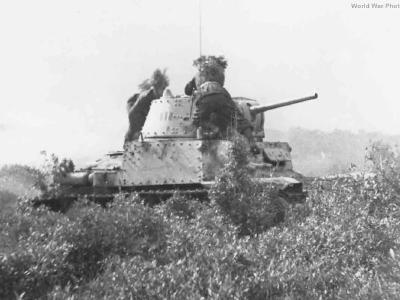
Camouflaged M13/40
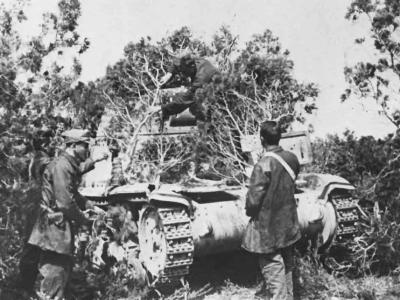
Camouflaged M13/40 1943
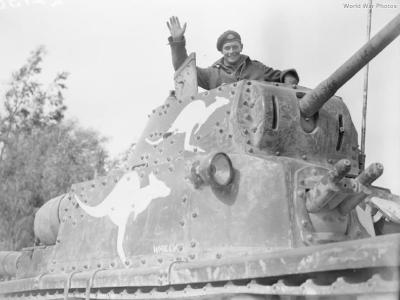
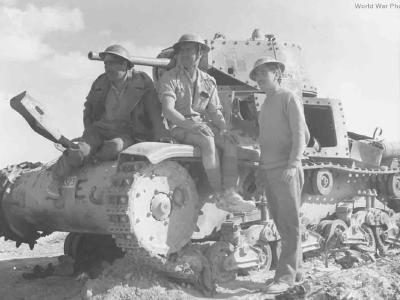
Captured M13/40 "Wally" of 6th Australian Division Cavalry Regiment
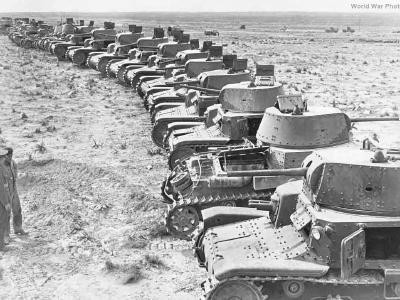
Captured M13/40 tanks
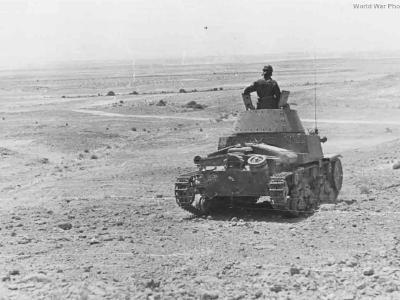
Carro Armato M13/40 of the Division Ariete
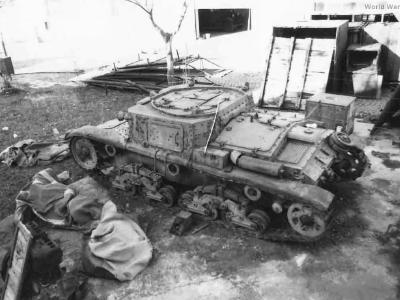
Carro Commando M40
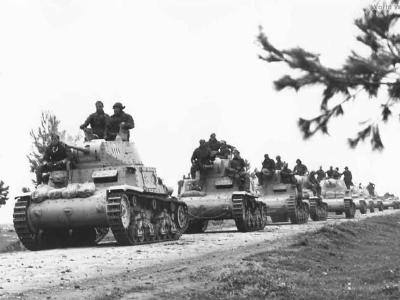
Column of M13/40 tanks 1943 2
Destroyed M13/40 "3323"
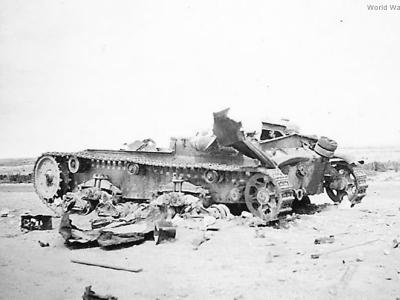
Destroyed M13/40 2
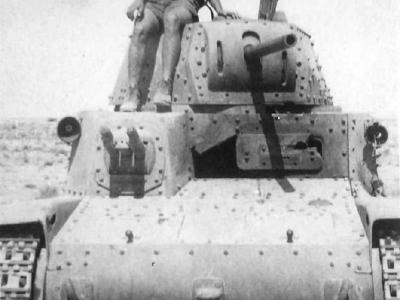
Destroyed M13/40 3
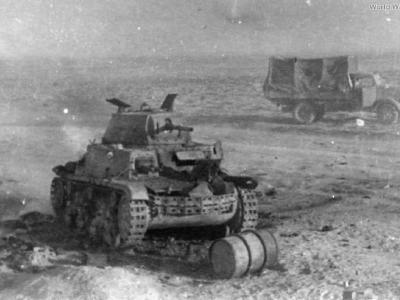
Destroyed M13/40 4
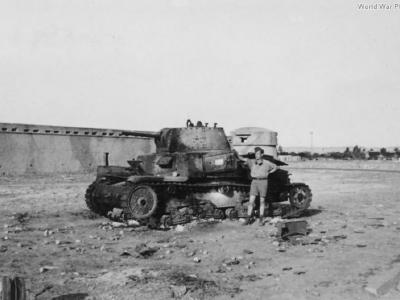
Destroyed M13/40 5
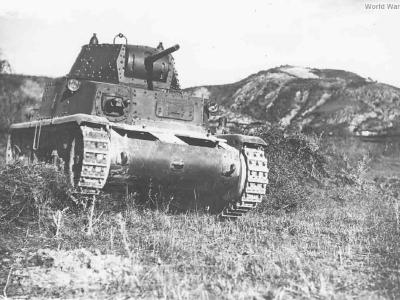
Early M13/40
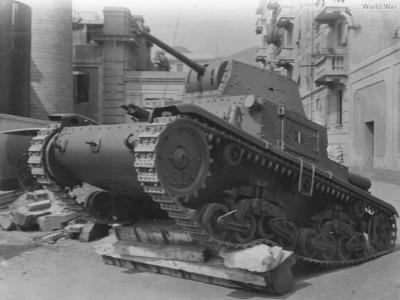
Early M13/40 2
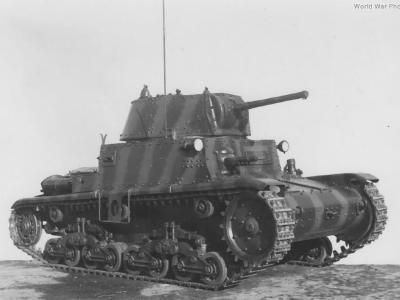
Early M13/40 3
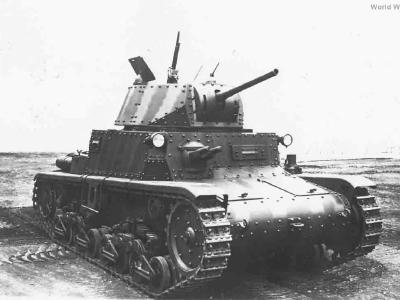
Early M13/40 factory 2
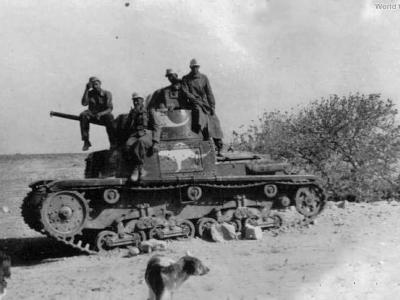
ex-australian M13/40 1941
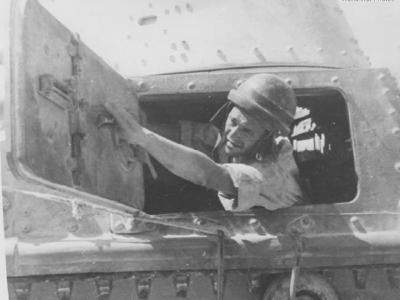
Italian Army tank crew
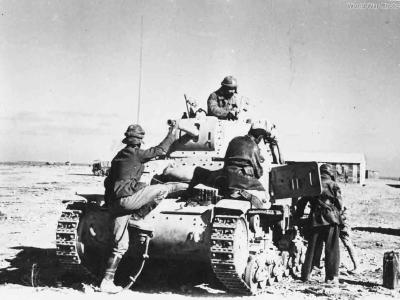
Italian crew with M13/40 Africa 2
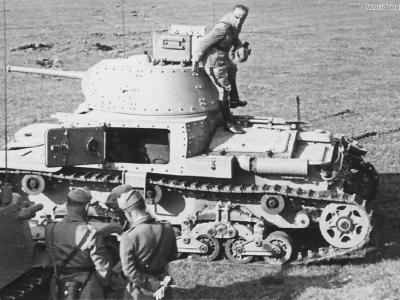
Italian officers at a presentation of M13/40
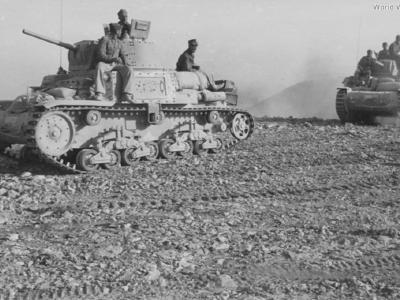
Late M13/40 III serie
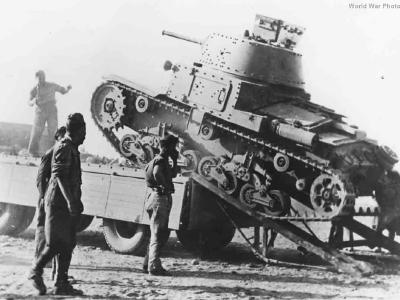
Loading M13/40 onto truck
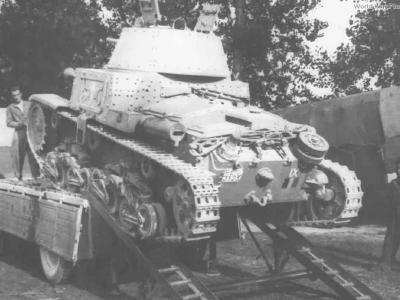
M13/40 "3123" of the IX Battaglione Carri
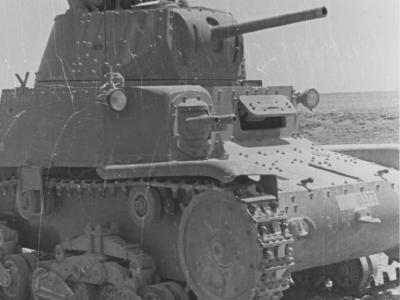
M13/40 "3373" of the 132nd Armoured Division Ariete
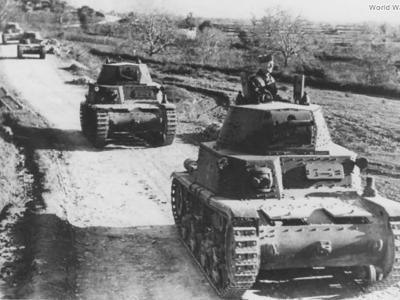
M13/40 1 serie Yugoslavia 1941/1942
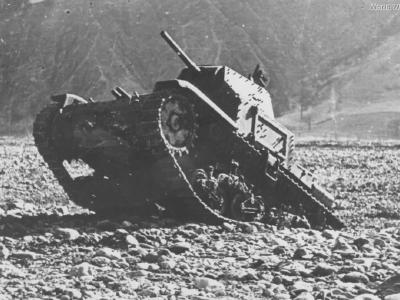
M13/40 10
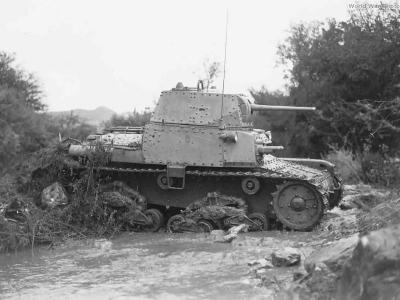
M13/40 11
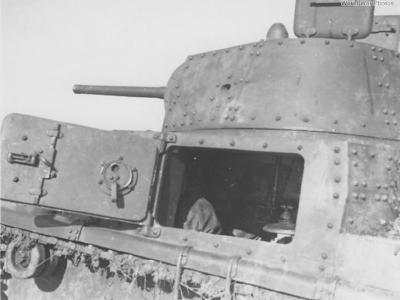
M13/40 12
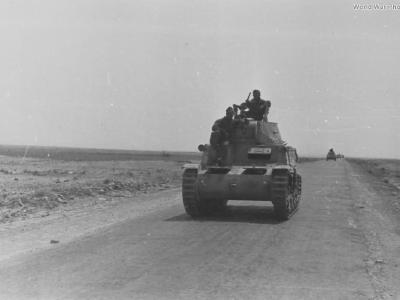
M13/40 132nd Armoured Division Ariete 2
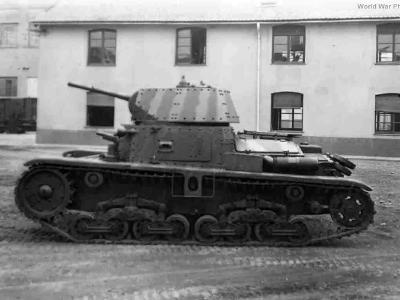
M13/40 16
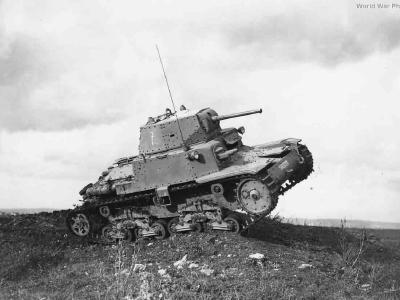
M13/40 19
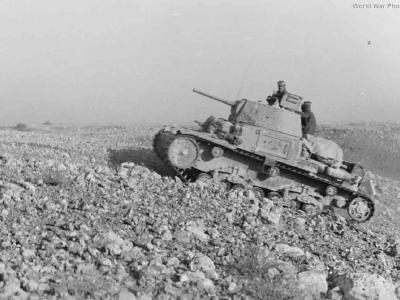
M13/40 1941
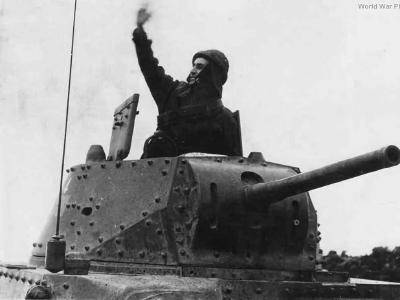
M13/40 1942 2
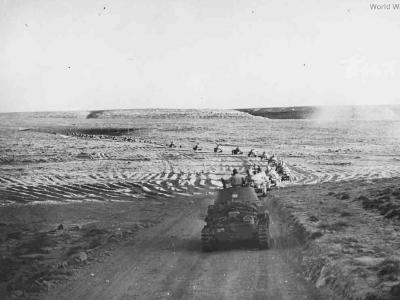
M13/40 1942 3
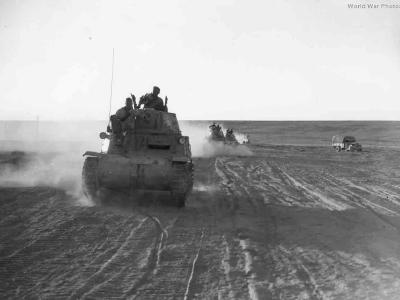
M13/40 1942 5
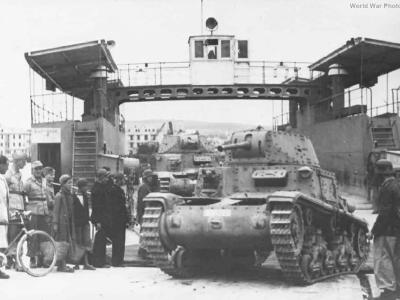
M13/40 1943
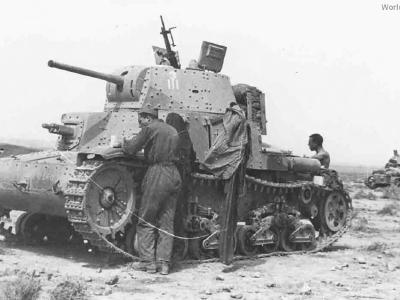
M13/40 1943 5
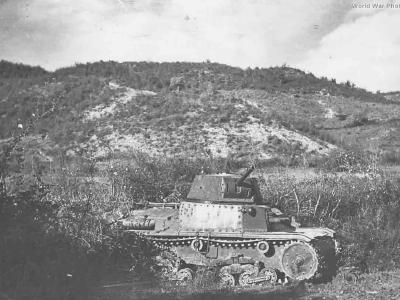
M13/40 20
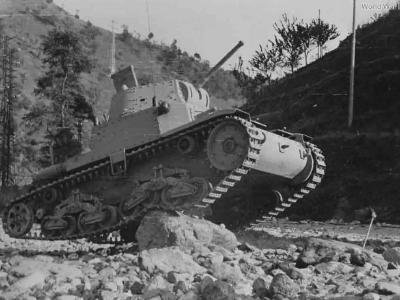
M13/40 21
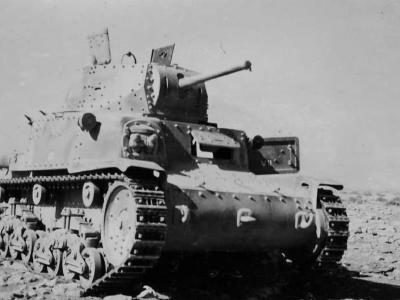
M13/40 22
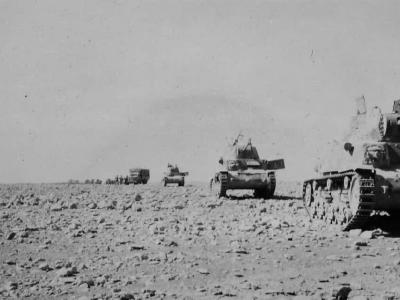
M13/40 23
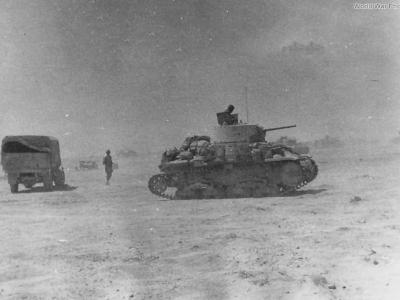
M13/40 25
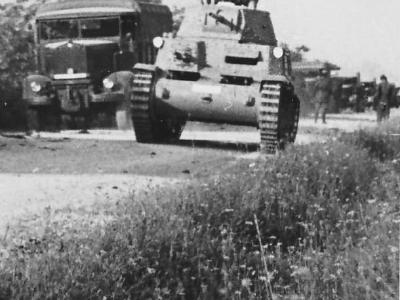
M13/40 27
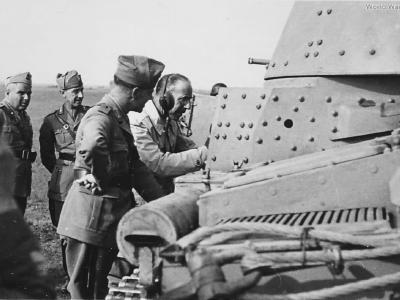
M13/40 28
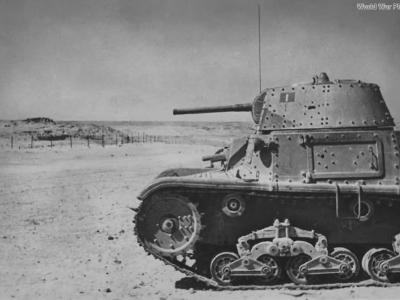
M13/40 29
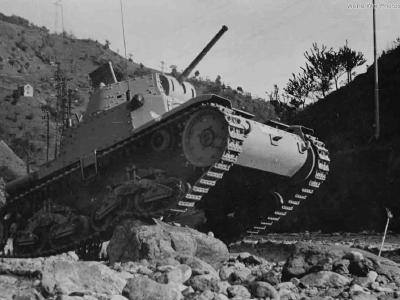
M13/40 30
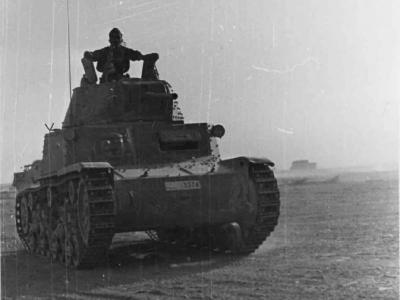
M13/40 3374 1942
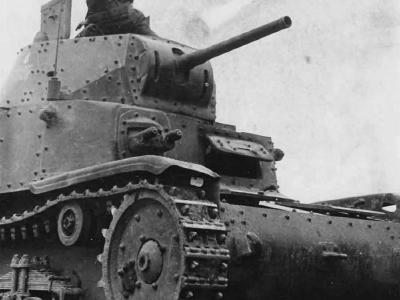
M13/40 7
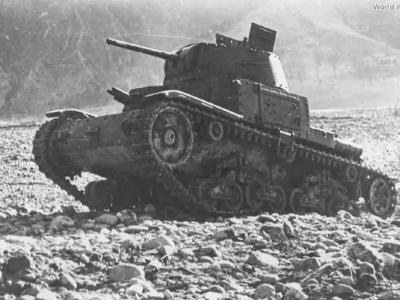
M13/40 9
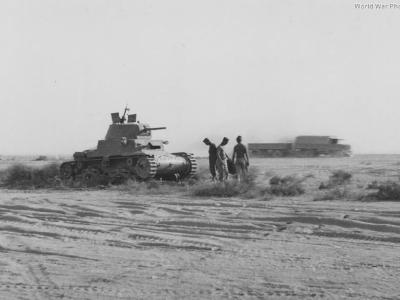
M13/40 Ariete Division, North African Campaign
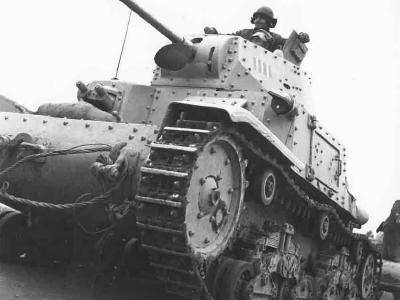
M13/40 Bengasi 1942
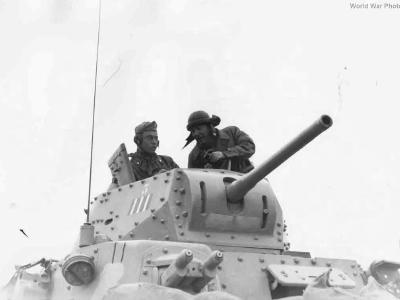
M13/40 crew
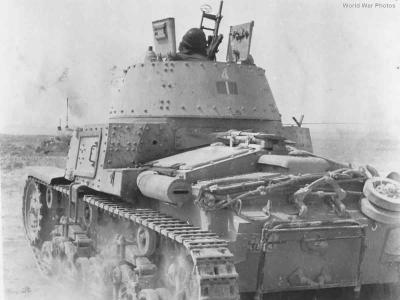
M13/40 Division Ariete January 1942
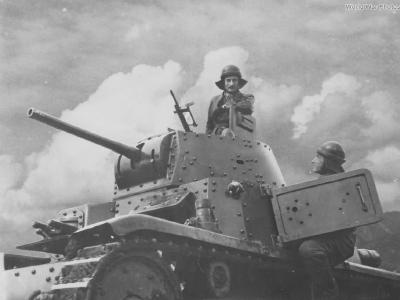
M13/40 Division Ariete Libia
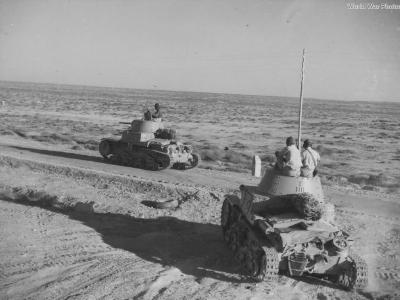
M13/40 Division Littorio Libya
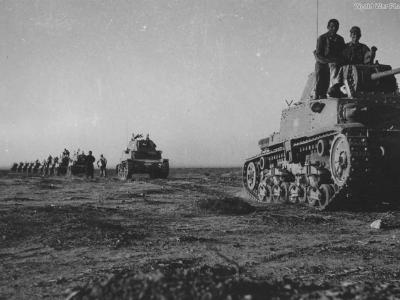
M13/40 Division Littorio Libya 2
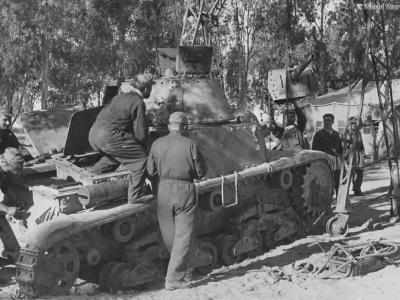
M13/40 during maintenance 1942 Africa
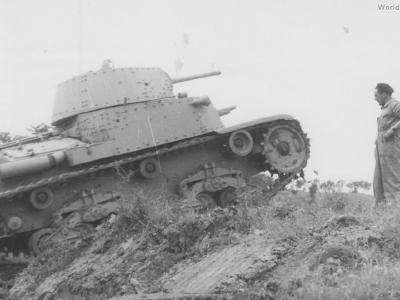
M13/40 during trials
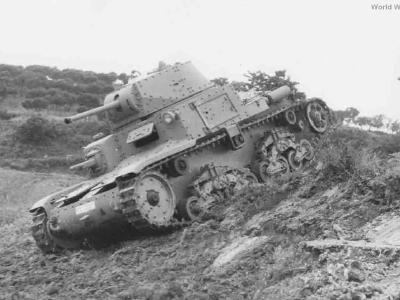
M13/40 during trials
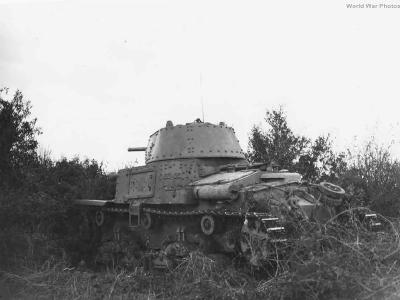
M13/40 during trials 31
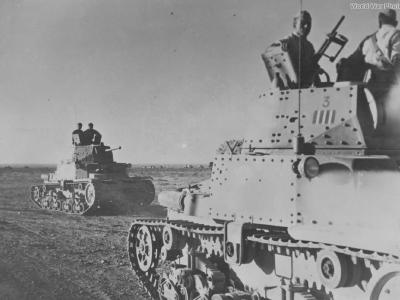
M13/40 Egipt
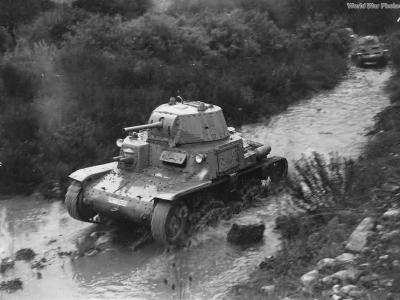
M13/40 fording
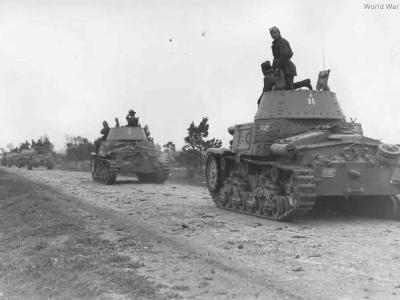
M13/40 from 132nd Armoured Division Ariete Bengasi 1942
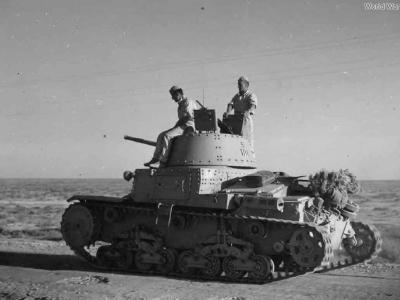
M13/40 from 133° Divisione Corazzata Littorio
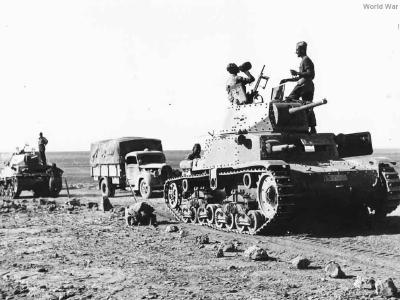
M13/40 from 133° Divisione Corazzata Littorio 1942 2
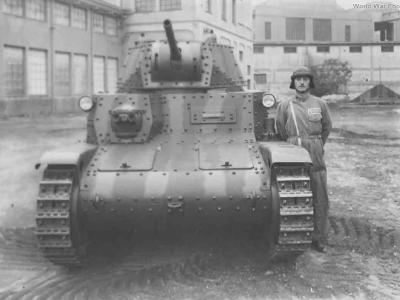
M13/40 frontal view
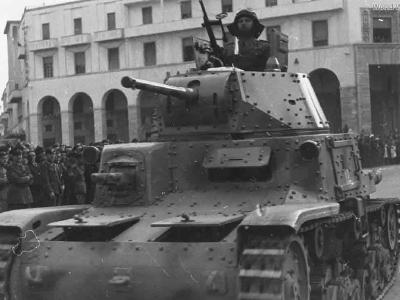
M13/40 II Serie Tripoli
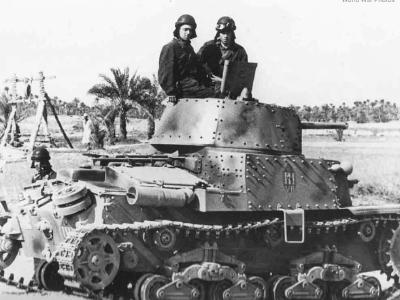
M13/40 II Serie VII Battaglione carri 1942
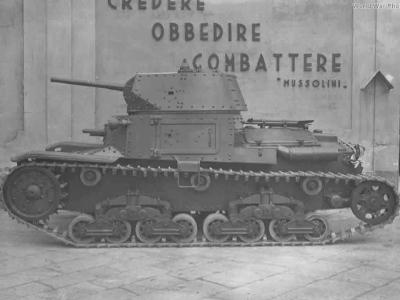
M13/40 in factory 3
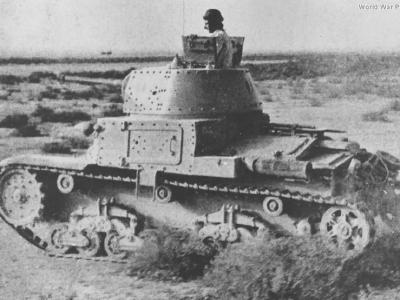
M13/40 in the North African desert
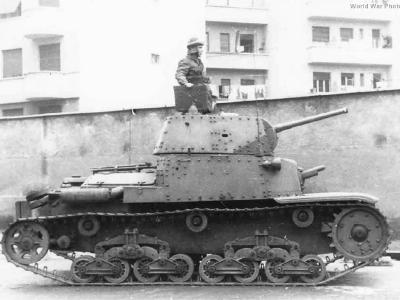
M13/40 left side 8
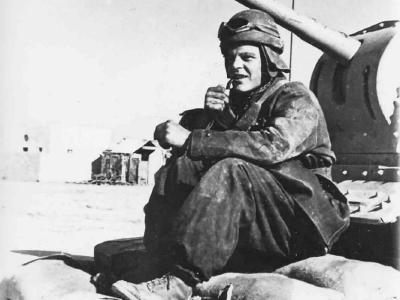
M13/40 Libia 1941
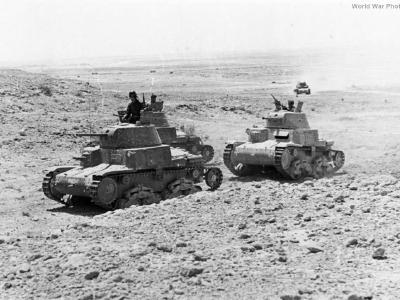
M13/40 Libia 1941 2
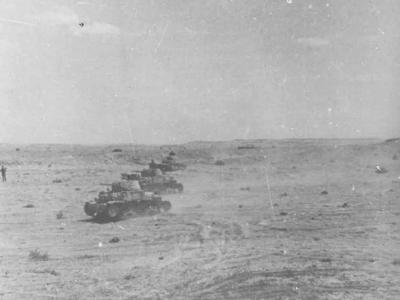
M13/40 Libia 2
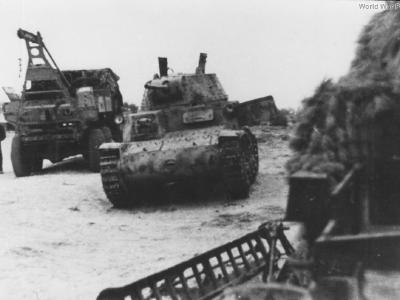
M13/40 Libya 1942
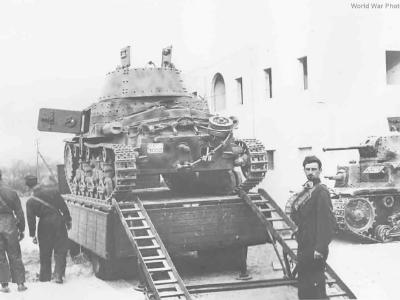
M13/40 loaded in the bed of the truck
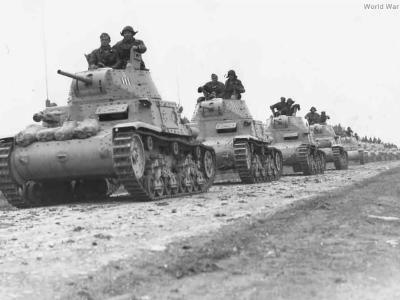
M13/40 mid of 132nd Armoured Division Ariete Bengasi
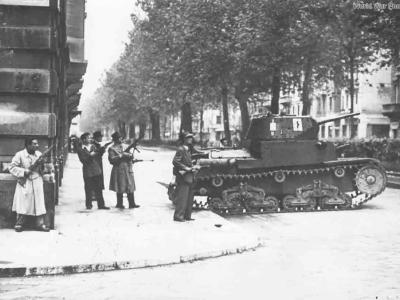
M13/40 Milan April 1945
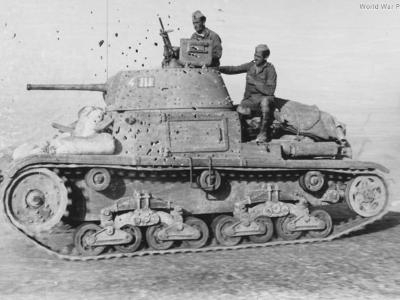
M13/40 moving quickly over rough terrain
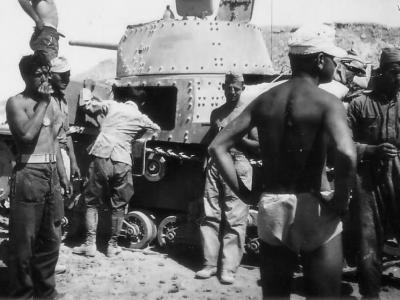
M13/40 North Africa, DAK 18
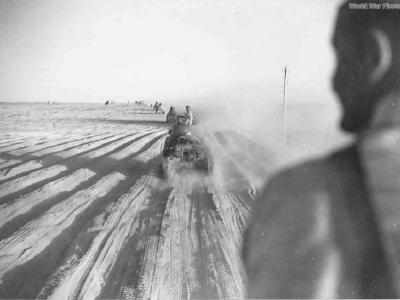
M13/40 North African Campaign 1942 4
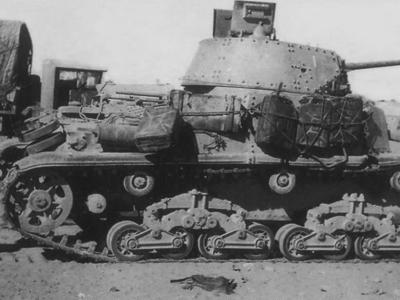
M13/40 of 131st Armoured Division Centauro
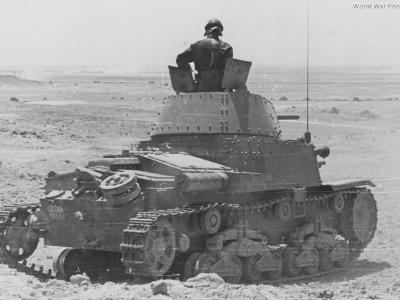
M13/40 of Ariete Armoured Division6
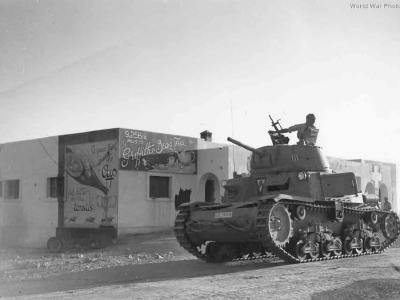
M13/40 of the 133rd Armoured Division Littorio 1942
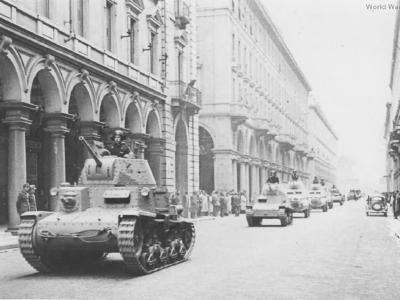
M13/40 of the G.N.R. RSI Milan 1944
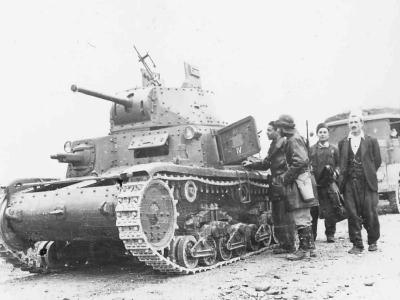
M13/40 of the IV Battaglione carri 2
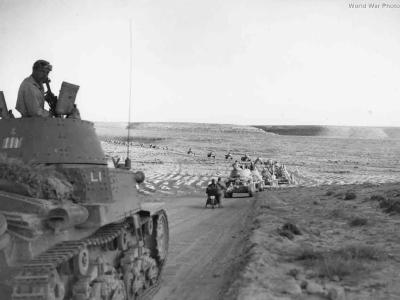
M13/40 of the LI Battaglione Carri Littorio 1942
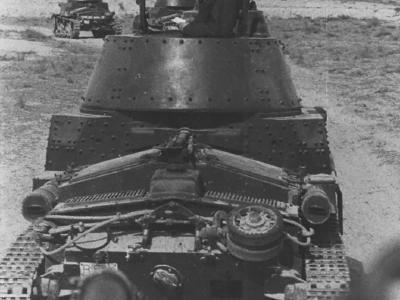
M13/40 of the VII battaglione Africa
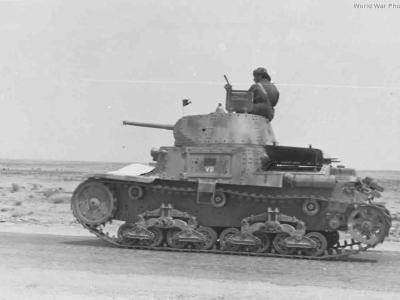
M13/40 of the VII Battaglione carri Africa 1942
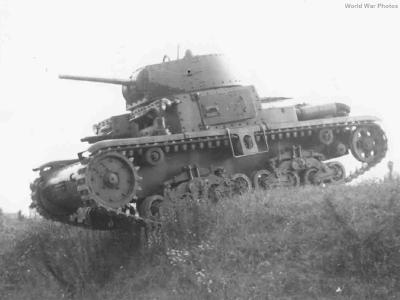
M13/40 prototype 2
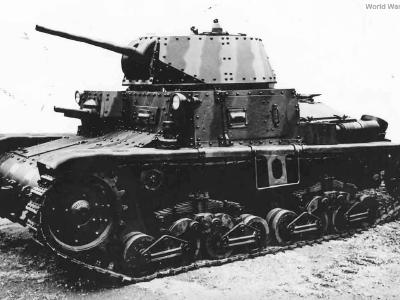
M13/40 prototype 3
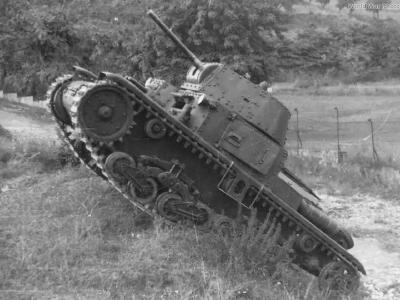
M13/40 prototype during field tests
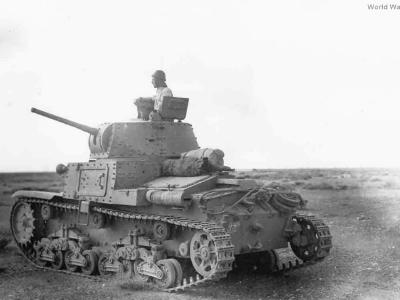
M13/40 RE 3359
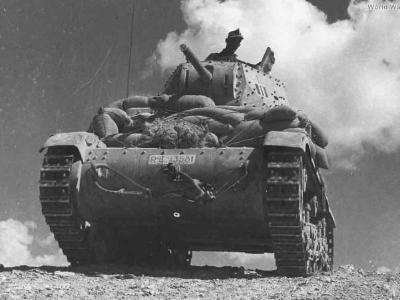
M13/40 RE 3581 Tunisia 1943
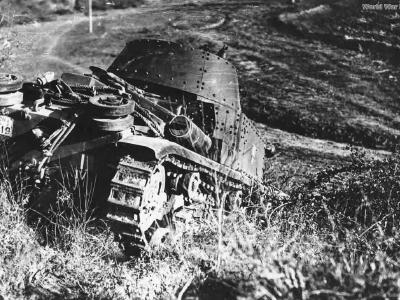
M13/40 RE2819
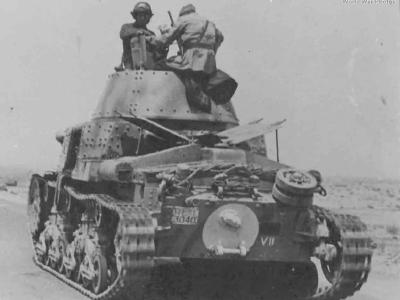
M13/40 RE340 Division Littorio, VII battalion Libya 1942
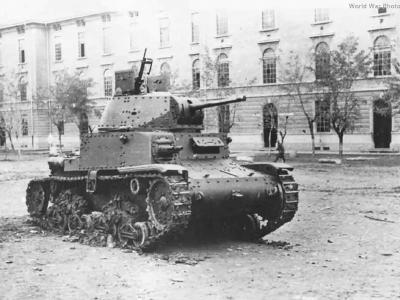
M13/40 Rome 8 September 1943
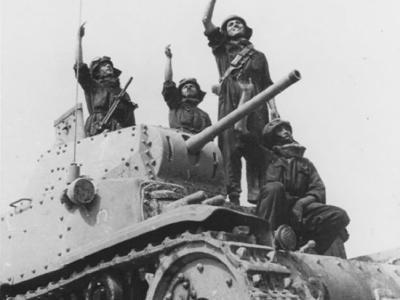
M13/40 tank crew Libia 3
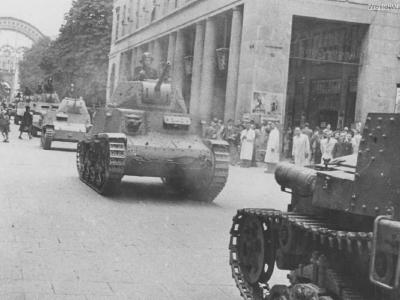
M13/40 tanks
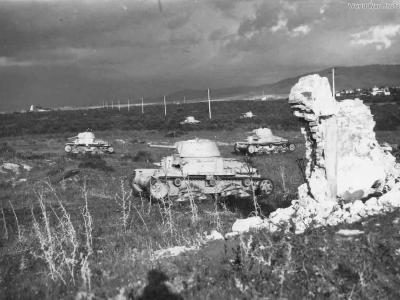
M13/40 tanks 14
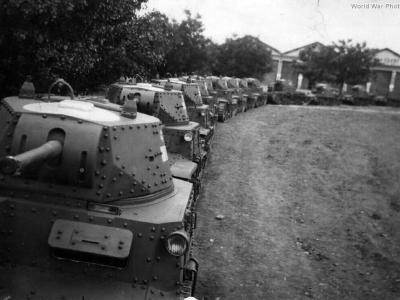
M13/40 tanks 1941
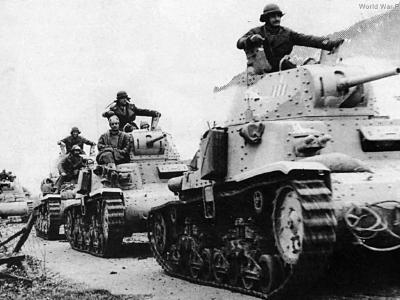
M13/40 tanks 1941/42
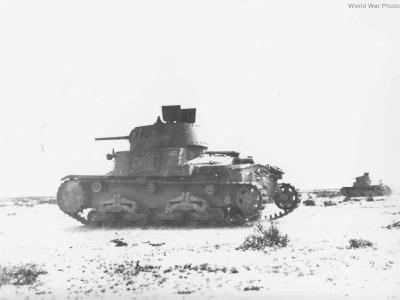
M13/40 tanks 2
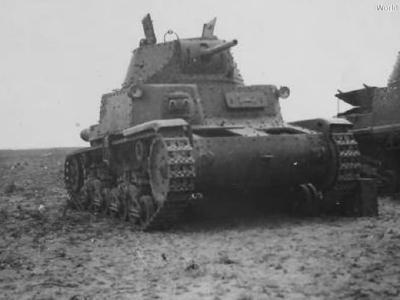
M13/40 tanks 32
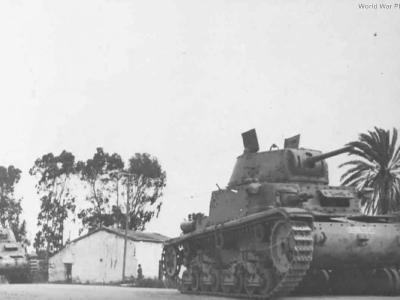
M13/40 tanks 4
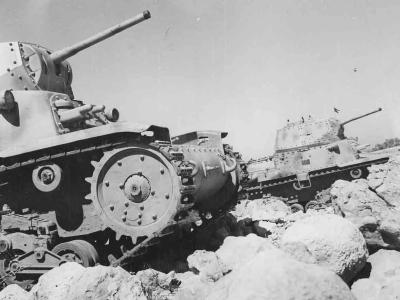
M13/40 tanks 5
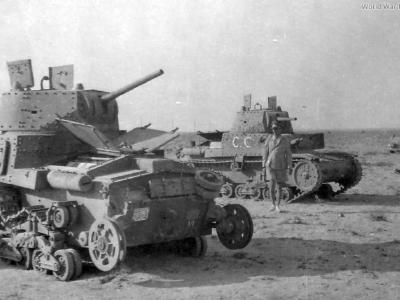
M13/40 tanks Africa 17
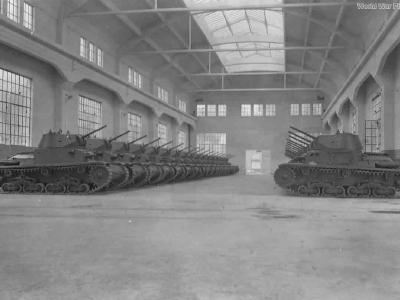
M13/40 tanks factory
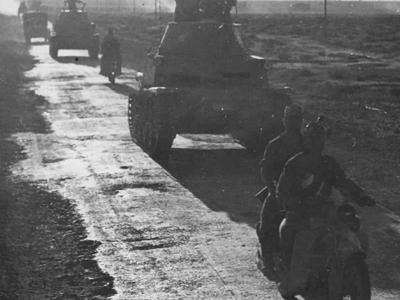
M13/40 tanks from 132nd Armoured Division Ariete 4
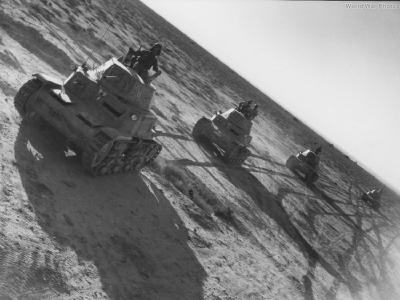
M13/40 tanks from Division Littorio 1942 2
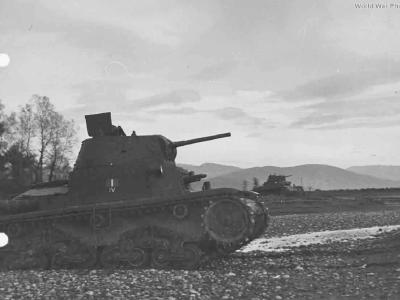
M13/40 tanks from IV Battaglione carri
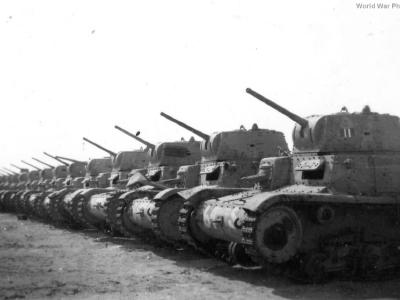
M13/40 tanks lined up
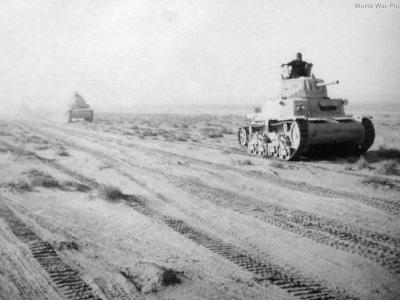
M13/40 tanks North Africa
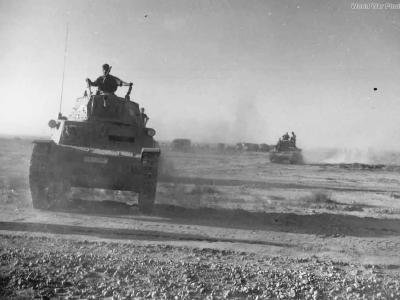
M13/40 tanks North Africa 3
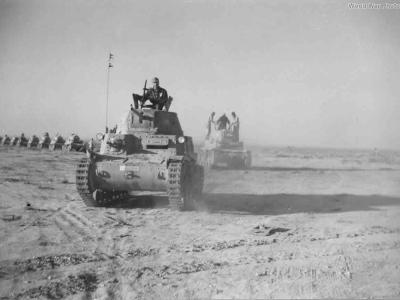
M13/40 tanks of 133rd Armoured Division Littorio 1942
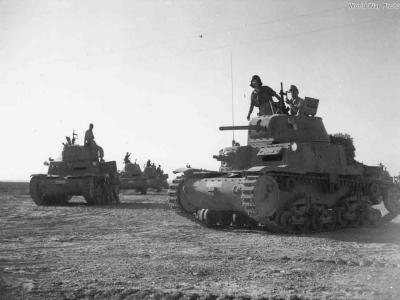
M13/40 tanks of the 133rd Armoured Division Littorio 2
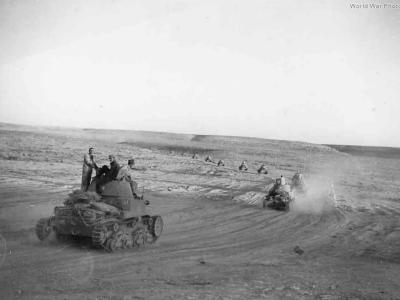
M13/40 tanks of the 51 Battaglione carri
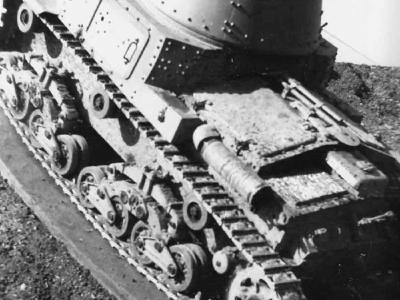
M13/40 top view
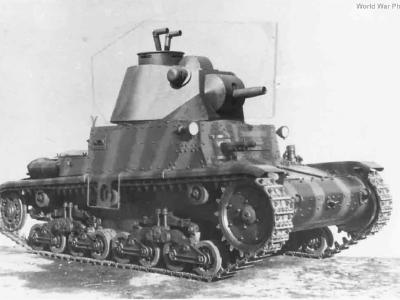
M13/40 Toretta Telemetrica - Artillery Observation Vehicle 2
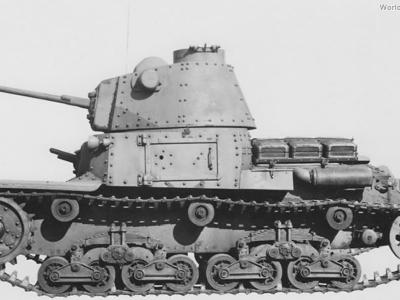
M13/40 Toretta Telemetrica 3
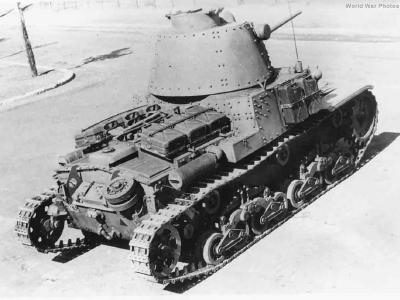
M13/40 Toretta Telemetrica rear view
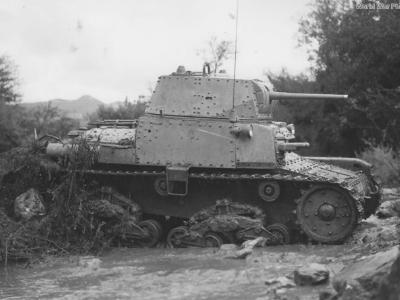
M13/40 trials 2
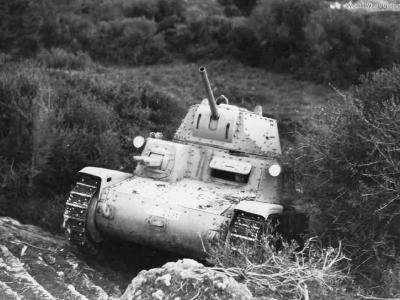
M13/40 trials 5
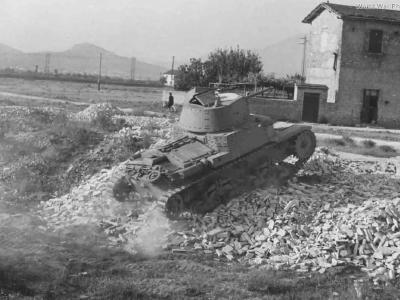
M13/40 trials 6
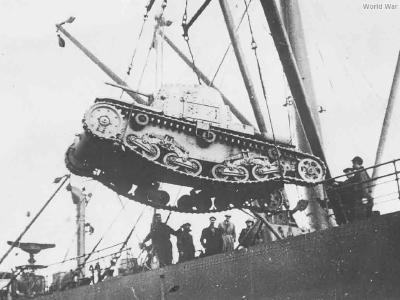
M13/40 Tripoli 1941
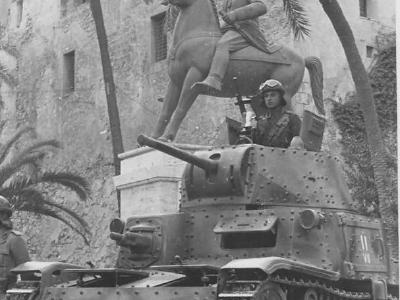
M13/40 Tripoli 23 March 1941
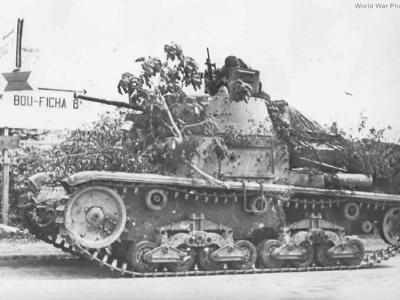
M13/40 Tunisia 1943 2
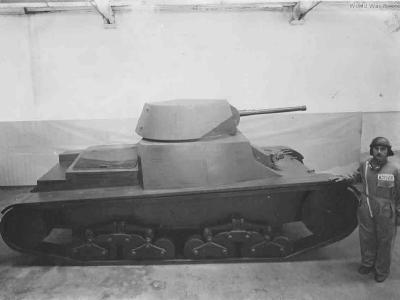
M13/40 wooden mockup
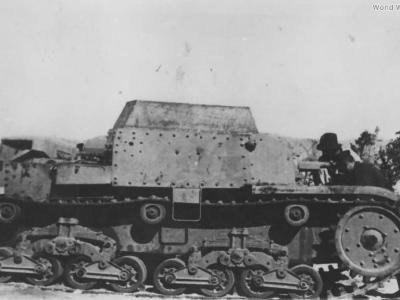
M13/40 workshop
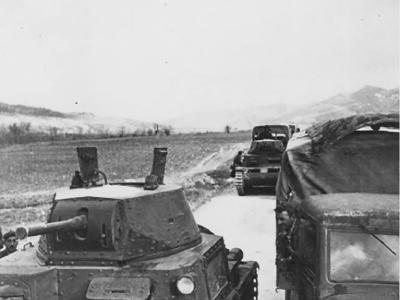
M13/40 Yugoslavia 1941/42
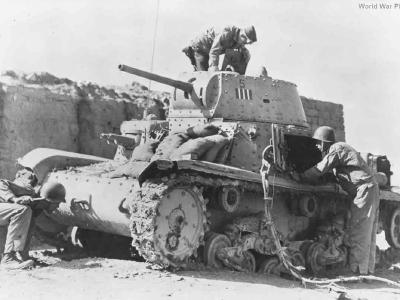
M14/41 abandoned and captured by U.S. forces 1943
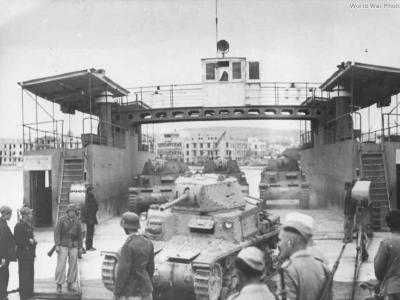
M14/41 Bizerte, Tunisia 1942
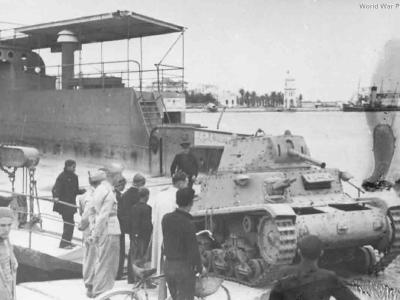
M14/41 Bizerte, Tunisia 1942 3
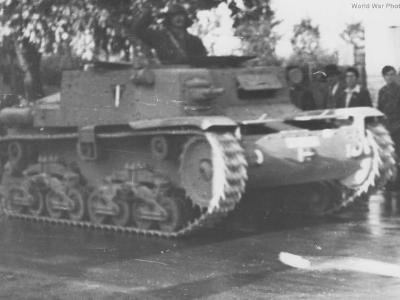
M40 commando
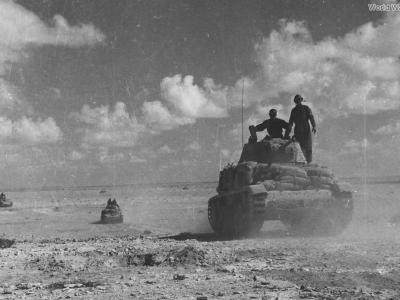
Sandbagged M13/40 Libia
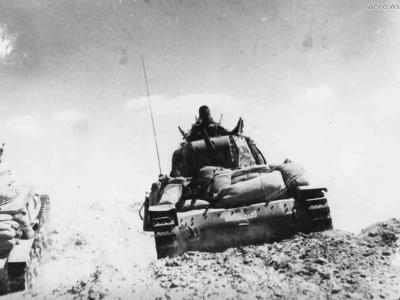
Sandbagged M13/40 Tunisia 1943
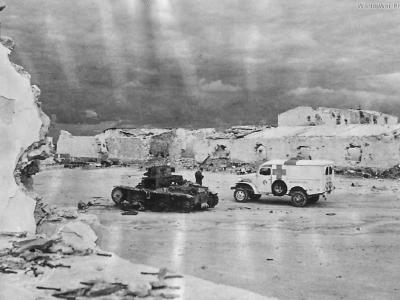
US Ambulance Drivers Inspect KO M13/40 Tunisia 1943
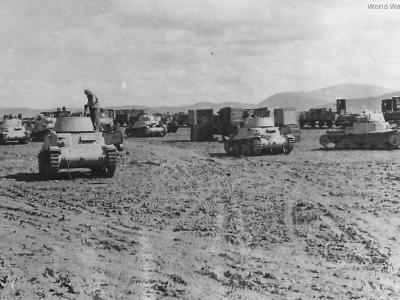
US Crews salvage Fiat-Ansaldo M13/40 tanks Tunisia
The Carro Armato M13/40 was the primary medium tank of the Italian Regio Esercito during the early years of World War II, serving as the backbone of its armored divisions. Developed as a direct successor to the unsatisfactory M11/39, the M13/40 (where 'M' denotes Medio, '13' its approximate weight in metric tons, and '40' its year of adoption) addressed the critical design flaw of its predecessor by mounting the main armament in a fully rotating turret rather than a hull casemate.
Development and Design
Principal designer Giuseppe Rosini at Ansaldo utilized the basic hull and suspension of the M11/39 as a starting point, but significantly revised the superstructure and armament. The first prototype was completed in October 1939 and officially adopted on February 15, 1940. The vehicle featured a riveted and bolted construction, as the Italian industry at the time lacked the advanced skills required for extensive welding.
The tank had a crew of four: a driver and a hull machine gunner (who often doubled as a radio operator) seated in the front, and a commander (who also served as the gunner) and a loader located in the turret. This two-man turret arrangement was a significant tactical drawback, as it overburdened the commander with the tasks of observing the battlefield, directing the crew, and aiming the main gun.
Armament and Protection
The primary weapon was an Ansaldo 47/32 semi-automatic gun, a modification of the standard Austrian-designed anti-tank piece. This gun had a muzzle velocity of 630 meters per second and was capable of penetrating 43mm of armor at 500 meters, which made it a respectable match for British Cruiser and light tanks during 1941. However, it became increasingly outclassed by late 1942 with the arrival of heavier Allied armor like the M3 Grant and M4 Sherman. The vehicle typically carried 87 rounds for the main gun.
Secondary armament consisted of four 8mm Breda Model 38 machine guns: two mounted in a twin gimbal mount in the front right of the hull, one coaxially with the 47mm gun, and a fourth mounted on top of the turret for anti-aircraft defense.
The armor protection ranged from a maximum of 42mm on the gun mantlet and 30mm on the turret and hull front, to 25mm on the sides and rear. While initially adequate against small arms and light anti-tank weapons, this armor was easily defeated by the standard British 2-pounder and 25-pounder guns. Italian crews often resorted to stacking sandbags on the front hull to provide a modicum of additional protection, though this added weight further strained the already underpowered engine.
Powerplant and Mobility
The M13/40 was powered by a 125 HP SPA 8T V-8 liquid-cooled diesel engine. The choice of a diesel engine was a positive feature as it reduced the risk of fires when hit and provided better fuel economy. However, the 125 HP output was insufficient for a 14-ton vehicle, resulting in a low power-to-weight ratio of approximately 9.12 HP/ton. The tank had a maximum road speed of approximately 32 km/h and an off-road speed of 15 km/h. Its operational range was 200–210 km on road and roughly 12 hours off-road.
The suspension system, which would remain standard for all subsequent Italian medium and heavy tanks, consisted of four bogie assemblies on each side, with each bogie carrying four pairs of wheels supported by semi-elliptical leaf springs. While generally reliable, the narrow tracks (260mm) resulted in high ground pressure, causing the tank to frequently sink in soft ground or sand.
Operational Service
Total production of the M13/40 reached 710 units before being succeeded by the improved M14/41 in late 1941. The tank saw its baptism of fire in North Africa in late 1940 with the III/32nd Tank Battalion. It served in every major engagement in the Western Desert, including the 1940 offensive into Egypt and the battles of Gazala and El Alamein.
In the harsh desert environment, the M13/40 suffered from severe mechanical reliability issues, particularly regarding its cooling system and air filters, which were not properly adapted for sand and extreme heat. By the end of 1941, many units had been lost or captured; the Australian 6th Cavalry and other Commonwealth forces frequently pressed captured M13/40s into service, often painting large white kangaroos on the turrets to prevent friendly fire.
Following the Italian armistice in September 1943, approximately 22 M13/40 tanks were seized by German forces, who designated them as Panzerkampfwagen M13/40 735 (i) for use in secondary roles and anti-partisan operations. The chassis of the M13/40 also provided the critical foundation for the development of the Semovente da 75/18, Italy's most successful self-propelled gun of the war.