L6/40
Click the thumbnails to enlarge them
Ansaldo Carro d'Assalto modello 36 2
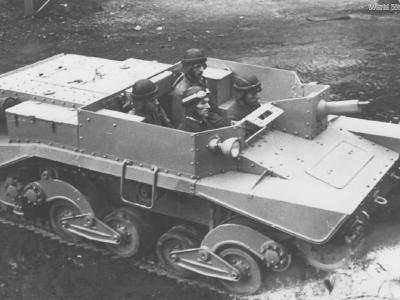
Ansaldo Cingoletta L6/40
Ansaldo L40, Camionetta CVP-5
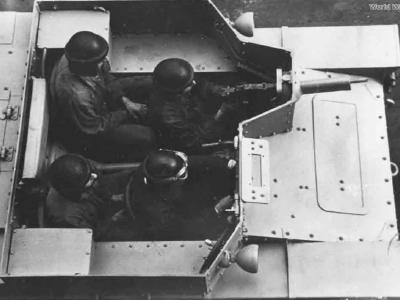
Ansaldo L40, Camionetta CVP-5 2
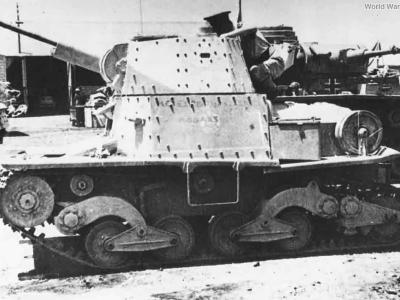
Captured Carro Armato L6/40
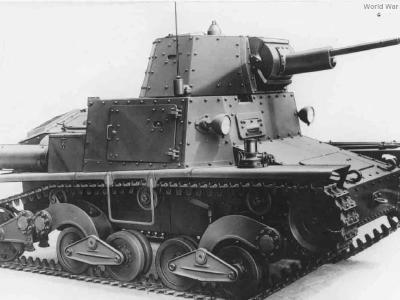
Carro Armato L6/40 12
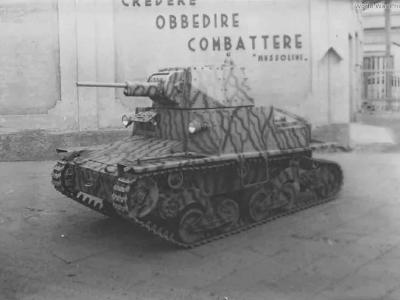
Carro Armato L6/40 Ansaldo factory
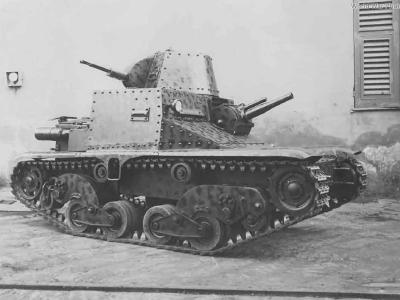
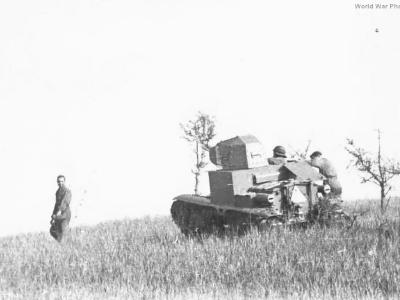
Carro cannone modello 36
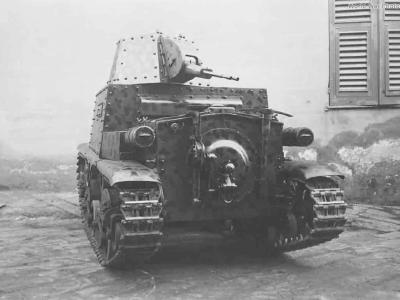
Carro cannone modello 36 3
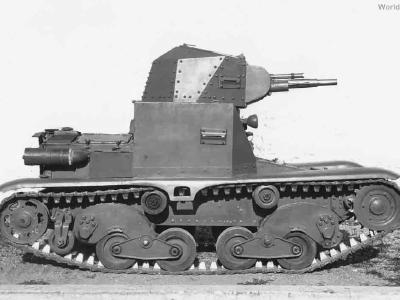
Carro d' assalto modello 36
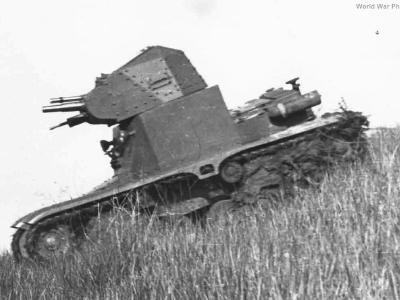
Carro d' assalto modello 36 2
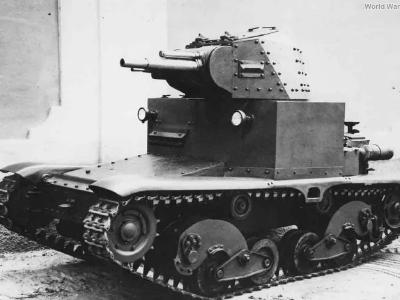
Carro d' assalto modello 36 3
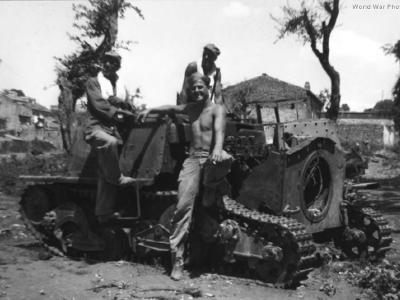
Destroyed L6/40 2
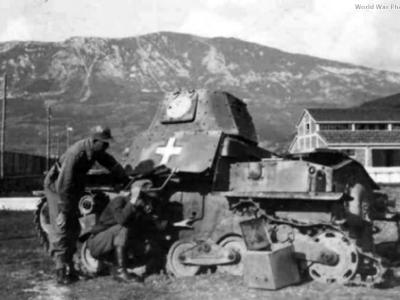
Destroyed L6/40 Italy 1944
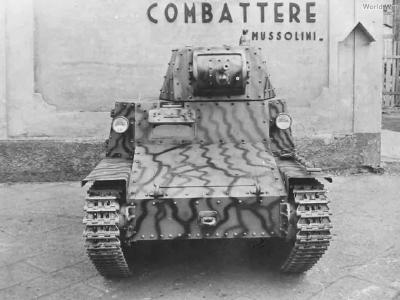
Factory fresh L6/40 14
Flame tank L6/40 lanciafiamme
German L6/40 3
German L6/40 Albania September 1943
German L6/40 Albania September 1943 2
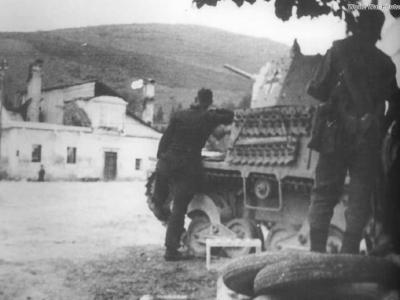
L6 Loski Potok Slovenia
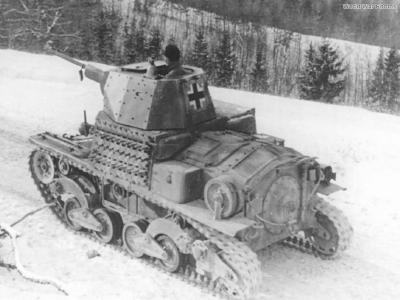
L6 of Polizei unit Slovenia 1945
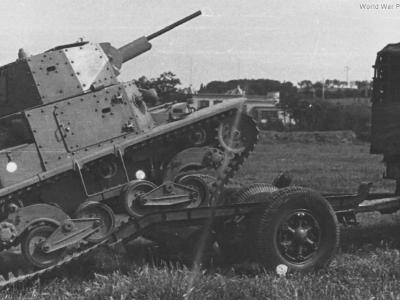
L6/40 11
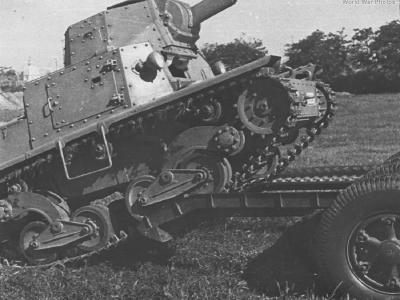
L6/40 13
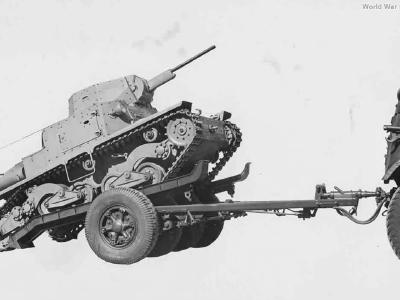
L6/40 2
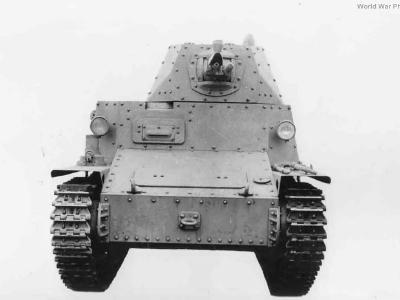
L6/40 3
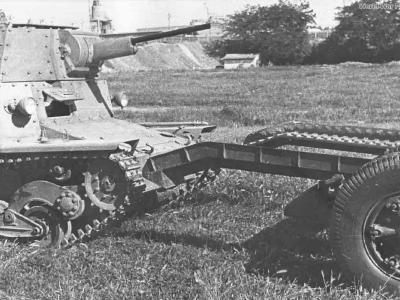
L6/40 4
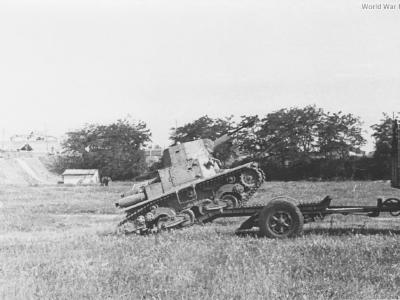
L6/40 5
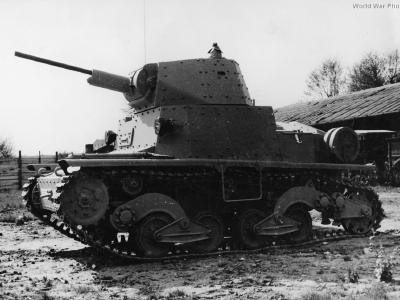
L6/40 6
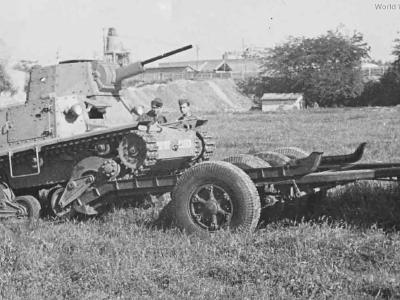
L6/40 8
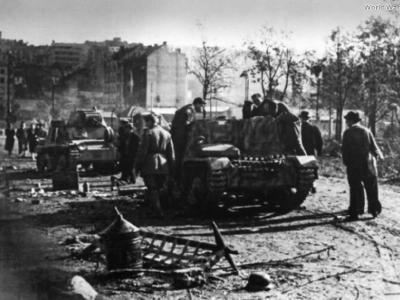
L6/40 and Semovente L40 da 47/32
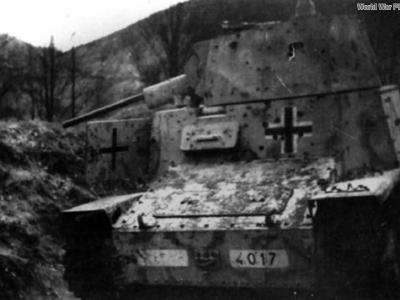
L6/40 Croatia
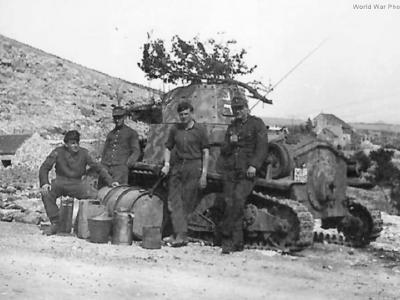
L6/40 Croatia 1944
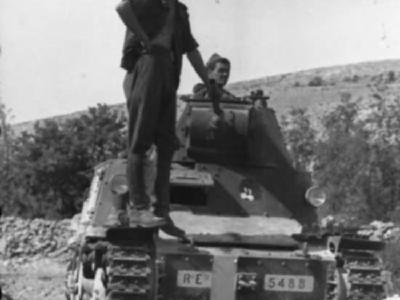
L6/40 Dalmatia 1943
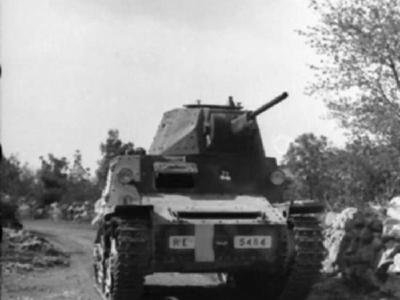
L6/40 Dalmatia 1943 2
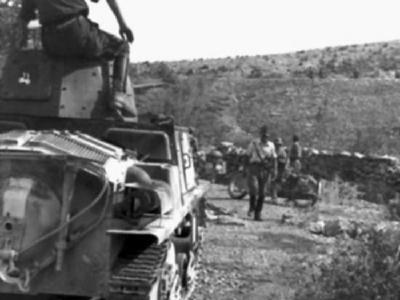
L6/40 Dalmatia 1943 3
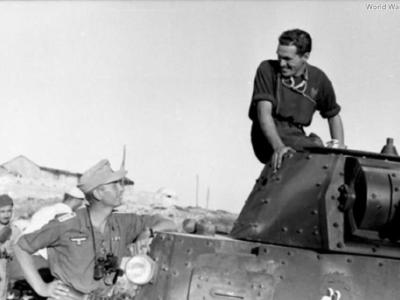
L6/40 Dalmatia 1943 4
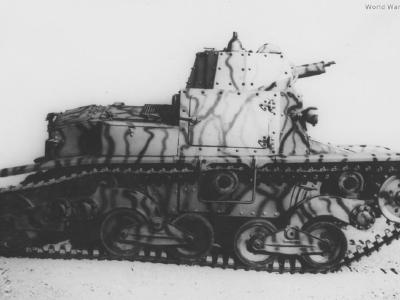
L6/40 early
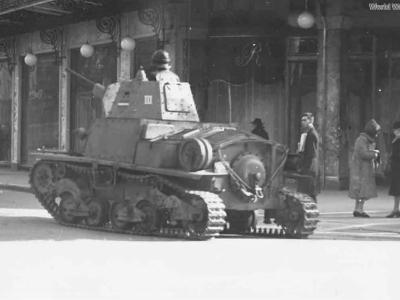
L6/40 France Nicea 1942
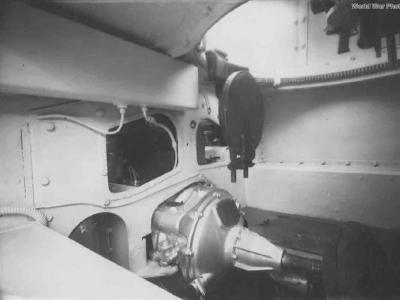
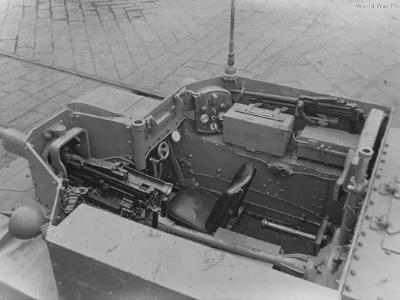
L6/40 interior 2
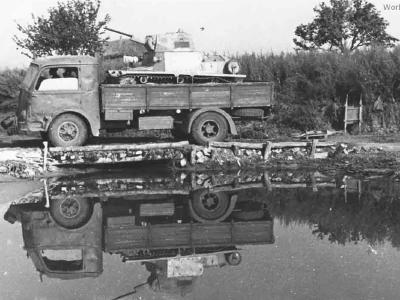
L6/40 loaded in the bed of a Fiat 666NM, Russia
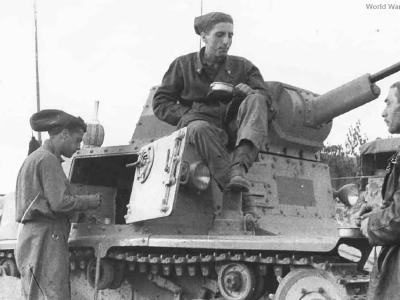
L6/40 of Camicie Nere Regiment Russia 1942
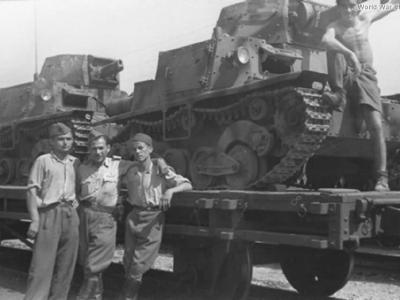
L6/40 on flatcar Slovenia 1945
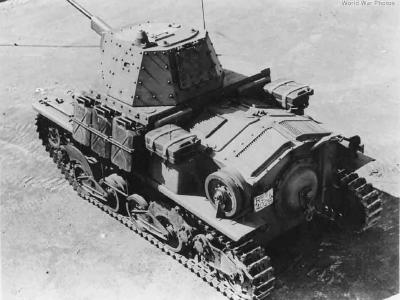
L6/40 RE 4029
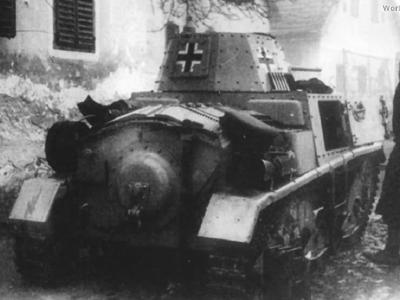
L6/40 Ribnica
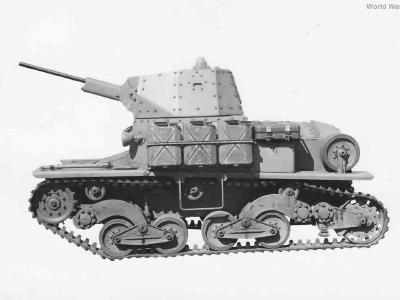
L6/40 side view
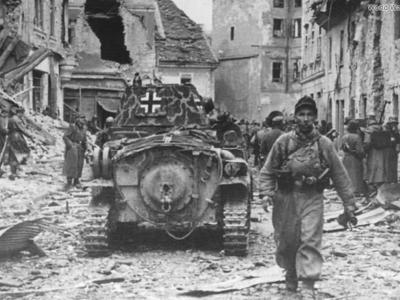
L6/40 Slovenia 2
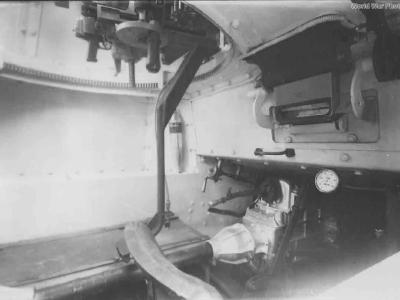
L6/40 tank interior
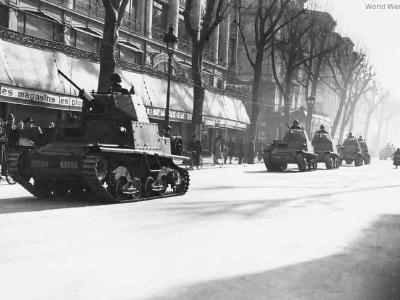
L6/40 tanks Nicea 1942 2
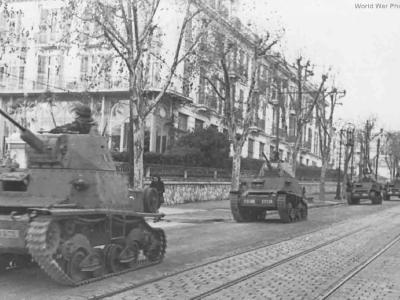
L6/40 tanks Nicea 1943
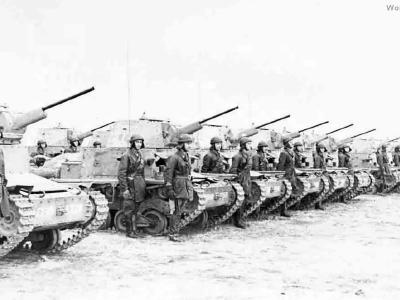
L6/40 tanks Provence 1942
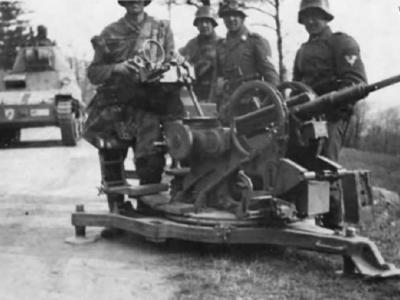
Panzerkampfwagen L6 733(i) of the Luftwaffe and 2cm Flak
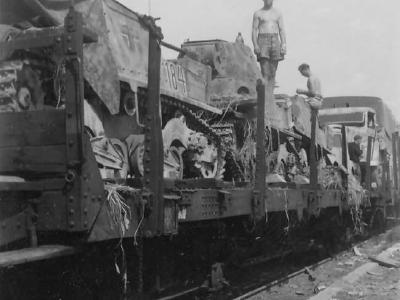
Polizei L6/40 and Semovente da 47/32
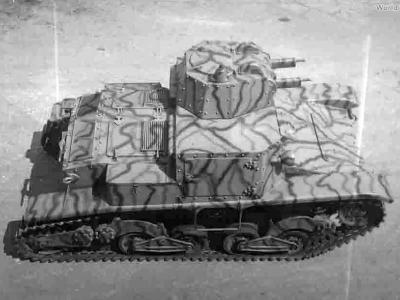
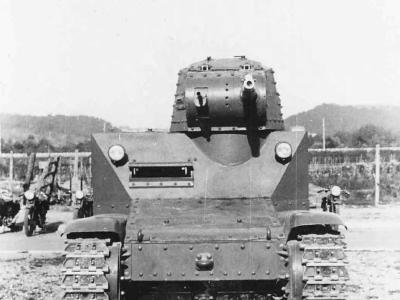
Protototype L6/40 1938
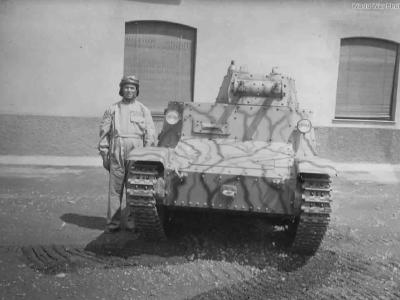
Protototype L6/40 1938 2
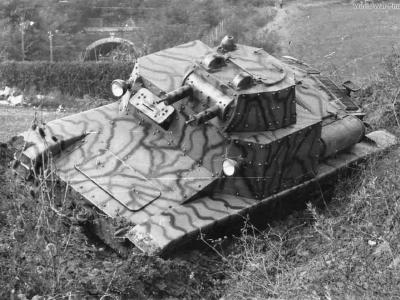
Protototype L6/40 1938 3
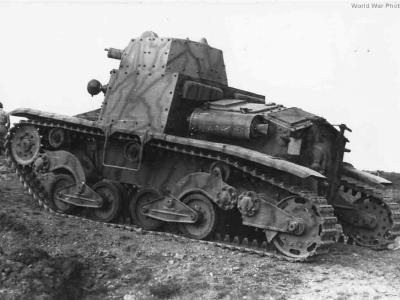
Protototype L6/40 1938 4
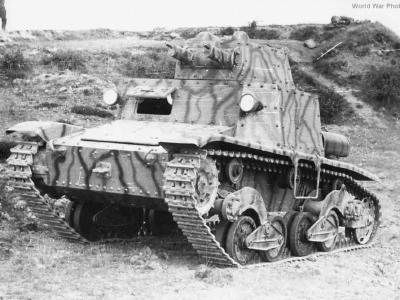
Protototype L6/40 1938 5
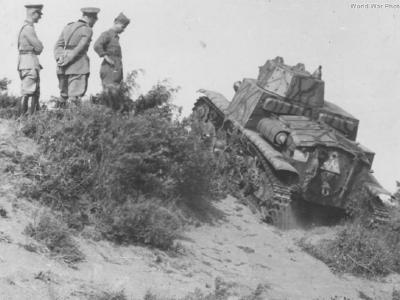
Protototype L6/40 1938 7
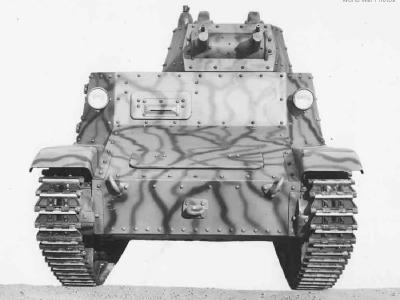
Protototype L6/40 1938 front view
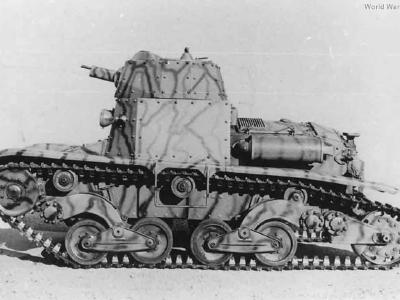
Protototype of L6/40 1938 6
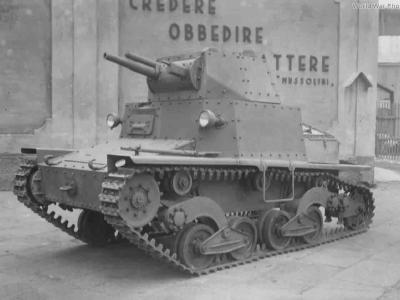
Prototype L6/40 2
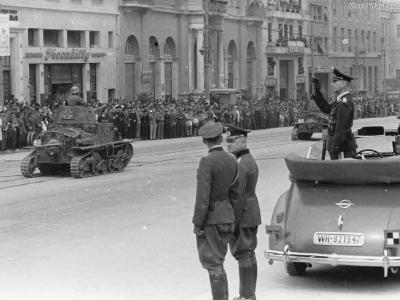
PzKpfw L6 733(i) of SS-Pol Regiment 18, Athens 23 May 1944
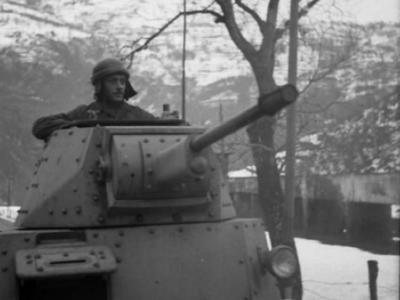
PzKpfw L6 733(i) of the Luftwaffe 2
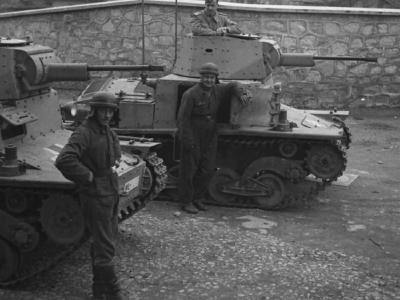
PzKpfw L6 733(i) of the Luftwaffe unit
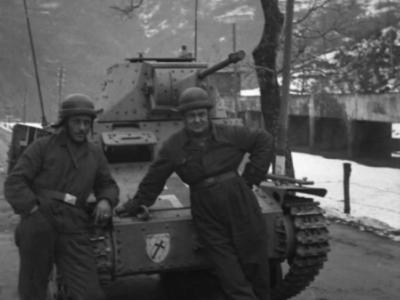
PzKpfw L6 733(i) of the Luftwaffe unit 1
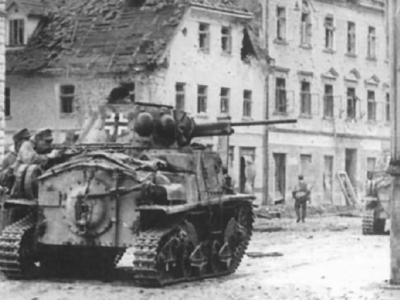
PzKpfw L6 733(i) of the Polizei-Regiment 14, Slovenia
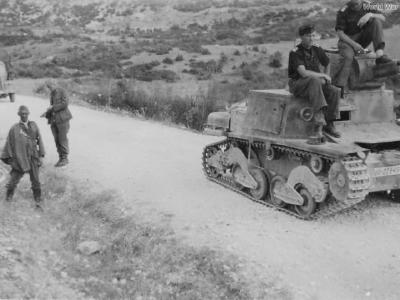
PzKpfw L6 733(i) Pol-228494 of the Ordnungspolizei
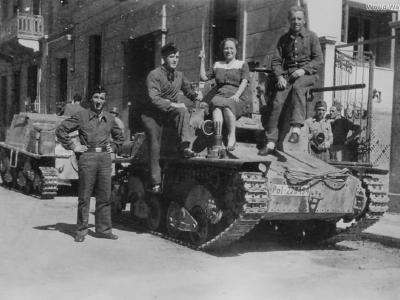
PzKpfw L6 733(i) Pol-228494 of the Ordnungspolizei unit
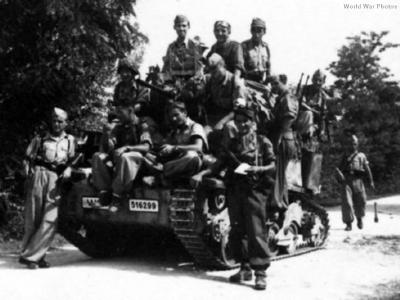
PzKpfw L6 733(i) WL-516299 of Luftwaffe unit
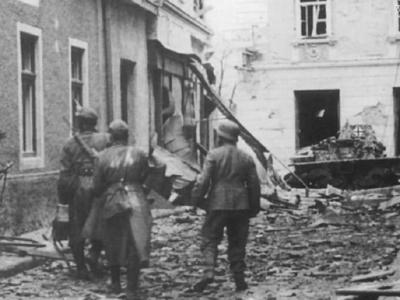
PzKpfw L6/40 733(i) Slovenia
The Fiat-Ansaldo L 6/40 light tank was developed as a necessary successor to the CV 33/L 3 tankette series, whose limitations had become increasingly apparent during the interwar period. Initial development began as a private initiative by Ansaldo in 1935, aiming to produce a vehicle for the export market. Between 1935 and 1940, more than a dozen different configurations were tested, ranging from modified L 3 hulls with turrets to designs featuring 37mm guns mounted in the casemate. The final design was officially accepted by the Italian Army in March 1940, receiving the designation L 6/40 based on its weight of approximately six metric tons and its year of adoption.
The technical structure of the L 6/40 featured a hull constructed of riveted steel plates over the fighting and engine compartments. Its armor protection consisted of 30mm thick frontal plates, which increased to 40mm on the gun mantlet, while the sides and rear were protected by 14.5mm to 15mm of steel. The vehicle utilized a torsion-bar suspension system with two double-wheel bogies per side and was powered by a 68 to 70 HP SPA 18 VT four-cylinder gasoline engine. This powerplant allowed for a maximum road speed of 42 km/h and an operational range of approximately 200 kilometers.
Armament for the production model consisted of a 20mm Breda Model 35 quick-firing cannon and a coaxial 8mm Breda Model 38 machine gun, both mounted in a 360-degree rotating turret. The ammunition load typically included 296 to 312 rounds for the 20mm cannon and 1,560 rounds for the machine gun. The tank was operated by a crew of two: a driver seated in the right front of the hull and a commander-gunner who occupied the turret. This two-man arrangement was often criticized, as it overburdened the commander with the tasks of observing, commanding, and manning the weapons simultaneously.
Production of the L 6/40 was marred by industrial delays and shifting military priorities. An initial order for 583 units placed in March 1940 was later reduced to 283 tanks, with the remaining chassis diverted to the production of the Semovente L 40 da 47/32 self-propelled gun. Ultimately, historical records suggest that between 402 and 444 light tanks were completed.
The L 6/40 saw its combat debut in North Africa in late 1941 and was subsequently deployed to several theaters, including the Eastern Front, the Balkans, France, and Sicily. It was primarily issued to armored reconnaissance groups (R.E.Co) and Bersaglieri units, replacing older L 3 tankettes in the reconnaissance role. However, its combat performance was generally considered unsatisfactory. The vehicle suffered from stability issues due to its high center of gravity, and its cross-country mobility was inferior to the AB 40/41 armored cars, with the narrow tracks frequently sinking in soft ground. On the Eastern Front, the L 6/40 represented the heaviest Italian armor deployed, but the units suffered significant losses during the 1942 retreat due to mechanical failures, lack of fuel, and the harsh winter climate.
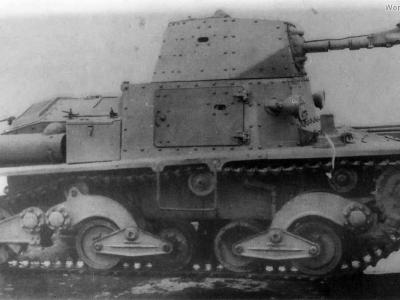
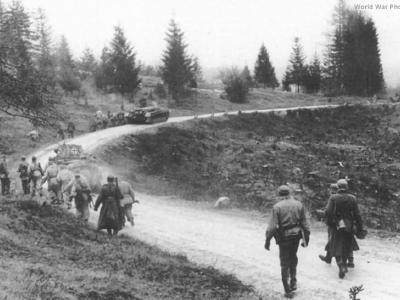
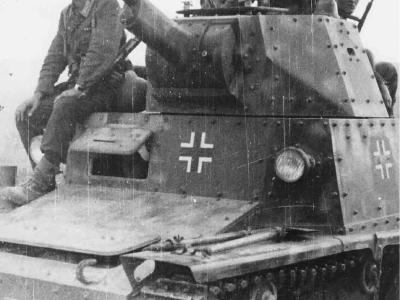
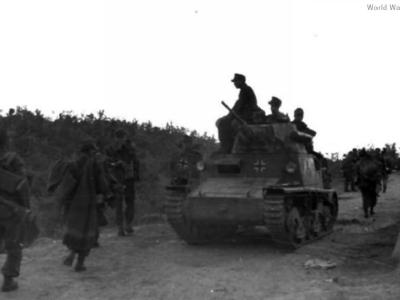
Several variants were derived from the L 6 chassis, most notably the Semovente da 47/32 assault gun. Other versions included specialized command vehicles (Carro Centro Radio) equipped with additional RF 1 CA and RF 2 CA radio sets, and a specialized ammunition carrier designed to supply the Semovente da 90/53 with 90mm rounds. Prototypes for a flamethrower variant and a caterpillar tractor known as the Cingoletta were also developed but did not enter mass production. Following the Italian armistice in September 1943, approximately 106 L 6/40 tanks were seized by German forces, who designated them as Panzerkampfwagen L6/40 733 (i) for use in anti-partisan duties in Italy and the Balkans. A small number of surviving vehicles continued to serve with the Italian Public Security Police until approximately 1952.