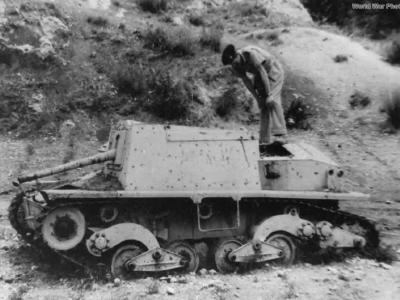
L40 da 47/32
Click the thumbnails to enlarge them
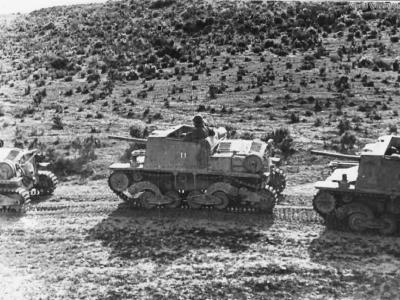
Column of Semovente da 47/32 1943
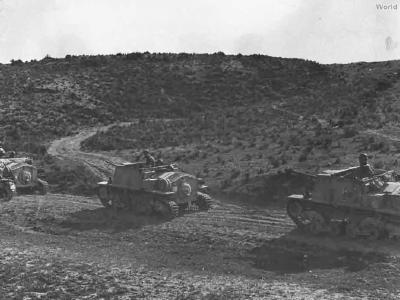
Column of Semovente da 47/32 1943
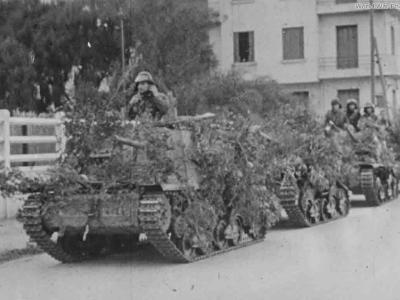
Column of Semovente L40 da 47/32 3
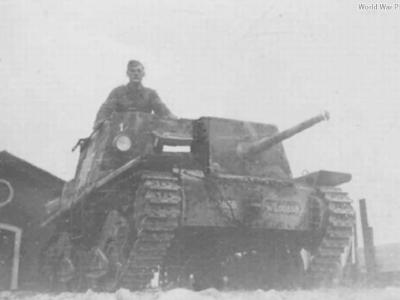
German StuG L6 mit 47/32 630(i)
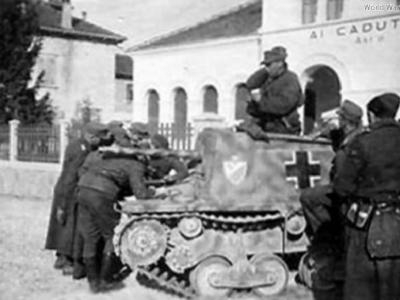
German StuG L6 of Flak Erdkampfschule Sued Italy 1944
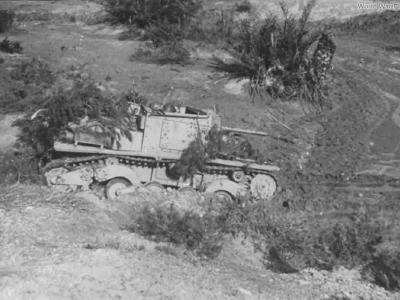
Italian Semovente L40 da 47/32 2
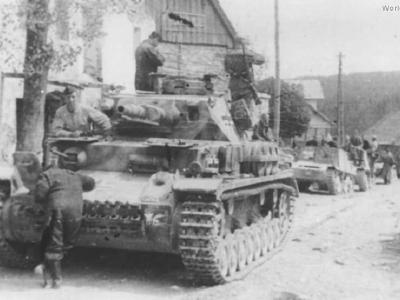
Panzer IV Ausf F1 and Semovente da 47/32 of Ordnungspolizei Slovenia 1944
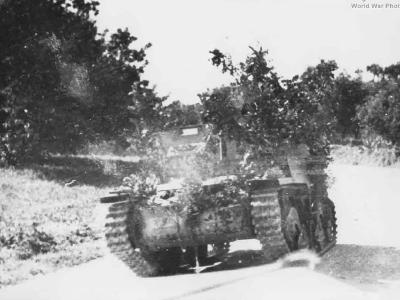
Semovente da 47/32 1943 3
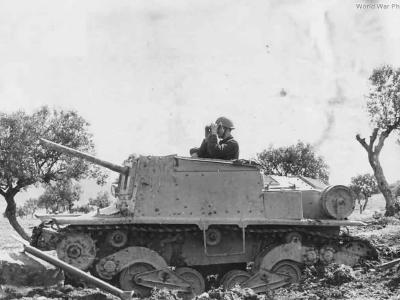
Semovente da 47/32 4
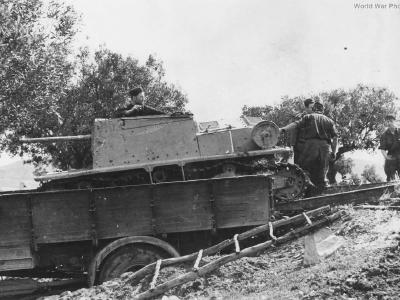
Semovente da 47/32 loaded in the bed of a truck
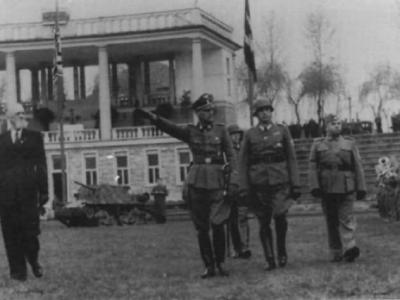
Semovente da 47/32 of Slovenian Defence Force
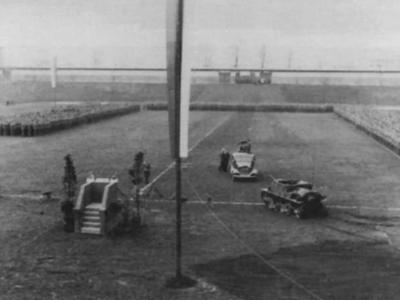
Semovente da 47/32 of Slovenian Defence Force 2
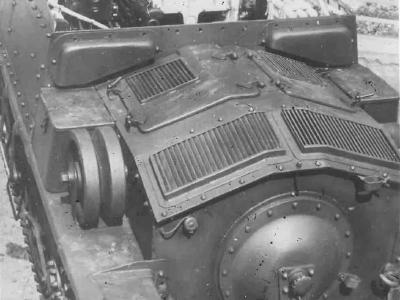
Semovente da 47/32 rear view
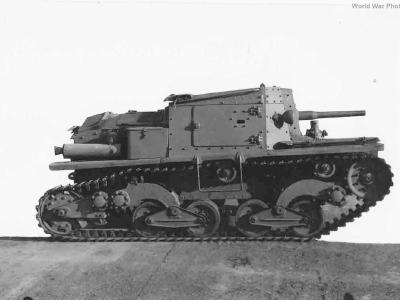
Semovente da 47/32 side view
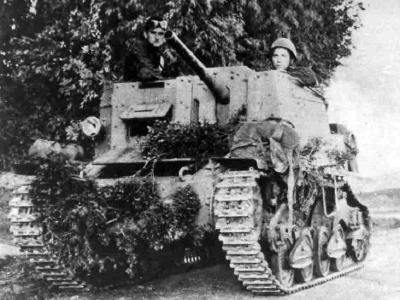
Semovente L40 da 47/32 1943
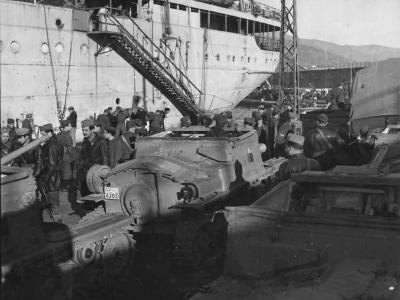
Semovente L40 da 47/32 1943 3
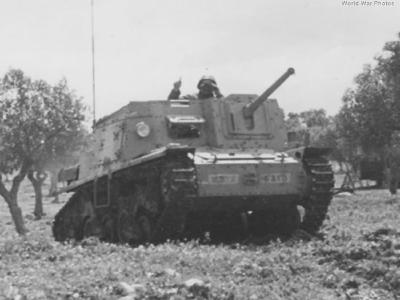
Semovente L40 da 47/32 Africa
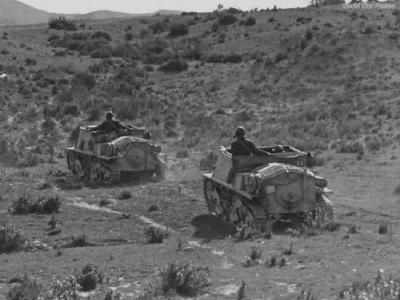
Semovente L40 da 47/32 Africa Tunisia
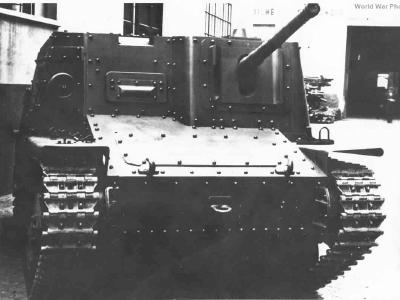
Semovente L40 da 47/32 factory
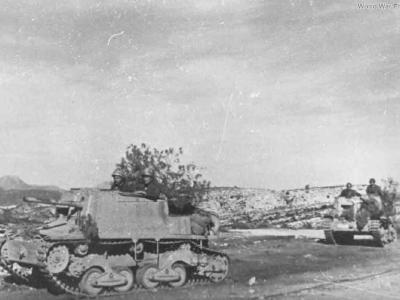
Semovente L40 da 47/32 guns
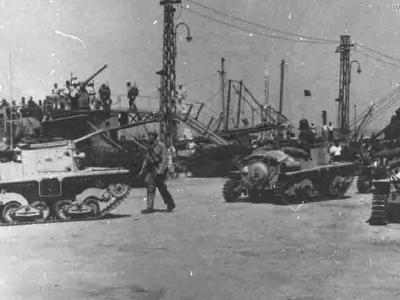
Semovente L40 da 47/32 guns 1942
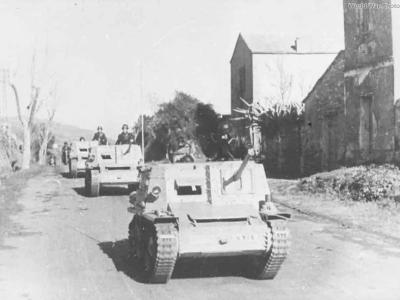
Semovente L40 da 47/32 guns Corsica 1943
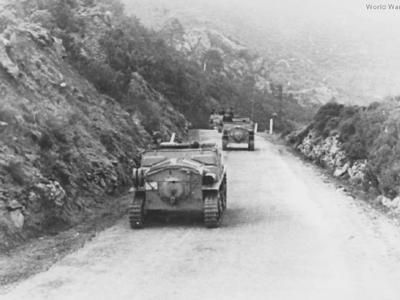
Semovente L40 da 47/32 guns Corsica 1943 2
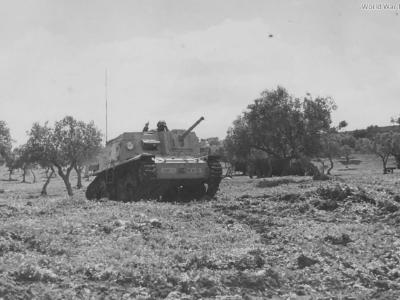
Semovente L40 da 47/32 Tunisia 1943
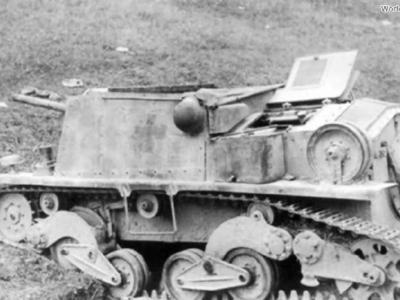
StuG L6 Abandoned Slovenia
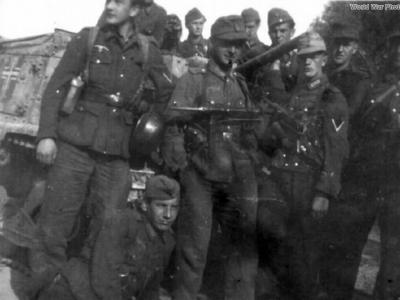
StuG L6 Albania 1944
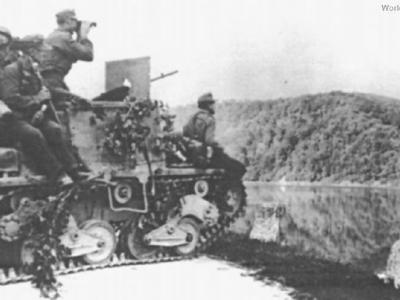
StuG L6 Bosnia 1944
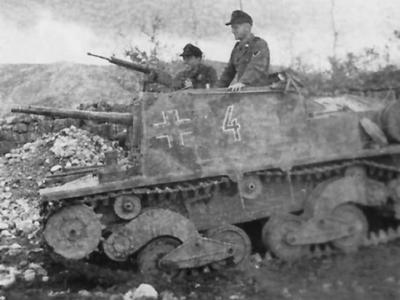
StuG L6 Croatia 1944
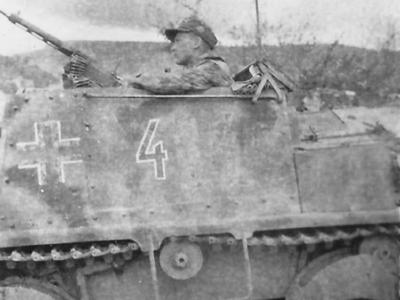
StuG L6 Croatia 1944 2
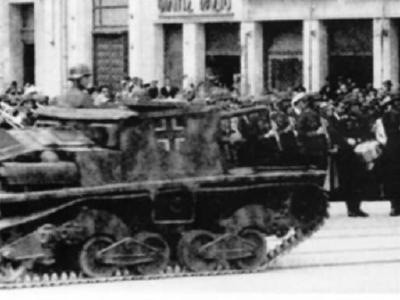
StuG L6 mit 47/32 630(i) of SS-Pol Regiment 18, Athens 23 May 1944
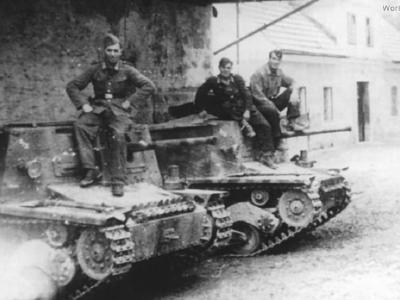
StuG L6 mit 47/32 630(i) Slovenia
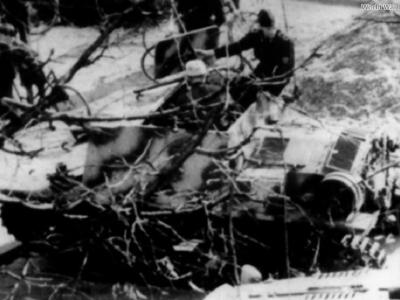
StuG L6 of the 14. Polizei-Panzer-Kompanie
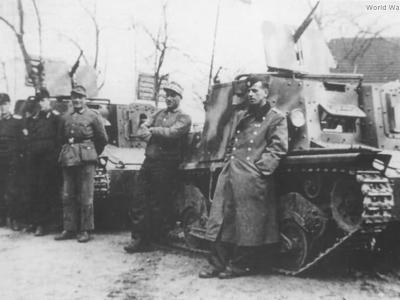
StuG L6 of the 14. Polizei-Panzer-Kompanie Slovenia
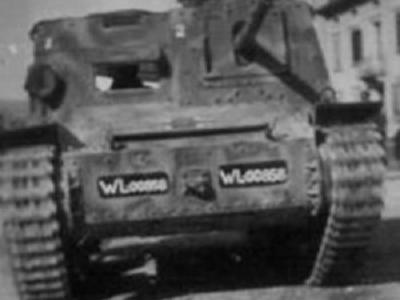
StuG L6 of the sFlakAbt 603 Italy
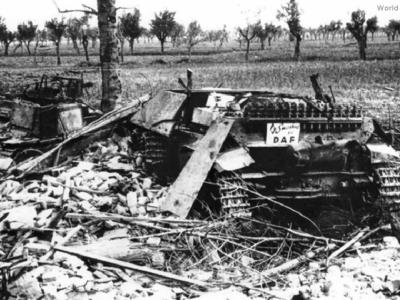
StuG L6 prime mover of 26. Panzer Division Italy 1945
The Semovente L 40 da 47/32 was a light self-propelled gun developed by Italy during World War II to provide mobile anti-tank support to infantry and reconnaissance units. It represented a significant transition in Italian armored doctrine, moving from towed anti-tank guns to integrated, tracked platforms.
Development and Design
Development originated from the realization that the L 3 tankette was inadequate for modern combat. Following unsatisfactory experiments with L 3-based self-propelled guns, Ansaldo utilized the chassis of the L 6/40 light tank.
- Chassis and Structure: The vehicle retained the basic mechanical and suspension components of the L 6/40. It featured a turretless, open-topped casemate structure. While early prototypes included an armored roof, this was removed in production models due to severe ventilation problems.
- Armament: The primary weapon was the 47mm Breda 32 L gun (an Italian version of a Austrian Böhler design), which was the standard Italian anti-tank gun of the period. The gun was mounted forward and to the left of the casemate, which unfortunately hampered the driver's visibility. It had a horizontal traverse of 27° and a vertical range of -12° to +20°.
- Armor and Protection: Frontal armor was 30mm thick, while the sides were 14.5mm to 15mm. The floor and roof were 6mm thick. Despite this, the open top left the crew highly exposed to small arms fire and shrapnel.
Technical Specifications
- Weight: Approximately 6.5 to 6.7 tons.
- Engine: A Fiat SPA 18 VT four-cylinder, liquid-cooled, inline gasoline engine providing 68 to 70 HP.
- Speed: Maximum road speed of 36–42 km/h.
- Range: Approximately 200 km on road.
- Crew: Three members: driver (seated right), loader (seated behind the driver), and commander/gunner (seated left).
Production and Variants
In June 1941, an initial order for 583 L 6/40 tanks was curtailed to 283 units, with the remaining 300 chassis diverted to the production of the Semovente L 40. Total production reached approximately 282–300 units by May 1943.
- Command Version (Carro Comando): Platoon and company command vehicles were produced, externally identical to the standard gun version but with the 47mm gun replaced by a dummy barrel hiding an 8mm Breda Model 38 machine gun. This allowed more internal space for RF 1 CA and RF 2 CA radio equipment.
- Ammunition Carrier (Trasporto Munizioni): A specialized variant was developed to supply the heavy Semovente da 90/53. It featured side-mounted bins to carry 26 rounds of 90mm ammunition and often towed a trailer carrying an additional 40 rounds.
- Cingoletta Ansaldo L 6: A prototype caterpillar tractor based on the L 6 chassis was also proposed for use as an ammunition or personnel carrier, though the AS 37 Sahariana truck was eventually preferred.
Operational History
The Semovente L 40 saw action across several major theaters:
- Eastern Front: Nineteen vehicles were sent to Russia with the XIII Gruppo Squadroni Cavalleggeri di Alessandria in 1942. They were the only Italian self-propelled guns in that theater and were all eventually lost in combat or due to mechanical failure and lack of fuel.
- North Africa: Employed in Tunisia during 1942–1943, where they were often used as light assault vehicles alongside tanks and reconnaissance units.
- Balkans and Italy: Used for anti-partisan operations and coastal defense in Yugoslavia, Sicily, and Corsica.
- German Service: Following the Italian armistice in September 1943, the German military seized approximately 78–86 units and ordered the production of a further 120 vehicles. In German service, the gun version was designated Sturmgeschütz L6 mit 47/32 630 (i).
By the time it saw widespread field use in late 1942, the 47/32 gun was largely outdated and unable to defeat the newer medium and heavy tanks of the Allied forces. Nevertheless, it remained a core component of Italian mobile reconnaissance and anti-tank units until the end of the conflict.