
StuG III part 2
Click the thumbnails to enlarge them
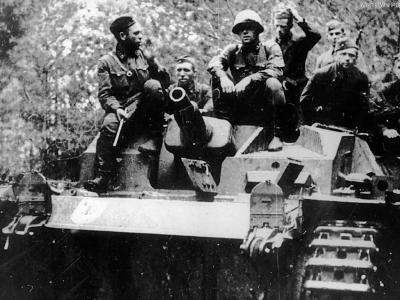
Captured StuG from Sturmgeschütz-Abteilung 197 August 1941
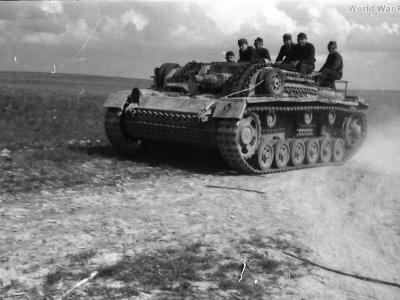
Crew have used spare track links to protect the superstructure.
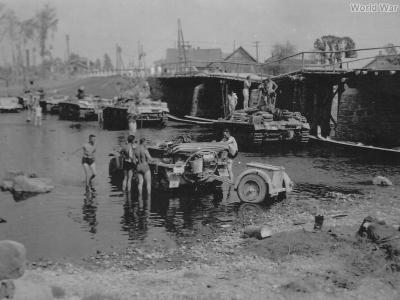
Crews bathing themselves and washing the vehicles in the shallows of a Russian river
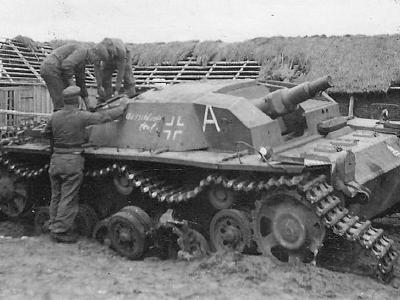
Damaged StuG III Ausf B "White A"
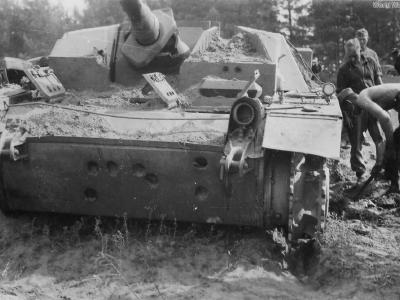
Destroyed StuG III
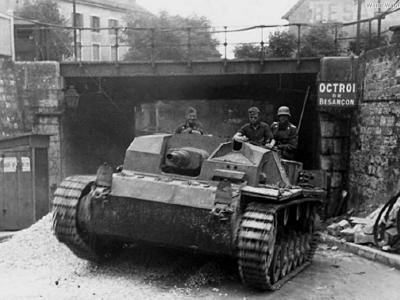
Early StuG III in Besancon 1940
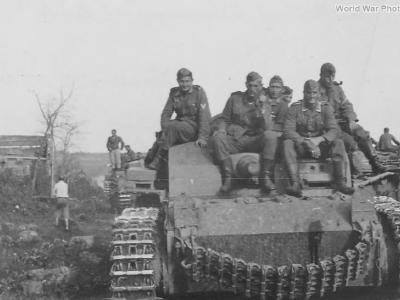
Frontal view
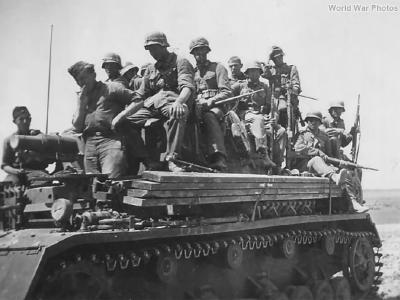
Infantrymen take the opportunity to travel on assault gun
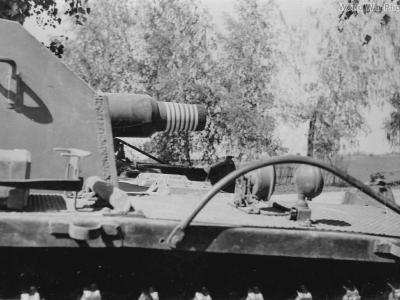
kill-rings on the barrel
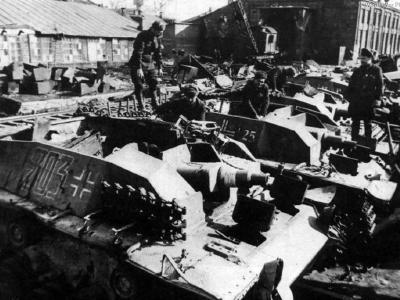
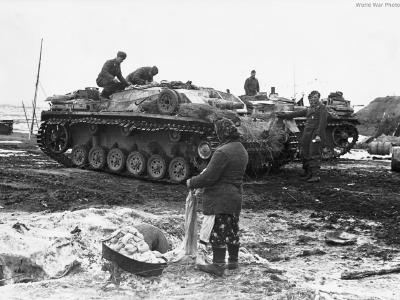
Russian workers inspect captured Stugs
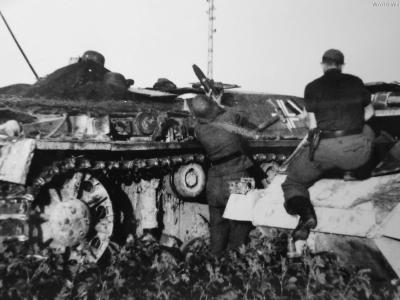
Soldiers loading ammunition from a Sd.Kfz 252
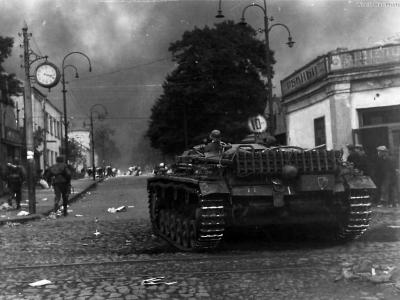
SS Panzergrenadier Division "Leibstandarte SS Adolf Hitler" troops and StuG III entering Mariupol
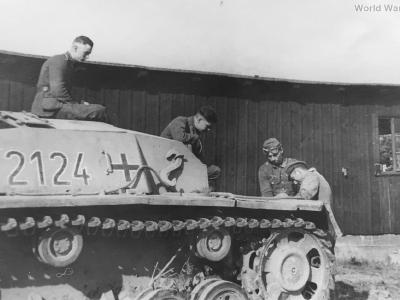
StuG 2124
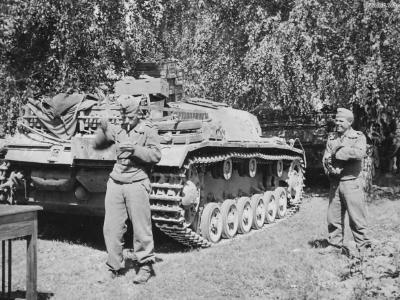
StuG Ausf B
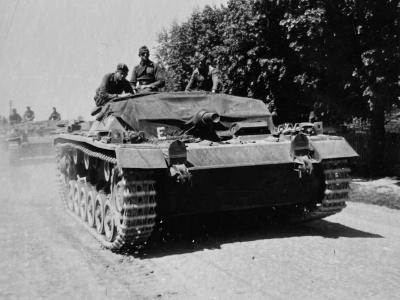
StuG III
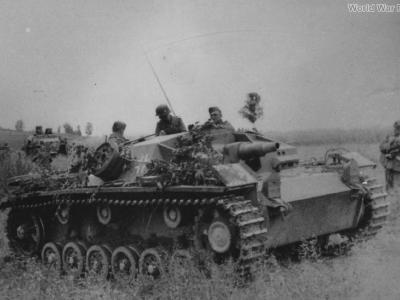
StuG III
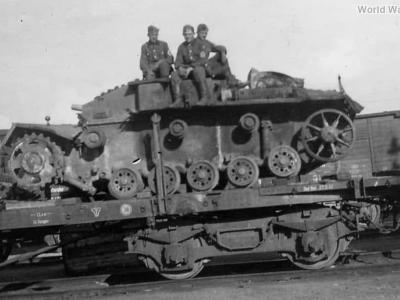
StuG III
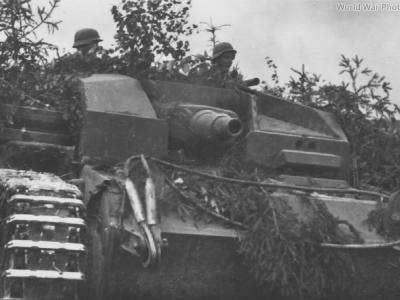
StuG III
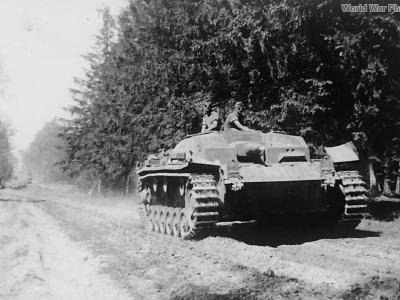
StuG III
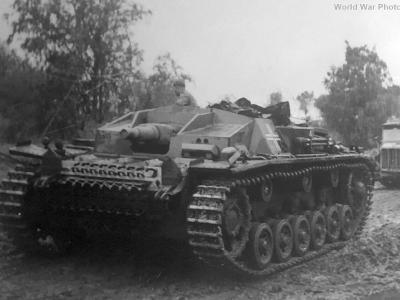
StuG III
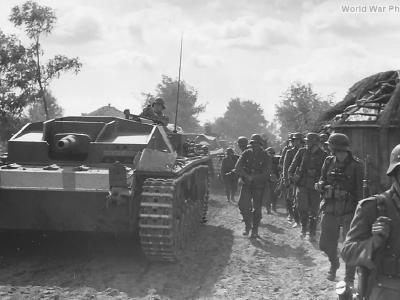
StuG III
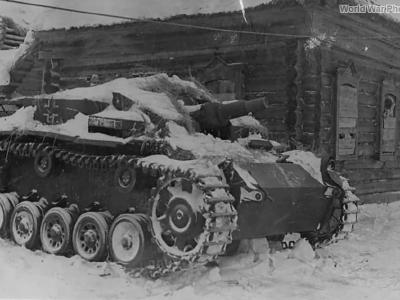
StuG III
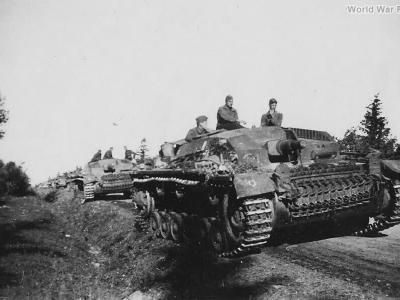
StuG III
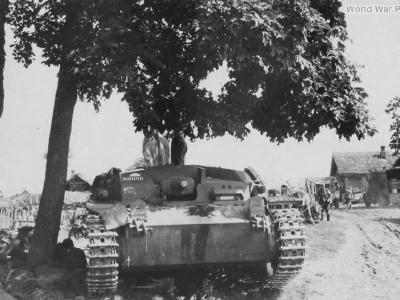
StuG III
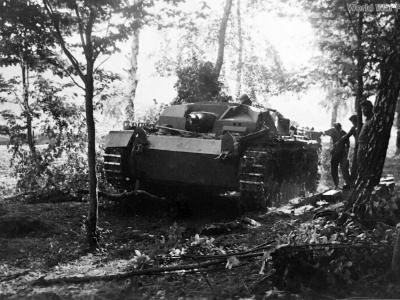
StuG III
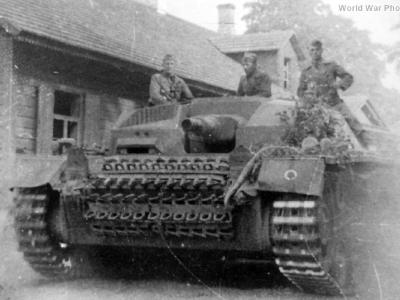
StuG III
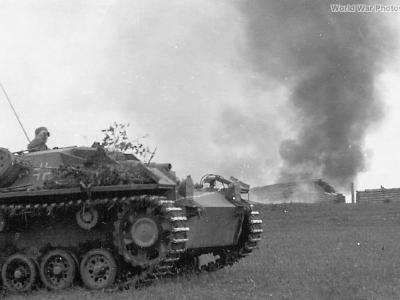
StuG III
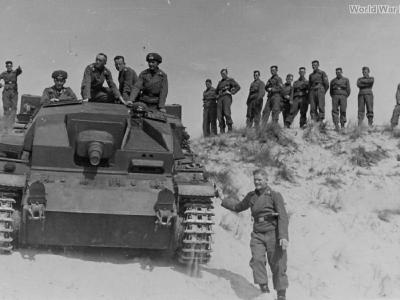
StuG III
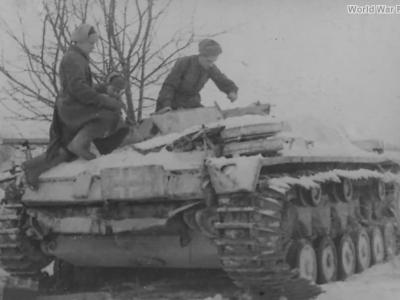
StuG III 14
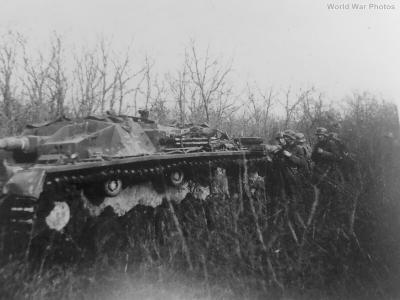
StuG III 19
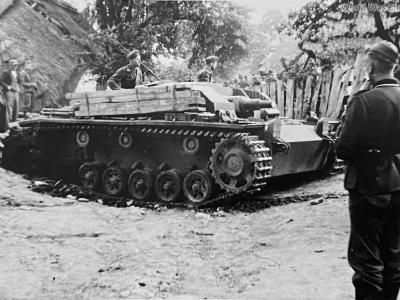
StuG III 1941
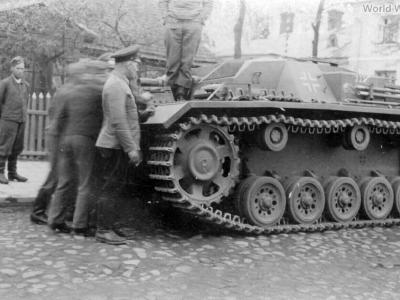
StuG III 1941
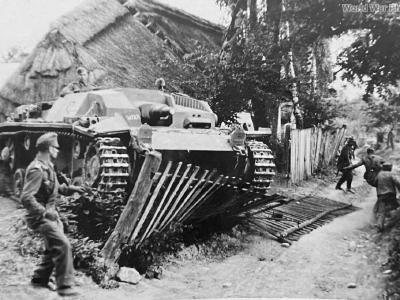
StuG III 1941 2
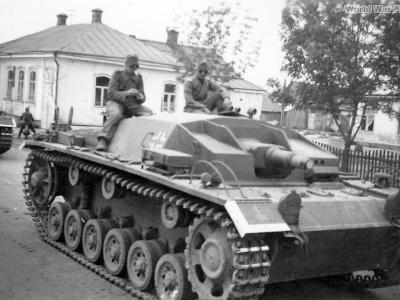
StuG III 1941/42
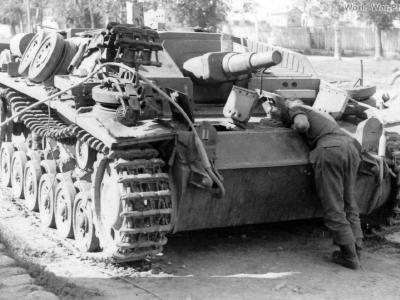
StuG III 21
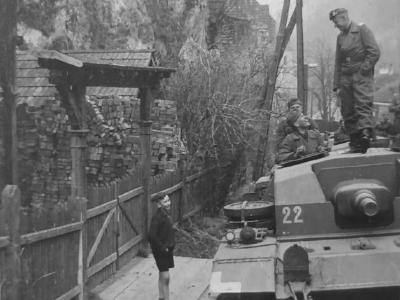
StuG III 22
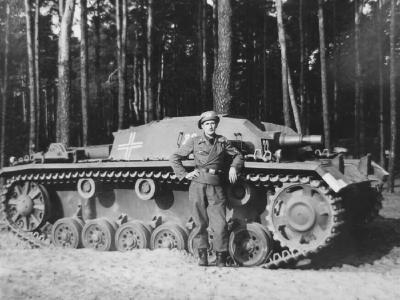
StuG III 22
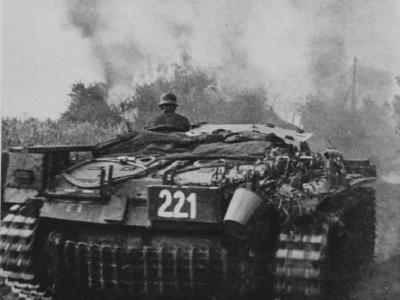
StuG III 221
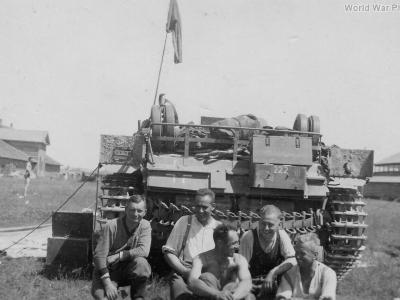
StuG III 222
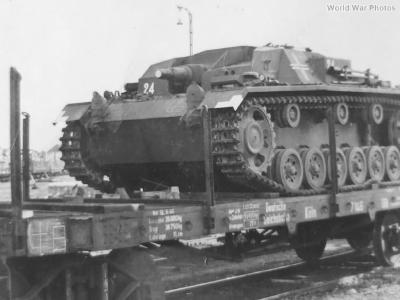
StuG III 24
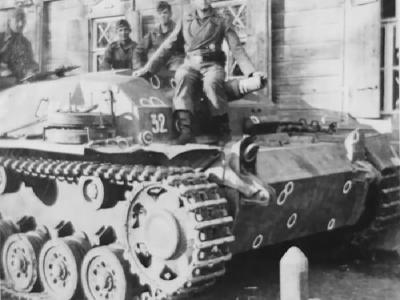
StuG III 32
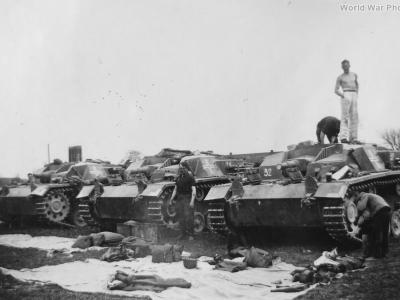
StuG III 32 24
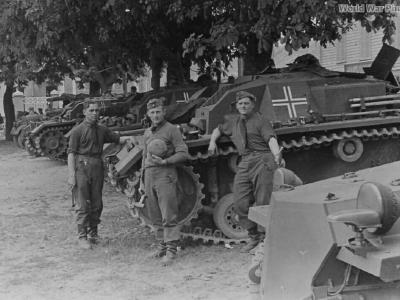
StuG III 4
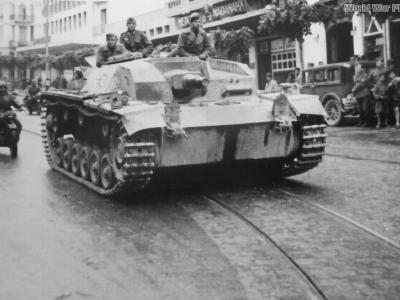
StuG III 9
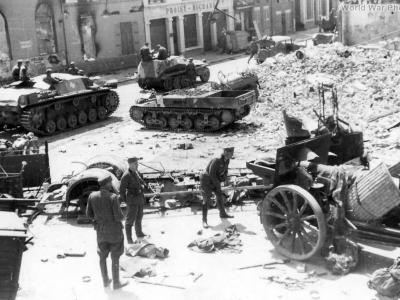
StuG III A France 1940
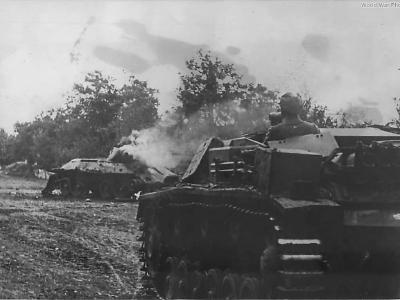
StuG III A of LSSAH approaches destroyed T-34
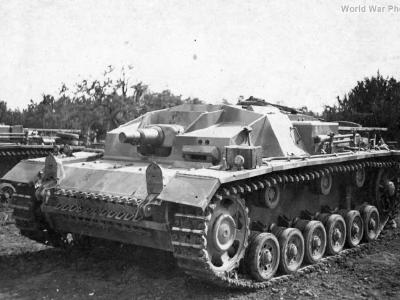
StuG III Abt 197
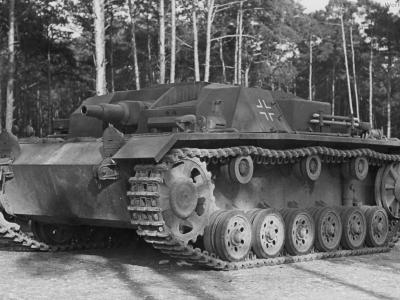
StuG III Ausf B
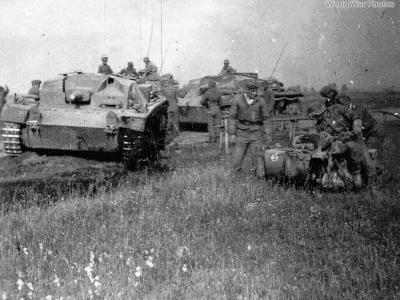
StuG III Ausf B
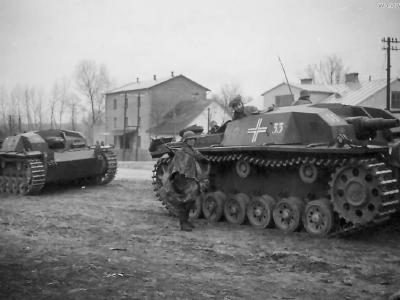
StuG III Ausf B "33" of the Sturmgeschütz-Abteilung 192
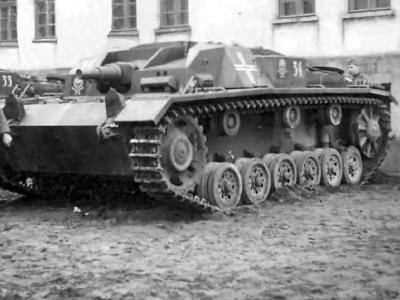
StuG III Ausf B "34 and 33" of the Sturmgeschütz-Abteilung 192
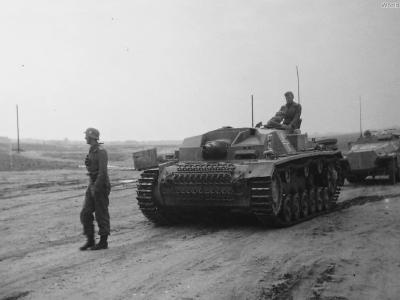
StuG III Ausf B and Sd Kfz 252 of the Sturmgeschütz-Abteilung 192
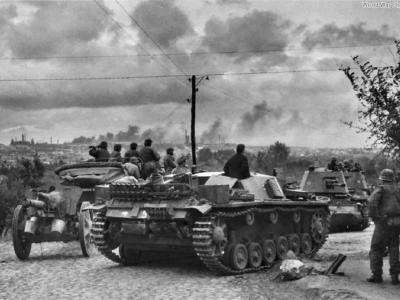
StuG III Ausf B from Leibstandarte SS Adolf Hitler Mariupol 1941
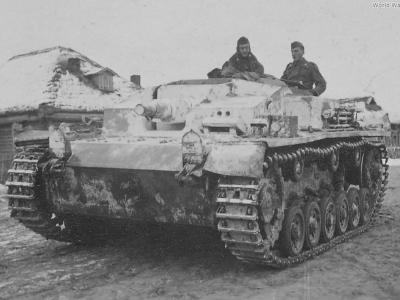
StuG III Ausf B Winter 2
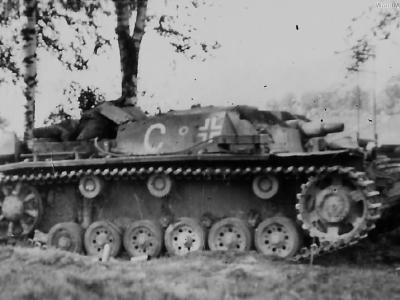
StuG III Ausf B, code C
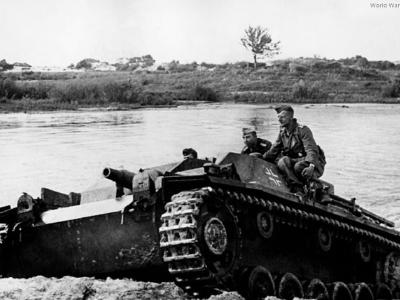
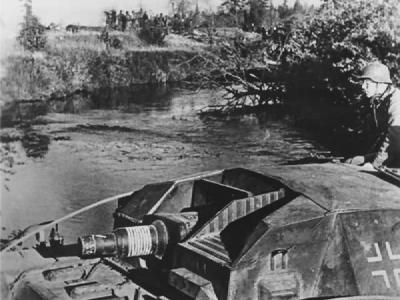
StuG III Ausf.B crossing a river, Ukraine 1941
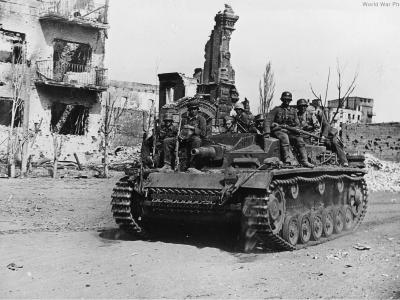
StuG III Ausf.B Stalingrad 1942
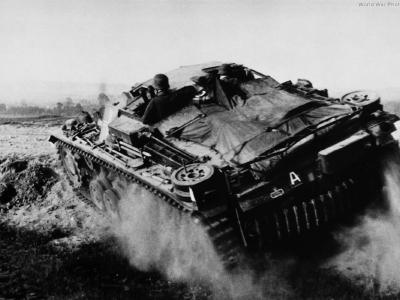
StuG III Ausf.C of the Sturmgeschütz-Abteilung 197 1941
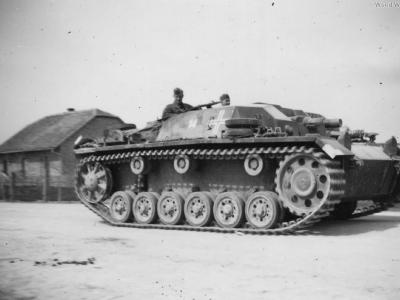
StuG III B "White 14"
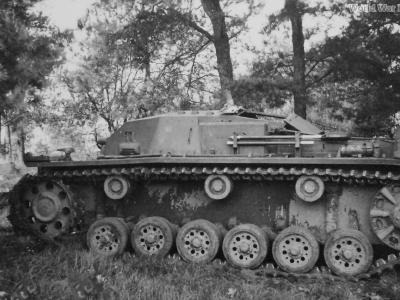
StuG III B 17
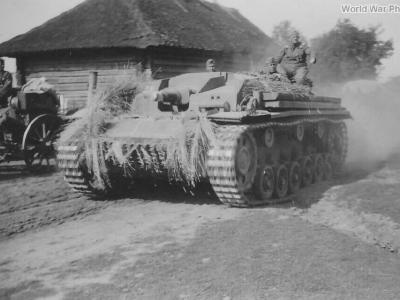
StuG III B 1941
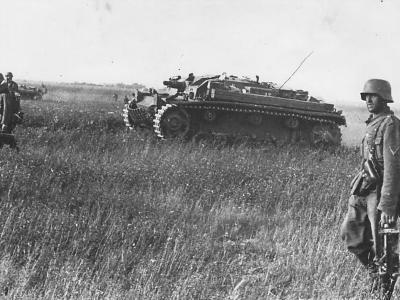
StuG III B Eastern Front
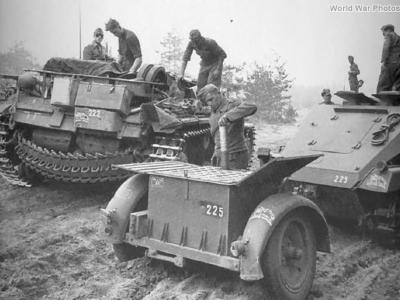
StuG III being replenished with ammunition from an SdKfz 252
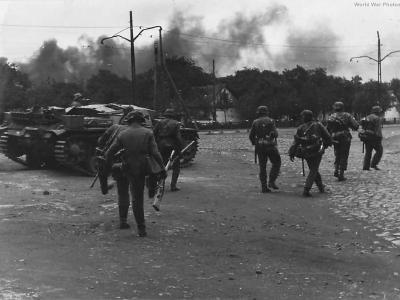
StuG III covers advancing SS Panzergrenadier Division "Leibstandarte SS Adolf Hitler" troops in Sevastopol 1942
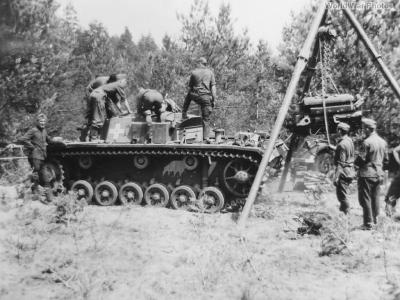
StuG III engine
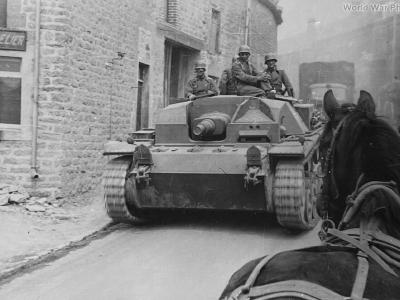
StuG III France
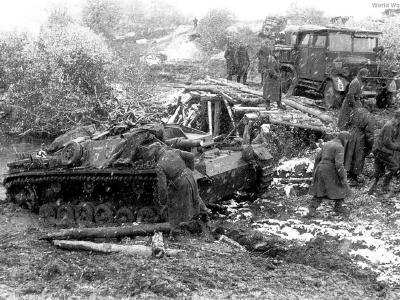
StuG III from Panzergruppe Guderian Eastern Front October 1941
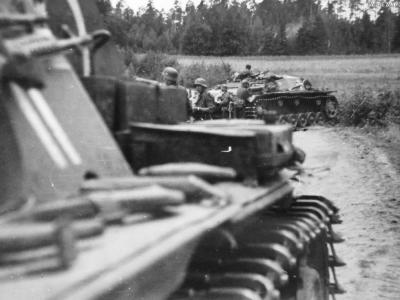
StuG III from Sturmgeschütz-Abteilung 185 in action Riga 1941
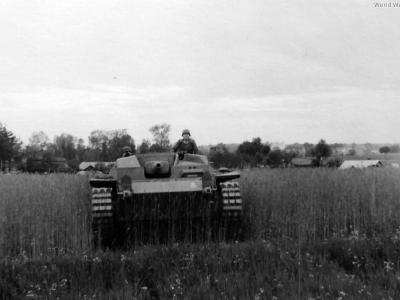
StuG III from Sturmgeschütz-Abteilung 243
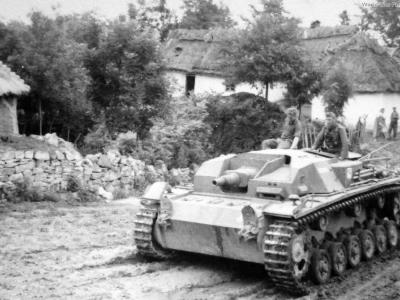
StuG III from Sturmgeschütz-Abteilung 243 1941
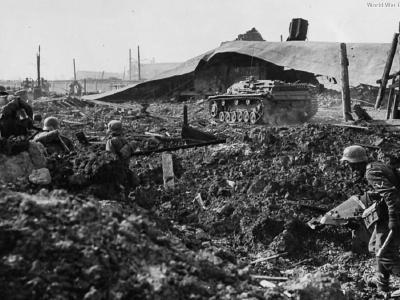
StuG III Krasny Oktyabr factory in Stalingrad
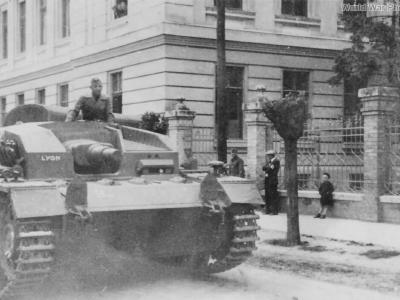
StuG III Lyon
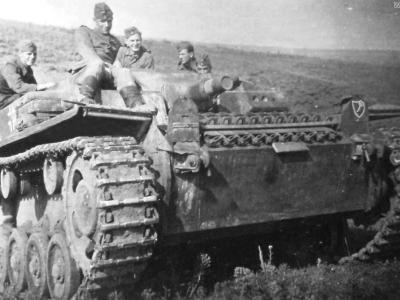
StuG III of the SS Panzergrenadier Division "Leibstandarte SS Adolf Hitler"
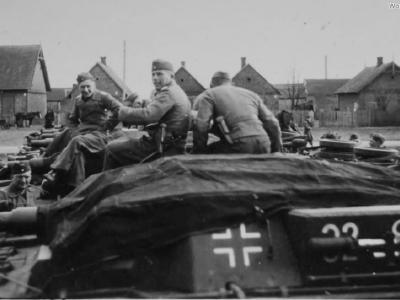
StuG III of the Sturmgeschutz Abteilung 203
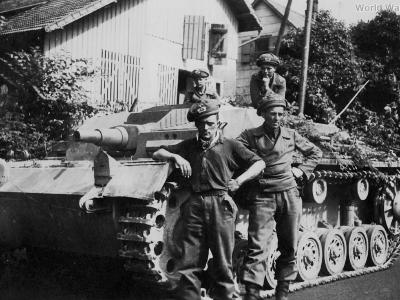
StuG III Sturmbatterie 665
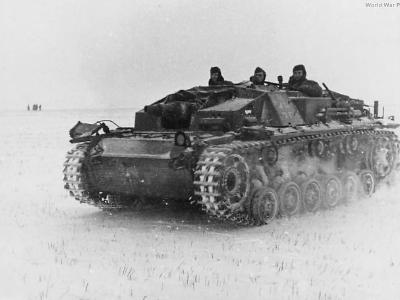
StuG III Winter
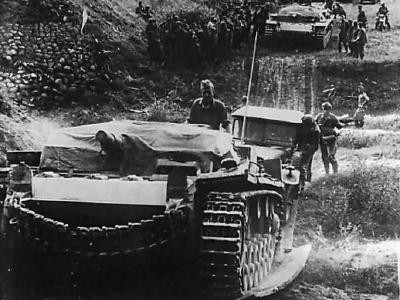
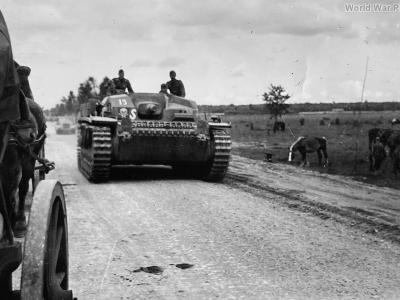
StuG leading a long column of troops and vehicles somewhere on the Eastern Front
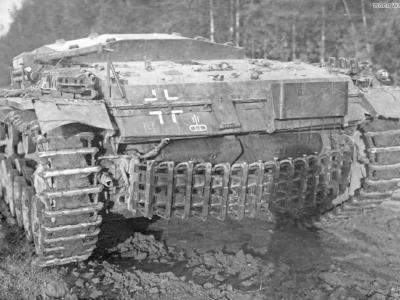
StuG of the Lehr-Brigade (mot.) 900, rear view
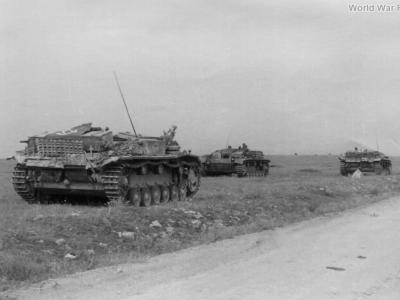
StuGs
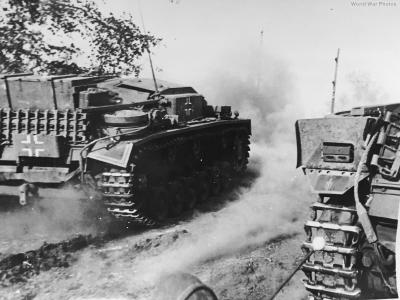
StuGs III advancing
StuGs III with Winterketten, Eastern Front
Sturmgeschutz Abteilung 192
Sturmgeschütz-Abteilung 190
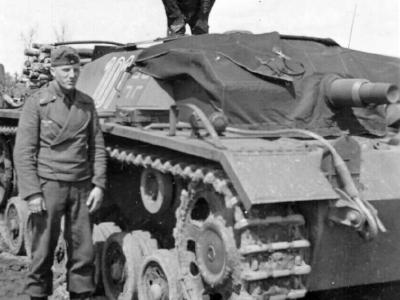
Sturmgeschütz-Abteilung 201
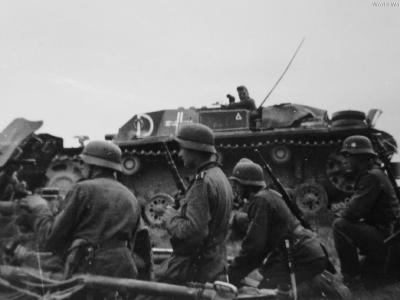
Vehicle from Sturmgeschütz-Abteilung 185 and PaK 36 Riga 1941
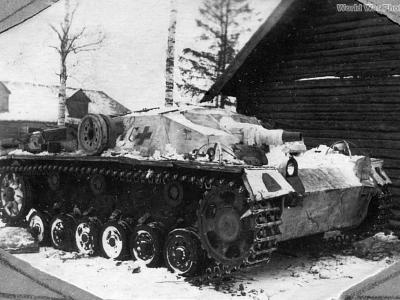
White StuG III Tver
The Sturmgeschütz III (StuG III) assault gun was Nazi Germany’s most produced armoured fighting vehicle during World War II. It was built on the chassis of the Panzer III tank. Initially intended as a mobile, armoured light gun for infantry support, the StuG was continually modified and was widely employed as a tank destroyer. The Sturmgeschütz series is probably best known for its excellent price-to-performance ratio. By the end of the war, over 10,500 had been built. The Sturmgeschütz III originated from an initial proposal that Colonel Erich von Manstein submitted to General Beck in 1935 in which he suggested that Sturmartillerie (Assault Artillery) units should be used in a direct-fire support role for infantry divisions. On June 15, 1936 Daimler-Benz AG received an order to develop an armoured infantry support vehicle capable of mounting a 75 mm (3 in) artillery piece. The gun was to have a limited traverse of a minimum of 25 degrees and be mounted in an enclosed superstructure that provided overhead protection for the crew. The height of the vehicle was not to exceed that of the average man. Daimler-Benz AG used the chassis and running gear of its recently designed Panzerkampfwagen III medium tank as a basis for the new vehicle. Prototype manufacture was passed over to Alkett, which produced five examples in 1937 of the experimental 0-series StuG based upon the PzKpfw III Ausf. B. These prototypes featured a mild steel superstructure and Krupp’s short-barreled 75 mm Sturmkanone 37 L/24. As the StuG III was intended to fill an anti-infantry close support combat role, early models were fitted with a low-velocity 75 mm StuK 37 L/24 gun, firing high explosive shells. After the Germans encountered the Soviet T-34, the StuG III were armed with the high-velocity 75 mm StuK 40 L/43 (Spring 1942) or 75 mm L/48 (Autumn 1942) anti-tank gun. Later models of the StuG III had a 7.92mm MG34 mounted on the hull for added anti-infantry protection. In 1944 the Finnish Army received 59 StuG III from Germany and used them against the Soviet Union. These destroyed at least 87 enemy tanks for a loss of only 8 StuG’s (some of these were destroyed by the crew when they abandoned the vehicle to prevent capture). After the war they were main combat vehicles of the Finnish Army until early 1960s. These Sturms gained the nickname “Sturmi” which can be found in some plastic kit models. Sturmgeschutz III’s were also exported to other nations like Bulgaria, Hungary, Italy, Romania, and Spain. After the Second World War, the Soviet Union gave some of the captured German vehicles to Syria, which continued to use them at least until the Six Days War (1967).