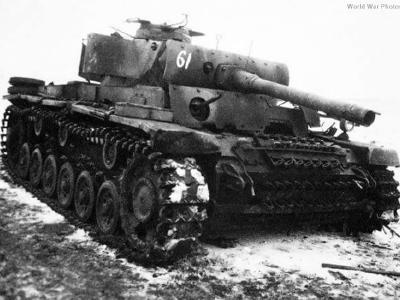
Flammpanzer III
Click the thumbnails to enlarge them
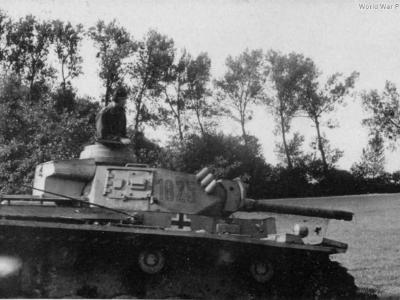
Flammpanzer III 1825 Sd.Kfz. 141/3
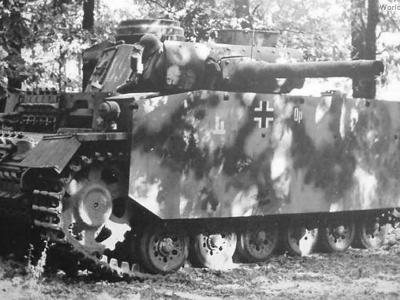
Flammpanzer III 651 of the 6.Panzer Division Kursk July 1943
Flammpanzer III Italy
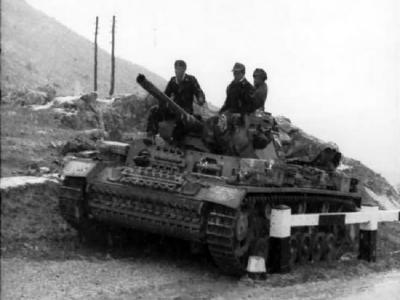
Flammpanzer III Italy 2
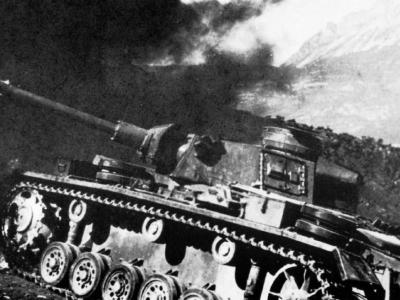
Flammpanzer III of the 44th Infantry Division 1943
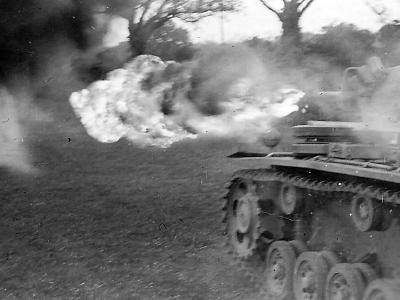
Flammpanzer III Sd.Kfz 141 3
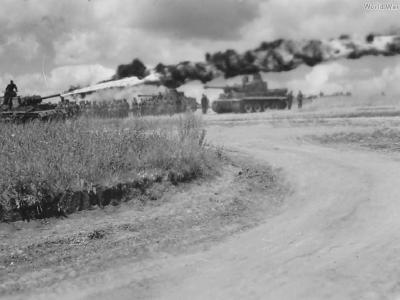
Panzerkampfwagen III (flamm) during training 1943
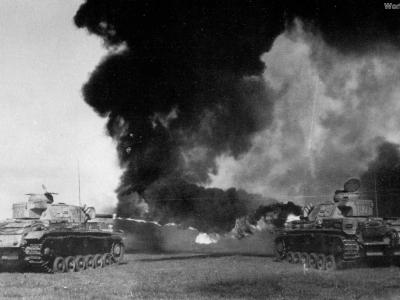
Two Flammpanzers III 1825 and 1827 in training
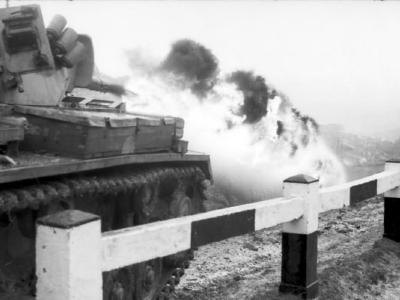
During November 1942, it was suggested to install a flamethrower in the turret of the PzKpfw III to be used in close combat situations similar to what had been encountered at Stalingrad. However, production was delayed by a month due to problems with the production of the ‘Flammenwerfer’. A total of 100 PzKpfw III from the Ausf M series were manufactured by MIAG and then handed over to Wegmann to complete as the PzKpfw III (FI). The PzKpfw III (FI) retained the basic features of the Ausf M, as this was the model used to supply the chassis. The 5cm KwK L/60 was replaced with a flamethrower mounted in the turret. Additional protection was provided by welding 30mm plates to the front of the hull. The flamethrower had a range of 55m to 60m. Although the PzKpfw III (FI) did not reach the troops at Stalingrad, they were assigned to Panzer regiments, with seven tanks per Flamethrower Platoon. In July 1943, there were 41 PzKpfw III (FI) available for use in the 6th Panzer Division, 11th Panzer Division, and Panzer Division Grossdeutschland, during the Kursk offensive.