
Bf 110 part 2
Click the thumbnails to enlarge them

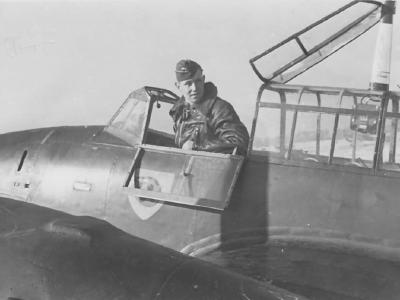
A Pilot in the cockpit of a Bf 110 2

Abandoned Me 110G-2 S9+FM of ZG1 Montecorvino 1943
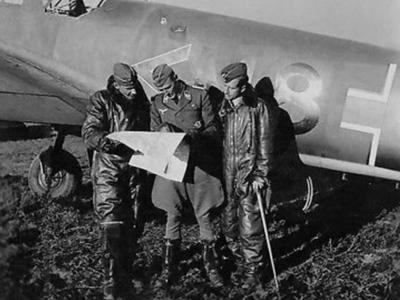
Bf 110 coded M8-CB of the ZG76
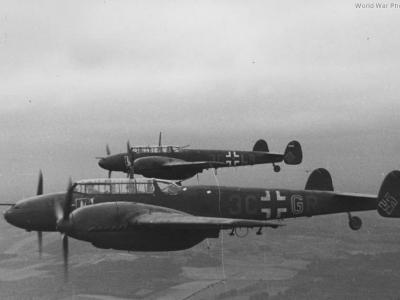
Bf 110 E-2 3C+GR and 3C+LR of the 7/NJG 4 1942
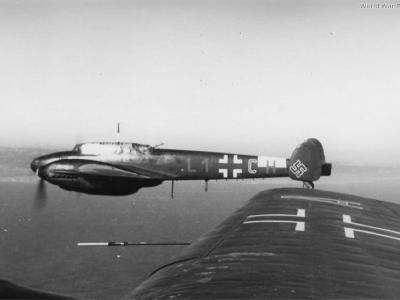
Bf 110 L1-CH of the NJG 3 in flight
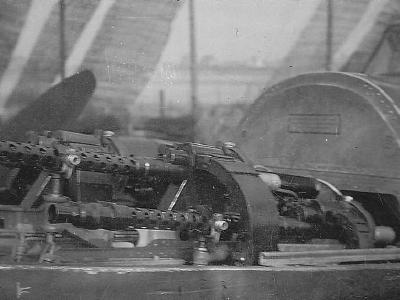
Bf 110 Nachtjager nose gun compartment
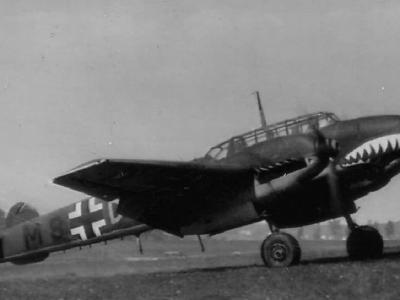
Bf 110 of the ZG 76 2
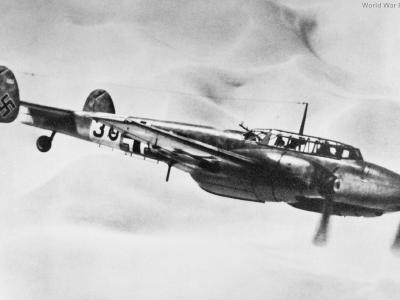
Bf 110 of the ZG26
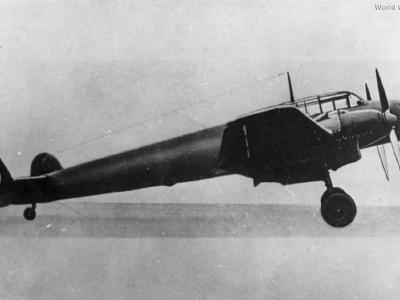
Bf 110A-0
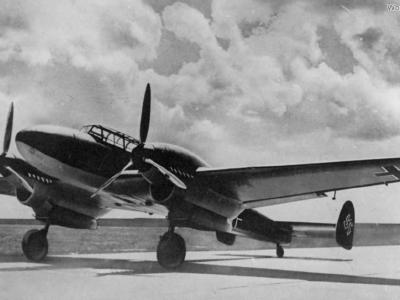
Bf 110B-1
Bf 110C of the 2/ZG 76 1939
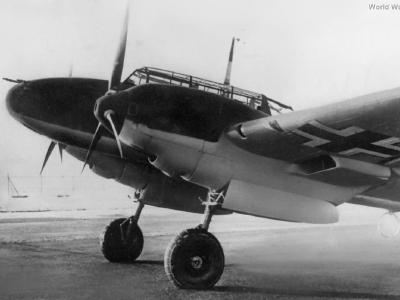
Bf 110C-0
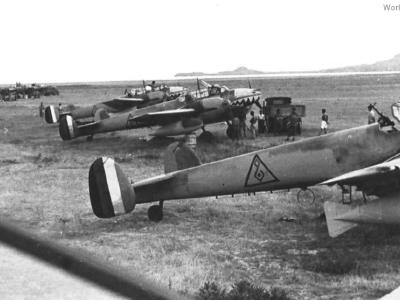
Bf 110D from Sonderkommando Junck Iraq
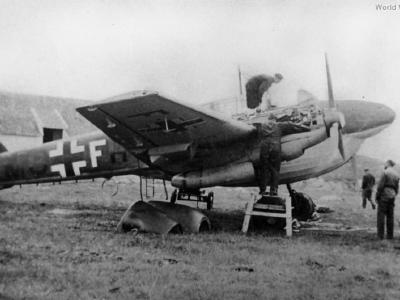
Bf 110D-1 Dackelbauch with 1050 litre fuel tank built under the fuselage
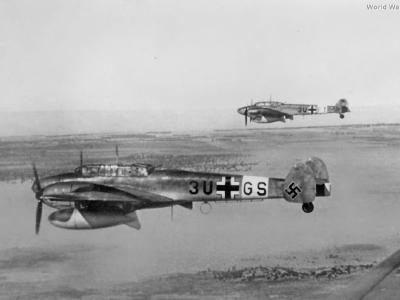
Bf 110D-3 3U-GS and 3U-FT of the III/ZG 26
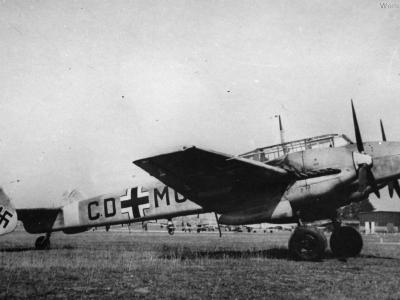
Bf 110E CD+MO
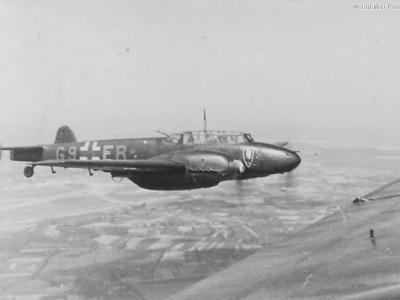
Bf 110E G9+ER of the 7/NJG 1
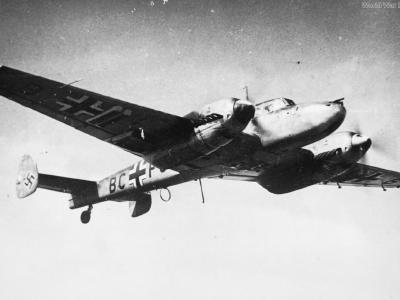
Bf 110E-1 BC-FG
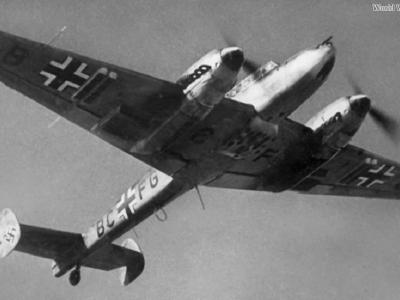
Bf 110E-1 BC+FG
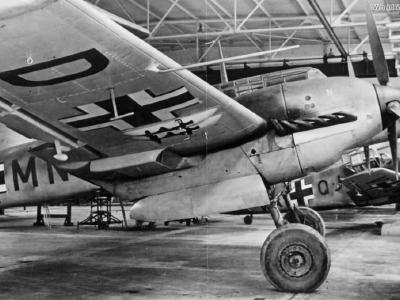
Bf 110E-2N with DB 601N engines
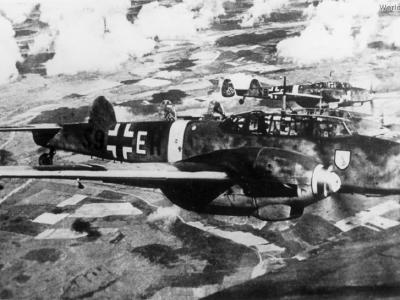
Bf 110F-1 of the SKG210 in flight
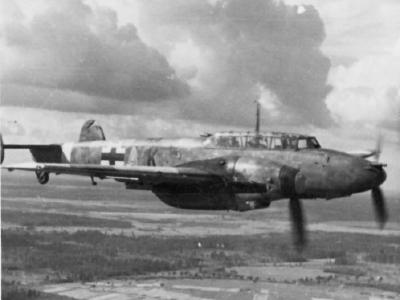
Bf 110G in flight
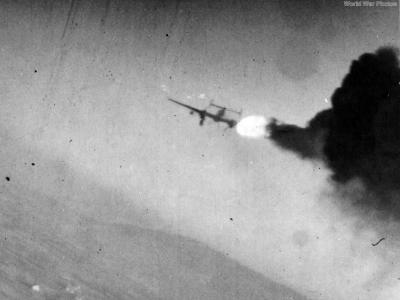
Bf 110G in gun camera
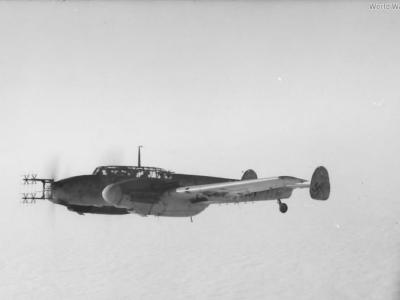
Bf 110G of the 9/NJG 3 in flight
Bf 110G of the ZG1
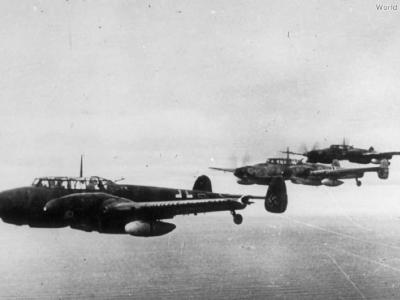
Bf 110G-2 fighters in flight
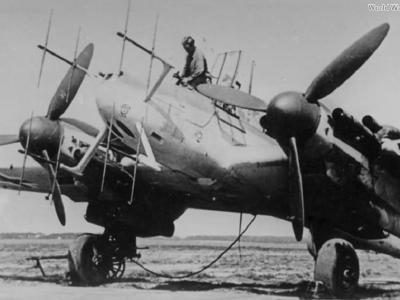
Bf 110G-4/R3
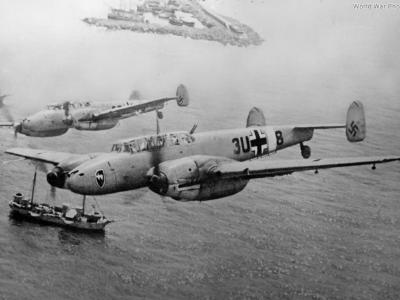
Bf 110s of ZG26
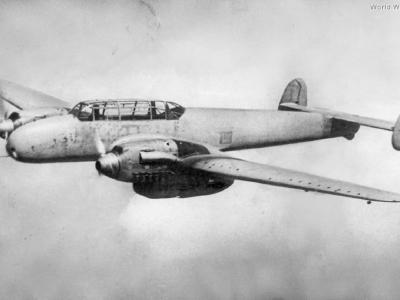
Bf 110V-1
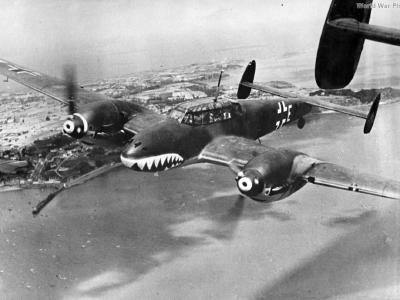
Bf110 of the ZG 76 1940
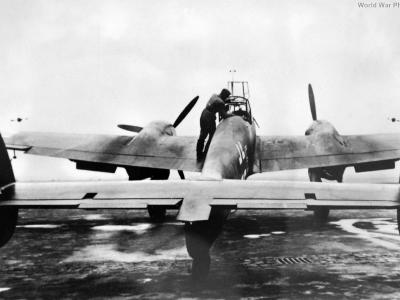
Bf110 rear view 1940
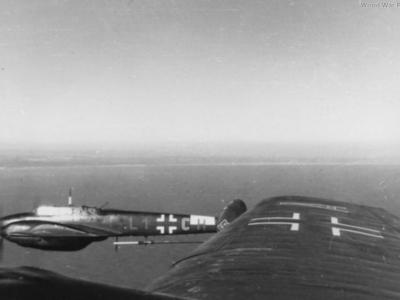
Bf110E L1-CH of the I/NJG 3

Bf110s take off for raid on England
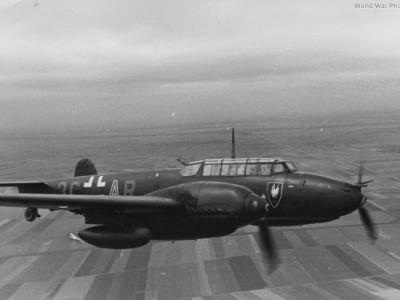
Black Bf 110E-1 3C-AR of the III/NJG 4 1942
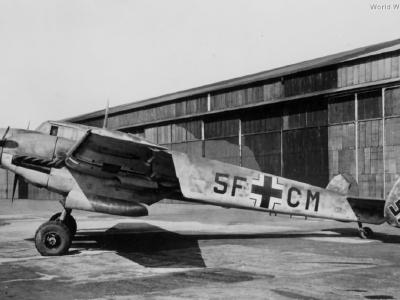
Captured Bf 110C-5 5F-CM of Aufklarungsgruppe 14 England, 1940
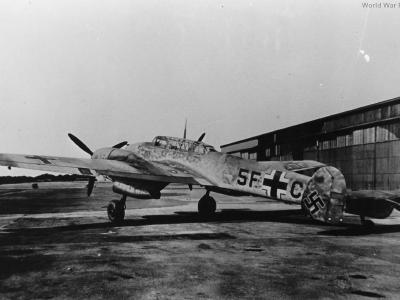
Captured Bf 110C-5 5F-CM of Aufklarungsgruppe 14 England, 1940 2
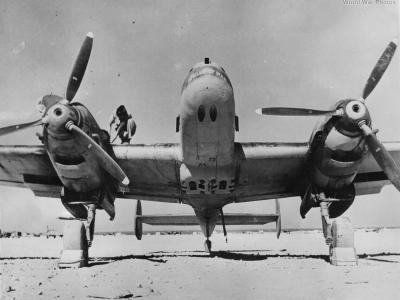
Captured Bf 110D W.Nr. 4035 "The Belle of Berlin" ex II/ZG76 Africa 1941
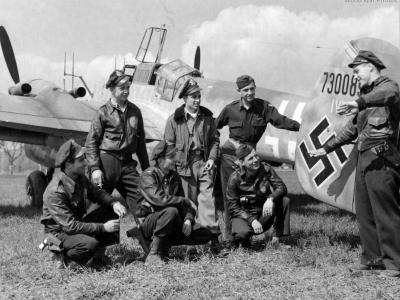
Captured Bf 110G-4 730089 and U.S. pilots from 365th FG
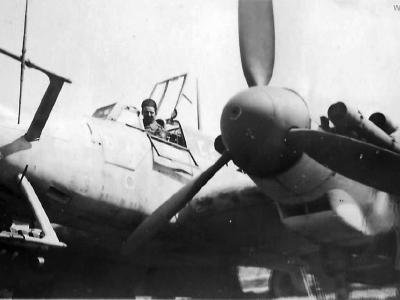
Captured Me 110G 1945
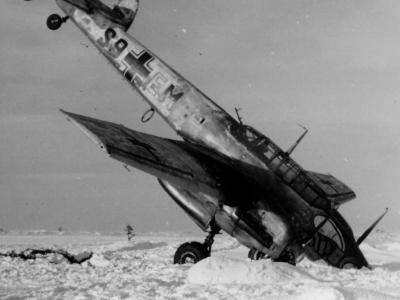
Crashed Me 110 S9+EM of SKG 210

German pilot eats pemmican sausage in Bf 110 cockpit 1940
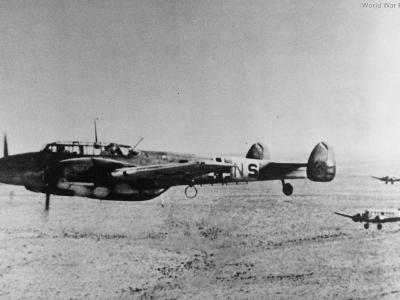
Ju 52s escorted by Bf 110 3U-NS of ZG26, North Africa
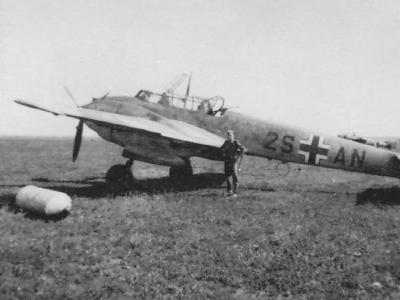
Me 110 2S-AN of the 5/ZG 1 Kharkov
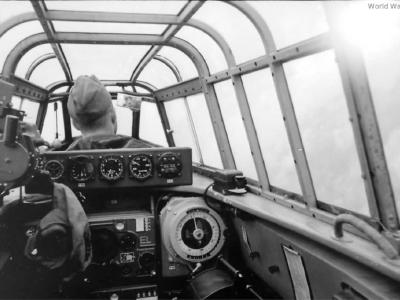
Me 110 cockpit
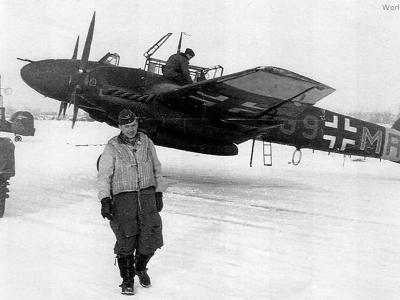
Me 110 code G9-MR of the NJG 1
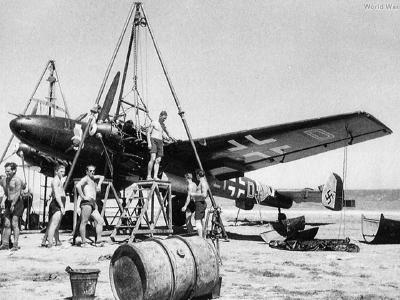
Me 110 code L1-CH of the NJG 3 April 1941

Me 110 D-E of 9/ZG 26 with 900 litre fuel tanks DAK
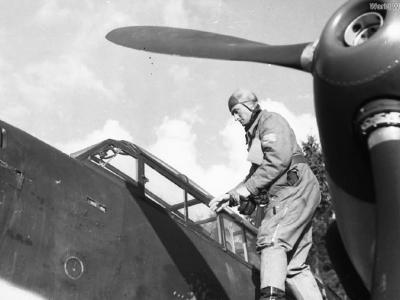
Me 110 France 1940
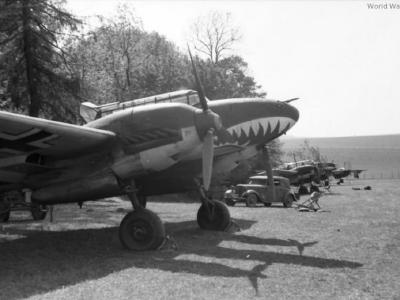
Me 110 from ZG76 May 1940
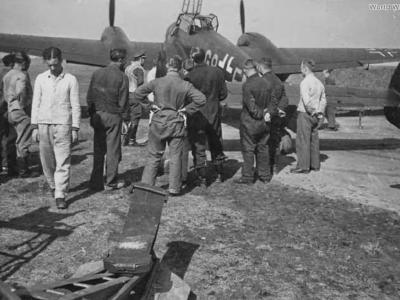
Me 110 G9+EN of NJG 1 Koln
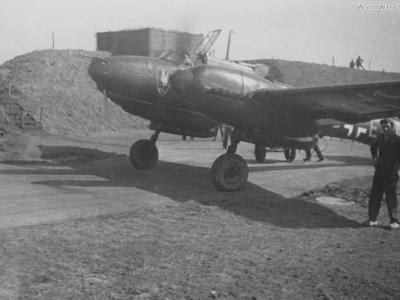
Me 110 G9+EN of NJG 1 Koln 2
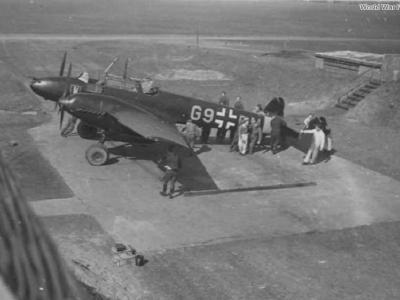
Me 110 G9+EN of NJG 1 Koln 3
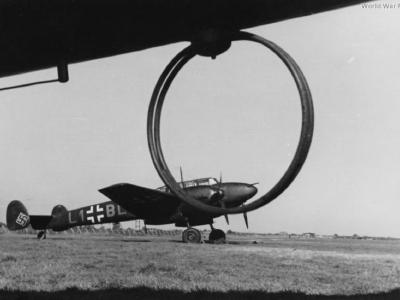
Me 110 L1-BL of the NJG 3
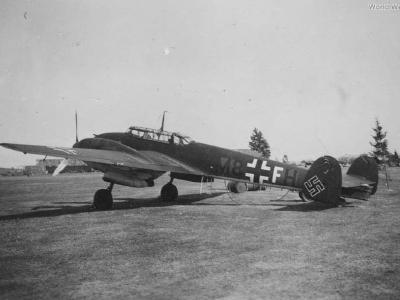
Me 110 M8+FH of the Zerstorergeschwader 76
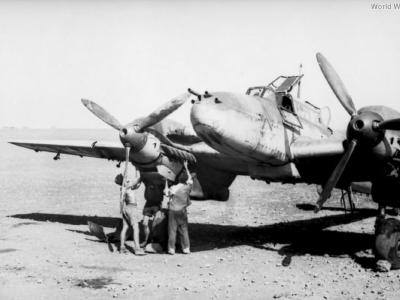
Me 110 MTO 1941
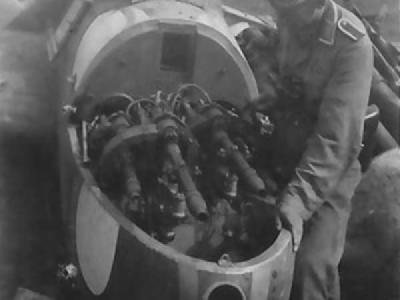
Me 110 nose gun compartment
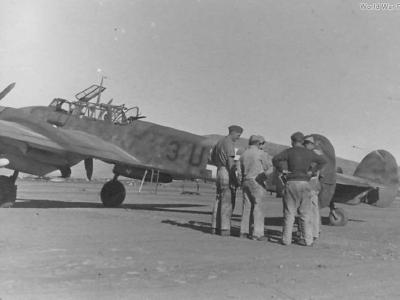
Me 110 of the 9/ZG 26 Africa 1942
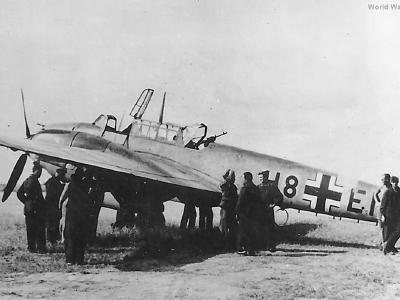
Me 110 of the Aufklarungsgruppe 33
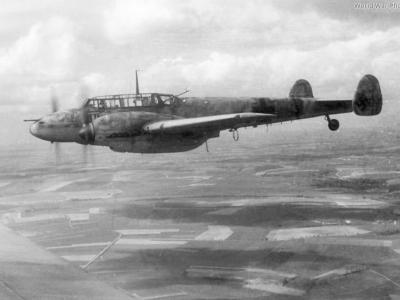
Me 110 of the NJG 4 in flight 1943
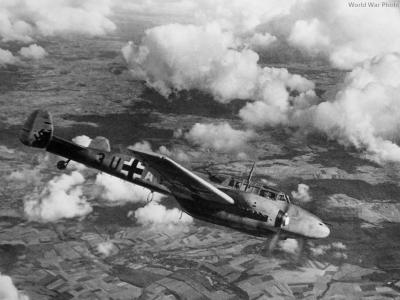
Me 110 of the ZG26 in flight
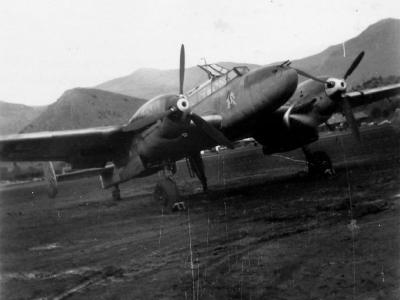
Me 110 of ZG76
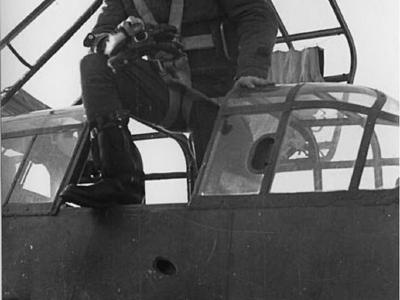
Me 110 rear gunner
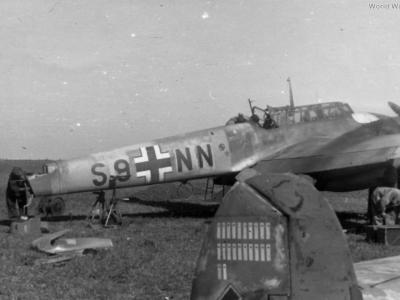
Me 110 S9+NN of the 1/SKG 210
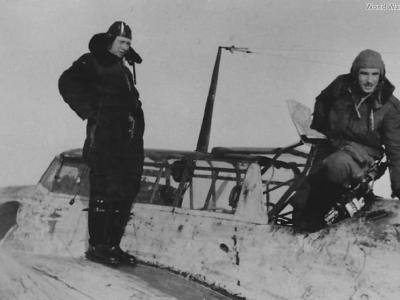
Me 110 whitewashed

Me 110B M8-HL of the 3/ZG 76 Olmutz September 1939
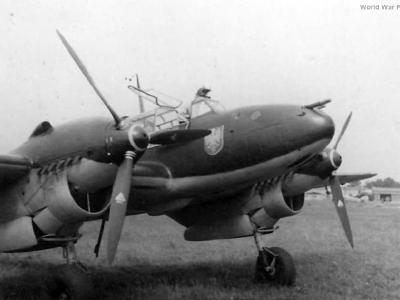
Me 110B M8-HL of the 3/ZG 76 Olmutz September 1939 2
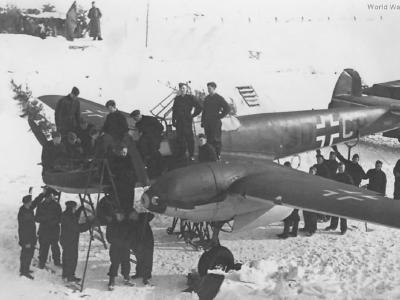
Me 110C 3U-CP of the 6/ZG 26 Winter 1939/40
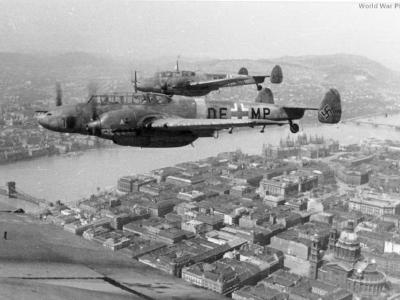
Me 110C-4 over Budapest 1944
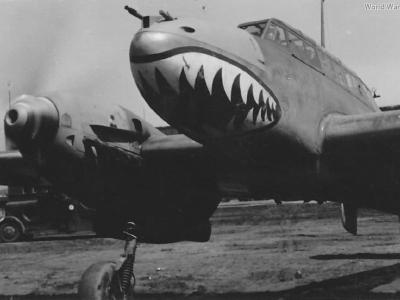
Me 110E of the II/ZG 76 1941

Me 110E S9-FN of the 5/SKG 210 in Scheikowa, Eastern Front 1941

Me 110F-2 3U-AR of the 7/ZG 26 after 250 Feindflug Trapani 1943

Me 110F-2 of 9/NJG 3 with FuG 202 Lichtenstein BC radar Luneburg 1943
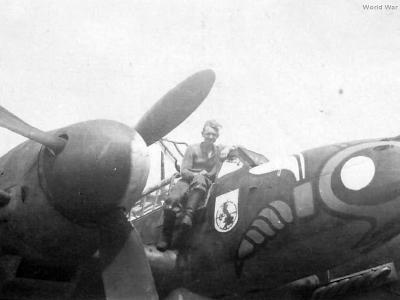
Me 110F-2 of the 1/ZG 1 Belgorod Summer 1942
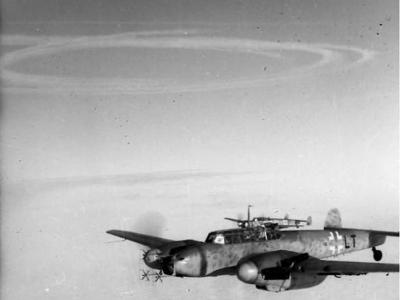
Me 110G Nachtjagers in flight
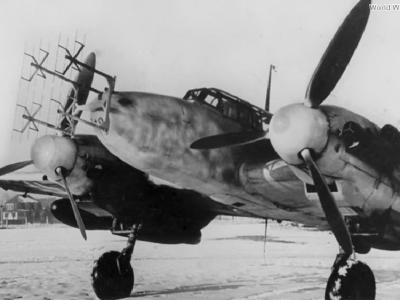
Me 110G with FuG 202 of NJG6 landed in Switzerland 15 March 1944
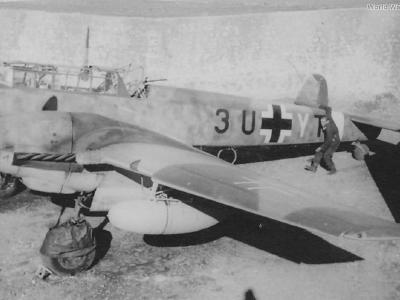
Me 110G-2 3U+YT of the 9/ZG 26 Trapani 1942/43

Me 110G-2 of the 1/ZG 1, pilot Lt Classen Lippspringe 1943
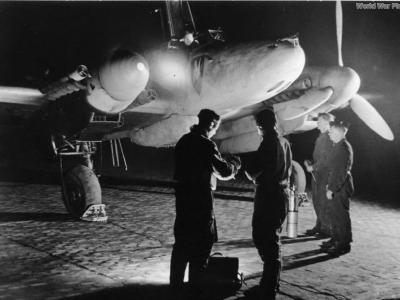
Me 110G-2 of the NJG 1 1943
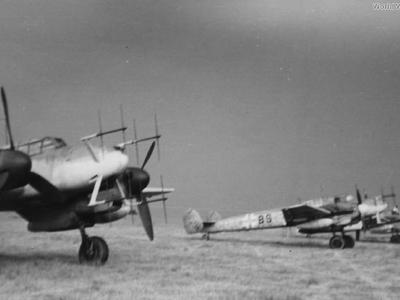
Me 110G-4d/R3 1944
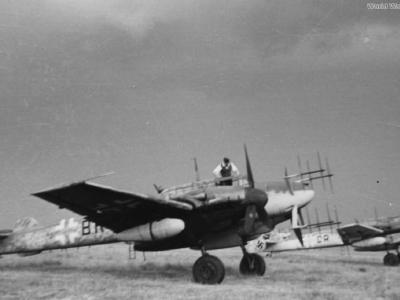
Me 110G-4d/R3 2
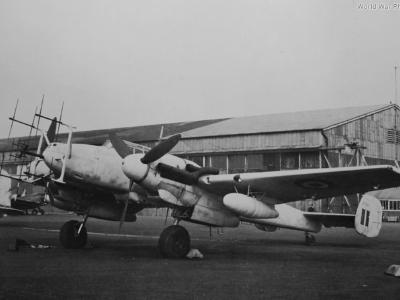
Me 110G4b/R3 Farnborough 1945
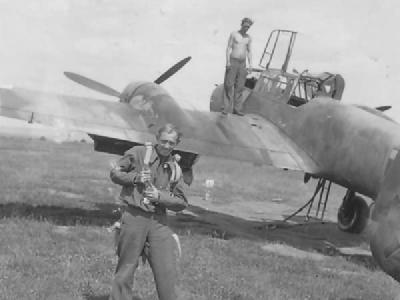
Me110 2
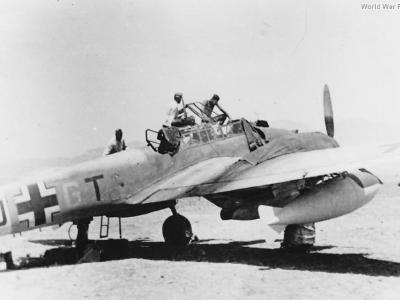
Me110 3U-GT of the ZG 26
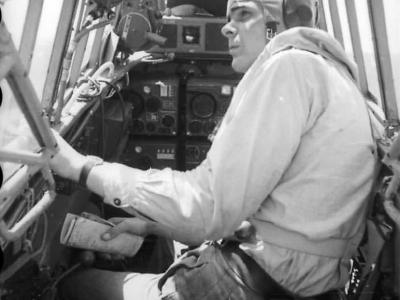
Me110 cockpit interior
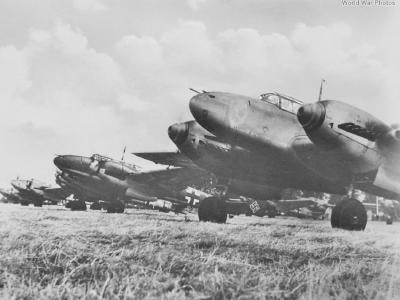
Me110 fighters
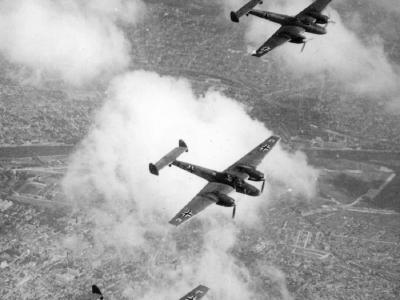
Me110 formation
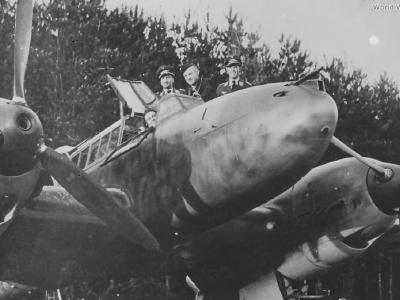
Me110 nose
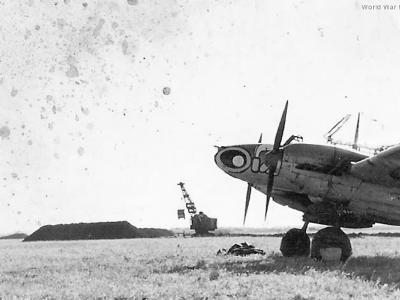
Me110 of Schnellkampfgeschwader 210
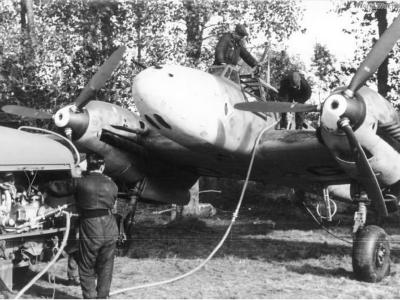
Me110 refueling
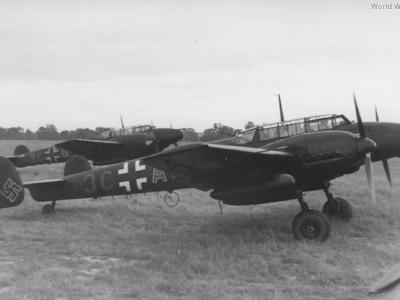
Messerschmitt Bf 110E-2 3C+AR of the 7/NJG 4 1942 2
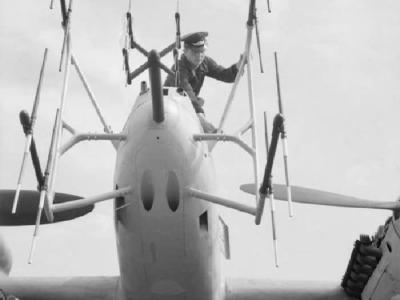
Messerschmitt Bf 110G-4 with FuG 212 and FuG 220 radars
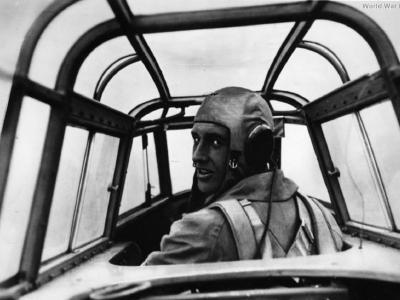
Pilot of the Me110 1940

RAF Officer by abandoned Bf 110 of ZG 1 1943
Messerschmitt Bf 110 was a twin-engine heavy fighter in the service of the Luftwaffe during World War II. Later in the war it was changed to fighter-bomber and night fighter operations, and it became the major night fighter type of the Luftwaffe. Based around the concept of the long-range Zerstörer or “Destroyer Fighter” the Bf 110 enjoyed some success in the Polish and French campaigns. However, the Battle of Britain revealed its fatal weaknesses as a daylight fighter against single-engine aircraft. Its size and weight meant that it had high wing loading, which limited its manoeuvrability. Furthermore, although it had a slightly higher top speed than contemporary RAF Hurricanes, it had poor acceleration. Eventually withdrawn from daylight fighting, the Bf 110 enjoyed later success as a nightfighter where its range, firepower and ability to mount a radar stood it in good stead. It was also used as a ground attack aircraft starting with the C-4/B model, and as a bomber interceptor, where its heavy firepower was particularly useful. Later on there were dedicated ground attack versions which proved reasonably successful. The Bf 110 served the Luftwaffe extensively in various roles, except in its intended role as a heavy fighter. After the Battle of Britain Bf 110 units were largely moved to the Russian and Mediterranean theatres of war. The production of the Bf 110 was put on a low priority in 1941, although it was stepped up again in 1942 due to problems and delays in the development of the Bf 110’s successor, the Me 210. Although the Me 210 entered service in mid-1941, it was eventually withdrawn in favour of a further development, between it and the Me 410, which did not enter service until early 1943; there were insufficient aircraft to fully replace the Bf 110 in that role and it fought until the end of the war. The lack of a real replacement even resulted in the increase of Bf 110 production in 1944, in spite of hopes of phasing out the type.