Hs 123
Click the thumbnails to enlarge them
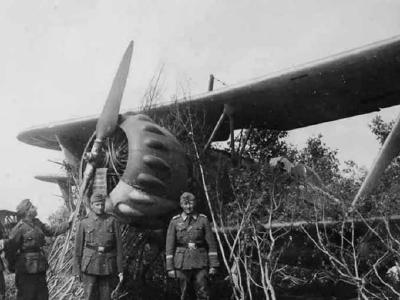
Camouflaged Henschel Hs 123B
Close-support attack aircraft, Eastern Front
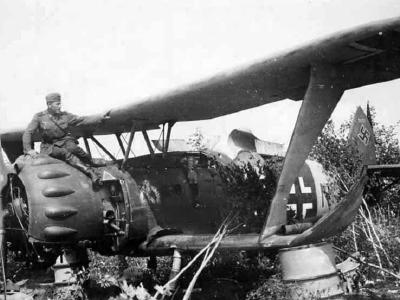
Crashed Henschel Hs 123 of Schlachtgeschwader 1
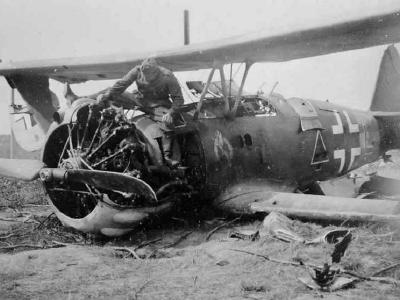
Crashed Hs 123 code "L" of SchG 1
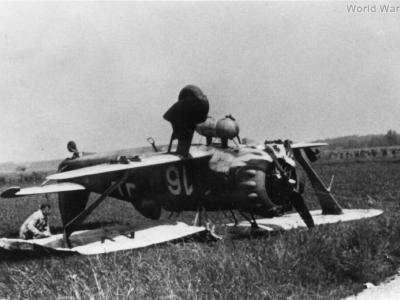
Crashed Hs123 of the training school
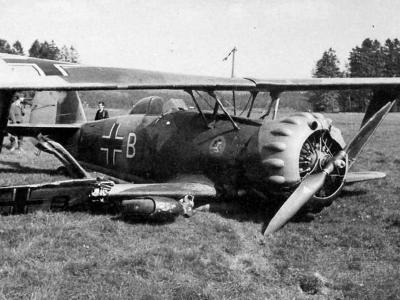
Crashed Sturzkampfflugzeug Hs123B L2+BM of LG2
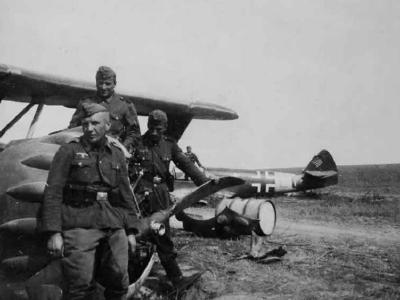
Destroyed Henschel Hs 123
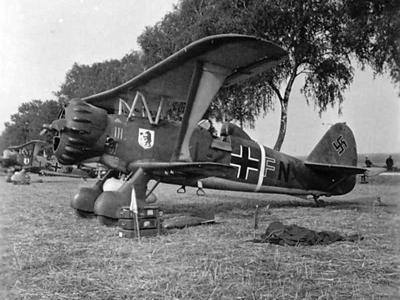
Dive bomber Hs 123 code L2+FN of LG2 during campaign in Poland
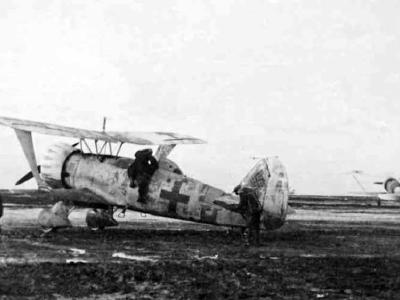
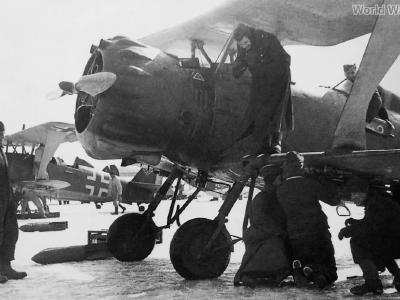
Ground support aircraft Henschel Hs 123, winter
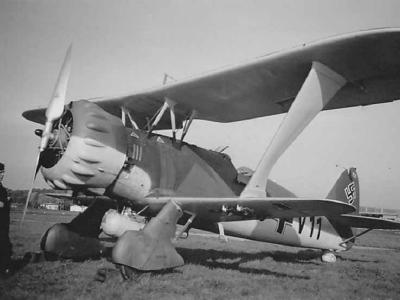
Henschel Hs 123 +V11 WNr 820 1937/38

Henschel Hs 123 of the 1.(S)/LG 2 during Operation Barbarossa, Michalitzki August 1941
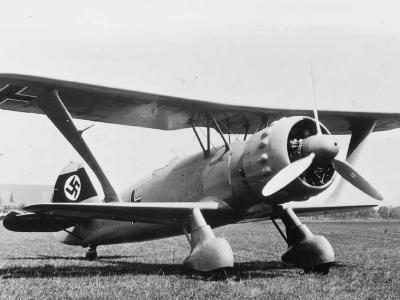
Henschel Hs 123 prototype V-5
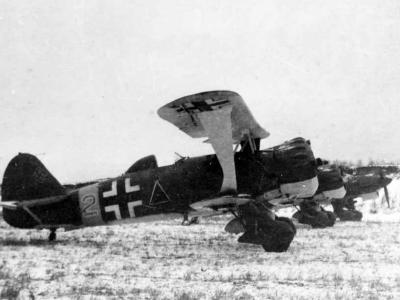
Henschel Hs 123 with drop tank
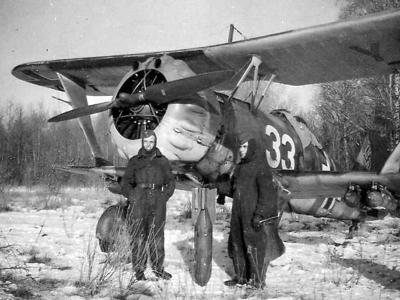
Henschel Hs 123A white 33
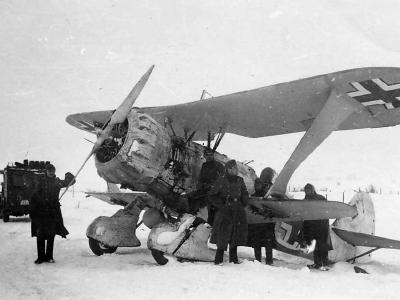
Henschel Hs 123B 1942 Russia
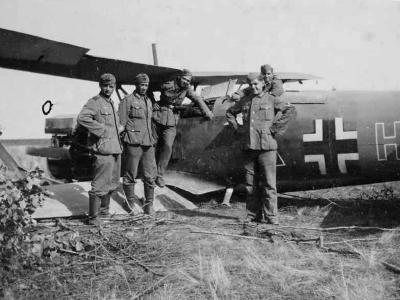
Hs 123 coded H

Hs 123 of the 1.(S)/LG 2 during Operation Barbarossa, Michalitzki August 1941
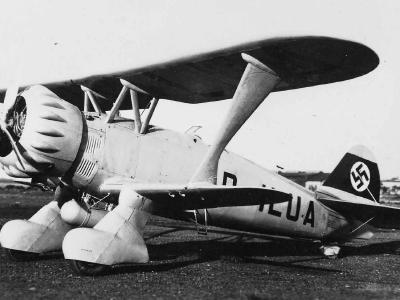
Hs 123 prototype V-1 D-ILUA
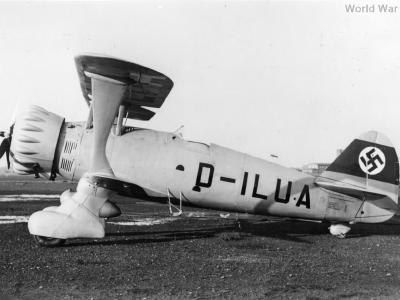
Hs 123 V-1 D-ILUA 2
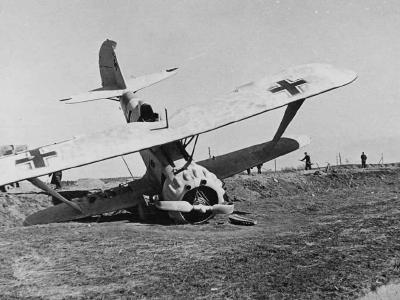
Hs 123 with winter camo Eastern Front
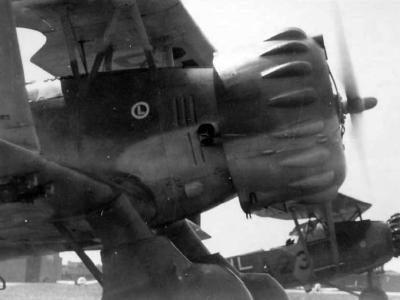
Hs 123A and Heinkel He46 lined up for take-off.
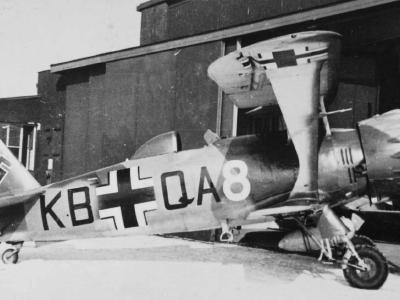
Hs 123B 2732 white 8 KB+QA Flugzeugführerschule at Prostejov
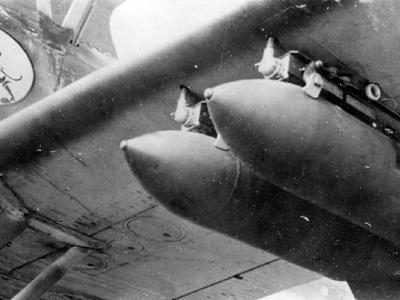
Hs 123B of II Schlacht/LG2
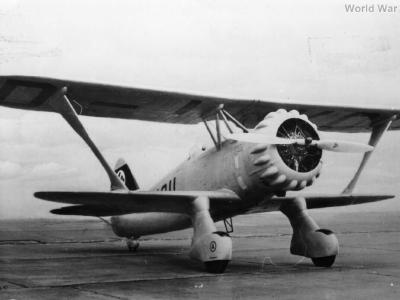
Hs 123V-3 D-IKOU
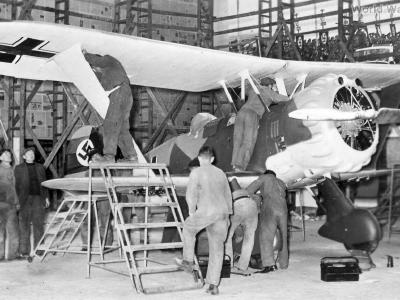
Hs123
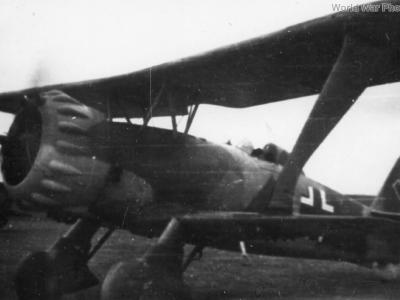
Hs123
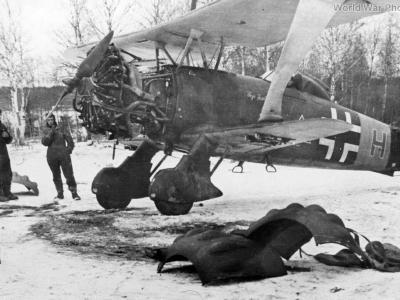
Hs123 "H" 8/Sch.G 1
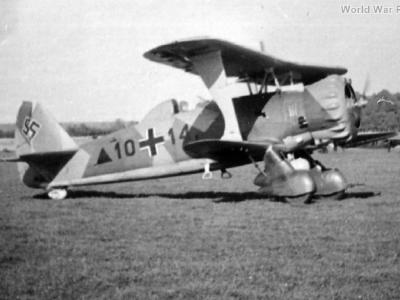
Hs123 10-14
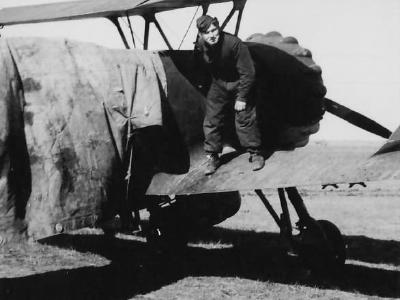
Hs123 Easten Front
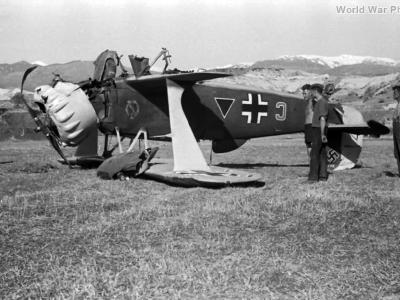
Hs123 LG2
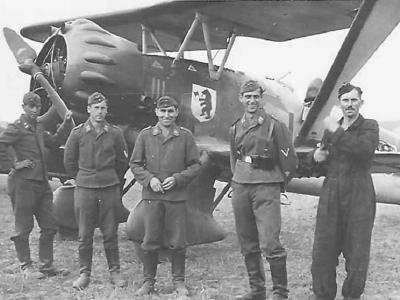
Hs123 of the 5/LG2 somewhere in Poland, September 1939
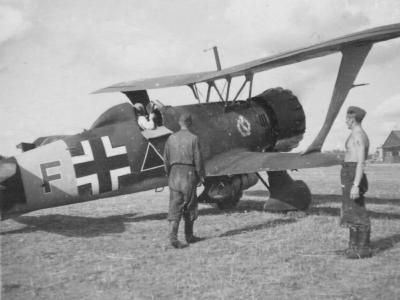
Hs123 SchG 1
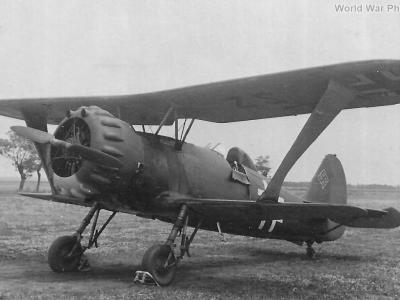
Hs123 SZ
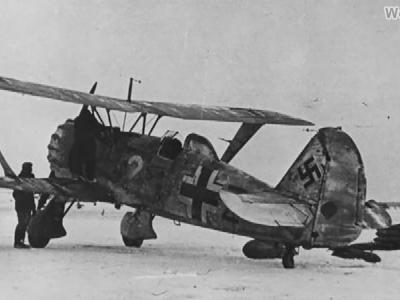
Hs123 White 2, Winter camo
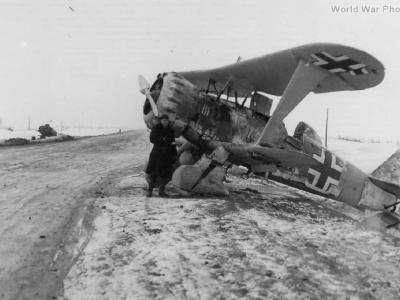
Hs123 Winter 1941/42
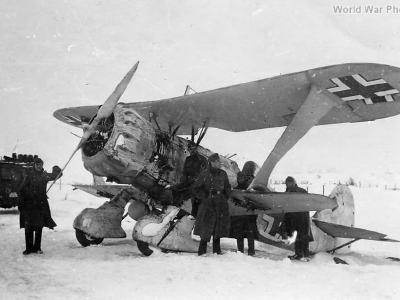
Hs123 Winter 1941/42
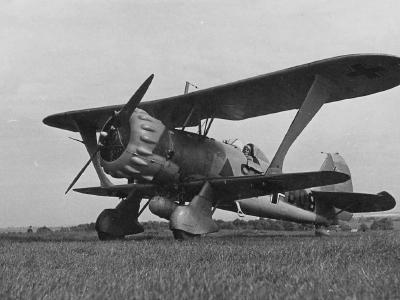
Hs123A +B09 on a grass landing ground
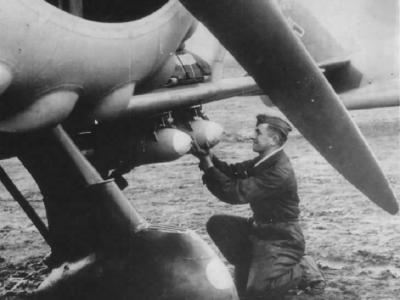
Luftwaffe armourer checking bombs fitted to a wing
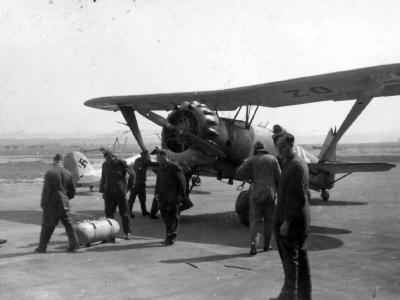
Luftwaffe ground personnel prepare to start Hs 123 B
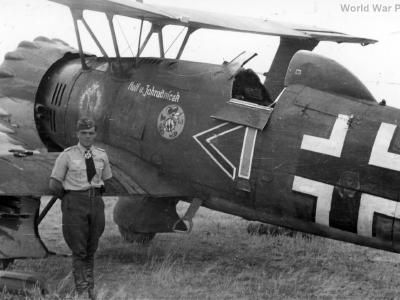
Oblt. Josef Menapace
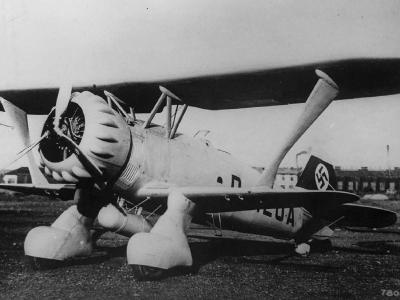
Prototype Henschel Hs 123 V-1
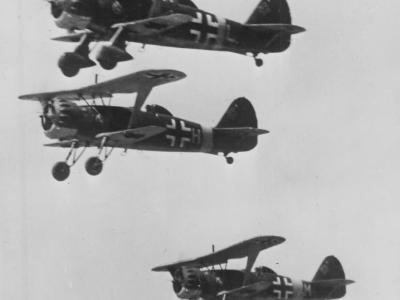
Schlachtgeschwader 1 1942
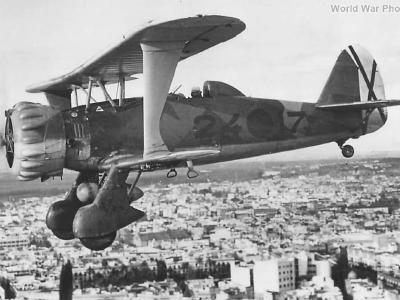
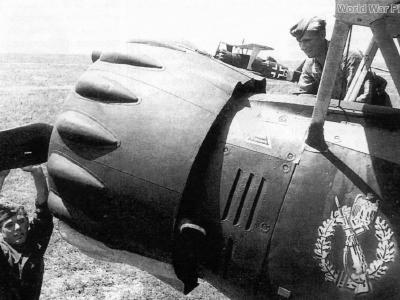
Spanish Air Force Hs123A over Sevilla
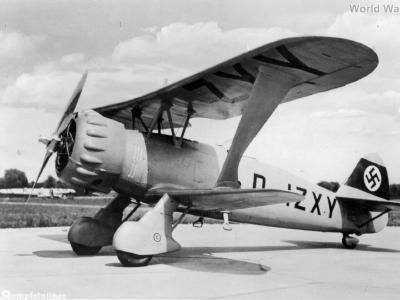
Sturzkampfflugzeug Hs 123A A-0/V-4
Hs 123 was a single-seat biplane dive bomber and ground-support attack aircraft, designed in 1933.
In the early 1930s, Luftwaffe’s command began to take an interest in planes capable of bombing from a diving flight. She therefore asked the German factory to design such an aircraft. This demand was responded to by Gerhard Fieseler GmbH of Kassel, which presented the design of Fieseler Fi 98 and Henschel Flugzeugwerke A. G. from Schönefeld, Berlin, which presented the design of the Henschel Hs 123 aircraft. The Luftwaffe command chose the Henschel Hs 123 aircraft design. Henschel Hs 123 diving bomber was designed by Friedrich Nicolaus, chief factory designer. It was a biplane with all-metal construction, with an uncovered pilot cabin, a fixed undercarriage, armed with machine guns and bombs. The first prototype labeled Hs 123V-1 with the BMW 132A-3 radial engine was successfully piloted by Ernst Udet on 8 May 1935. Two further V-2 and V-3 prototypes, which were armed with 2 machine guns, were tested at the Rechlin Experimental Centre and were destroyed during these trials. The cause of the accidents was too weak airframe construction, center-wing deformation and wing detachment. After strengthening the airframe, the fourth prototype V-4 was already performing superbly, performing almost vertically diving flights. Prototype V-4 became the reference aircraft for the mass production of the Henschel Hs 123A aircraft, which began in 1936. The serial production of the Hs 123A aircraft was completed in October 1938, during which 255 aircraft of this type were built. In the autumn of 1936, Henschel Hs 123A planes were introduced to the Luftwaffe diving bombers units. Colonel Wolfram von Richthofen, then commander of Condor Legion, who took part in the civil war in Spain, heard positive feedback about this aeroplane and asked Luftwaffe’s command to send several planes to check them in the battlefield conditions. This proposal was accepted and in December 1936 the Condor Legion received 5 Henschel Hs 123A. The commander of Condor Legion, started to use them to support ground troops as assault planes. The aeroplane in assault operations confirmed its combat values, impressing with its effectiveness in destroying targets. Due to the achievements of these aircraft during the fighting, the Frankist air force ordered such aircraft, and in 1938 they received 11 aircraft of this type. Following the Spanish fighting experience, the Luftwaffe command began using Henschel Hs 123A aircraft primarily as assault planes. In August 1938 two newly formed assault units were armed in airplanes of this type. During campaign in September 1939, 40 Hs 123A aircraft were used, which were part of the 4th Air Fleet. During these fights, 3 aircraft of this type were destroyed and several were damaged. These aeroplanes were also used in 1940 during fighting in Belgium and France. They survived on the eastern front until mid-1944, when they were completely destroyed in the battles. 12 machines were purchased by the Government of the Republic of China and were used during the Sino-Japanese war.
Specifications
| variant | A-1 |
|---|---|
| crew | 1 |
| wingspan (m) | 10,50 and 8,00 |
| lenght (m) | 8,33 |
| height (m) | 3,21 |
| wing area (m2) | 24,85 (16,24+8,61) |
| wheel base (mm) | 2342 |
| empty weight (kg) | 1420 |
| normal take-off weight (kg) | 2175 |
| wing loading (kg/m²) | 87,4 |
| engine | BMW 132Dc, 9-cylinder radial engine, 880 hp |
| propeller | two blade, 3,10 m |
| fuel (l) | 270 |
| engine oil (l) | 48,7 |
| max speed (km/h) | 285 at 0m, 290 at 2400 m, 278 at 4000 m, 265 at 5000 m, 240 at 7000 m |
| cruising speed (km/h) | 260 at 2000 m |
| diving speed (km/h) | 550 |
| landing speed (km/h) | 100-105 |
| ceiling (m) | 6100 |
| range (km) | 325-750, 855 with 150l external fuel tank |
| rate of climb | 9 m/s |
| bombs (kg) | max 450 |
| armament | 2 x 7,92 mm MG 17, 1000 rounds |
Bibliography
- Robert Panek: Henschel Hs 123, Mushroom No 8115
- Marek J. Murawski: Henschel Hs 123, Kagero Monographs 48
- Peter W. Cohausz: Deutsche Flugzeugcockpits und Instrumentenbretter Teil 6. Zweiter Weltkrieg Heinkel - Junkers, Cockpit Profile 6 (german)
- Rudolf Höfling: Henschel Hs 123 - Flugzeug Profile 42 (german)
- Uwe Feist, Mike Dario: Luftwaffe II, Waffen-Arsenal Band 13 (german)