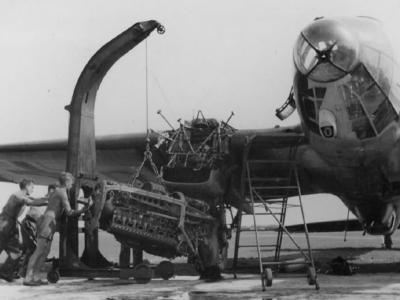
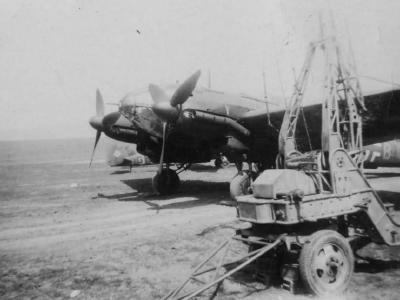
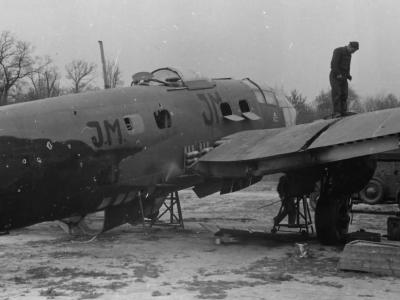
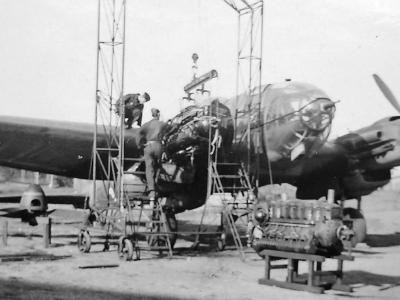
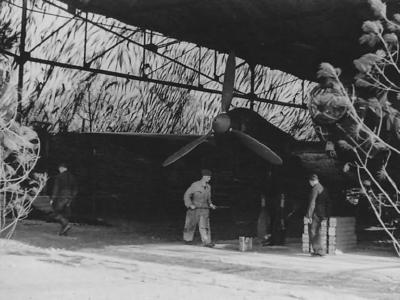
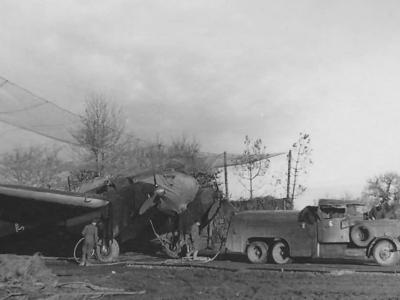
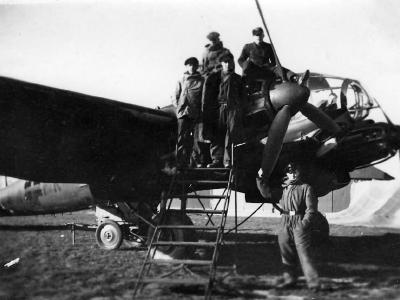
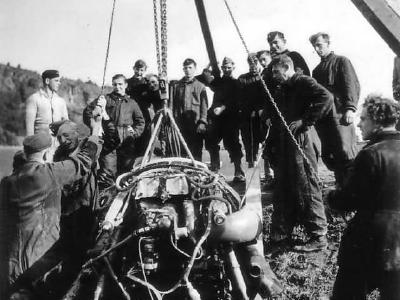
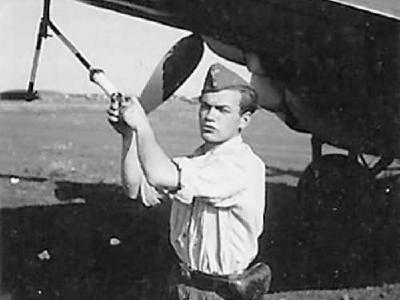
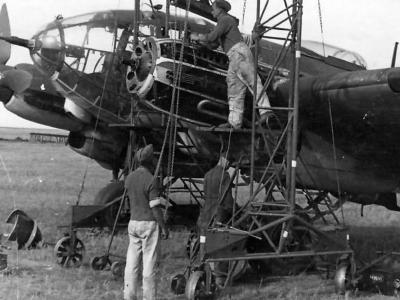
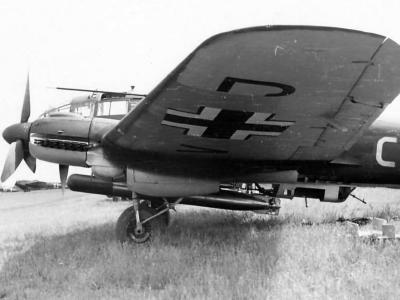
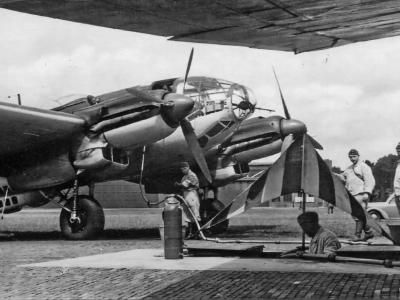
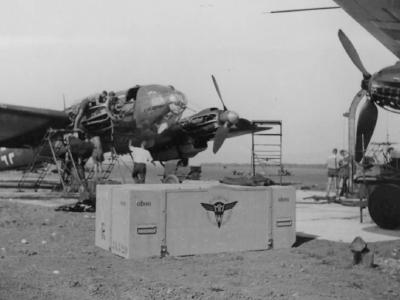
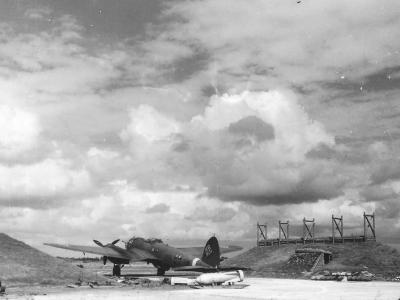
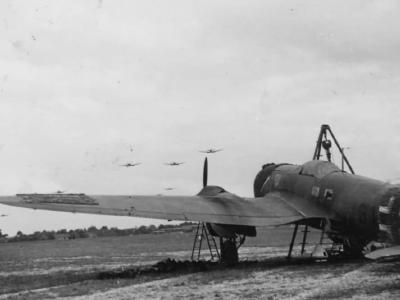
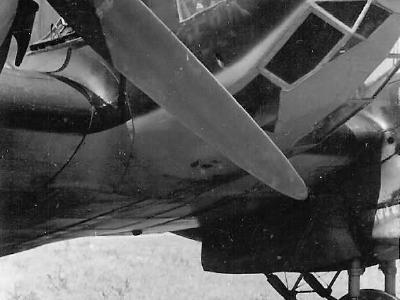
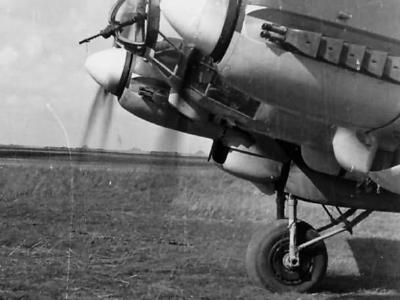
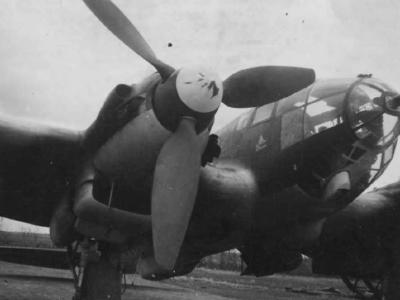
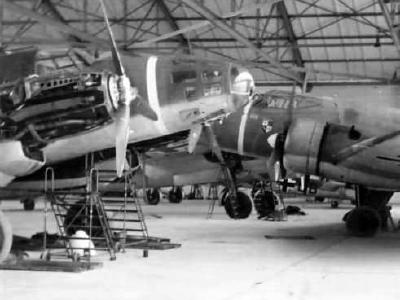
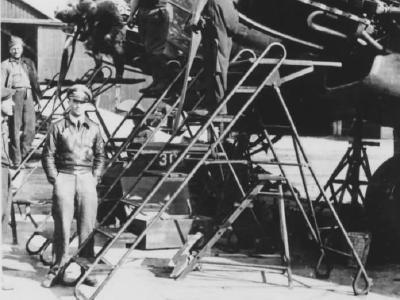
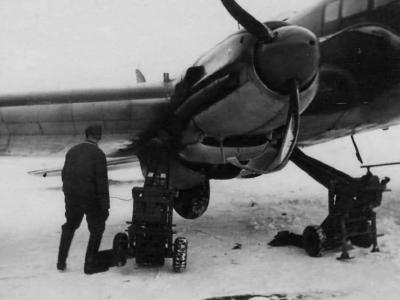
A heavy gantry crane is used in changing engine on a Heinkel He111
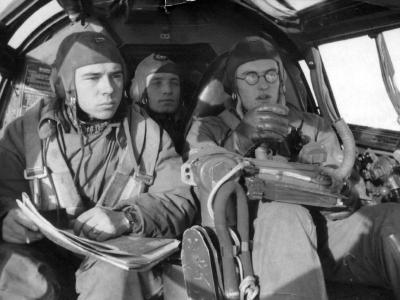
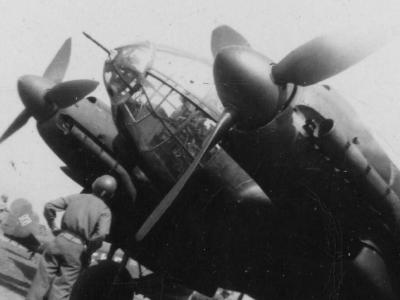
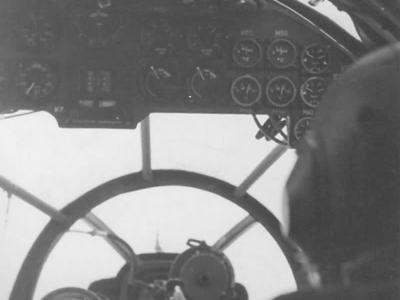
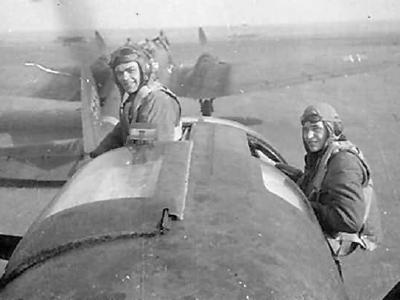
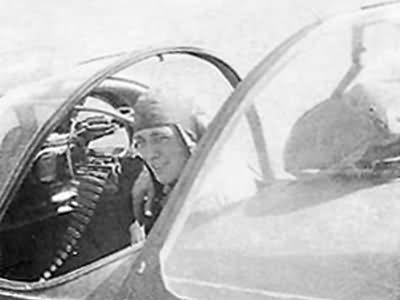
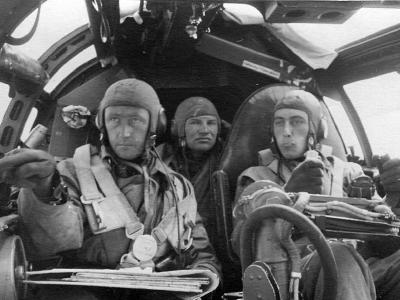
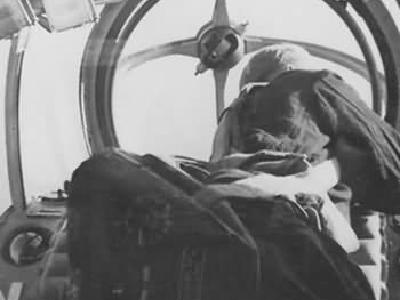
A view inside the cockpit of a He 111 bomber with pilot, navigator and gunner
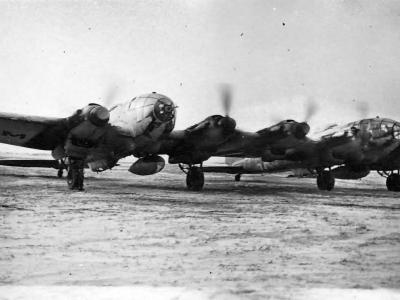
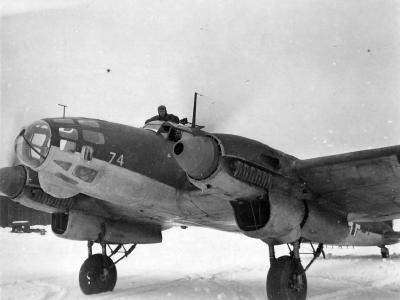
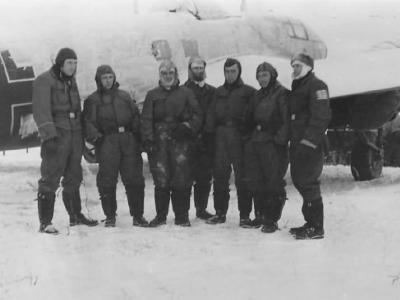
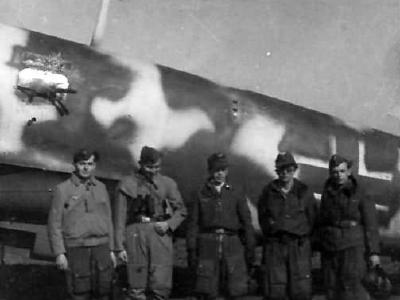
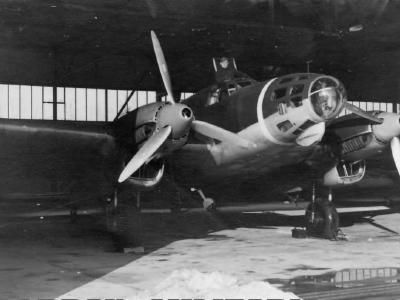
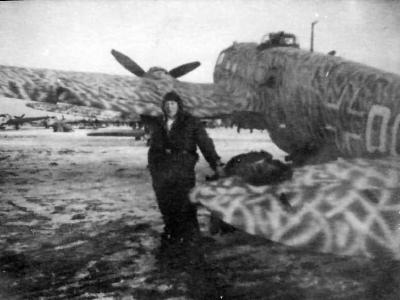
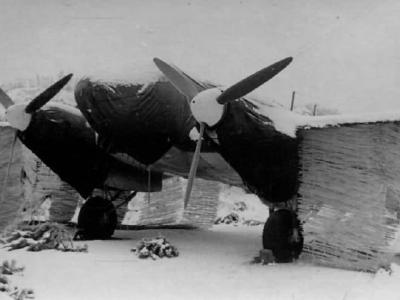
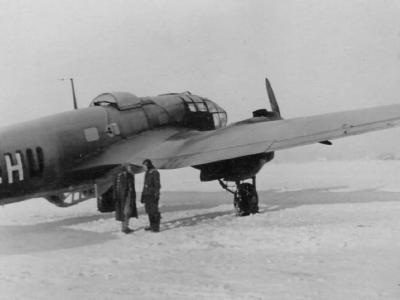
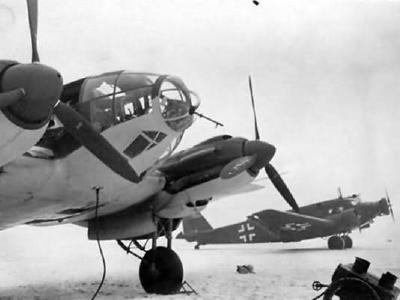
A winter camouflaged Heinkel He 111 of KG 27, Banak Norway
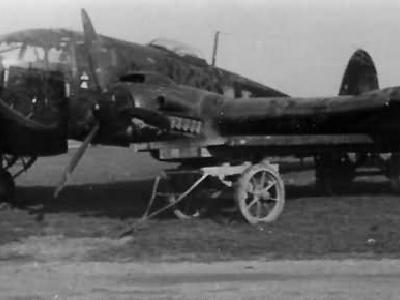
Ballonabweiser Heinkel He 111 H-8, cable cutter on the ground
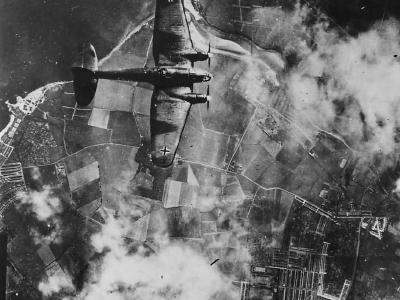
battleship Gneisenau and Heinkel He 111 North Sea 1939
Bomber He111 with camouflage for night attacks over England
Bomber Heinkel He 111 during Battle of Britain 1940
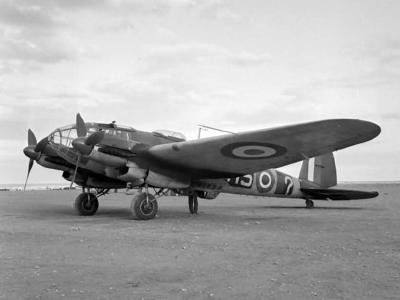
British He 111 "Delta Lily" of No. 260 Squadron RAF code HS-?, ex 5J -CR (III./KG4) North Africa
British Heinkel He 111 H AW177 ex 1H+EN of 5/KG 26 at RAF Duxford
Captured Heinkel He111 with flame concealing exhaust. 1945
Captured Heinkel He111H with black undersurfaces and flame concealing exhaust
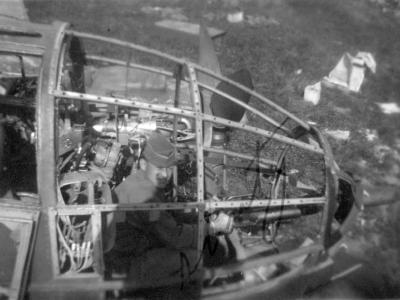
Cockpit of the Heinkel He 111 H/P
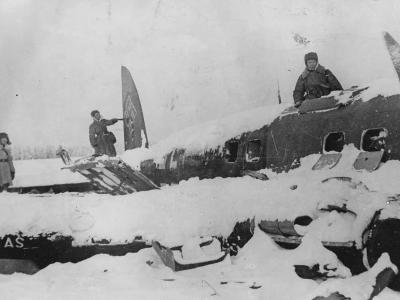
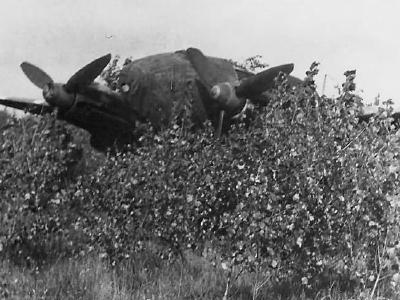
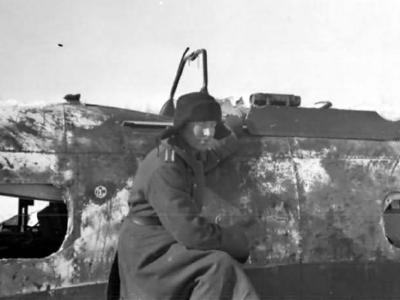
Crashed He111 in Russia, winter 1942-1943
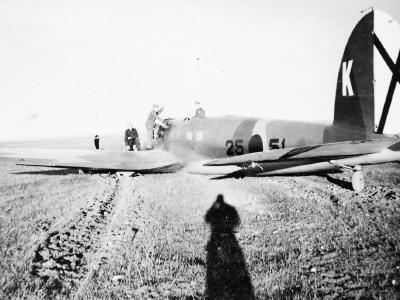
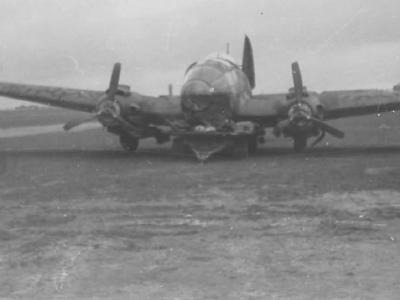
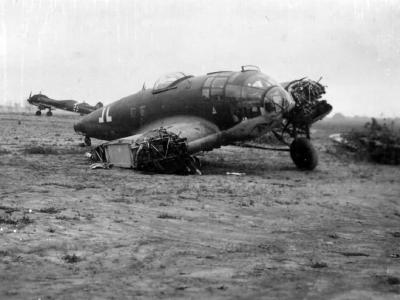
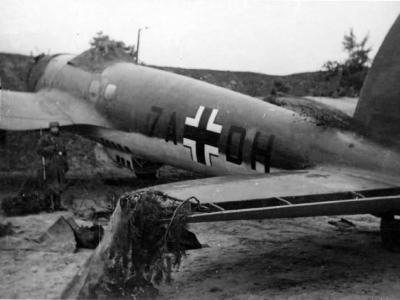
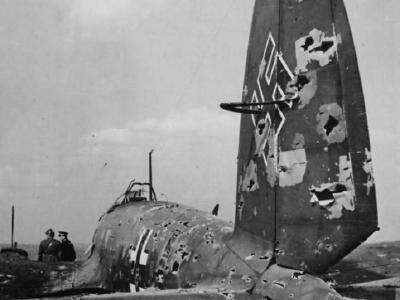
Crashed Heinkel He 111 25
Crashed Heinkel He 111 27
Crashed Heinkel He 111 B-2, coded 25-51 of Legion Condor 1936
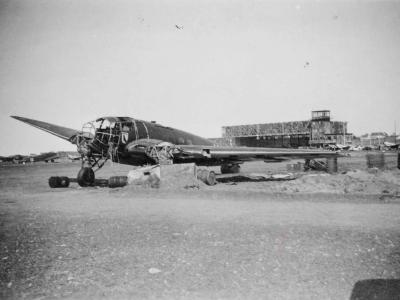
Crashed Heinkel He 111 Banak, Norway 1940-41
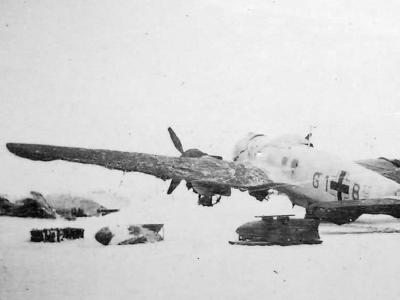
Crashed Heinkel He 111 H G1+AD of the Stab III/KG 55 Samorsk Crimea 1944
Crew and He 111 of the KG55 9
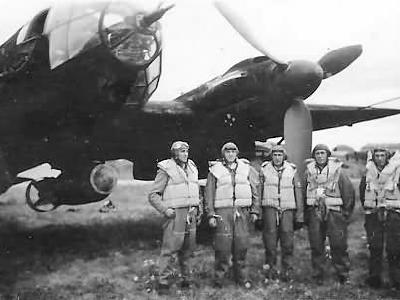
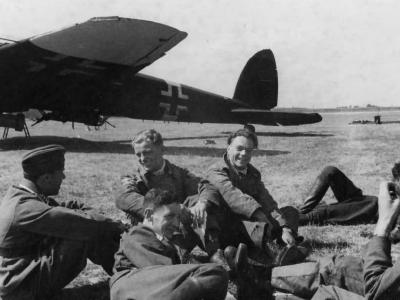
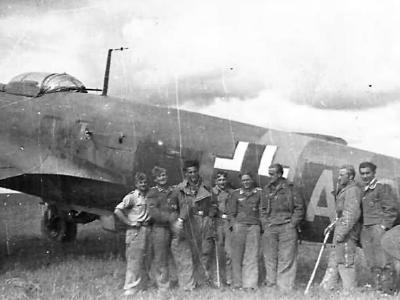
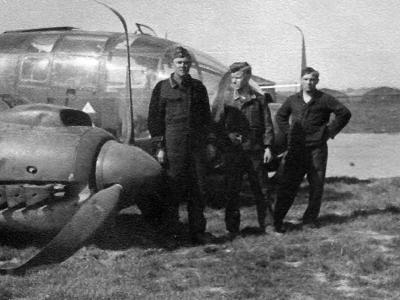
Crew poses beside the Heinkel He111 +AM
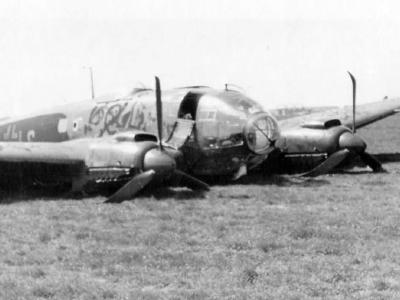
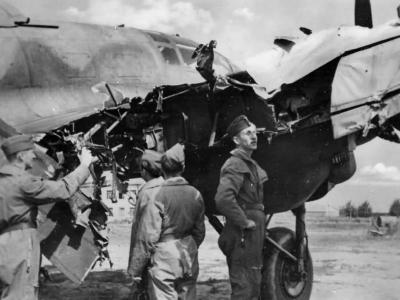
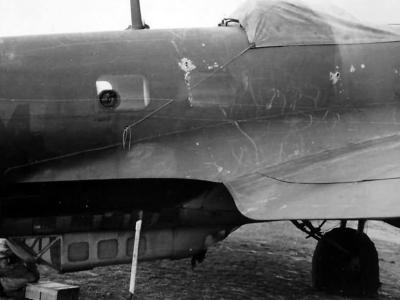
damaged He111
Damaged He111 with night camo Lille France
Damaged Heinkel He111 14
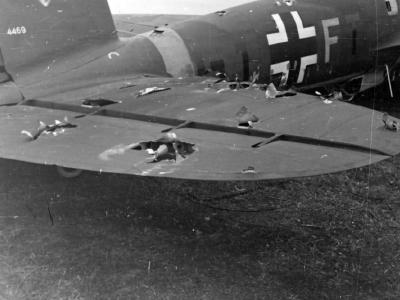
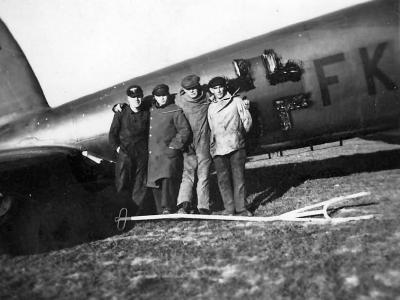
Damaged tail of He 111 W.Nr. 4469 code G1+FT of the KG 55 "Greif"
dual-fuselage Heinkel He 111 Z TM+ 1943
Early Heinkel He 111 J 74
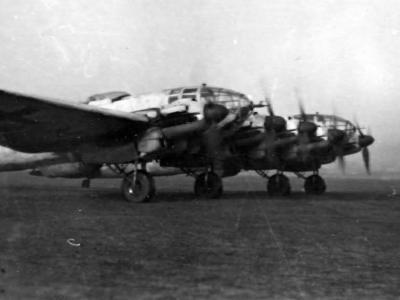
Five-engine tow plane Heinkel He 111 Z "Zwilling" taxi before takeoff
Focke-Wulf Fw 200 of the KG40, tail gunner with camera
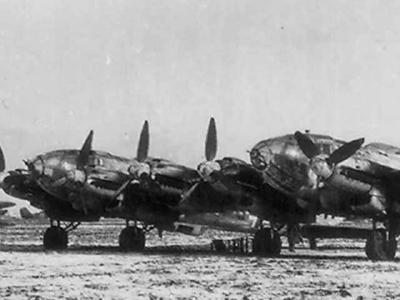
Front view of a Heinkel He 111 Z
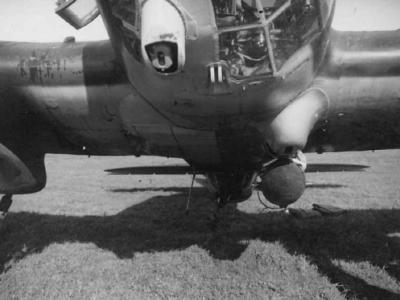
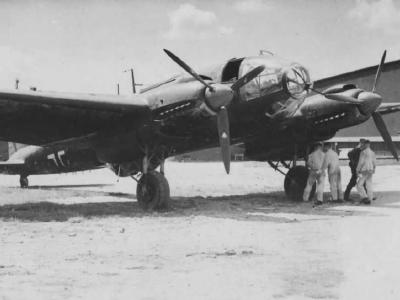
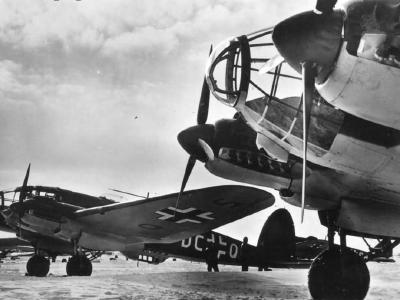
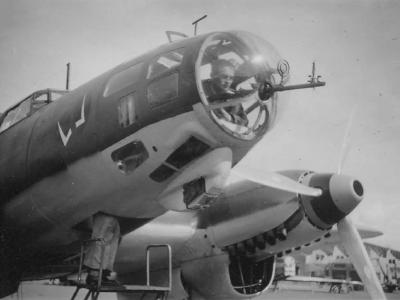
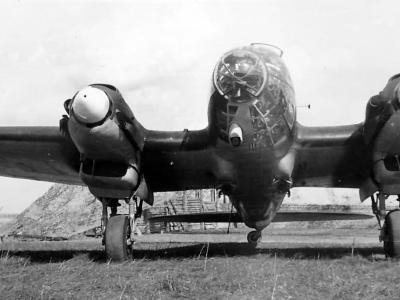
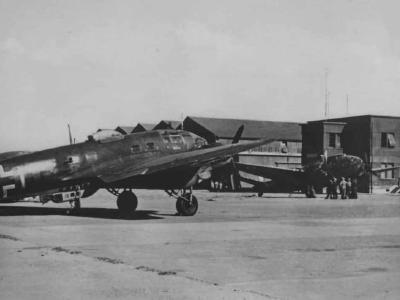
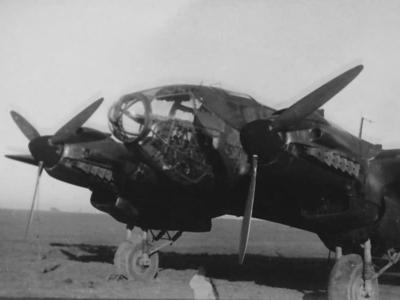
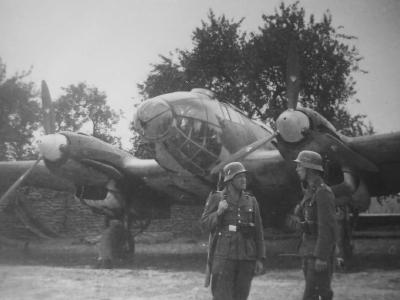
Front view of an Luftwaffe bomber Heinkel He 111 on ground
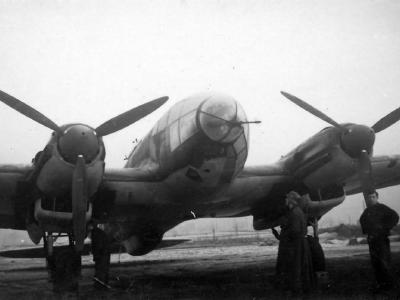
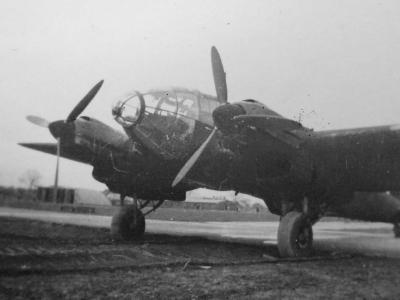
Frontal view of a Heinkel He 111
German Bomber Heinkel He 111 of the Kampfgeschwader 26 with the tactical code 1H+FP
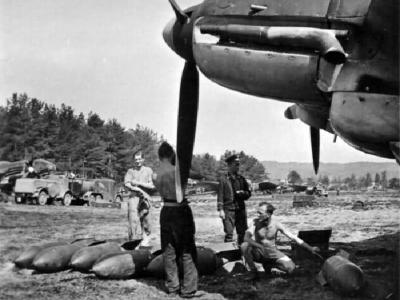
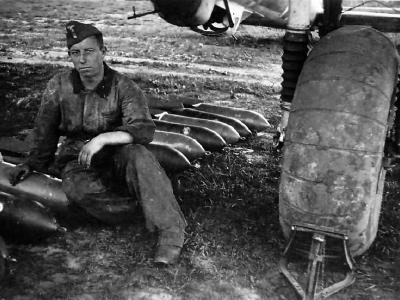
German Crew Hauling Bombs to He 111 of KG 54 Totenkopf 1940
German Luftwaffe medium bomber Heinkel He111 in flight
German transport plane Heinkel He 111Z with Stammkennzeichen marking DG+DX
GI in the cockpit of a destroyed Heinkel He111, Germany 1945
GIs posed by captured Luftwaffe bomber He111, 1944-1945
Ground crew of Legion Condor poses with aerial bombs. Heinkel He 111B in the background
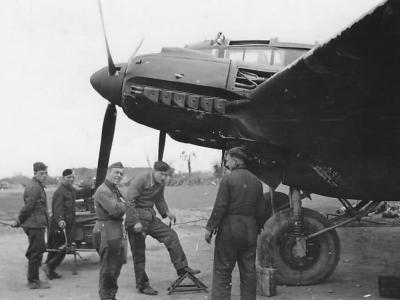
Ground crew overhauling a He111 Jumo 211 engines
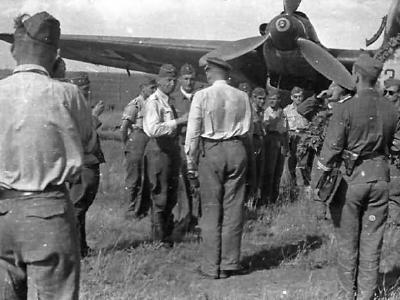
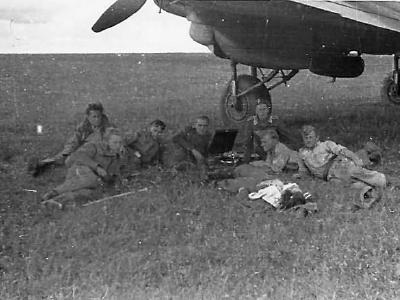
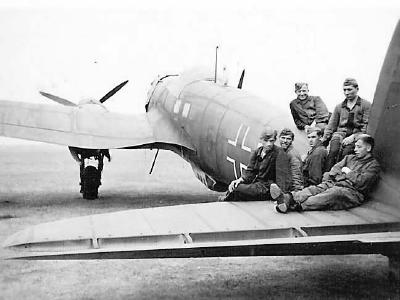
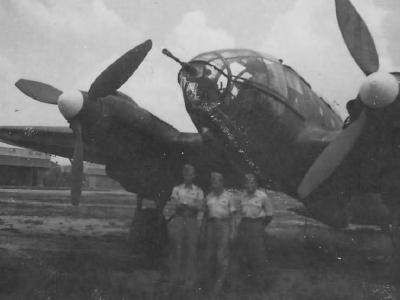
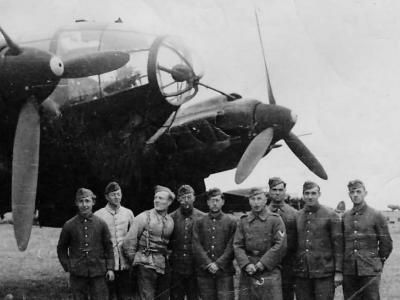
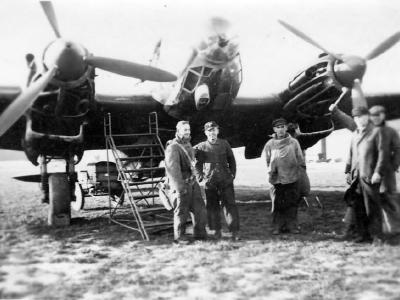
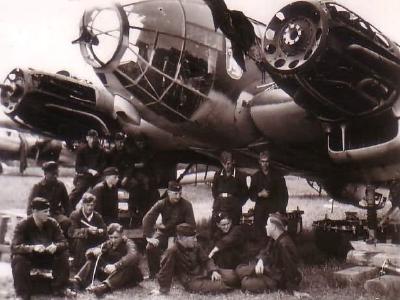
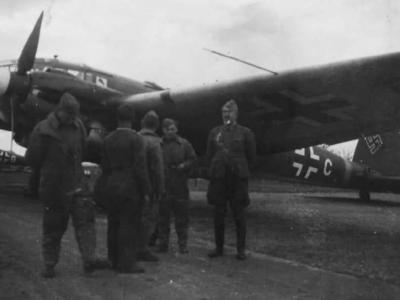
group of soldiers next to a Heinkel He 111 H
hangar full of wrecked Heinkel He 111 at Schmarbeck April 1945
He 111 2/KGr 100 in Vannes France 1941 and crew
He 111 and Hauptmann Walter Nowotny from JG 54 October 1943
He 111 at a captured Soviet airfield
He 111 B-2 coded "25+57" from Legion Condor, Spain 1936
He 111 coded G1+KH of the KG55 on the ground
He 111 H 1H+KN 5 KG 26 France Vannes 1940
He 111 H KGr 100 SC 250 bomb loading - Eastern Front 1941
He 111 H of the 2/KGr 100 in Vannes France1941 left side
He 111 H with the tactical code A1+BT WNr 4566 of the 9/KG 53 is prepared for its next operation. Russia Winter 1942-43
He 111 H-8 "Ballonabweiser" with balloon cable cutter device
He 111 of the 2/KGr 100 "Wiking" in Vannes France 1941 left side
He 111 of the KG51 warming up its engines
He 111 P4+ of the Fuhrungskette X Fliegerkorps, North Africa
He 111B 25-15 of K/88 Legion Condor - Spain 1938
He 111H from KG 26 at Flugplatz Gabbert, Saatzig Pommern, 4 September 1939
He111 2/KGr 100 in Vannes France 1941
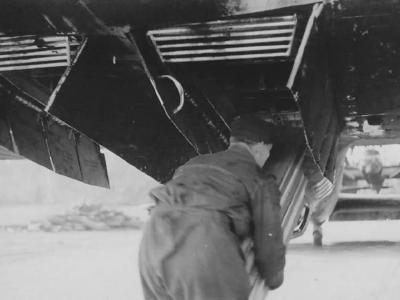
He111 2/KGr 100 in Vannes France 1941 bomb bay
He111 2/KGr 100 in Vannes France 1941 landing gear
He111 2/KGr 100 in Vannes France 1941 night camo
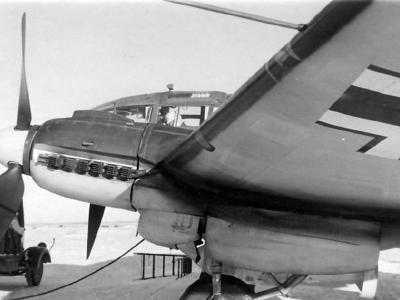
He111 2/KGr 100 in Vannes France 1941 right engine
He111 2/KGr 100 in Vannes France im 1941 cockpit
He111 6N+CK 2/KGr 100 in Vannes France 1941
He111 6N+NK 2/KGr 100 "Wiking" in Vannes France 1941
He111 Aalborg Denmark
He111 Amiens 1940 2
He111 Amiens 1940 3
He111 B VB+BC Grosse Kampffliegerschule 3 Warsaw 1941
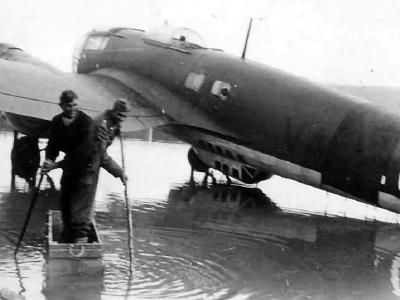
He111 coded V4+CP of the KG40 on a flooded airfield
He111 H 1H+AB Stab I.KG 26 Amsterdam Schiphol 1940
He111 H A1+BT WNr 4566 9/KG 53 Russia Winter 1942-43 2
He111 H A1+BT WNr 4566 9/KG 53 Russia Winter 42-43
He111 H bomber
He111 H from III/KG 26 fitted with two torpedoes ready for take off
He111 H of II/KG 26 with SD 2500 KG Bomb
He111 H of the 5/KG26 during Battle of Britain, Vannes France 1940
He111 H with the tactical code 3E+TZ of the 15/KG 6, Woroschilowgrad December 1942
He111 H-4 coded 1T+HK of the I/KG 28 rammed by soviet pilot.
He111 KG26 1940 Banak Norway 2
He111 KG26 1940 Banak Norway 3
He111 KG55
He111 KG55
He111 KG55
He111 KG55 3
He111 KG55 6
He111 KG55 7
He111 Kristiansand Norway 1940 1H+BH KG26
He111 march 1940
He111 october 1939
He111 of the 2/KGr 100 on the ground. Vannes France 1941
He111 of the Kampfgeschwader 55
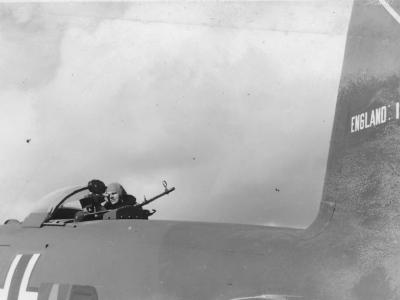
He111 of the KG55, mid-upper gunner
He111 of the Legion Condor, nose and cockpit side view
He111 P 2/KGr 100 "Wiking" in Vannes France im 1941
He111 P with the tactical code 2F+LL of 3/KG 28 1939-40
He111 Pedro 1 of the Legion Condor
He111 tail section
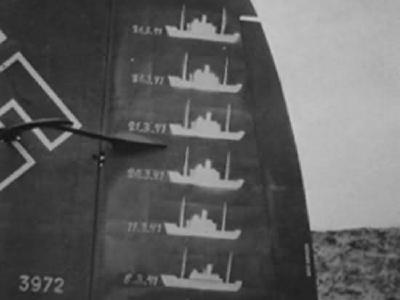
He111 tail W Nr 3972
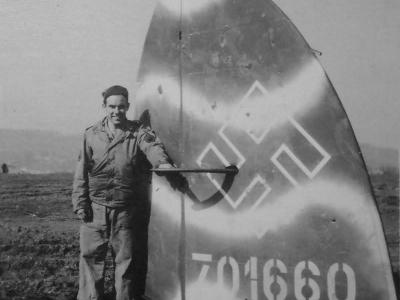
He111 tail W Nr 701660
He111 VB+? - Banak Norway 1940
He111 with its landing gear broken at Mogilev, Eastern Front
He111E, this early variants had a conventional, stepped cockpit
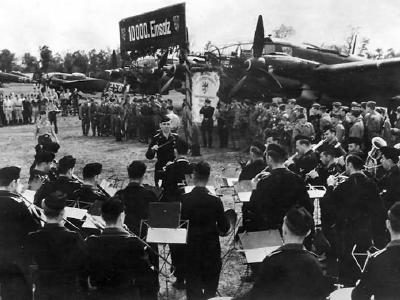
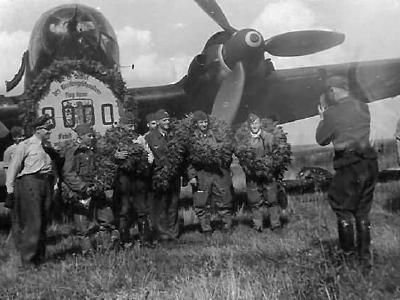
He111H of the KG55 during unit ceremony celebration
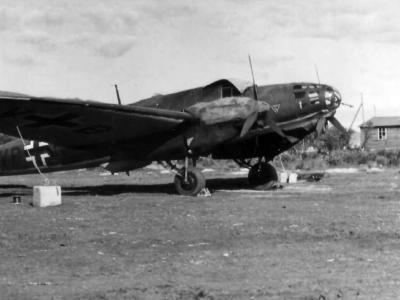
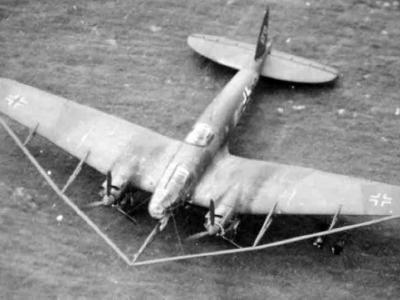
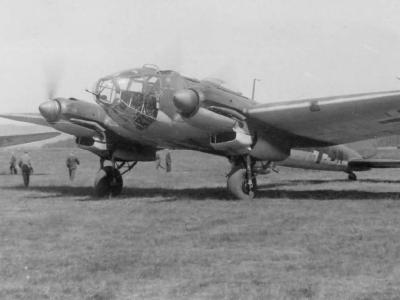
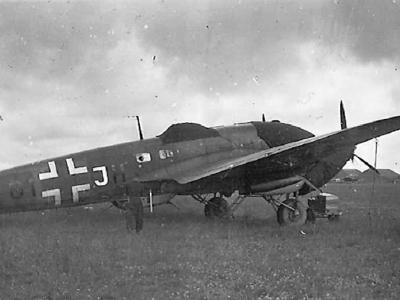
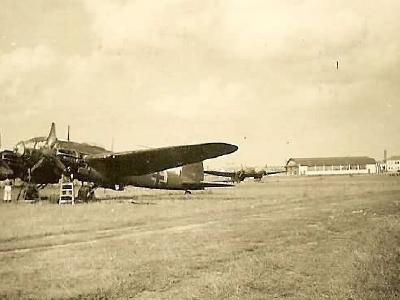
Heinkel He 111
Heinkel He 111 7
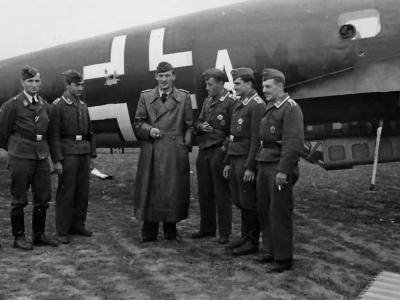
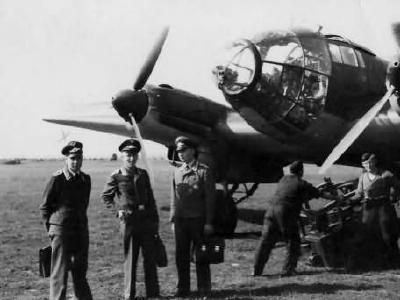
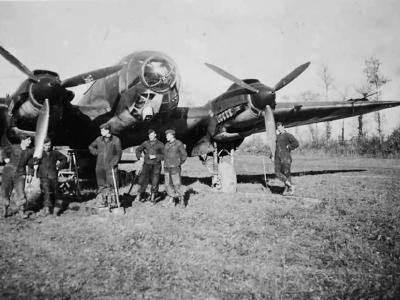
Heinkel He 111 and luftwaffe crew
Heinkel He 111 B
Heinkel He 111 B "Pedro 15" coded 25-15, of the K/88 Legion Condor, Spain
Heinkel He 111 bombers
Heinkel He 111 bombers with black camo on lower surfaces
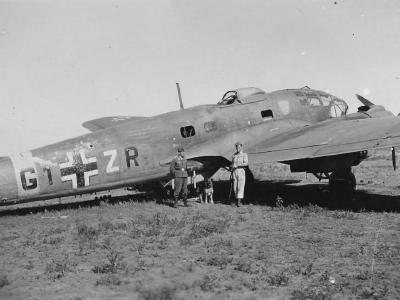
Heinkel He 111 coded G1+ZR of the KG 55
Heinkel He 111 crashed in Norway Stavanger
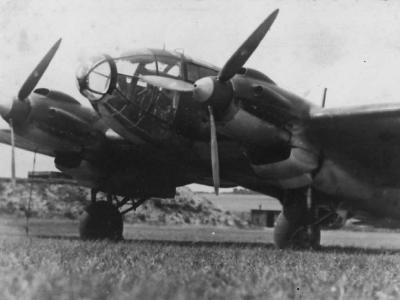
Heinkel He 111 front view
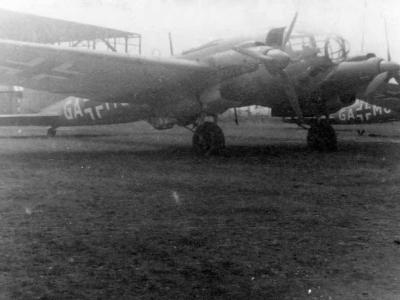
Heinkel He 111 GA
Heinkel He 111 H of 8/KG 55 on a forward airfield in the Eastern Front, 1944
Heinkel He 111 H of the KG 26 fitted with two torpedoes and ready for takeoff
Heinkel He 111 H-10
Heinkel He 111 H-18 with FuG 200 Hohentwiel radar and torpedoes 1943
Heinkel He 111 H-21,+DC, 1944-45
Heinkel He 111 H-8 "Ballonabweiser" cable cutter on the ground
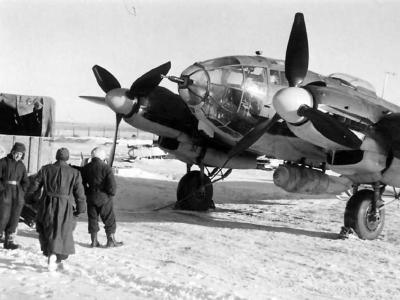
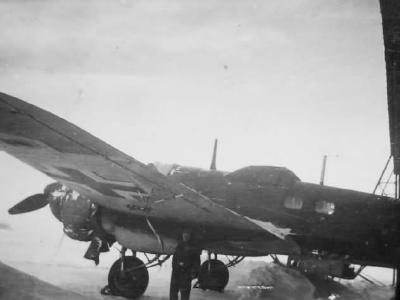
Heinkel He 111 in winter
Heinkel He 111 KG26 is loaded with a torpedoes
Heinkel He 111 KG4 July 1941
Heinkel He 111 Luftwaffe bomber
Heinkel He 111 luftwaffe bomber
Heinkel He 111 Luftwaffe bomber 3
Heinkel He 111 Luftwaffe bomber 5
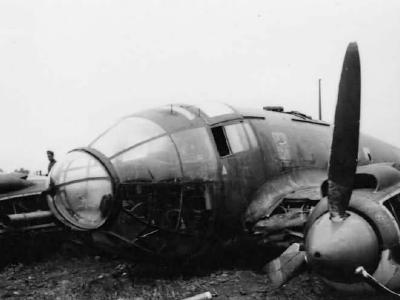
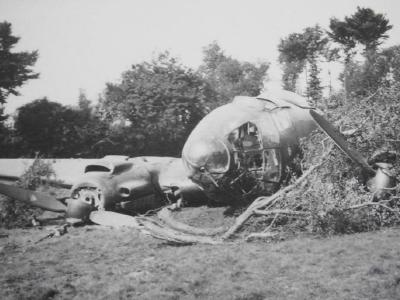
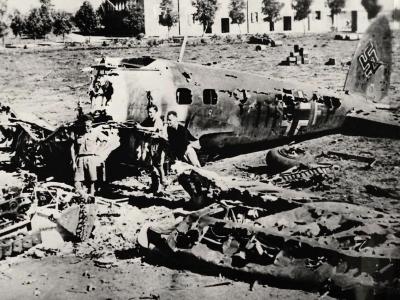
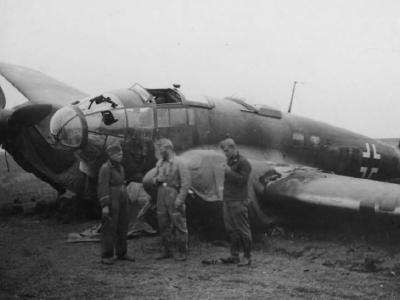
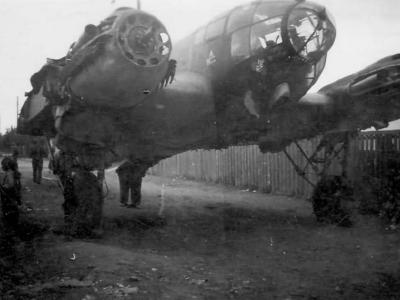
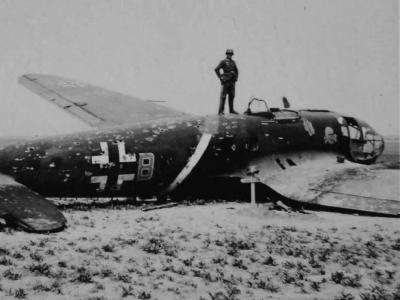
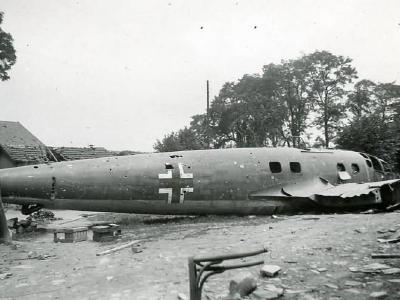
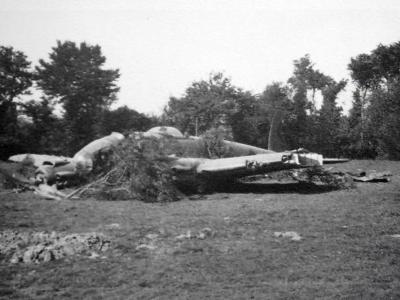
Heinkel He 111 Luftwaffe bomber wreckage
Heinkel He 111 Norway Stavanger
Heinkel He 111 of Kampfgeschwader 54 Totenkopf
Heinkel He 111 of KG 26 "Löwengeschwader" in flight over Norway 1940
Heinkel He 111 of the KG100 with black undersurfaces
Heinkel He 111 of the KG27 is prepared for its next operation, Eastern Front
Heinkel He 111 planes on assembly line in factory
Heinkel He 111 S3+FH TGr 30
Heinkel He 111 torpedo mounted under aircraft. Note large smoke stains from engines.
Heinkel He 111 Tripoli Africa
Heinkel He 111 Z in winter camouflage
Heinkel He 111 Z Zwilling coded DG+DY (W.Nr. 2704)
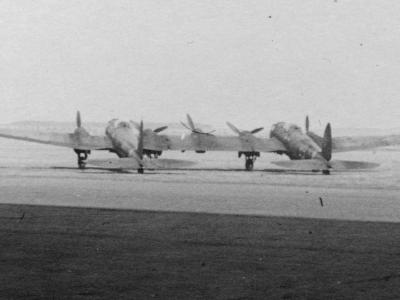
Heinkel He 111 Z Zwilling rear view
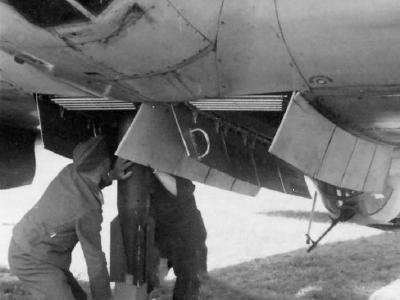
Heinkel He 111's bomb bay being loaded with bomb
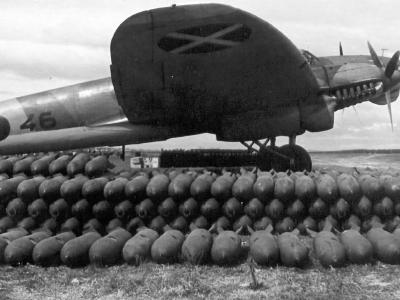
Heinkel He 111B-2 coded 25-46 from Legion Condor and bombs ready to load
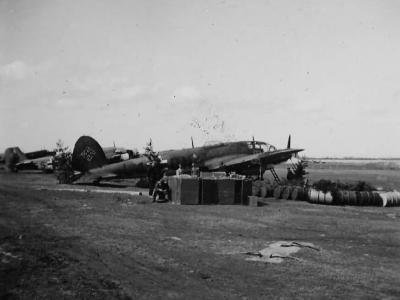
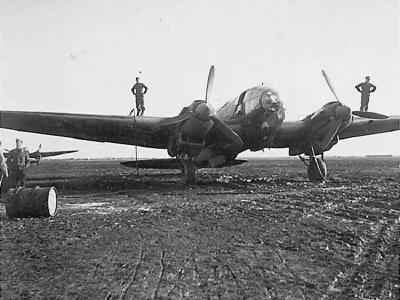
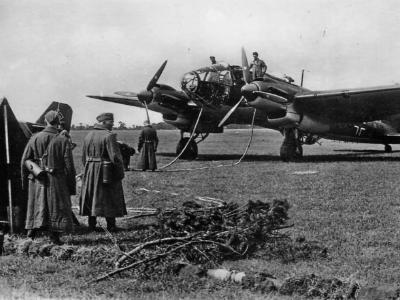
Heinkel He 111being refuelled
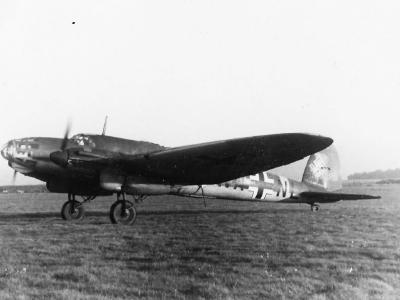
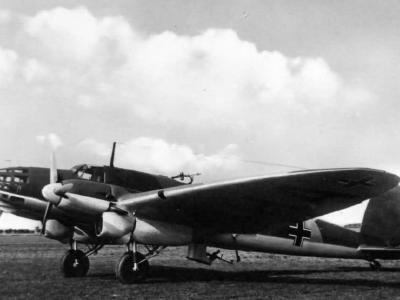
Heinkel He 111E on the ground
Heinkel He 111H from II/KG26 Gabbert arfield, Pommern 1939
Heinkel He 111P bomber with night camo (black undersurfaces)
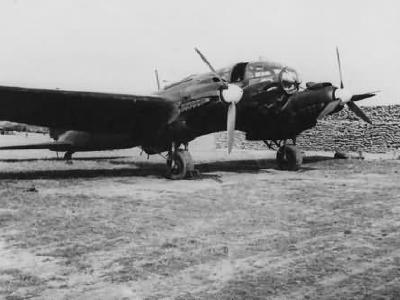
Heinkel He111
Heinkel He111
Heinkel He111
Heinkel He111
Heinkel He111
Heinkel He111 +HU on winter airfield
Heinkel He111 12
Heinkel He111 22
Heinkel He111 24
Heinkel He111 28
Heinkel He111 7A+DH Aufklarungsgruppe 121
Heinkel He111 Amiens 1940
Heinkel He111 and bombs
Heinkel He111 Beauvais France
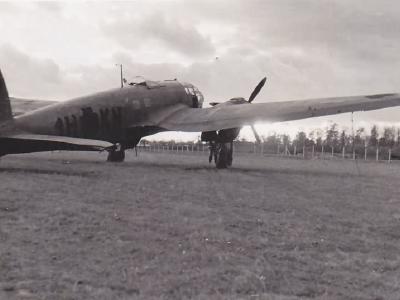
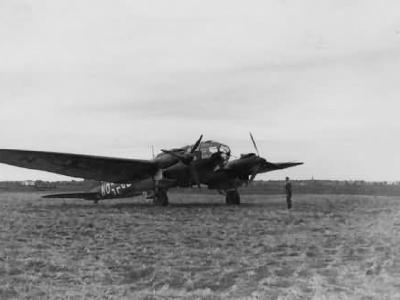
Heinkel He111 bomber
Heinkel He111 bomber
Heinkel He111 Bomber +JH
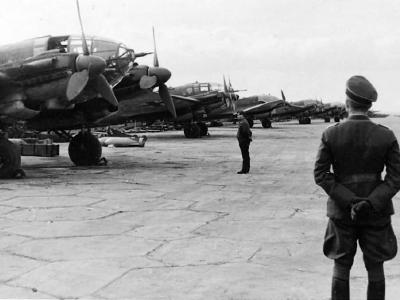
Heinkel He111 Bombers
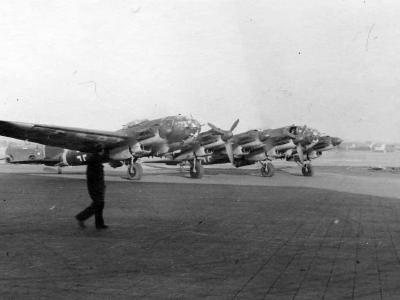
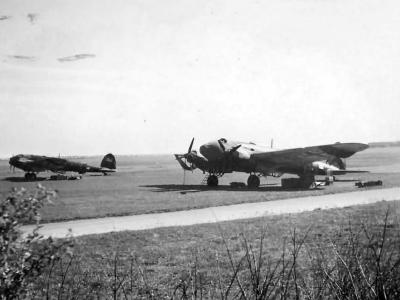
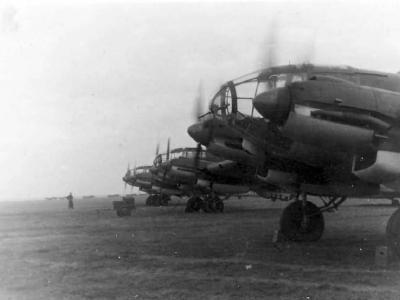
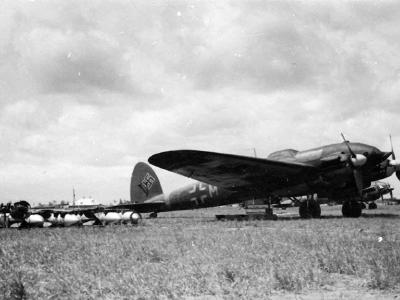
Heinkel He111 Bombers at airfield
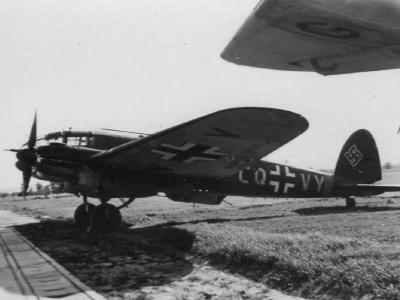
Heinkel He111 CQ VY
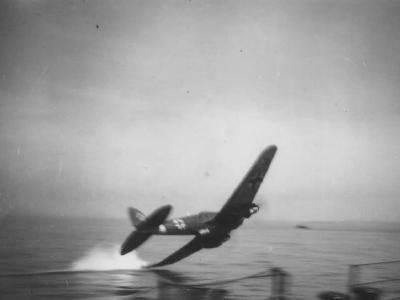
Heinkel He111 crashes into the sea
Heinkel He111 France 1940
Heinkel He111 H warming up engines
Heinkel He111 KG26 1940 Banak Norway
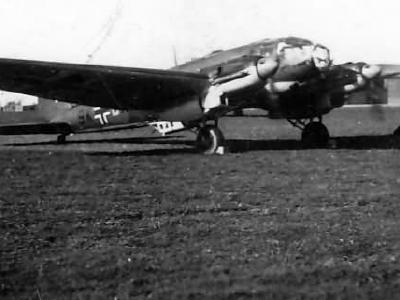
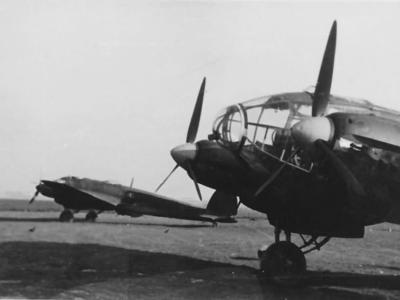
Heinkel He111 Medium Bomber at airfield
Heinkel He111 of KG55
Heinkel He111 right wing 1945
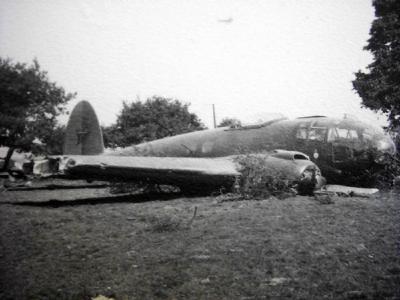
Heinkel He111 Shot down during Battle of Britain 1940
Heinkel He111 shot down in France 1940
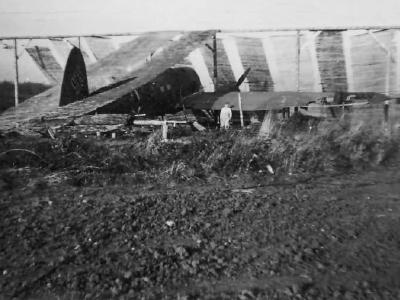
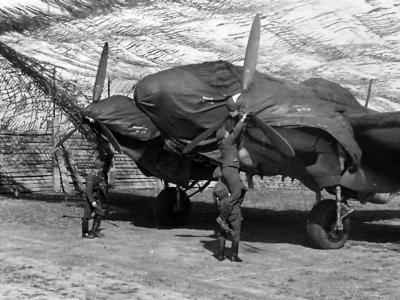
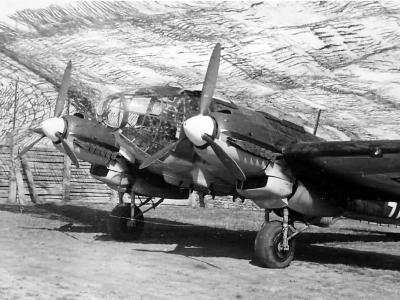
Heinkel He111 under camouflage netting
Heinkel He111 winter 1940
Heinkel He111 winter 20
Heinkel He111 ww2 bomber
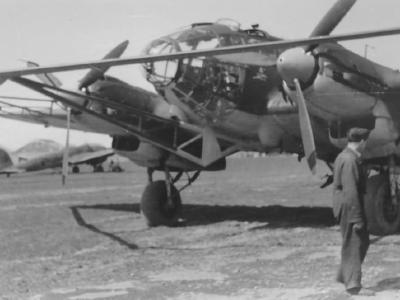
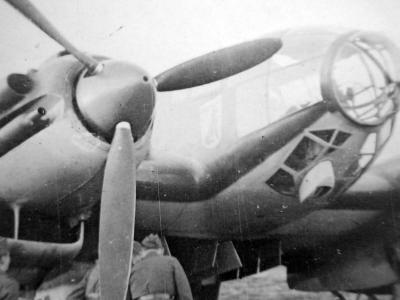
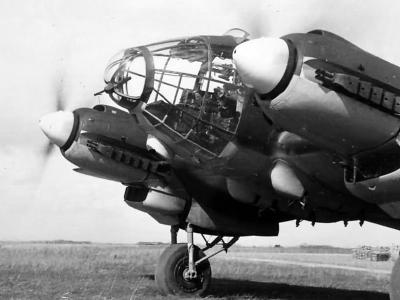
Heinkel He111, close up view
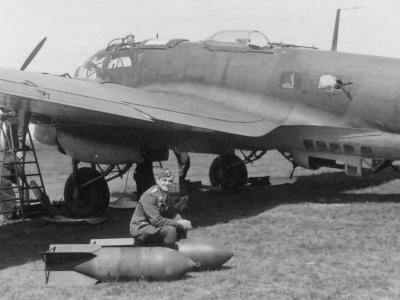
Heinkel He111. Luftwaffe soldier sitting on a bomb
Heinkel He111P bomber
Heinkel Heinkel He111E
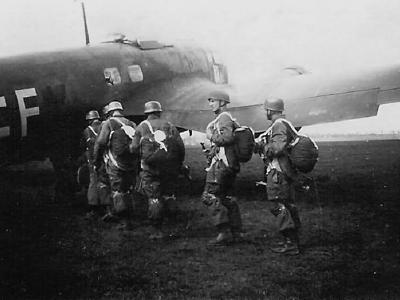
Helmeted Luftwaffe Fallschirmjagers He111
KG 55 crew posing beside their Heinkel He111
Line of German Heinkel He 111of the KG26 on airfield in Italy 1941
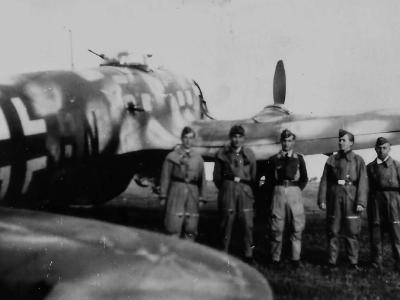
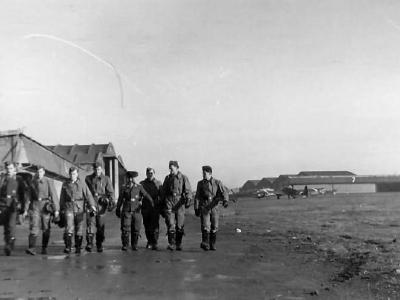
Luftwaffe crew and He111
Luftwaffe mechanics at work on a He111 engines
Luftwaffe pilots Ar 96 and He 111 JG 107 Nancy Essay 1943
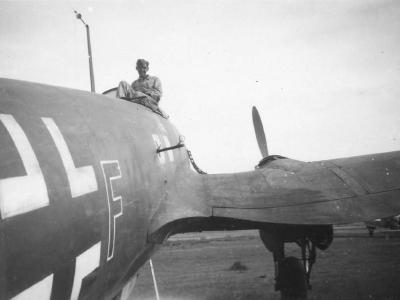
Luftwaffe soldiers next to He111 bomber
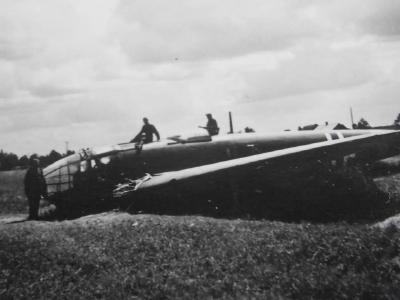
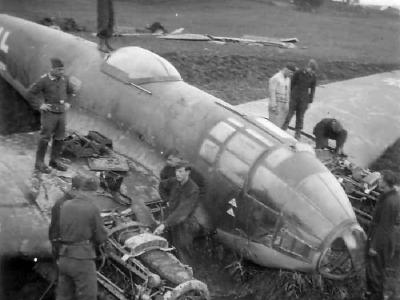
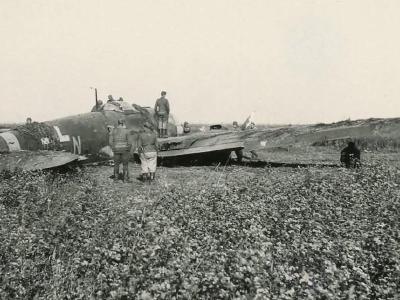
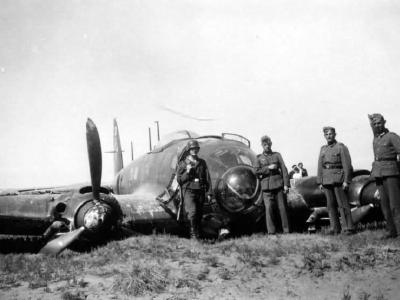
Luftwaffe soldiers posing beside a crashed He 111
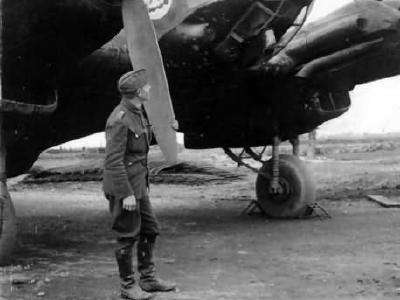
Main landing gear of He111H from 5/KG 26, Vannes France 1940
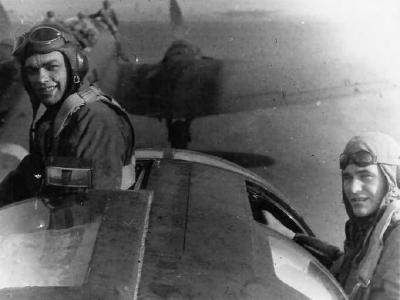
Pilot and crew in cockpit of the He 111 during a combat mission
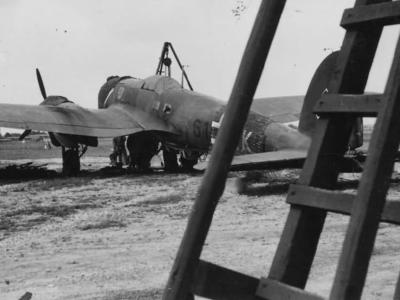
Recovery of a Heinkel He 111
Recovery of a Heinkel He111
Spain 1936: Heinkel He 111B coded 25-29 Legion Condor
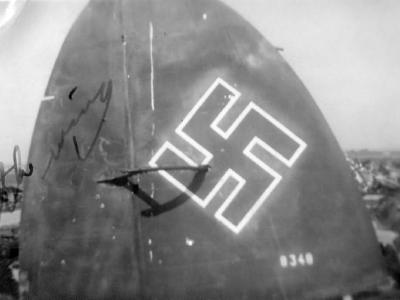
Tail of the Heinkel He111 W.Nr. 8348, 1945
The cockpit interior of a bomber Heinkel He111E
The crew of a Heinkel He111H bomber, Eastern Front
Transport aircraft Heinkel He 111P coded CK+HC with tail code "P 4 6", Italy 1943
US Soldiers with Captured Luftwaffe He111 Bomber North Africa
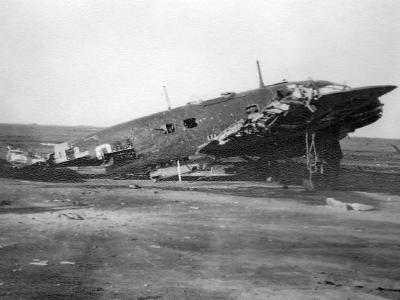
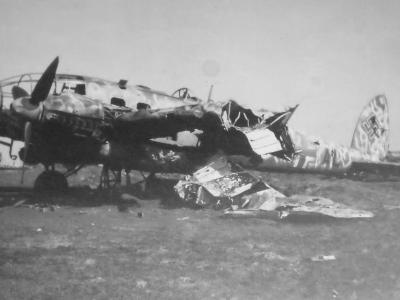
View of the wreckage of a He 111
White He111 from KG 55 coded G1+BH
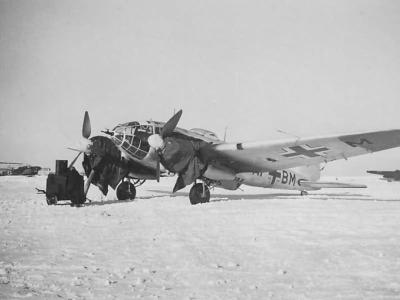
White He111 H coded A1+BM of the 4/KG 53, Russia winter 1942-43
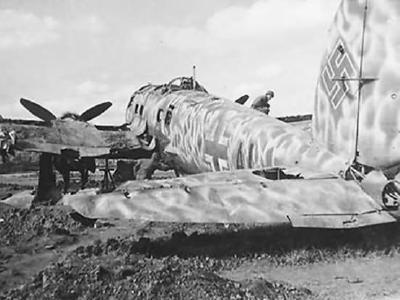
Wreckage of a He 111 with camo spray pattern
Wreckage of German bomber He111 +AL, 1944/1945
Wreckage of German Heinkel He 111
Wreckage of Heinkel He111 of the KG26, Sola Norway 1940
The Heinkel He 111 was designed, ostensibly as a civil transport, in 1935, but in 1936 the He 111 B was delivered to the Luftwaffe and by the following year it had joined in the Spanish Civil War. Succeeding the He111 B series were the DB 600 powered He 111D and the Junkers Jumo 211 engined He 111E. The He 111 P (DB 601 engines) was the next major version, entering service some 6 months before the outbreak of the Second World War. The Heinkel He 111 P first introduced the asymmetrically placed bubble housing the nose machine gun that was a trade mark of all later He 111. Despite a wide variety of He 111 P sub-types, production of this series was not extensive, and in 1939 it began to be superseded by the more promising Junkers Jumo powered Heinkel He 111 H.
Like the Ju87 Stuka, the He 111 performed extremely well in the opening phase of Second World War, but was recognized as terribly inadequate during the Battle of Britain. By mid–1940, the He 111 still formed the backbone of the Luftwaffe, but it was evident that it had become obsolete. Indeed the fast aircraft of 1937 had become a lumbering, poorly armed bomber, extremely vulnerable to modern fighters. In response Heinkel added extra machine guns and armor, and tried to
improve both altitude and speed, but to no avail. Coupled with incessant growth in equipment and armor, the result was only further deteriorating performance. The short-sightedness of the RLM was shown by the fact that they made no use of available replacements. Instead the obsolete and waddling He111 was built in ever greater number until 1944, as it was easy to manufacture, economical in manpower and material, could absorb a great deal of enemy fire, and remained
reasonably effective on the less demanding Eastern front. The Heinkel He111 served on all fronts as medium bomber, but from mid–1943 its role was less important. It remained in service and was used for more specialized missions, including as torpedo bomber, barrage-balloon cable-cutter, glider tug, magnetic-mine exploder, V1 missile carrier, and transport plane. Undoubtedly the most spectacular conversion was the special He 111 Z (Zwilling — twin), designed in 1942 for the purpose of towing the giant Me 321 glider; this consisted of two He 111s joined by a common center wing carrying a fifth engine. Spanish CASA continued production after World War II until 1956 (model CASA 2.111).
Production: 6508 aircrafts.
General Description
Type: Twin-engined bomber and torpedo-carrier, also adaptable as a transport, glider-tug, or flying-bomb carrier.
Wings
Configuration: Low-wing cantilever monoplane with three parts: a rectangular center-section integral with the fuselage and two tapering outer sections.
Structure:
Made of light metal with two spars and multiple ribs.
Covered with a stressed skin of smooth duralumin sheet.
Ailerons are located on the outer sections, with hydraulically-operated slotted flaps on the inner sections. Ailerons droop with flap deployment.
Fuselage
Shape: Oval-section, tapering to a point aft.
Construction:
Made of metal with three main bulkheads and several secondary frames.
Interconnected by longerons and 'U' section stringers.
Covered with smooth metal sheet.
Tail Unit
Type: Monoplane with elliptical surfaces.
Structure: Cantilever tailplane and fin, all-metal structure with smooth sheet covering.
Control Surfaces: Includes trimming-tabs in the movable surfaces.
Landing Gear
Type: Retractable.
Mechanism: Comprises two oleo legs and two backwardly sloping hinged members, retracting the wheels aft into the engine nacelles. Equipped with low-pressure wheels and Cannstadt brakes.
Power Plant
Engines: Two Junkers Jumo 211F twelve-cylinder inverted Vee liquid-cooled engines, each rated at 1,300 hp at 3,810 m (12,500 ft).
Fuel Capacity: Four self-sealing fuel tanks (two inboard and two outboard of nacelles) with a total capacity of 940 Imperial gallons.
Accommodation
Crew: Five members.
Layout:
Pilot on the port side in an asymmetrical, fully glazed nose compartment.
Navigator/bomb-aimer alongside the pilot with a tip-up seat, also operating a machine-gun in the nose.
Bomb compartment behind the pilot between wing spars.
Passageway leading to aft cabin, where the radio-operator/gunner operates the upper gun and another gunner manages the lower gun.
Pilot's seat and gun positions are armored.
Armament
Configurations:
Includes variations such as one 13 mm MG 131 in the nose, two 7.9 mm MG 81 in the lower ventral position, one 13 mm MG 131 in the upper rear-firing position, and two 7.9 mm MG 81 on each side of the fuselage.
Bomb Load:
Initial internal storage for up to eight 250 kg bombs.
Later modifications allowed external stowage for larger bombs, mines, torpedoes, or one FZG 76 flying-bomb.
Various load configurations include combinations of 1,000 kg, 1,400 kg, 1,800 kg, and 2,500 kg bombs.
Can carry two torpedoes under the center-section roots.
Equipment
Radio: Standard bomber radio equipment, including long and short wave transmitting and receiving sets, D/F loop receiver, and blind-approach equipment.
Navigation: Equipped with a Lorenz blind-approach system and an inflatable dinghy.
Christopher F. Shores: Luftwaffe Bomber Camouflage & Markings 1940 - Heinkel He111 - Junkers Ju88 - Dornier Do17, Aircam Aviation Series 10
Horst Scheibert: Heinkel He111, Waffen-Arsenal 20
Manfred Griehl: German Bombers Over England, 1940-44 (Luftwaffe At War)
Andy Saunders: Arrival of Eagles: Luftwaffe Landings in Britain 1939-1945
John Weal: He 111 Kampfgeschwader in the West - Osprey Combat Aircraft 91
Ron Mackay: Heinkel He 111, Crowood Press 2003
George Punka - Heinkel He 111 in Action, Squadron/Signal Publications Aircraft Number 184
John Weal: He 111 Kampfgeschwader on the Russian Front - Osprey Combat Aircraft 100
Krzysztof Janowicz: Heinkel He 111 Vol.I - Kagero Monographs 3 (Polish/English)
Krzysztof Janowicz: Heinkel He 111 Vol.II - Kagero Monographs 8 (Polish/English)
Manfred Griehl: Heinkel He 111 Part 1: The Early Variants A - G and J of the standard bomber aircraft of the Luftwaffe in World War II (World War II Combat Aircraft Photo Archive 004), AirDoc
Manfred Griehl: Heinkel He 111 Part 2: P and Early H variants of the Standard Bomber Aircraft of the Luftwaffe in World War II (World War II Combat Aircraft Photo Archive 007), AirDoc
Manfred Griehl: Heinkel He 111 Part 3: The Late Variants H-6 to H-20 and Z (World War II Combat Aircraft Photo Archive 010), AirDoc
Franz Kober: He 111 an allen Fronten vom ersten bis zum letzten Tag, Podzun-Pallas-Verlag Waffen-Arsenal Band 50
Philip Moyes - Heinkel He 111 P & H, Aerodata International No.12, Vintage Aviation Publications 1979
H Regnat: Vom Original zum Modell Heinkel He 111, Bernard & Graefe Verlag 2000
Flugzeug Profile 18: Heinkel He 111 H Varianten
Karl Ries, Hans Ring - Legion Condor, 1936-1939: Eine illustrierte Dokumentation
Richard Smith & Eddie J Creek - Kampfflieger Volume 2: Bombers of the Luftwaffe July 1940 - December 1941 (Luftwaffe Colours),
Classic Publications 2005
Richard Smith & Eddie J Creek - Kampfflieger- Bombers of the Luftwaffe 1933-1940, Volume 1 (Luftwaffe Colours),
Classic Publications 2004,
Dr Alfred Price - Kampfflieger Volume 3: Bombers of the Luftwaffe January 1942 - September 1943 (Luftwaffe Colours),
Classic Publications 2005
Nick Beale - Kampfflieger Volume 4: Bombers of the Luftwaffe Summer 1943 - May 1945 (Luftwaffe Colours),
Classic Publications 2005
Robert Stedman, Kampfflieger: Bomber Crewman of the Luftwaffe 1939-45
Georg Brütting: Das waren die deutschen Kampfflieger-Asse 1939-1945 (german)