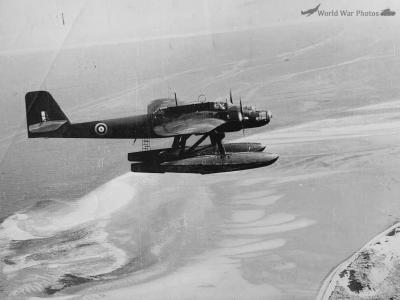
He 115
Click the thumbnails to enlarge them
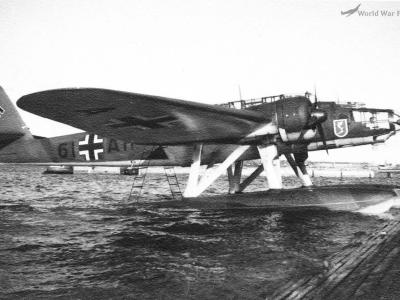
He 115 6I+AH Kustenfliegergruppe 706
He 115 Kustenfliegergruppe 106 Brest
He 115 Kustenfliegergruppe 106 Brest 1941
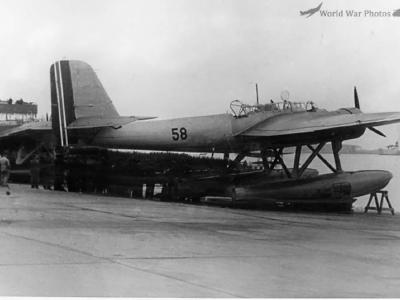
He 115A-2 for Norway
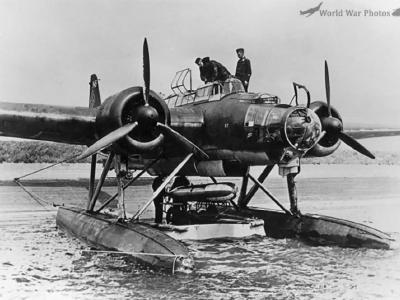
He 115B-1

He 115B-1 of the 2//KuFlGr 506
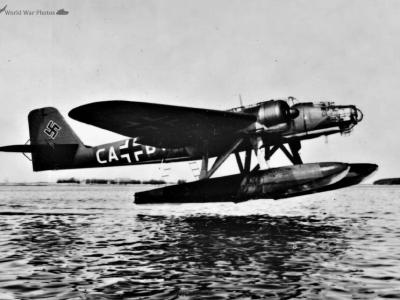
He 115B-2
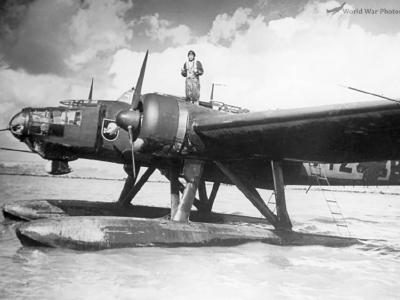
He 115C-1 Kustenfliegergruppe 106, 1940
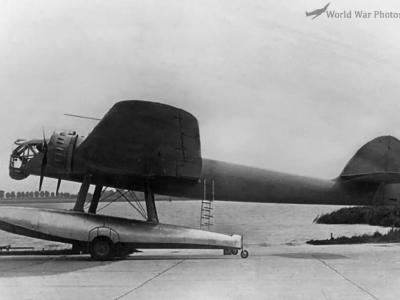
He 115V-1
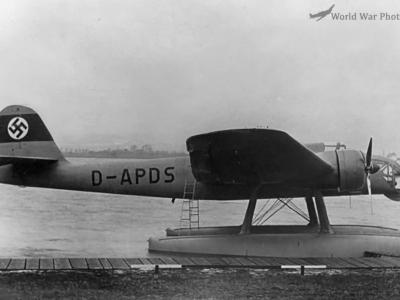
He 115V-2, 1937
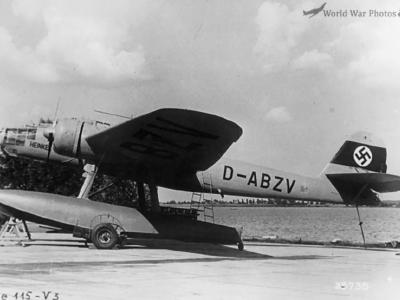
He 115V-3
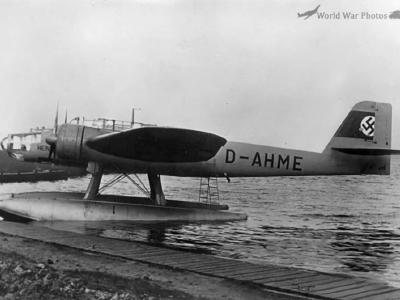
He 115V-4
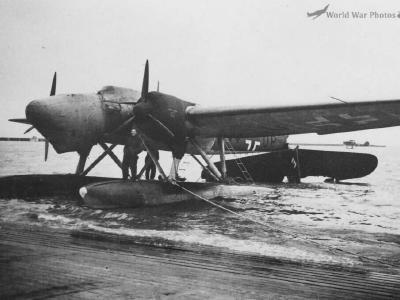
He115
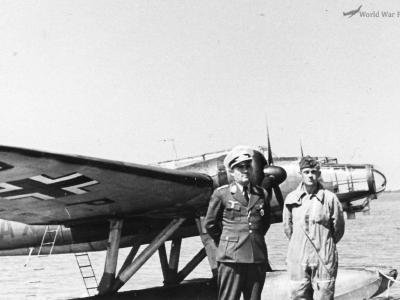
He115
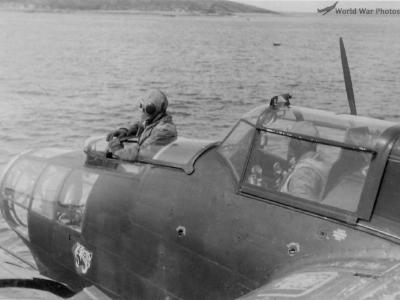
He115
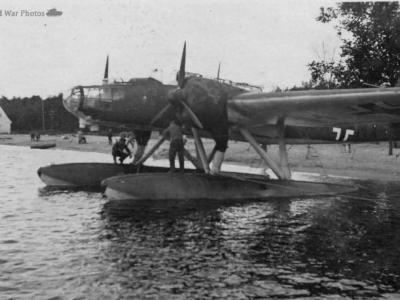
He115 134
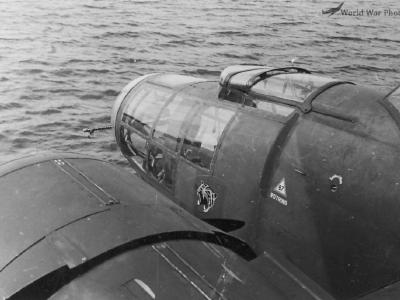
He115 2
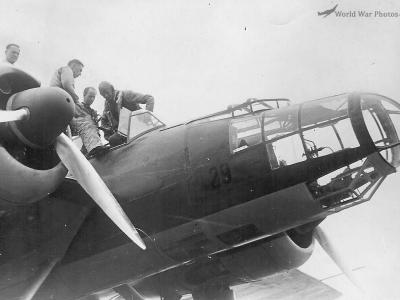
He115 29
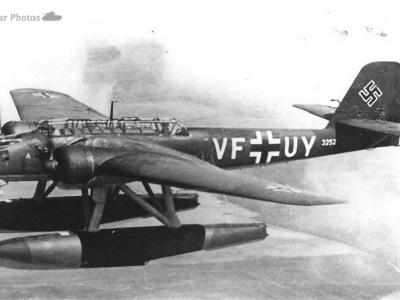
He115 3252 on pre-delivery trials
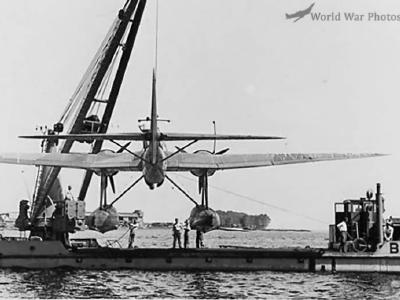
He115 4
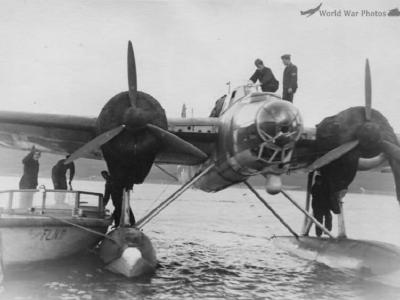
He115 8
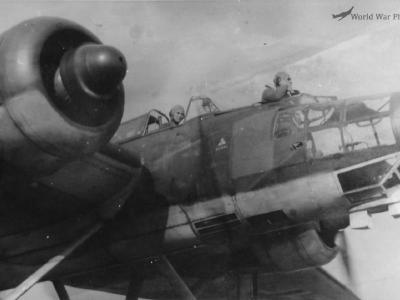
He115 9
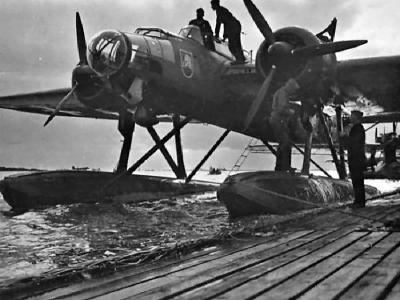
He115 Kustenfliegergruppe 106
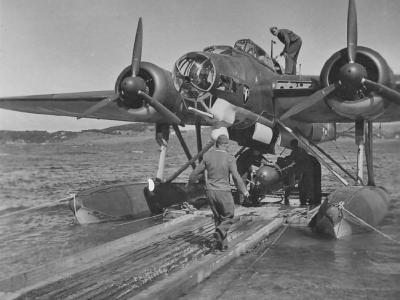
He115 Kustenfliegergruppe 506 with torpedo
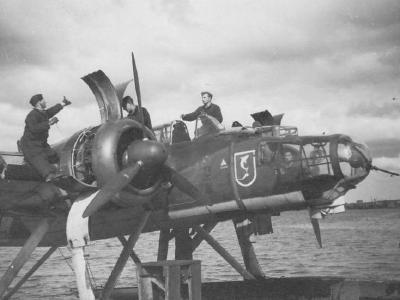
He115 Kustenfliegergruppe 706 Norway
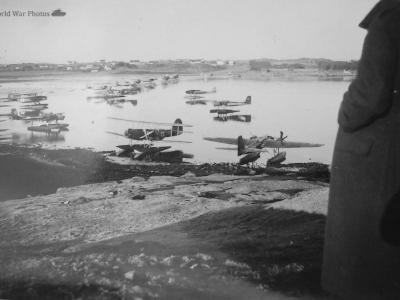
He59 He 115 Stavanger Sola
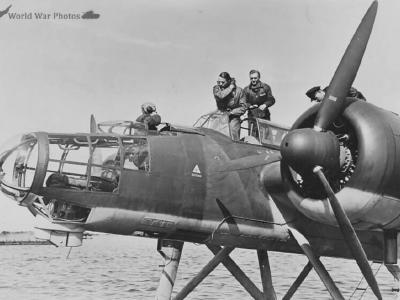
Heinkel's test pilot Gerhard Nitschke
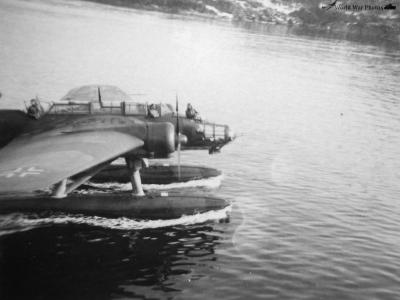
The He 115 was a robust seaplane that was susceptible to fighter assaults, as a result, it was mainly deployed in the Norwegian region where the resistance was comparatively weaker.
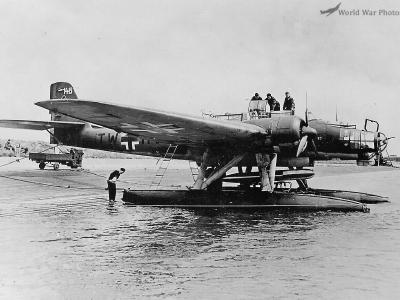
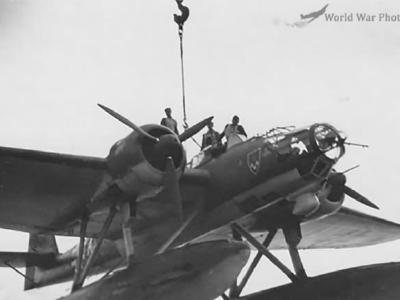
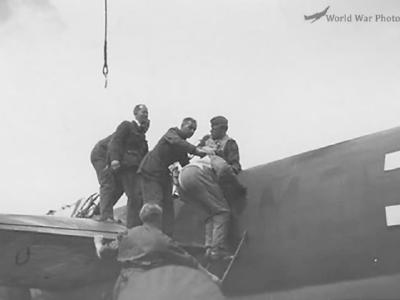
This He 115B-1 aircraft was observed during an operational assessment as a practice torpedo was being lifted into its internal weapons compartment.

Worker Puts Finishing Touches on He 115
In 1935, the Reichsluftfahrtministerium announced the requirements for a new naval multi-role aircraft. It was to be a twin-engine, twin-float reconnaissance and bomb-torpedo seaplane. Requirements were sent to Hamburger Flugzeugbau and Ernst Heinkel Flugzeugwerke. After both factories presented preliminary designs, three prototypes each were ordered on November 1, 1935. The designs were given the designations Ha-140 and Heinkel He-115. The first He-115 V1 prototype was flown in August 1937, powered by two BMW 132K engines. It was a medium-sized airplane with an aerodynamically elegant silhouette. Flight tests showed many advantages of the new design. Starting in November 1937, a second He-115 V2 prototype, which had minor design modifications, was sent for testing. In early 1938, after comparative tests with the Blohm & Voss Ha-140 seaplane, the Heinkel He-115 aircraft was put into series production. On 20.03.1938, the modified first prototype He-115 V1 set several world records.
In March 1938, the He-115 V3 prototype was flown, which was the model for the He-115A version. It differed externally from previous prototypes. The front of the fuselage was completely changed, the crew stations received rich glazing. The outline of the airframe and the horizontal stabilizer was changed. Seven weeks later, the first flight was made by the production He-115 V4 prototype, which had a modified shape of the contrail. The seaplane was subsequently mass-produced in several versions. The He 115 was used extensively during the early years of World War II for reconnaissance, minelaying, and bombing missions. It saw action in the North Sea, the Atlantic Ocean, and the Mediterranean Sea, and it was also used in the Norwegian campaign. The He 115 was known for its rugged design and good performance in rough sea conditions, and it was considered to be one of the best floatplanes of its time. Despite its relatively short service life, the He 115 made a significant contribution to the German war effort during World War II.