Fw 189
Click the thumbnails to enlarge them
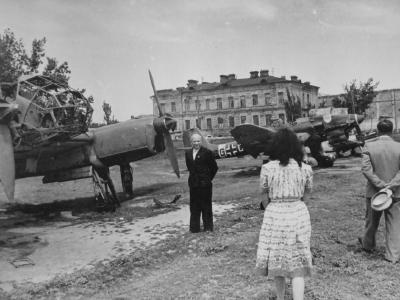
Captured Focke-Wulf Fw189, Soviet Union

Captured Fw 189 5H+RK of the NAGr 16, Austria 1945, color photo
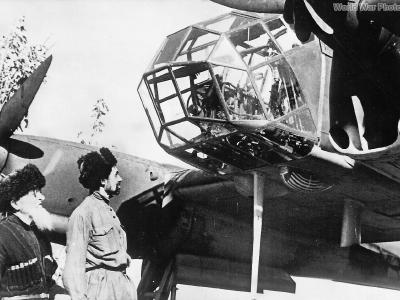
Captured Fw 189 Eastern Front
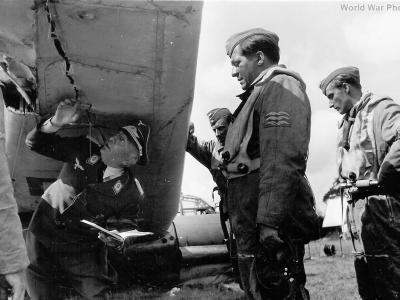
Crashed Fw189
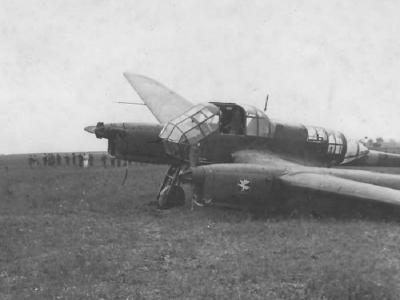
Crashed Fw189 from Aufklärungsgruppe 11

Focke-Wulf Fw 189 A coded 6M+GH of the 1.(H)/11 1942-43 Eastern Front

Focke-Wulf Fw 189 A-1 code KC+JL from FFS A/B 5 3
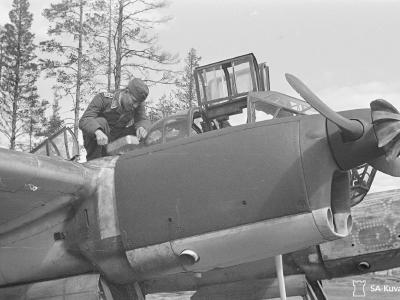
Focke-Wulf Fw 189 A-3 of the 1.(H)/32 V7+1J June 1943 6
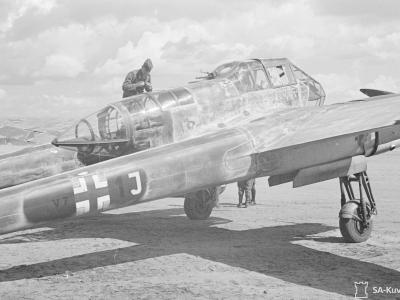
Focke-Wulf Fw 189 A-3 of the 1.(H)/32 V7+1J, June 1943
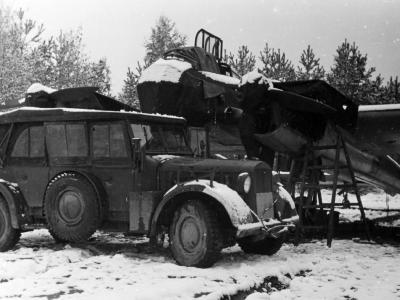
Focke-Wulf Fw 189 and Horch 901
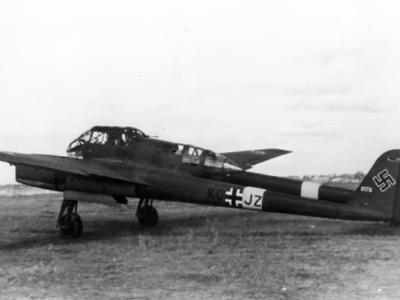
Focke-Wulf Fw 189 KC+JZ
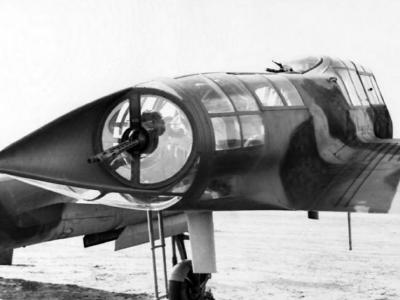
Focke-Wulf Fw 189 rear gunner's position with MG 81Z
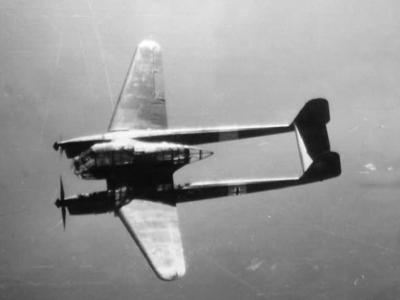
Focke-Wulf Fw 189 Uhu of the NAG 12 in flight 1942
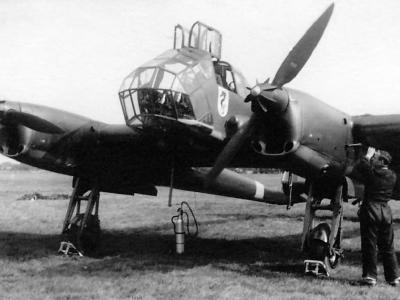
Focke-Wulf Fw189 A-1 Uhu coded KC+JL from FFS A/B 5
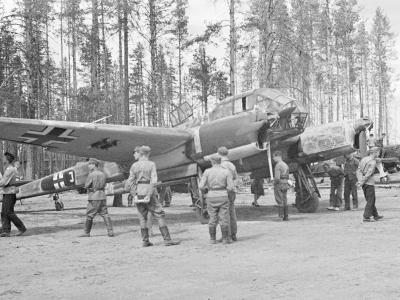
Focke-Wulf Fw189 A-3 of the 1.(H)/32 V7+1J June 1943 2
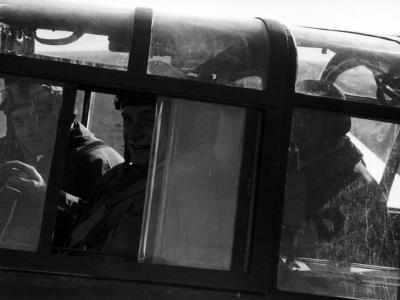
Focke-Wulf Fw189 cockpit
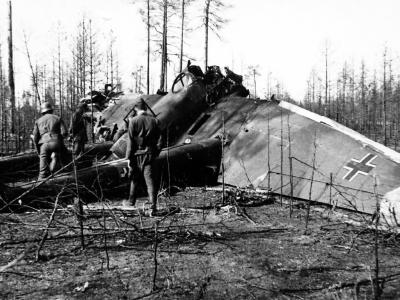
Focke-Wulf Fw189 crashed
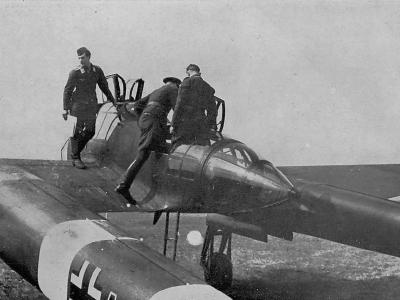
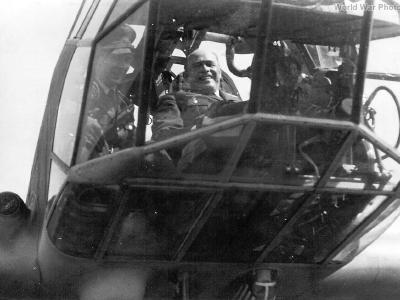
Focke-Wulf Fw189 of the 1.(H)/12, VIP transport
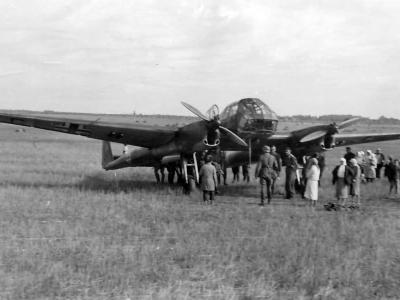
Focke-Wulf Fw189 on the ground
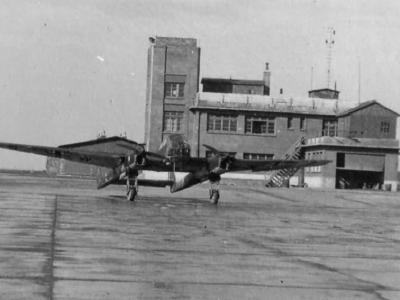
Focke-Wulf Fw189 Uhu Lesquin airfield near Lille
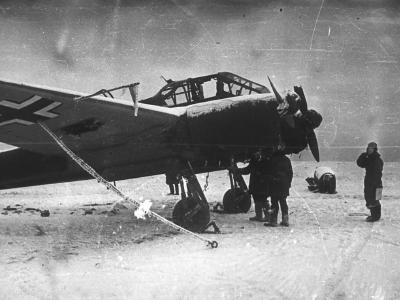
Focke-Wulf Fw189 Uhu winter 1942/1943
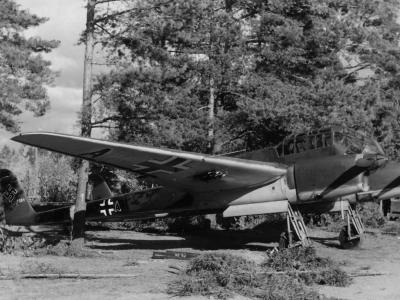
Focke-Wulf Fw189 W.Nr. 2084 Eastern Front
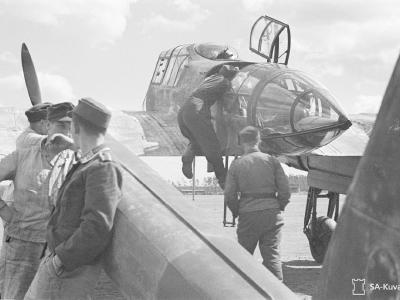
Fw 189 A of the 1.(H)/32 June 1943
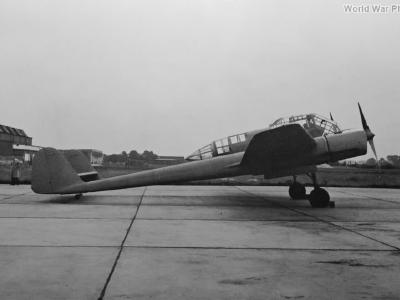
Fw 189 A-0
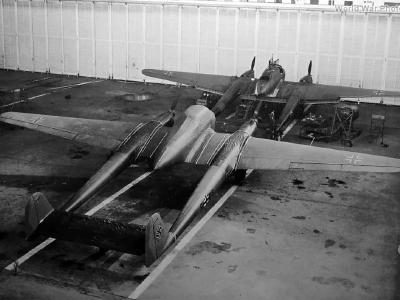
Fw 189 A-1
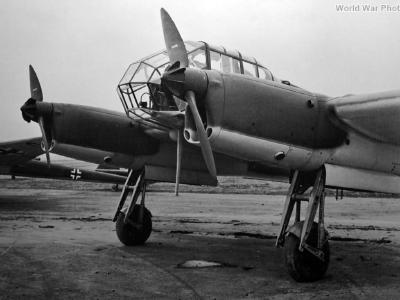
Fw 189 A-1
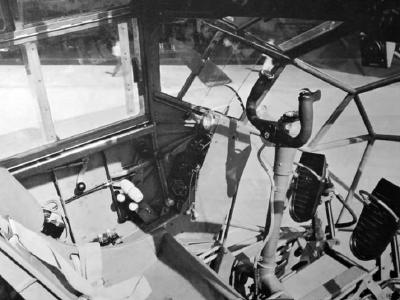
Fw 189 A-1 cockpit

Fw 189 A-1 code KC+JL from FFS A/B 5 2
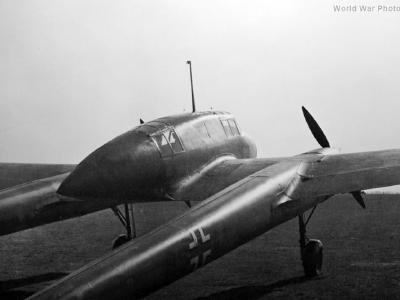
Fw 189 A-3 BS+AA

Fw 189 A-3 of the 1.(H)/32 V7+1J June 1943 5
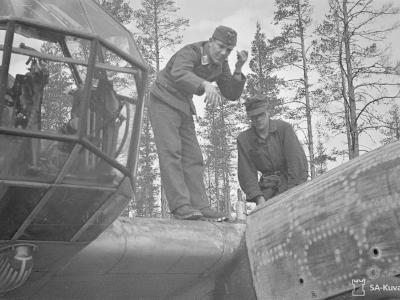
Fw 189 A-3 of the 1.(H)/32 V7+1J, Finland June 1943 4
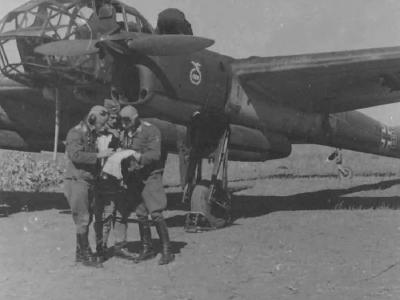
Fw 189 Aufkla.Gr. 10
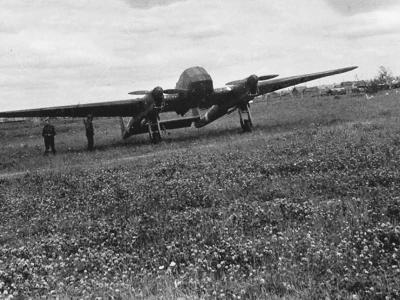
Fw 189 Eastern Front 2
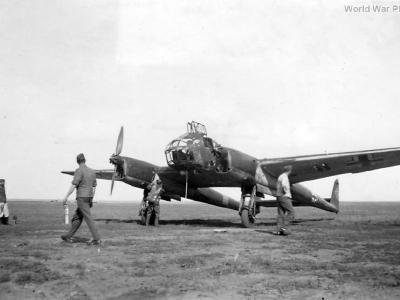
Fw 189 on Eastern Front
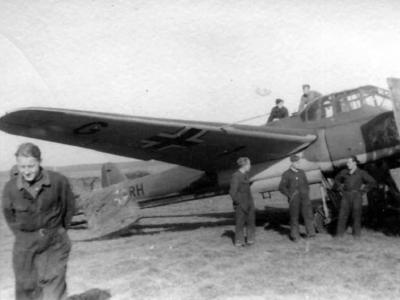
Fw 189 on the ground
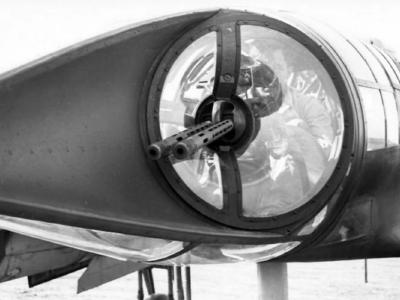
Fw 189 rear gunner's position with MG 81Z 2
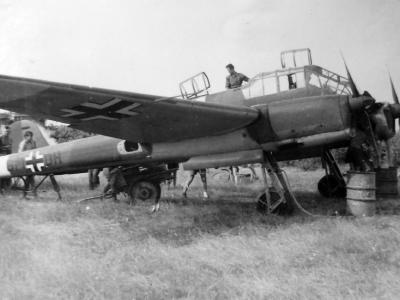
Fw 189 Uhu code 6M+DH of the Aufklarungsgruppe 11
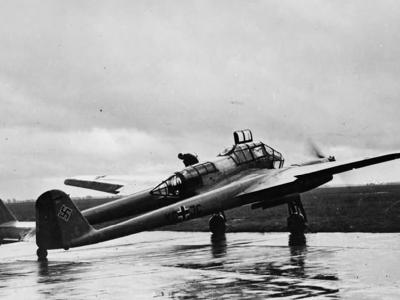
Fw 189 Uhu coded VC+JC
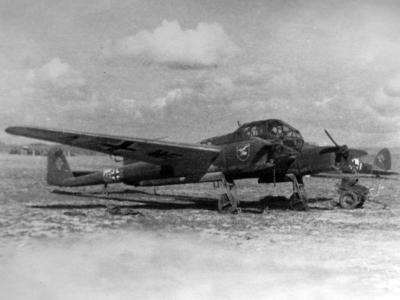
Fw 189 Uhu of the Aufklarungsgruppe 13
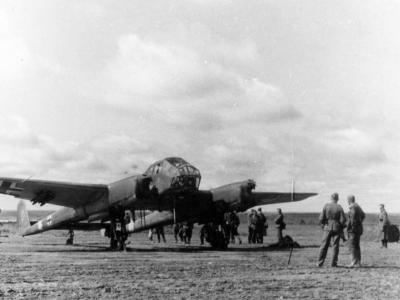
Fw 189 Uhu on a grass landing ground - Eastern Front
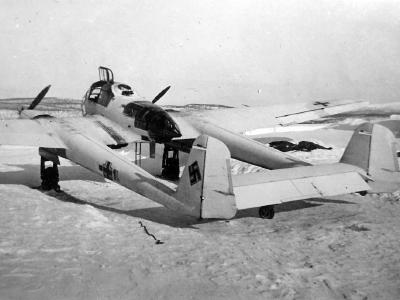
Fw 189 with winter camo on the ground
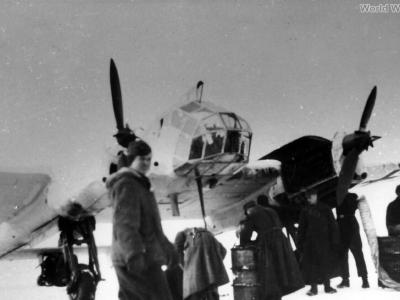
Fw 189A on the Russian Front
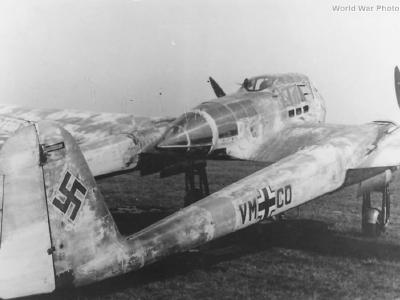
Fw 189A VM +O 1/ErgNAGr 1944
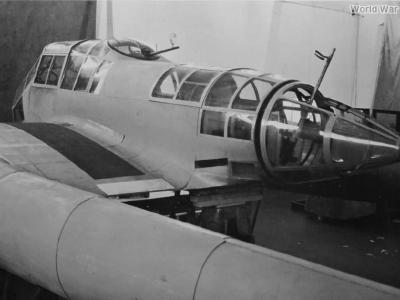
Fw 189A-0 mock
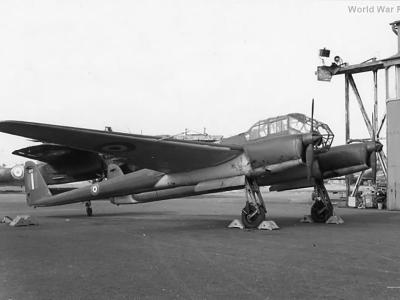
Fw 189A-3 0173 Farnborough 1945
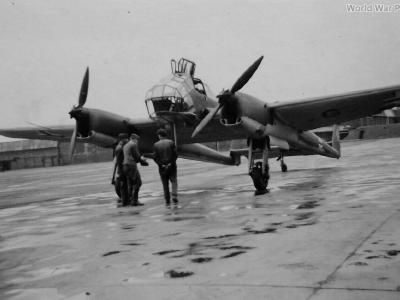
Fw189 1941
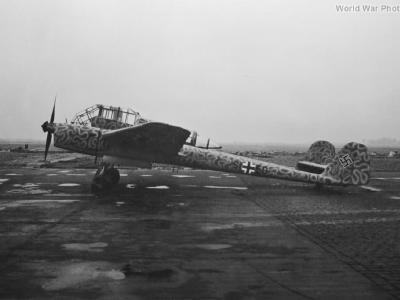
Fw189 A-1 SI+EG
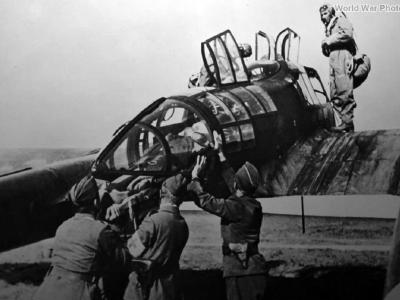
Fw189 A-2
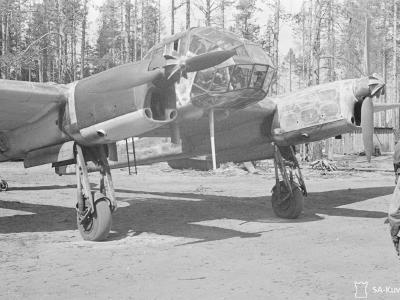
Fw189 A-3 of the 1.(H)/32 V7+1J , Finland June 1943
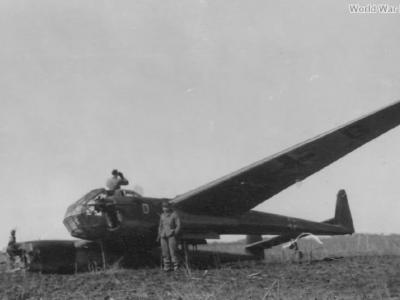
Fw189 Aufkl.Gr. 31
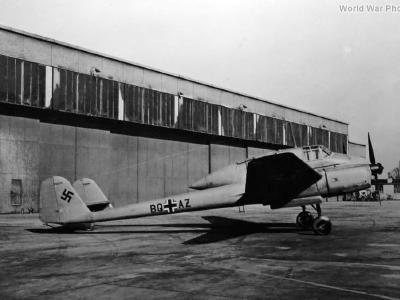
Fw189 B-1 BQ+AZ
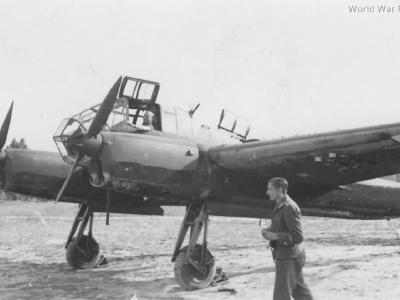
Fw189 black
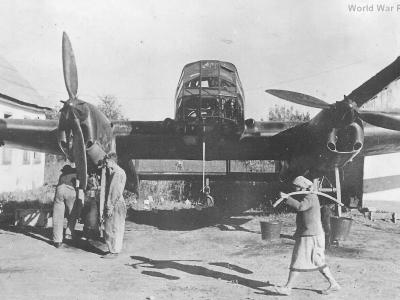
Fw189 by Russian Village 1943
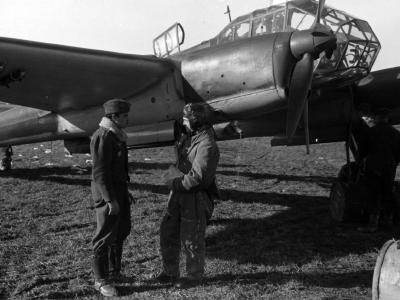
Fw189 Uhu +EH somewhere on Eastern Front, 1943-1944
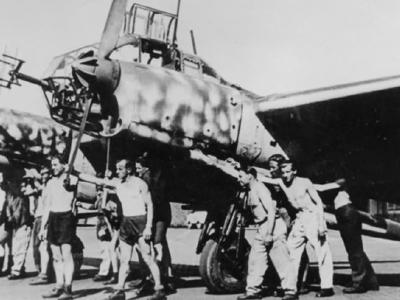
Fw189 Uhu from NJG 100, night fighter variant with FuG 212 Lichtenstein C-1
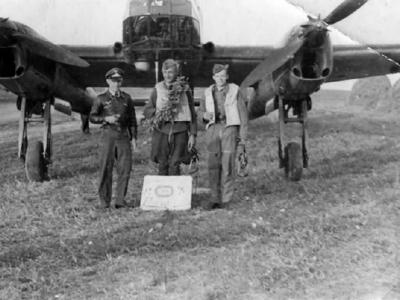
Fw189 Uhu with crew
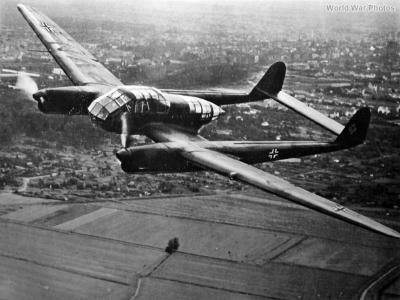
Fw189 V-1 D-OPVN July 1938
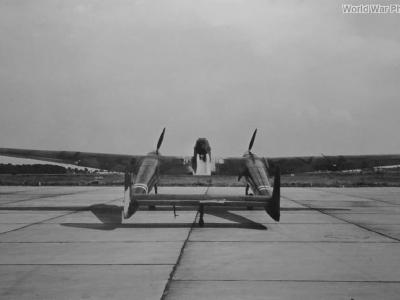
Fw189 V-1b
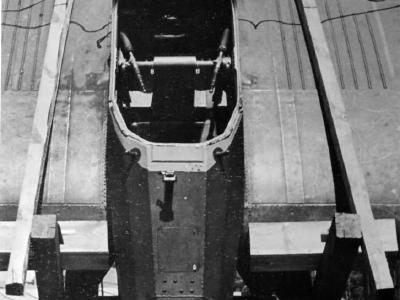
Fw189 V-1b cockpit
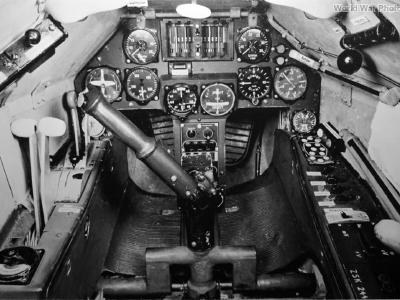
Fw189 V-6 cockpit
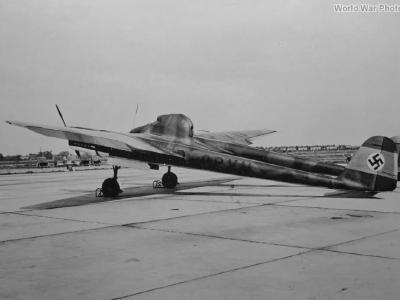
Fw189 V1b first
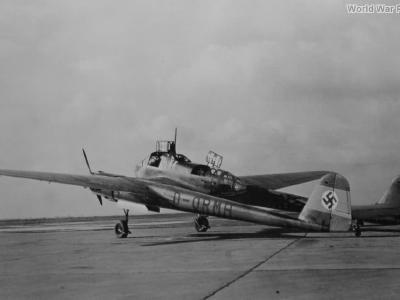
Fw189 V3
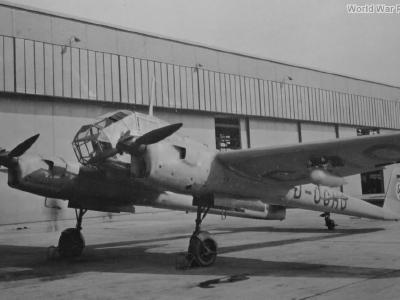
Fw189 V4 D-OCHO
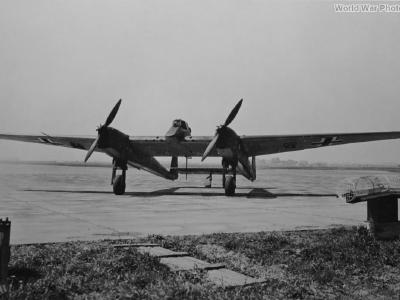
Fw189 V6
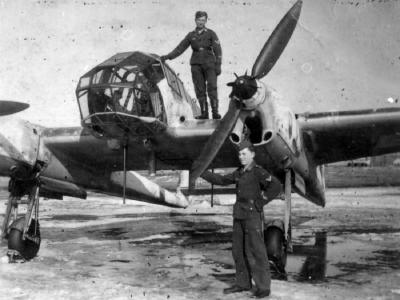
Fw189 winter 2
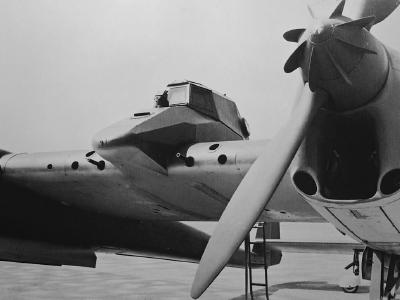
Heavily armoured ground-attack Focke-Wulf Fw 189 V6
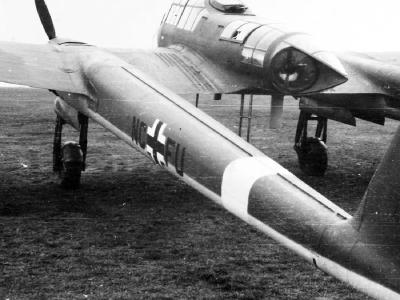
Rear view of a Focke-Wulf Fw 189 coded NC+FU. Uhu on the ground
Focke-Wulf Fw 189 Uhu was a German twin-engine, twin-boom, three-seat tactical reconnaissance and army cooperation aircraft. The experience of the Condor Legion in the Spanish Civil War had shown that the Heinkel He 46 and Henschel Hs 126 close reconnaissance aircraft used by the Luftwaffe were too slow and unprotected. So the RLM laid down requirements that the new aircraft had to meet, including defensive armament consisting of machine guns and a payload of 200 kilograms of bombs. In addition, the aircraft was to have an engine power of 900 hp to provide the necessary speed and maneuverability. Engineers at Focke-Wulf then designed an aircraft with two twelve-cylinder Argus As 410 V-engines housed in separate nacelles, which provided the observer in the center cockpit with a very good field of view and defense, since no engine interfered with the forward view. The instrument panel was also moved upward to improve visibility. The project was designed by Andreas von Faehlmann, while Erhard Kosel was responsible for the overall construction. In April 1937, orders were then placed with Ar 198, Blohm & Voss Bv 141 and Focke-Wulf to build three experimental aircraft each. The Arado design suffered from unrecoverable problems and the project was terminated prematurely, and the unusual Blohm & Voss design was also developed further but no series production took place. The first prototype Fw 189 V1, with registration D-OPVN and two 430 hp Argus As-410 engines, made its maiden flight on July 23, 1938 piloted by Focke-Wulf chief designer Kurt Tank. Other prototypes were built, including a design for an attack aircraft with machine guns and bomb mounts. Since the Oberkommando der Wehrmacht did not yet see a need for its introduction, only a small build order for 13 aircraft was placed. Delivery of the pre-production A-0 began before the war. Twenty-four aircraft were ordered, but certainly not all were delivered. Six of the B-0s were ordered, and eight of the C-0s, of which five and three, respectively, were delivered by May 31, 1941. In all, there were about 20 prototype and zero-production aircraft. Deliveries of the A-1 series began in October 1940, with a total of 830 built at the Focke-Wulf main plant in Bremen, by Aero in Prague, and in France by SNCASO (under partial production at Breguet). The series was phased out by SNCASO in March 1944, after Aero and FW had already delivered the last Fw 189s in early 1943. The Uhu became the ‘flying eye’ of the German armies and served in Finland and North Africa but mainly on the Eastern Front where it proved more difficult to shoot down than its modest performance suggested. The view from the extensively glazed ‘fuselage’ was excellent, flying qualities were regarded as superb and its ability to absorb punishment was almost legendary. Examples captured by the Russians were given unusually generous praise after evaluation and the design had an ongoing influence on Soviet aeronautical engineers. Hungary took delivery of about 30 Fw 189A-2s and Slovakia had 14 A-1s, these aircraft in both cases intended for use on the Eastern Front. Slovakian Uhus were also used against German forces in the Slovak National uprising of 1944.
Wings
- Low-wing cantilever monoplane.
- Rectangular center-section between tail booms supporting the crew nacelle on the centerline.
- Tapering outer wings outside the tail booms.
- All-metal structure with stressed-skin covering.
- Center-section has three spars, with the main and rear spars passing through the nacelle, which is rigidly attached to the center-section.
- Detachable inspection panels on the undersurface between the main and rear auxiliary spars.
- Outer sections have three spars with detachable leading and trailing-edge sections.
- Attached to the center-section by bolts along the wing contour between the main and front spars and at the main spar.
- Electrically-operated fabric-covered split trailing-edge flaps between ailerons and tail booms and across the entire center-section.
- All-metal structure extensively provided with transparent panels riveted to the center-section.
- Two interchangeable oval all-metal booms.
- Attached at the front to extensions of the engine nacelles and at the rear to the fin assembly by circumferential bolts.
- Two fins of stressed-skin construction at the ends of the booms.
- All-metal tailplane supported between the fins.
- Rudders and elevators have metal frames and fabric covering.
- Statically and aerodynamically-balanced rudders and elevators.
- Electrically-controlled trimming tabs.
- Retractable type.
- Main wheels are raised backward into the engine nacelles with apertures closed by hinged doors when the wheels are retracted.
- Tail-wheel retracts laterally into a well in the underside of the tailplane.
- Hydraulic retraction for main wheels; tail-wheel lowers under its own weight with assistance from rubber "hinges."
- Two 450 h.p. Argus As 410A-1 twelve-cylinder inverted Vee air-cooled engines.
- Two-bladed Argus automatic controllable-pitch airscrews.
- Two fuel tanks, one in the rear of each engine nacelle.
- Normal crew of three, but up to five can be accommodated.
Specification
| variant | A-1 | A-2 |
| crew | 3 | 3 |
| wingspan (m) | 18,40 | 18,40 |
| lenght (m) | 12,025 | 12,025 |
| height (m) | 3,10 | 3,10 |
| wing area (m2) | 38 | 38 |
| empty weight (kg) | 2850 | 2850 |
| normal take-off weight (kg) | 3950 | 3950 |
| max take-off weight (kg) | 4100 | 4170 |
| wing loading (kg/m²) | 107,90 | 109,70 |
| engines | Argus As410 A-1 459hp; 409hp at 2400 m (at 2400 rpm), air-cooled inverted V-12 | Argus As410 A-2 459 hp, air-cooled inverted V-12 |
| propellers | two blade, 2,6 m diameter | two blade, 2,6 m diameter |
| fuel consumption (l/h) | 200 | |
| fuel (l) | 440 (335kg) | 440 (335kg) |
| engine oil (l) | 38 (Rotring Intava 100) | 38 (Rotring Intava 100) |
| max speed (km/h) | 335 at 1700m | 350 at 2400m |
| cruising speed (km/h) | 290 at 1700 | 325 at 400m |
| max diving speed (km/h) | 502 | |
| landing speed (km/h) | 120 | 120 |
| ceiling (m) | 7000 | 7300 (2700 on one engine) |
| range (km) | 835 | 670 |
| rate of climb | 5,25 m/s | 6 |
| take-off roll (m) | 240 | 230 |
| landing roll (m) | 300 | 300 |
| bombs (kg) | 200 | 200 |
| armament | 2 x 7,92 mm MG17 + 2 x 7,92 mm MG15 | 2 x 7,92 mm MG 17 + 2 x 7,92 mm MG 81 Z |
Bibliography
- George Punka, Joe Sewell: Focke-Wulf Fw 189 in Action, Squadron/Signal Publications, Aircraft Number 142, 1993
- Pavel Kucera: Focke Wulf Fw 189, MBI (Czech/English)
- Focke Wulf Fw 189 "Uhu" - Flugzeug Profile 49 (german)
- David Wadman, John Bradley: Aufklarer - Luftwaffe Reconnaissance Aircraft & Units 1935-1945, Hikoki Publications 1997
- David Wadman: Aufklarer Volume One - Luftwaffe Reconnaisance Aircraft and Units 1935-1941, Luftwaffe Colours, Classic Publications 2007
- David Wadman: Aufklarer Volume Two - Luftwaffe Reconnaisance Aircraft and Units 1942-1945, Luftwaffe Colours, Classic Publications 2008
- Flugzeug Classic Special 8 - Zerstorer, Transporter, Aufklarer, Hubschrauber
- Richard A. Franks: The Focke-Wulf Fw 189 Uhu: A Detailed Guide to the Luftwaffe's Flying Eye
- Barry Ketley: Luftwaffe Emblems 1939-1945
- Colin West: Luftwaffe Geschwader Formations, Emblems & Markings 1933-1945
- David Donald: Warplanes of the Luftwaffe, Barnes and Noble 1994
- R. Smith, Antony L. Kay – German Aircraft of the Second World War, Putnam 1990
- Jean-Denis G. G. Lepage: Aircraft of the Luftwaffe, 1935-1945 - An Illustrated Guide