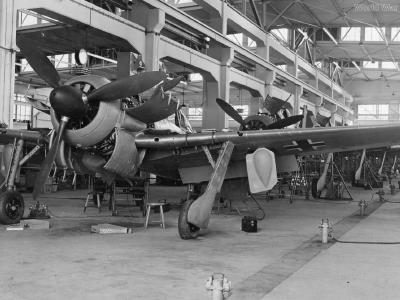
Fw 190 part 1
Click the thumbnails to enlarge them
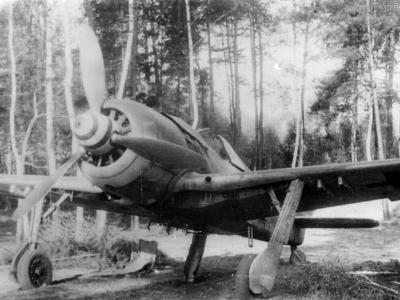
Abandoned Fw190 F-8/R-1
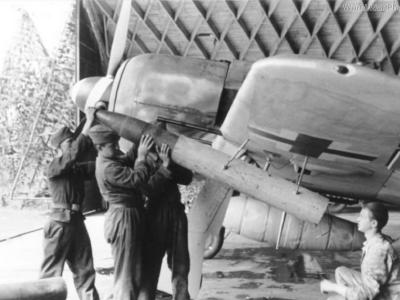
Armorers load a 152kg WGr. 21cm rocket into a firing tube beneath the wing of an Fw 190A-8/R6
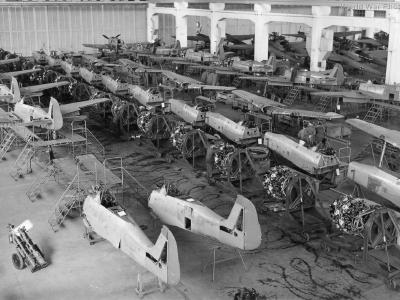
Assembly hall at Bremen
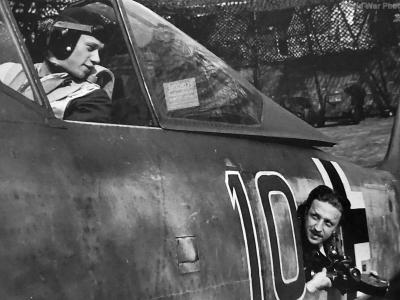
Camera man in radio compartment
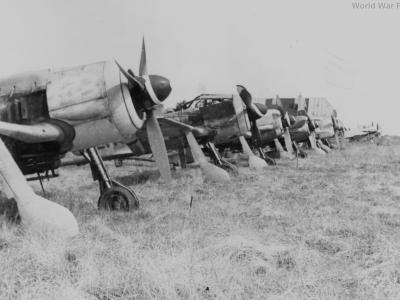
captured Fw190
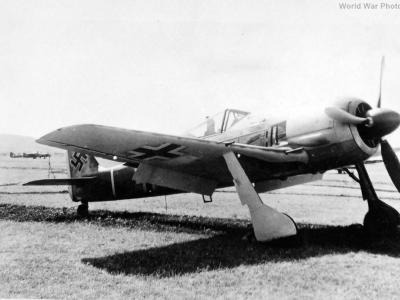
Captured Fw190A-3
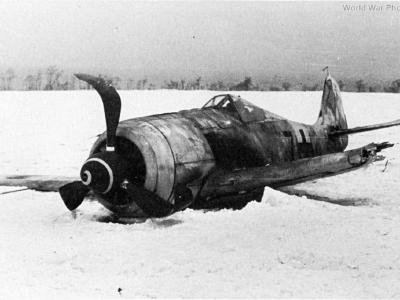
Crashed Fw190A-4
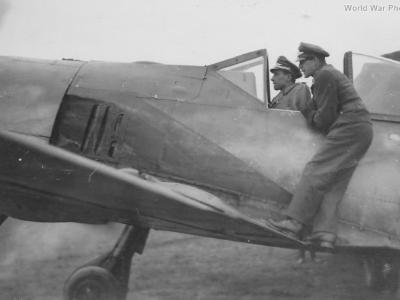
Erich Rudorffer in cockpit of Fw 190A-3 "Yellow 1" 130432
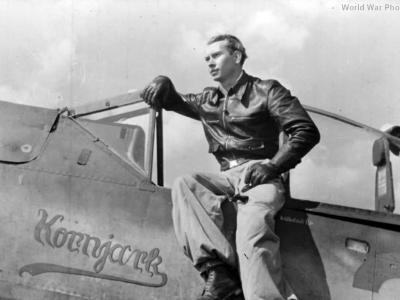
Feldwebel Konrad Bauer with Fw 190A-8 "Red 3" W. Nr 171641 named Kornjark
Focke-Wulf Fw 190 A-5
fourth C-series prototype Fw 190V-18
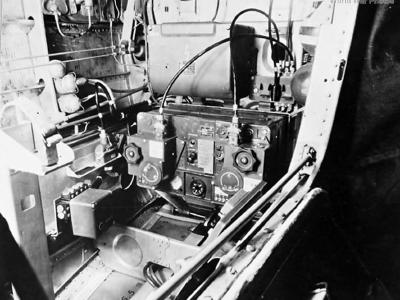
FuG 16ZY
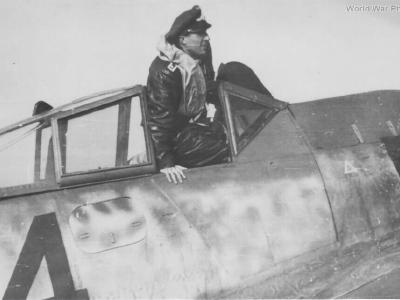
Fw 190 "Sturmböcke"
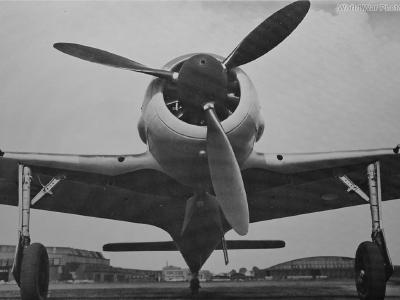
Fw 190 A-1
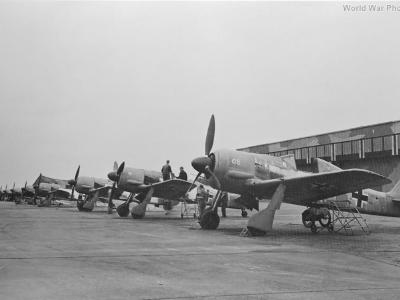
Fw 190 A-1/U1
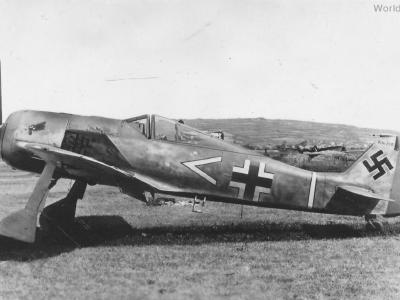
Fw 190 A-3 Stab III./JG2, June 1942
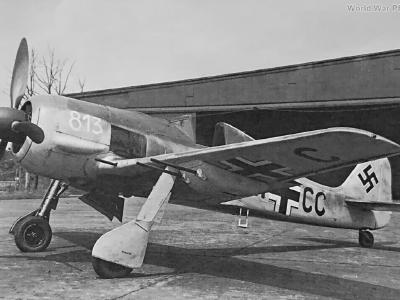
Fw 190 A-5/U12 with two underwing gun pods containing two 20 mm MG 151/20 cannons
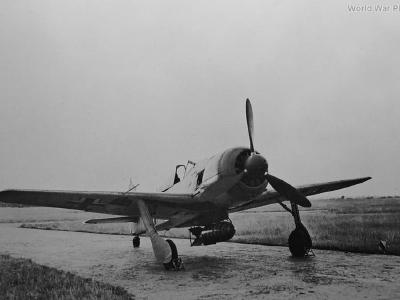
Fw 190 A-5/U8
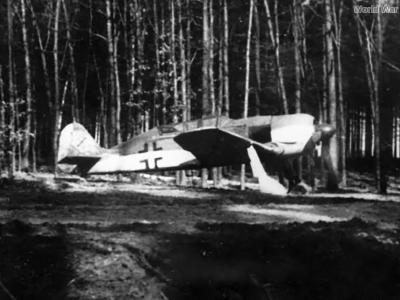
Fw 190 A-8/U1

Fw 190 F-8 W.Nr. 588717 of Stab II./SG 2, Milovice Czechoslovakia
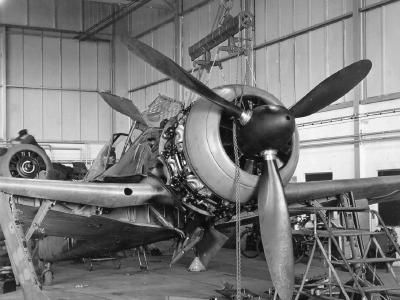
Fw 190 factory 7
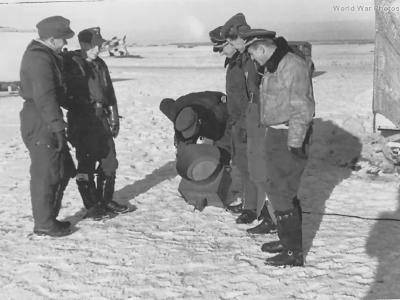
Fw 190 pilots of 1/JG 54, Winter 1943
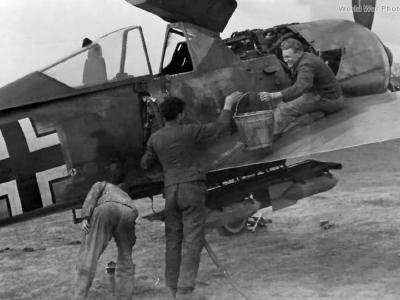
FW 190A 1943
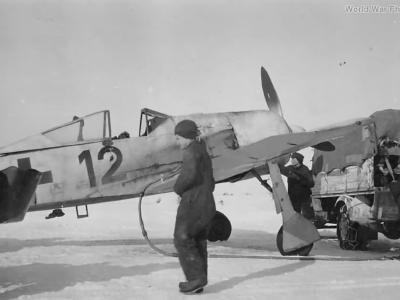
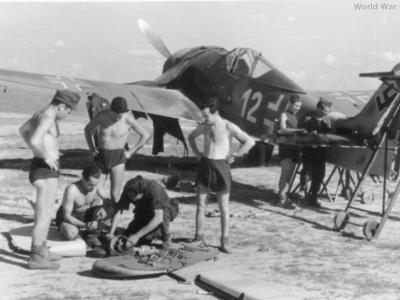
Fw 190A "12" of the 2./JG 51
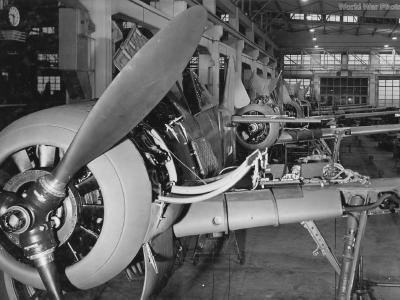
Fw 190A Bremen factory
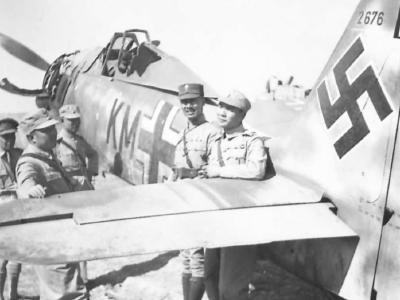
Fw 190A KM+EY W.Nr 2676 abandoned El Aouina Tunisia 1943
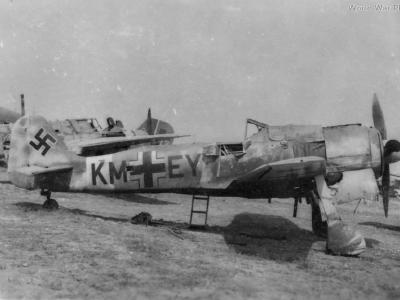
Fw 190A KM+EY W.Nr 2676 abandoned El Aouina Tunisia 1943
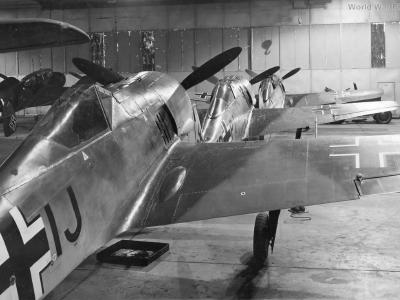
Fw 190A-0
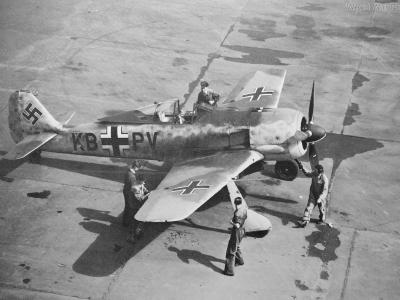
Fw 190A-0 0020
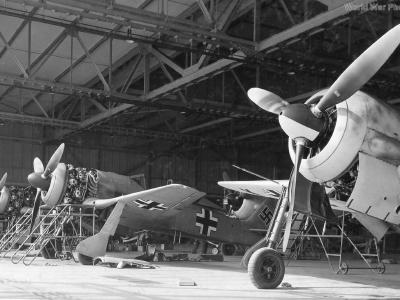
Fw 190A-0 Bremen factory
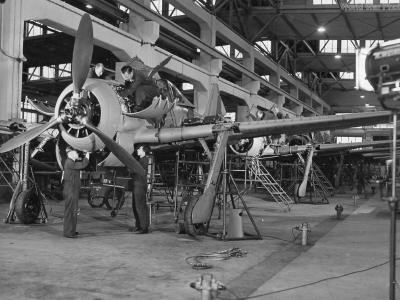
Fw 190A-2 at factory

Fw 190A-2 of Stab I/JG 26 flwon by Ofw Erwin Leibold, St Omer-Arques airfield July 1942
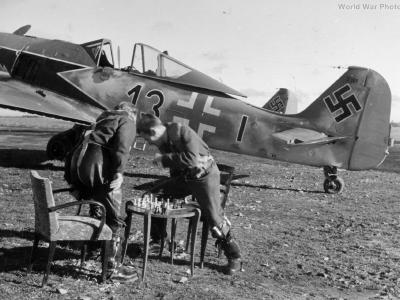
Fw 190A-3 2181 8/JG2 Vannes 4 February 1943
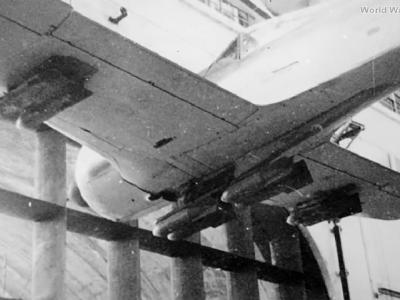
Fw 190A-3/U3 with ETC501 rack
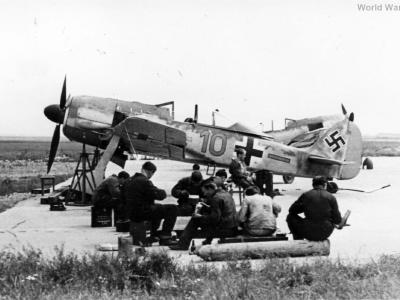
Fw 190A-4 "brown 10" of the II/JG 2
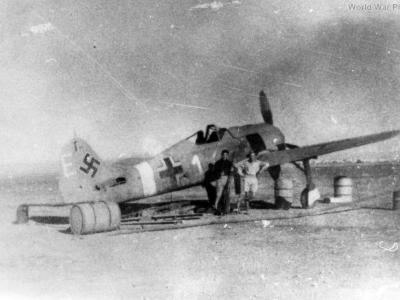
Fw 190A-4 Benghazi November 42
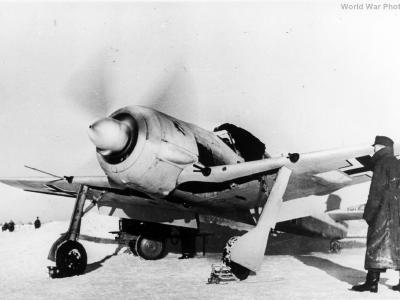
Fw 190A-4 I/JG54 Russia 1942/43
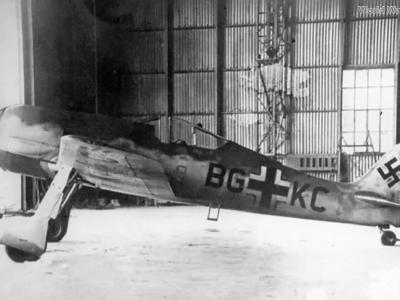
Fw 190A-5
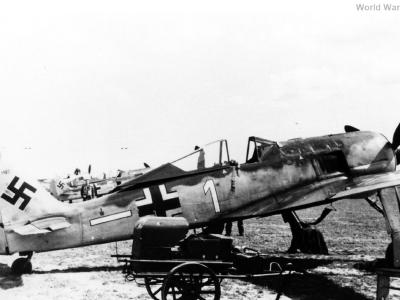
Fw 190A-5 1197 4/JG26 flown by Luftwaffe Ace Otto Stammberger
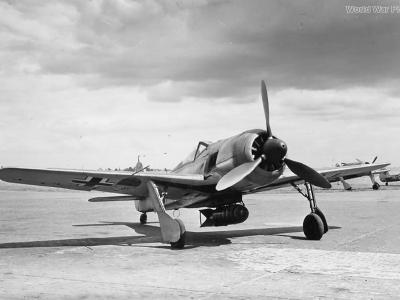
Fw 190A-5/U8
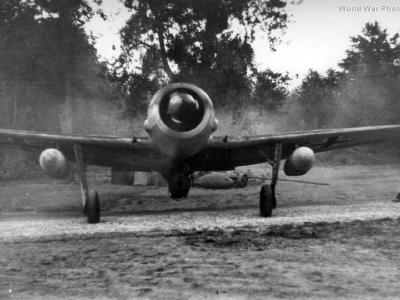
Fw 190A-5/U8
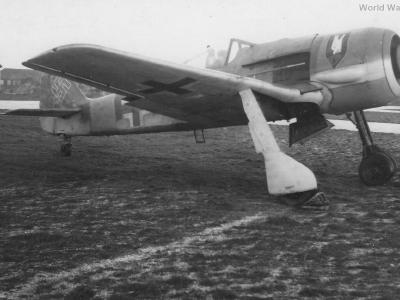
Fw 190A-6 NJG 3
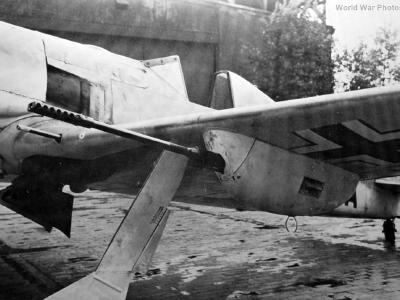
Fw 190A-6/R3
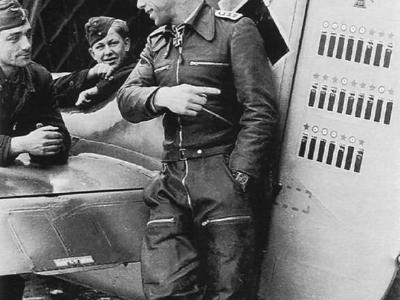
Fw 190A-7 W.Nr. 642527 "White 9" of 5/JG 26, 22 February 1944
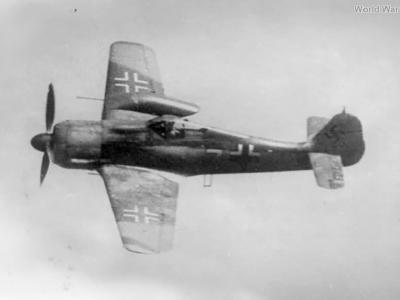
Fw 190A-7 with fuel tank mounted on the upper wing
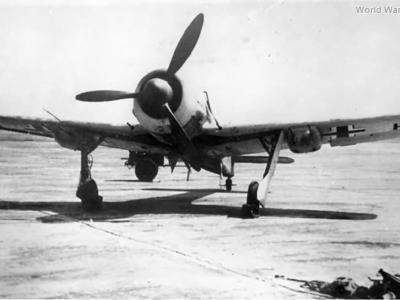
Fw 190A-7/R1 with WB 151 containers with two 20 mm Mauser MG 151/20 cannons
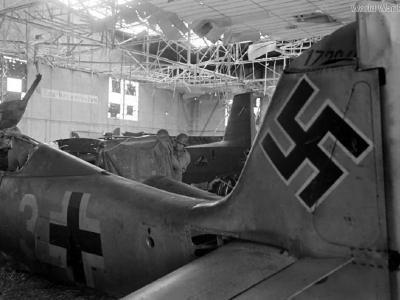
Fw 190A-8
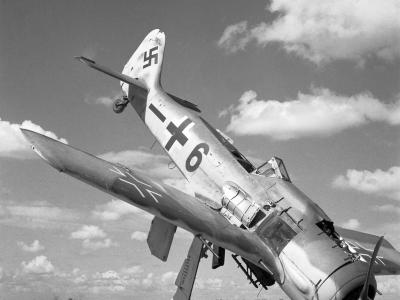
Fw 190A-8 Werk Nummer 175140 at Melsbroek airfield, Belgium
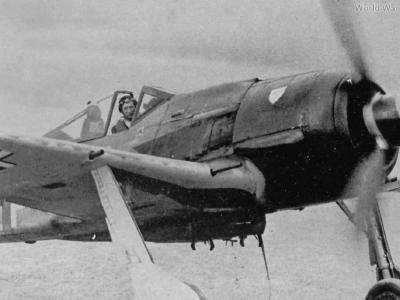
Fw 190A-8/R8 of the JG 3
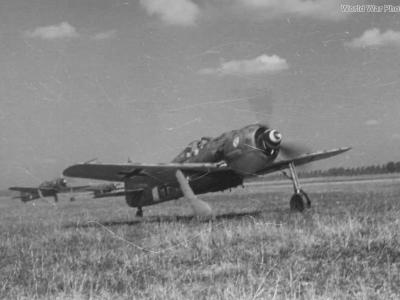
Fw 190A5/U3 of the SG 4
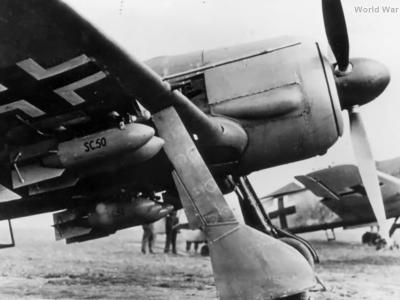
Fw 190F-3/R1 with additional ETC 50 bomb racks under each wing
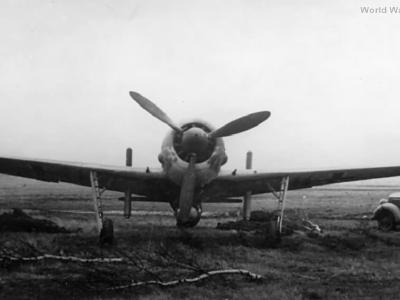
Fw 190F-8
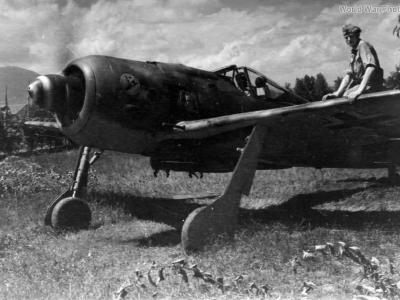
Fw 190F-8 SG 2
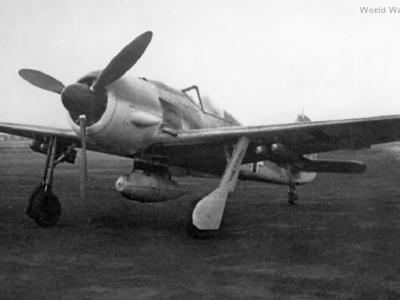
Fw 190F-8/R1
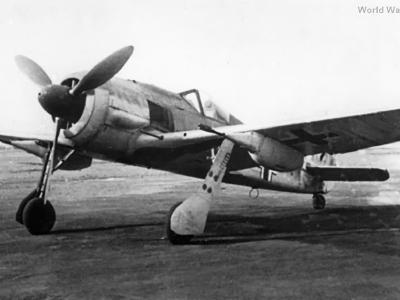
Fw 190F-8/R3 with two underwing mounted 30mm MK 103 cannons
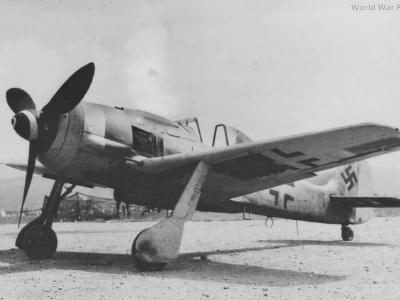
Fw 190F-9
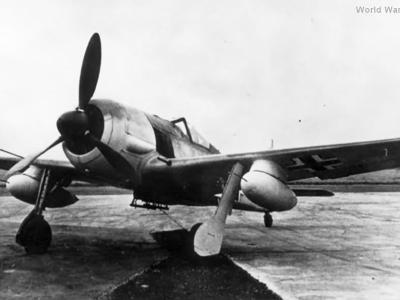
Fw 190G-1
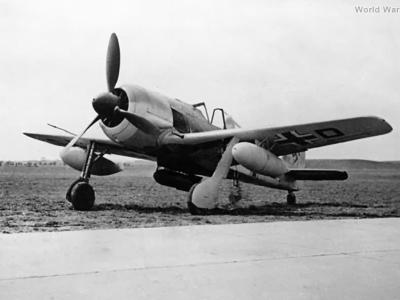
Fw 190G-2
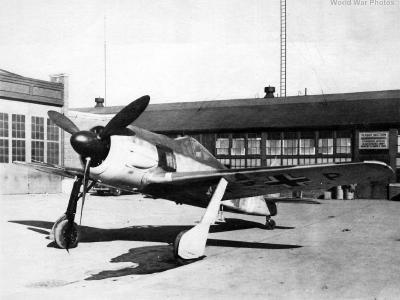
Fw 190G-3
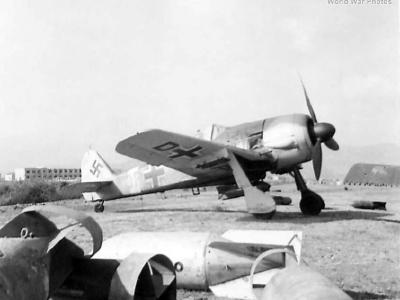
Fw 190G-3 W.Nr. 160043 Italy 1943
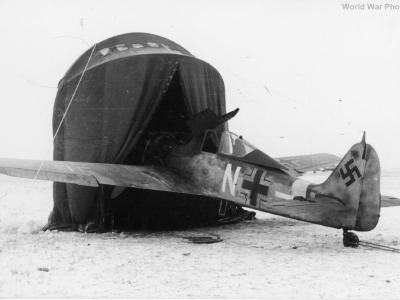
Fw 190G-3 with engine in a heated tent, Romania 1943
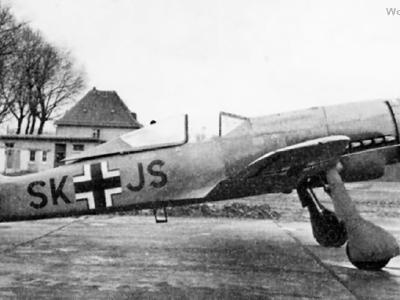
Fw 190V-13
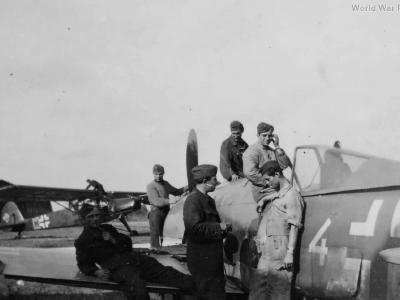
Fw190 4
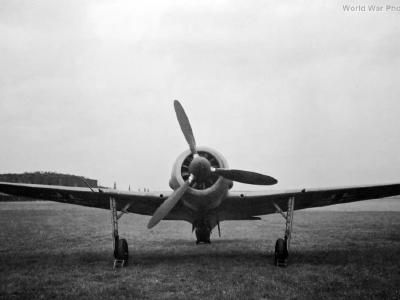
Fw190 A-0 in air-to-ground configurations
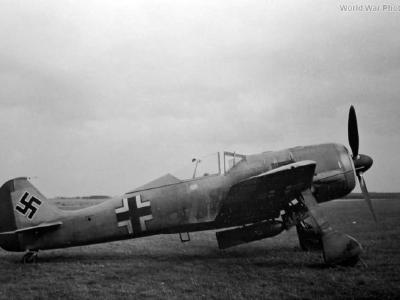
Fw190 A-0/U4
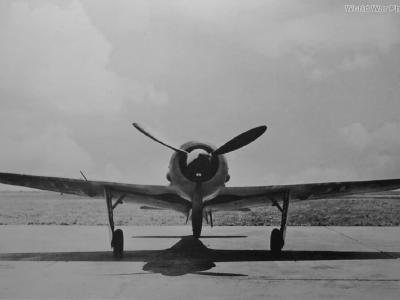
Fw190 A-1
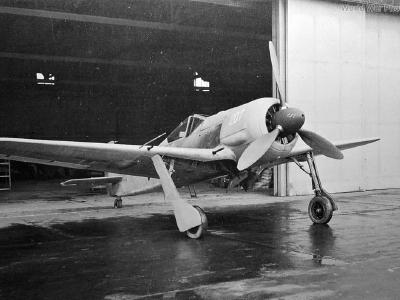
Fw190 A-3
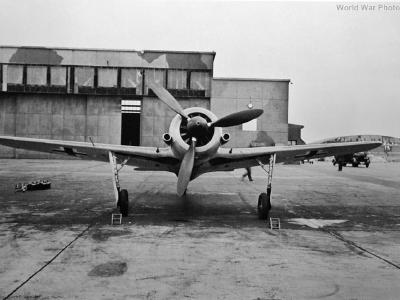
Fw190 A-3 U7
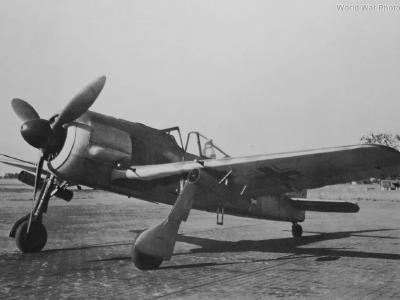
Fw190 A-4 R6
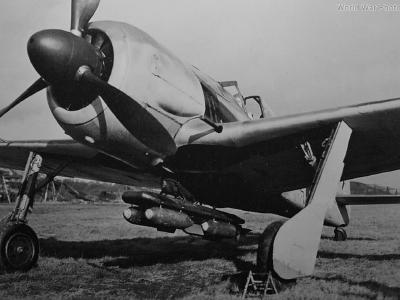
Fw190 A-4 U3
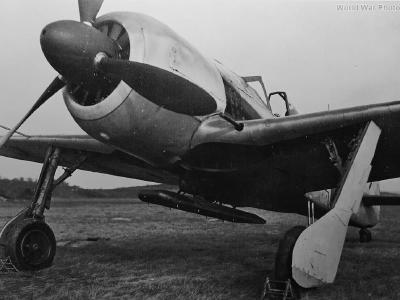
Fw190 A-4/U3
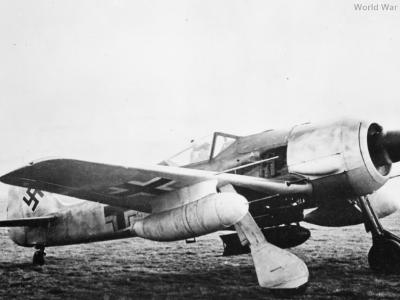
Fw190 A-4/U8
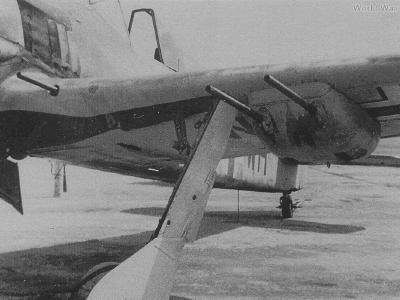
Fw190 A-5 U12 WB 151 gondola beneath wing, each pod containing 2x MG 151 20 mm cannons
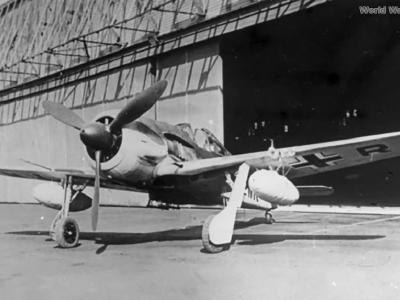
Fw190 A-5/U2 "Nacht Jabo-Rei"
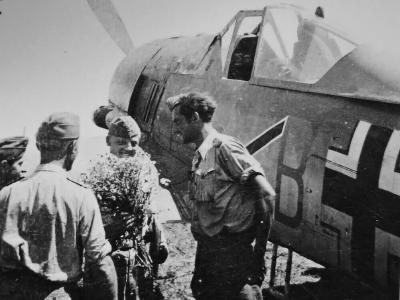
Fw190 B
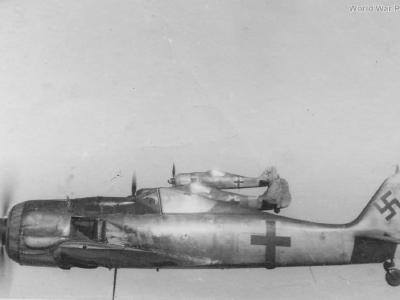
Fw190 blue 13 Walter Loos
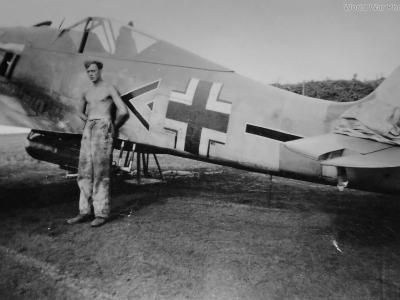
Fw190 bomb
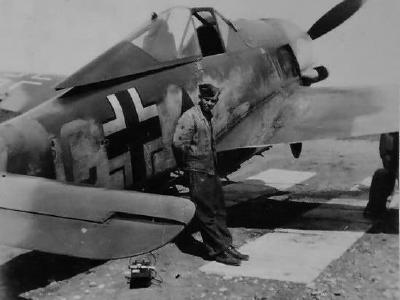
Fw190 C
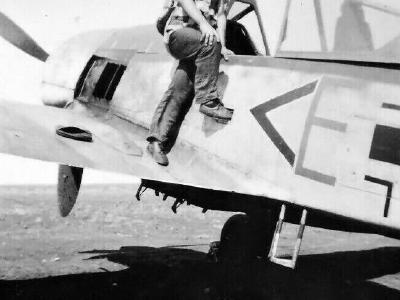
Fw190 E
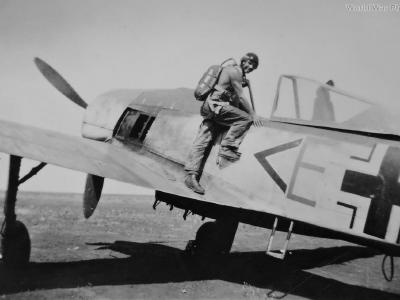
Fw190 E 2
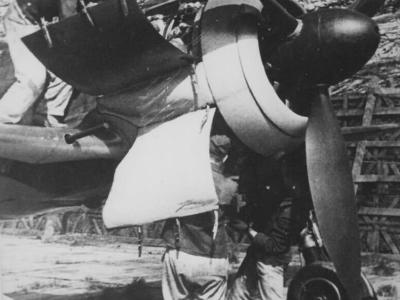
Fw190 engine
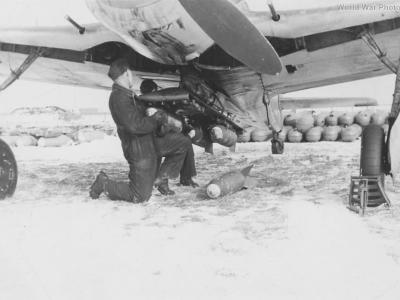
Fw190 ER4 rack
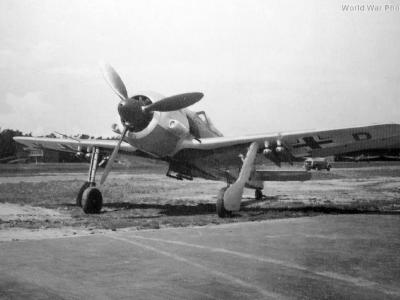
Fw190 F-3/R1
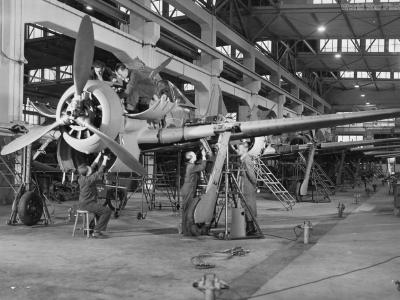
Fw190 factory
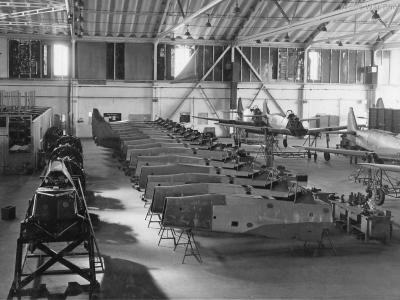
Fw190 factory
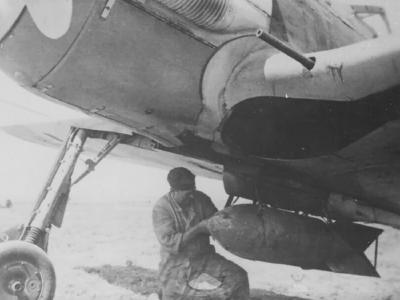
Fw190 fitted with a tropical filter on the side of thecowling
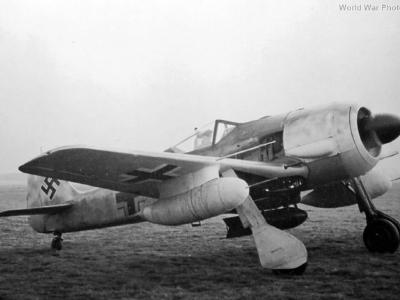
Fw190 G-1 with ETC 501 bomb rack and Junkers designed faired underwing mounts for 300 liter fuel tanks
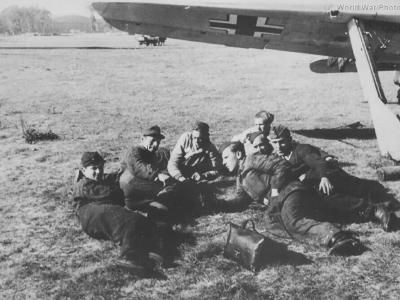
Fw190 ground crew
Fw190 Gruppen Kommandeur
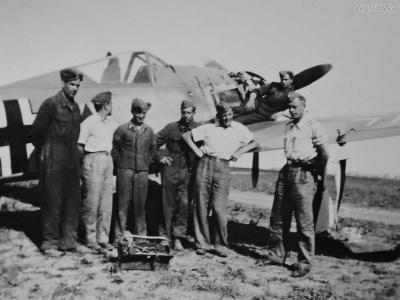
Fw190 JABO
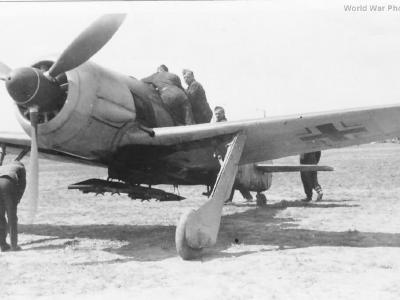
Fw190 Jabo
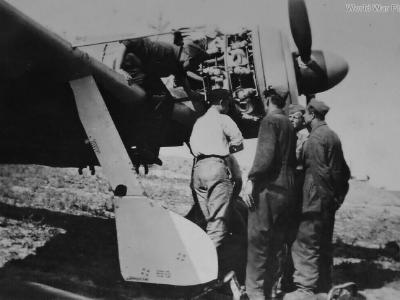
Fw190 JABO engine
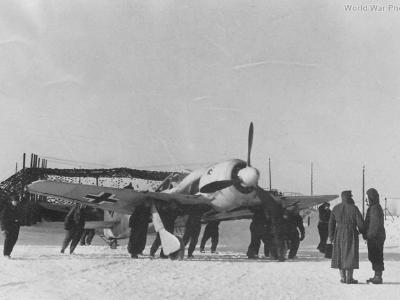
Fw190 JG 54, Russia
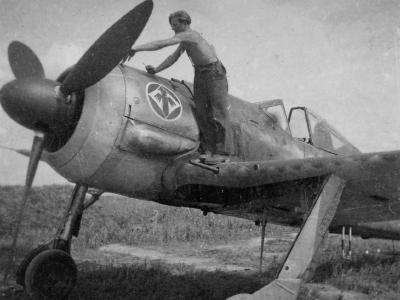
Fw190 JG1
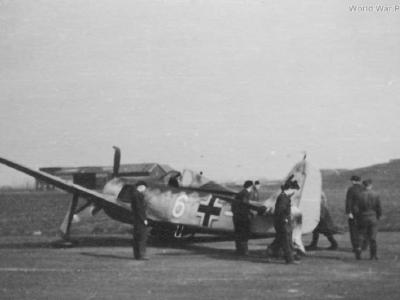
Fw190 JG26
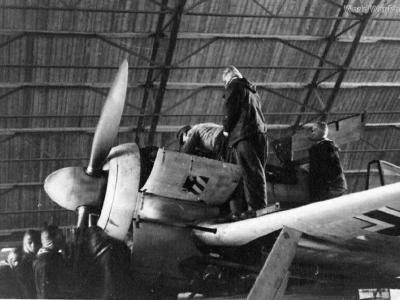
Fw190 JG54 3
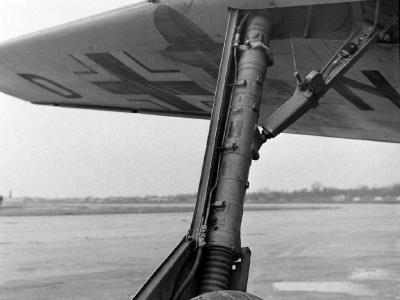
Fw190 Landing Gear
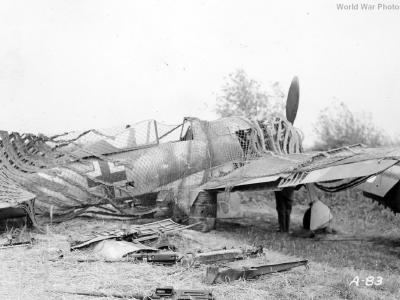
Fw190 net 1943

Fw190 prototype Spring 1939
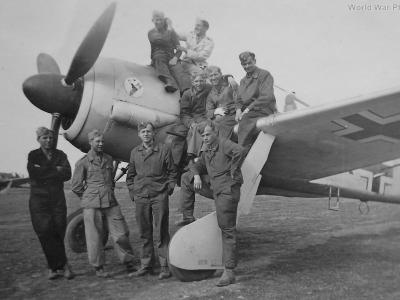
Fw190 Schlachtgeschwader 4
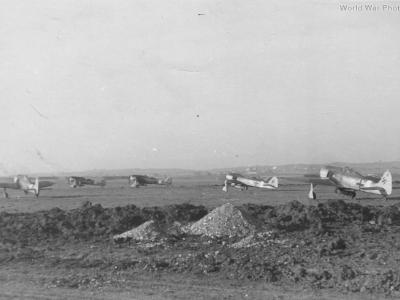
Fw190 SG
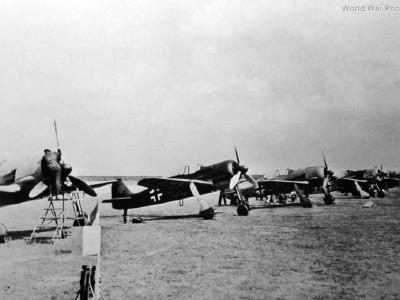
Fw190 V-2
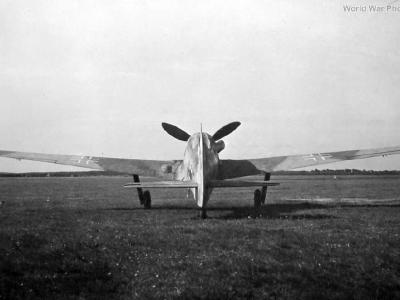
Fw190 V30 U1
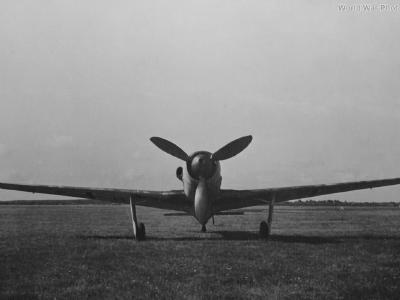
Fw190 V30/U1
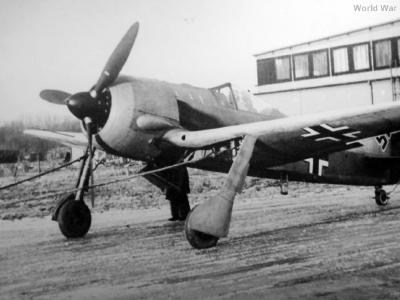
Fw190 V5k
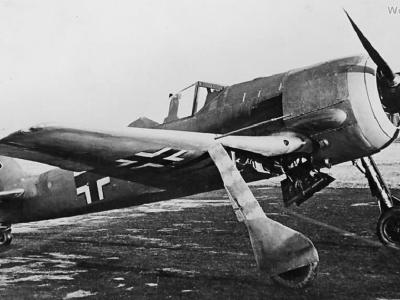
Fw190 V5k - smaller span initial variant
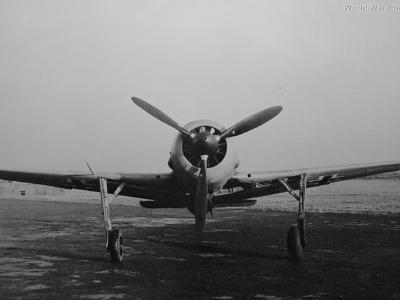
Fw190 V5k, 1940
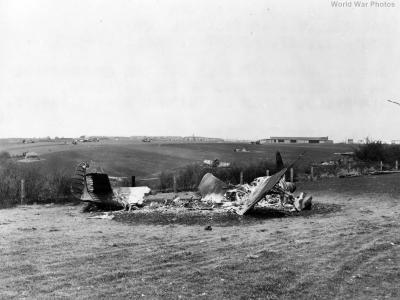
Fw190 wreck at Bayreuth
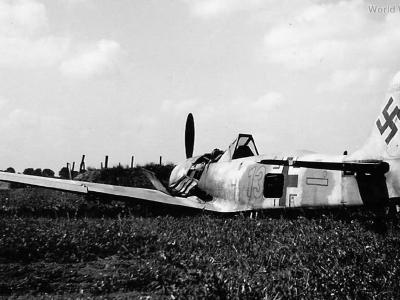
Fw190 yellow 13
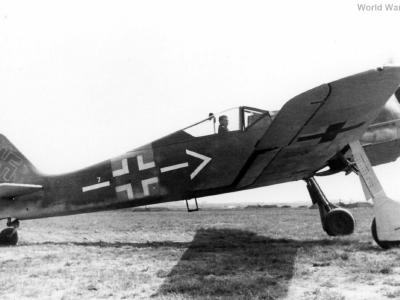
Fw190A
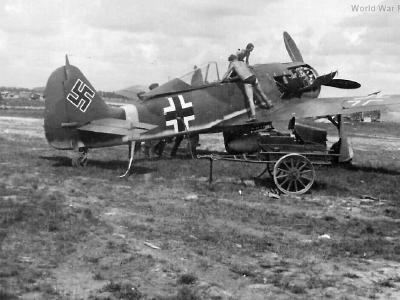
Fw190A JG 51
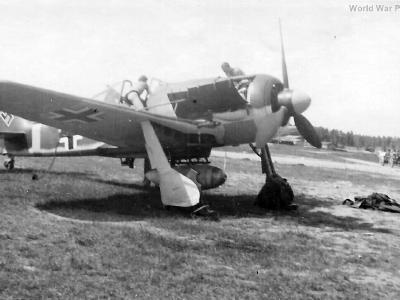
Fw190A JG 51
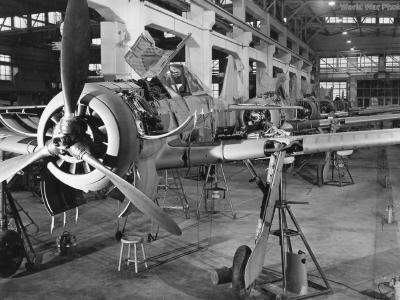
Fw190A-2 factory
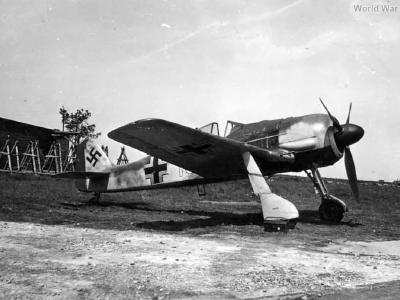
Fw190A-3
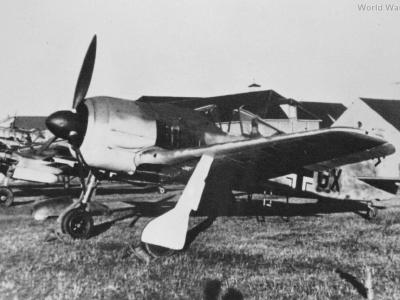
Fw190A-3 Munich
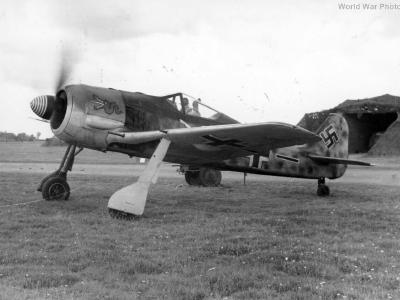
Fw190A-3 W.Nr. 2125 of the 5./JG 1 France 1942
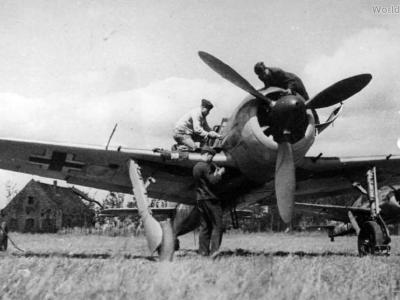
Fw190A-4
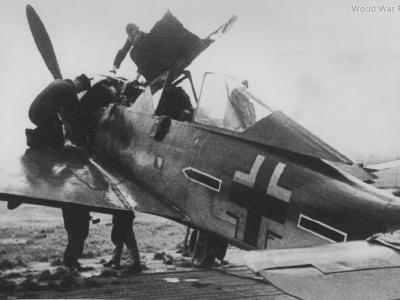
Fw190A-4 JG26
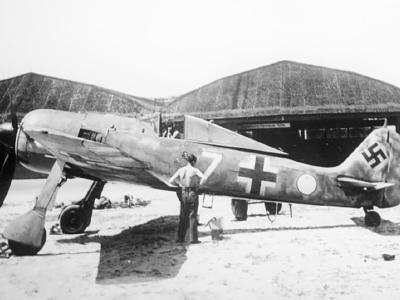
Fw190A-4 of the IV/SKG10
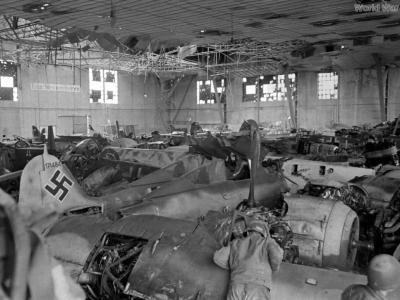
Fw190A-8 171484
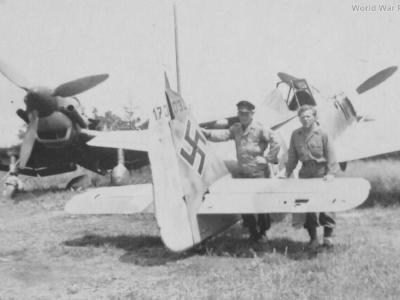
Fw190A-8 1945
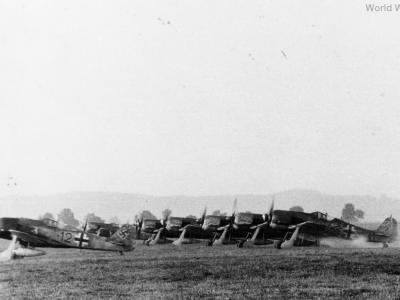
Fw190A-8/R8 of the IV(Sturm)./JG3
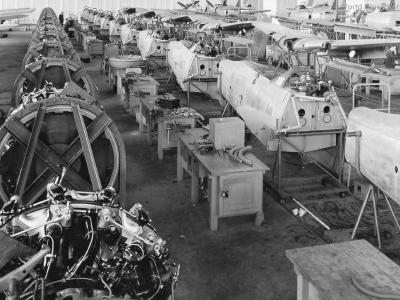
Fw190at factory
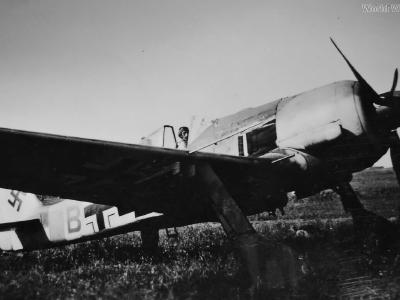
Fw190F
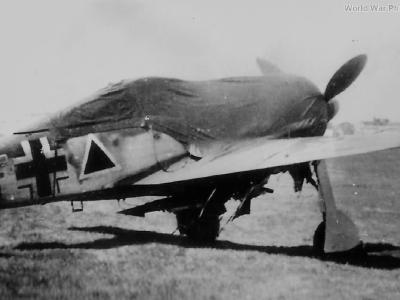
Fw190F
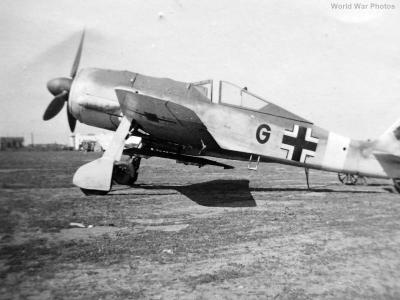
Fw190F 1943
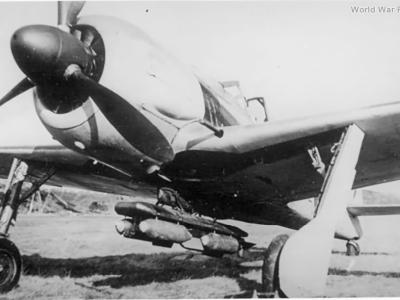
Fw190F with ER 4 rack attached to the ETC 501

Ground crew with a 300-litre fuel tank for Wurger
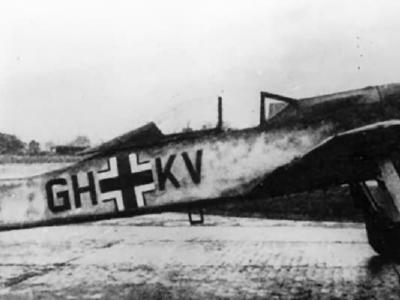
High-altitude prototype aircraft Fw 190V-32
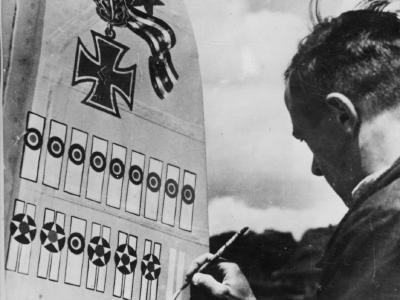
Luftwaffe ace Josef "Sepp" Wurmheller
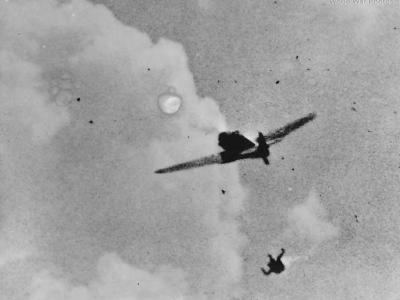
Luftwaffe pilot bails out of his Fw190, gun camera
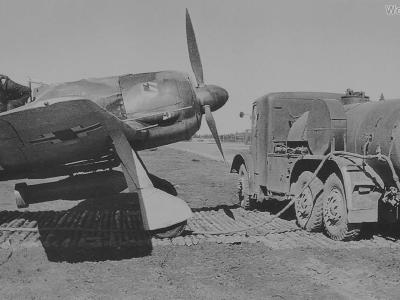
Luftwaffe technical ground staff refuelling a Fw190 JG 54

Night fighter Fw190A-6/R11 fitted with the FuG 217 Neptun radar
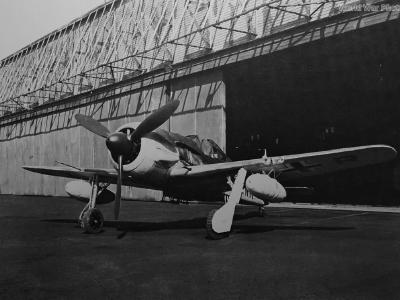
Night long-range fighter-bomber Fw 190A-5/U2 with N-braced racks
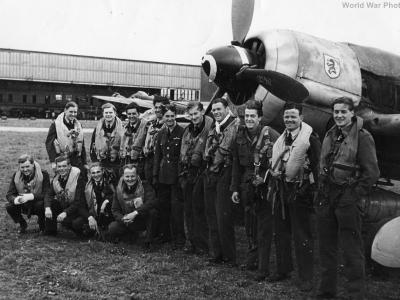
Pilots of 486 Squadron with Fw190 of JG 4 Kastrup, Denmark 1945
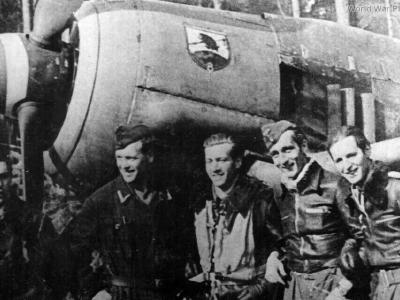
Pilots of the 8/JG300
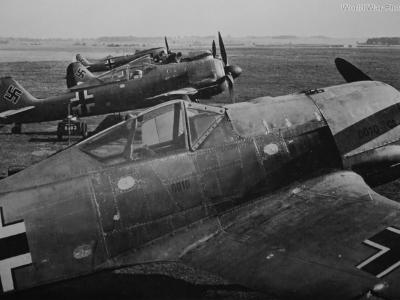
pre-production aircraft Fw190 A-0
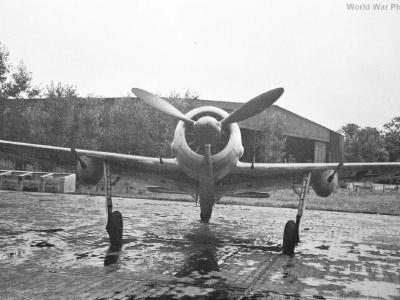
Prototype Fw190 A-5/U11 151303
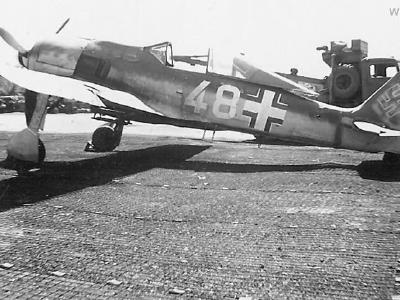
Trainer Fw 190 white 48 at Lippstadt
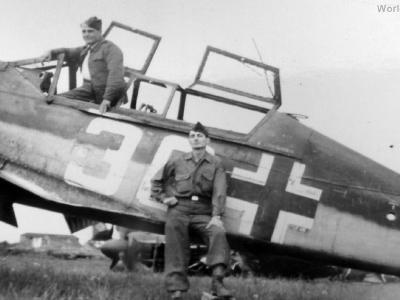
Two-seat Fw 190S-8 680430
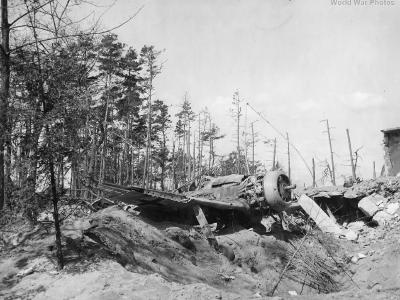
Wreck at Manching 1945
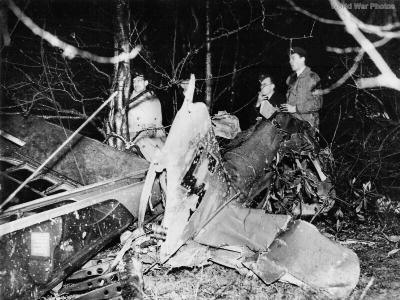
Wrecked JABO Fw190 England, 20 January 1943
Design of the Focke-Wulf Fw 190 was tendered with two alternative engines, the Daimler-Benz DB601 inline and the BMW 139 radial, the latter being selected to power the prototype on account of its assumed higher power development potential. Detail design commenced under the leadership of Oberingenieur Blaser and the first prototype was flown by test pilot Hans Sander at Bremen on 1 June 1939. The first two aircraft featured large, low-drag ducted spinners but these were soon discarded as they were thought to cause engine overheating, and after the BMW 139 had been abandoned the Fw 190A entered production with the BMW 801 14-cylinder radial with fan-assisted cooling. The first 9 pre-production Fw 190A-0s featured small wings of 15.00 m2 area, but the definitive version had larger wings of 18.30 m2 area. Service trials at Rechlin went ahead in 1940 without undue problems, although Luftwaffe pilots suggested that the proposed armament of the Fw 190A-1: 4 synchronised 7.92mm MG 17, would meet with spirited criticism in combat service. Production of the 100 Fw 190A-1s at Hamburg and Bremen was completed by the end of May 1941, and these were powered by 1,600 hp BMW 801C engines which bestowed a top speed of 624 km/h.. The aircraft were flown by E-stelle Rechlin and 6./JG 26, the latter based at Le Bourget in August. The following month the first combats were reported with RAF Spitfire Vs, showing the German fighters to be markedly superior, albeit lacking in weapon punch. Already, however, the early gun criticisms had led to theA-2 version with two wing root-mounted synchronised 20-mm MG FF cannon and two MG 17 MG; with a speed of 614 km/h, this up-gunned version still had the edge over the Spitfire V. By the end of March 1942, JG 26, commanded by Adolf Galland, was fully equipped with Fw 190A-2s. As the RAF desperately sought to introduce an answer to the Fw 190, production of the German fighter was stepped up as Focke-Wulf factories at Cottbus, Marienburg, Neubrandenburg, Schwerin, Sorau and Tutow joined the programme, as well as the Ago and Fieseler plants. The “A-3” with 1,700 hp BMW 801DG, four 20-mm and two 7.92-mm machine guns, joined II/JG 26 in March 1942 and shortly afterwards the only other Luftwaffe fighter Geschwader in the West, JG 2 A-4, had appeared with a water-injected 1567 kW 2,100 hp BMW 801D-2 engine and a top speed of 670 km/h. Early in 1943 there appeared the Fw 190A-5 with slightly lengthened engine mountings, and with it a much increased range of Rustsatze (field conversion kits), including the R6 that enabled the Fw 190A-5 (in modified form Fw 190A-5/R6) to carry two underwing WG21 21-cm rocket-launchers for use against the growing B-17 and B-24 bomber fleets operated by the USAAF. The Fw 190A-5/U2 night bomber could carry a 500 kg bomb and two 300-litre drop-tanks; the Fw 190A-5/U3 carried up to 1000 kg of bombs; the Fw 190A-5/U12 was a heavily-armed fighter with six 20-mm MG 151720 cannon and two MG 17s; while the Fw 190A-5/U15, of which three examples were built in November 1943, was equipped to carry a 950kg LT950 torpedo. A torpedo-carrying Fw 190A-5/U14, a lighter version of the U15 torpedo-fighter, is said to have been flown in action by Hauptmann Helmut Viedebannt of SKG 10. The Fw 190A-6, in its standard form with reduced wing structure weight, was armed with four fast-firing 20-mm guns inside the wings (in addition to the two MG 17s in the nose); the Fw 190A-6/R1 carried six 20-mm guns in underwing packs; and the Fw 190A-6/R6 mounted four 30-mm MK 108 cannon in these packs, making it the most heavily-armed single-seater of the war. The Fw 190A-6/R4, with turbocharged BMW 801TS, had a top speed of 683 km/h at 10500 m. Fighter-bomber versions of the Fw 190A-6 were able to carry a 1000kg bomb under the fuselage. While Fw 190A fighter-bombers were in action in the MTO, there appeared the Fw 190A-7 with a pair of 20-mm cannon in the nose decking (in addition to the various wing gun combinations), and the Fw 190A-8 with GM-1 nitrous-oxide powerboosting and all the adaptability afforded by earlier Rüstsatz additions. The Fw 190A-8/U1 was a two-seat version, of which three examples were produced to assist the conversion training of Junkers Ju 87 pilots to the Fw 190 for the ground-attack squadrons on the Eastern Front. The Fw 190A-8/U3 was the upper component of the Mistel composite weapon, riding the back of explosive- packed, unmanned Junkers Ju 88 bomber. The Fw 190A-8/U11 antishipping strike aircraft, with a BT700 700kg torpedo- bomb, was flown in attacks against the Russian Black Sea Fleet in February 1944. The Fw 190A-9, with armoured wing leading edge, was powered by a 2,000-hp BMW 801F (although the Fw 190A-9/R11 had a turbocharged BMW 801TS). The Fw 190A-10, of which only prototypes were completed, featured provision for an increased range of bombs. Among the purely experimental versions of the Fw 190A were the Fw 190V74 with a seven-barrelled 30-mm SG117 Rohrblock cannon aimed by a Revi 242 gunsight, and the extraordinary Fw 190V75 with seven 75mm downward firing mortars intended for low-level anti-tank use from a height of about 10 m. Another interesting experiment was the use of large Doppelreiter overwing fuel tanks on the Fw 190A-8, evaluated by Erprobungskommando 25 under Major Georg Christl in July 1944. The “F” and “G” series were essentially ground-attack versions, the Fw 190F armoured assault aircraft appearing in the spring of 1944. Externally similar to the Fw 190A series, but with a bulged hood, this version featured gun armament reduced to two MG 17s and two 20-mm cannon, but had the ability to carry the 1000-kg bomb plus two 50-kg fragmentation bombs. Most important sub-variant was the Fw 190F-8. The Fw 190G series actually entered operational service long before the Fw 190F, the first aircraft being sent to North Africa, joining SG 2 at Zarzoun, Tunisia, following the Torch landings in November 1942. The majority, however, went to the Eastern Front where they played an active part in the great tank battle of Kursk in early July 1943. The Fw 190G-1 version, with greatly strengthened undercarriage, could lift a 1800kg bomb.
Source: David Donald: Fighters of World War II