Dornier Do 217
Click the thumbnails to enlarge them
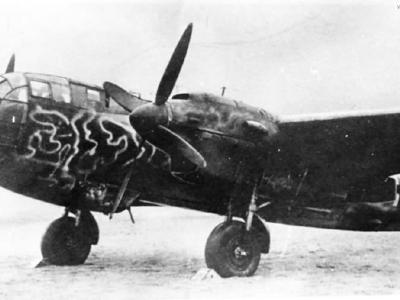
Bomber Do 217 M-1
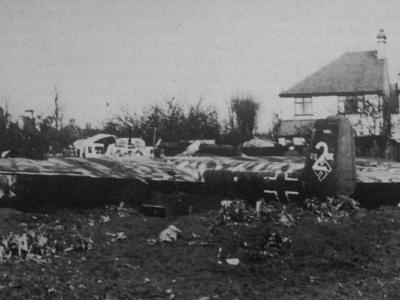
Crashed Do 217M-1 U5+DK of 2/KG 2 Cambridge February 1944
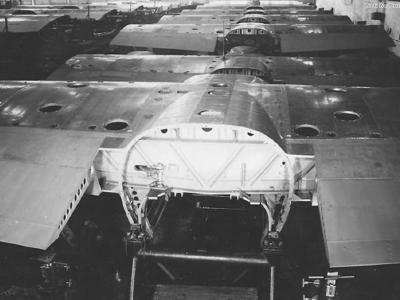
Do 217 assembly line 1943 2
Do 217 E B-Stand
Do 217 E in Bourges 1944 2
Do 217 E of the 3/KG 2 in Dreux 5 june 1942
Do 217 E-1 DD+LF
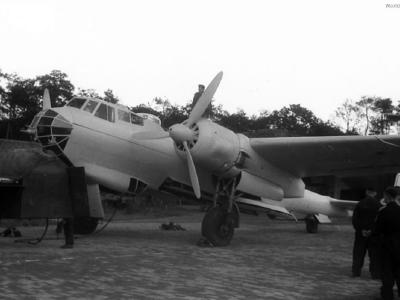
Do 217 E-1 of the KG 40
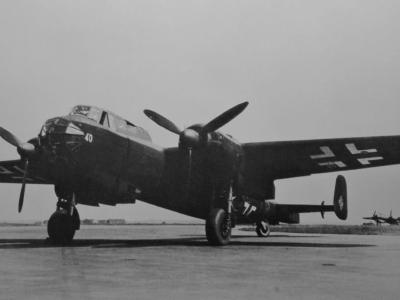
Do 217 E-1 W.Nr. 0040
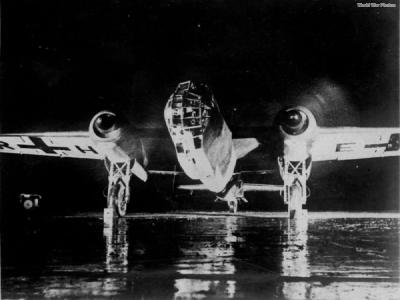
Do 217 E-2
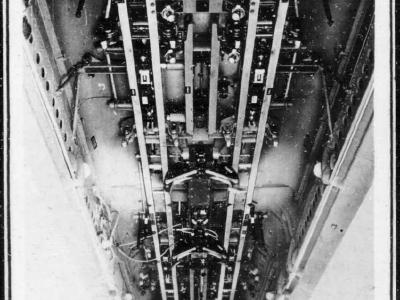
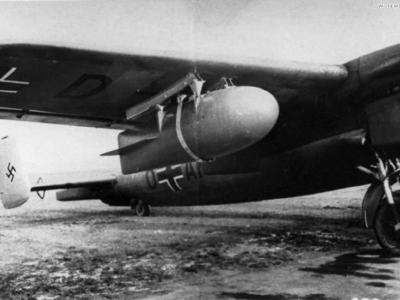
Do 217 E-2 bomb bay
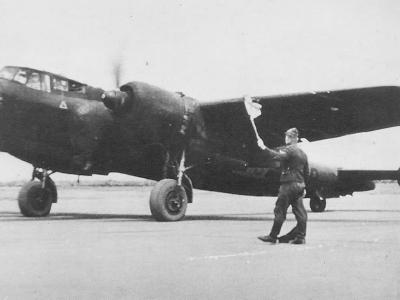
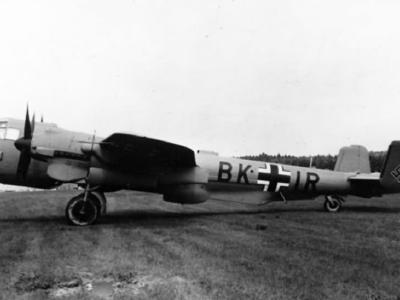
Do 217 E-4 F8-AP
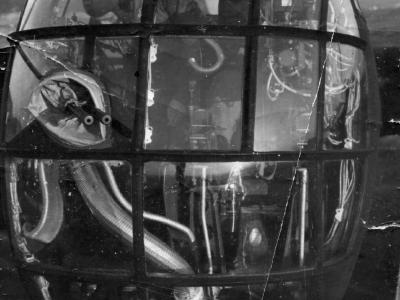
Do 217 K Cockpit
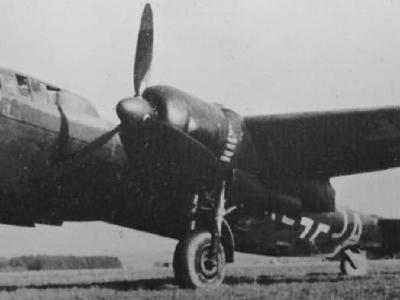
Do 217 K-01 KE+JA W.Nr. 4401
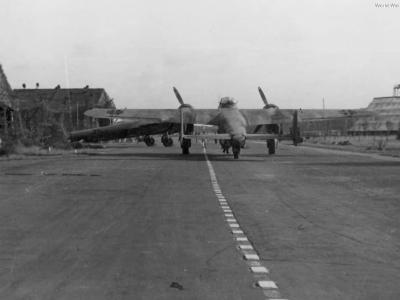
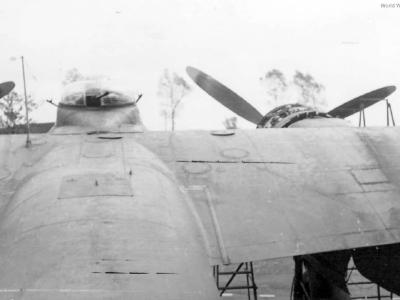
Do 217 rear view
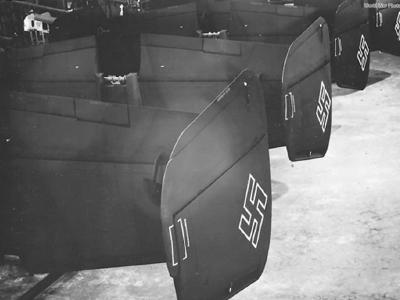
Do 217 tail section assembly 1943 3
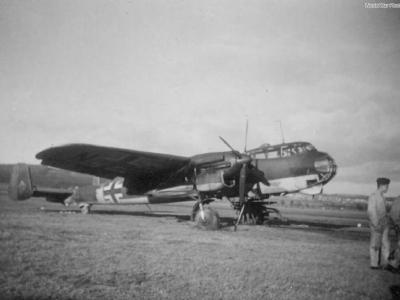
Do 217C-0
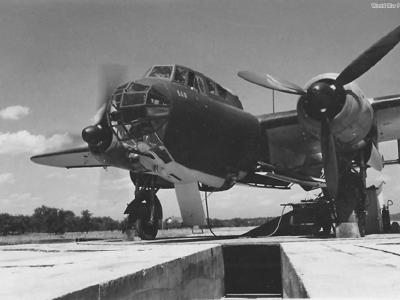
Do 217E 148 1942 5
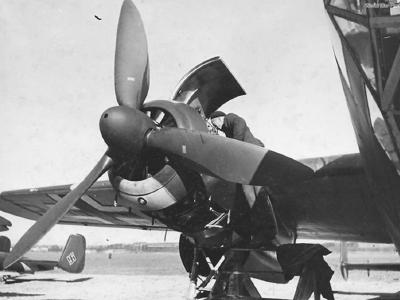
Do 217E 1942
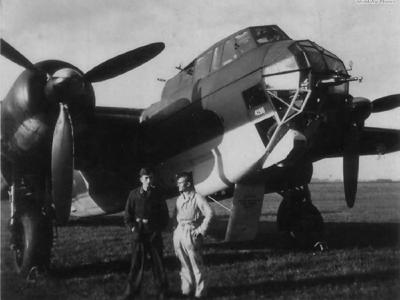
Do 217E 4298
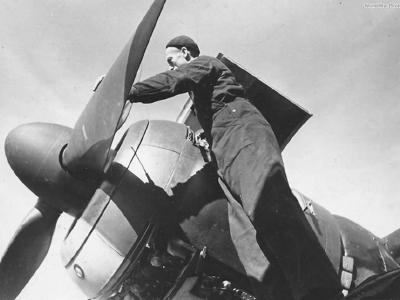
Do 217E BMW 801 engine maintenance 1942
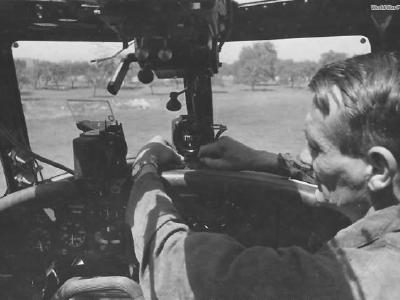
Do 217E cockpit 1942
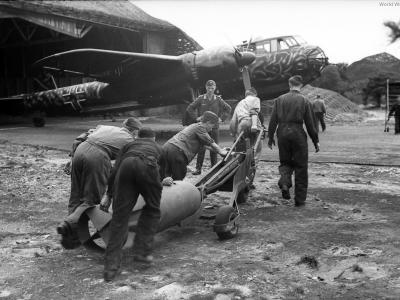
Do 217E code 3E+EN of the 5/KG 6
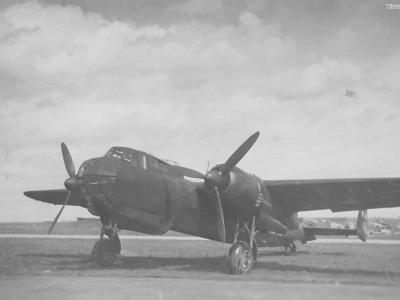
Do 217E in Bourges 1944
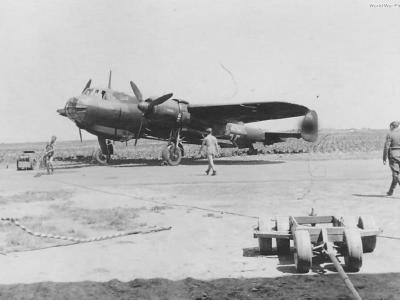
Do 217E of I/KG 66 in Montdidier

Do 217E of I/KG 66 in Montdidier 1943 3
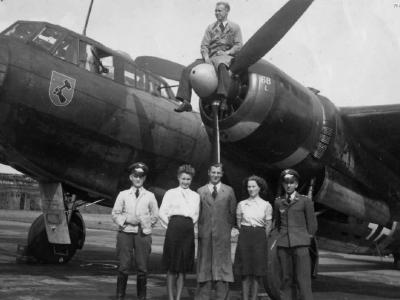
Do 217E of the KG 2 Holzhammer
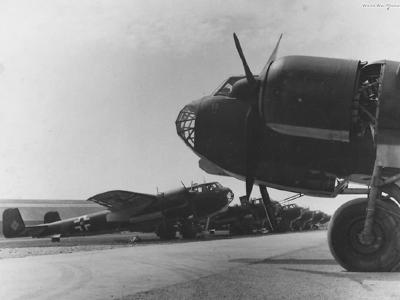
Do 217E-1 bombers 1942 2
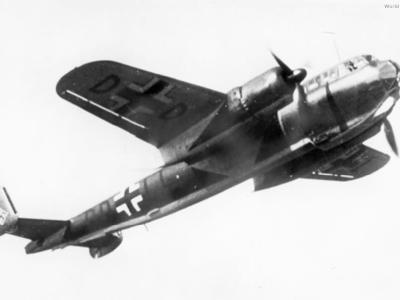
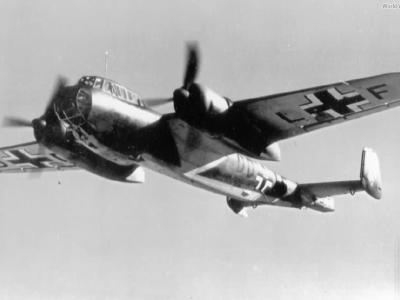
Do 217E-1 DD+LL in flight
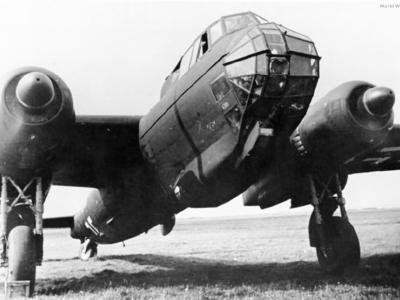
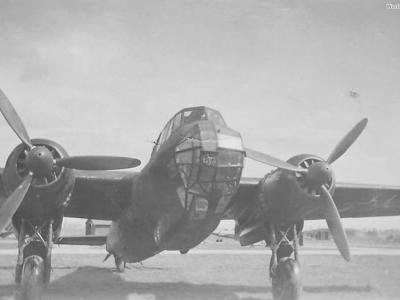
Do 217E-1 frontal view
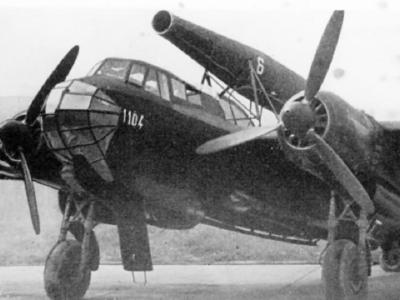
Do 217E-2 1104 ramjet testing bed
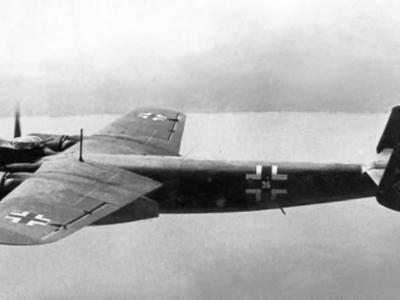
Do 217E-2 1136 RH+EJ in flight
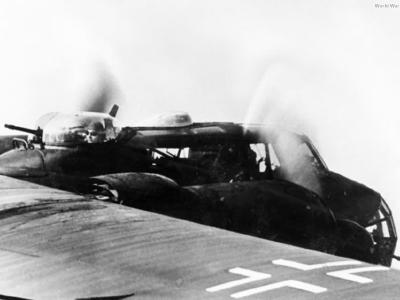
Do 217E-2 B-Stand with DL 131 turret
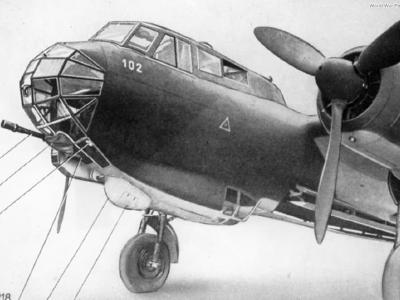
Do 217E-2/R-5 with Mk 101
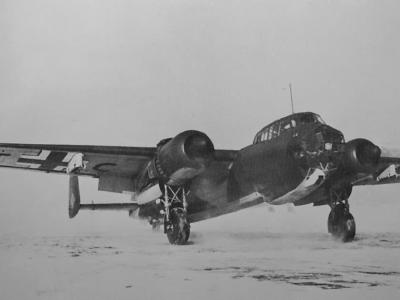
Do 217E-5
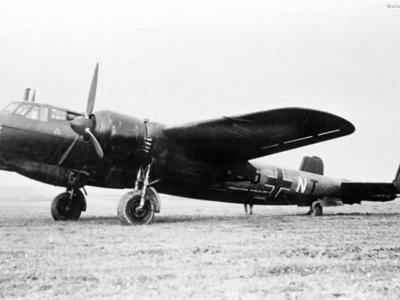
Do 217E-5
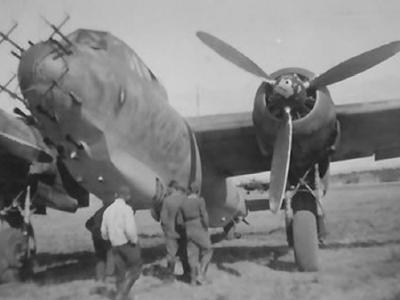
Do 217J from NJG3 with radar FuG 212 Lichtenstein
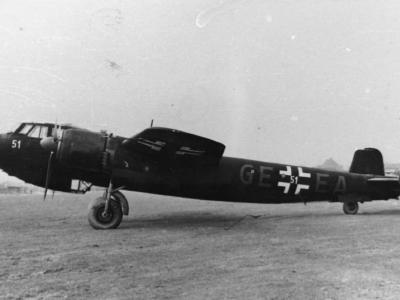
Do 217J-2 GE+EA
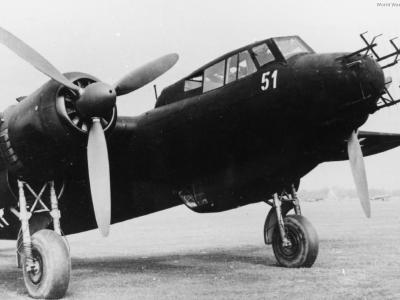
Do 217J-2 with FuG 202 Lichtenstein B/C radar
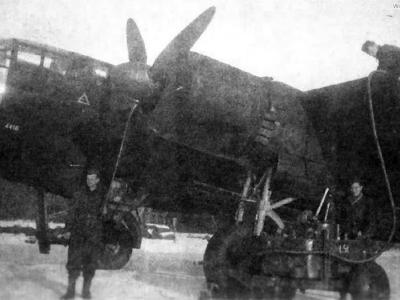
Do 217K 4416
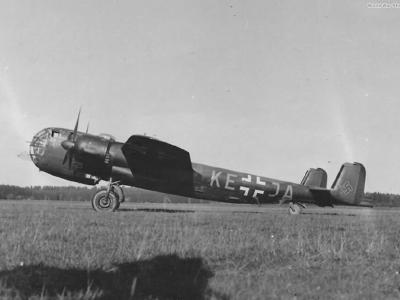
Do 217K-01 KE+JA W.Nr. 4401 on the ground
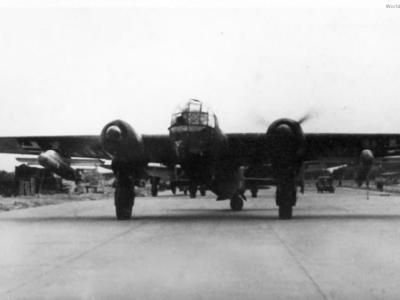
Do 217K-07 4407 at Gotenhafen
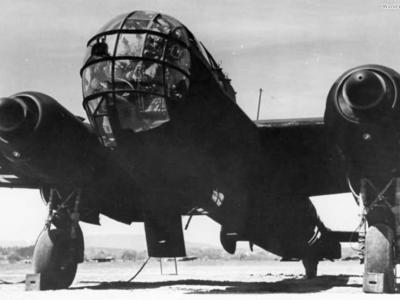
Do 217K-1
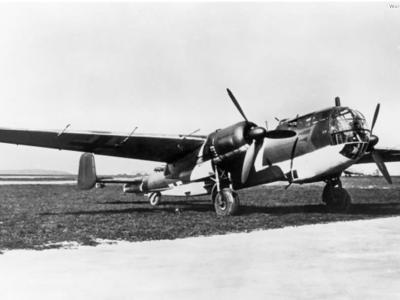
Do 217K-2 4572
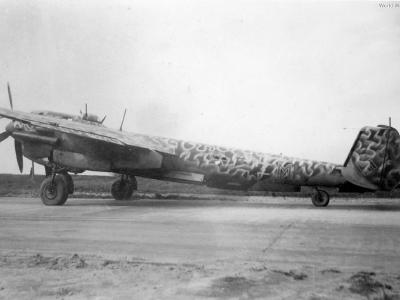
Do 217M
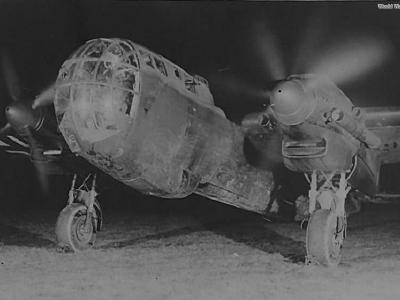
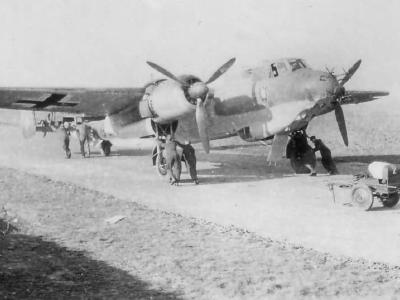
Do 217M warming up engines
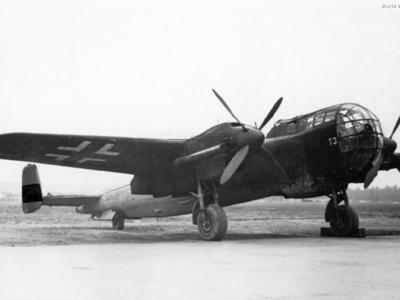
Do 217M-1 13
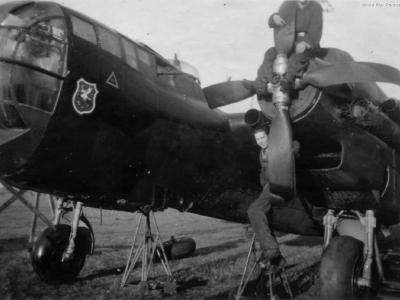
Do 217M-1 from 1.(F)/Aufklärungsgruppe Nacht Wien 1944-45
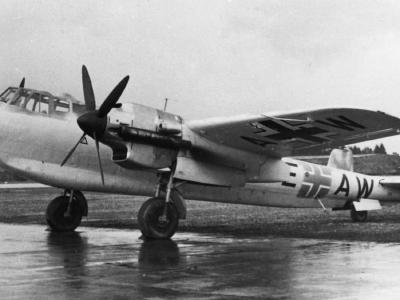
Do 217N-2 0174 PE-AW
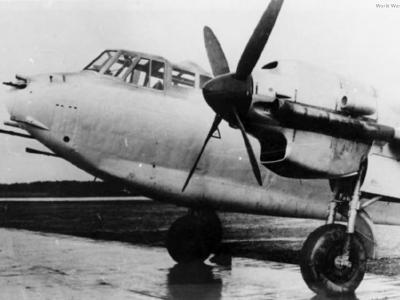
Do 217N-2 night fighter
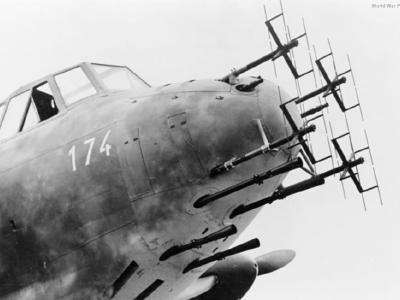
Do 217N-2 with FuG 202
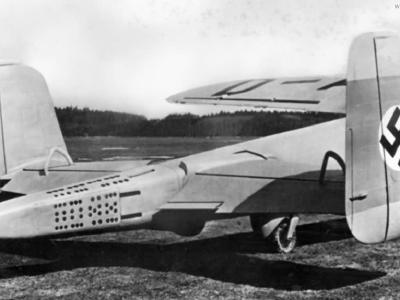
Do 217V-1 - rear fuselage and tail with clamshell air brake
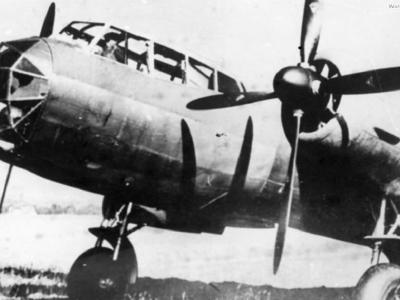
Do 217V-7 D-ACBF
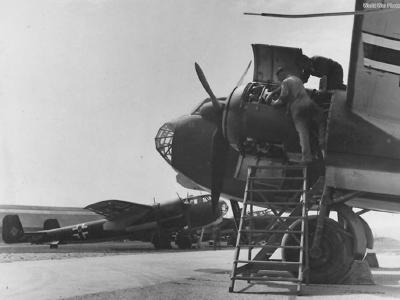
Do217E-1 1942
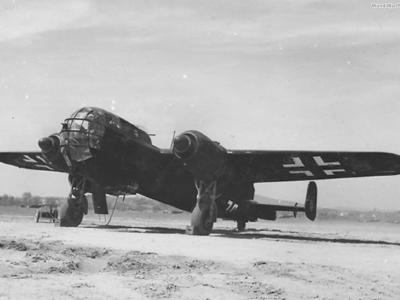
Do217K-1
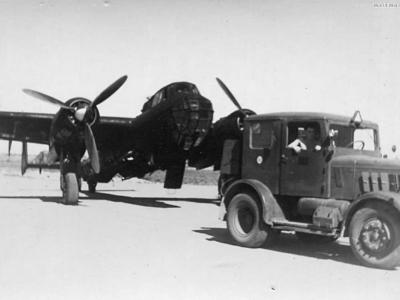
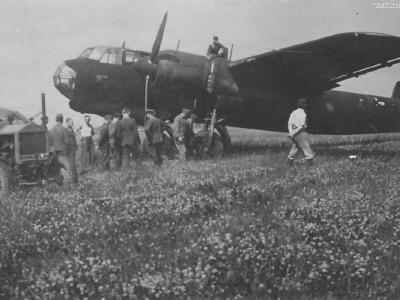
Hanomag SS 60 tractor and Do 217E
High-altitude variant with a pressurised cockpit
Night fighter Do 217 J-2 2
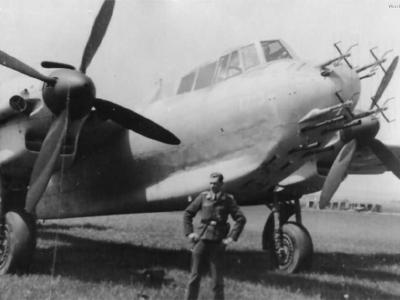
Night fighter Do 217N-2 2
Do 217 was a World War II medium bomber designed from scratch as a replacement for the venerable Do 17. Dornier recognized shortcomings of its fast Do 17 well before the war. With Junker’s new Ju 88 prototype being superior to the Do 17 in every way, Dornier decided to make a new bomber better than its Do 17, and its Junkers Ju 88 competition. The new aircraft was externally similar to the Do 17, but was in fact a completely different aircraft. It first flew in October 1938. The combat version flew in winter 1940/1941.
In almost every way, the Do 217 was a success. It could carry much higher bomb loads than both the Junkers Ju 88 and the Heinkel He 111. It was also very fast, matching the speed of the Junkers Ju 88. It was Germany’s largest bomber for nearly 2 years until the Heinkel He 177 was finally safe enough to use. Do 217’s sank the Italian battleship Roma with Fritz X missiles. However, the Do 217 had some quite serious flaws. It was at the limit in terms of size that a twin engined bomber could be with the engines available. Unlike its agile cousin Do 17, this aircraft was difficult to fly. Stability issues were always a problem, and it always seemed to lack powerful engines.
Like Do 17 and Ju 88, it was used in a variety of different variants and roles, including reconnaissance aircraft and night fighter.Production stopped in late 1943 in favour of fighters.
Type
- Twin-engined heavy bomber.
- Shoulder-wing cantilever monoplane with a three-section structure.
- Center section incorporates a portion of the fuselage.
- Two outer sections have semi-circular wing-tips.
- Two-spar wing structure with girder truss ribs and solid plate ribs at stress points.
- Smooth outer stress-bearing skin riveted to spars and ribs.
- Slotted ailerons on outer sections.
- Electrically-operated split flaps with a maximum angle of 55°.
- Ailerons droop when flaps are lowered.
- Leading edge of outer wing sections is double-skinned and heated by engine hot air.
- All-metal structure in three sections:
- Nose section accommodating the crew.
- Section integral with the wing center-section.
- Rear fuselage.
- Main structure built with formers and stringers, riveted stressed skin.
- Center and rear fuselage sections divided horizontally.
- Lower half forms the bomb cell, upper half contains transverse bracing frames for bomb load support.
- Cantilever monoplane type with twin fins and rudders.
- Tailplane and fins have two spars and are covered with metal skin.
- Fins have fixed slats with trailing edges on the inside.
- Rudders have narrow horn balances for mass-balancing and full-length trimming tabs.
- Tailplane incidence changes automatically with landing flaps and can be manually adjusted.
- Retractable type with two oleo legs and a single wheel per unit.
- Electrically retracted rearwards into the engine nacelle.
- Electrically-operated, retractable tail wheel.
- Two Daimler-Benz DB 603 A twelve-cylinder inverted Vee liquid-cooled engines on welded steel-tube mountings.
- Coolant radiators beneath engines.
- Oil radiators in top cowling.
- Five fuel tanks (total capacity 230 + 175 + 175 + 44 + 44 + 35 + 35 Imp. gallons) and two oil tanks in wings.
- CO2 gas release in emergency.
- VDM three-bladed fully-feathering propellers with de-icing equipment.
- Crew of four housed in cabin forward of the wing:
- Pilot on port side with a spectacle-type control column.
- Bomb-aimer in the nose or seated beside the pilot.
- Radio-operator behind the pilot.
- Rear gunner aft.
- Cabin heating by exhaust-pipe muffs and hot-air sprays for transparent panels.
- Armored pilot’s seat and gun-turret sides.
- Armored recess for dinghy stowage in rear fuselage.
- One twin MG 81 (1,000 rounds) in the nose.
- One MG 131 (500 rounds) in dorsal turret.
- One MG 131 (1,000 rounds) in lower rear position.
- Two MG 81 (750 rounds per gun) in lateral positions.
- Main bomb cell: 14 ft. 10 in. long with a 5 ft. 8 in. extension for torpedo.
- Maximum load: 5,550 lbs. of various combinations of bombs, torpedo, or mines.
- Two 550-lb. bomb racks under wings, one outboard of each engine.
- Electrical fusing system for different bombing modes.
- Heating for bomb compartment when carrying torpedo.
- Span: 62 ft. 5 in. (19 m.)
- Length: 56 ft. 6 in. (17 m.)
- Gross wing area: 610 sq. ft. (56.6 sq. m.)
- Net wing area: 522 sq. ft. (48.5 sq. m.)
- 35,000 lbs. (15,890 kg.)
- Maximum speed at sea level: 290 mph (464 km/h).
- Maximum speed at 22,000 ft.: 330 mph (528 km/h).
- Service ceiling (fully loaded): 24,000 ft. (7,320 m.)
- Service ceiling (light): 27,000 ft. (8,235 m.)
- Range with maximum fuel: 2,400 miles (3,840 km.)